Sewage Backup in Kansas City Basements: Health Risks & Cleanup Steps
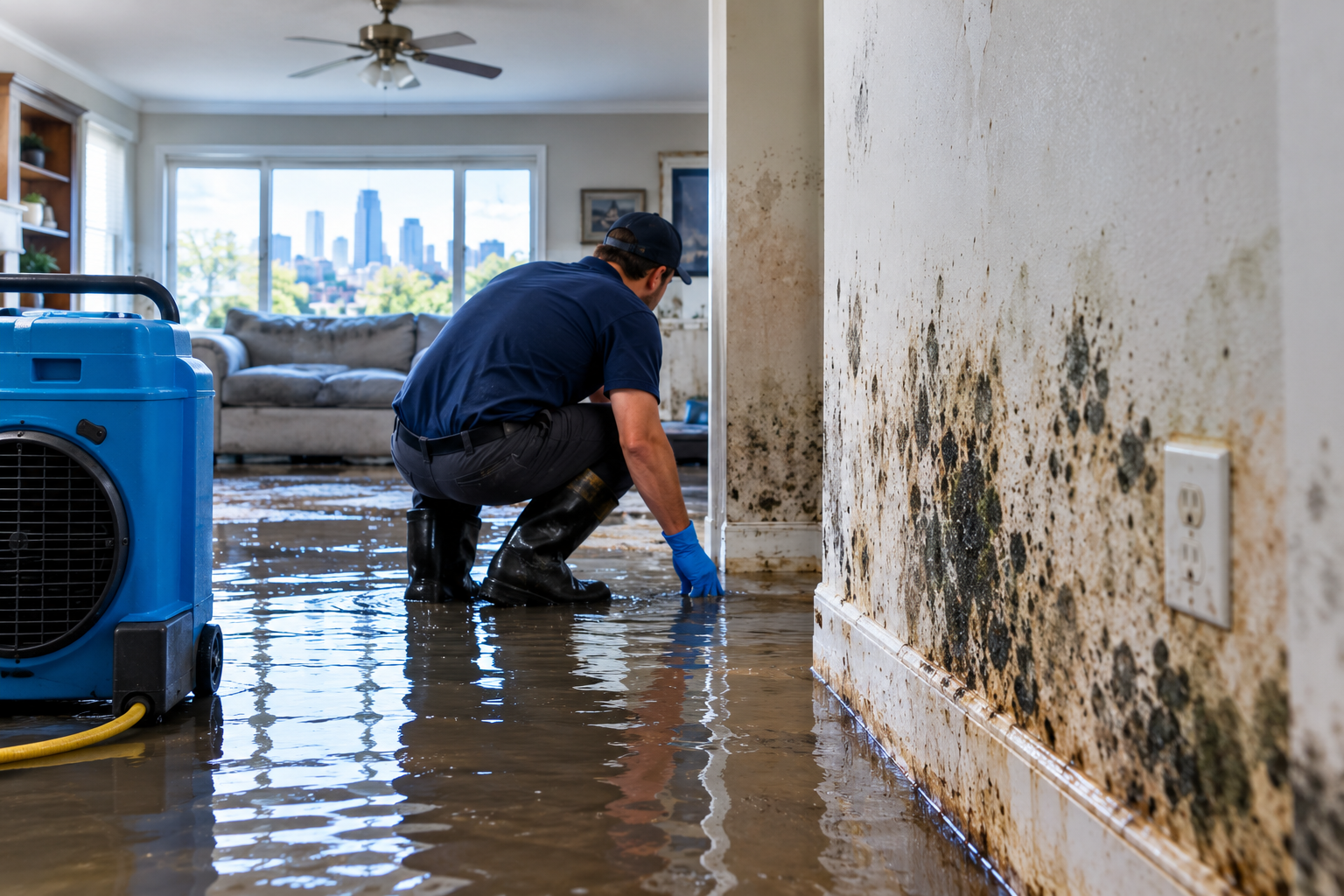
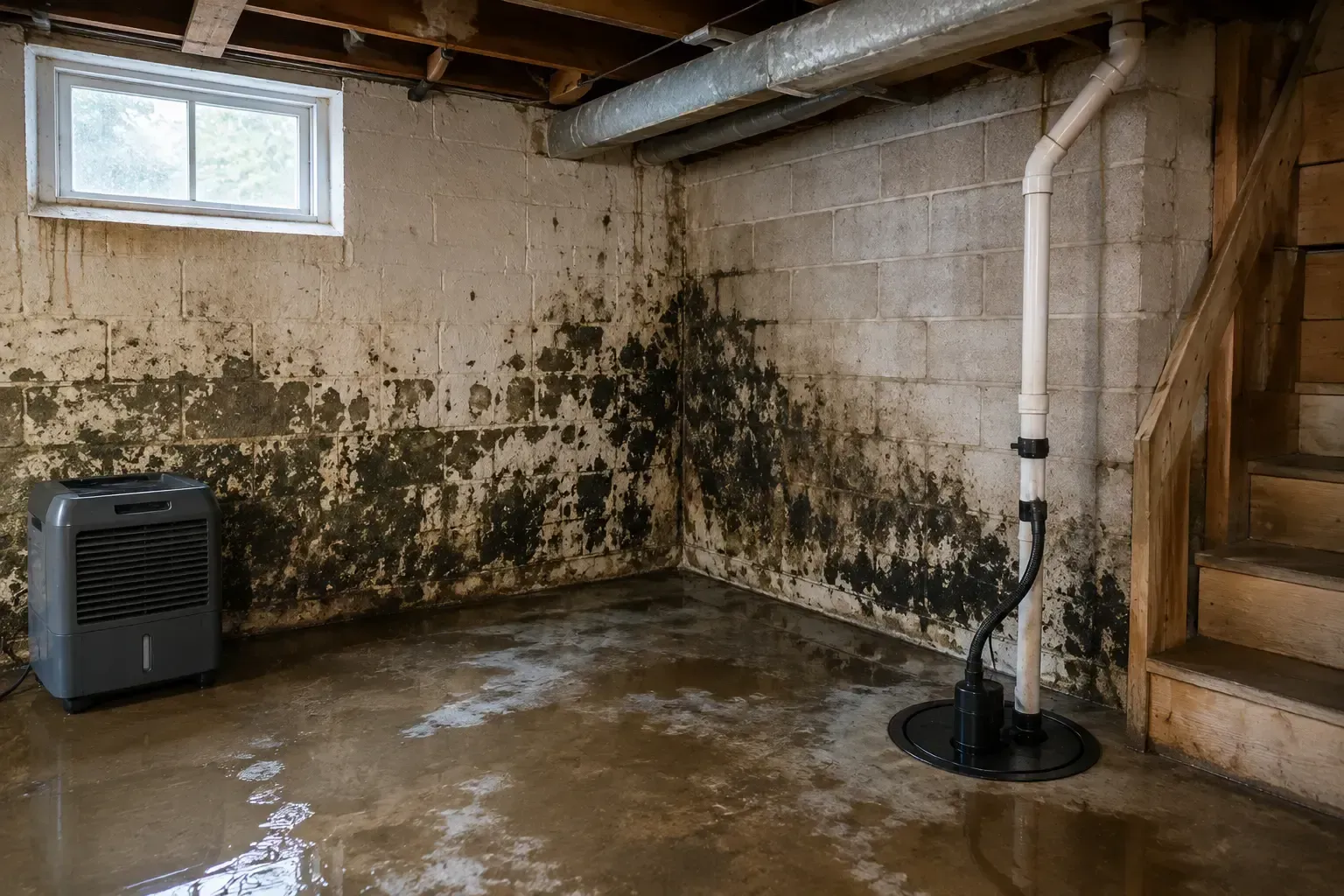
Few home emergencies are as alarming as sewage coming up through a basement drain. The smell, the mess, and the health risk hit all at once. In Kansas City, aging sewer lines and heavy storms make these backups more common than homeowners expect. This guide explains the real dangers of a sewage backup and the exact steps to take when one strikes.
Key Takeaways
- Sewage backup is a biohazard that carries bacteria, viruses, and parasites.
- Stay out of the contaminated area and stop using water until a pro arrives.
- Fast, professional cleanup prevents illness and the mold that follows the moisture.
Why Sewage Backups Happen in Kansas City
A basement backup usually starts in the sewer line, not the house. Several local factors make Kansas City homes vulnerable. Knowing them helps you gauge your risk.
Older KC neighborhoods often have aging clay or cast-iron sewer pipes. Tree roots invade those lines and slowly choke the flow. Heavy Kansas City storms then overwhelm the municipal system and push sewage backward. Grease and flushed wipes finish the job by clogging the pipe.
The Health Risks of a Sewage Backup
Sewage is not just dirty water; it is a biohazard. It carries bacteria like E. coli, plus viruses and parasites. Contact or even the airborne particles can make your family sick.
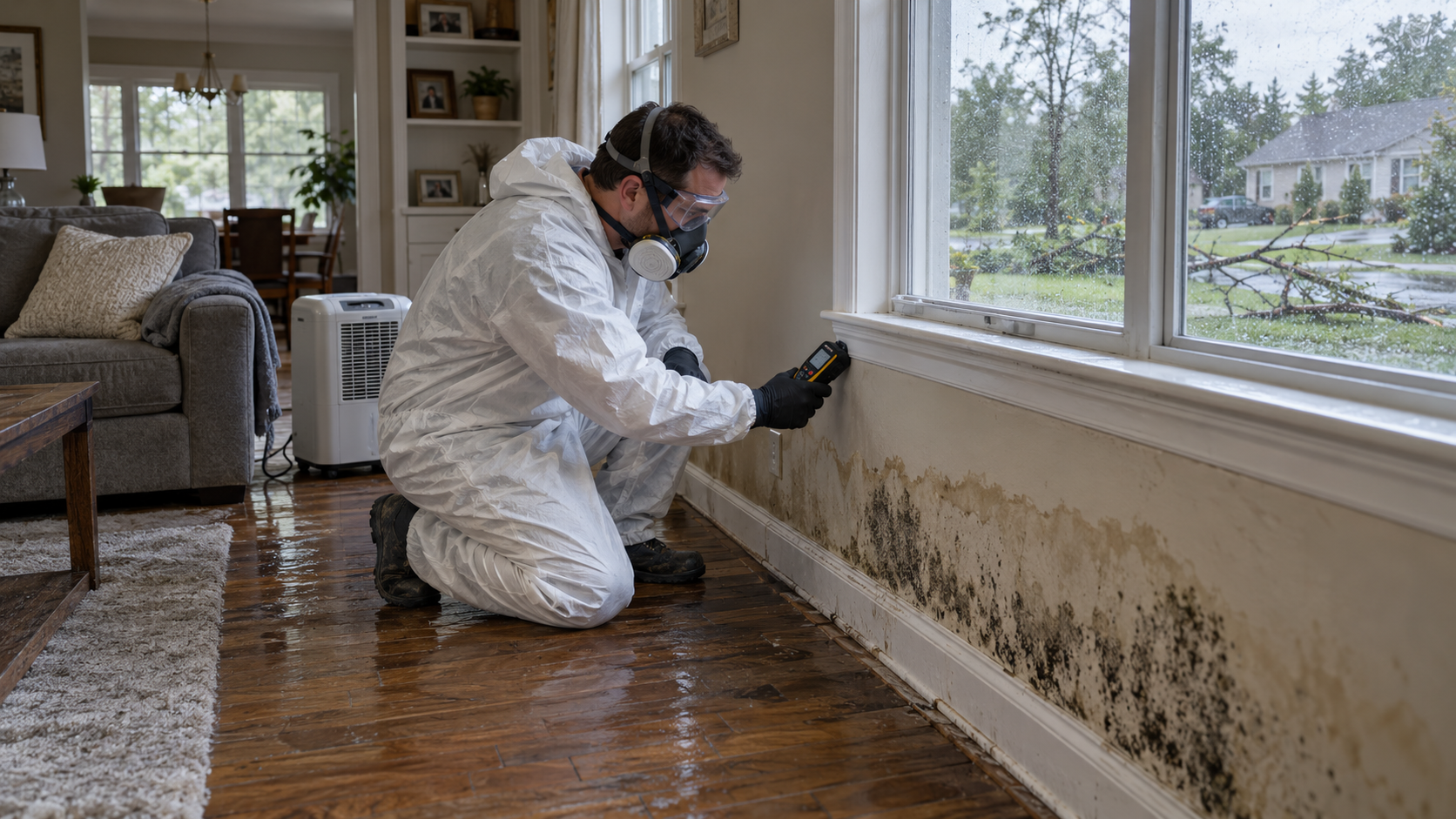
The danger does not end when the water recedes. Wet drywall, carpet, and framing breed mold fast. According to the EPA, mold can begin growing within 24 to 48 hours of moisture exposure. Sewage gases like hydrogen sulfide can also build up in a closed basement. Ventilating the area and leaving it to professionals lowers that exposure.
Cleanup Steps: What to Do Right Away
Acting quickly limits both damage and health risk. Move through these steps in order. Safety comes before any cleanup.
Stay Out and Protect Yourself
Keep everyone, especially kids and pets, away from the area. If you must enter, wear boots, gloves, and a mask. The Red Cross warns against contact with contaminated water after a backup or flood.
Stop Using Water
Do not run sinks, showers, or the washing machine. Every gallon you send down the drain adds to the backup. Shut off water use until the line is clear.
Call a Professional Right Away
Sewage cleanup is a job for trained, equipped crews. Call a restoration company before you try to mop it up. Our sewage backup cleanup service handles the extraction and disinfection safely.
Why Sewage Cleanup Is Not a DIY Job
It is tempting to grab a mop and handle it yourself. That approach spreads contamination and risks your health. A professional response is the safer path.
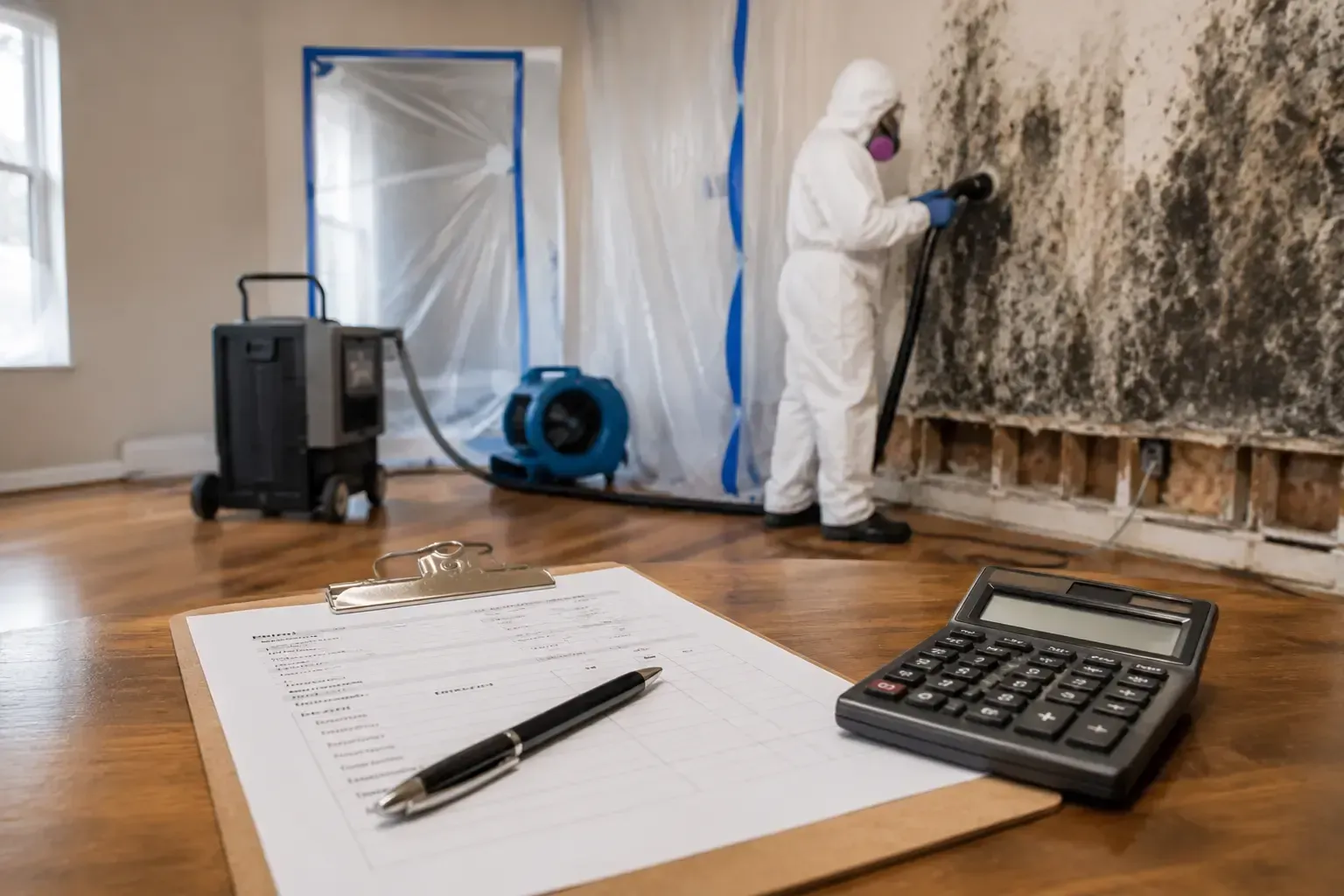
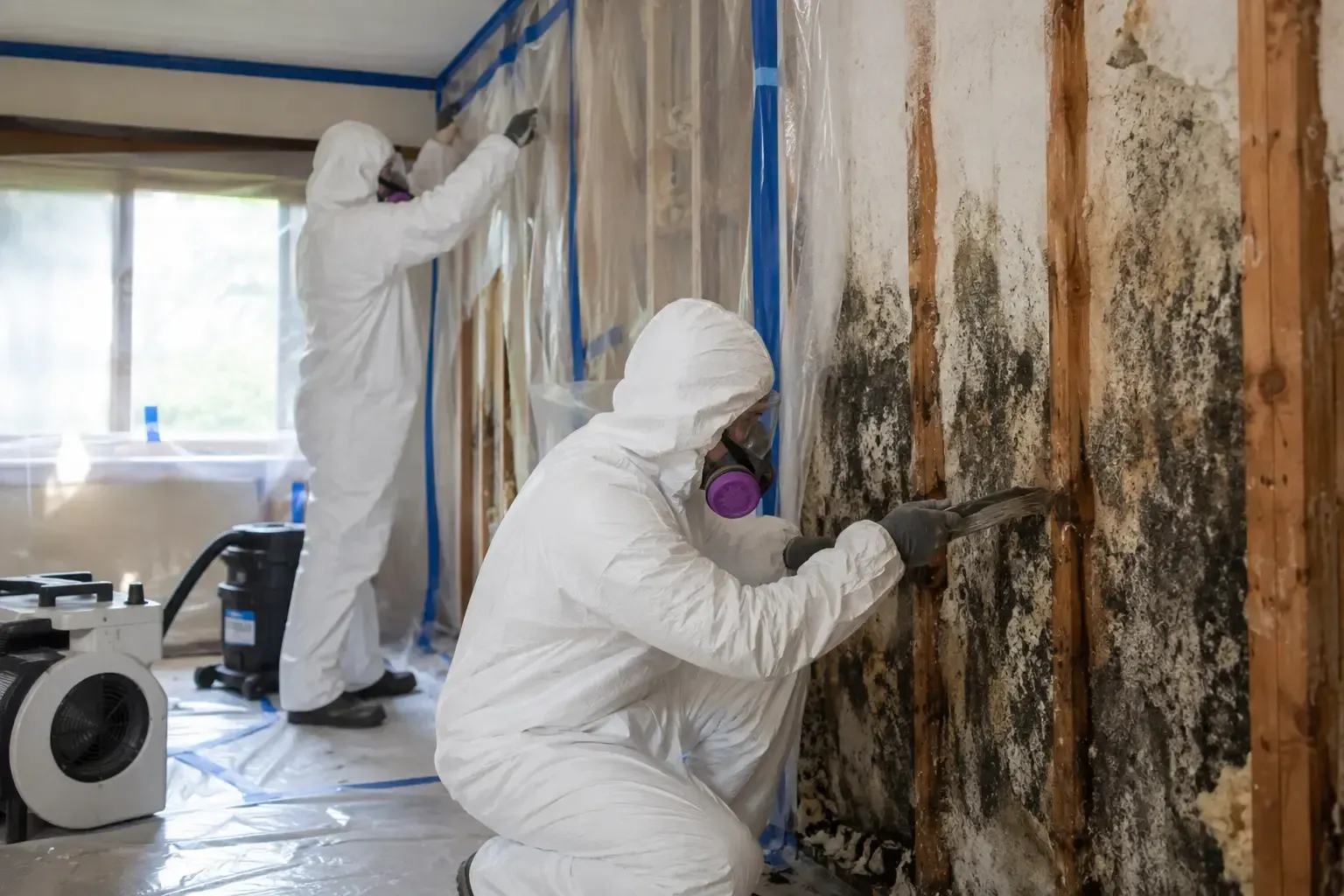
Crews use containment, commercial extraction, and hospital-grade disinfectants. They remove porous materials that cannot be fully cleaned, like soaked carpet. They also dry the space to stop the mold that follows, which our water damage restoration team manages start to finish. Mold Warrior treats the contamination and the moisture as one connected problem.
Preventing the Next Backup
Once the crisis passes, a few steps lower your future risk. Prevention is far cheaper than another cleanup. Focus on the line and the fixtures.
Have a plumber install a backwater valve to block reverse flow. Avoid flushing wipes, grease, and paper towels. Schedule a sewer line inspection if your KC home has mature trees nearby. A yearly check catches root intrusion before it blocks the line. Keeping downspouts and sump discharge away from the sewer also eases the load.
Frequently Asked Questions
Can a backed-up sewer make you sick?
Yes, sewage carries bacteria, viruses, and parasites that cause illness. Symptoms can include stomach infections and respiratory irritation. Avoid contact and let professionals handle the cleanup.
Is a sewage backup considered a biohazard?
Yes, sewage is classified as a Category 3 or black water biohazard. It requires protective gear and proper disinfection. This is why DIY cleanup is risky.
How do you sanitize a basement after a sewer backup?
Remove contaminated porous materials, then disinfect all hard surfaces. The space must be dried fully to stop mold growth. Professional-grade products and drying equipment do this best.
Is a sewer backup into the shower or toilet dangerous?
Yes, it signals a blocked main line and exposes you to sewage. Stop using water and call a professional. The contamination is the same hazard as a basement backup.
Don't Face a KC Sewage Backup Alone
A sewage backup is stressful, but a fast and safe response limits the harm. Stay out of the contaminated water, stop using your plumbing, and call for help. Quick cleanup protects your family's health and stops mold before it spreads. When sewage backs up in your Kansas City basement, reach out to Mold Warrior for safe extraction, disinfection, and full restoration.