Mold After Basement Flooding in Denver: Act Fast
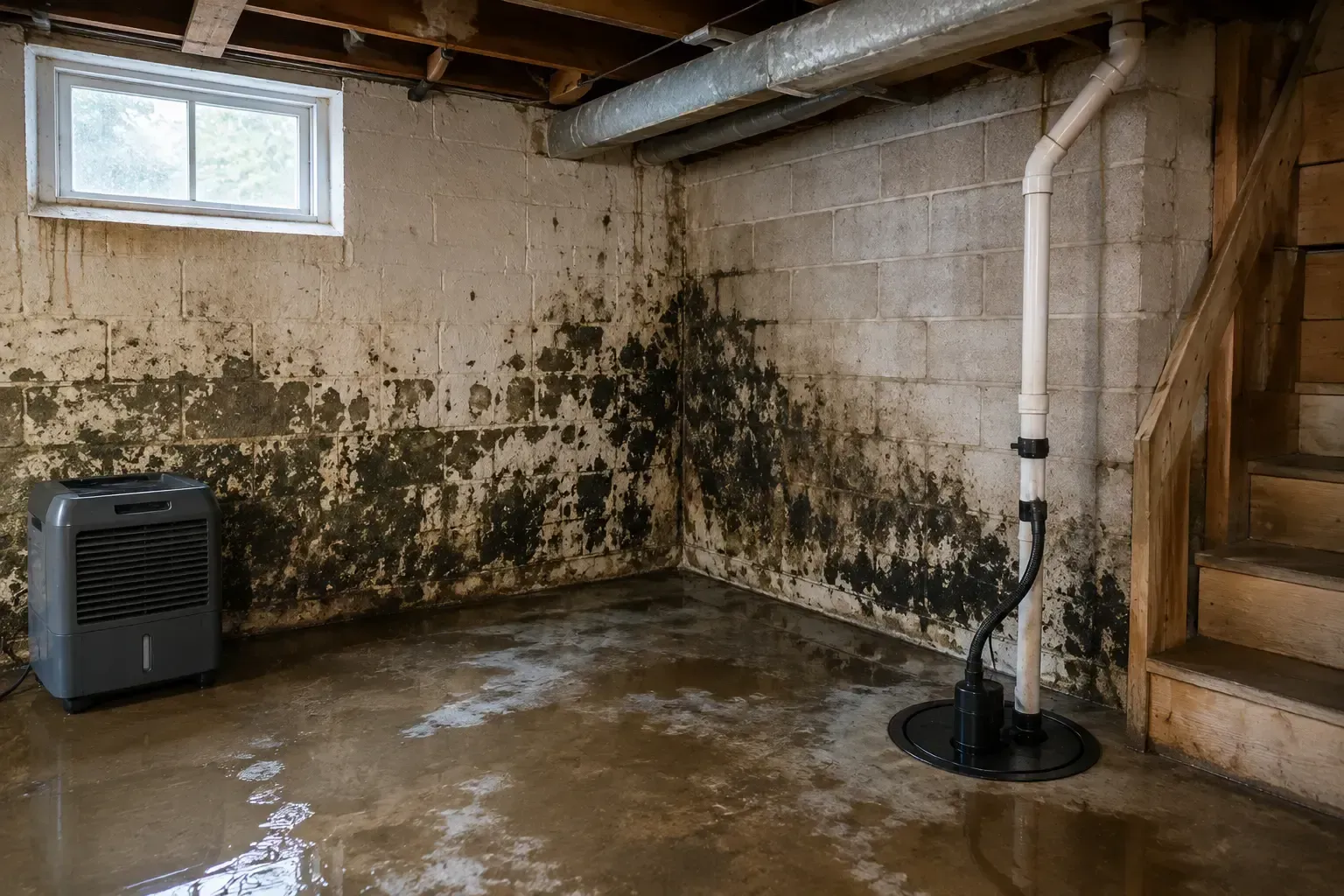
Snow melts, the ground thaws, and water finds your basement. Along Denver's Front Range, spring runoff is a leading cause of basement flooding. Once water sits, mold can start within two days. What you do in the first 48 hours decides how bad it gets.
Key Takeaways
- Mold can grow within 24 to 48 hours after a Denver basement floods.
- Snowmelt and spring runoff, not just humidity, drive most local basement floods.
- Fast water removal and drying are the only way to stop mold from spreading.
Why Denver Basements Flood in Spring
Denver's dry air fools people, but spring tells a different story. A heavy Front Range snowpack melts fast when temperatures climb. That water runs downhill toward foundations. Add saturated clay soil and older sewer lines, and basements take on water.
Snowmelt and Runoff Along the Front Range
Rapid March and April melts send runoff through window wells and foundation cracks. Homes in Aurora, Lakewood, Arvada, and Westminster all see it. A single warm week after a big snow can flood a finished basement.
Frozen and Burst Pipes
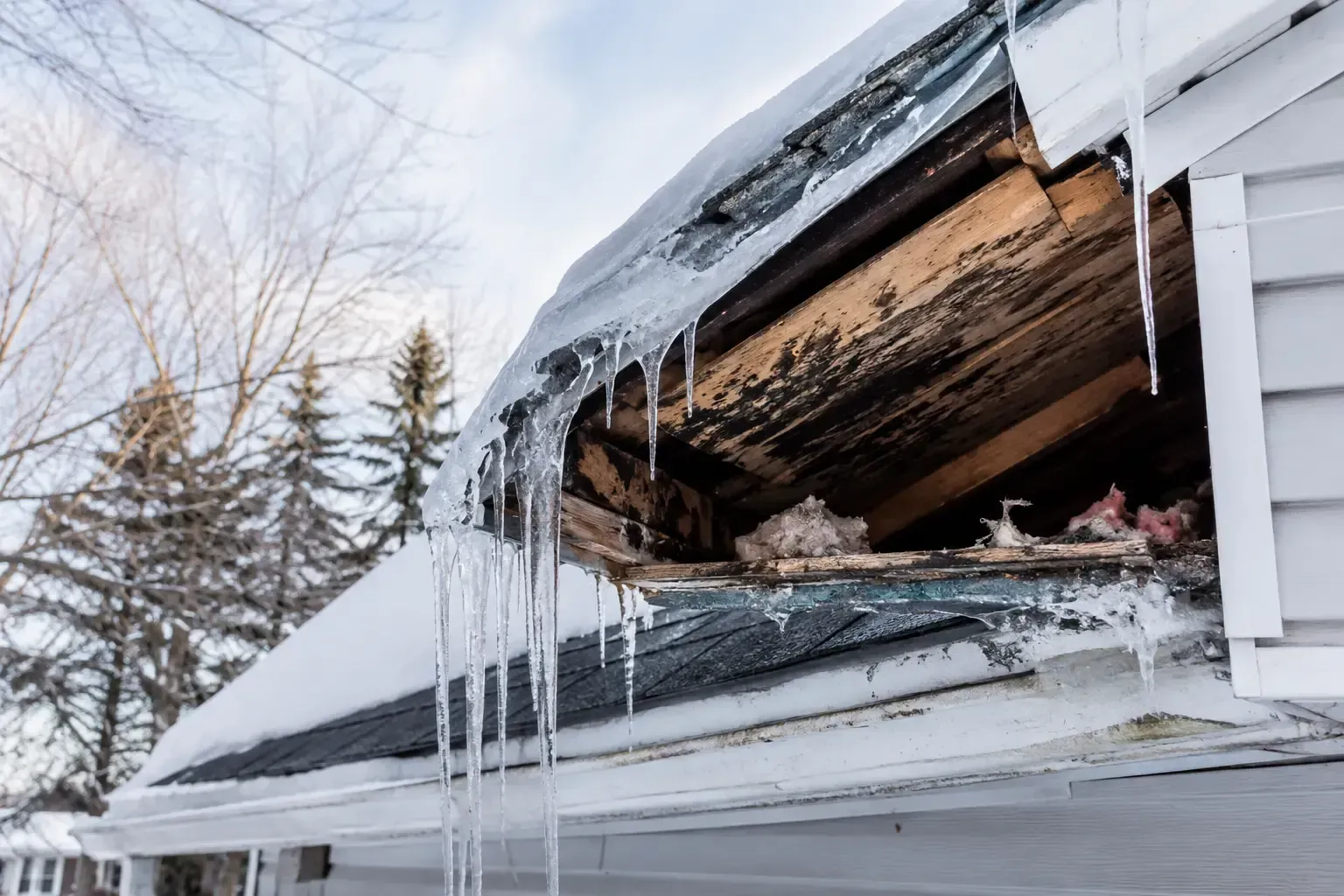
Winter freeze-thaw swings crack pipes. When they thaw, they leak or burst. Centennial, Thornton, and Highlands Ranch homeowners face this risk every year.
How Fast Does Mold Grow After Flooding?
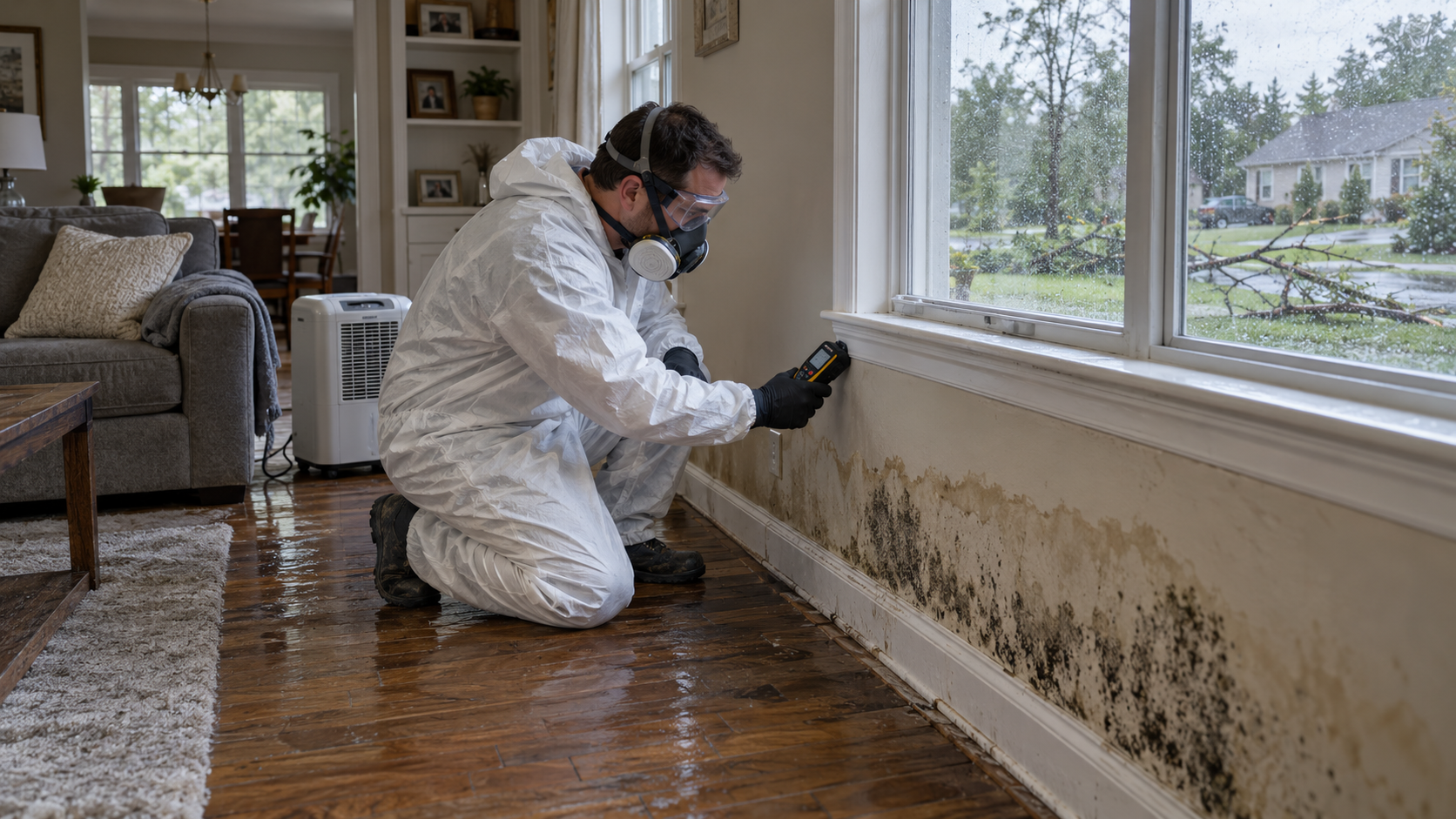
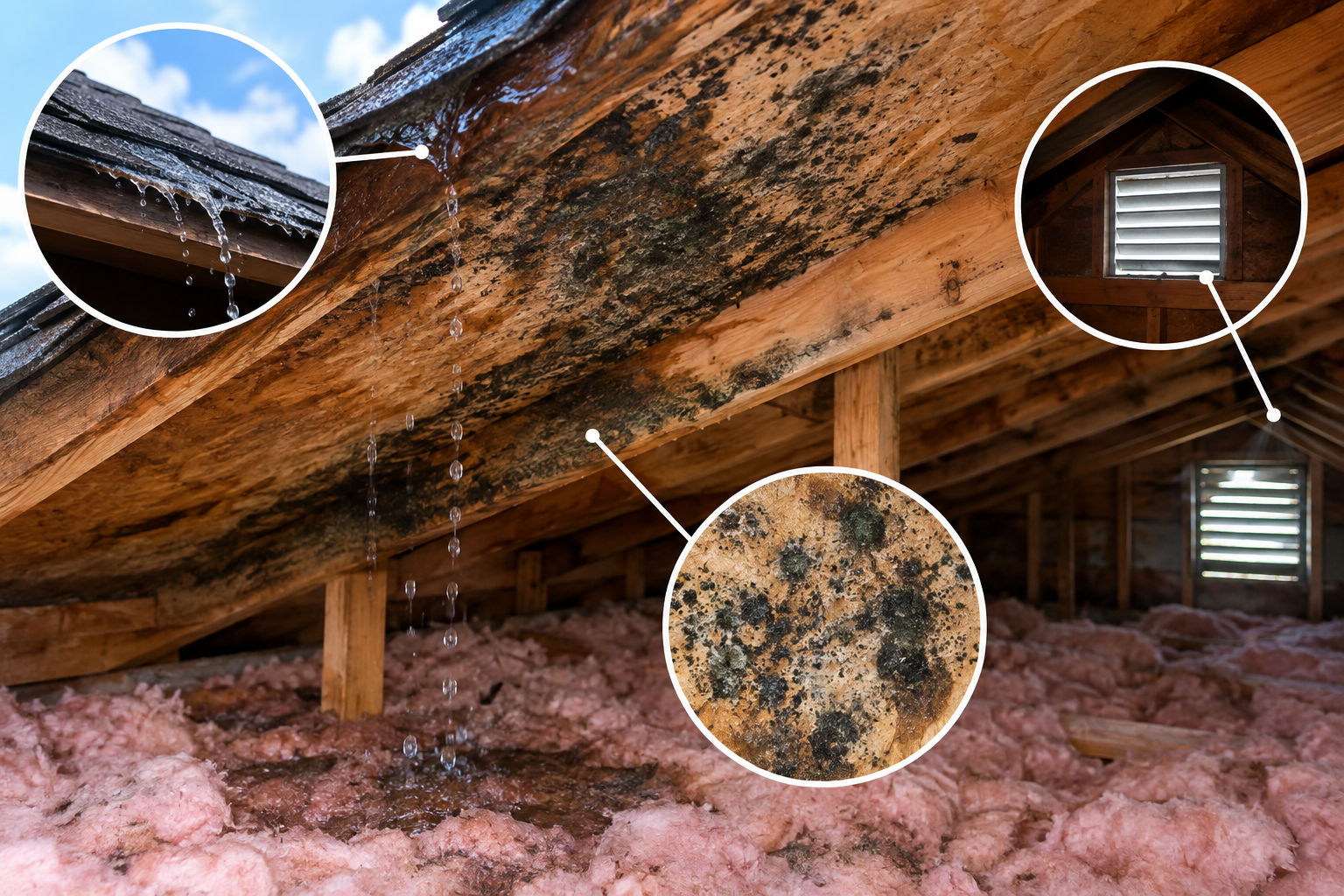
Fast. After water exposure, mold and mildew can develop within 24 to 48 hours. That window does not care about Denver's dry climate. A wet basement holds its own humidity long enough for spores to take hold. The EPA warns that you must dry water-damaged areas within 24 to 48 hours to prevent growth. Every hour you wait, the odds of mold rise.
What to Do in the First 48 Hours
Your response in the first two days matters most. Move in this order.
Step 1: Stay Safe and Stop the Water
Shut off power to the flooded area if you can reach the panel safely. Then find and stop the water source, whether a crack, a pipe, or a backed-up drain.
Step 2: Remove the Water
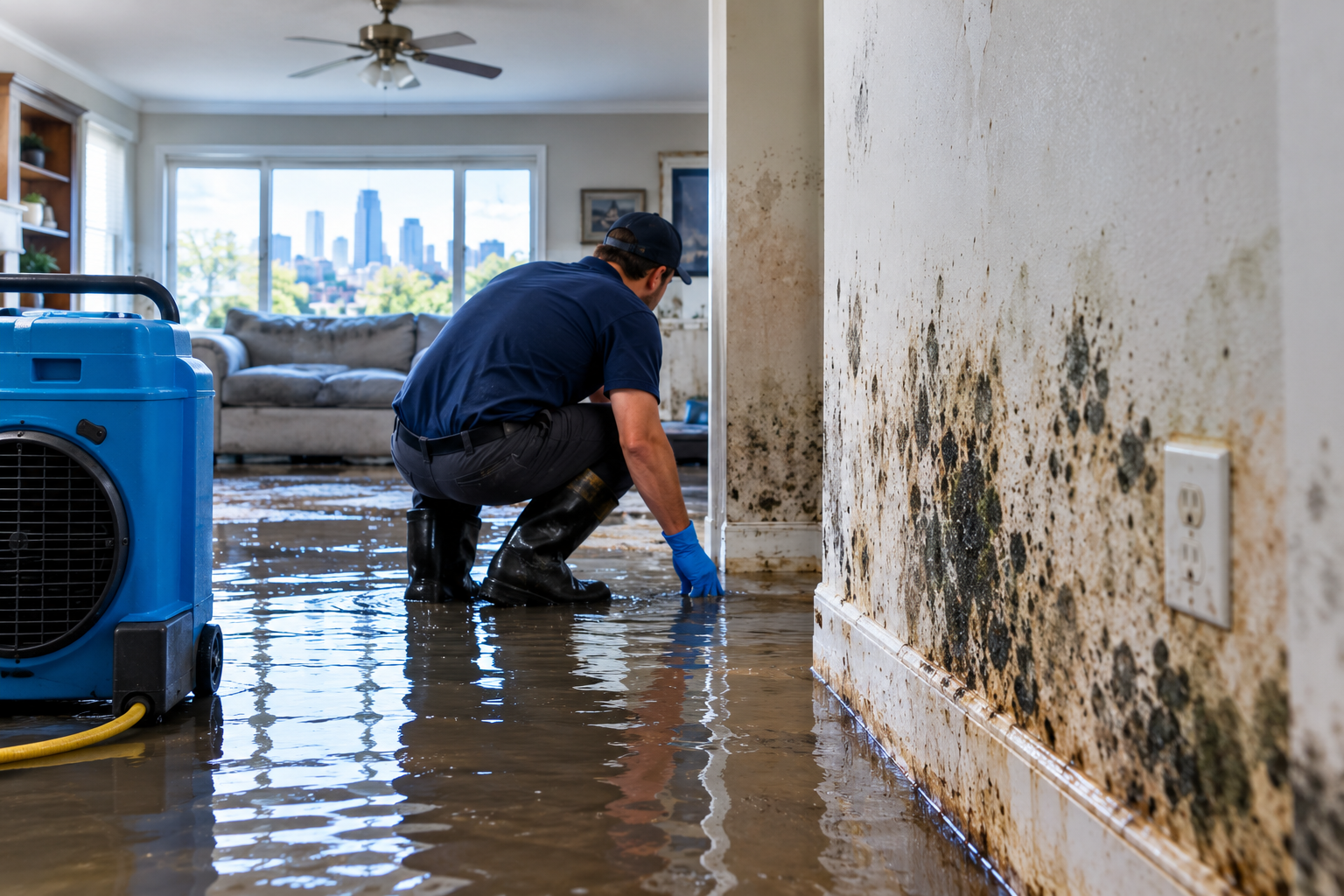
Pump or vacuum standing water quickly. Pull up soaked carpet, pads, and cardboard. The EPA notes that fixing leaks and seepage is the first step to controlling basement moisture.
Step 3: Dry Everything
Run fans, open windows on dry days, and add a dehumidifier. Dry the space fully within 48 hours. Damp drywall and framing feed mold fast.
Step 4: Watch for Warning Signs
A musty smell, dark spots, or worsened allergies mean mold may already be growing. If it started, searching Water Damage Mold Removal Near Me connects you with crews who handle both problems at once.
When to Call a Professional
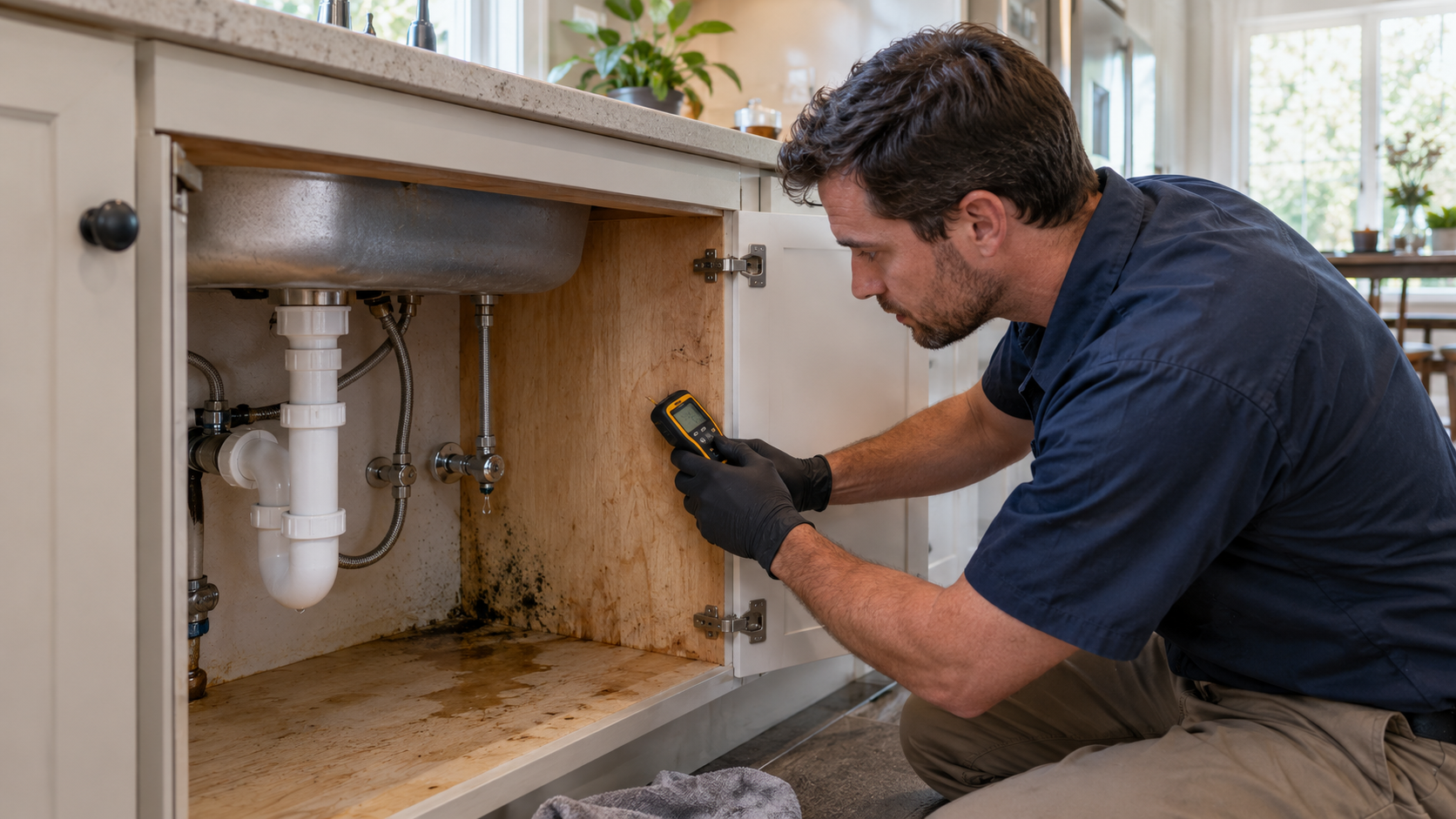
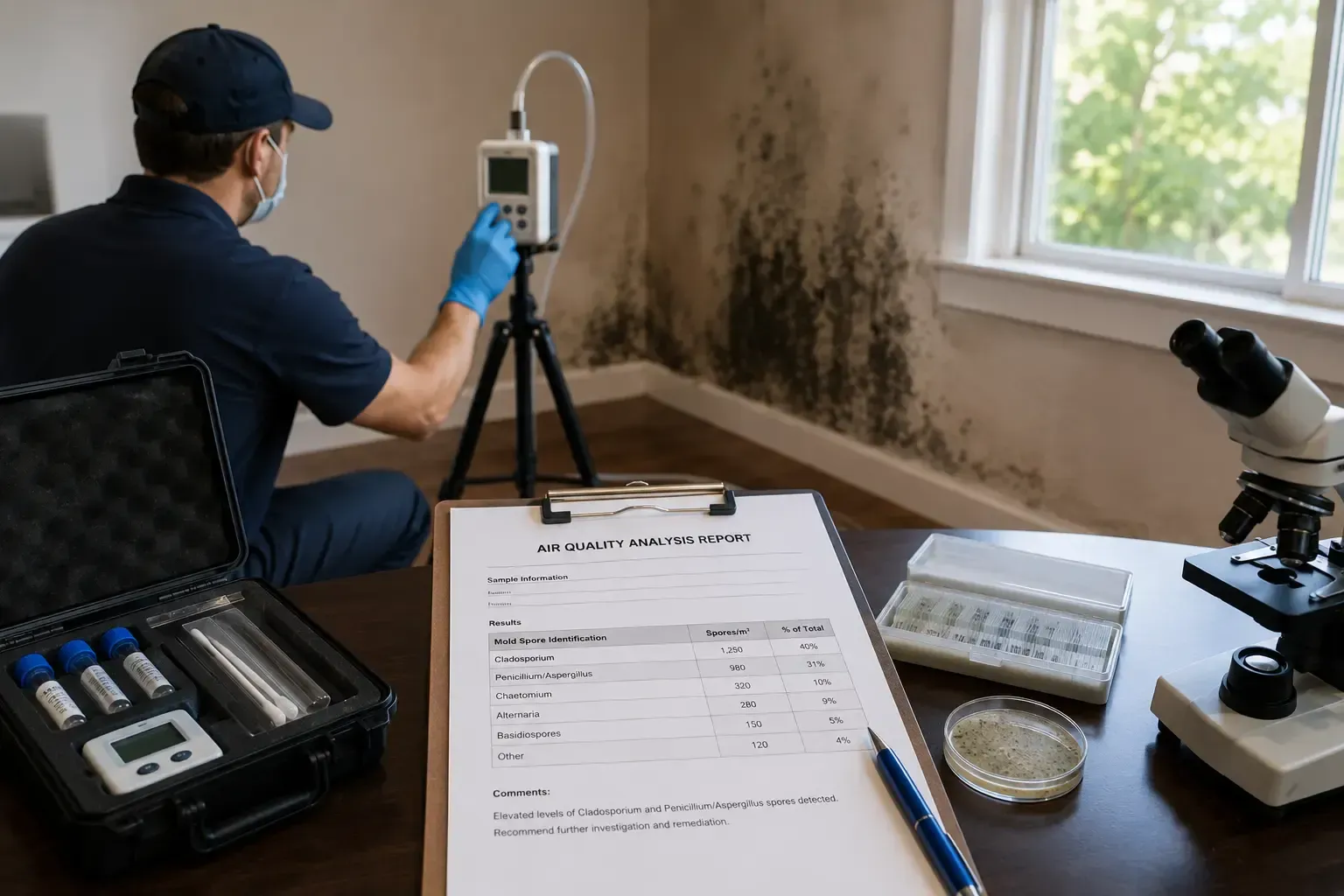
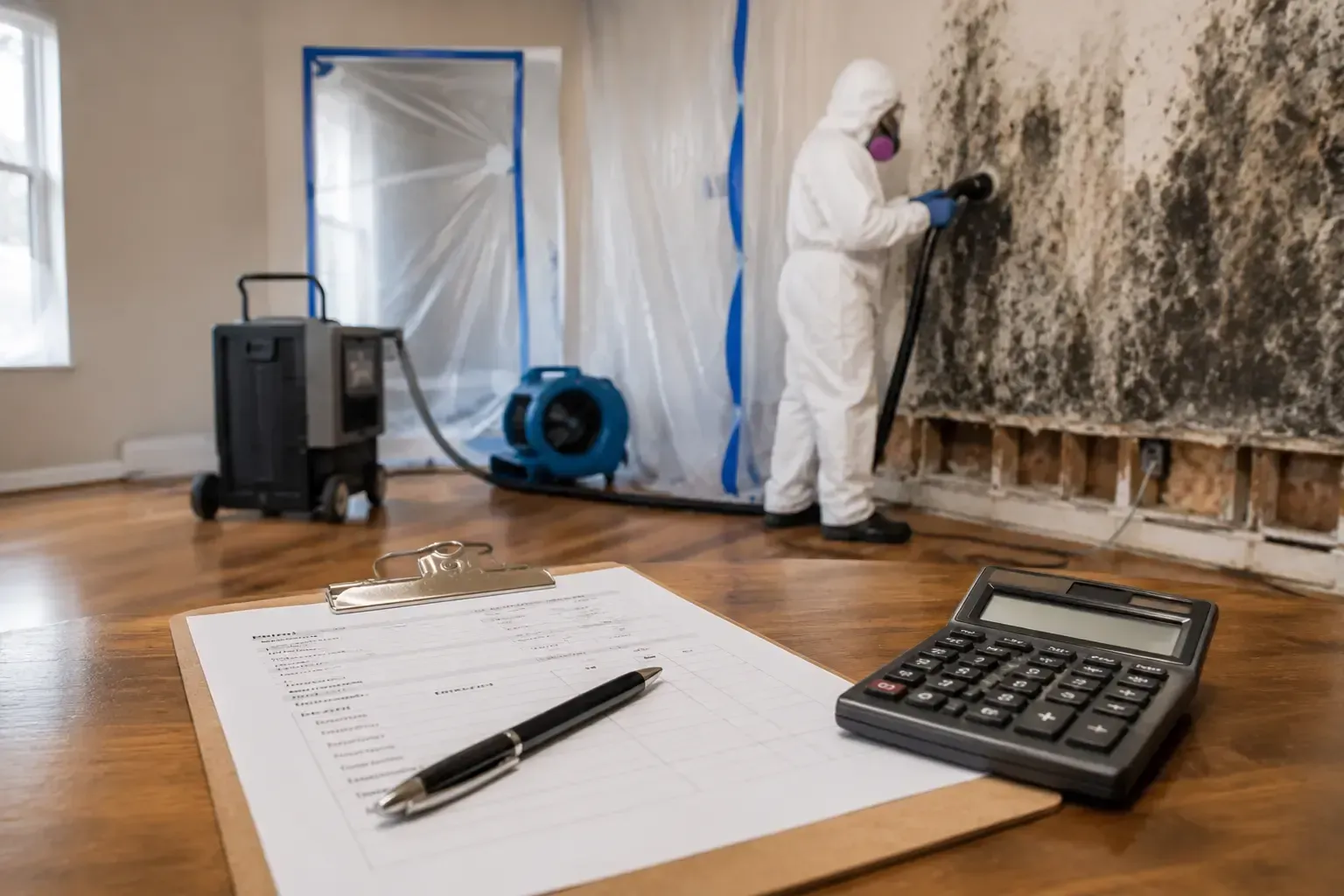
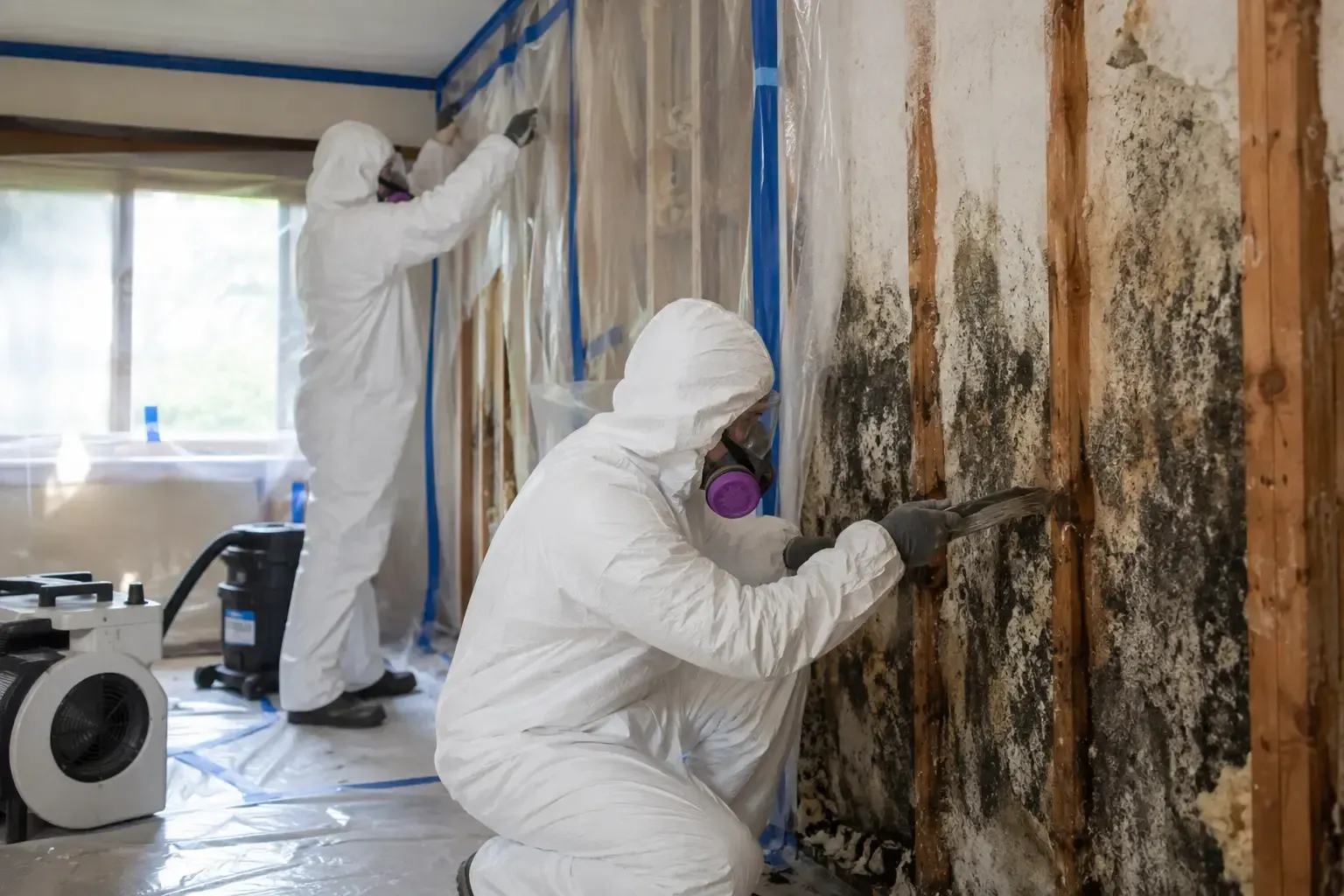
Small, clean spills you dry fast can be a DIY job. But sewage water, large floods, or mold past 10 square feet call for a pro. Hidden mold behind walls needs trained detection. A professional Water Damage Mold Removal Near Me team extracts water, dries the structure, and remediates mold in one visit. Mold Warrior's IICRC-certified crews respond fast across Denver and handle mold removal once the water is gone.
Will Insurance Cover Flooded Basement Mold?
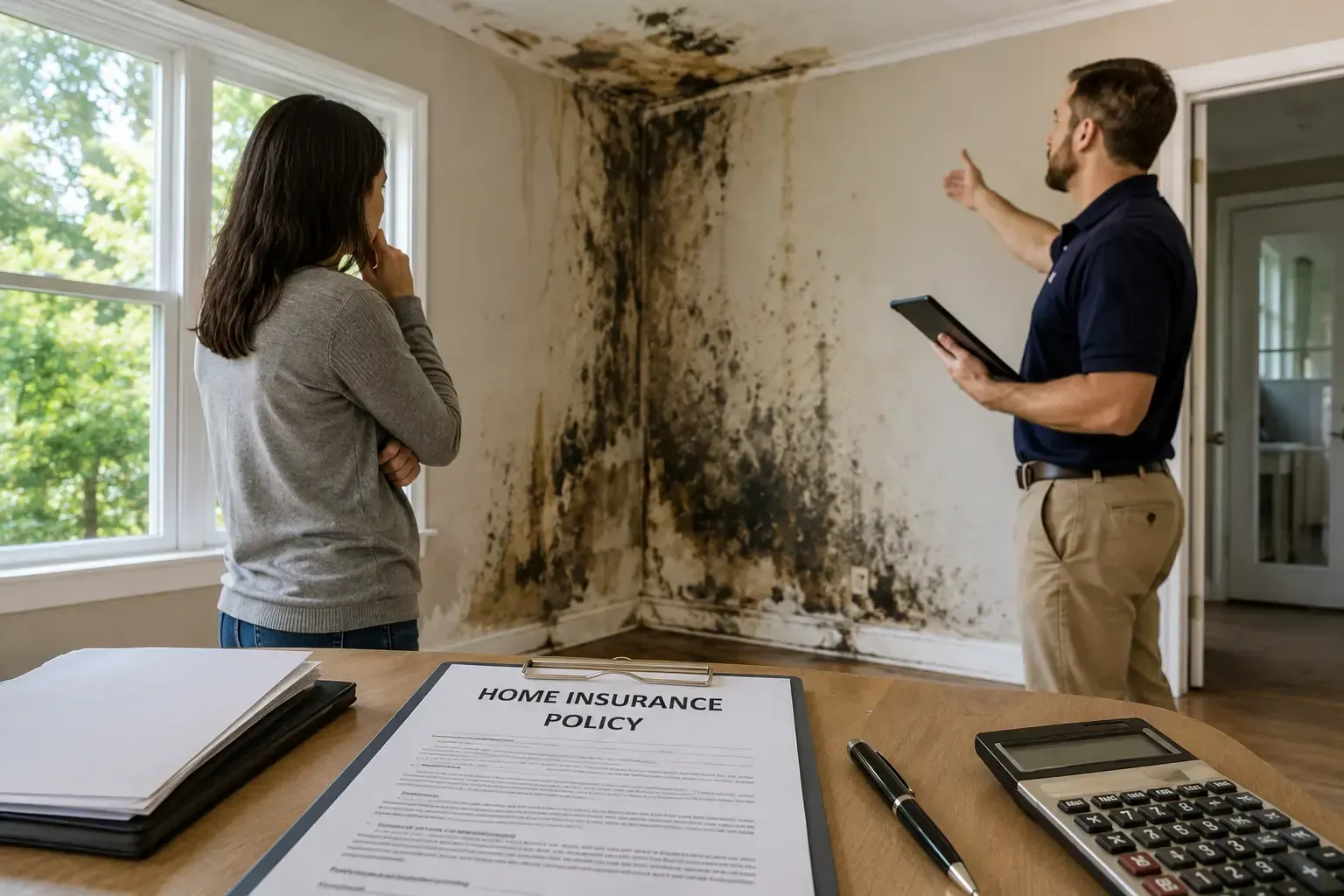
It depends on the cause. Most policies cover sudden, accidental water damage, such as a burst pipe. Gradual leaks and outside surface flooding are often excluded. Mold coverage varies and may carry a dollar cap. Document everything with photos before you clean up. Keep receipts for pumps, fans, and professional help. A good restoration company can help you build the claim.
Frequently Asked Questions
Can you get mold from basement flooding?
Yes. After flooding, leaks, or sewage backup, mold and mildew can develop within 24 to 48 hours. Standing water and damp materials are all it needs.
Is black mold a problem in Colorado?
Yes. Colorado's dry air lowers the risk, but black mold still grows after floods, around leaks, and in damp basements. Moisture is the trigger.
How much does it cost to remove mold in Denver?
Small jobs can run a few hundred dollars, while larger flood-related remediation often costs more. Water extraction, drying, and hidden mold all affect the price.
Is it bad if you have mold in your basement?
Yes. Basement mold signals a moisture problem and can cause health issues and structural damage. It also lowers your indoor air quality.
How long after a flood should I worry about mold?
Start acting immediately. The 24 to 48 hour window after water exposure is when mold takes hold, so drying fast is critical.
The Clock Starts When the Water Stops
A flooded Denver basement is a race against mold. The faster you remove water and dry the space, the less damage you face. If the flood is large or mold has begun, do not wait it out. Mold Warrior helps Denver homeowners dry out, clean up, and stop mold before it spreads. Reach out for
Water Damage Restoration and get your basement back.