Basement Mold in Michiana: The Spring Thaw Problem
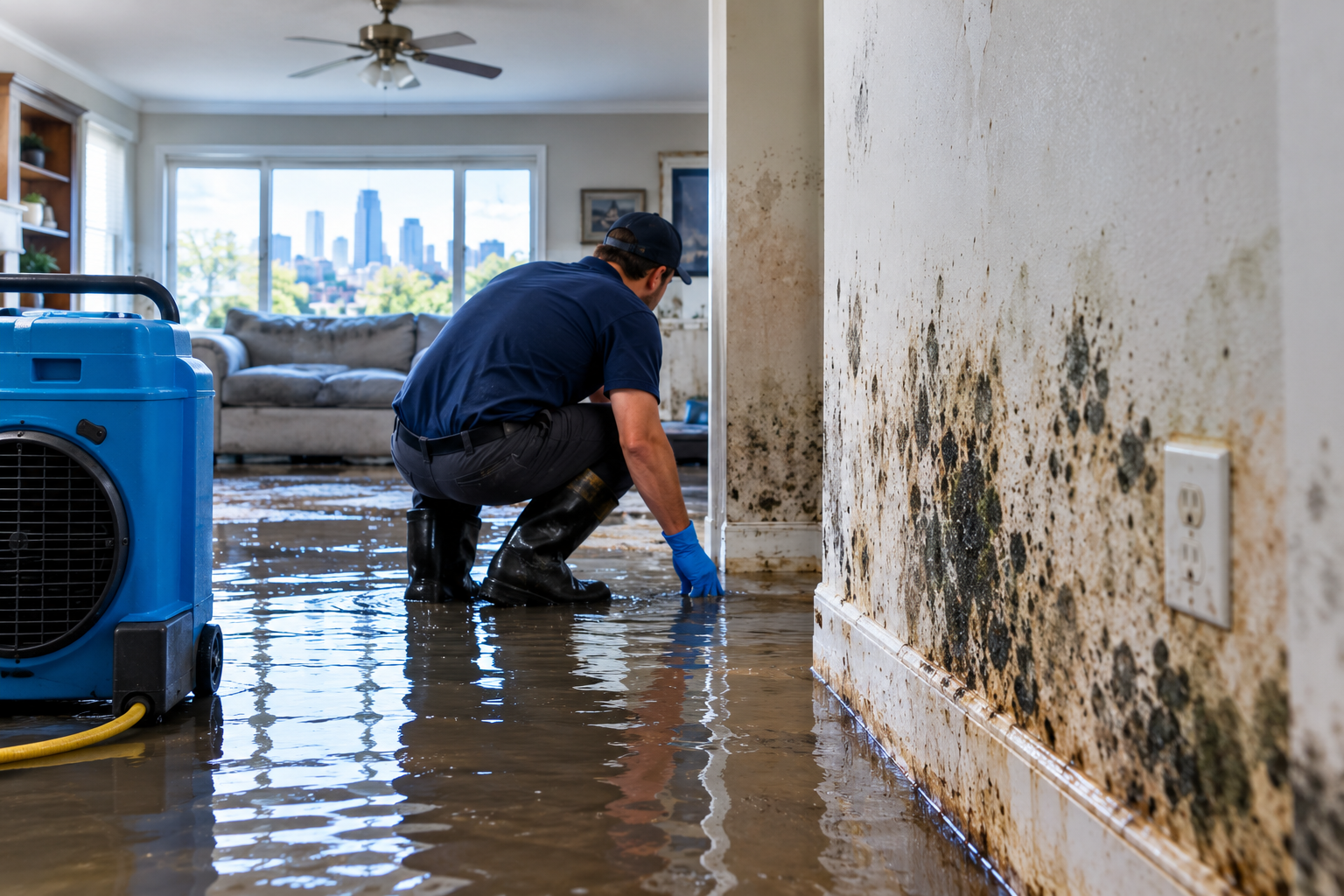
Most Michiana basements do not flood during a storm. They flood in late February, on a mild afternoon, with no rain falling at all.
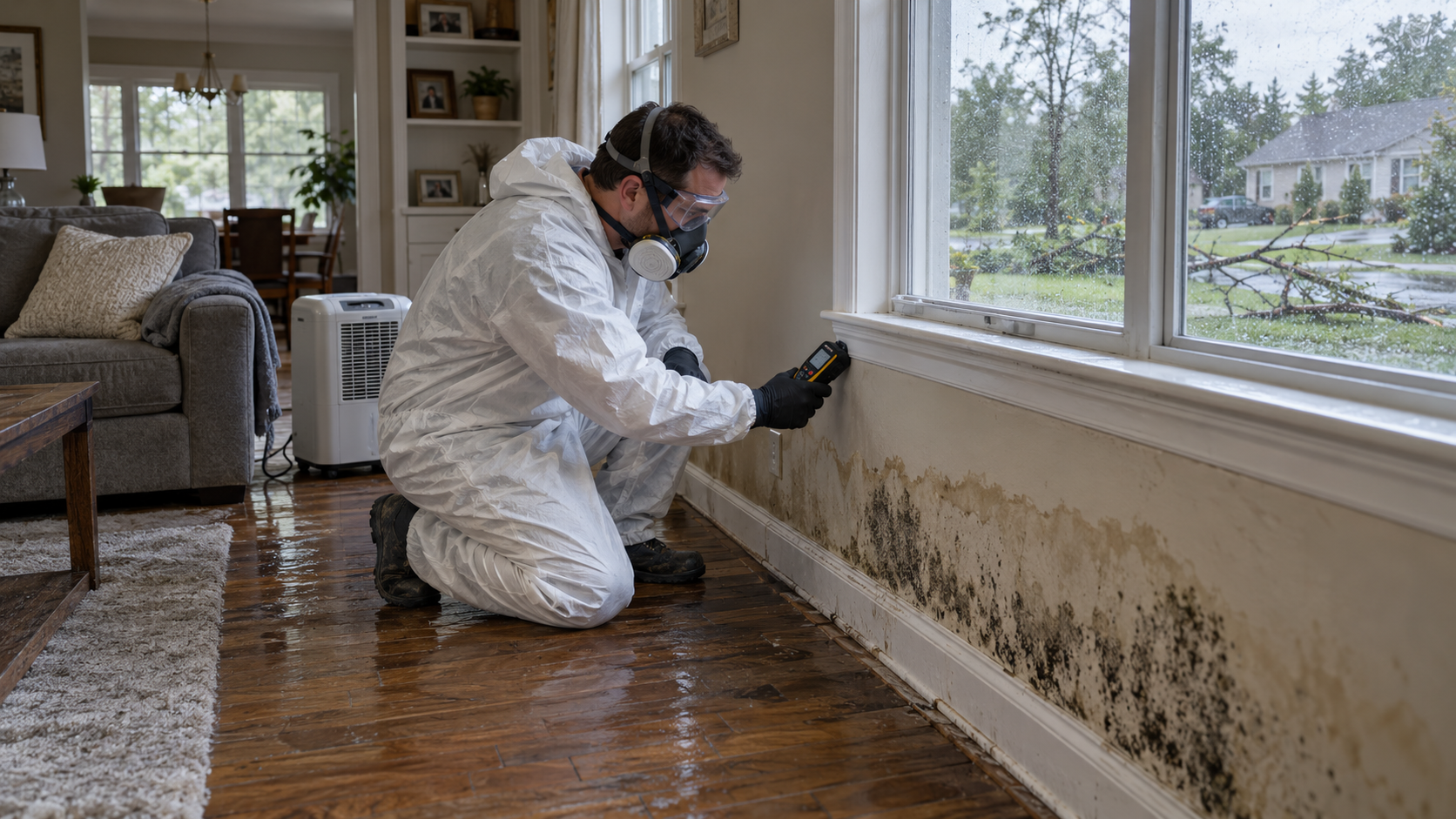
That is the part homeowners find hardest to plan for — and it is the reason so many people in South Bend, Mishawaka, and Elkhart find mold along the bottom of a finished basement wall in April without ever remembering a flood.
Key Takeaways
• The thaw is the event. Frozen ground cannot absorb meltwater, so it runs sideways to your foundation and pushes in.
• You have about 48 hours. Mold can begin growing on wet drywall and framing within 24 to 48 hours.
• Insurance usually will not cover this one. Michigan's regulator is explicit that bottom-up seepage and sump pump overflow are not covered by a typical policy.
• A dry basement is not a clean basement. Drying stops the growth; it does not remove what already grew.
• Neither Indiana nor Michigan licenses mold remediators, so certification is your only filter.
Why Michiana Basements Stay Wet
Three things stack up here that do not stack up in most of the country.
We are a basement region. In the East North Central states, new homes built between 1999 and 2013 were built on basement foundations at a mean rate of about 70.6% — the highest share in the U.S. That means more below-grade wall in contact with wet soil than almost anywhere else.
We get real precipitation. South Bend's 1991–2020 NOAA normal is 39.23 inches a year, and roughly 64.5 inches of snow on top of it. May and June are the wettest months, at about 4 inches each — arriving right when the ground is already saturated.
The soil holds it. Michiana's clay-heavy soils drain slowly and hold water against foundation walls, generating hydrostatic pressure that finds every hairline crack. Repeated freeze-thaw cycling through February and March keeps opening new ones.
Add the age of the housing stock — Census ACS estimates put South Bend's median build year near 1955, with roughly 28% of homes predating 1940 — and you get a lot of block and brick foundations built before modern vapor barriers and exterior waterproofing were standard.
The Thaw Is Worse Than the Rain
Here is the mechanism that catches people out.
Through winter, the top layer of soil freezes solid. A snowpack builds on it. When temperatures climb above freezing during the day — and South Bend's January averages of a 30.4°F high and 16.1°F low mean this happens constantly — the snow melts.
That meltwater has nowhere to go. The ground beneath it is still frozen and effectively impermeable, so instead of soaking in, it travels laterally across the surface until it reaches the first low point. Very often that is the backfilled trench around your foundation, which is looser than undisturbed soil and acts like a funnel.
The water collects against the wall, pressure builds, and it enters through cracks, cove joints, and window wells. No rainstorm required.
Where It Starts
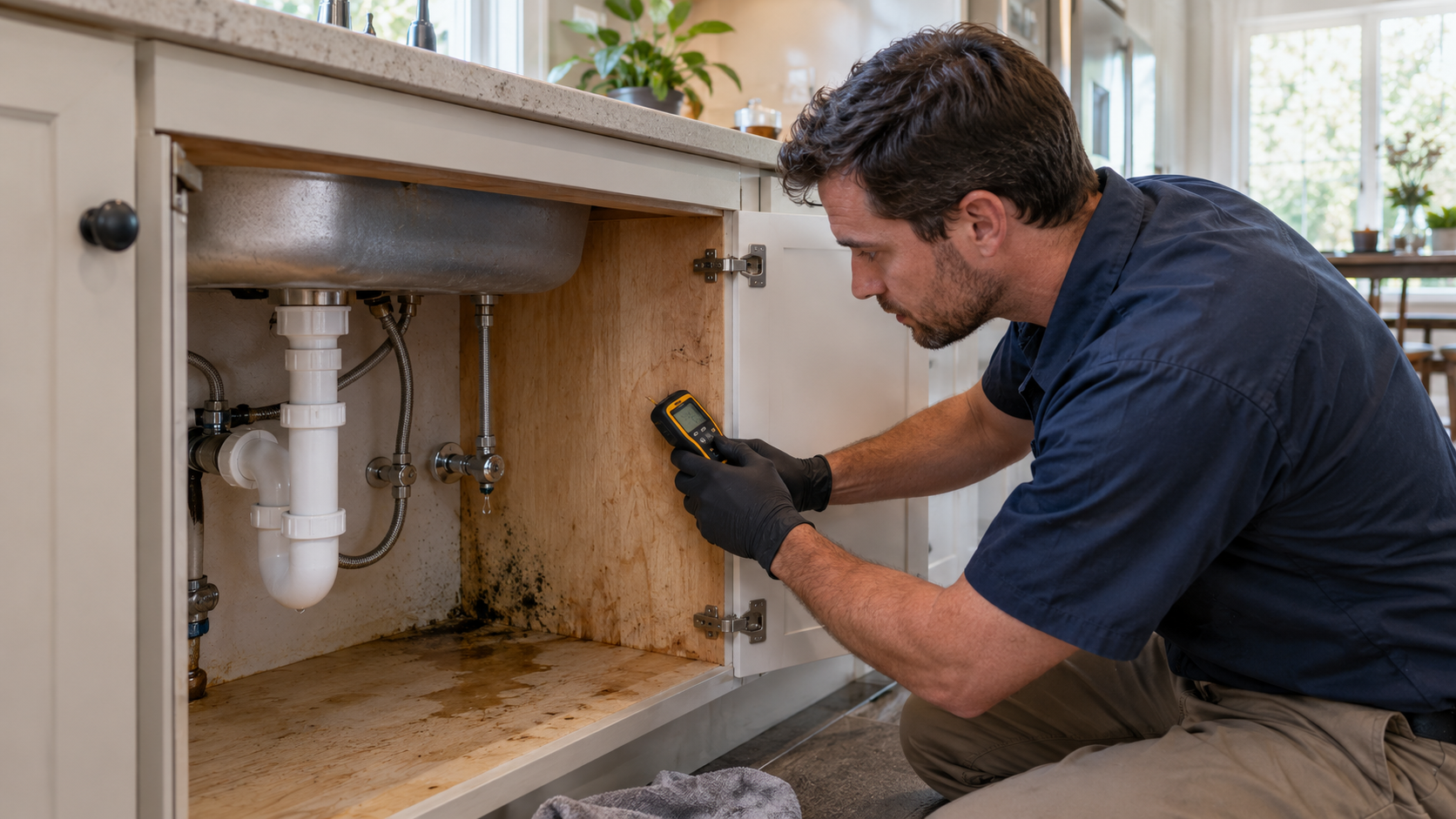
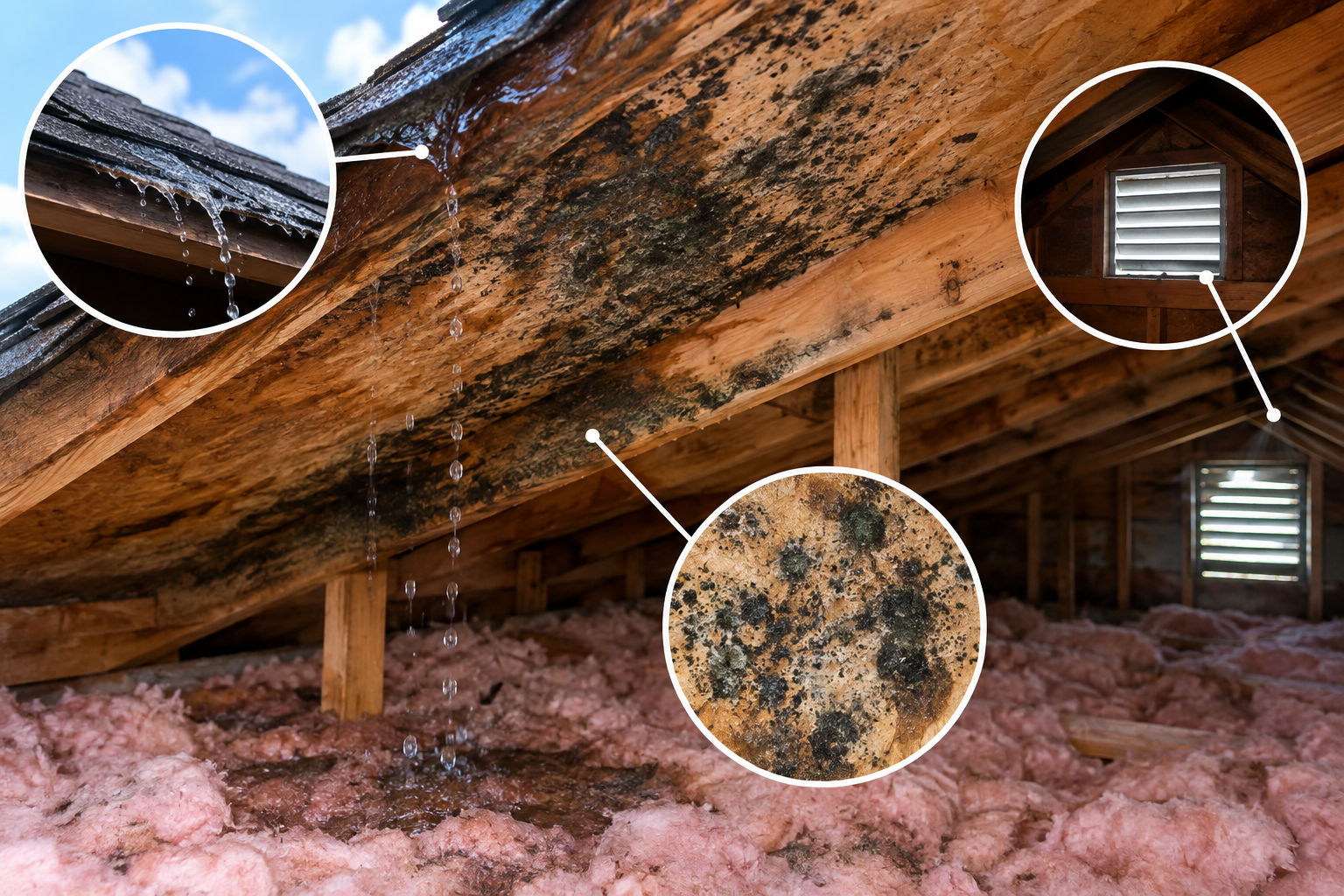
Basement mold rarely announces itself. It starts in the places you do not look:
• Behind finished walls — drywall wicks water upward from the bottom plate, so the paper face inside the cavity is wet long before anything shows outside
• Under carpet and pad, which hold water for weeks
• Along the cove joint, where the floor slab meets the wall
• Behind stored cardboard boxes stacked against exterior walls
• In fiberglass insulation in rim joists
• Around the water heater and HVAC, where warmth accelerates growth
A musty smell with no visible source almost always means growth inside an assembly rather than on it.
The Sump Pump Blind Spot
Most Michiana basements depend on a sump pump, and most sump pumps fail at the worst possible time.
The thaw and the spring storms that follow are exactly when the pump runs hardest — and severe weather is also when the power goes out. A pump with no battery backup is just a decoration during an outage.
Worth checking before February:
• Pour a bucket of water into the pit and confirm the pump kicks on and shuts off cleanly
• Verify the discharge line runs well away from the foundation and is not frozen shut
• Confirm the check valve holds
• Add a battery backup if you do not have one
If a failure has already caused a loss, our water damage restoration team covers South Bend, Mishawaka, and Elkhart.
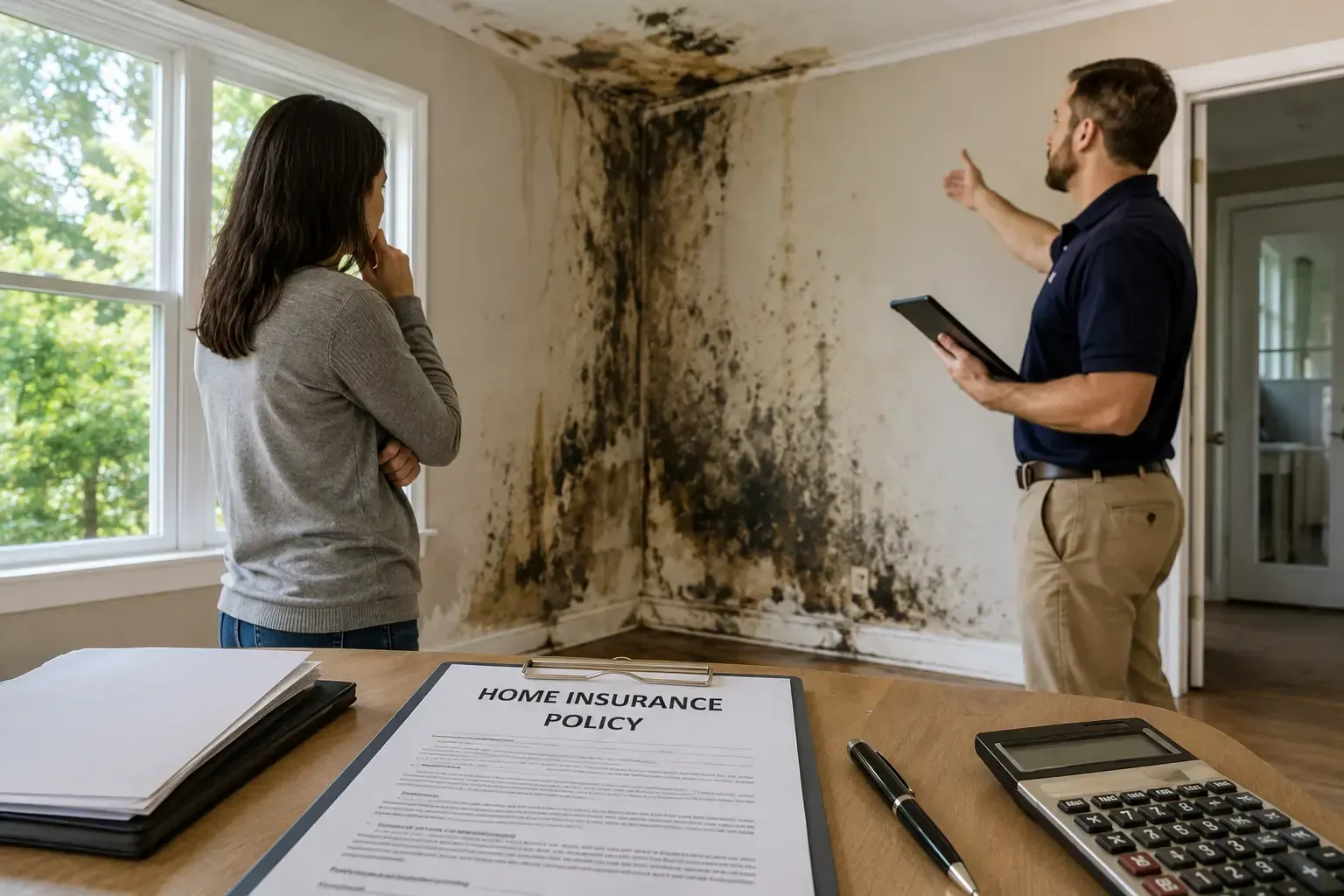
What Insurance Usually Will Not Cover
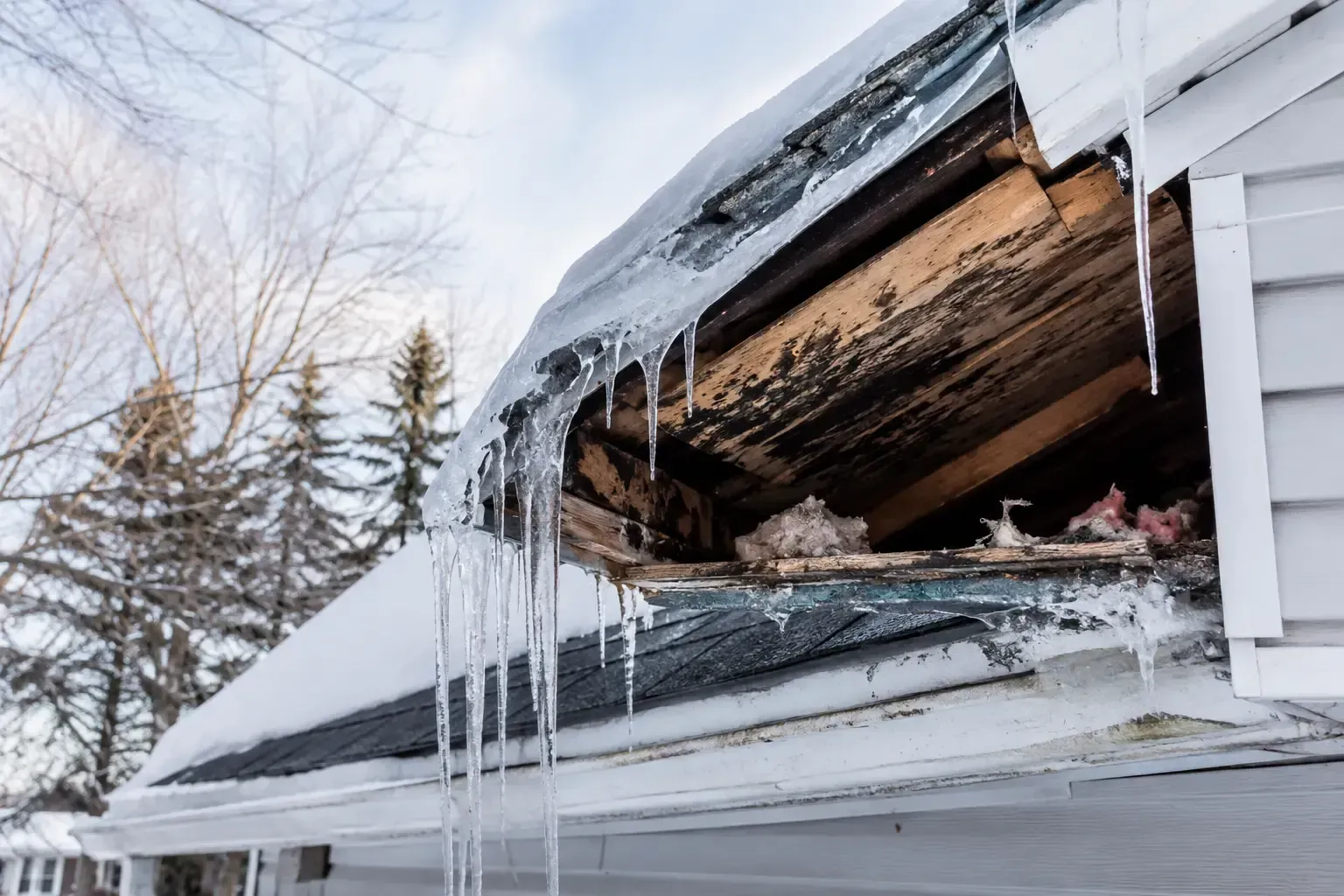
This is where a thaw loss differs sharply from an ice dam leak, which is often covered.
The Michigan Department of Insurance and Financial Services states it plainly:
Water coming from the bottom up, "such as foundation seepage from snowmelts, is usually not covered." … "Damage caused by a sewer backup or sump pump overflow is also not covered by a typical homeowners insurance policy."
Two things follow:
• Water backup coverage is a separate endorsement. It is inexpensive relative to a finished basement and is worth asking your agent about specifically — by name.
• Flood is separate again. No standard homeowners policy covers rising groundwater or river flooding. Given the St. Joseph River's documented flood history through South Bend, that matters here.
We provide insurance assistance and can document conditions in the format adjusters expect, whichever way your policy falls.
Drying Is Not Removing
If water sat for more than a couple of days, drying the space out is only half the job.
The EPA is direct about this:
"Dead mold may still cause allergic reactions in some people, so it is not enough to simply kill the mold, it must also be removed."
The agency also advises that "chemical biocides are not recommended as a routine practice during mold cleanup."
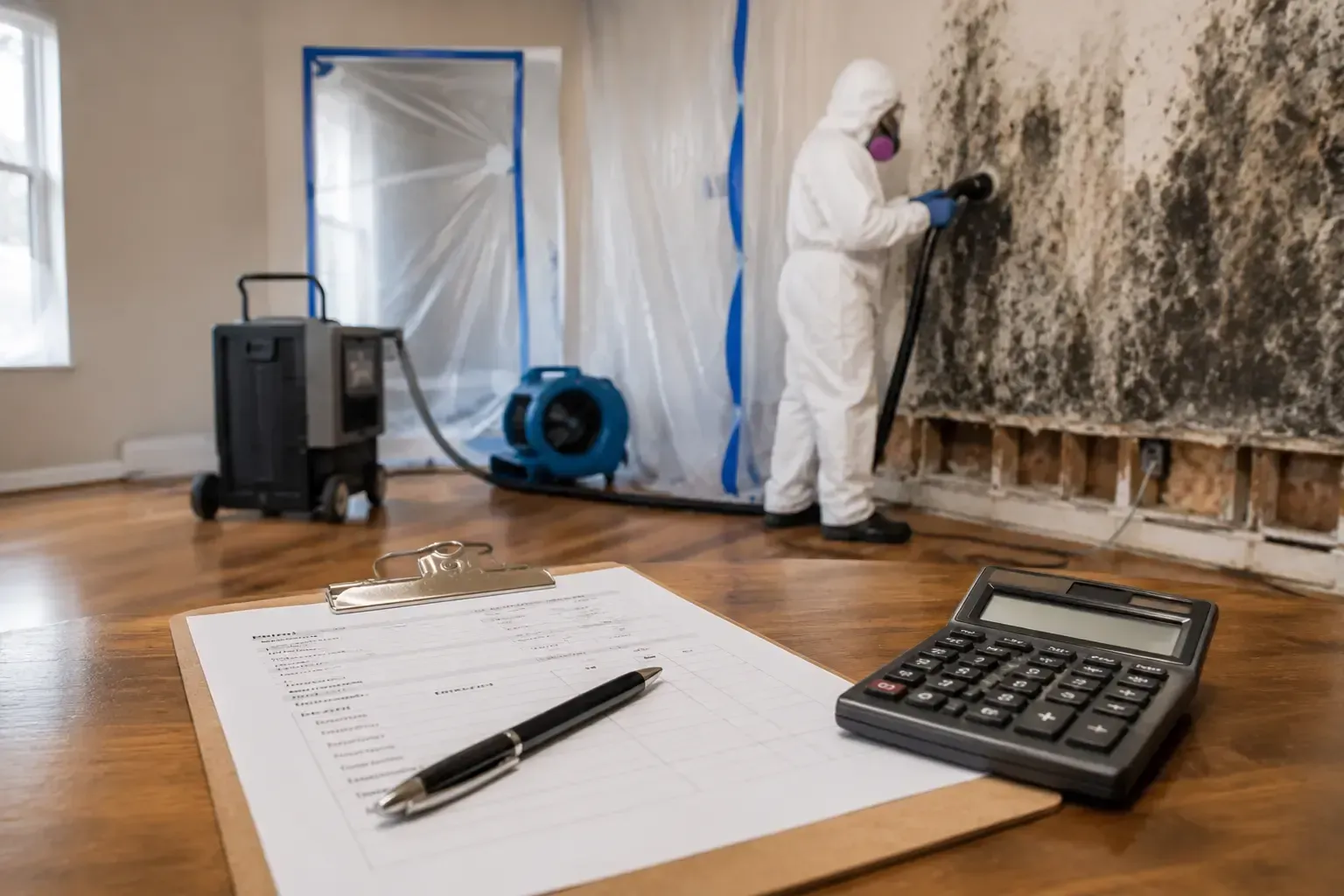
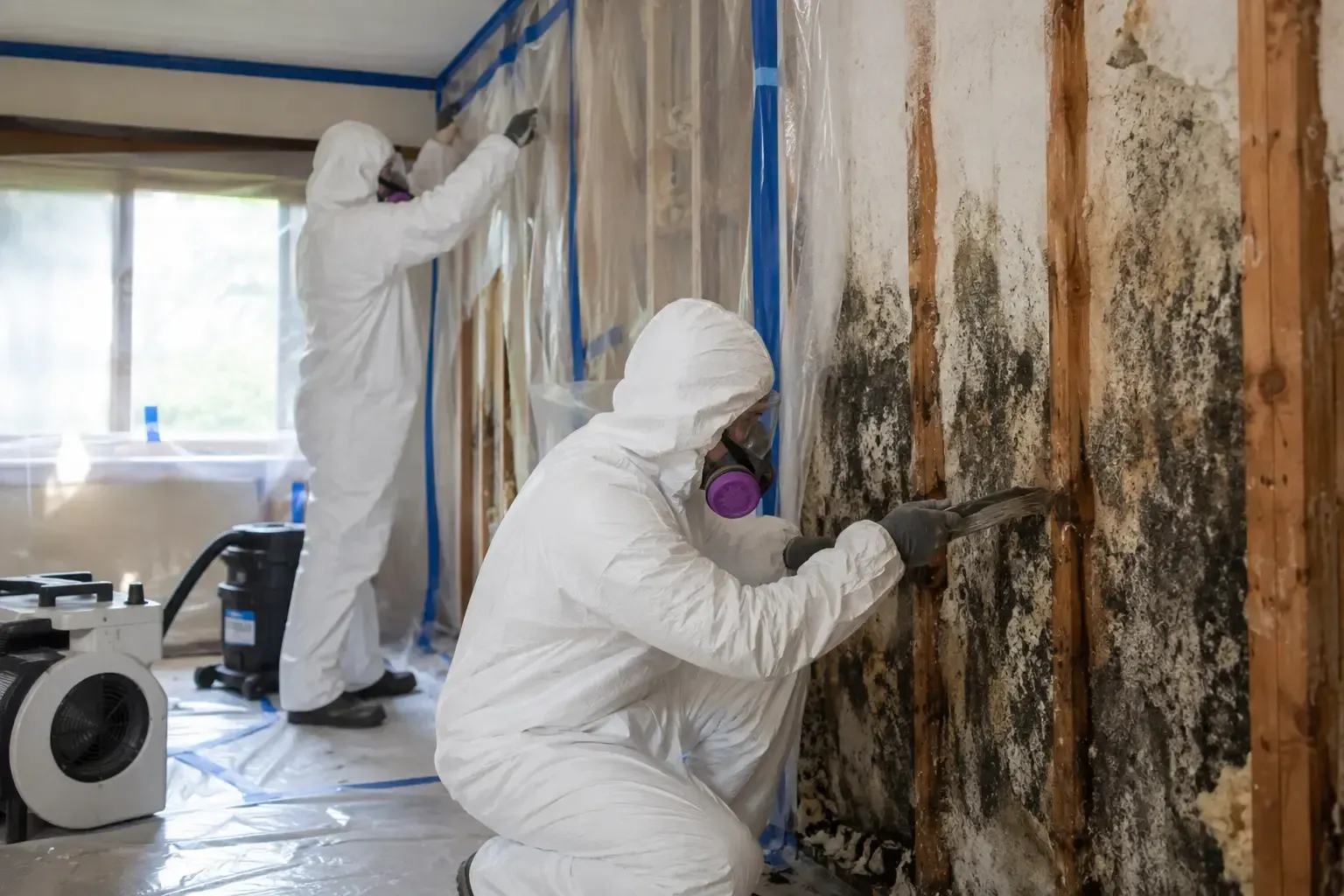
The ANSI/IICRC S520 standard is built on the same idea — physical source removal. Porous materials that cannot be effectively cleaned, like saturated drywall and carpet pad, come out. Framing and block get controlled cleaning and HEPA vacuuming behind containment.
For scale, the EPA's threshold is: "If the moldy area is less than about 10 square feet (less than roughly a 3 ft. by 3 ft. patch), in most cases, you can handle the job yourself." Above that — or if the water was contaminated, or your HVAC is involved — bring in a certified firm. If the water came from a sewage backup, skip the DIY entirely regardless of size.
Cutting the Risk Before Next Spring
Most of the fix is outside the house:
• Extend downspouts at least four to six feet from the foundation
• Regrade so soil slopes away from the wall
• Clear gutters before the first freeze so meltwater actually drains
• Rake snow away from the foundation during warm spells
• Cover window wells
• Run a dehumidifier — the EPA recommends keeping indoor humidity below 60%, ideally 30–50%
• Skip carpet and paper-faced drywall below grade
A Note on Contractors
Neither Indiana nor Michigan licenses mold remediation contractors. No state exam, no registry, nothing to look up.
Third-party certification is the only real filter. Ask for the IICRC firm credential, proof of liability insurance, and a written scope specifying containment and source removal. Mold Warrior is an IICRC Certified Firm and handles every project directly, without subcontractors.
Frequently Asked Questions
My basement dried on its own. Do I still have a problem?
Possibly. Materials inside wall cavities dry far more slowly than the air. If it was wet for more than 48 hours or still smells musty, have it checked.
Is efflorescence mold?
No. That white, chalky, crystalline deposit on block or concrete is mineral salt left behind as water evaporates. It is not mold — but it is proof that water is moving through the wall.
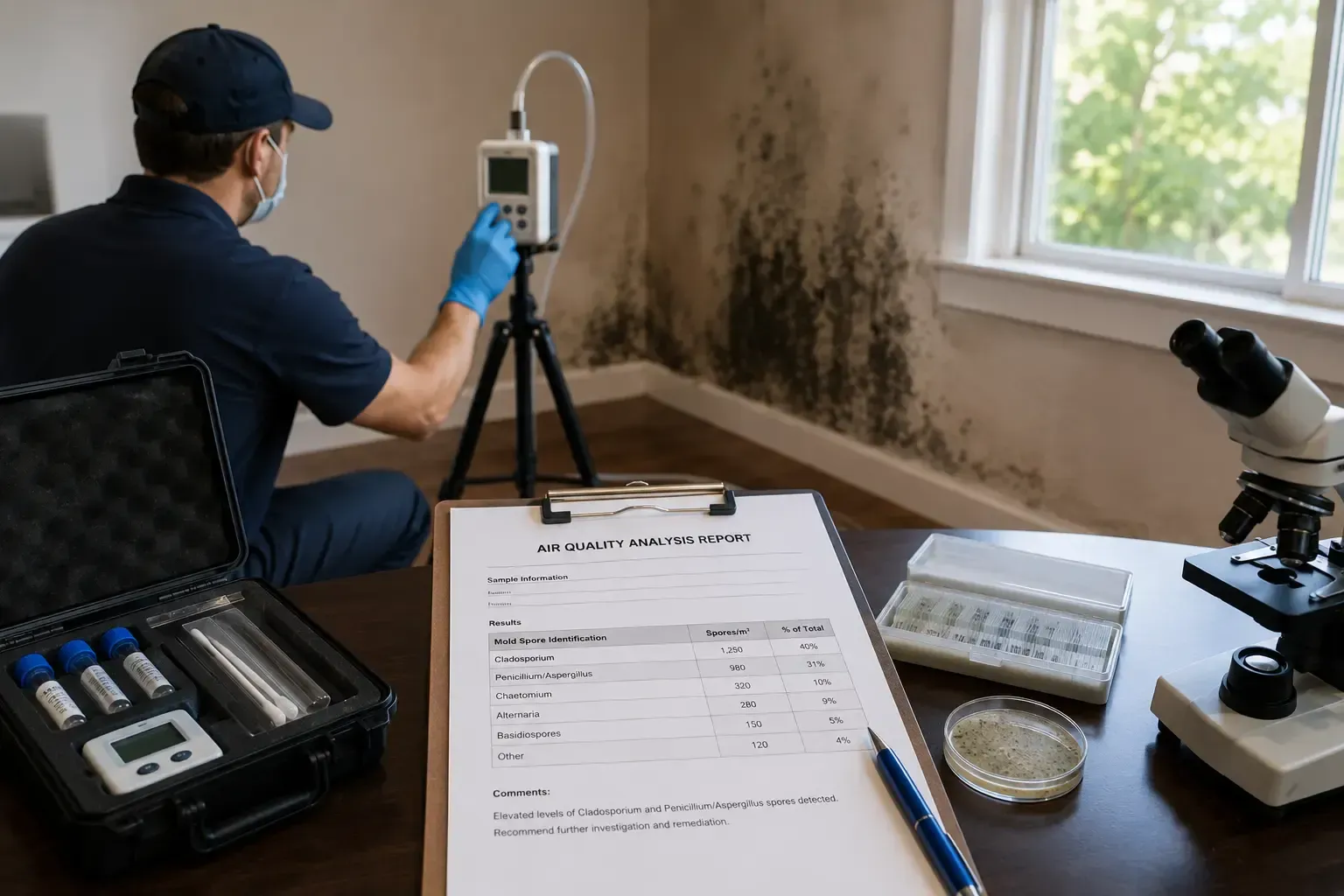
Should I test the air first?
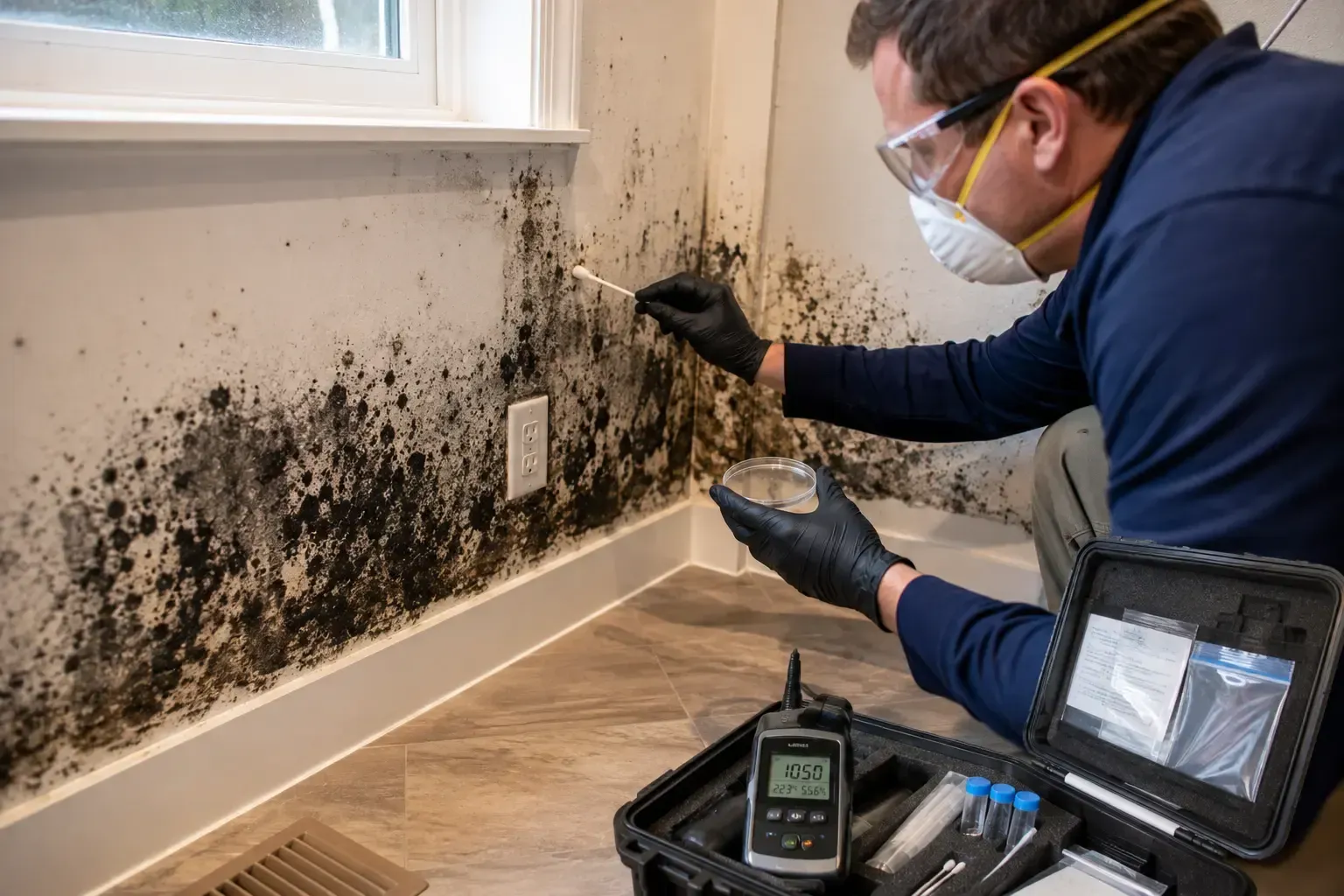
Usually not. Per the EPA, "in most cases, if visible mold growth is present, sampling is unnecessary." Air quality testing earns its cost when you smell something but cannot locate it, or want post-remediation verification.
Will waterproofing alone solve the mold?
It addresses the cause, not the existing growth. Do both — and in that order, so you are not remediating twice.
Does a dehumidifier fix a wet basement?
It manages humidity, not liquid water intrusion. If water is entering through the wall or floor, a dehumidifier only treats the symptom.
Get Ahead of the Thaw
If your basement smells musty, you have seen staining along the bottom of a wall, or you would rather find out now than in March, we will come look.
Mold Warrior is an IICRC Certified Firm serving South Bend, Mishawaka, Elkhart, Granger, Goshen, La Porte, Michigan City, Niles, Dowagiac, Benton Harbor, and Stevensville. In business since 2019.
Free, no-obligation inspection. 60-minute response in our service areas.
Call (269) 588-4136 — answered 24/7 ·
Schedule an inspection