Commercial Mold Removal for KC Property Managers: Minimizing Downtime
A tenant reports a musty smell, and now you have a mold problem in your Kansas City building. As the property manager, the clock starts on tenant health, liability, and lost use of the space. Commercial mold removal is not just a bigger version of a home job. It has to protect occupants and keep the building running. This guide shows how to handle KC commercial mold while minimizing downtime.
Key Takeaways
- Commercial mold affects tenant health, your liability, and the building's usable space at once.
- Smart containment and phased scheduling let most businesses stay open during remediation.
- Fast inspection, clear scope, and documentation are what keep a project short and defensible.
Why Commercial Mold Is a Property Manager's Problem
Mold in a commercial building is more than a cleaning task. It touches every party who uses the space. That makes the response more complex than a home job.
Tenants worry about air quality and their own customers or staff. You carry responsibility for a safe, habitable building under the lease. Left alone, mold spreads through shared walls and the HVAC system. A slow response can turn one unit's problem into a building-wide claim.
Common Causes in KC Commercial Buildings
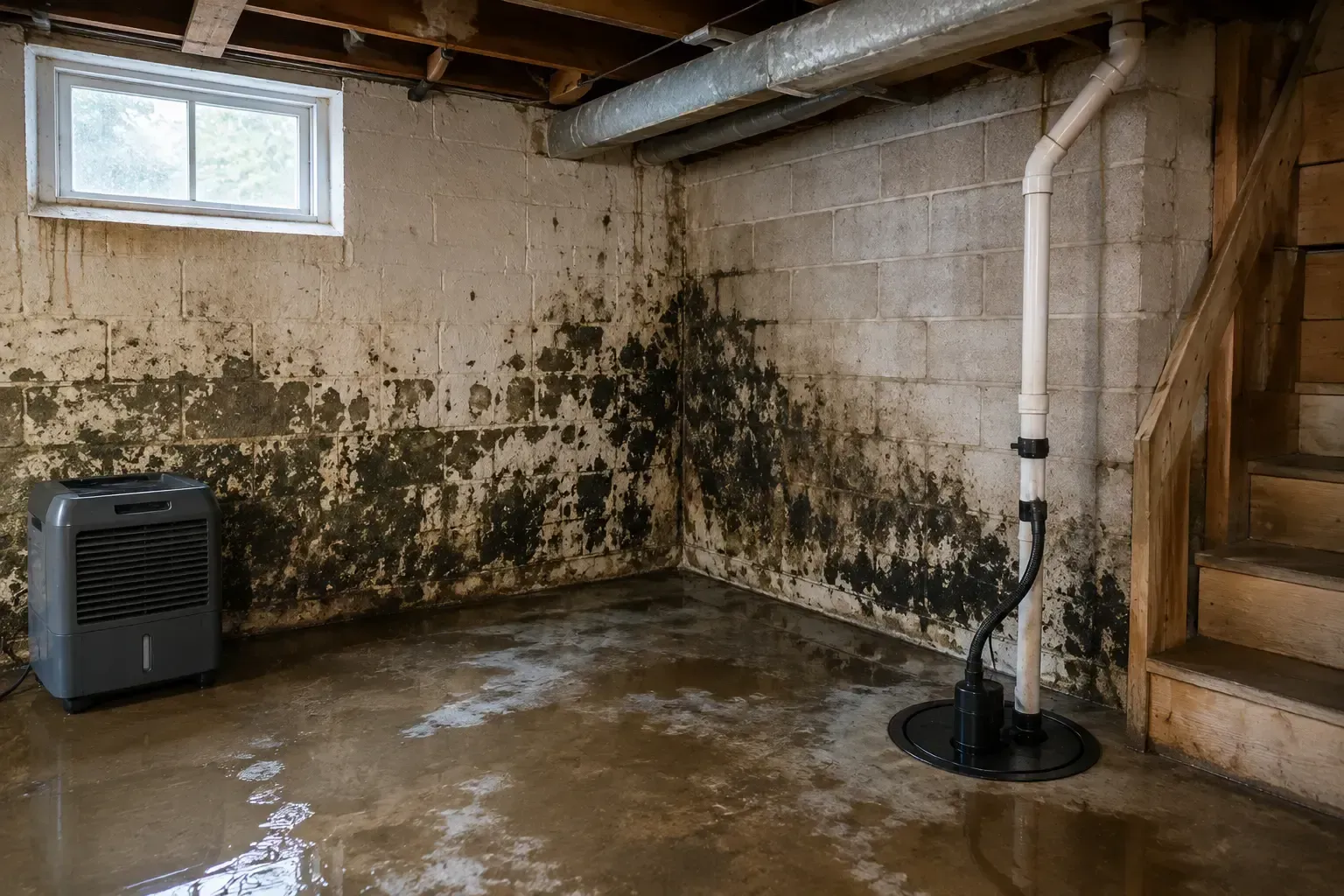
Kansas City's humid summers give mold the moisture it needs. Several building issues then give it a place to grow. Knowing the sources speeds up the fix.
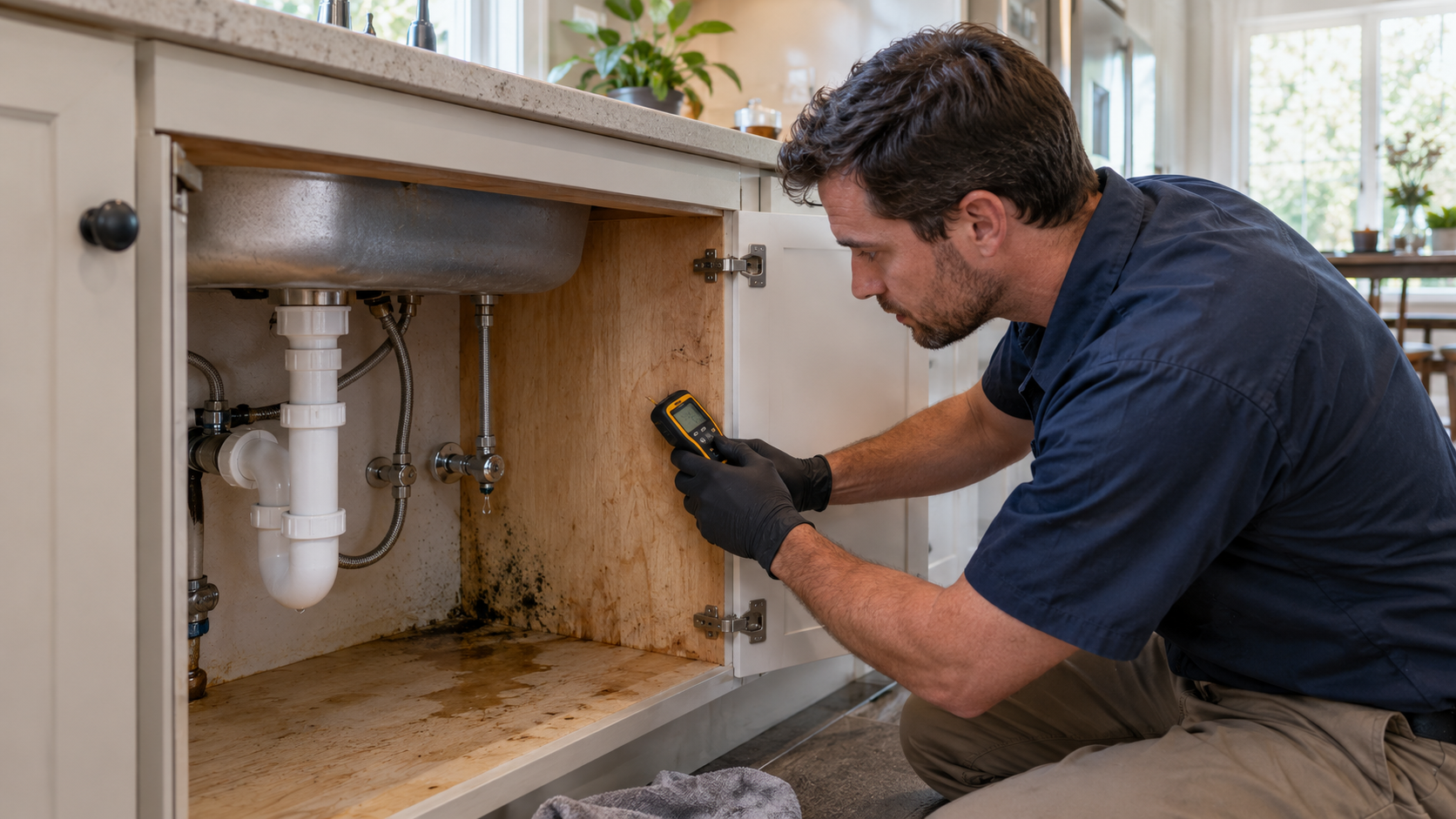
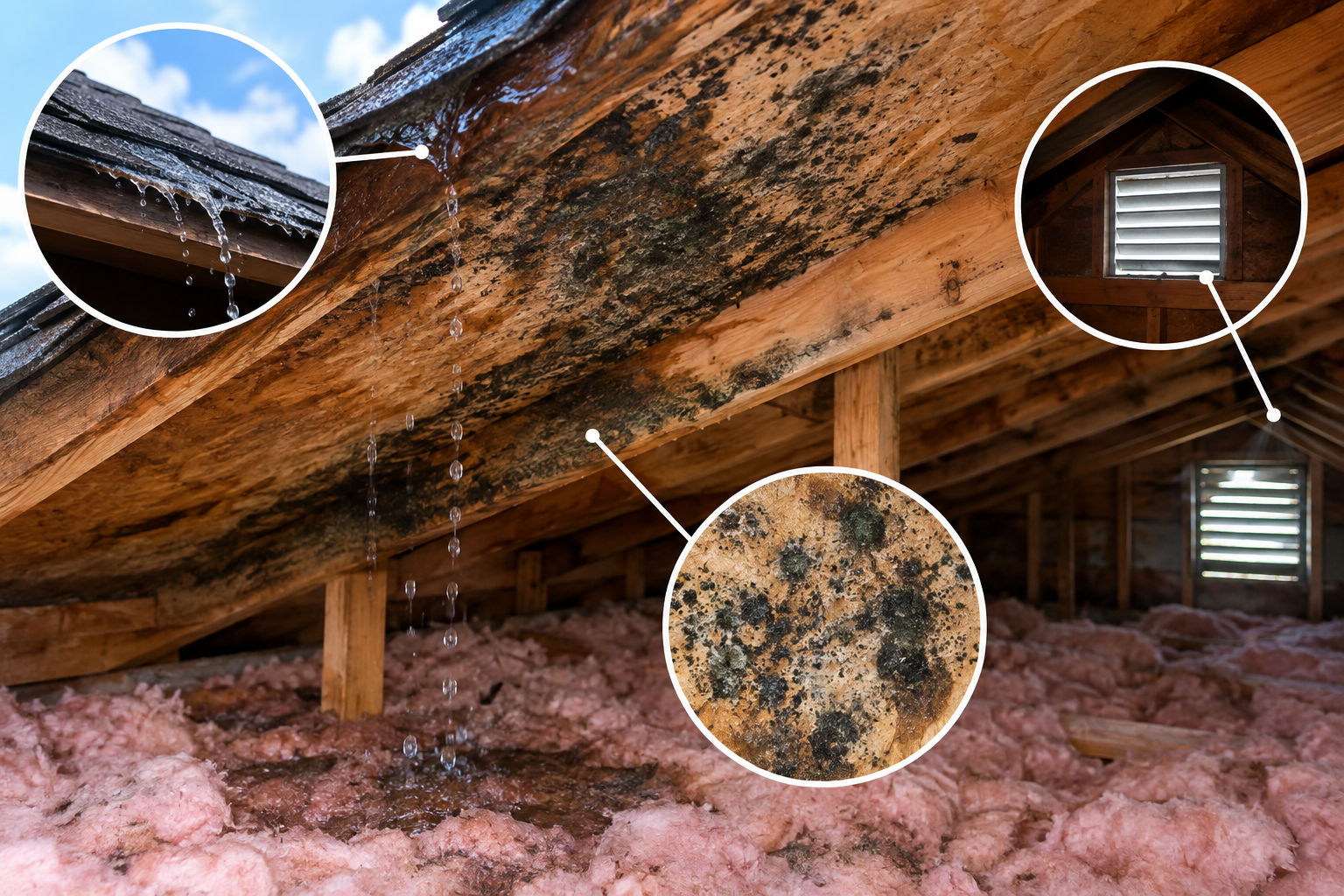
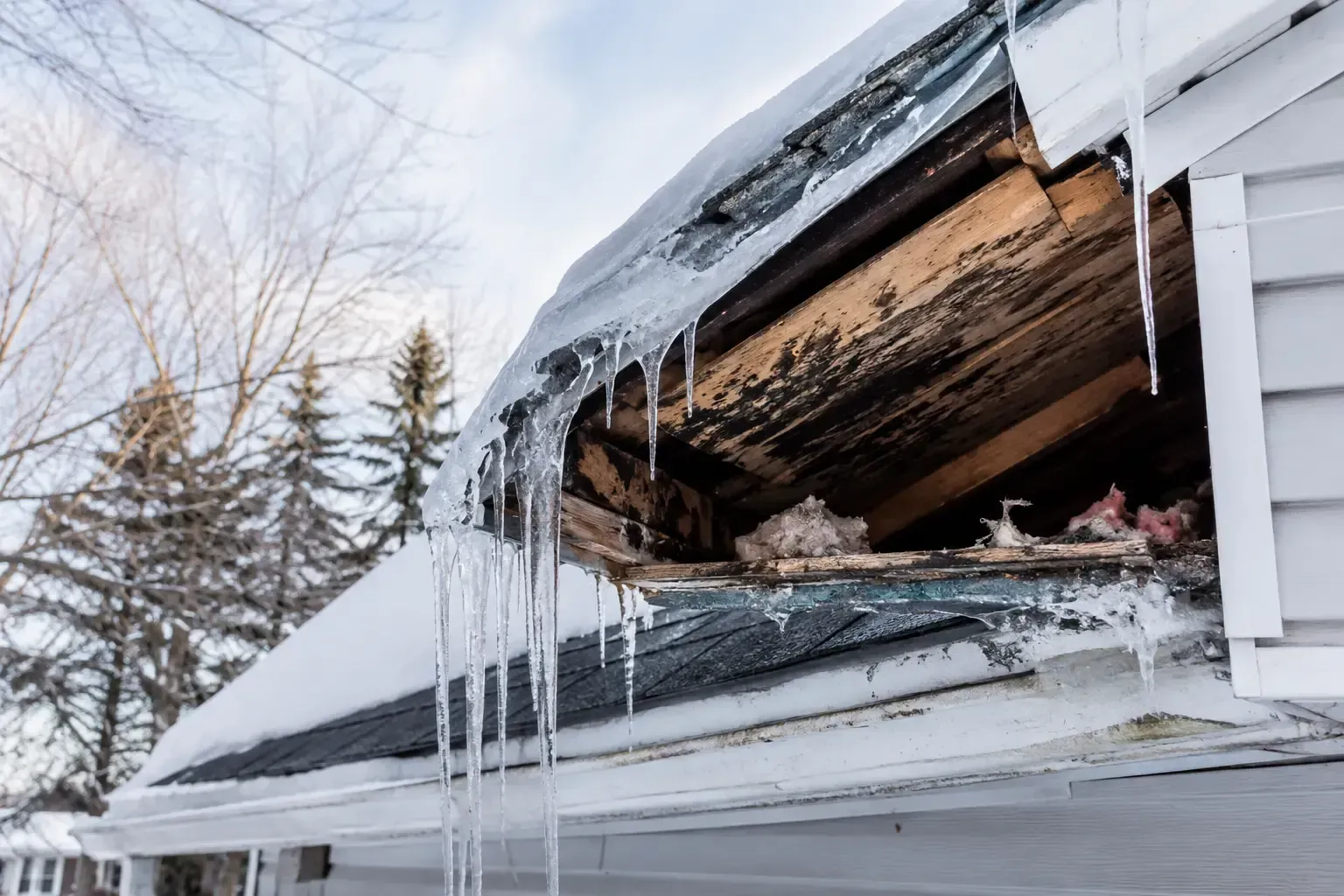
Roof and plumbing leaks are the usual culprits in older KC properties. HVAC systems that run humid or drip create hidden condensation. Flat commercial roofs that pond water add another entry point. Poor ventilation in back rooms and basements traps the dampness. Catching these sources early keeps a small patch from spreading through the building.
How to Minimize Downtime During Remediation
Downtime is the cost property managers feel most. The good news is that a well-run project keeps most of the building open. A few tactics make that possible.
Containment That Keeps Tenants Working
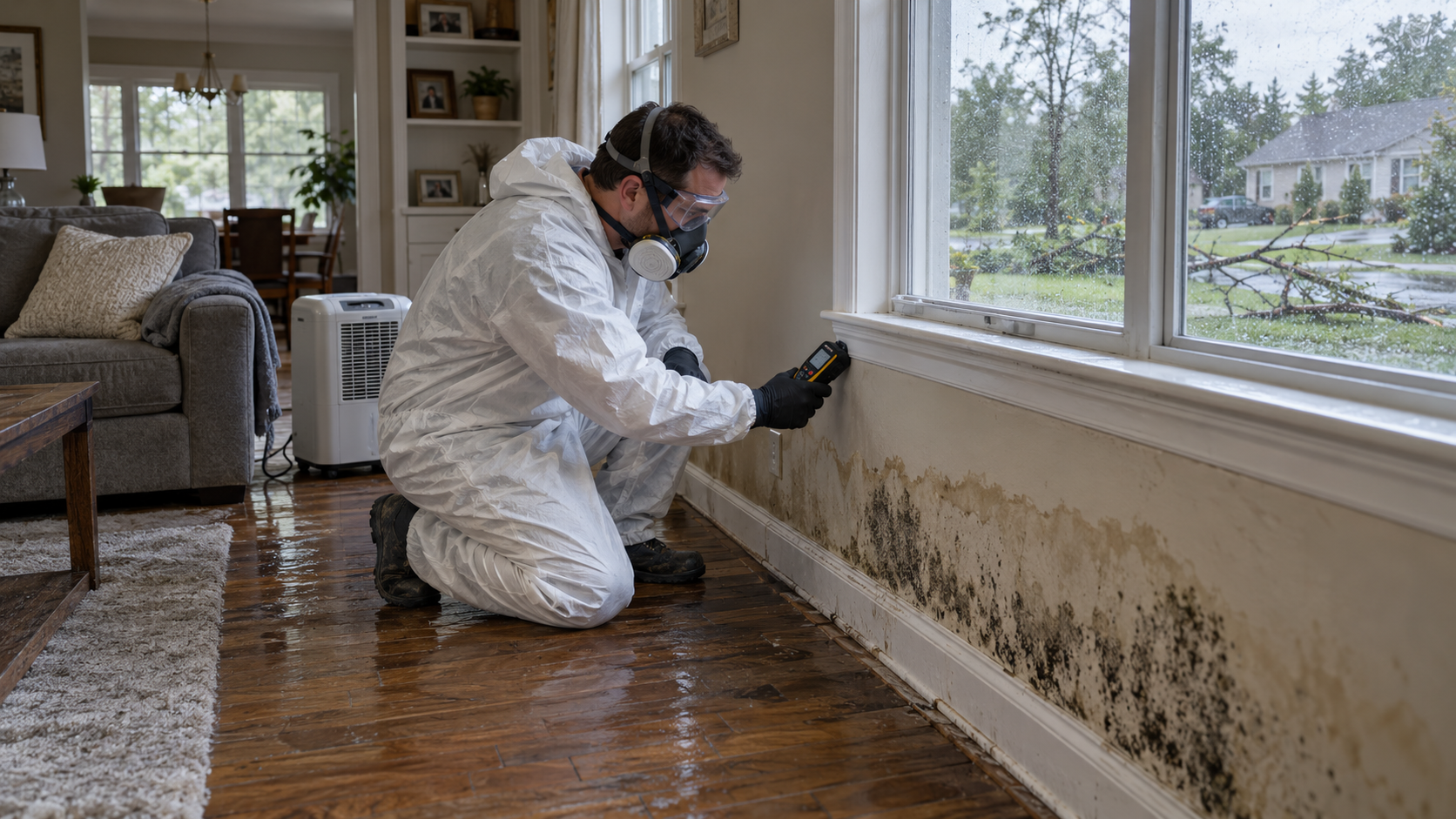
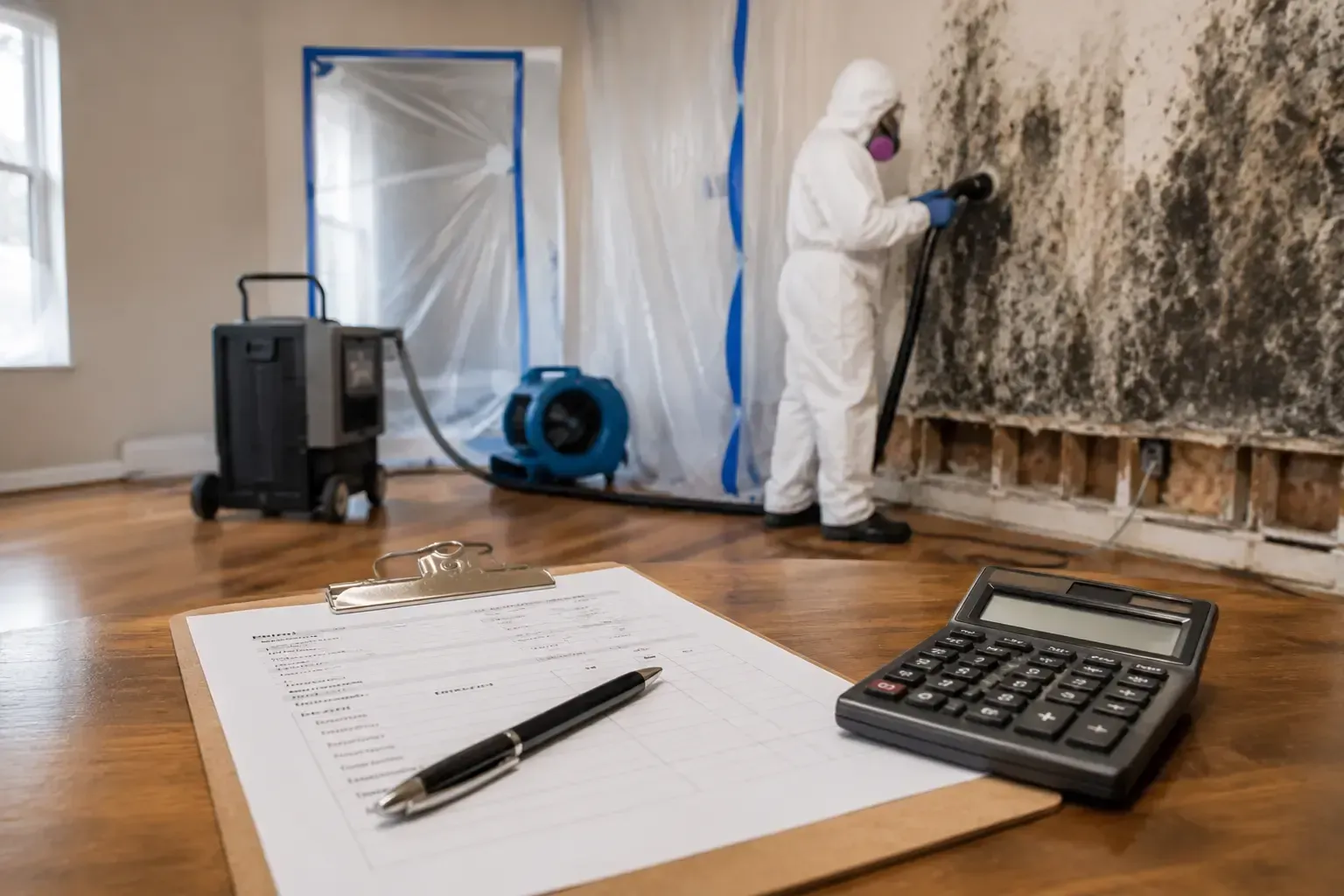
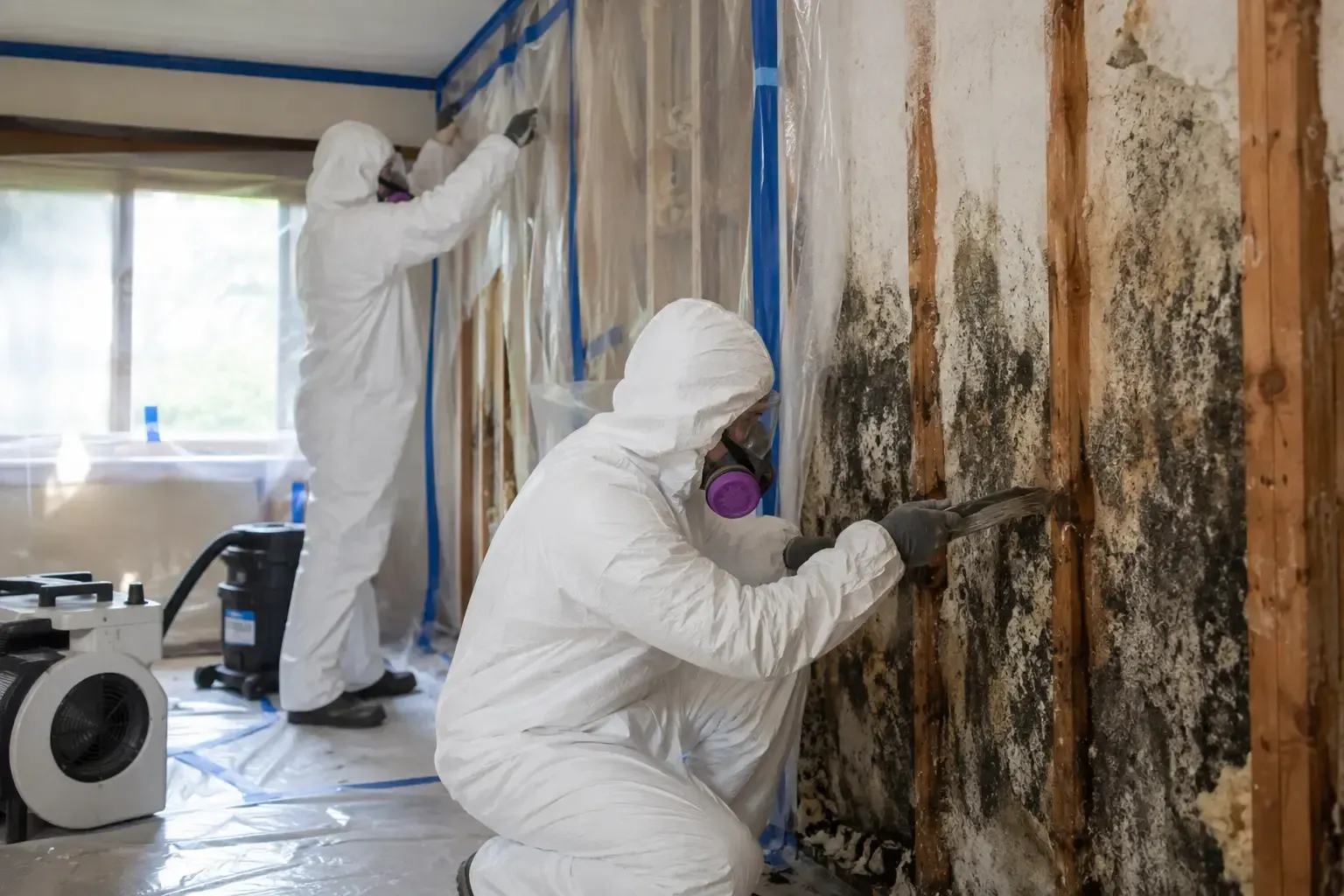
Professional containment seals the work zone from the rest of the building. Negative air machines keep spores from drifting into occupied areas. Following the EPA guide for mold in commercial buildings keeps that containment effective.
After-Hours and Phased Scheduling
Much of the work can happen after hours or in phases. That lets tenants keep operating during business hours. A phased plan tackles one area while the rest stays open.
Fast Inspection and Clear Scope
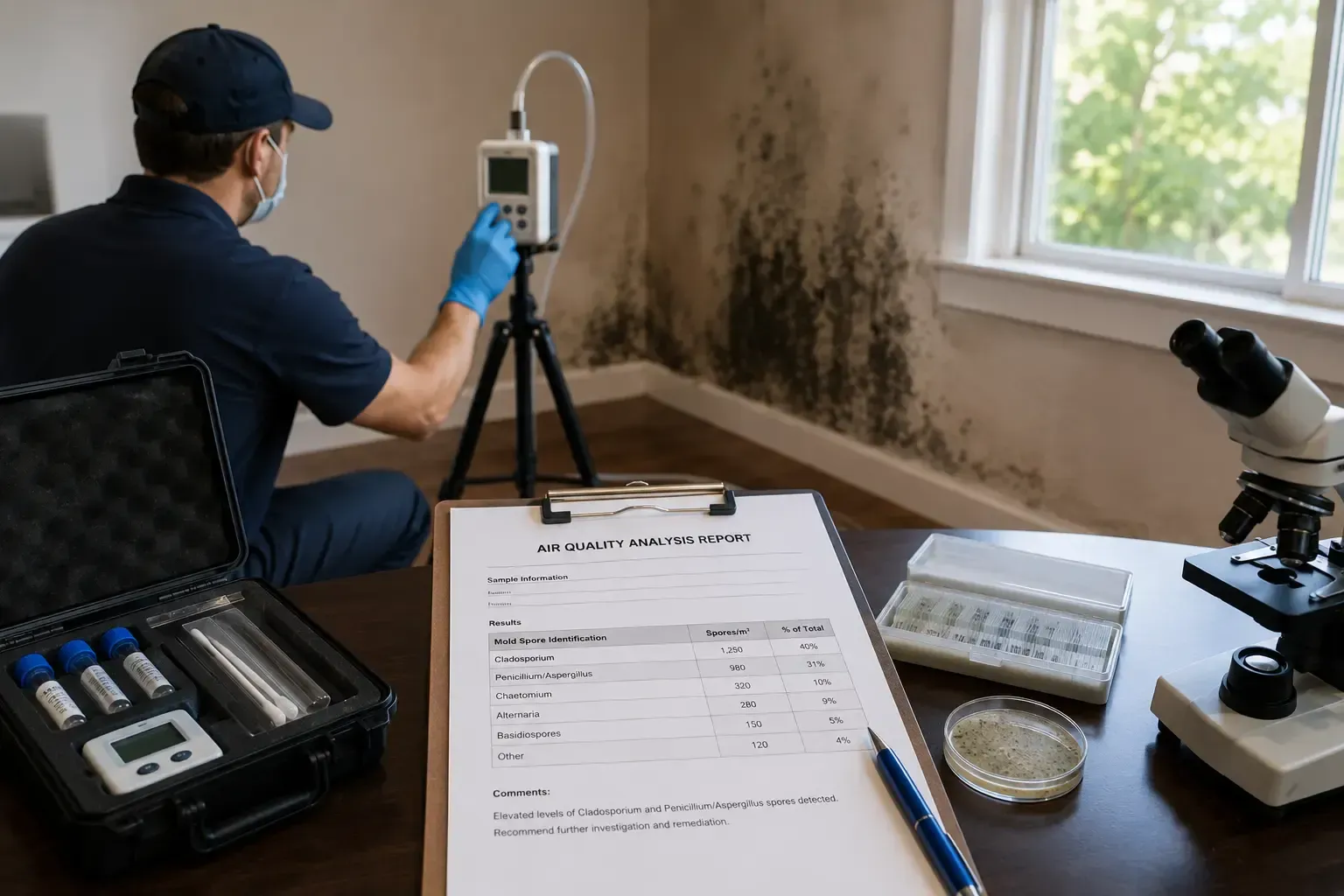
A quick, thorough inspection sets an accurate scope up front. That prevents mid-project surprises that stretch the timeline. Our mold inspection service defines the problem before work starts.
The Commercial Remediation Process
A professional process protects occupants and gets the space back fast. Each step has a purpose that a rushed job would skip. Here is what a sound project looks like.
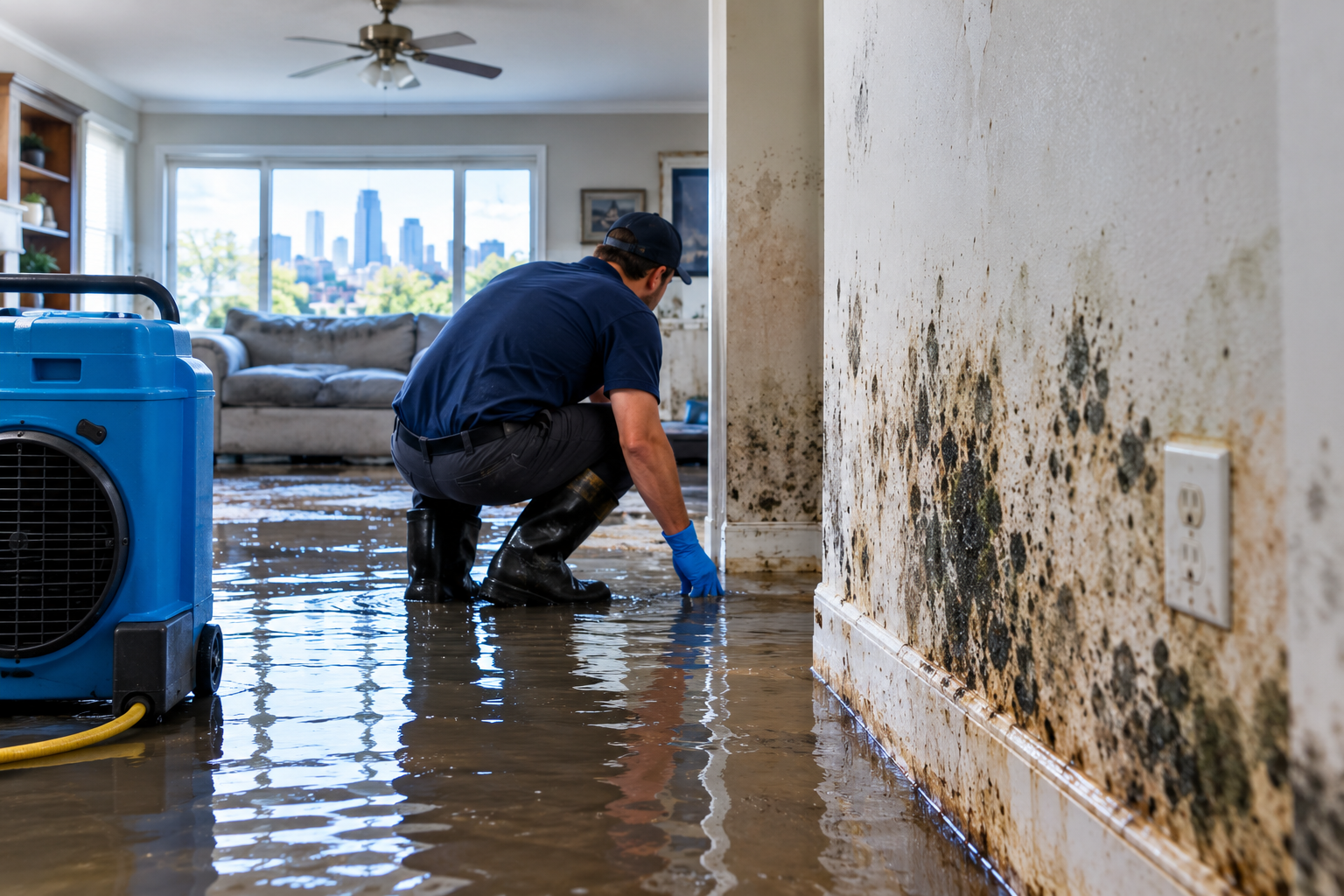
Crews first contain the area and set up air filtration. They remove moldy porous materials and clean the structure. Worker and tenant safety follows OSHA mold guidance throughout. Finally, they dry the space and fix the moisture source so mold does not return. Our commercial mold removal team manages that full sequence.
Documentation Protects You
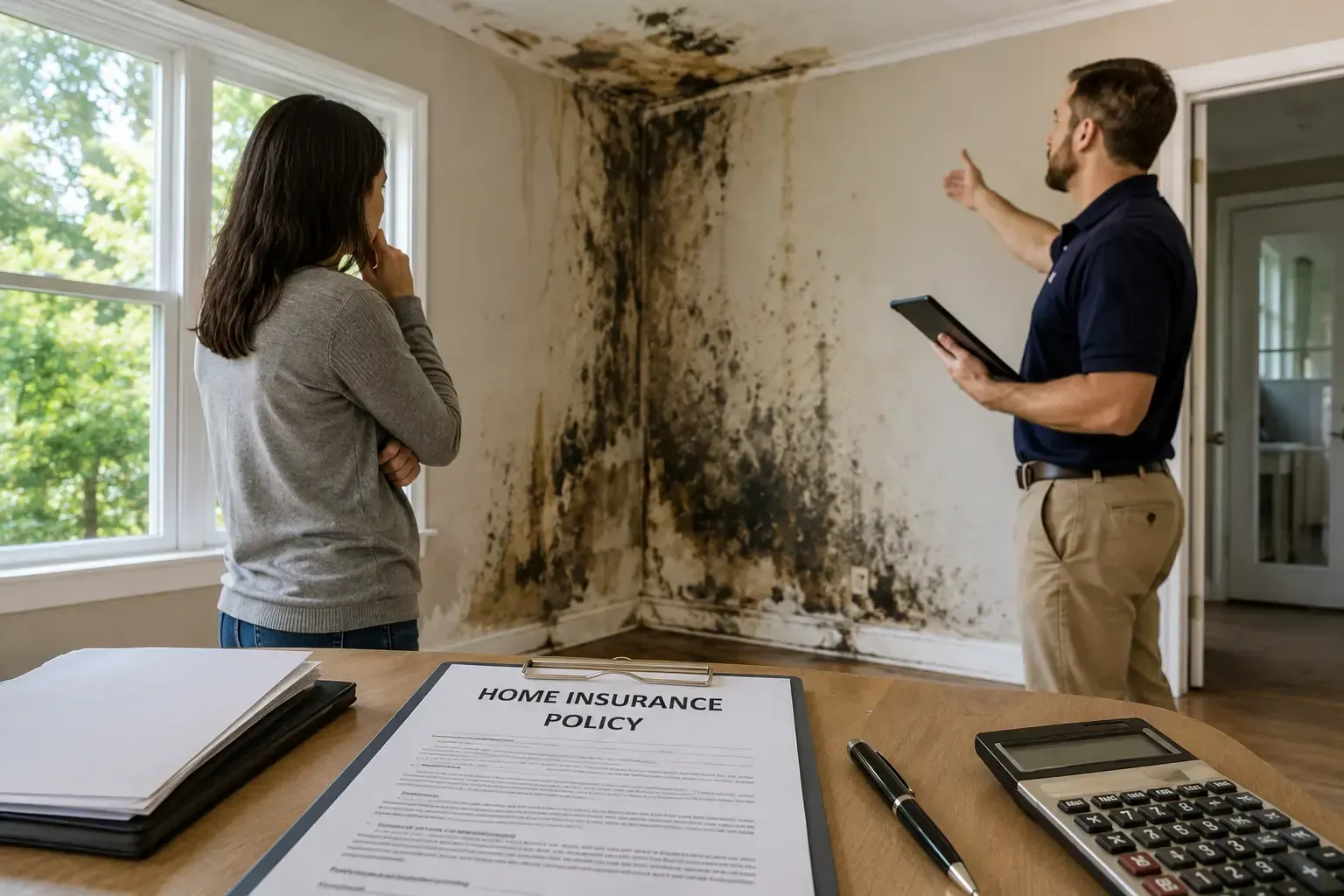
In a commercial setting, the paper trail matters as much as the cleanup. Record the cause, the scope, and every step taken. Keep the inspection report and post-remediation verification.
That record supports your insurance claim and any tenant discussions. It also proves you acted promptly and to industry standard. Good records shorten disputes and speed up any claim. Mold Warrior documents each project in a format property managers can file.
Frequently Asked Questions
How much does commercial mold remediation cost?
Cost depends on the size, location, and cause of the mold. A small contained job costs far less than a building-wide project. An on-site inspection gives you an accurate estimate.
Who is responsible for mold, the landlord or tenant?
It usually depends on the cause and the lease terms. A building-system leak typically falls to the owner. Tenant-caused moisture may shift responsibility, so document the source early.
Can a business stay open during mold remediation?
Often yes, with proper containment and phased scheduling. The work zone is sealed while the rest of the building operates. Your remediation team should plan around tenant hours.
How long does commercial mold removal take?
Timelines vary with the size and the moisture source. A contained area may take a few days, while larger jobs take longer. A clear scope up front keeps it on schedule.
Keep Your KC Building Open During Remediation
Commercial mold puts tenant health, liability, and downtime on your desk at once. The right plan contains the work, keeps tenants operating, and documents every step. Move fast on the inspection, and the project stays short and defensible. When mold appears in your Kansas City property, reach out to Mold Warrior for commercial remediation built to minimize downtime.