Attic Mold in Atlanta: Roof Leaks and Poor Ventilation
A roofer heads up to check your shingles and comes back down with worse news than a few loose nails. The plywood sheathing over the rafters is streaked black, and the air up there smells damp. Attic mold like this is common in Atlanta. It almost always traces back to two things: a roof leak or poor ventilation. Left alone, it can quietly damage your roof structure and push spores down into your living space.
Key Takeaways
- Attic mold usually starts from a roof leak or trapped moisture from poor ventilation.
- It can rot roof sheathing and send spores into the rooms below.
- The lasting fix is stopping the moisture, not just cleaning the surface.
What Causes Attic Mold in Atlanta Homes
Attic mold needs one thing to grow: moisture that has nowhere to go. In an Atlanta attic, that moisture usually arrives one of two ways. Understanding which one you have is the first step to a lasting fix.
Roof Leaks Let Water In
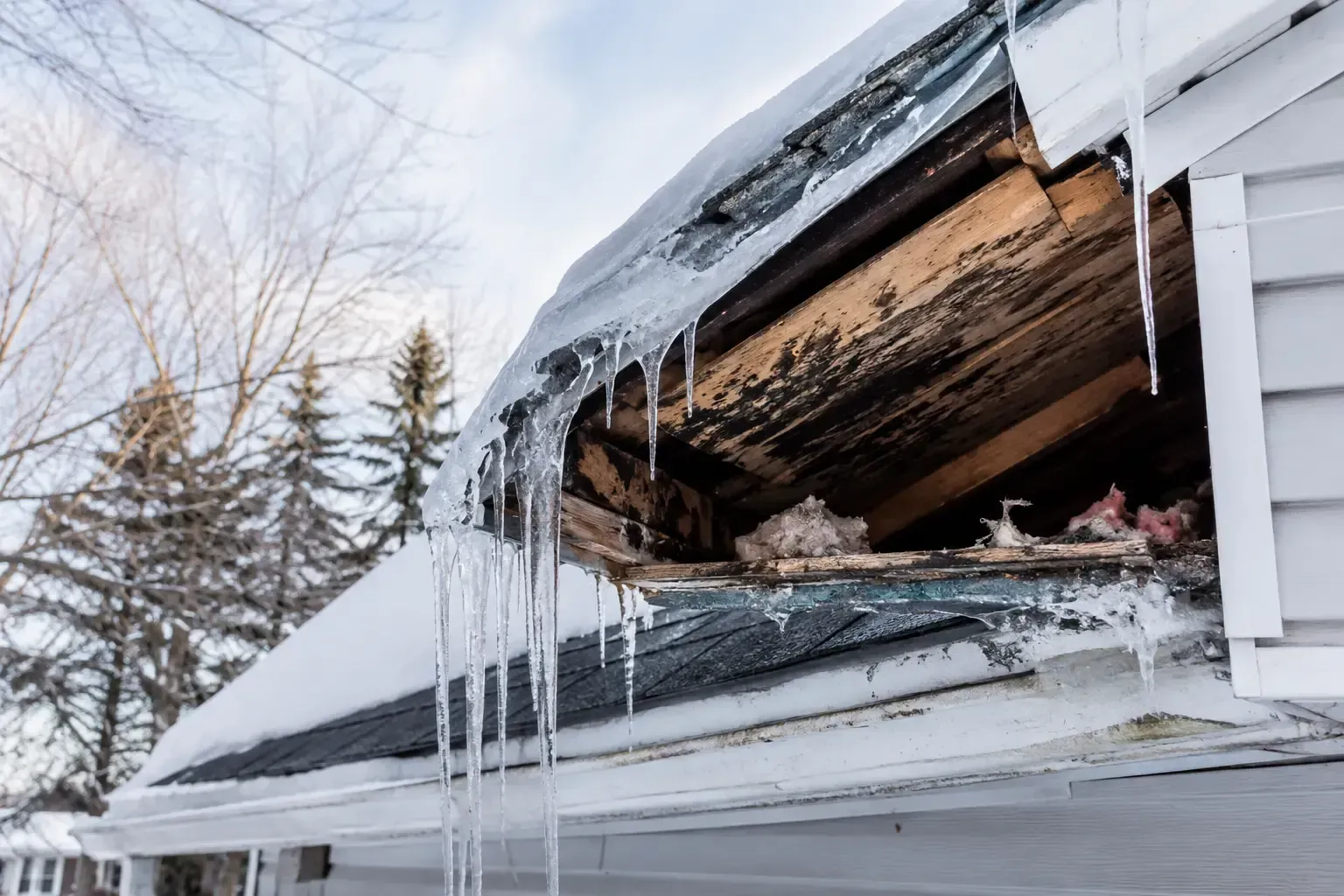
A roof leak is the most direct cause. Water gets in through worn shingles, cracked flashing, or gaps around vents and chimneys. It soaks the sheathing and rafters, and mold follows within days. Attic mold from a roof leak in Georgia often shows up as a dark stain right below the damaged spot.
Poor Ventilation Traps Moisture
The quieter cause is ventilation. Bathroom and dryer fans that vent into the attic instead of outside dump warm, wet air into a cold space. Without enough soffit and ridge vents, that moisture condenses on the underside of the roof. Over an Atlanta winter, that damp sheathing grows mold across a wide area.
Why Atlanta Attics Are Prone to Mold
Atlanta's climate keeps attics damp for much of the year. Warm, humid weather runs from late spring through early fall, and spores stay present year-round. When that humid air meets a poorly vented attic, condensation forms and mold takes hold.
Winter adds its own problem. Warm, moist household air rises into a cold attic and condenses on the roof deck. Keeping indoor humidity in check helps, and the EPA recommends keeping it below 60 percent. Metro Atlanta homes with older or blocked vents see attic mold most often.
How Serious Is Attic Mold?
Attic mold is moderately to very concerning, and it is worth addressing promptly. Over time, it can slowly break down the wood structure of your roof. Weakened sheathing and rafters are expensive to repair once the damage spreads.
The bigger worry is your air. Spores from an attic can drift down through gaps, light fixtures, and the attic hatch into the rooms below. That can trigger allergy-type symptoms for the people living underneath it.
Signs You Have Attic Mold
You often cannot see attic mold without looking, so know the clues. Watch for these signs around your Atlanta home.
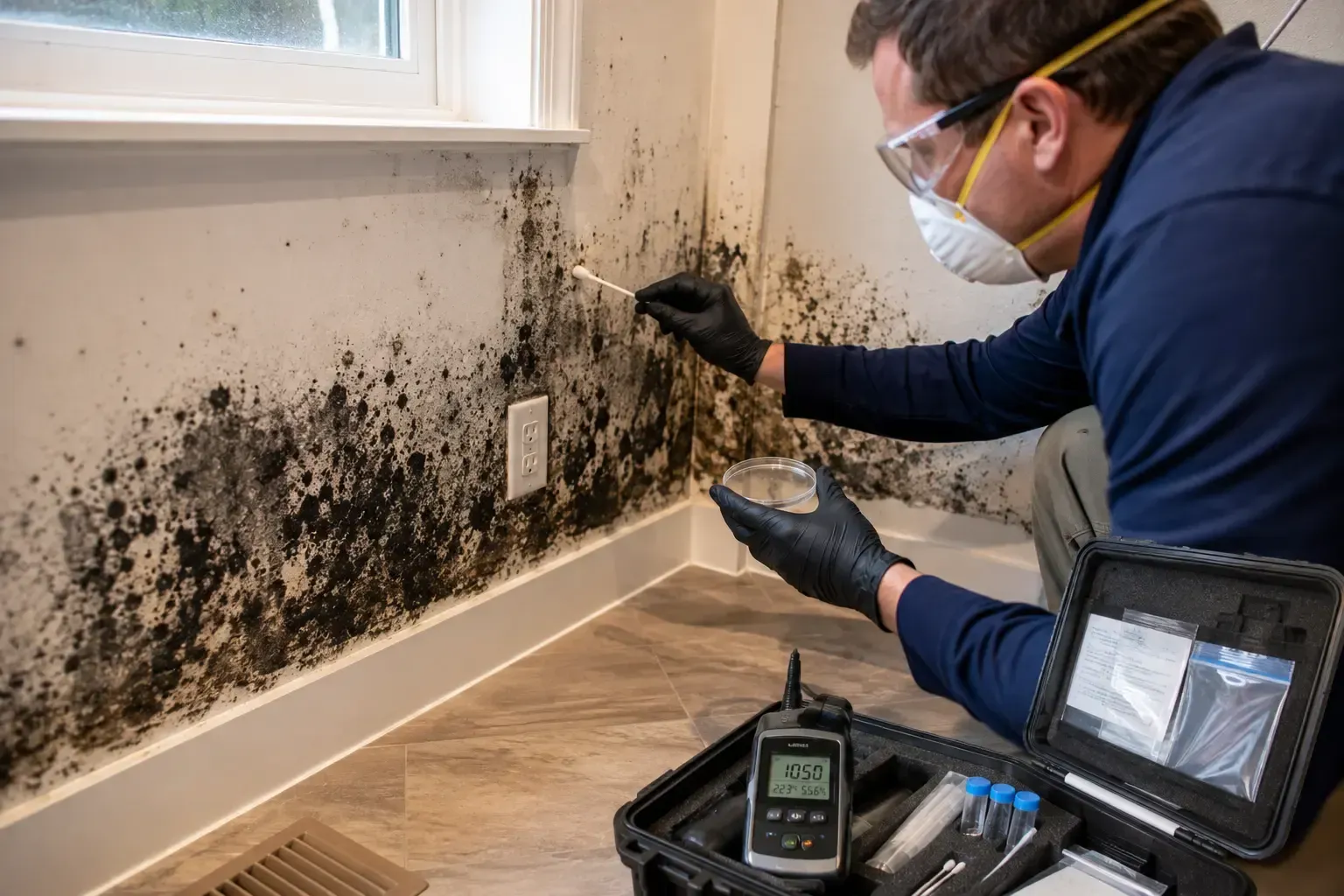
Dark streaks or black patches on the roof sheathing and rafters are the clearest sign. A musty smell near the attic hatch or in upstairs rooms is another. You may also notice frost or water droplets on the underside of the roof in winter. Higher energy bills can hint at wet, matted insulation that no longer works.
Can You Remove Attic Mold Yourself?
A small patch on hard wood can sometimes be cleaned by a careful homeowner. The catch is that cleaning alone never lasts. The EPA is clear that you must fix the water problem or the mold returns. If you clean the sheathing but leave the leak or venting issue, it grows right back.
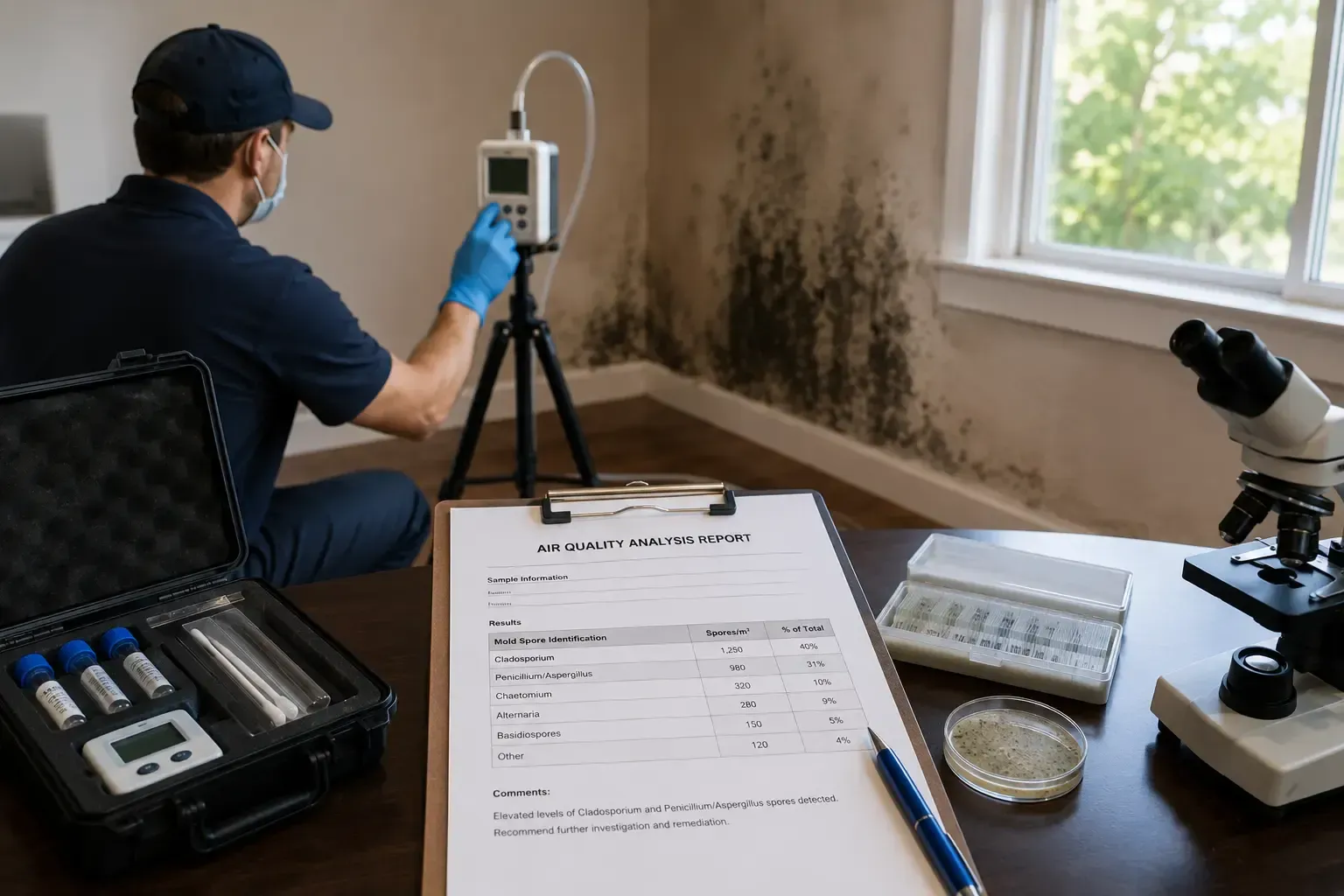
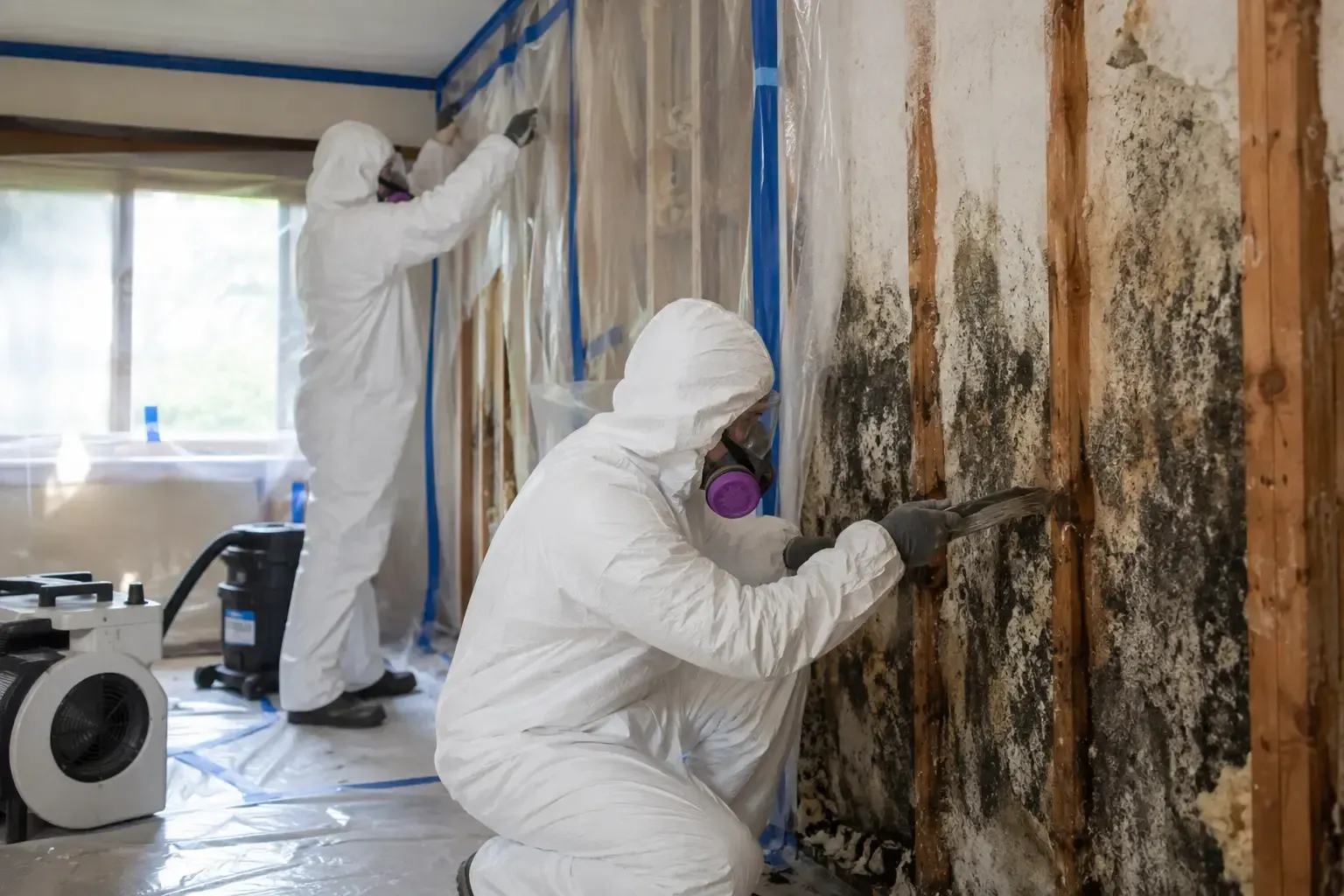
Larger jobs belong to a professional. Attic mold often means working in a hot, tight space around insulation and wiring. Wet or moldy insulation usually has to be removed and replaced, not cleaned. To see how the work is handled, read what professional mold remediation in Atlanta involves.
What Attic Mold Removal Costs in Atlanta
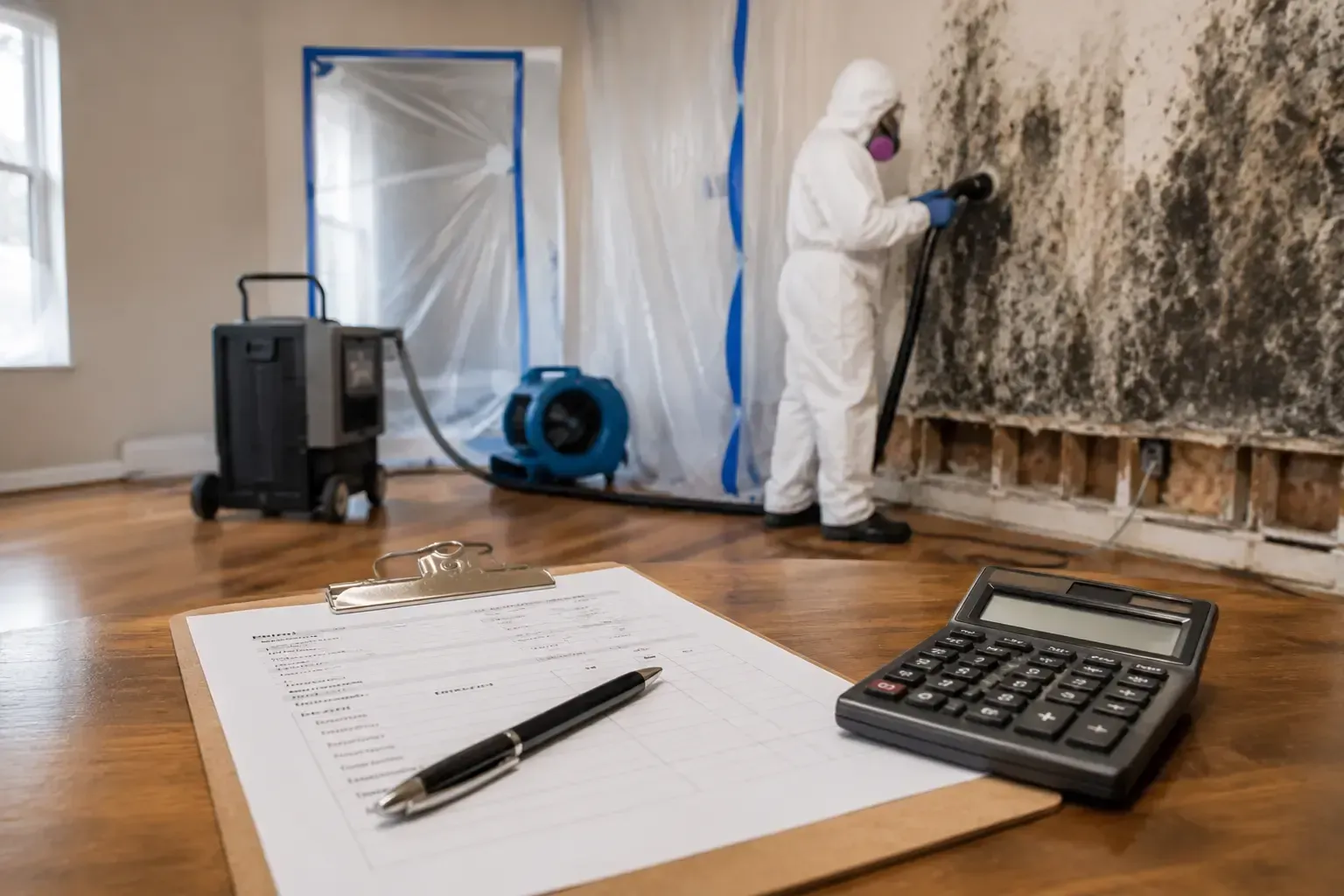
Cost tracks how far the mold has spread. A small, localized patch may run a few hundred to around fifteen hundred dollars. A typical attic remediation falls in the low thousands, and most homeowners land in that range.
Severe cases cost more. When mold has spread across the sheathing or soaked the insulation, costs rise. Removal and structural repairs can climb toward eight to ten thousand dollars. Scoping the attic first is how Mold Warrior keeps you from paying for more than the job needs.
How to Prevent Attic Mold
Prevention comes down to keeping the attic dry, and a few steps go a long way. Start at the roof and work in.
Fix roof leaks quickly, and check flashing around vents and chimneys each year. Make sure bathroom and dryer fans vent outside, never into the attic. Confirm your soffit and ridge vents are open and not blocked by insulation. Keep gutters clear so water drains away from the roof edge, and hold indoor humidity below 60 percent.
Frequently Asked Questions
How much does it cost to get rid of mold in your attic?
Most attic mold jobs run from about a thousand to several thousand dollars. Small, localized patches cost less, while widespread growth with structural repair costs more. An inspection gives you a firm number for your home.
How concerning is mold in the attic?
It is moderately to very concerning. Attic mold can slowly damage your roof structure and send spores into the rooms below. Fixing the moisture source and removing the mold protects both.
Will insurance pay for mold in the attic?
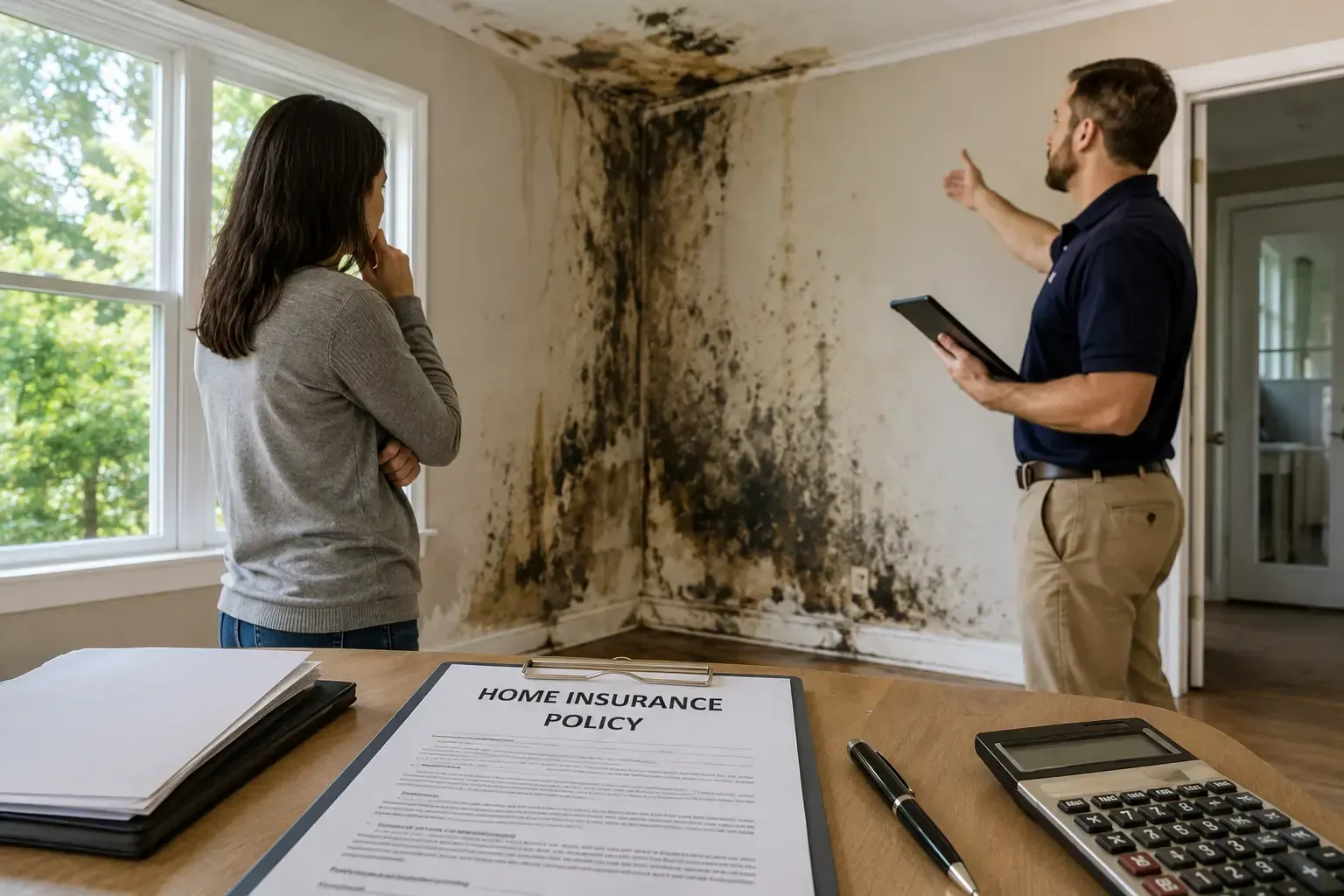
Usually only when the mold results from a covered peril, like a sudden burst pipe. Slow leaks and poor ventilation are typically excluded as maintenance. Check your policy, and learn whether insurance covers mold damage in Georgia.
What are the first signs of attic mold?
Dark staining on the roof sheathing and a musty smell are the earliest signs. Winter condensation on the underside of the roof is another clue. Upstairs rooms that smell damp can also point to it.
Does attic mold spread to the rest of the house?
It can. Spores drift down through the attic hatch, light fixtures, and gaps in the ceiling. That is why fixing attic mold protects the air in your whole home.
Stop Attic Mold at the Source
Attic mold rarely fixes itself, because the leak or venting problem that started it is still there. Cleaning the surface without solving the moisture just resets the clock. A proper fix finds the water, removes the growth, and dries the space so it stays gone. When you spot dark streaks overhead, reach Mold Warrior for an Atlanta attic mold inspection before the damage spreads.