Hurricane Season Mold in Raleigh: What to Expect
Every fall, the Atlantic sends another named storm toward the Carolinas, and Raleigh feels it even a hundred miles from the coast. The wind and rain pass in a day, but the water they leave behind lingers for weeks. In North Carolina's humid climate, that leftover moisture is where the real damage starts. Post-storm mold can take hold within a day or two, long before the cleanup is finished.
Key Takeaways
- Hurricane rain and flooding leave moisture that grows mold within 24 to 48 hours.
- Power outages make it worse by shutting off the AC that keeps homes dry.
- Drying fast and removing soaked materials is the best defense after a storm.
Why Hurricane Season Means Mold in Raleigh
The Atlantic hurricane season runs from June through November, and its peak lines up with the wettest months. Raleigh sits inland, but storms like Hurricane Florence proved the rain reaches the Triangle. Remnants of a coastal hurricane can dump inches of rain across central North Carolina in a single day.
That water finds its way into homes through roofs, foundations, and saturated ground. Once inside, it soaks into materials that stay damp for days. Add the region's natural humidity and mold has everything it needs to spread.
The 24 to 48 Hour Window
Speed matters more than anything after a storm. Mold can begin growing on wet materials within 24 to 48 hours. That clock starts the moment water gets in, not when you notice it.
The problem is that a hurricane rarely leaves a clean, dry day for cleanup. Roads flood, power fails, and it may take time to even reach the damage. Every hour that wet drywall and carpet sit is time mold uses to establish.
Where Post-Storm Mold Shows Up in Raleigh Homes
Storm moisture collects in the same weak spots every time. Knowing where to look helps you catch it before it spreads.
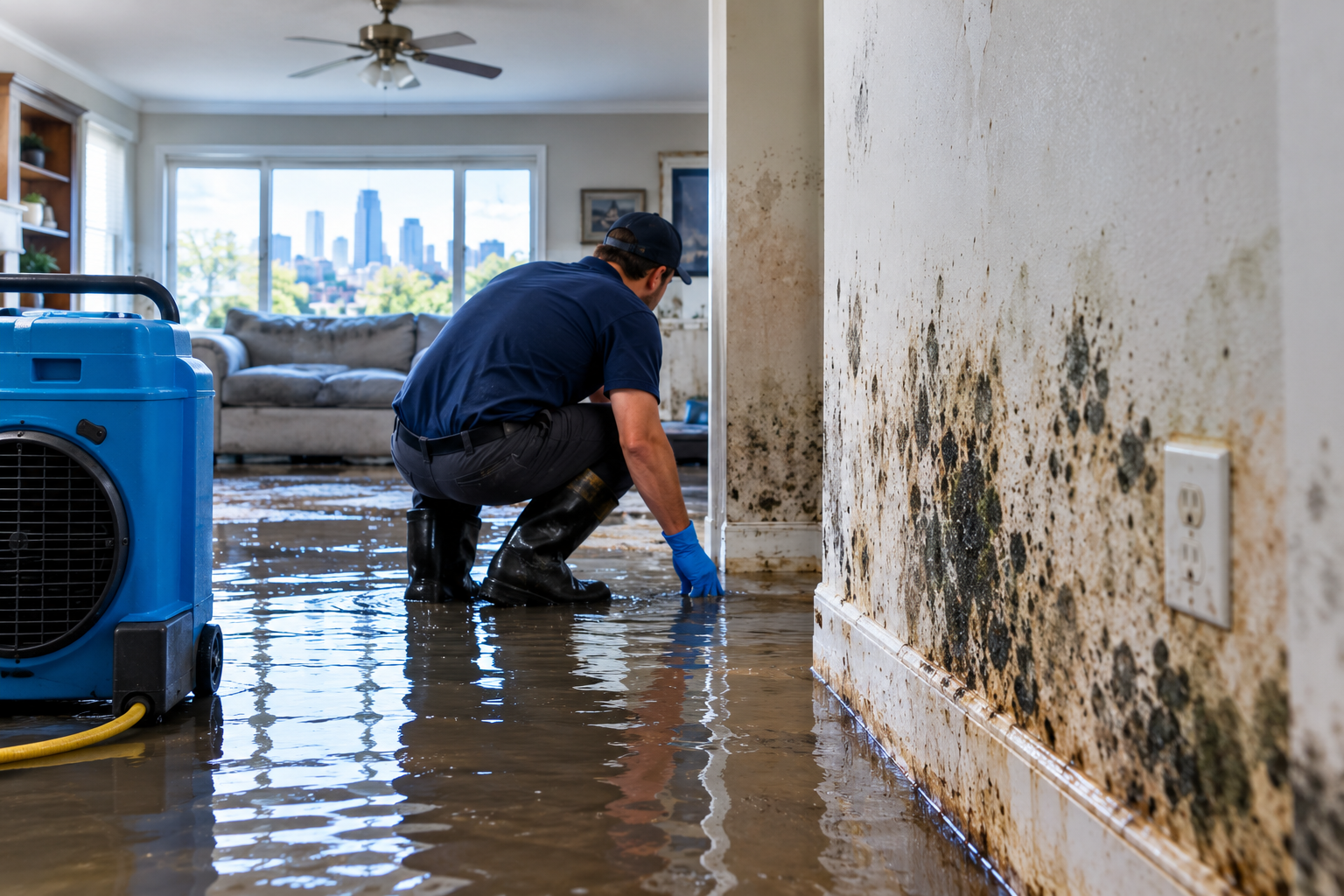
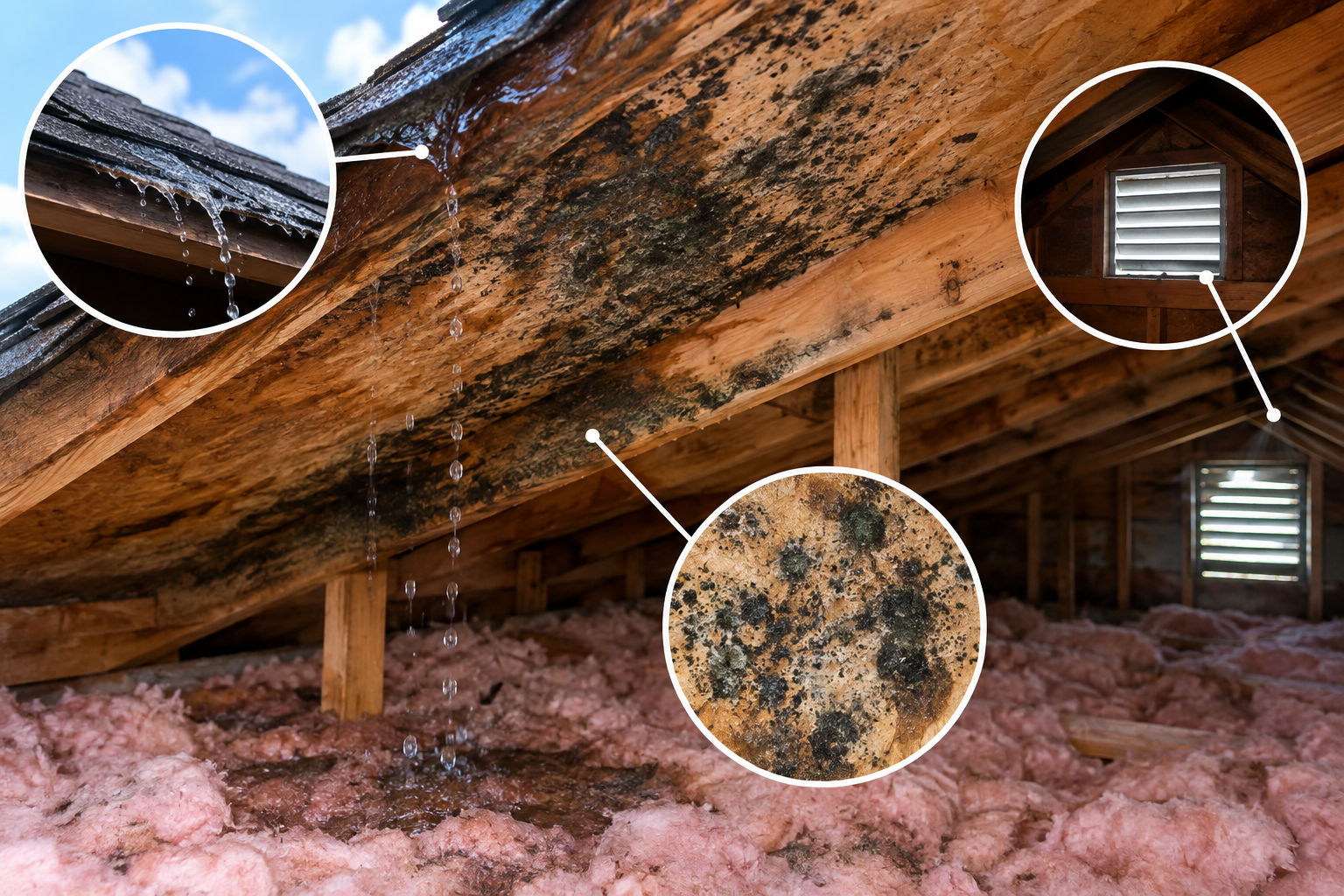
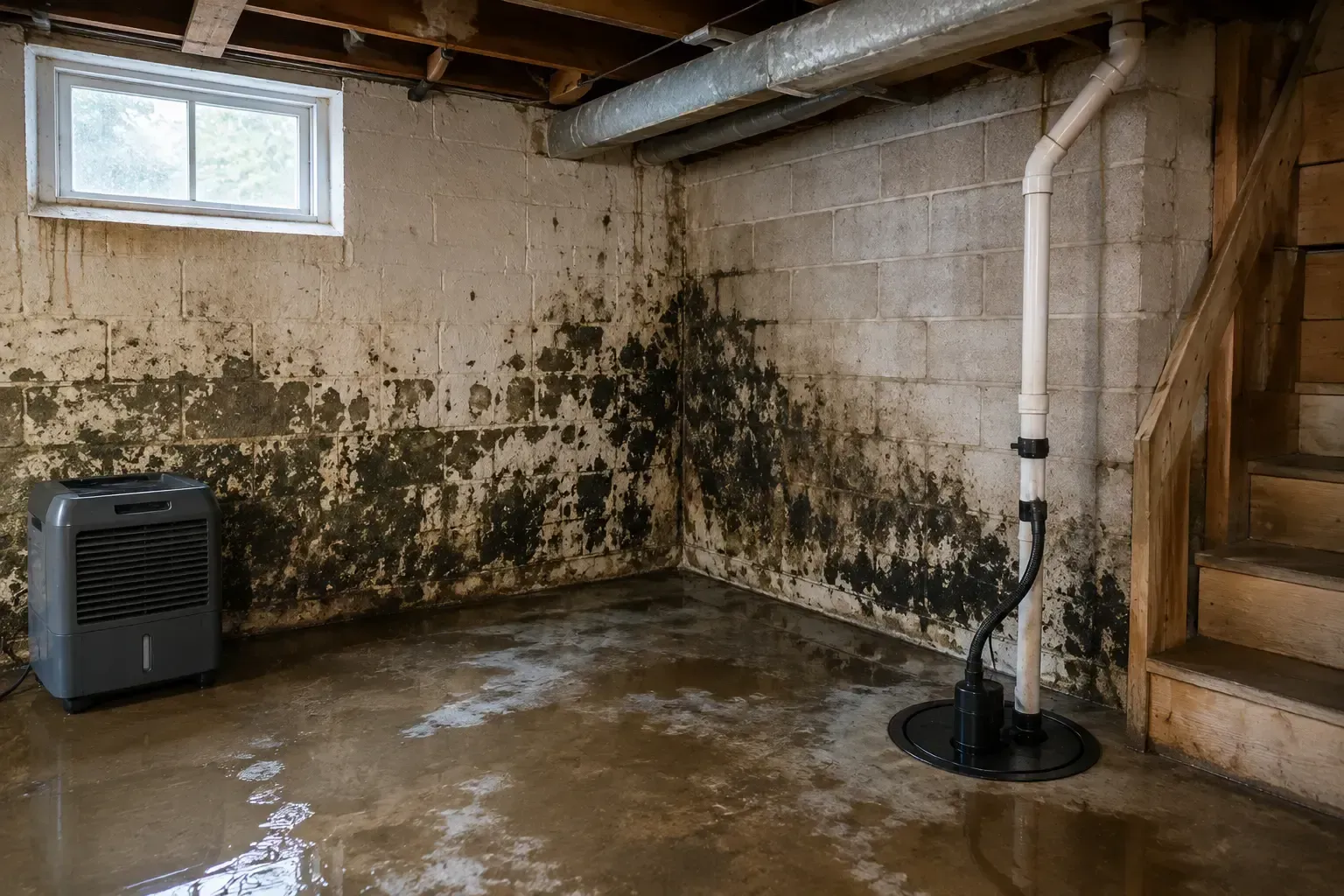
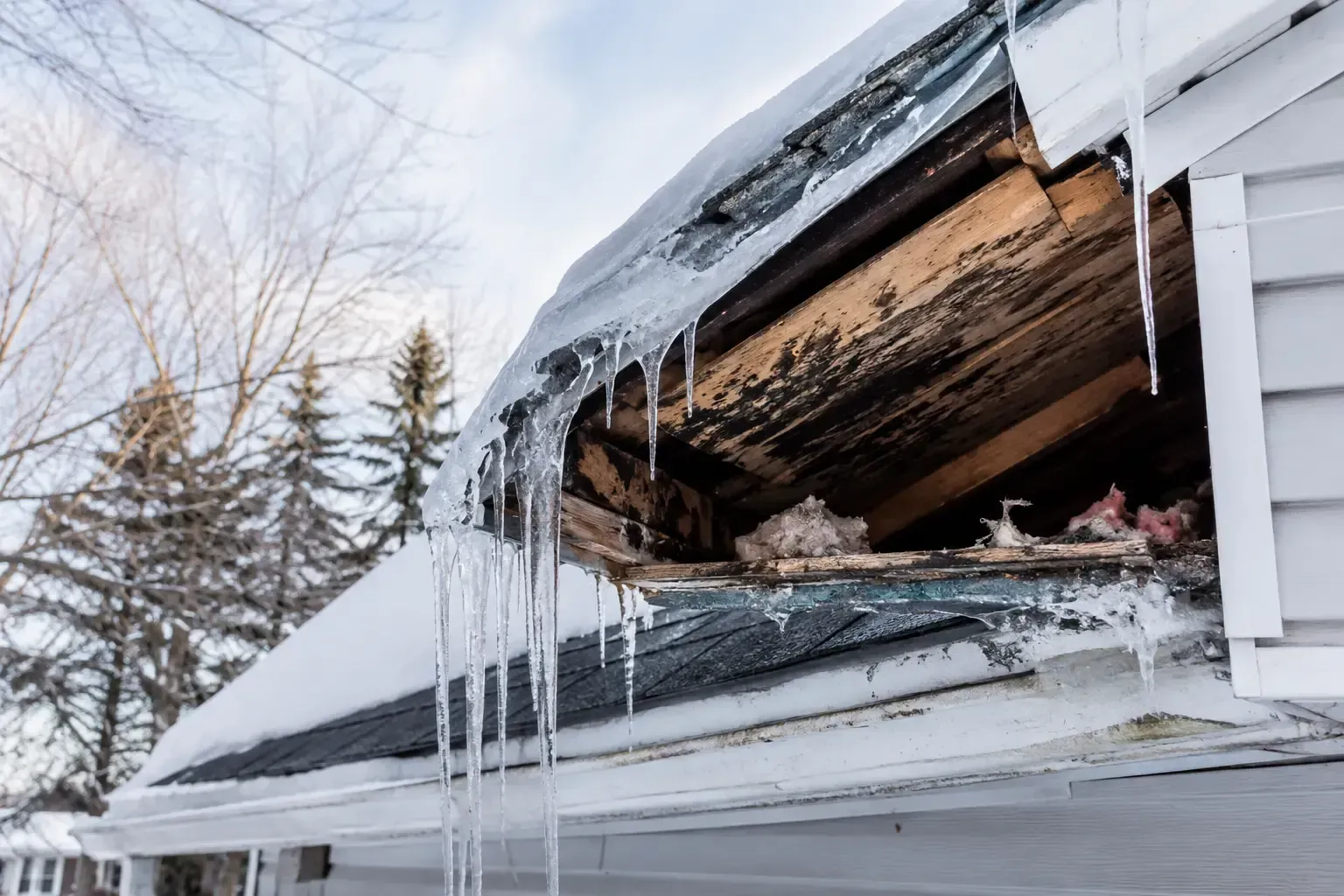
Flooded crawl spaces and basements are the first trouble spot in many Raleigh homes. Wind-driven rain finds roof leaks around flashing, vents, and damaged shingles. Soaked drywall, insulation, and carpet hold water long after the floor looks dry. If floodwater or humidity reached the HVAC system, the ducts can spread spores through the house.
What to Do After the Storm Passes
Once it is safe, the goal is simple: get the house dry fast. The EPA warns that standing water and wet materials breed mold and microbes. A clear order of steps protects your home and your claim.
Photograph all the damage before you move or discard anything. Remove standing water and pull out soaked carpet, padding, and wet drywall. Run fans and dehumidifiers around the clock to dry the structure. If the power is out, a generator running a dehumidifier is one of the best mold defenses you have.
Why Power Outages Make Mold Worse
A hurricane often knocks out power for days, and that quietly fuels mold. With no air conditioning, indoor humidity climbs fast in a closed, damp house. Warm, still, wet air is exactly what spores need to grow.
That is why a home can look untouched yet still grow mold after a storm. Even without flooding, a multi-day outage in a humid Raleigh summer raises the risk. Restoring airflow and drying the air is as important as removing water.
When to Call a Mold Professional
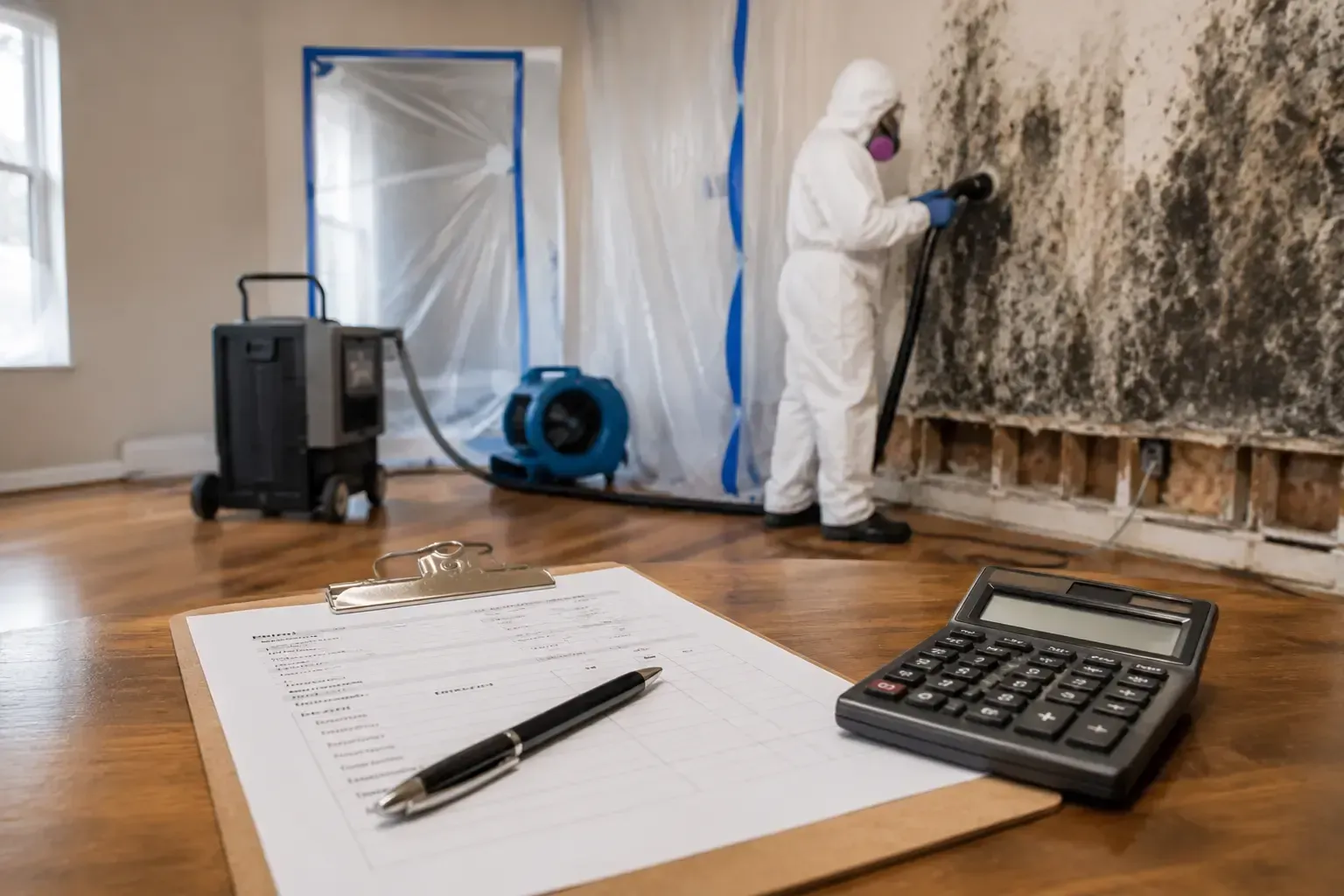
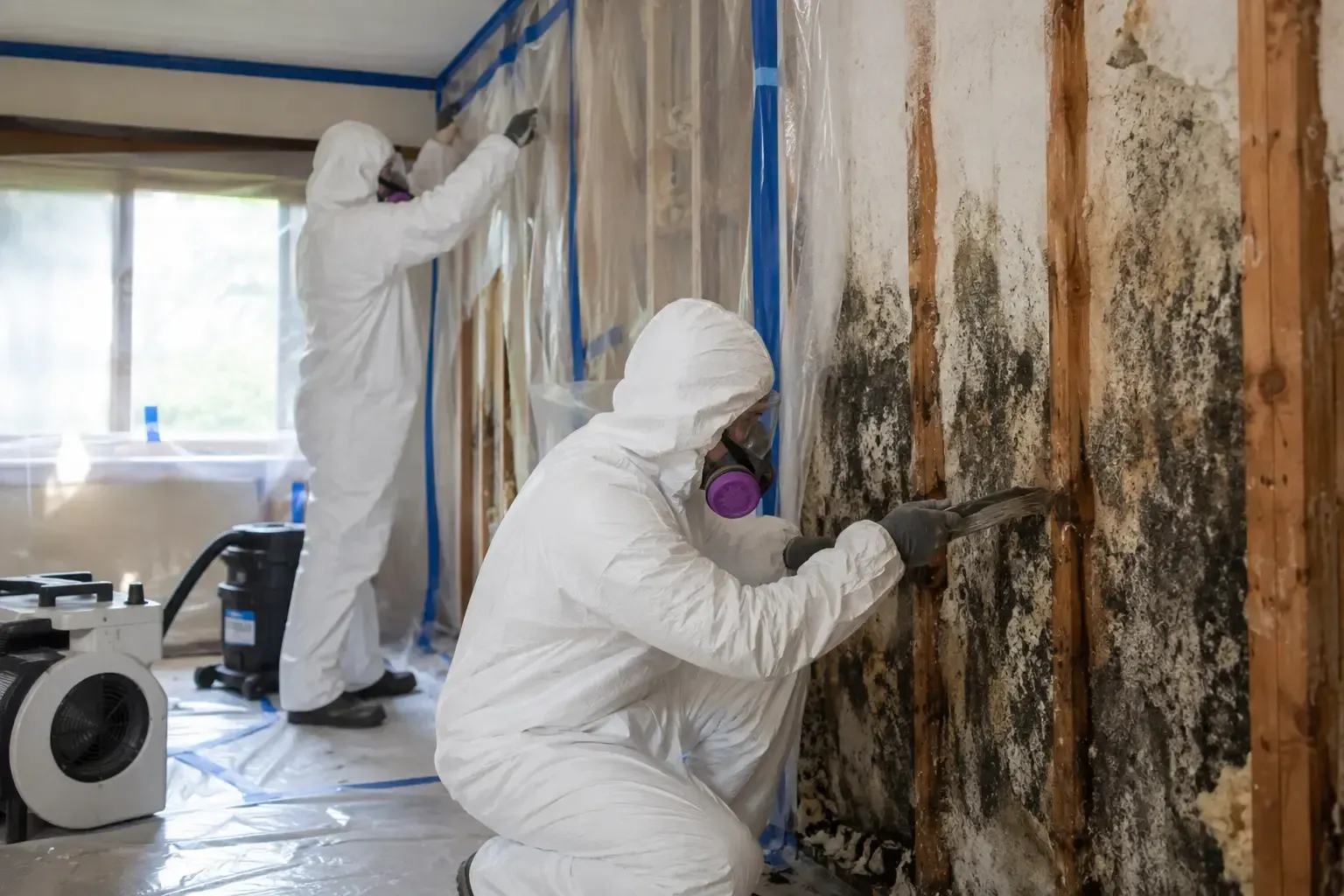
Some storm cleanup is bigger than a homeowner can handle alone. Call a professional when floodwater covered a large area or came from outside. Outside floodwater is often contaminated and needs careful, safe removal.
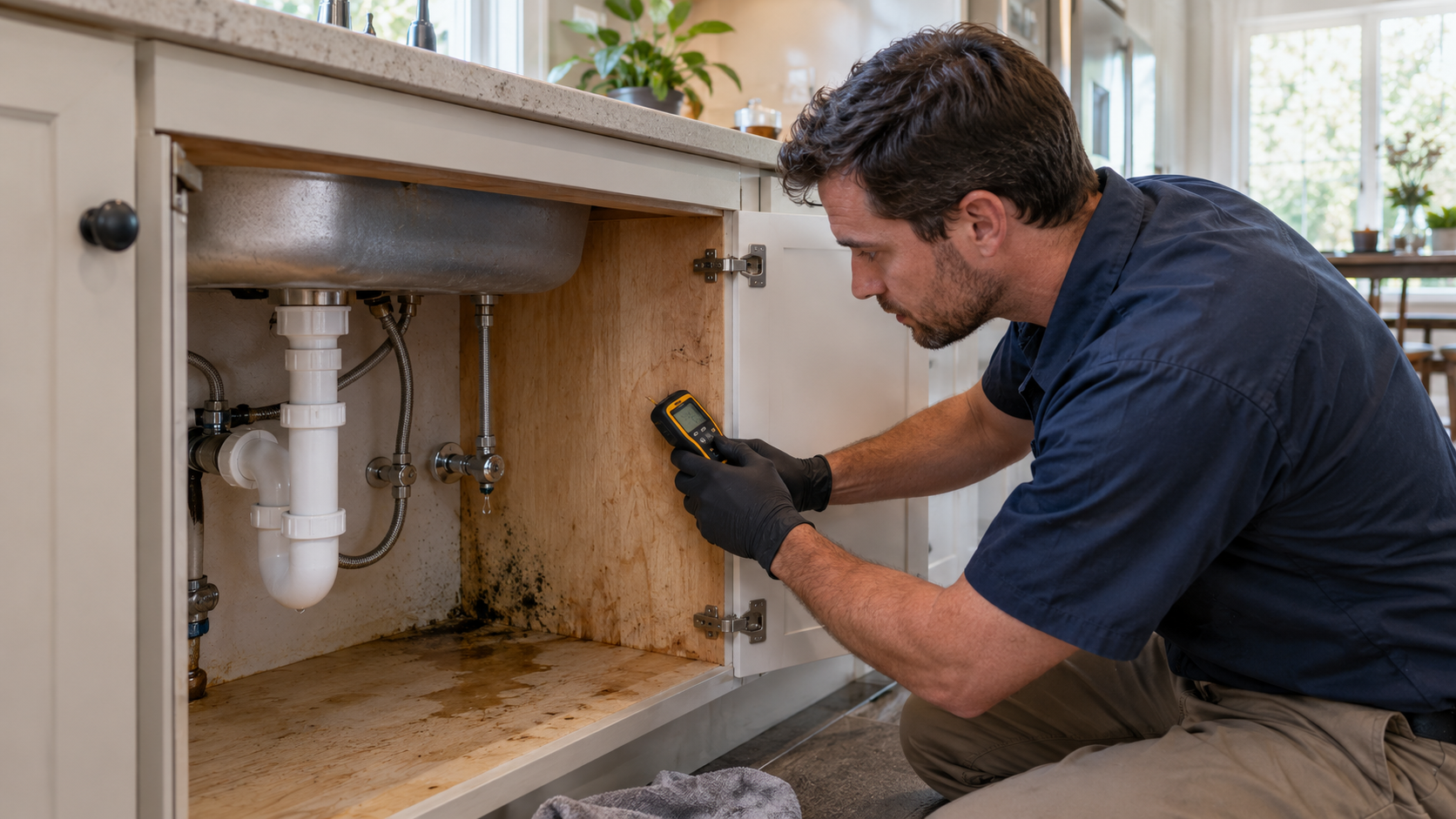
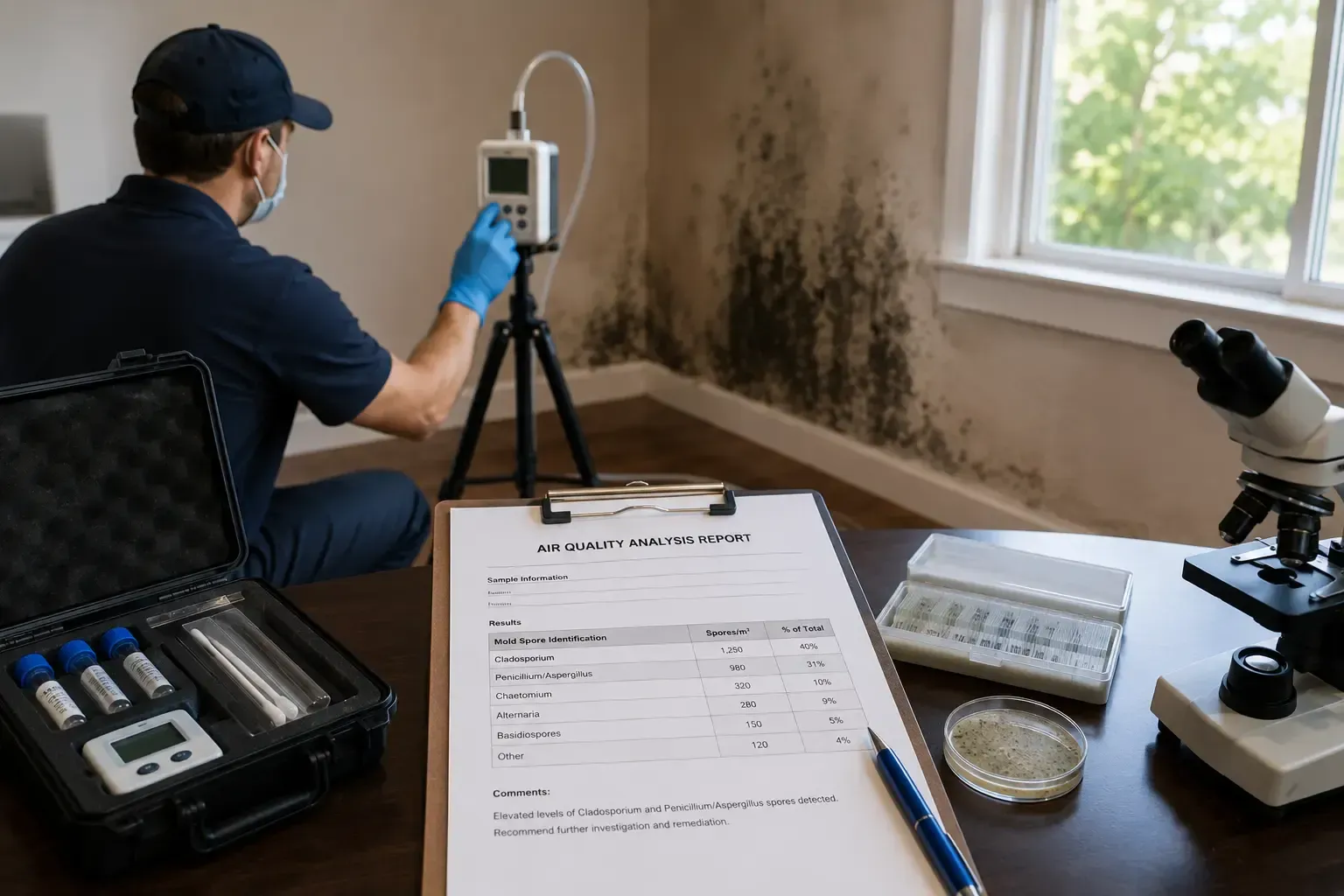
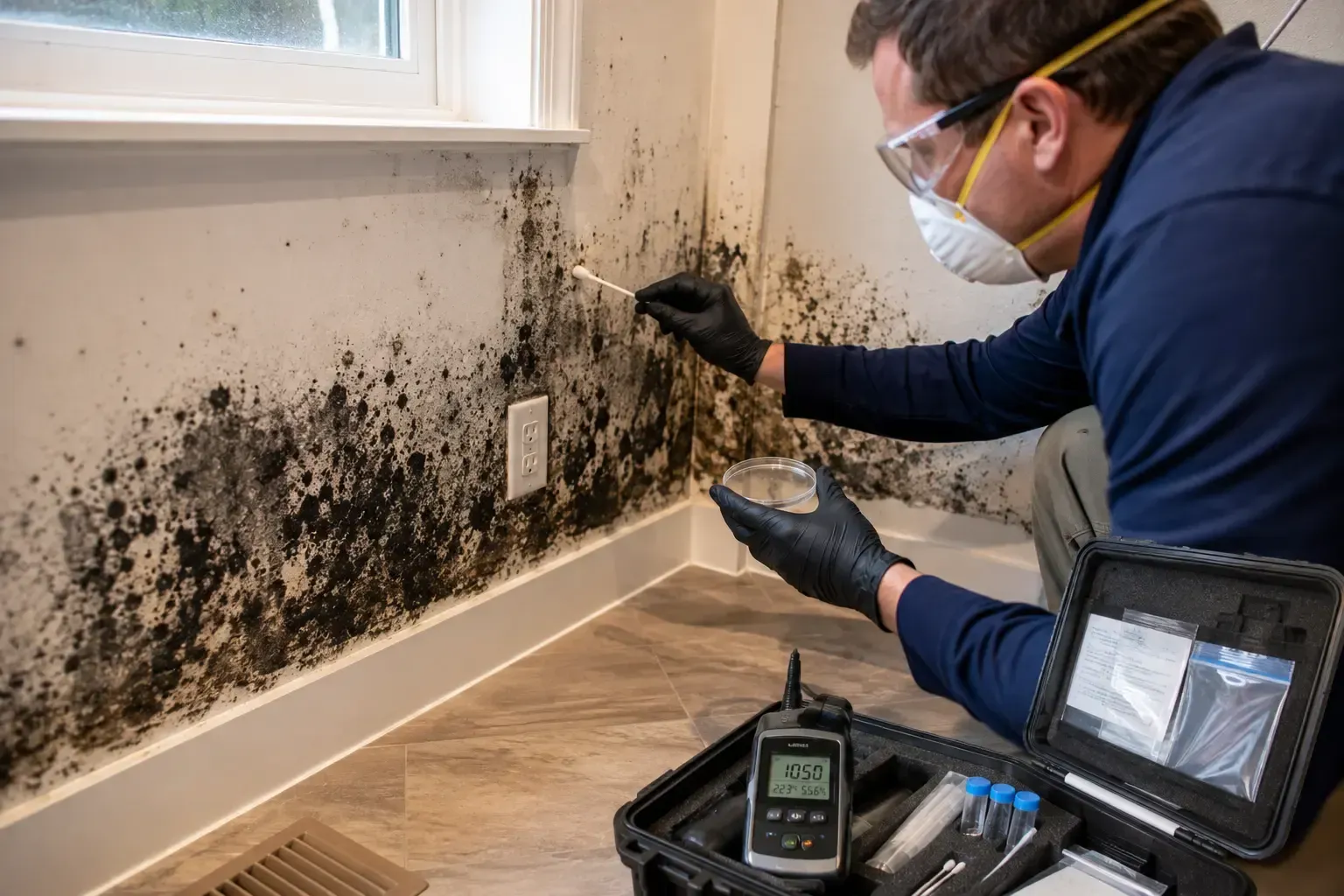
You should also call if moisture reached behind walls or into the HVAC system. Hidden dampness is hard to find and easy to miss. To gauge how far it spread, a Raleigh mold inspection is a smart first step. A crew like Mold Warrior can dry the structure and confirm the mold is gone.
Getting Ahead of Next Season
A little preparation before the next storm saves a lot of cleanup after. Take a few steps as hurricane season approaches.
Clean your gutters and make sure water drains away from the foundation. Have the roof checked for loose shingles and worn flashing before the season peaks. Consider a sump pump and a battery backup if your crawl space or basement floods. Knowing how fast mold grows after water damage helps you act quickly when a storm hits.
Frequently Asked Questions
How fast does mold grow after a hurricane?
Mold can start within 24 to 48 hours of materials getting wet. Warm, humid conditions after a storm speed it up. Fast drying is the only way to stay ahead of it.
Does mold grow after a storm even without flooding?
Yes. A multi-day power outage lets indoor humidity climb with no AC to control it. That damp, still air alone can grow mold in a closed home.
Is post-storm mold in North Carolina dangerous?
Common molds cause allergy-type symptoms like sneezing, congestion, and irritation. Reactions are worse for people with asthma. Large or hidden growth is worth a professional look.
Will insurance cover hurricane mold damage?
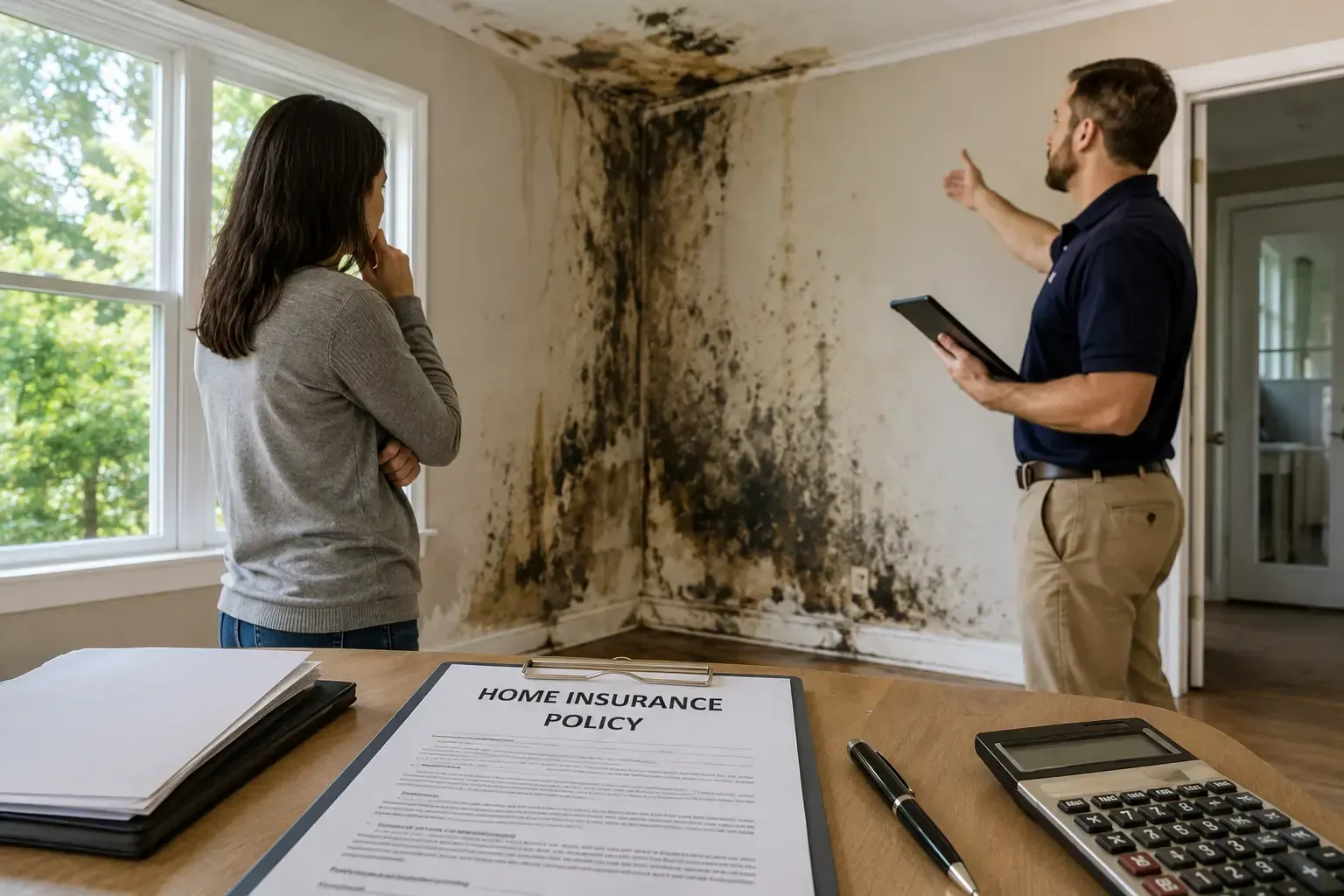
It depends on the cause and your policy. Wind-driven rain may be covered, while rising floodwater usually needs separate flood insurance. Document everything and check your coverage early.
Can I clean storm mold myself?
Small, clean spots on hard surfaces can be a DIY job. Large flooding, contaminated water, or mold behind walls needs a professional. When in doubt, get it inspected first.
Beat the Mold That Follows the Storm
A hurricane's damage does not end when the rain stops in Raleigh. The moisture it leaves behind can grow mold for weeks if the house is not dried fast. Acting quickly, and knowing when the job is bigger than a shop vac, is what protects your home. When a storm leaves your home wet, reach
Mold Warrior to dry it out and stop mold before it spreads.