What Professional Mold Remediation Looks Like in Atlanta
You booked a mold crew, and now you are wondering what actually happens next. Will they tear the house apart? How long does it take? Professional mold remediation in Atlanta follows a clear, contained process, not a spray-and-pray cleanup. Here is what each stage looks like, so you know what to expect before the crew arrives.
Key Takeaways
- Real remediation follows set stages: inspect, contain, filter, remove, dry, and verify.
- Containment and HEPA air filtration are what separate a pro job from a DIY wipe-down.
- Small jobs often finish in one to three days, while whole-home projects can run weeks.
Stage 1: Inspection and Moisture Mapping
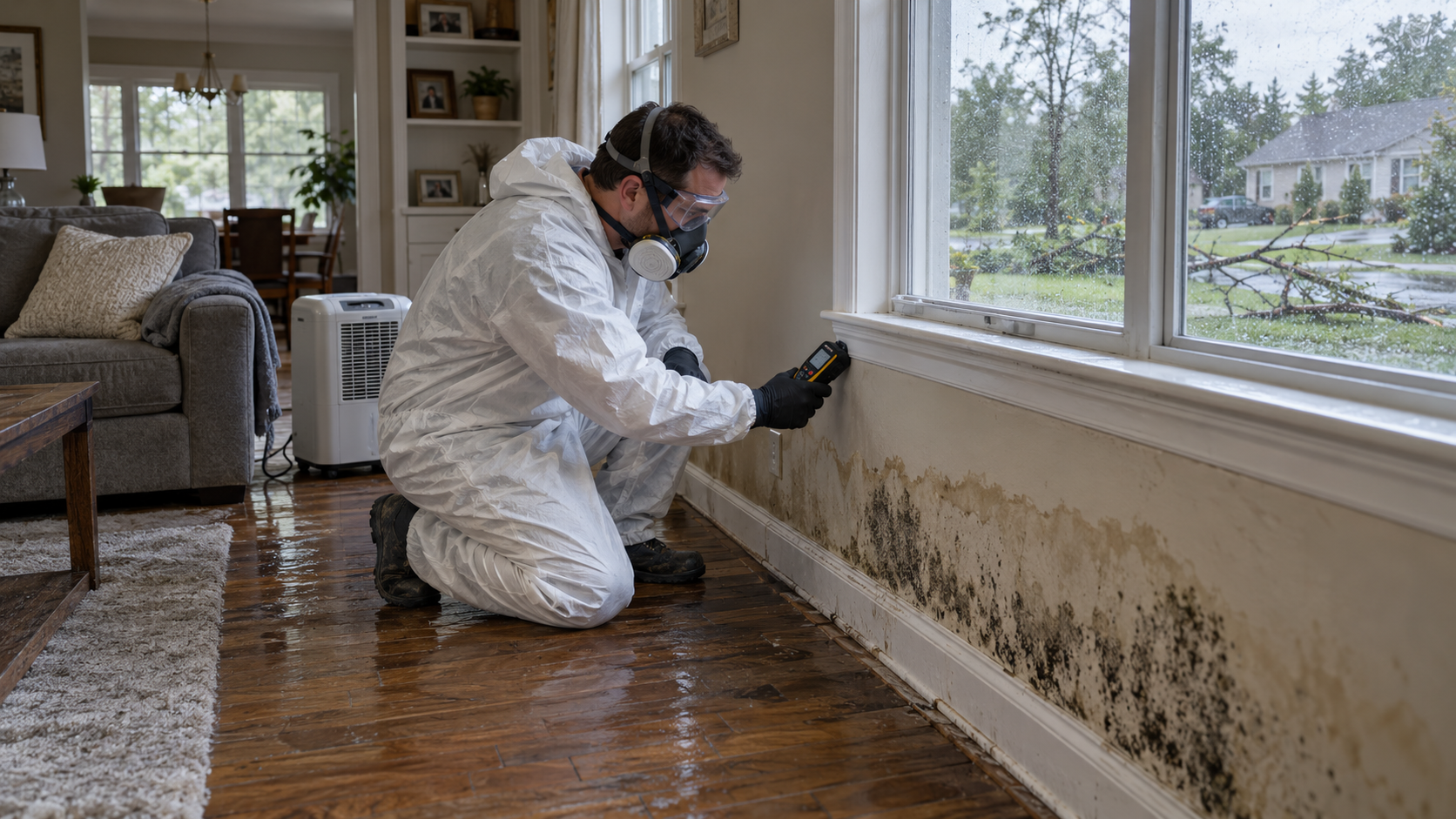
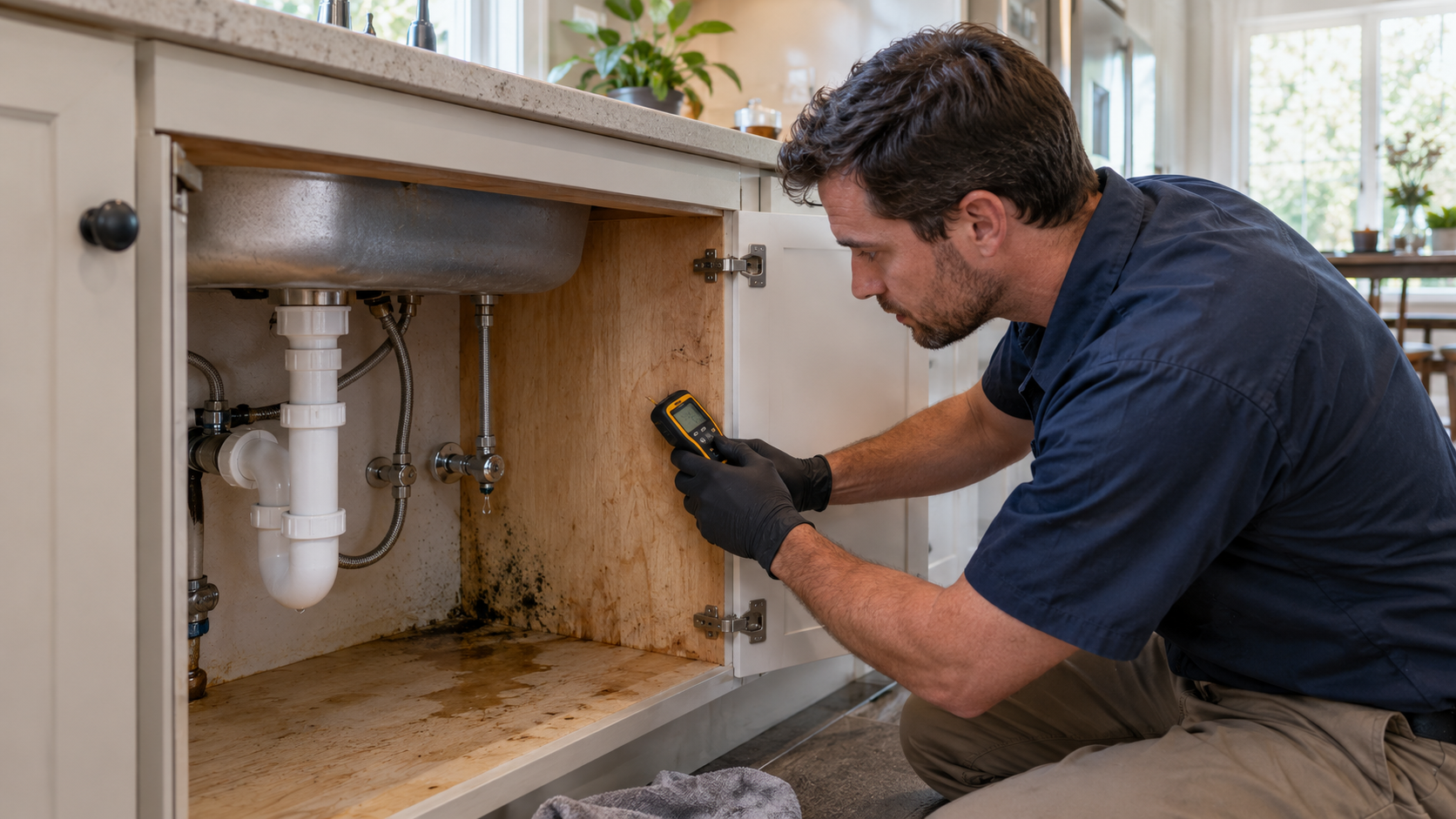
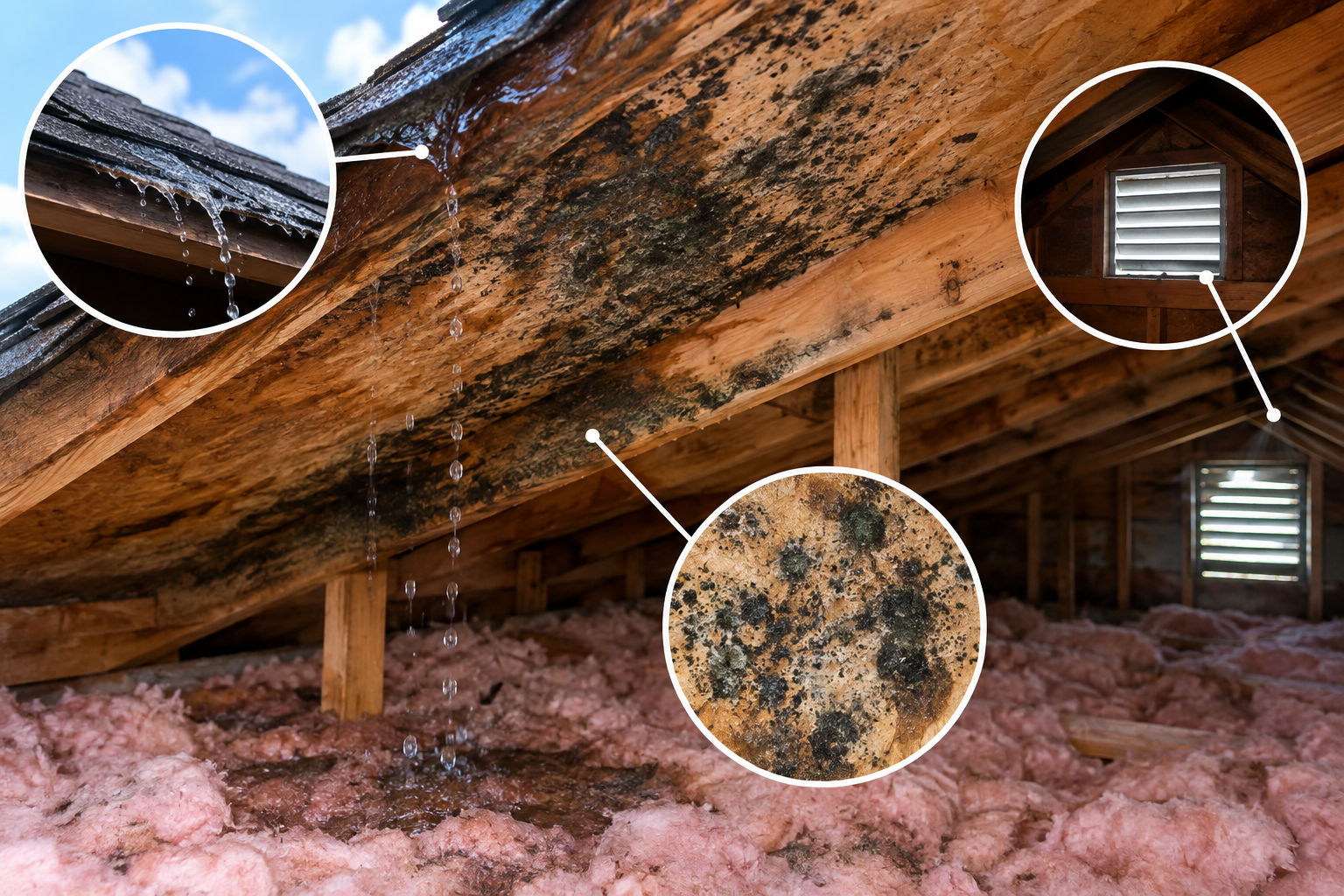
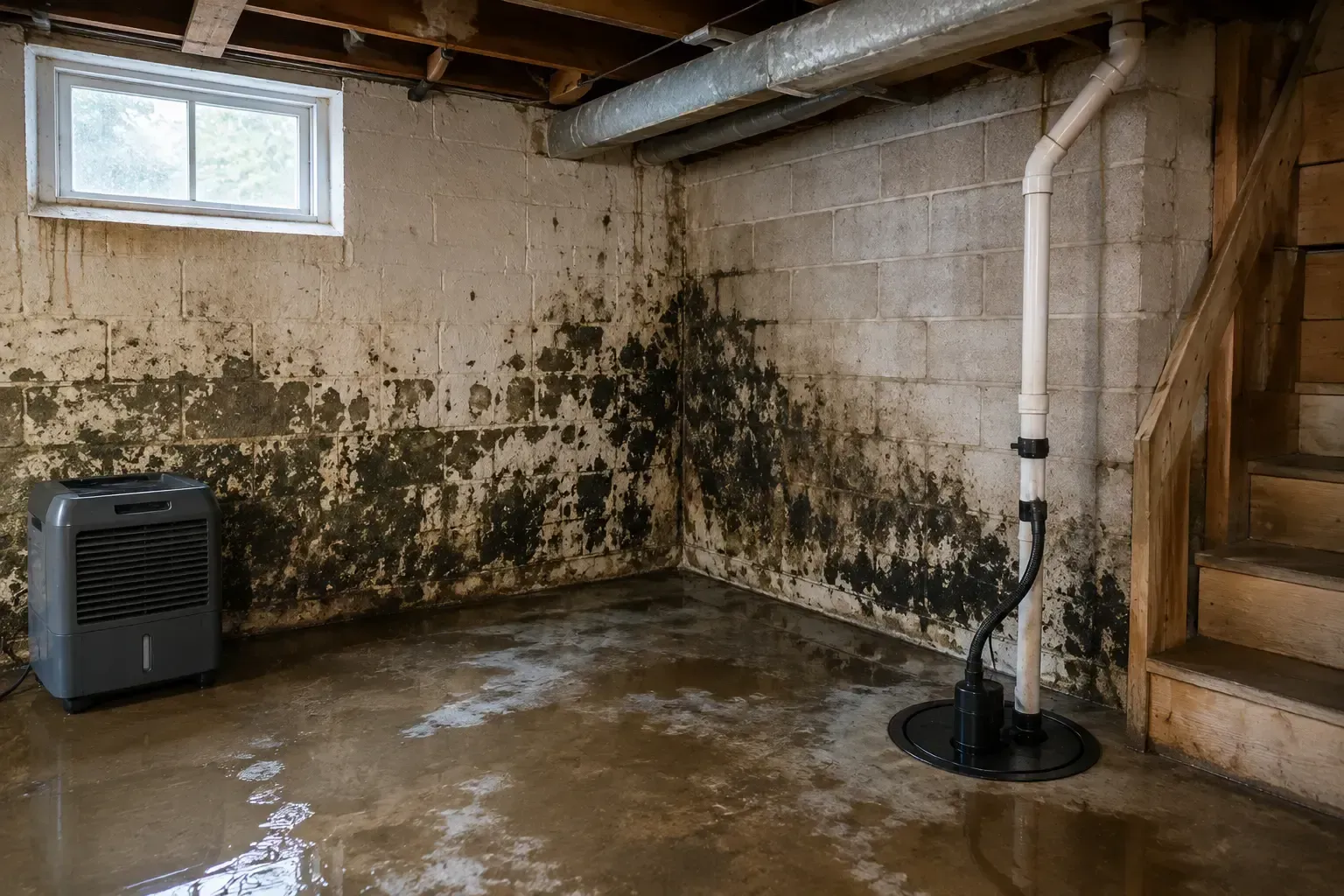
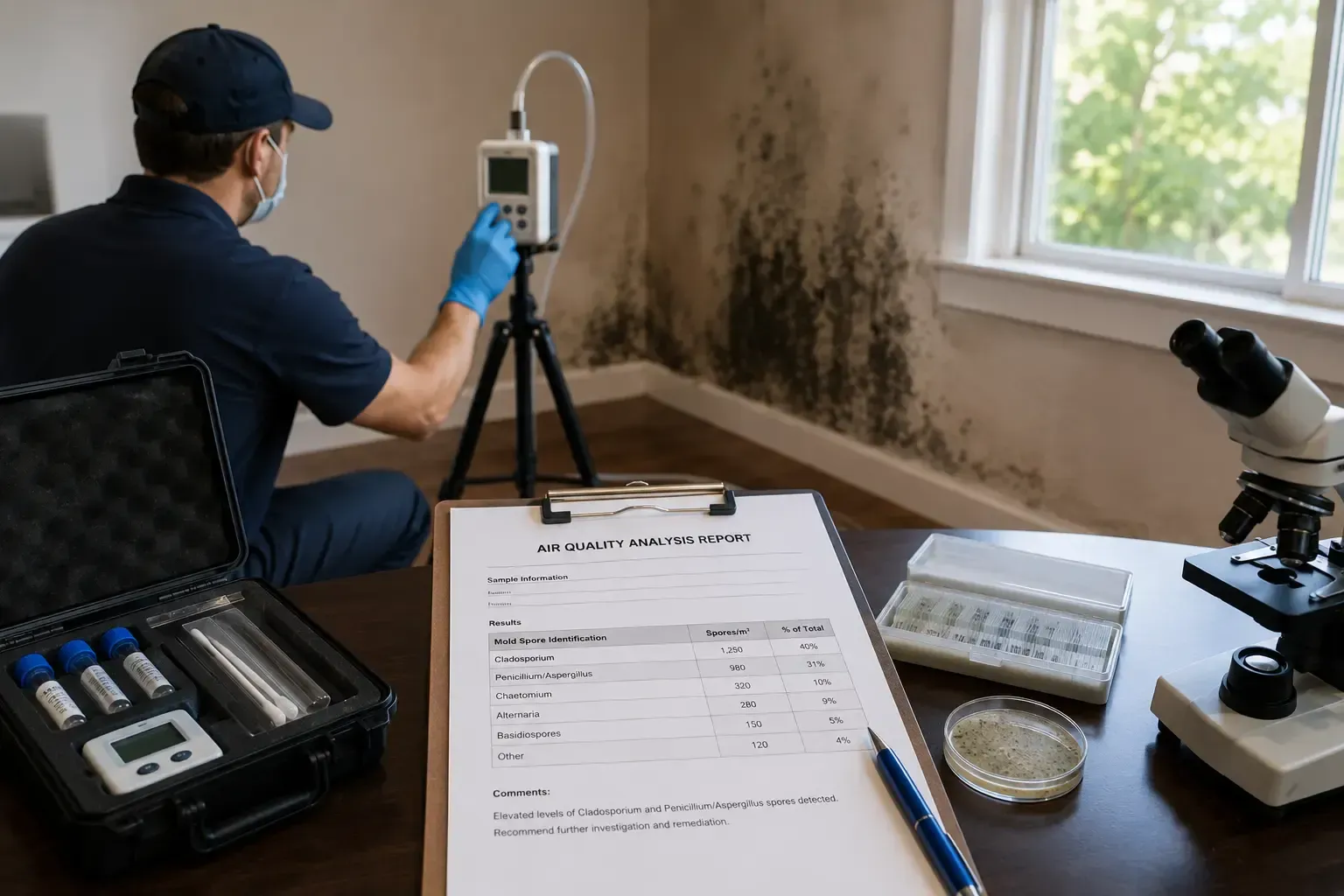
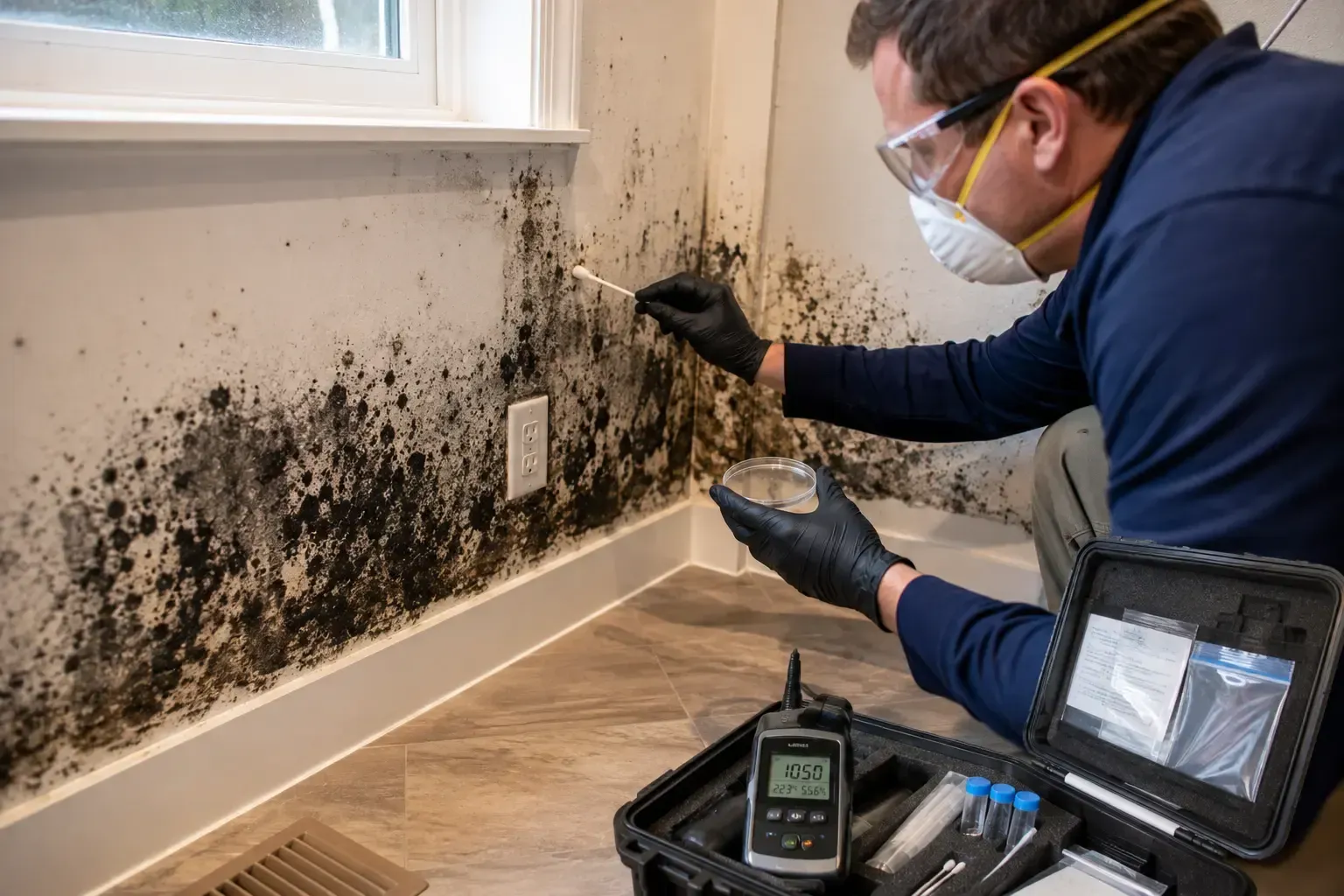
Every job starts by finding the mold and the water feeding it. A technician inspects the visible growth and uses moisture meters to trace the source. In humid Atlanta, that source is often a crawl space, a slow leak, or condensation.
Mapping the moisture matters because mold returns if the water problem stays. The Georgia Department of Public Health points to moisture control as the core of indoor air quality. A good crew fixes or flags that source, not just the stain.
Stage 2: Containment and Negative Air
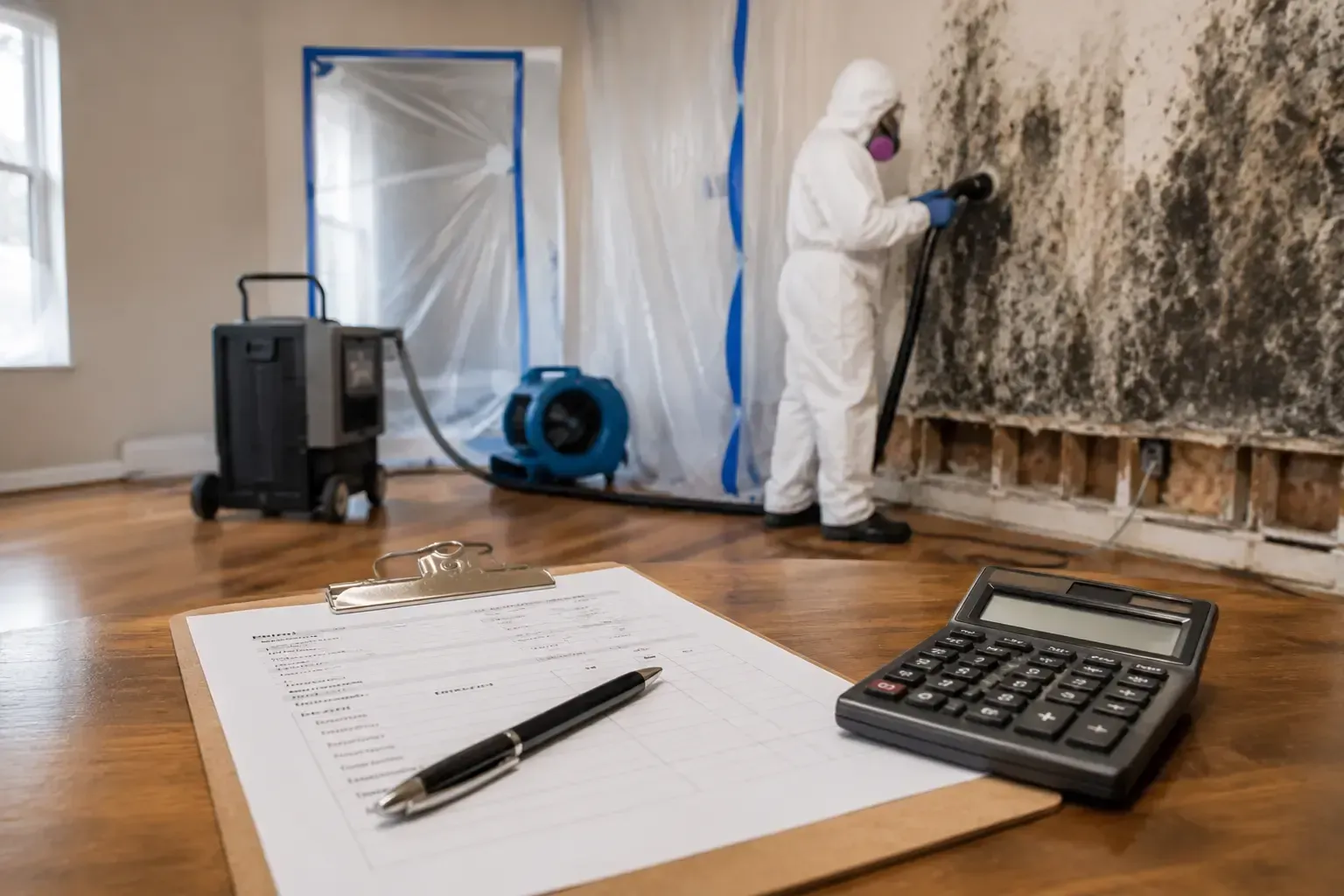
Before anything is disturbed, the crew seals off the work area. Plastic sheeting and taped barriers keep spores from spreading to clean rooms. This step is easy to skip and the most important to get right.
Crews also set up negative air pressure inside the containment. That pulls air inward so spores cannot drift into the rest of your Atlanta home. It is the difference between a controlled job and a house-wide contamination.
Stage 3: HEPA Air Filtration
With the area sealed, air scrubbers run throughout the work. These machines pass air through HEPA filters that trap microscopic mold spores. They keep cycling the air the entire time the crew works.
This is a core reason to hire a pro. A household fan or shop vac just launches spores into the air you breathe. HEPA filtration captures them instead.
Stage 4: Removal and Antimicrobial Treatment
Now the crew removes the mold and the materials it has taken over. Porous items like soaked drywall, carpet, and insulation usually cannot be saved. Salvageable framing gets treated with professional antimicrobial products.
The EPA notes that the goal is to remove the mold and fix the moisture, not just kill the surface. Bleach alone leaves saturated material behind. Removal at the source is what lasts.
Stage 5: Drying and Cleaning
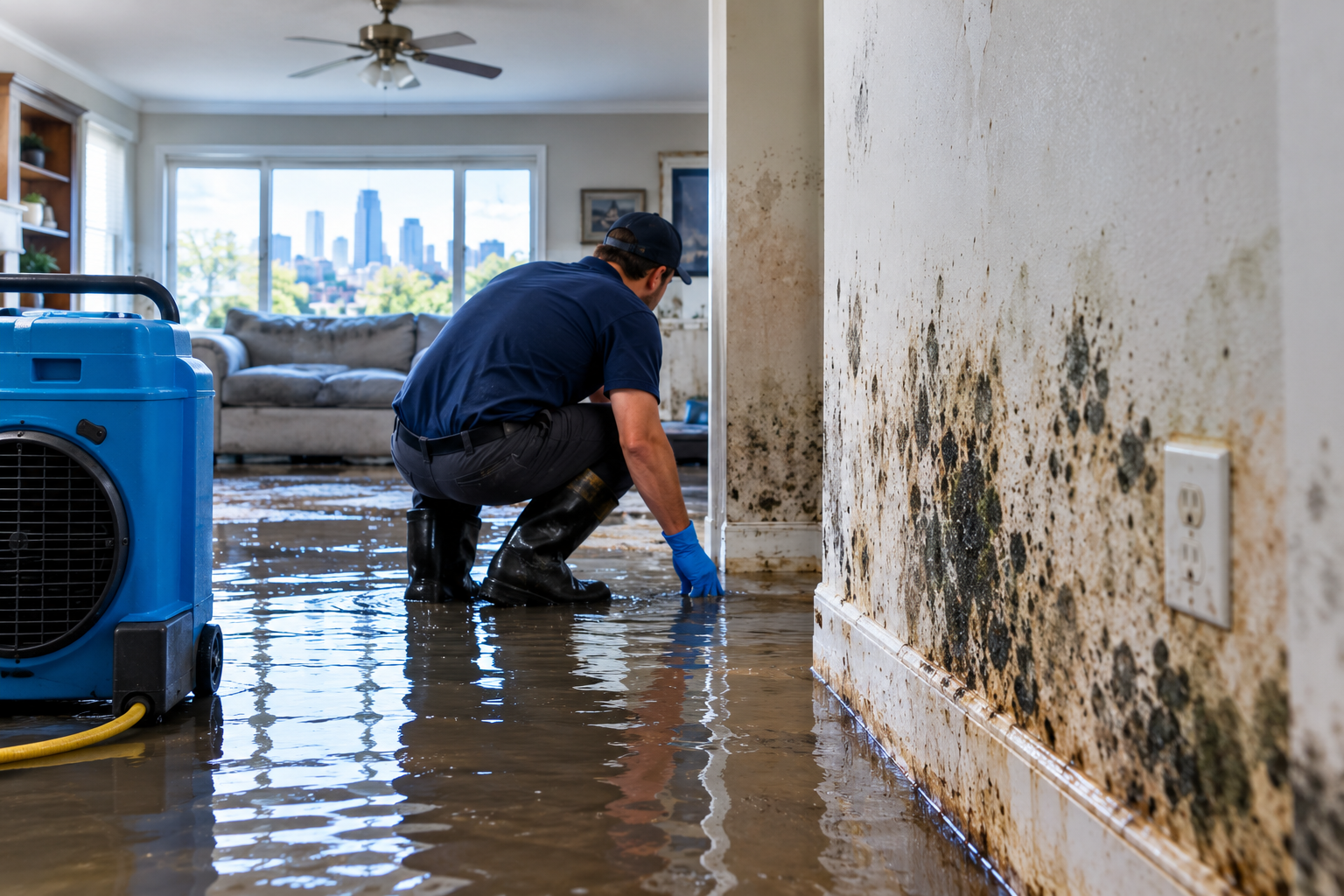
Once the growth is gone, the space has to dry fully. Crews use commercial dehumidifiers and air movers to pull moisture from the structure. Every surface is then HEPA-vacuumed and wiped down.
Drying is not optional in Atlanta's climate. Leftover moisture invites the mold right back. This stage protects the work you just paid for.
Stage 6: Verification and Clearance
Good remediation ends with a check, not a handshake. The crew confirms the area is dry and clean against the original scope. Many homeowners also bring in an independent clearance test for written proof.
How Long Does It Take?
Timelines depend on the size and the materials involved. A small, contained job often wraps in one to three days. Larger or whole-home projects can run from one week to several, especially with rebuild work.
Ask for a timeline after the inspection, not before. A crew that quotes a schedule without seeing the damage is guessing. For budgeting, our mold removal cost guide walks through the ranges.
What You Can Do Before the Crew Arrives
A few simple steps make the job smoother and safer. They also protect your family while you wait.
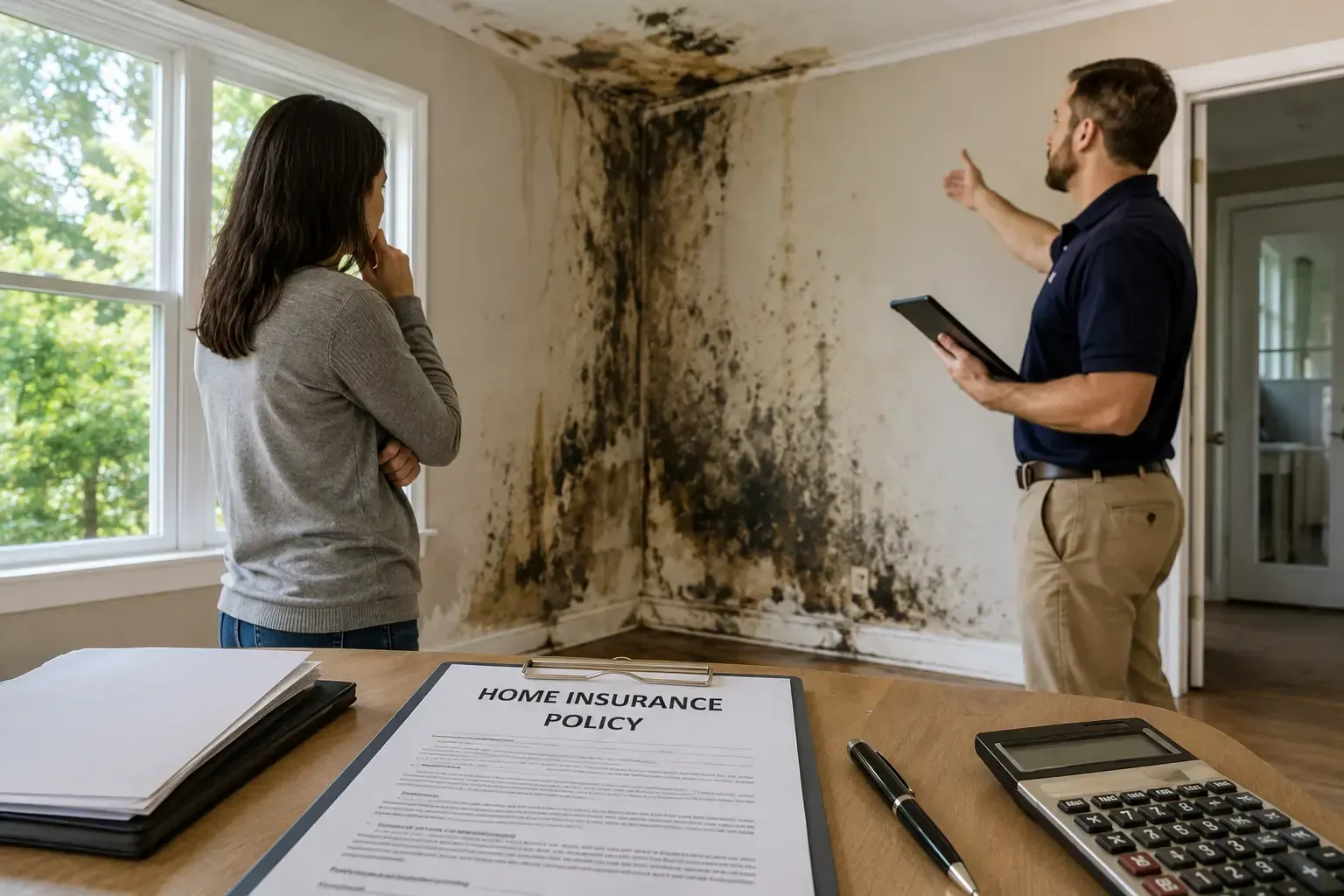
Stop using fans in the affected room, since they spread spores. Keep kids and pets out of the space entirely. If a leak is still active, shut off the water to that line. Clear a path to the area so the crew can set up containment fast. Finally, photograph the damage for your records and any insurance claim.
Frequently Asked Questions
How is professional mold remediation done?
It follows staged steps: inspection, containment, HEPA filtration, removal, drying, and verification. Each stage limits spread and targets the moisture source. That structure is what makes it effective.
Can black mold really be remediated?
Yes, black mold is removed the same way as other molds. The process relies on containment and full removal, not a special product. Fixing the moisture keeps it from returning.
How long does professional mold remediation take?
Small jobs often take one to three days. Whole-home projects can stretch to several weeks. Your crew should give a timeline after inspecting.
Why not just clean the mold myself?
Small surface spots can sometimes be wiped safely. Larger growth needs containment so spores do not spread. Atlanta's year-round humidity also makes hidden mold common, which a pro can find.
Know What You Are Paying For
A professional mold job is a process, not a product in a bottle. Containment, HEPA filtration, and moisture control are what actually protect your Atlanta home. Mold Warrior follows every stage, from the first inspection to the final clearance, and explains each step as we go. When mold shows up, reach out to Mold Warrior and see the full process done right.