Mold After Flooding in Atlanta: What to Do First
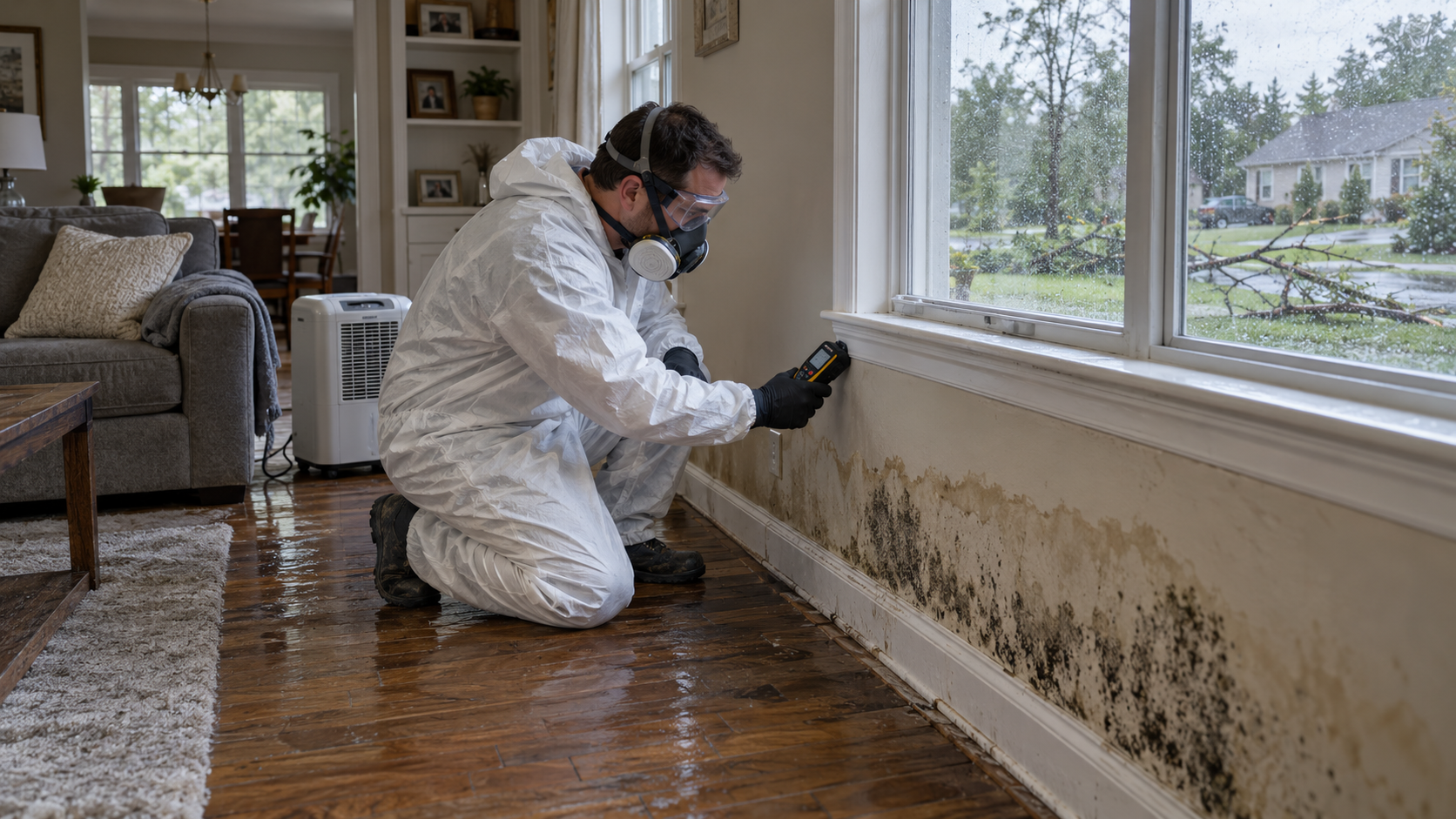
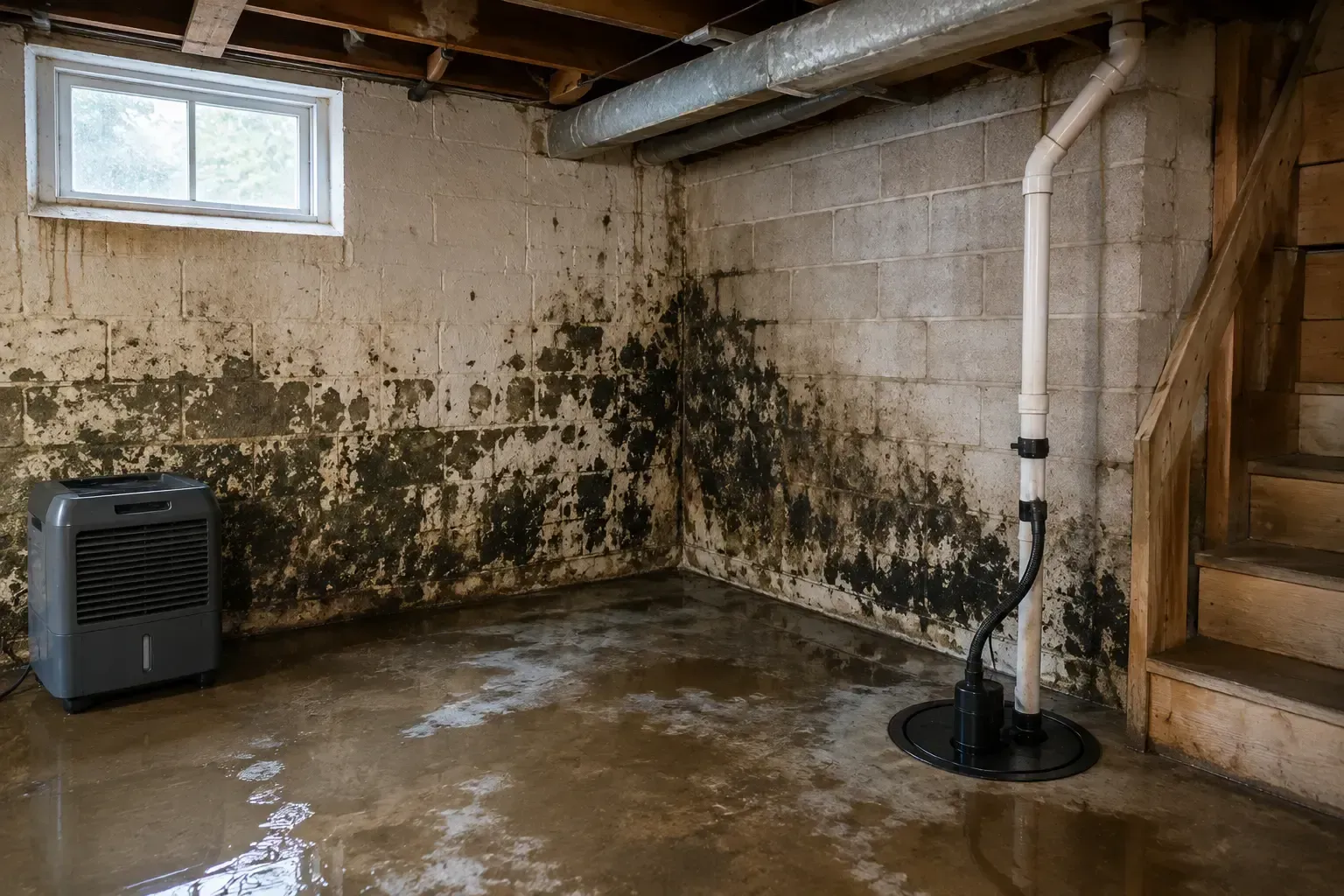
The storm blew through overnight, and by morning the water in your basement has finally drained. The carpet squishes underfoot, the drywall feels soft, and the air already smells damp. In Atlanta's climate, that damp smell is a countdown. Mold can take hold within a day or two. The hours right after a flood matter more than almost anything a crew does later.
Key Takeaways
- Mold can start growing 24 to 48 hours after a flood, so act fast.
- Shut off power, document the damage, then remove water and soaked materials.
- Porous items like carpet, pad, and wet drywall usually cannot be saved.
The First 24 Hours Decide Everything
Speed is your biggest advantage after a storm flood. The EPA notes that drying wet materials within 24 to 48 hours usually stops mold from growing. Miss that window and spores begin colonizing damp drywall, framing, and flooring.
Standing water is only the first problem. The moisture that soaks into walls and subfloor is what feeds mold for weeks. That hidden dampness, not the puddle you can see, is what turns a flooded Atlanta home into a mold job.
Why Atlanta's Climate Speeds Mold Up
Atlanta gives mold nearly everything it wants. Hot, humid summers keep indoor moisture high, and mild winters rarely dry things out. After a flood, that year-round humidity helps spores grow faster than they would in a drier climate.
Homes across metro Atlanta and the wider Georgia storm-flood zone share the same risk. A finished basement in Decatur or a crawl space in Marietta traps moisture the same way. Storm flood mold in Georgia thrives because the air itself stays damp long after the rain stops.
What to Do First: A Step-by-Step Guide
When you walk into a flooded room, a clear order of steps protects both your home and your health. Work through these before mold gets a foothold.
Step 1: Stop the Water and Cut the Power
First, make sure no more water is coming in. If a pipe or appliance failed, shut off the main water valve. If flooding reached outlets or the electrical panel, cut the power to that area before you step into standing water.
Never wade into a flooded room with live electricity nearby. If you cannot reach the breaker safely, wait for an electrician. No belongings are worth a shock.
Step 2: Document Everything for Your Claim
Before you move or throw anything out, photograph the damage. Capture the waterline, soaked furniture, and every affected room from several angles. This record supports your insurance claim from the very first hour.
Save receipts for anything you buy during cleanup, like fans or a wet vac. Good documentation is the difference between a smooth claim and a disputed one.
Step 3: Remove Standing Water and Soaked Materials
Pump or wet-vac the standing water out as soon as it is safe. Then pull up soaked rugs, carpet, and padding, and carry wet furniture outside to dry. The faster wet material leaves the house, the less moisture feeds the mold.
Bag and discard porous items that sat in floodwater. Floodwater is rarely clean, and it can carry sewage or chemicals into everything it touches.
Step 4: Dry the Space Aggressively
Once the water is out, dry hard, and dry fast. Open windows only if the outside air is drier than inside. Run box fans, a shop fan, and a dehumidifier around the clock.
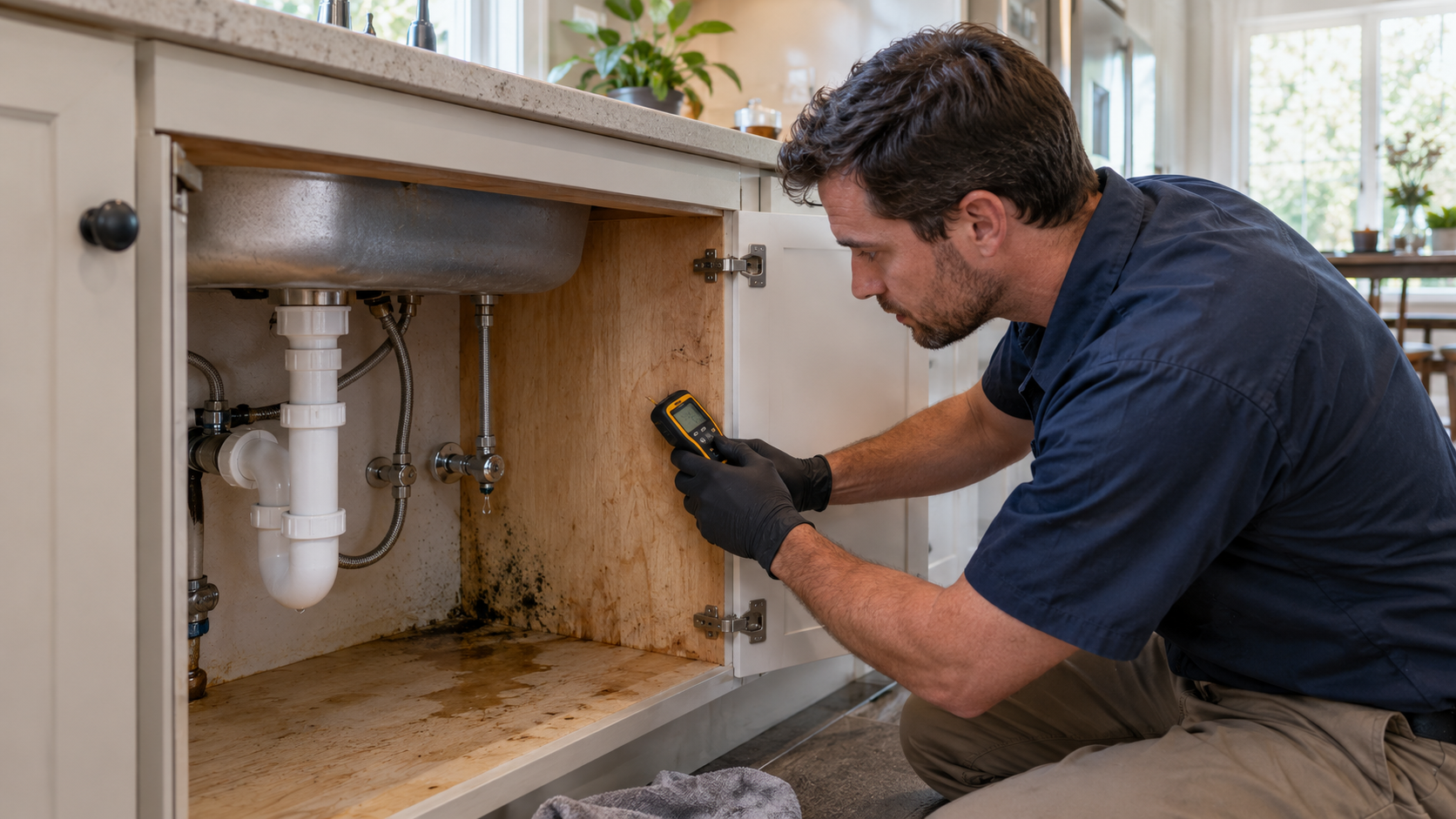
Aim to keep indoor humidity below 60 percent while things dry. Point airflow at wall cavities and under cabinets, where trapped moisture hides longest.
What You Cannot Save
Some materials simply hold too much water to recover. The EPA warns that absorbent or porous materials often have to be thrown away once they are soaked. Mold fills the tiny spaces inside them and cannot be fully cleaned out.
Plan to discard wet carpet and pad, saturated insulation, and swollen drywall. Cut damaged drywall out to at least two feet above the waterline. Hard, non-porous surfaces like sealed concrete or metal can usually be scrubbed with detergent and dried instead.
When to Call a Mold Professional
You can handle a small, clean spill on your own. The EPA suggests homeowners can often manage moldy areas under about 10 square feet. Past that, a flooded Atlanta home usually needs a professional.
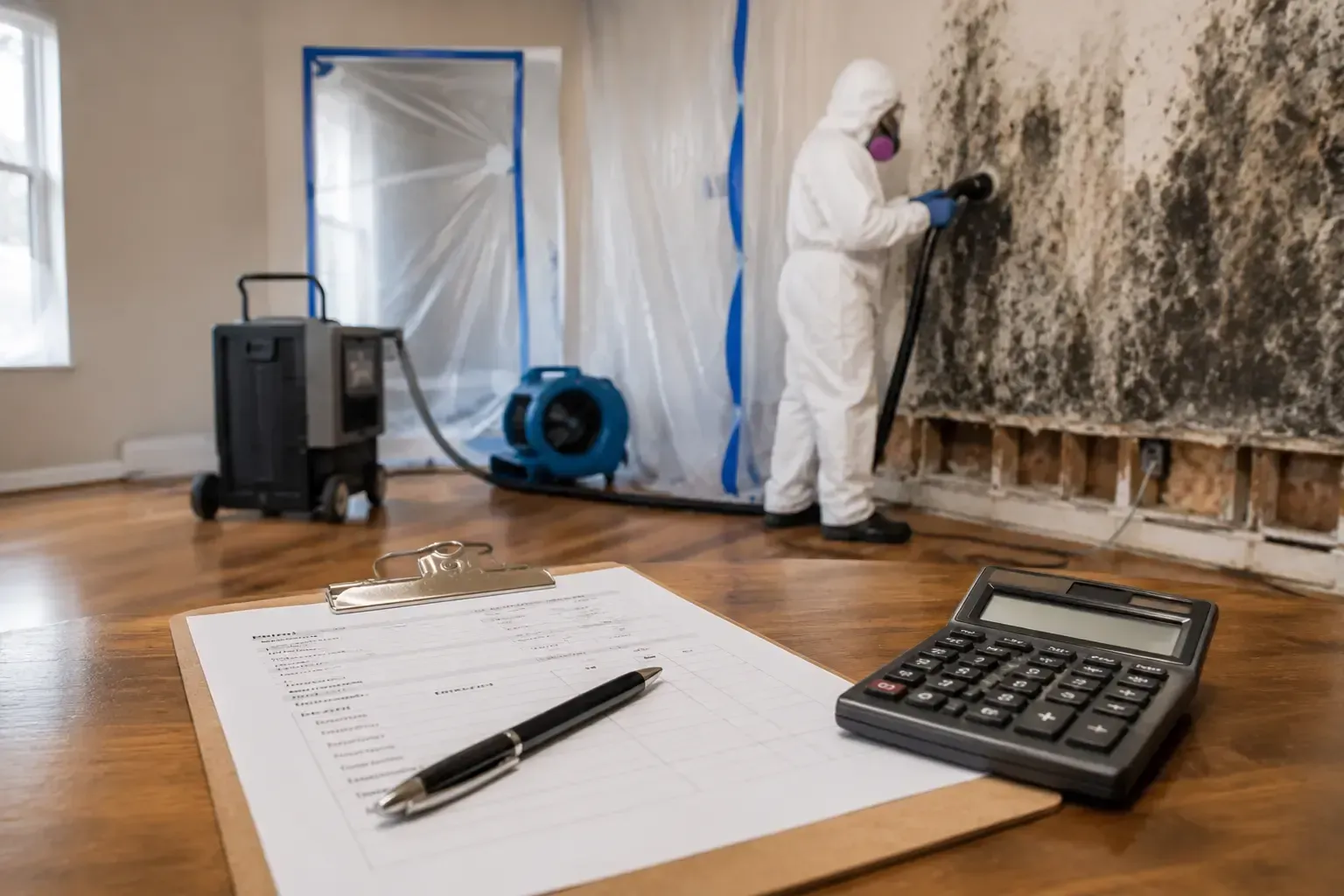
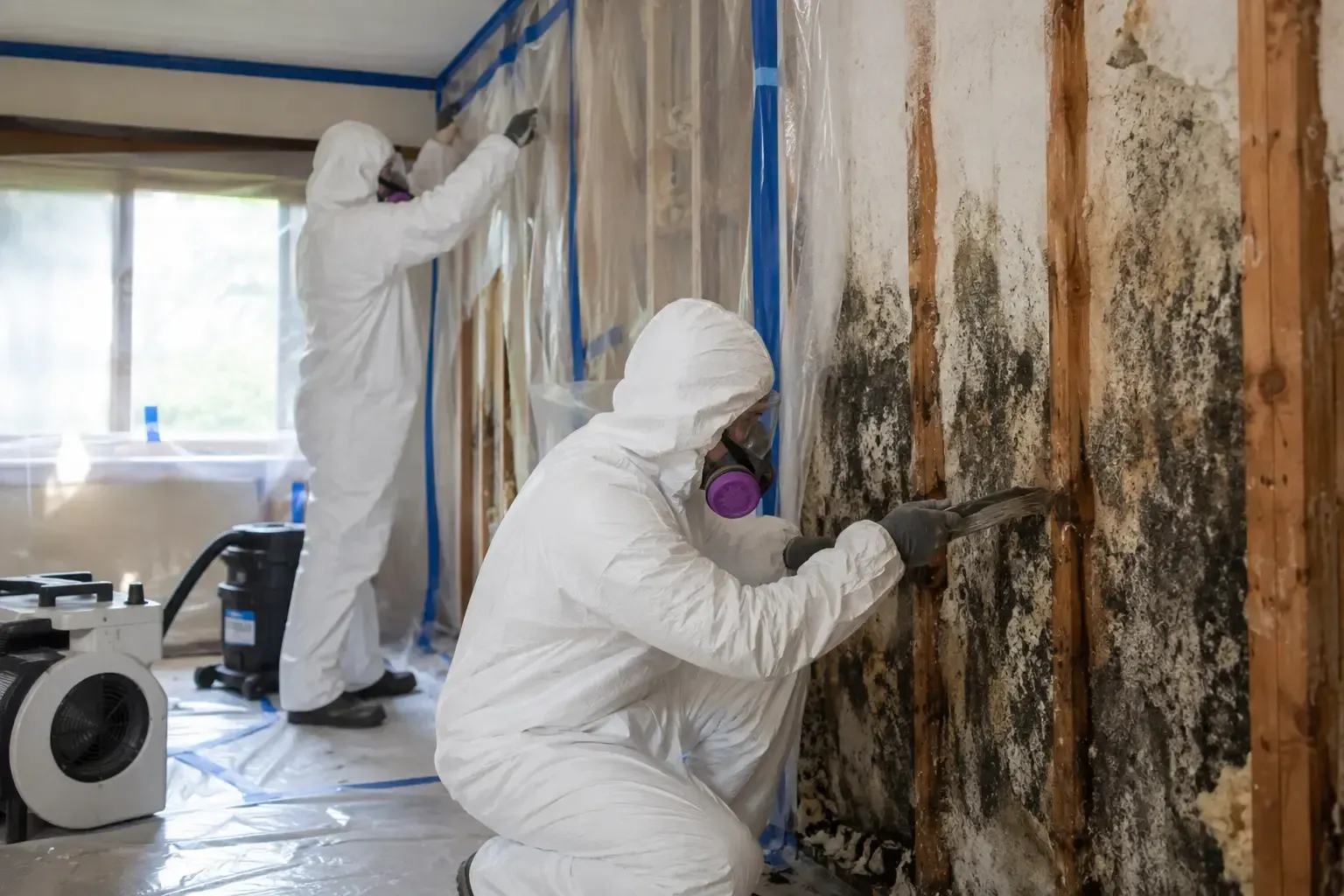
Call a pro when floodwater covered a large area, soaked behind walls, or came from sewage. You should also call if the water reached your HVAC system, since ducts can spread spores through the whole house. A crew like Mold Warrior uses containment and commercial drying to reach moisture you cannot. For the full picture, see what professional mold remediation in Atlanta actually involves.
Will Insurance or FEMA Cover It?
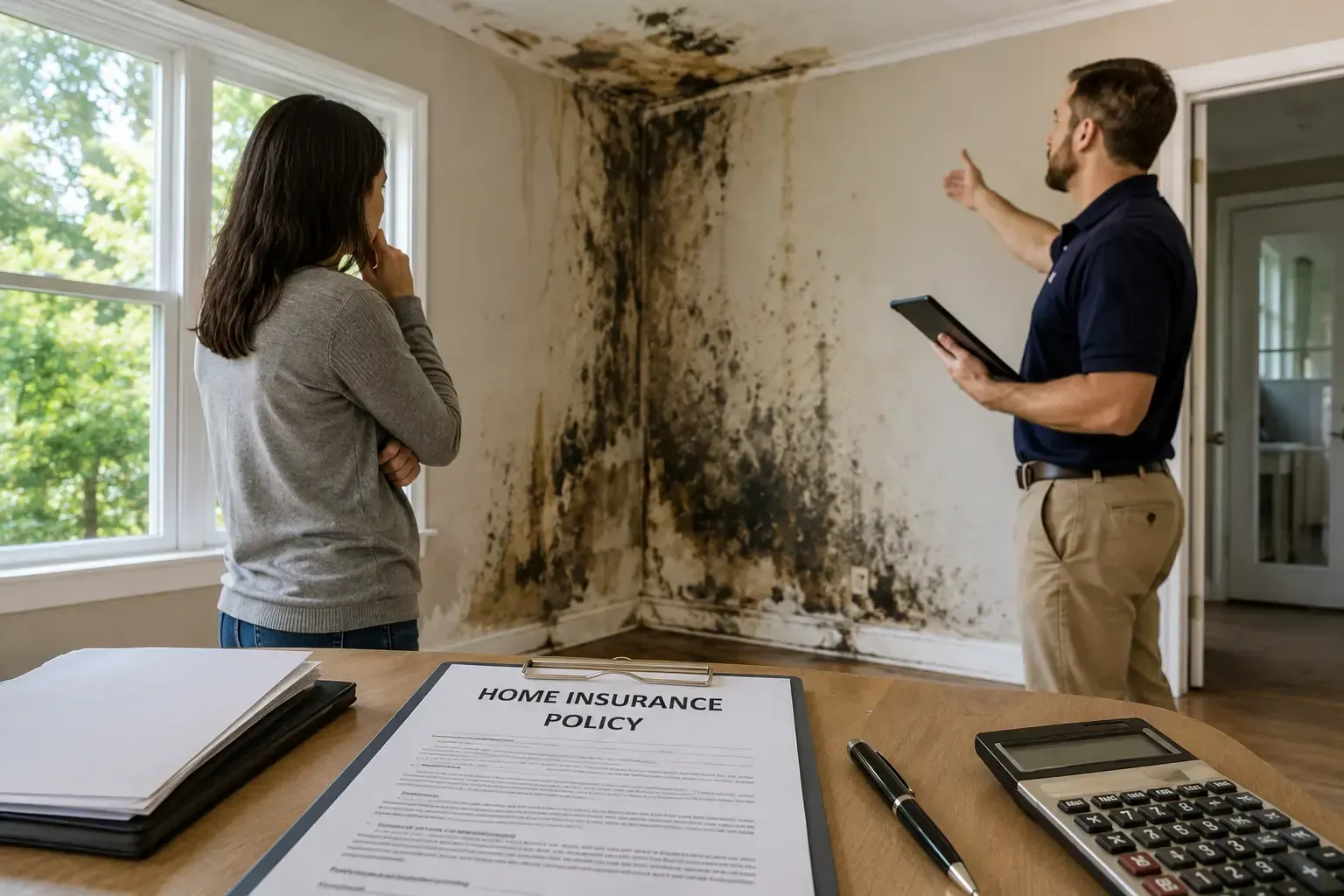
Coverage depends on how the water got in. Sudden, accidental water damage is often covered, while gradual leaks and outside flooding usually are not. Storm flooding frequently needs a separate flood policy, so read yours closely.
FEMA is not a simple backstop either. FEMA generally does not pay for mold remediation unless it follows a federally declared disaster. Even then, mold aid is folded into broader disaster relief, not a standalone benefit. Before you file, learn whether insurance covers mold damage in Georgia.
Frequently Asked Questions
What are the first signs of mold after a flood?
Watch for a musty, earthy smell and dark spots on walls, baseboards, or the underside of floors. Damp, discolored patches near the waterline are an early clue. Allergy-type symptoms that ease when you leave the home can also signal hidden mold.
How long does it take for mold to appear after a flood?
Mold can begin growing within 24 to 48 hours of water exposure. It keeps spreading until the moisture source is removed and the area is fully dried. That short window is why fast drying matters so much.
Does FEMA pay for mold remediation?
Usually not on its own. FEMA aid for mold generally applies only after a federally declared disaster, as part of wider relief. It is not a standalone benefit, so check your insurance policy first.
Can I clean flood mold myself?
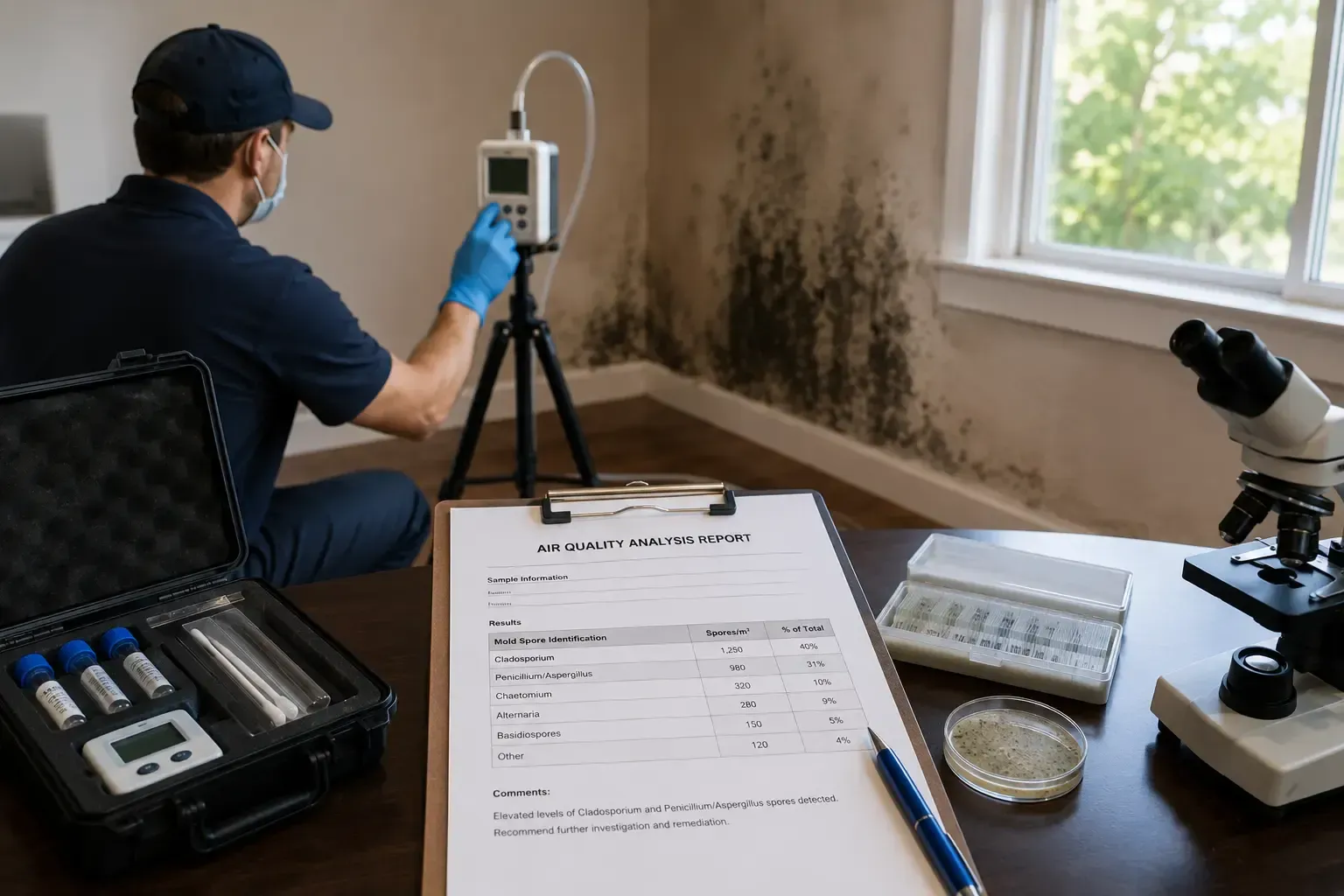
You can handle small areas under about 10 square feet if the water was clean. Larger floods, sewage water, or mold behind walls call for a professional. When in doubt, get an assessment before you disturb it.
Why does mold keep coming back after Atlanta storms?
Because the moisture problem was never fully fixed. Atlanta's humidity keeps materials damp, and any leftover water lets spores regrow. Lasting control means drying the structure and stopping the moisture at its source.
The Flood's Gone. Don't Let Mold Move In.
A storm flood is stressful enough without a mold problem growing behind your walls. The steps above buy you time, but soaked framing and hidden moisture can outrun a shop vac and a few fans. When the water reached more than the surface, a trained crew protects your home and your health. Reach
Mold Warrior for a fast Atlanta assessment before a wet week becomes a mold season.