Mold vs. Moisture in Raleigh: Finding the Source Before It Spreads
Mold is the part you can see. The water feeding it is almost always somewhere else. That gap is why so much mold comes back after a good cleaning, because the stain gets wiped while the moisture stays. In Raleigh's humid climate, finding the source is the whole job. Trace the water, and the mold loses the one thing it cannot grow without.
Key Takeaways
- Mold is a symptom; the real problem is a moisture source you may not see.
- A musty smell usually points to hidden dampness before mold becomes visible.
- Fixing the water source is what stops mold from returning after cleanup.
Mold Is the Symptom, Moisture Is the Cause
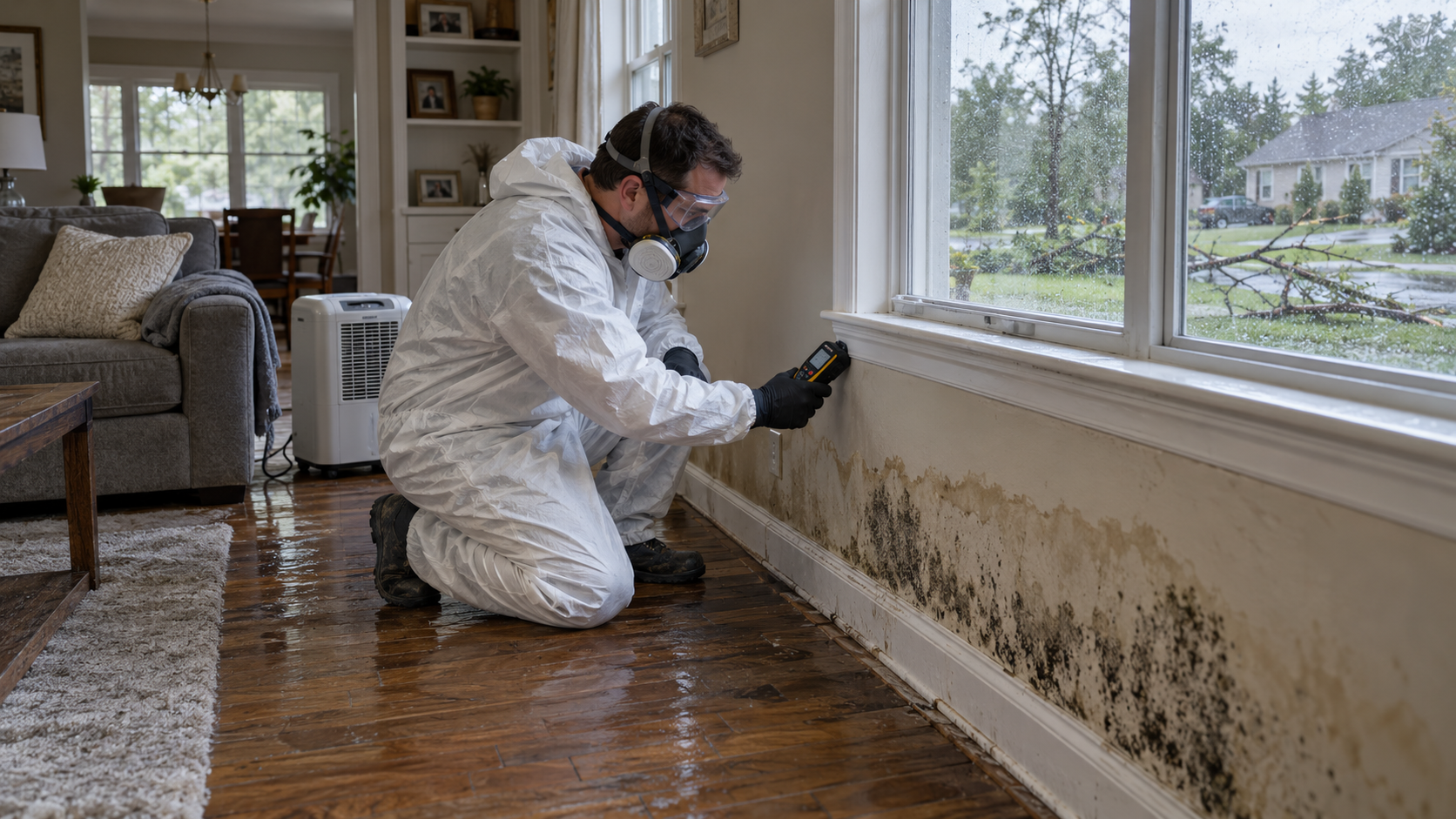
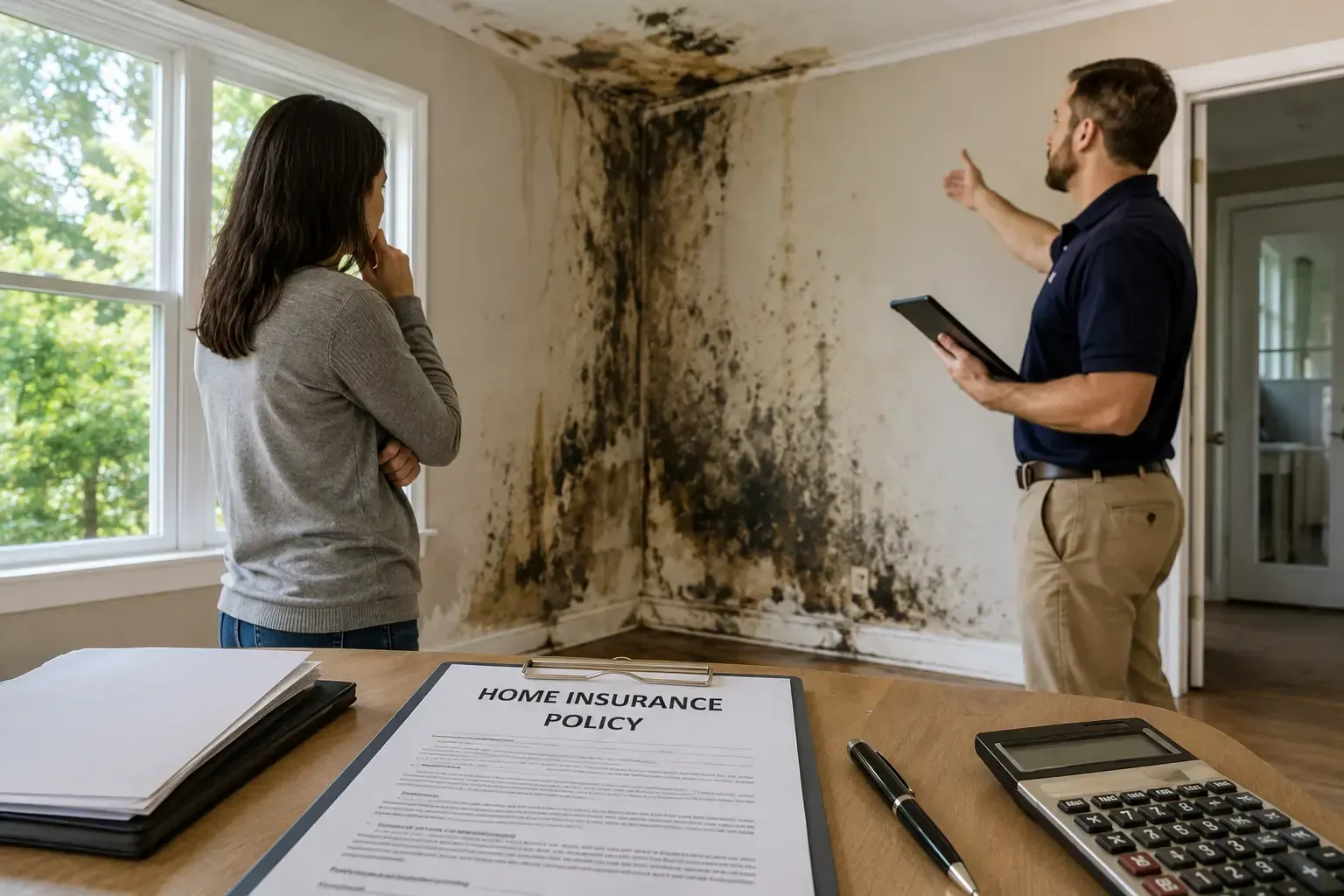
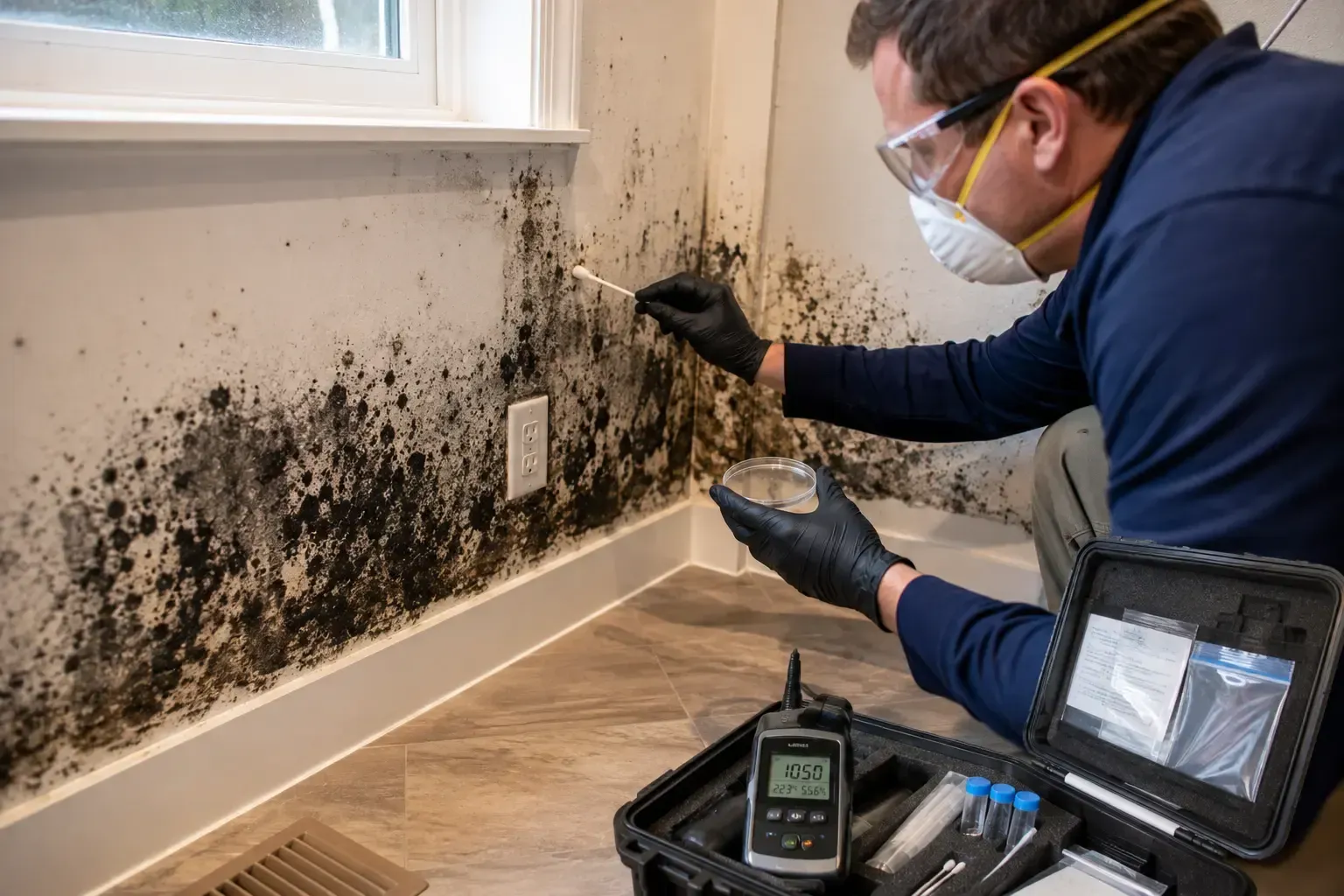
It helps to think of mold and moisture as two separate things. The mold is the visible growth on a wall, ceiling, or baseboard. The moisture is the leak, the humidity, or the condensation that let it start.
The EPA puts it plainly: the key to mold control is moisture control. Clean the mold and skip the water, and it grows back in the same place. That is why finding the source matters more than the scrubbing.
Follow the Musty Smell
Your nose often finds mold before your eyes do. A damp, earthy, musty smell means moisture is sitting somewhere dark and still. That odor is a clue pointing you toward the source.
Notice where the smell is strongest, and when. A closet, a corner, or a room that smells musty after rain narrows the search. In many Raleigh homes, that trail leads to a crawl space, a wall cavity, or a spot under a sink.
Where Moisture Hides in Raleigh Homes
Water collects in the same hidden places again and again. Knowing them helps you find the source of mold faster.
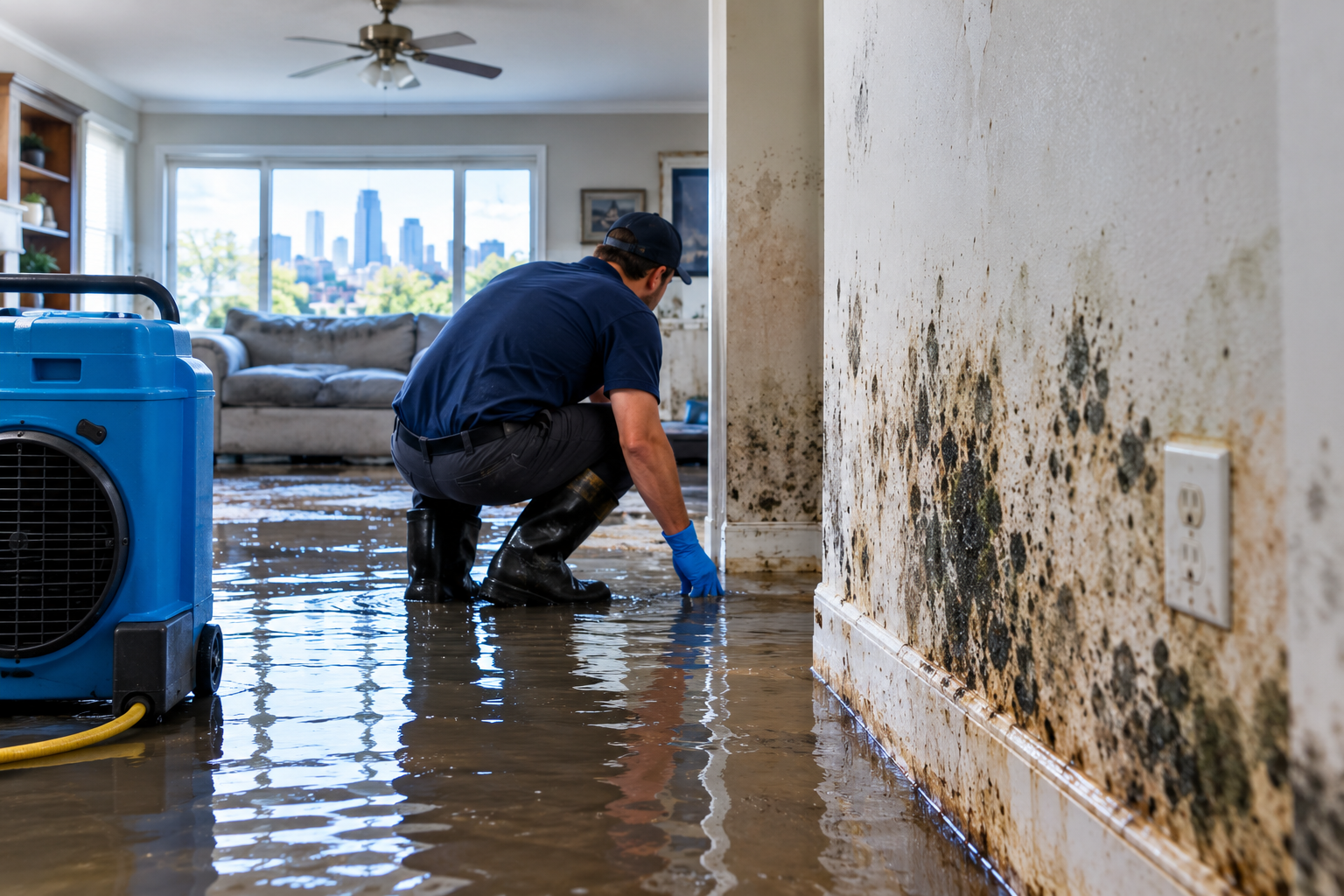
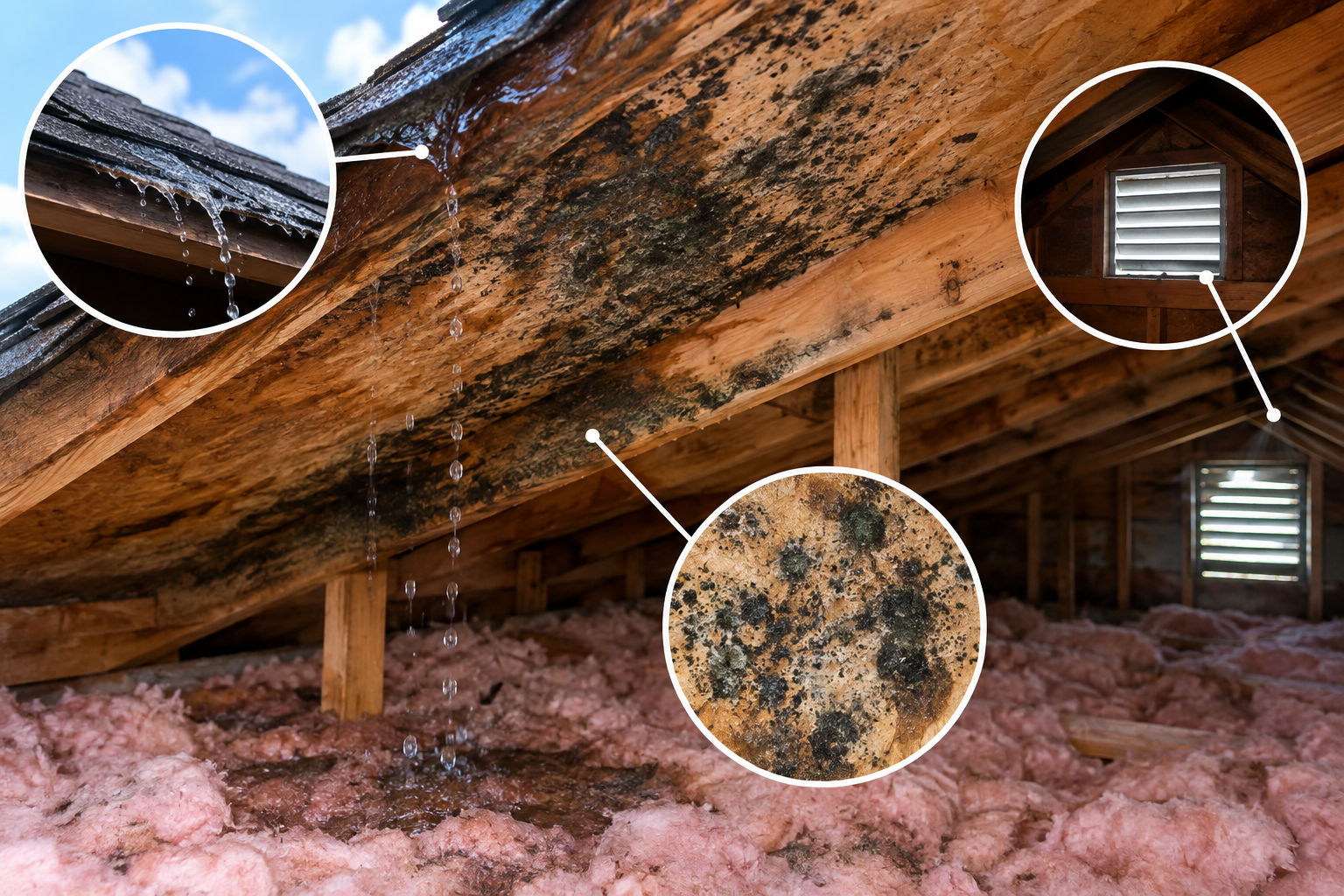
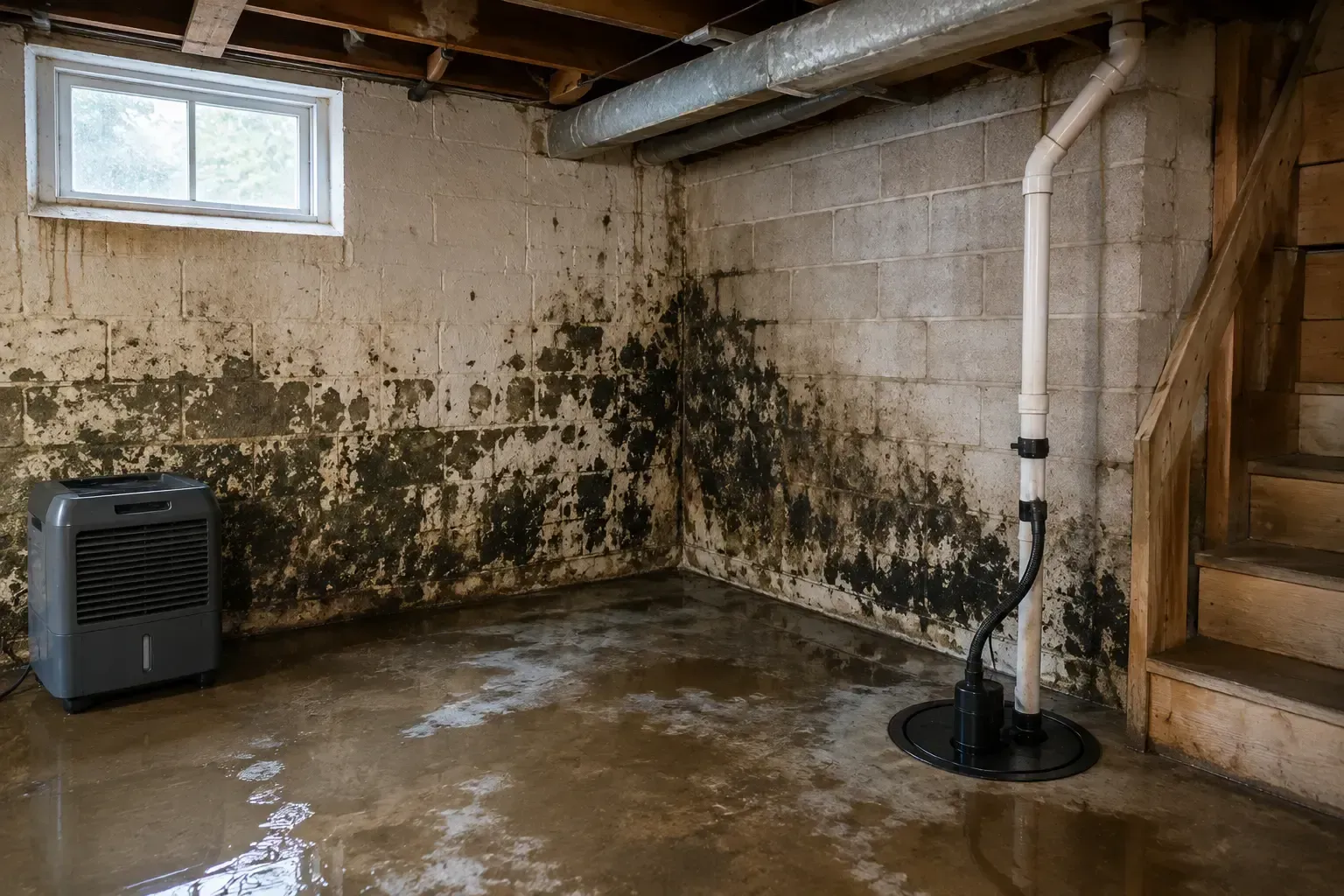
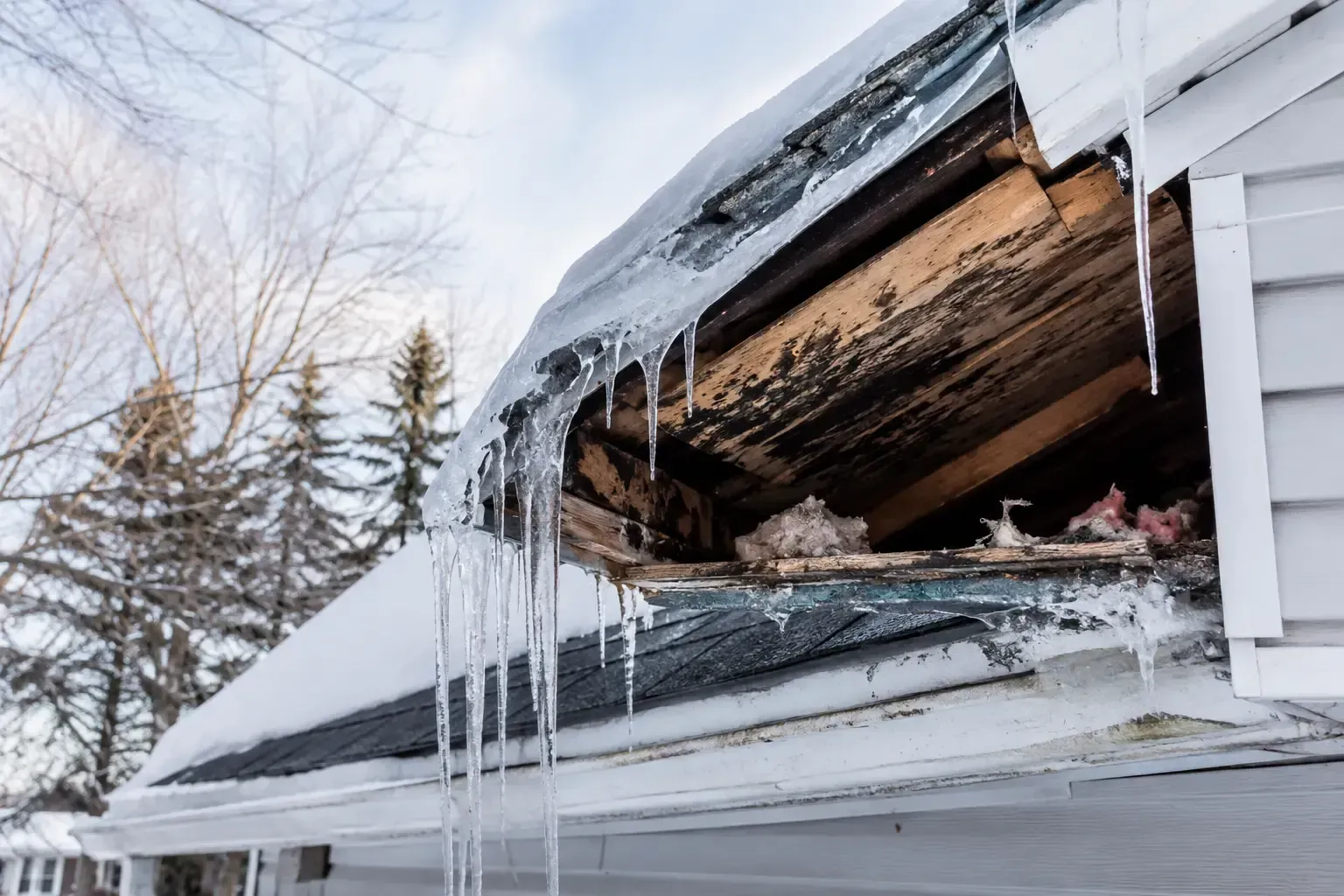
Crawl spaces and basements trap ground moisture and stay damp for weeks, where mold after water damage spreads fast. The area behind drywall and under carpets hides slow leaks you cannot see. Under-sink cabinets and the walls around windows collect drips and condensation. Roofs and the HVAC system move water into places you would never think to look.
How to Find the Moisture Source
A calm, room-by-room check finds most sources without tearing anything open. Start where the smell or the stain is worst.
Look for active leaks under sinks, around toilets, and at pipe joints. Check the ceiling and walls for stains that trace back to the roof. Watch windows and cold pipes for condensation on humid days. A cheap humidity meter helps too, since indoor humidity above 60 percent feeds mold on its own. Following that moisture source is how you stop mold in an NC home for good.
Why Finding the Source Comes First
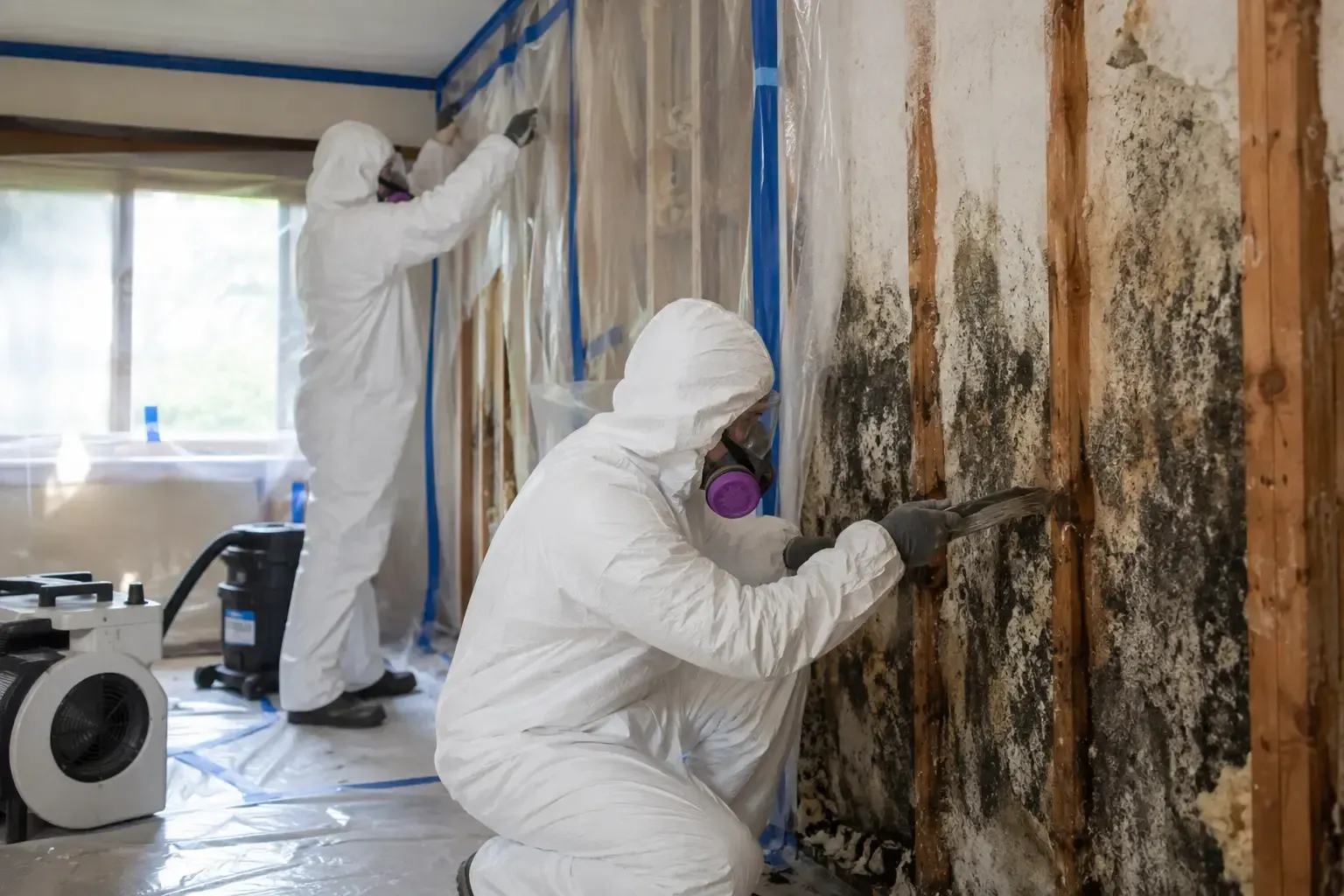
Skipping this step is the most common mistake homeowners make. The EPA is clear that if you clean up mold but do not fix the water problem, the mold will return. Remediation without a fix is just a delay.
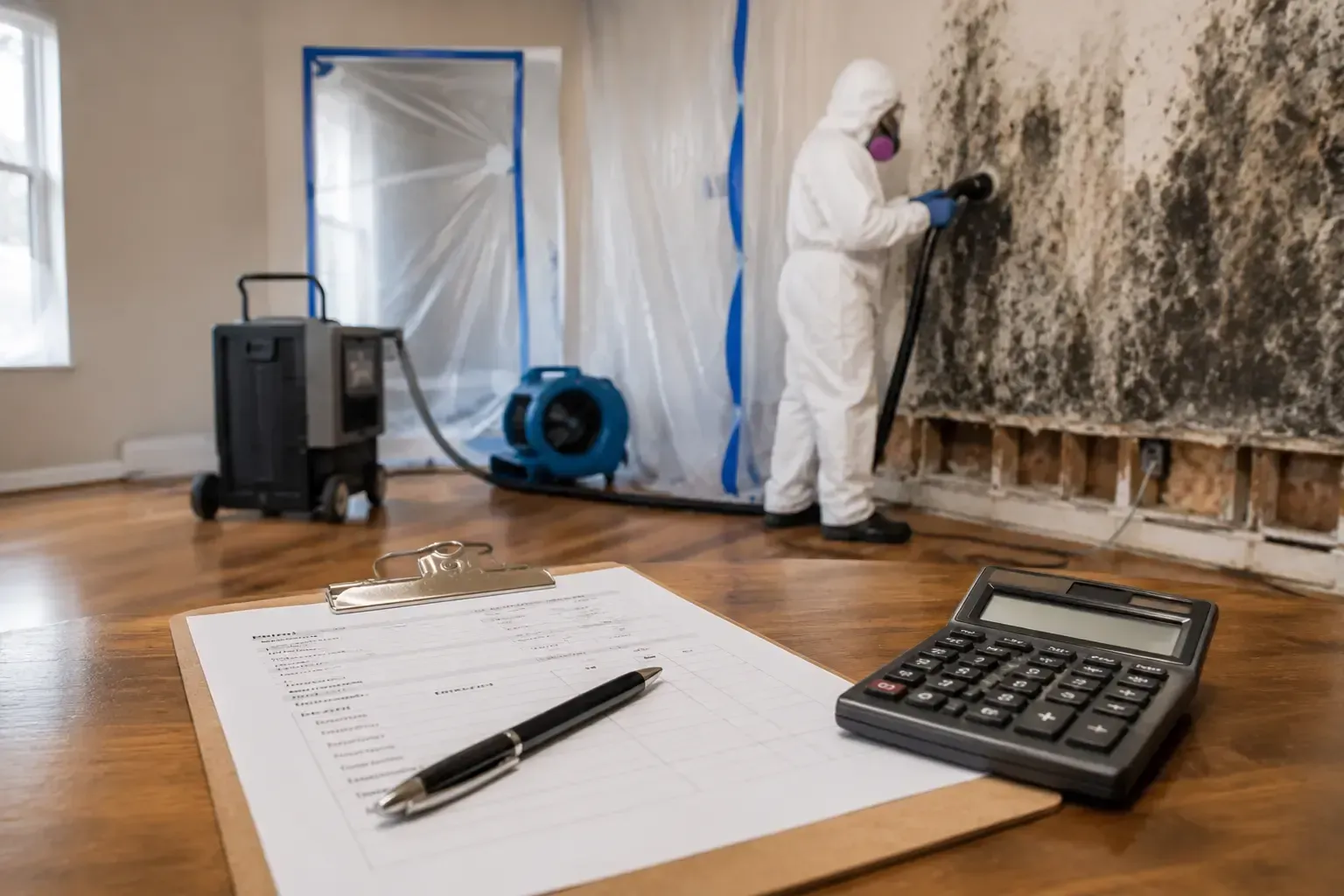
That is why a good crew starts with the source, not the sponge. They find the water, stop it, and then remove the growth. Skip the first step and you are cleaning the same spot again next season.
When You Cannot Find the Source
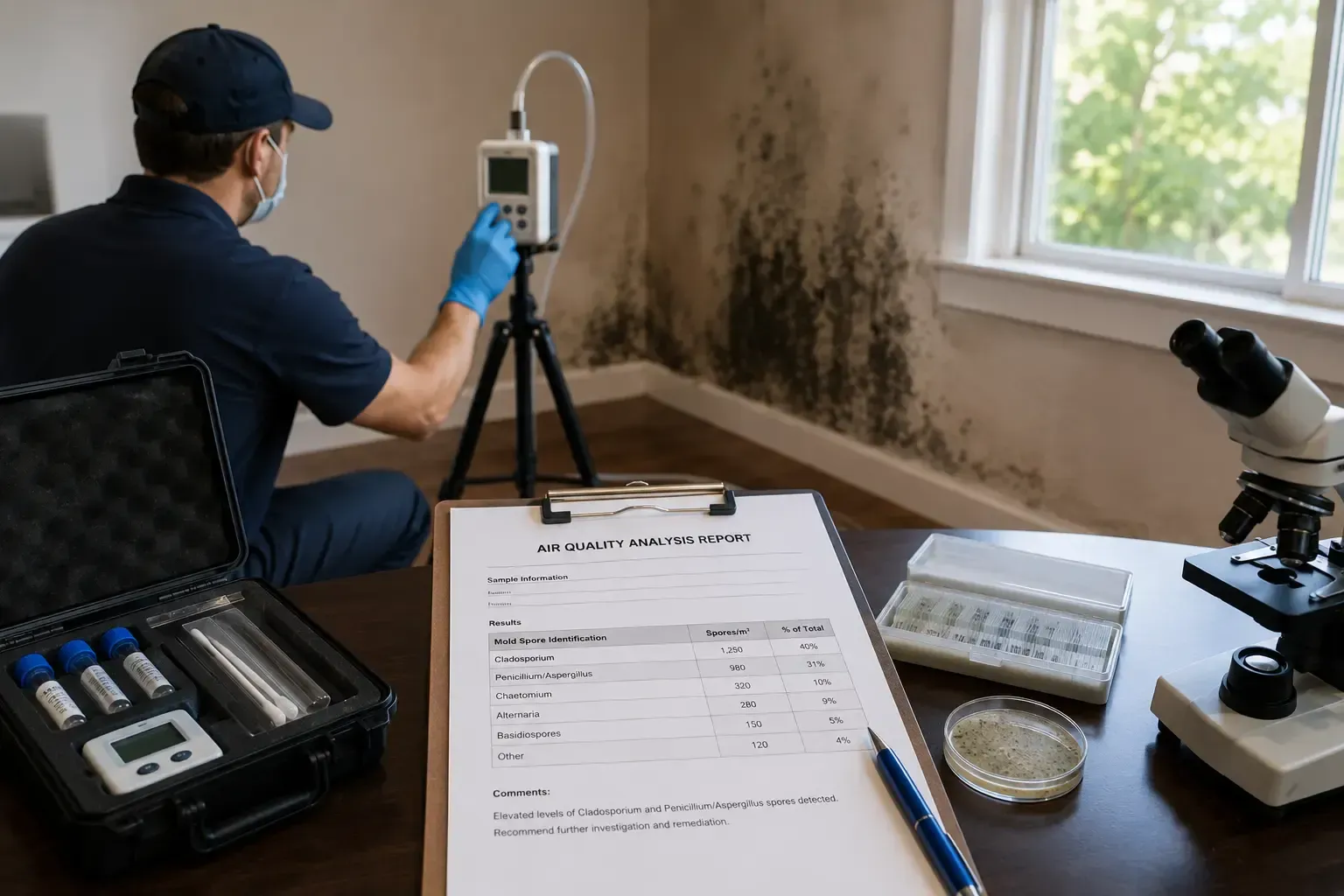
Sometimes the water hides where you cannot reach it. Mold can grow behind walls, above ceilings, or deep in a crawl space with no obvious leak. A musty smell with no visible mold is a classic sign of a hidden source.
That is when tools and experience pay off. Moisture meters and trained eyes find dampness that a visual check misses. If the source stays hidden, a Raleigh mold inspection can locate it. A crew like Mold Warrior traces the moisture, not just the mold.
Frequently Asked Questions
How do I find hidden mold in my house?
Start by following a musty smell to its strongest point. Check hidden spots like behind drywall, under carpets, and inside cabinets. Look for water leaks, wet pipes, or roof stains that reveal the source.
How do you get rid of mold you cannot see?
First find and stop the moisture source, then dry the area. Remove ruined porous materials like soaked drywall or carpet. Killing hidden mold without fixing the water only makes it grow back.
Does mold always mean there is a water problem?
Almost always. Mold needs moisture to grow, so visible mold points to a leak, high humidity, or condensation nearby. Finding that water source is the real fix.
Can I find the moisture source myself?
Often yes, with a careful room-by-room check and a humidity meter. Active leaks and condensation are usually easy to spot. Hidden, behind-the-wall moisture may need a professional and moisture tools.
Why does my mold keep coming back after I clean it?
Because the water feeding it was never fixed. Cleaning removes the surface, but the damp source regrows the mold. Stopping the moisture is the only lasting solution.
Find the Water, End the Mold
Chasing mold with a spray bottle treats the symptom and misses the cause. The lasting fix is to find the water, stop it, and dry the space. Then the mold has nothing left to feed on. When the source is hidden or the mold keeps returning in your Raleigh home, reach Mold Warrior. We trace the moisture and solve it at the root.