Does Homeowners Insurance Cover Mold Damage in Georgia?
You find mold spreading behind a wall and your first thought is simple. Will insurance pay for this? In Georgia, the honest answer is: sometimes. Coverage almost never depends on the mold itself. It depends on what caused the mold in the first place. This guide breaks down when a Georgia policy pays, when it does not, and how to protect your claim.
Key Takeaways
- Georgia policies usually cover mold only when a sudden, covered event caused it, like a burst pipe.
- Mold from long-term humidity, slow leaks, or neglect is almost never covered.
- Flooding is excluded from standard policies, so flood-related mold needs separate flood insurance.
The Short Answer: It Depends on the Cause
Standard homeowners insurance does not treat mold as a standalone problem. Instead, coverage follows the "covered peril" that led to the mold. A covered peril is a sudden, accidental event your policy names, such as a burst pipe. If that event caused the mold, remediation is often covered.
If the mold grew from a problem you could have prevented, expect a denial. Insurers see slow leaks and high humidity as maintenance issues. In humid Georgia, that distinction decides most claims.
When Insurance Usually Covers Mold in Georgia
Coverage tends to apply when the water source was fast and unexpected. Think of a pipe that bursts overnight or an appliance line that fails suddenly. The key is that the damage was accidental and not ignored.
Sudden, Accidental Water Damage
A burst supply line, an overflowing water heater, or a sudden appliance leak can all qualify. The mold is treated as a result of that covered water damage. Acting fast strengthens the link between the event and the mold.
Storm Damage That Breaches the Home
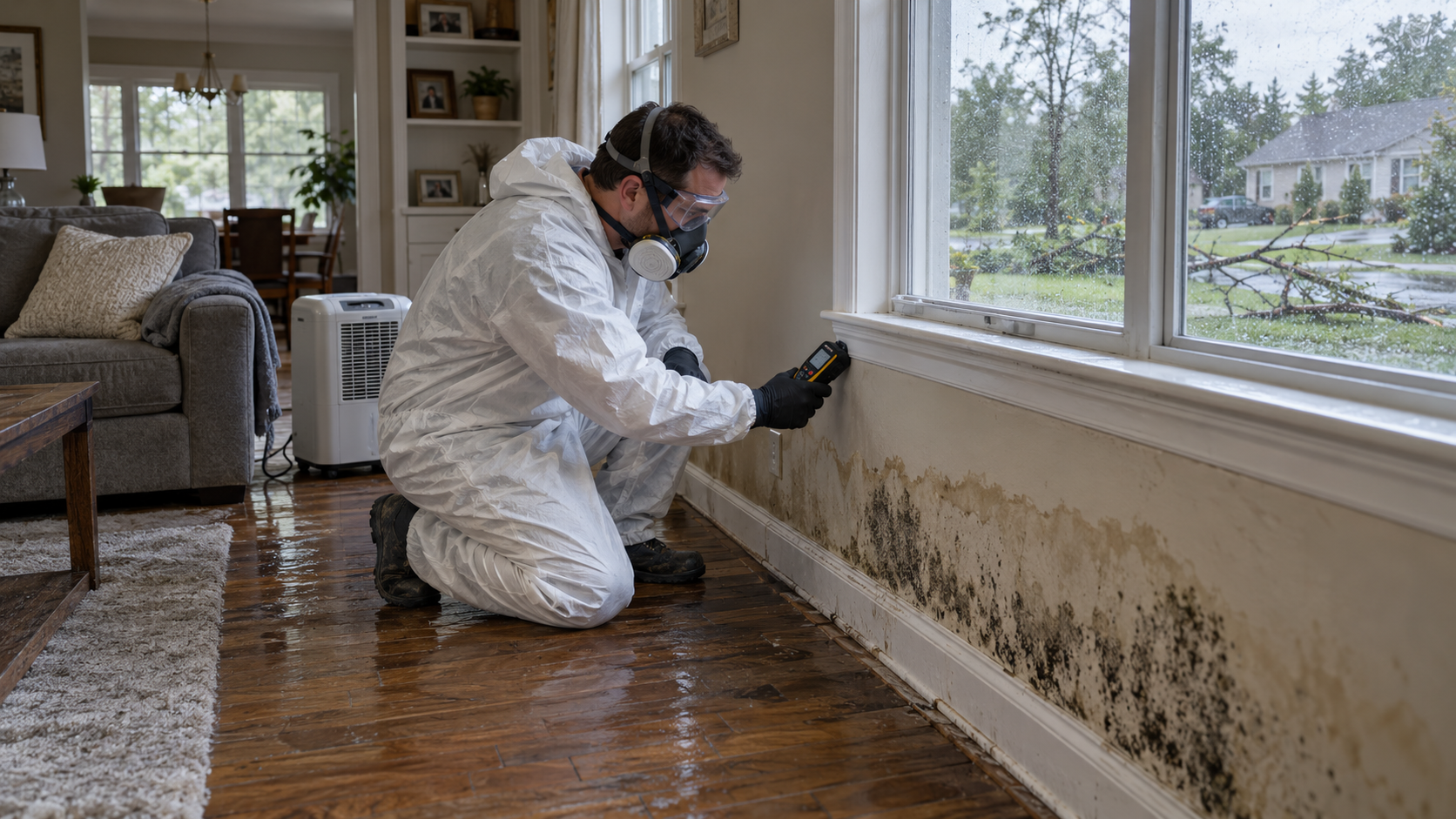
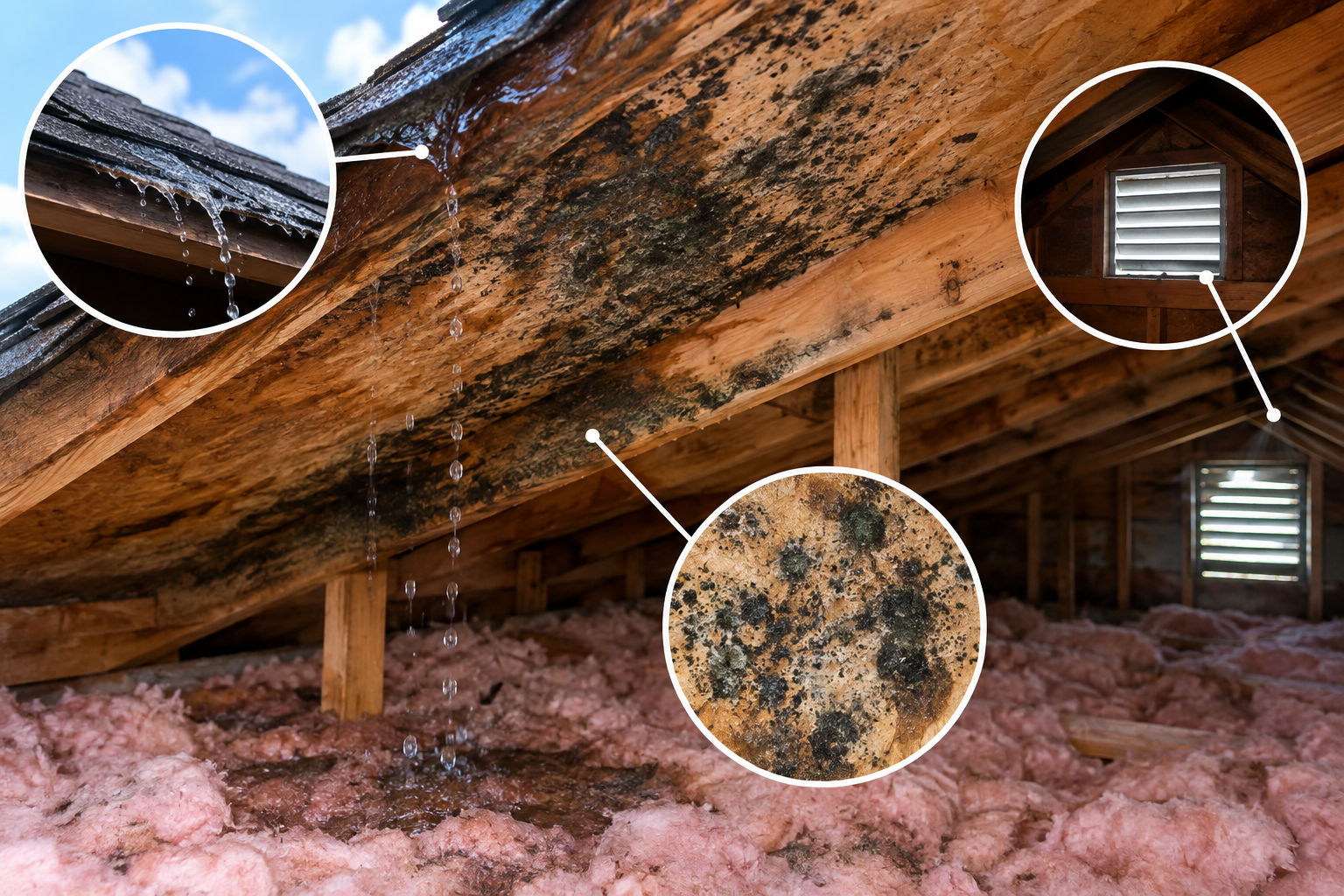
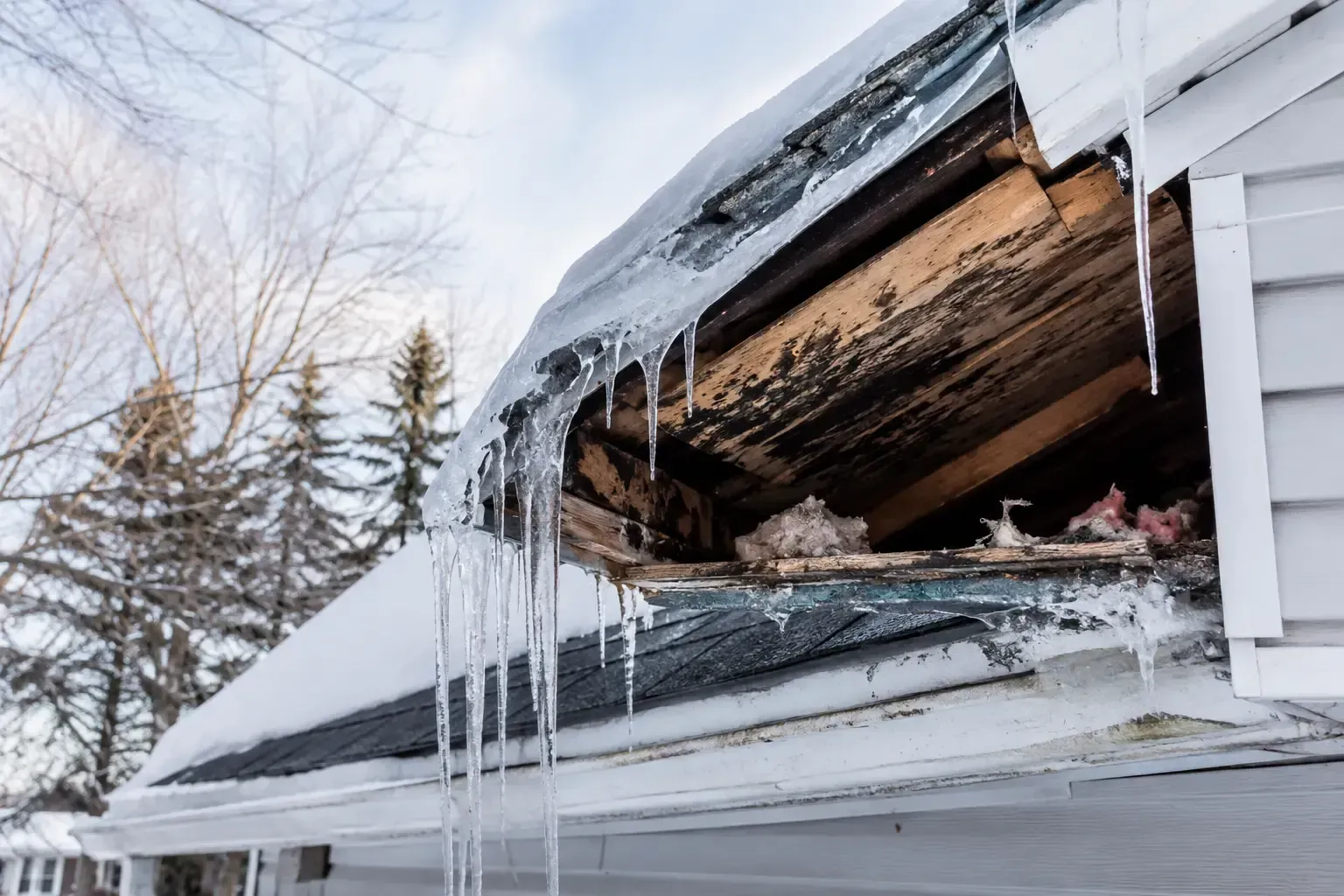
If a Georgia storm tears open your roof and rain gets in, resulting mold may be covered. The roof damage is the covered peril. Document the storm date and the entry point right away.
When Insurance Will Not Cover Mold
Most denied claims trace back to gradual problems. These are the situations Georgia homeowners run into most.
Long-Term Humidity and Neglect
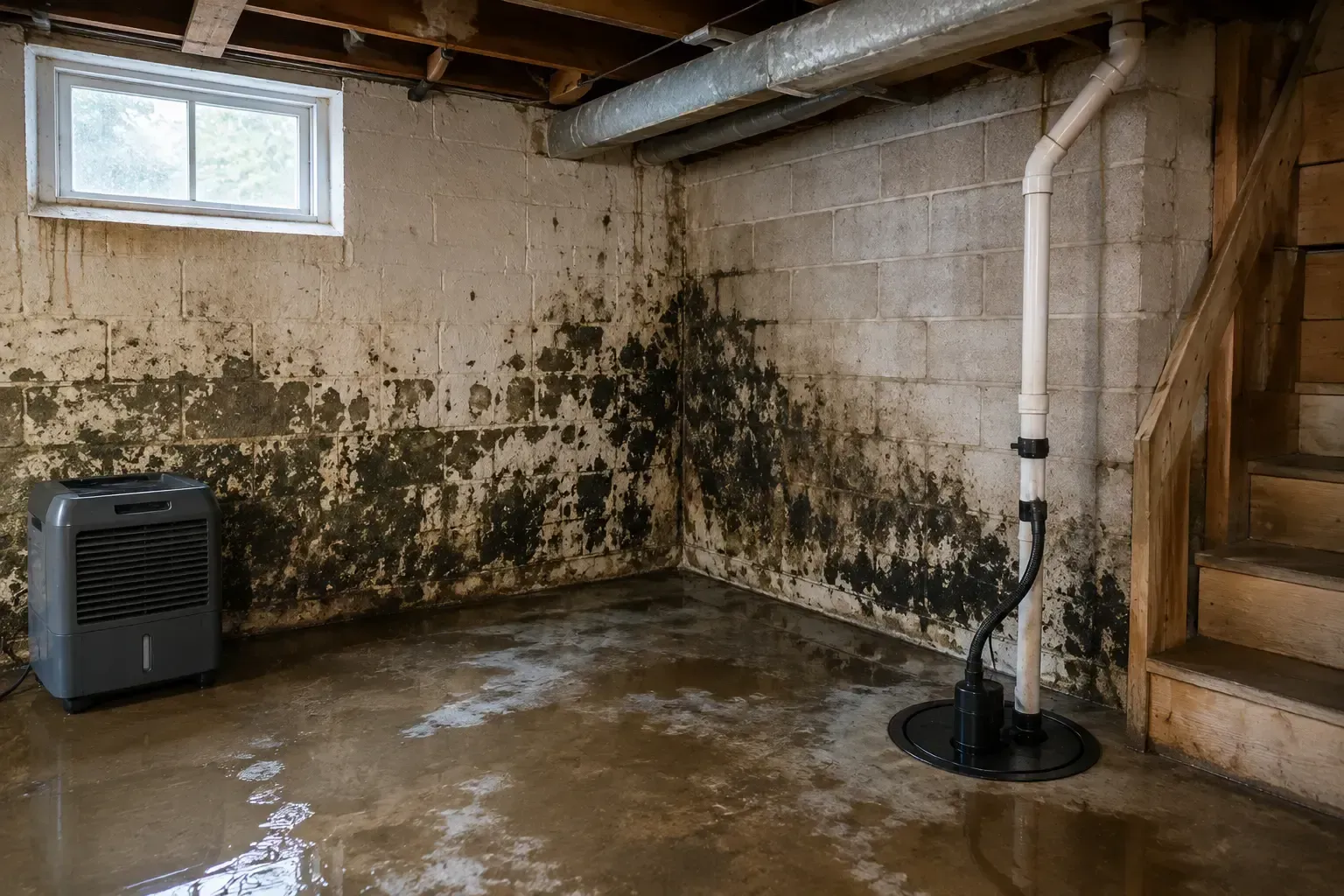
Georgia's warm, humid climate feeds mold in crawl spaces and bathrooms year-round. Mold that builds slowly from ambient moisture is not a sudden event. Insurers classify it as a maintenance failure, and the EPA stresses that controlling moisture is the key to preventing mold.
Slow, Hidden Leaks
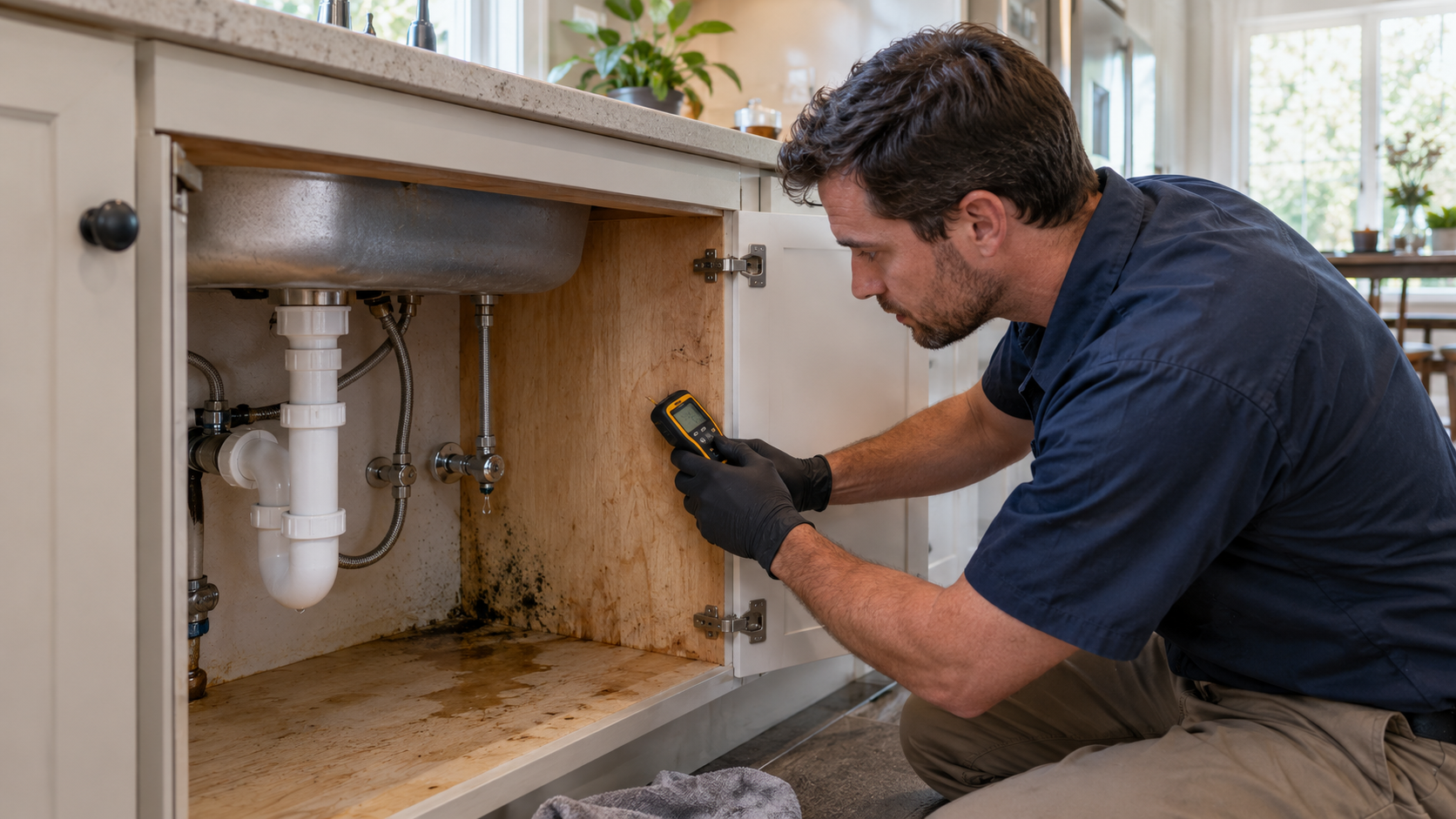
A drip under a sink that runs for months is the classic denial. Because it was gradual and fixable, the insurer sees neglect. Regular checks under sinks and around fixtures help you avoid this trap.
Flooding
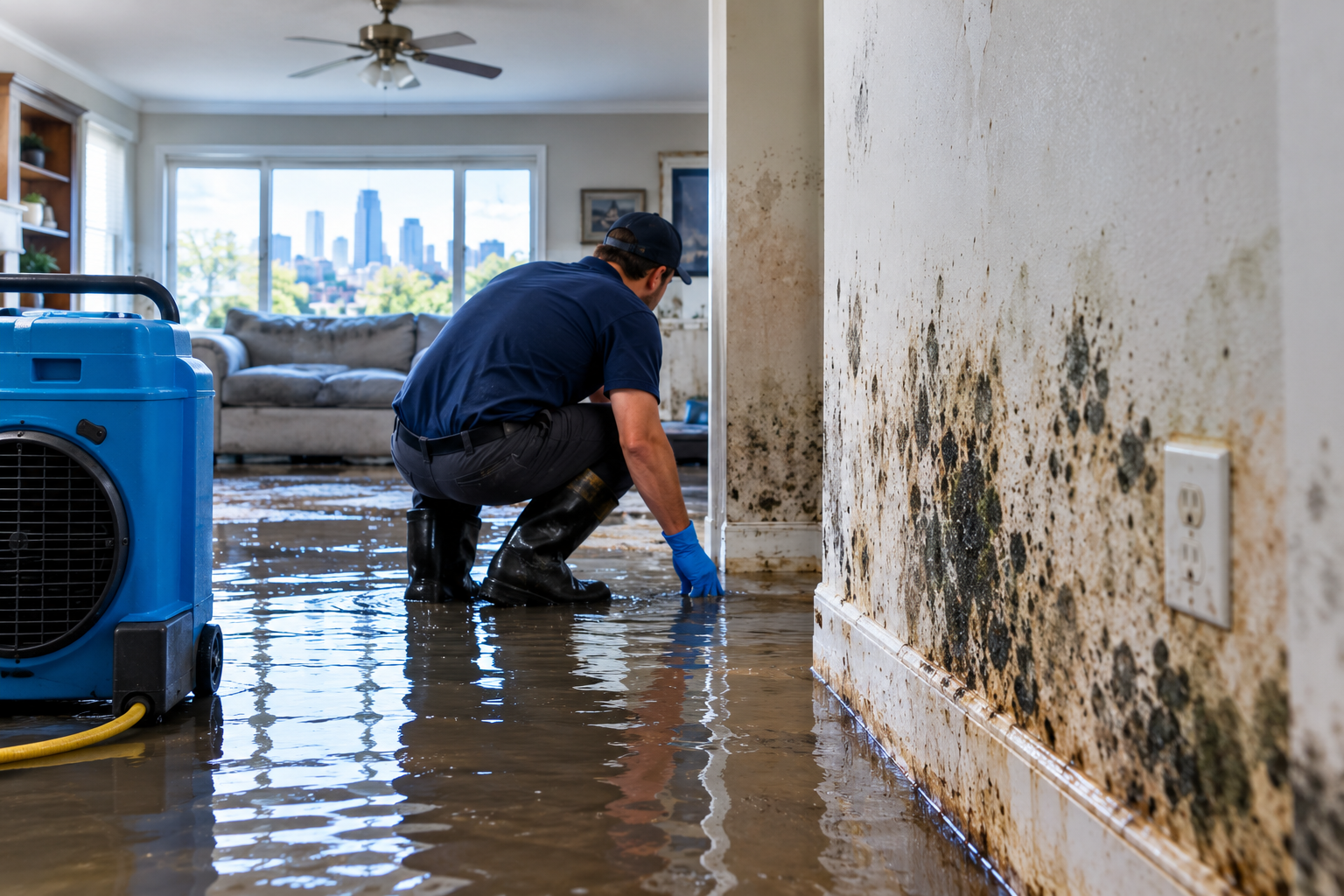
Standard homeowners policies exclude flood damage entirely. Mold that follows a flood is not covered without separate flood insurance. If you live in a flood-prone part of metro Atlanta, that gap is worth closing.
How to Give Your Georgia Claim the Best Chance
You cannot change the cause after the fact. You can control how you respond. These steps matter in Georgia.
Act Fast and Document Everything
Photograph the water source, the damage, and the date. Save receipts for any emergency repairs. Fast action shows the insurer you limited the damage.
Frame It as a Water Damage Claim
Adjusters often say the same thing: mold is not the claim, water is. Present the covered water event first, with mold as the consequence. That framing keeps the focus on the peril your policy covers.
Know Your Policy Limits
Many Georgia policies cap mold coverage or require a separate endorsement. Read your declarations page before you need it. You can also check your rights through the Georgia Office of Commissioner of Insurance.
Consider a Mold Endorsement
If your policy caps mold at a low limit, ask your agent about an endorsement. It raises the mold coverage for an added premium. In a humid state like Georgia, that extra limit can pay for itself. Review it at renewal, before a problem starts, not after.
Frequently Asked Questions
Should I tell my insurance company about mold?
Report a covered water event promptly, since delay can hurt your claim. Be factual about the cause and the timeline. Keep your own records in case of a dispute.
Will my rates increase after a mold claim?
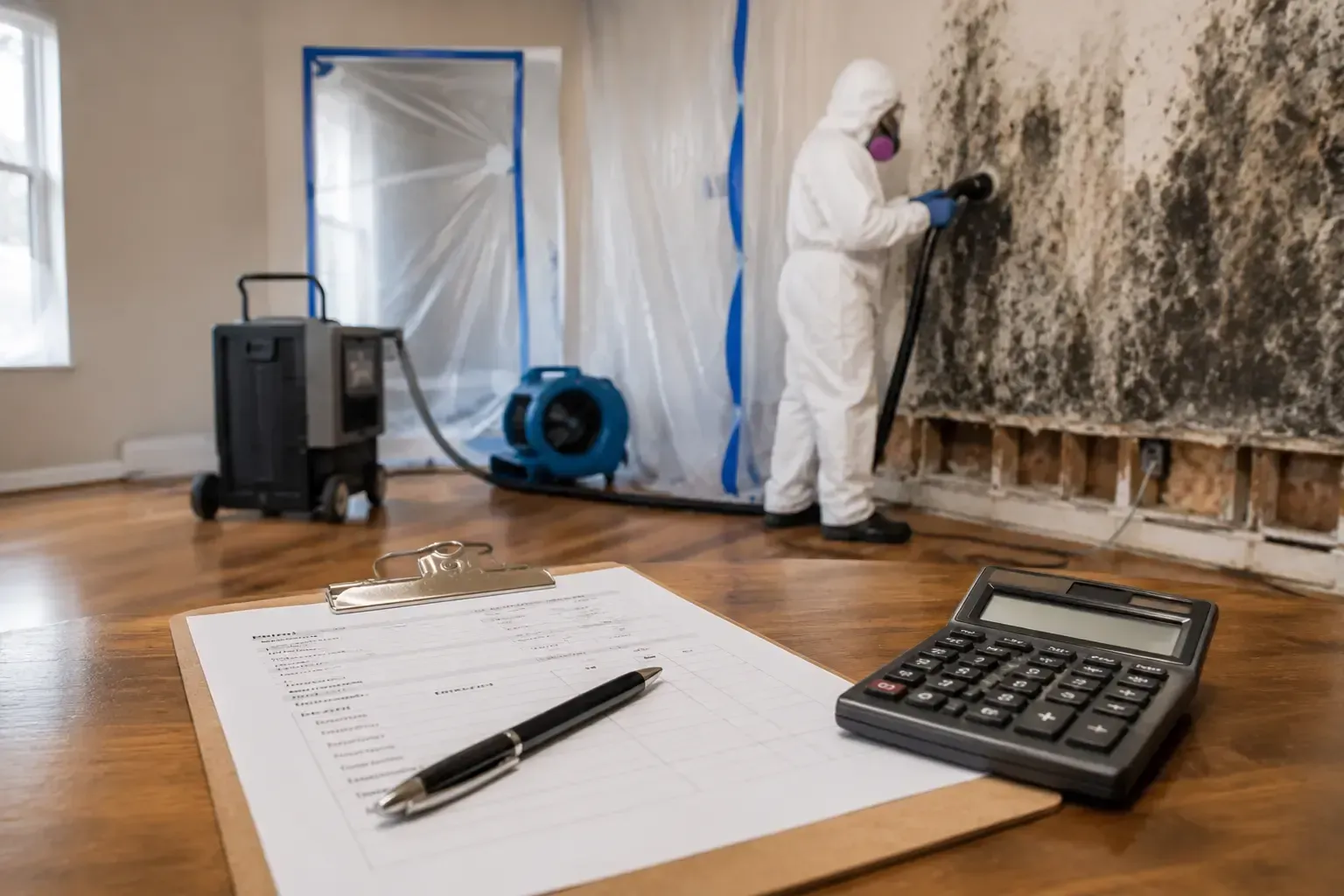
A claim can affect your premium, especially if you file several. Weigh the remediation cost against the possible rate change. For smaller jobs, some owners pay out of pocket.
What if I cannot afford mold removal?
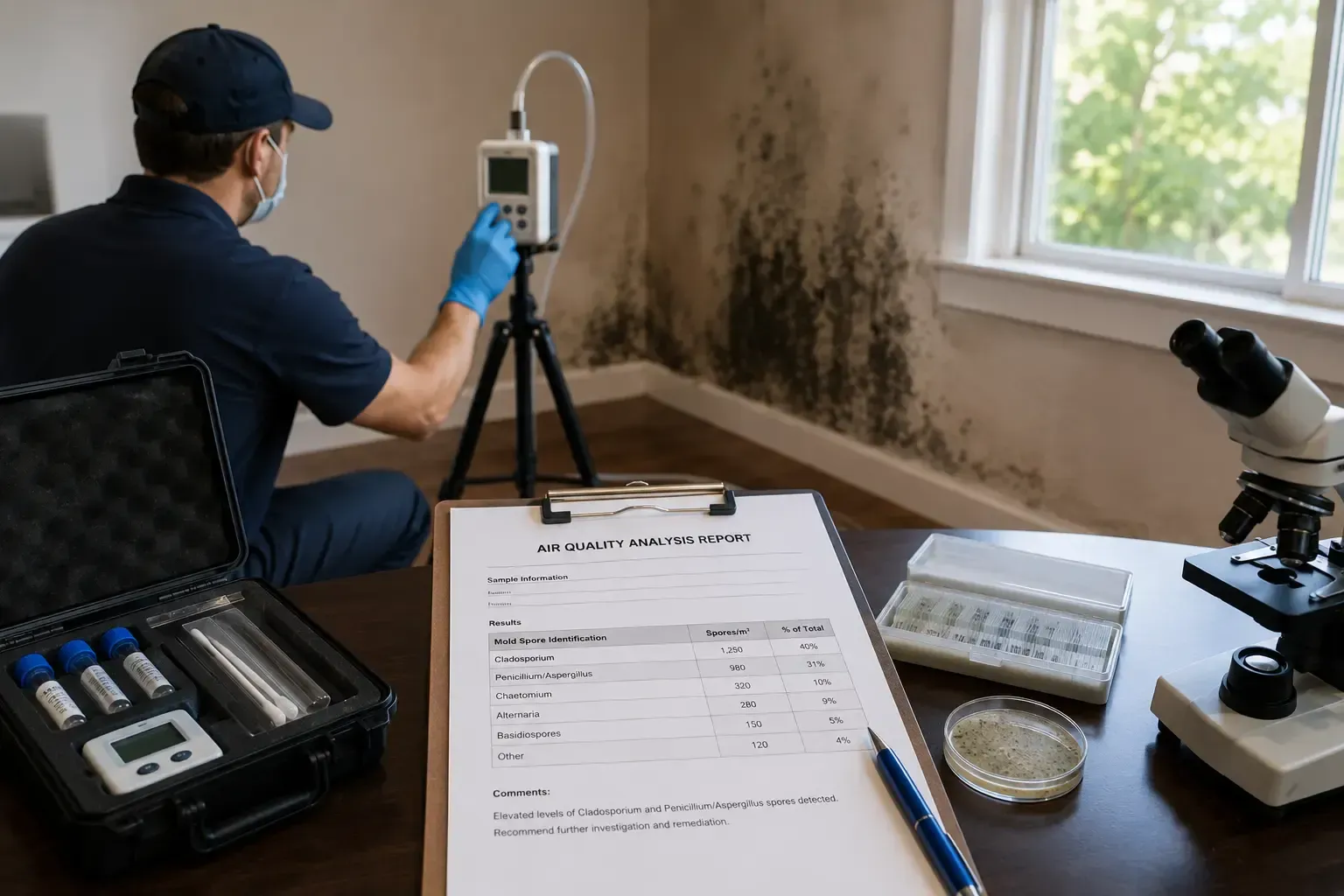
Get a professional assessment first, so you know the real scope. Some jobs are smaller than they look once inspected. Our mold removal cost guide can help you plan.
Does insurance cover mold in a crawl space?
Only if a covered peril caused it, not year-round dampness. Crawl space mold in Georgia is often a humidity problem, which insurers exclude. Moisture control is usually on the homeowner.
Found Mold? Get the Facts Before You File
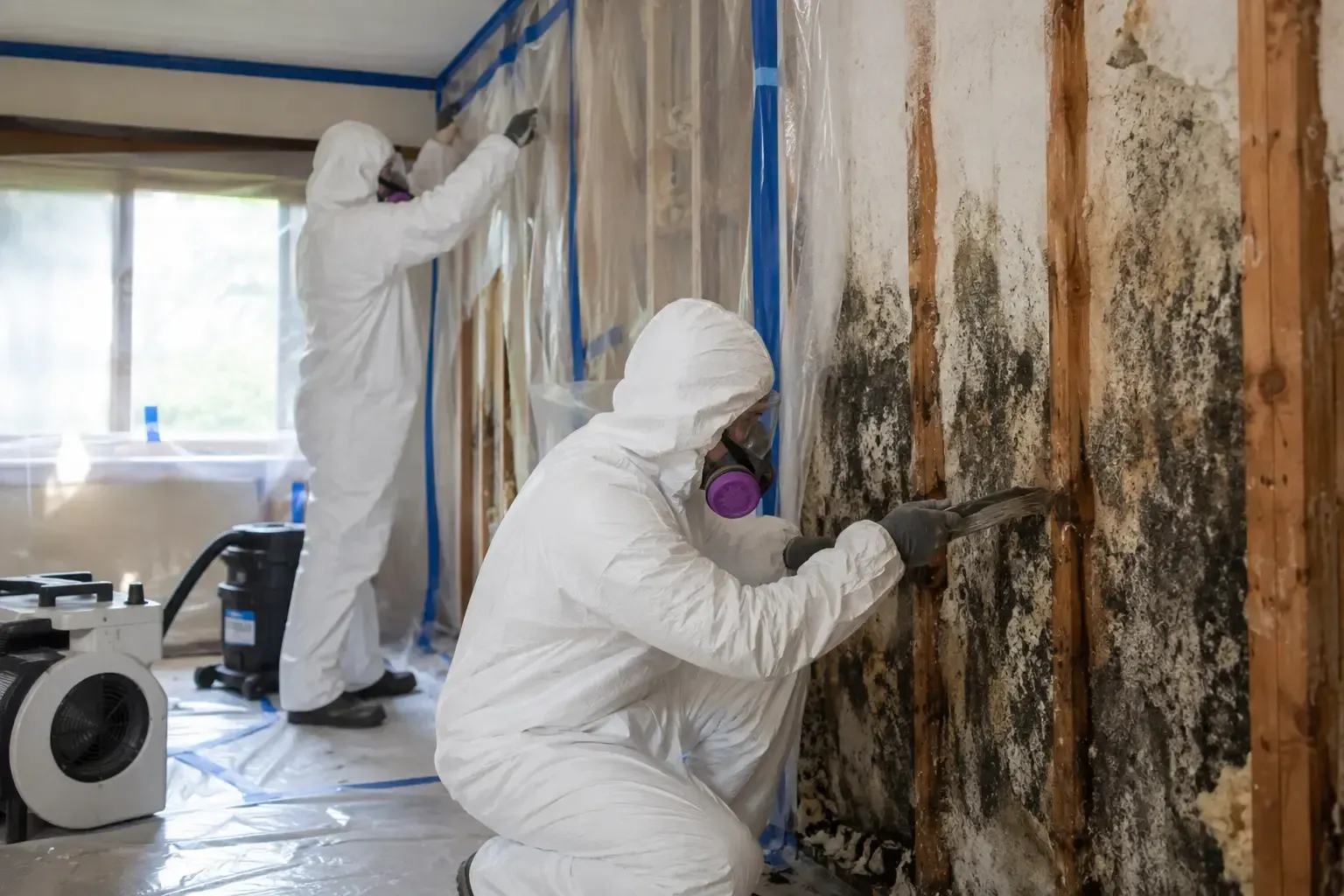
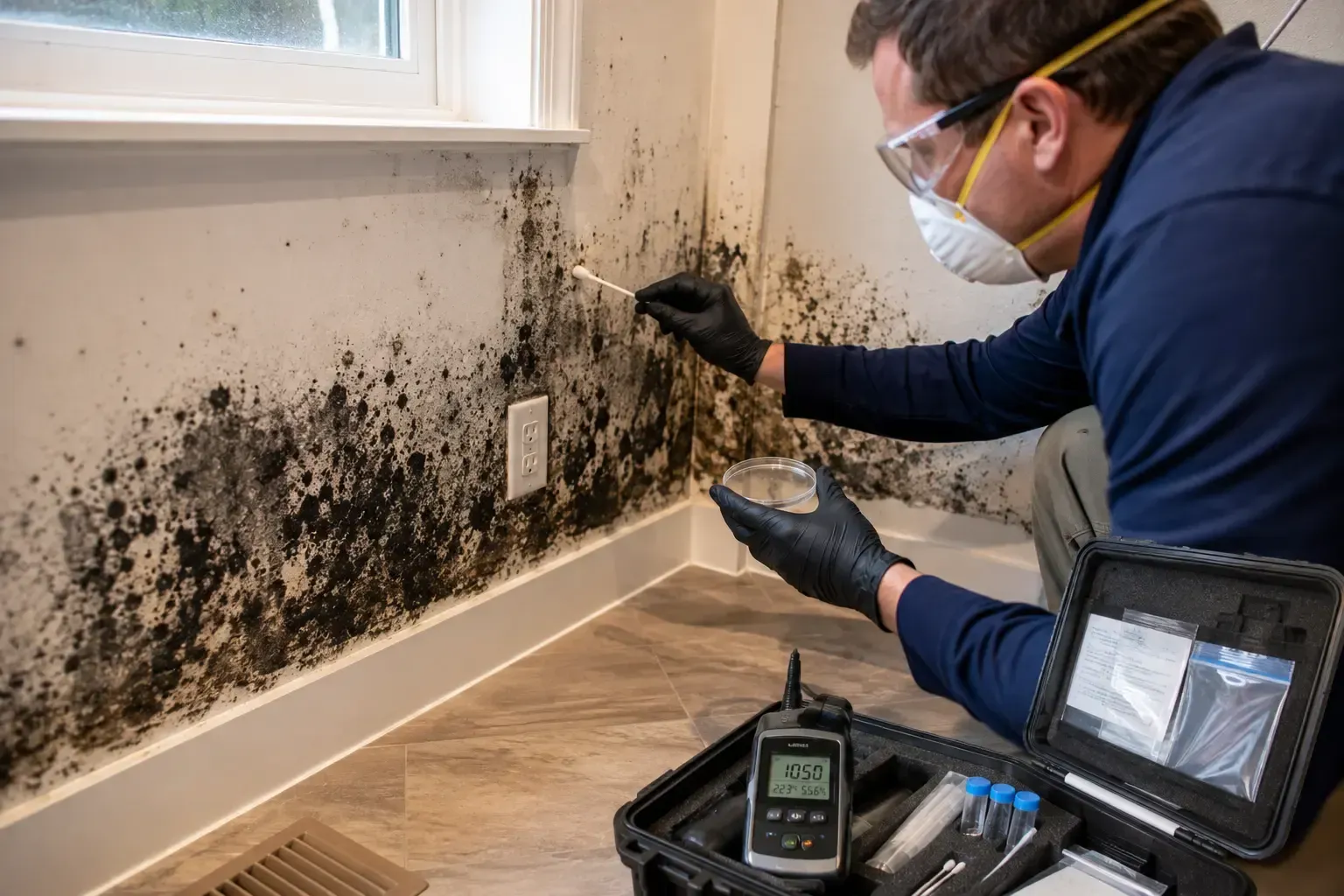
A mold problem in a Georgia home raises two questions at once: is my family safe, and will insurance help? Sort the cause first, because that drives everything else. Mold Warrior inspects the source, documents it clearly, and remediates the mold at its root across metro Atlanta. When you spot mold,
talk to the Mold Warrior team and get a straight assessment before you call your insurer.