How to Prevent Mold After Water Damage in Columbus
Water damage and mold go hand in hand. Once water sits, mold is only a day or two away. Columbus homeowners face this after leaks, floods, and storms. The good news is that fast action prevents most mold. Here is how to stop mold after water damage.
Key Takeaways
- Mold can begin within 24 to 48 hours of water exposure.
- Drying the area completely is the single most important step.
- Hidden moisture in walls and floors is what feeds later mold.
Act Within the First 48 Hours
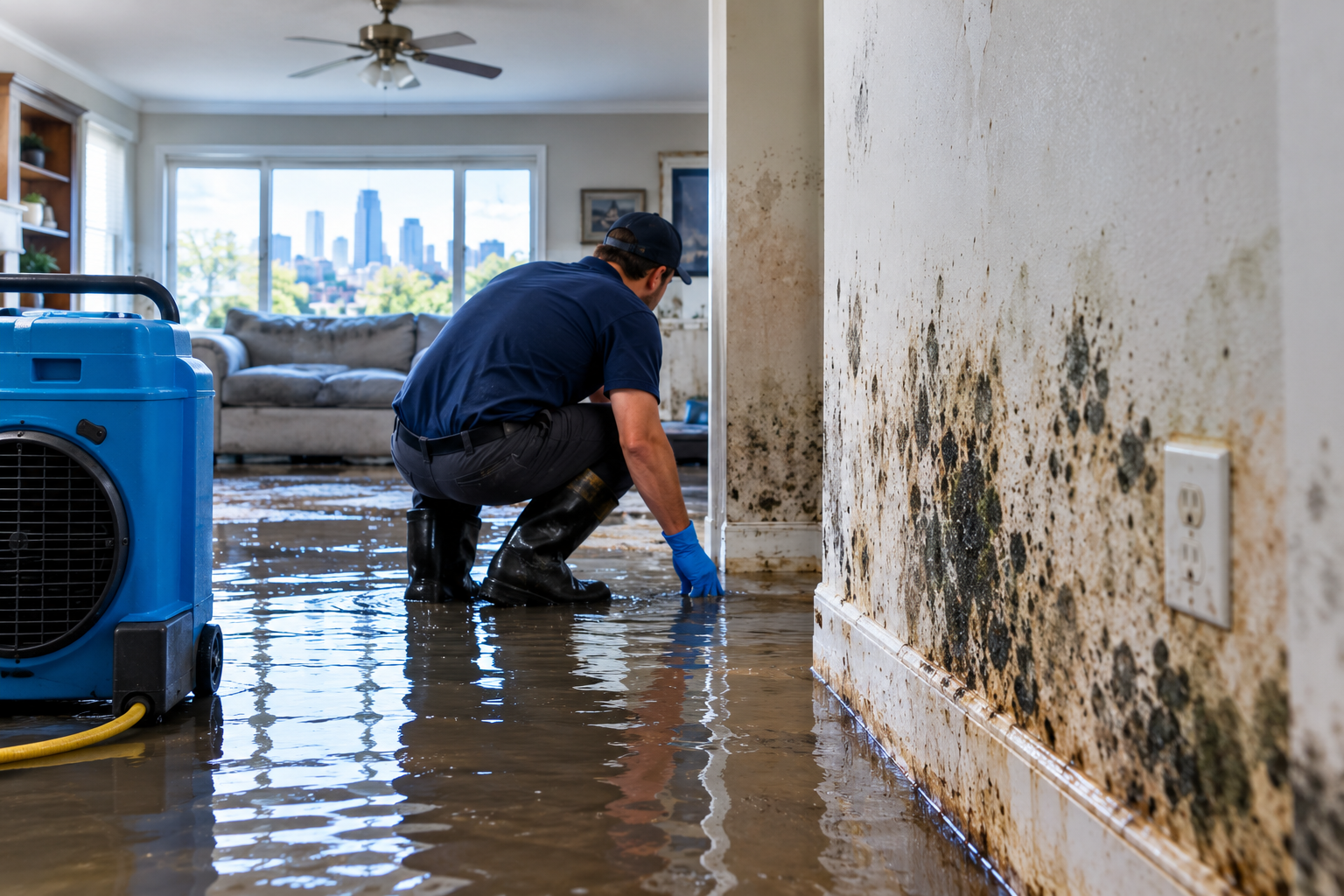
Speed is everything after water damage. The EPA stresses drying water-damaged areas within 24 to 48 hours. Remove standing water right away. Pull up wet carpet and soaked materials. Open windows and run fans to move air.
Why Mold Loves Water Damage
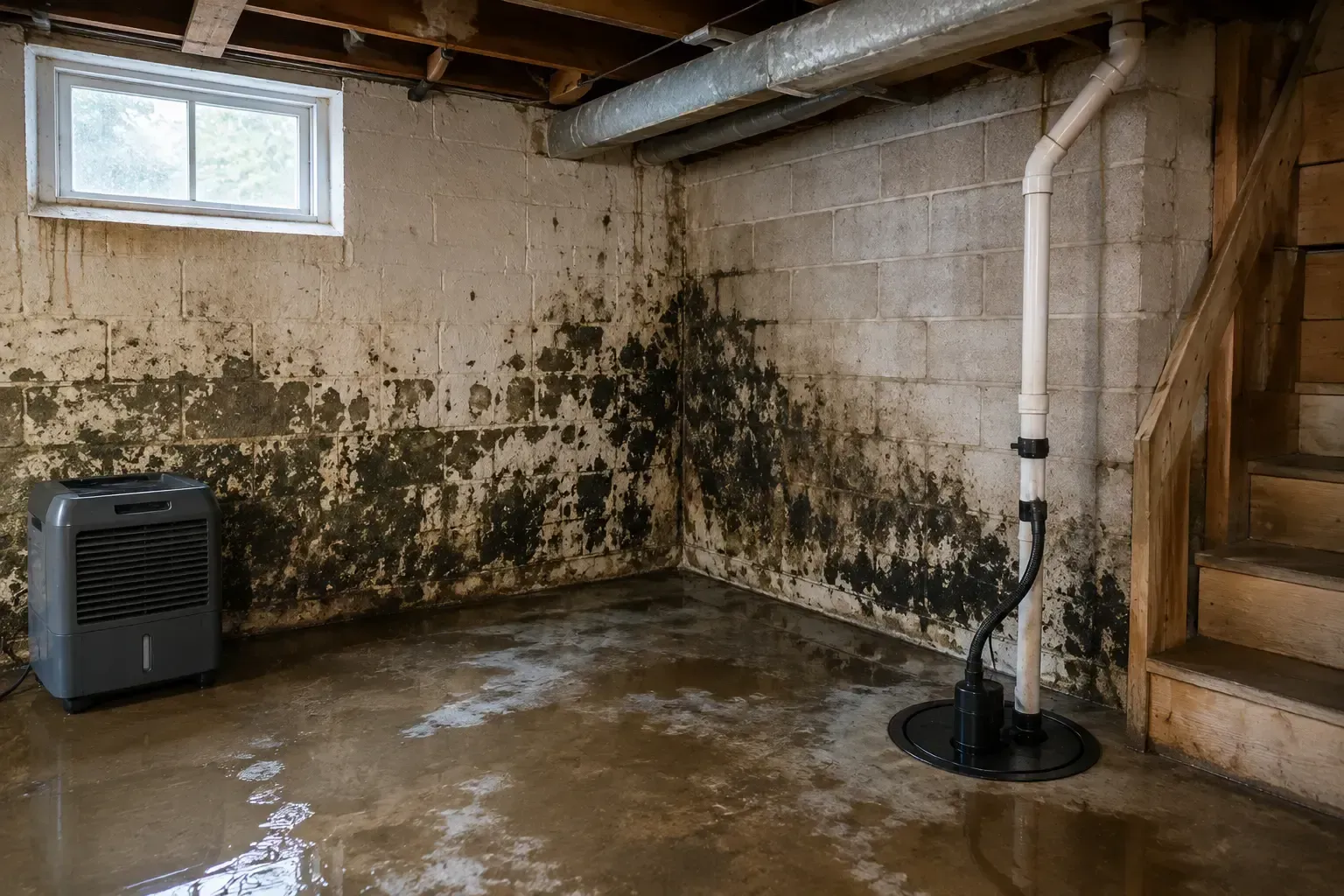
Water damage creates a perfect mold habitat. Porous materials soak up and hold water. Drywall, carpet, and wood become food sources. Add warmth and mold spreads fast.
The water you see is only part of it. Moisture wicks into hidden cavities. Those damp pockets feed mold for weeks. That is why thorough drying matters.
Dry It Completely
Surface drying is not enough. Moisture hides in drywall, subfloors, and insulation. Use dehumidifiers to pull moisture from the air. Watch humidity levels until they return to normal. The NPIC notes eliminating the moisture source is key to mold control.
The Professional Drying Process
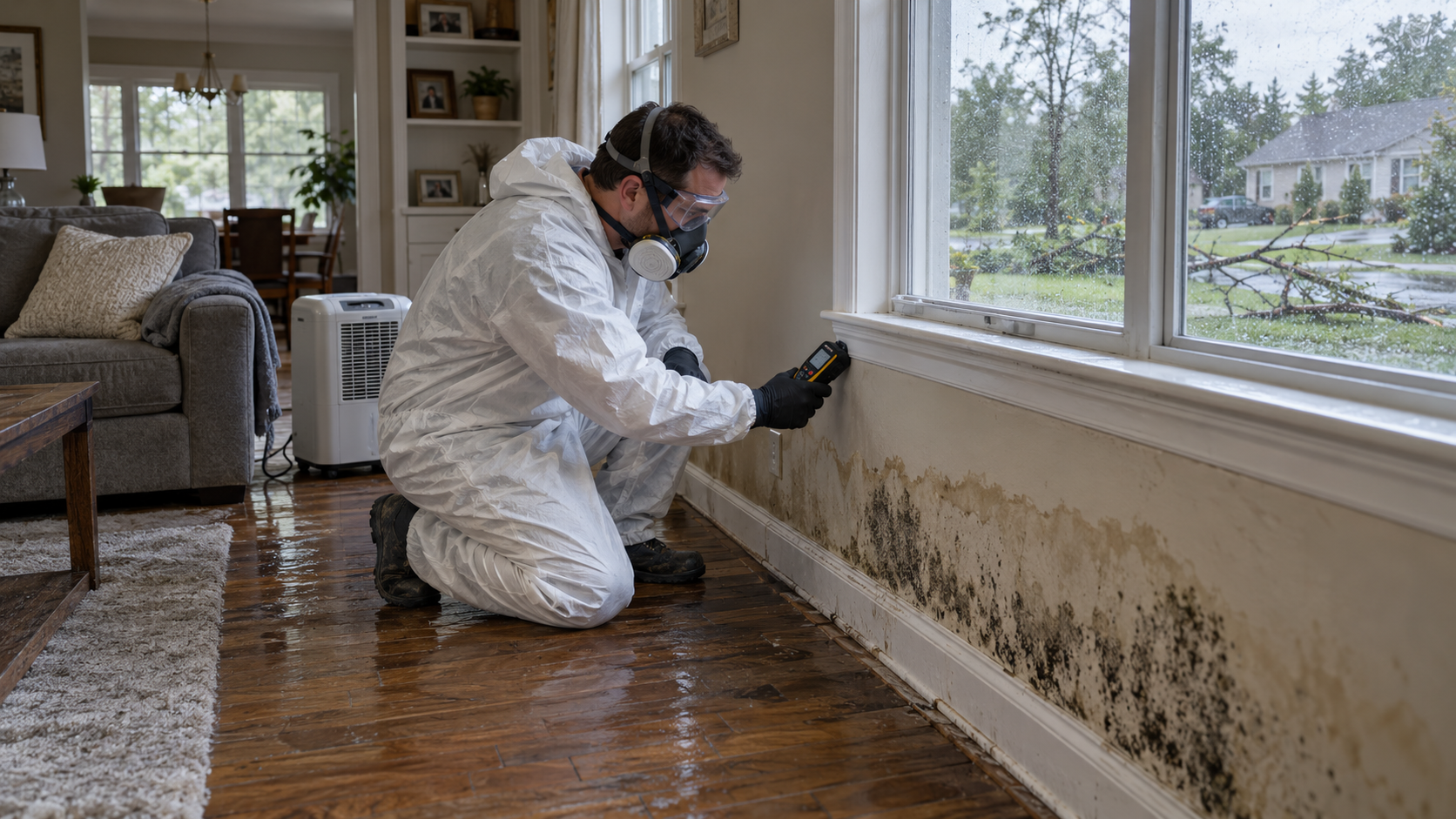
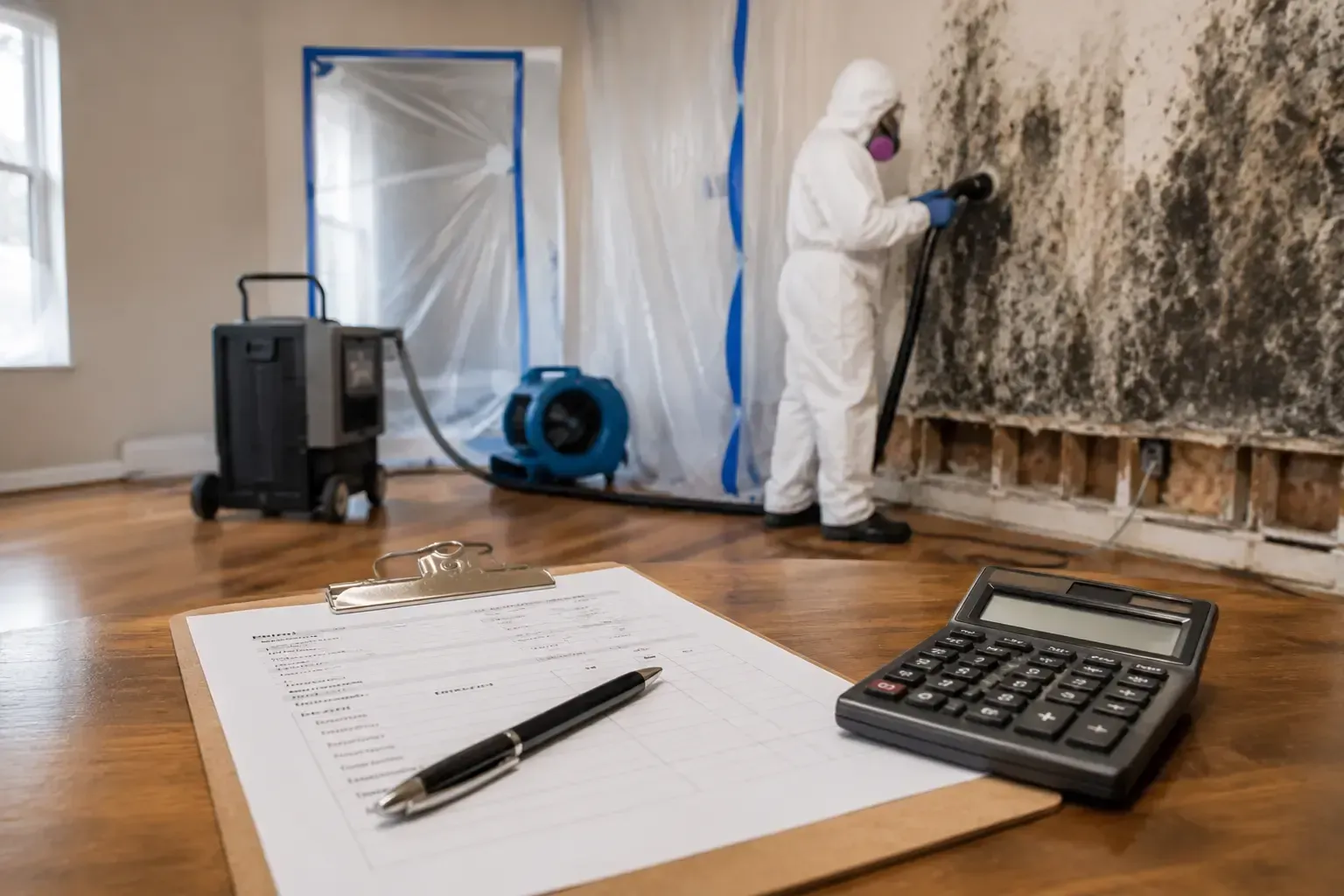
Pros do more than mop and wipe. They extract standing water first. Then air movers and dehumidifiers run for days. Moisture meters confirm the structure is dry.
This approach reaches hidden moisture. It dries wall cavities and subfloors. That prevents the mold most people miss. Verified drying is the real goal.
What Often Gets Missed
Hidden moisture causes most after-the-fact mold:
- Water wicking up inside wall cavities.
- Damp insulation behind baseboards.
- Subfloor moisture under tile or laminate.
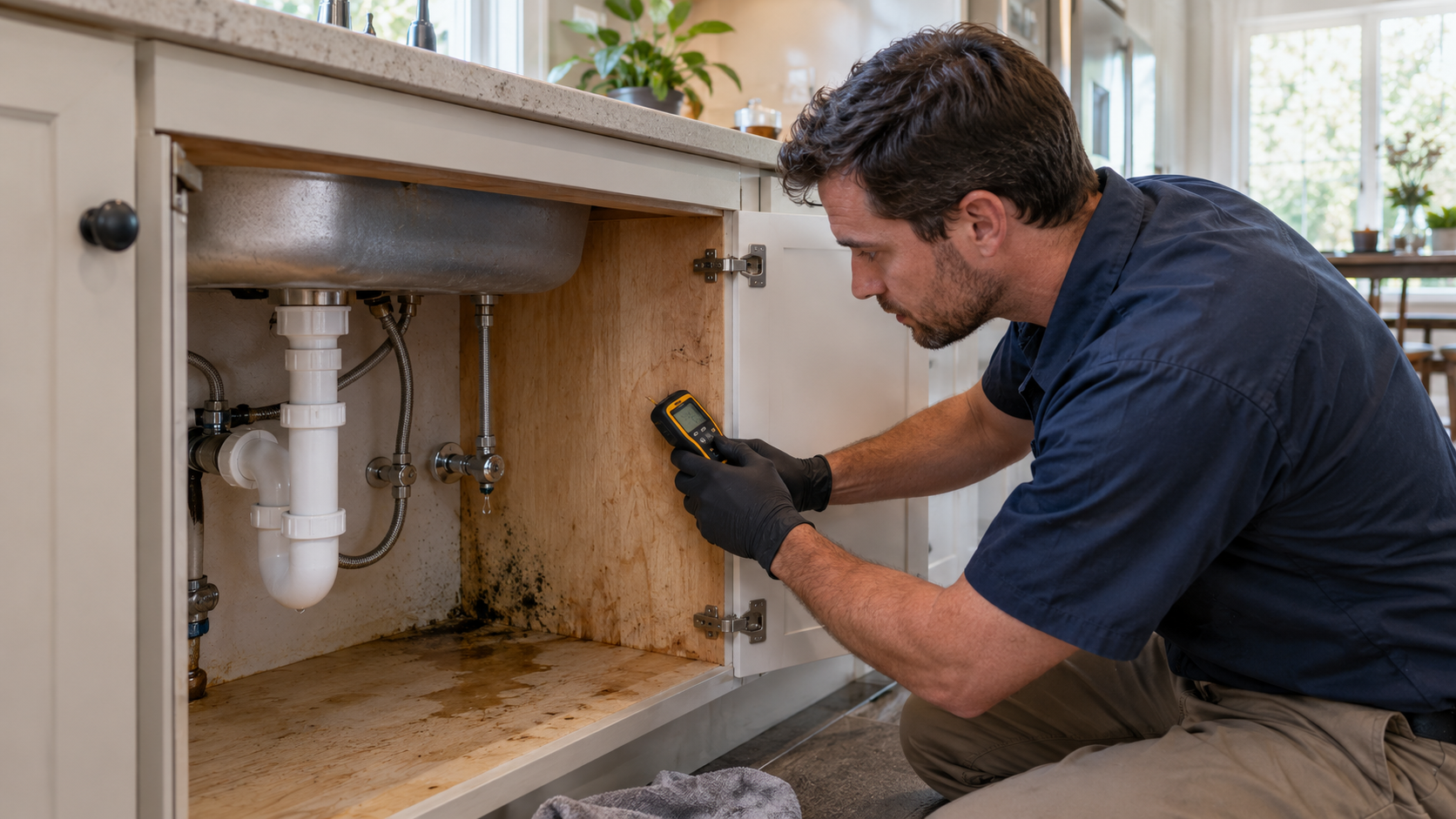
- Trapped water in cabinets and crawl spaces.
Document Everything for Insurance
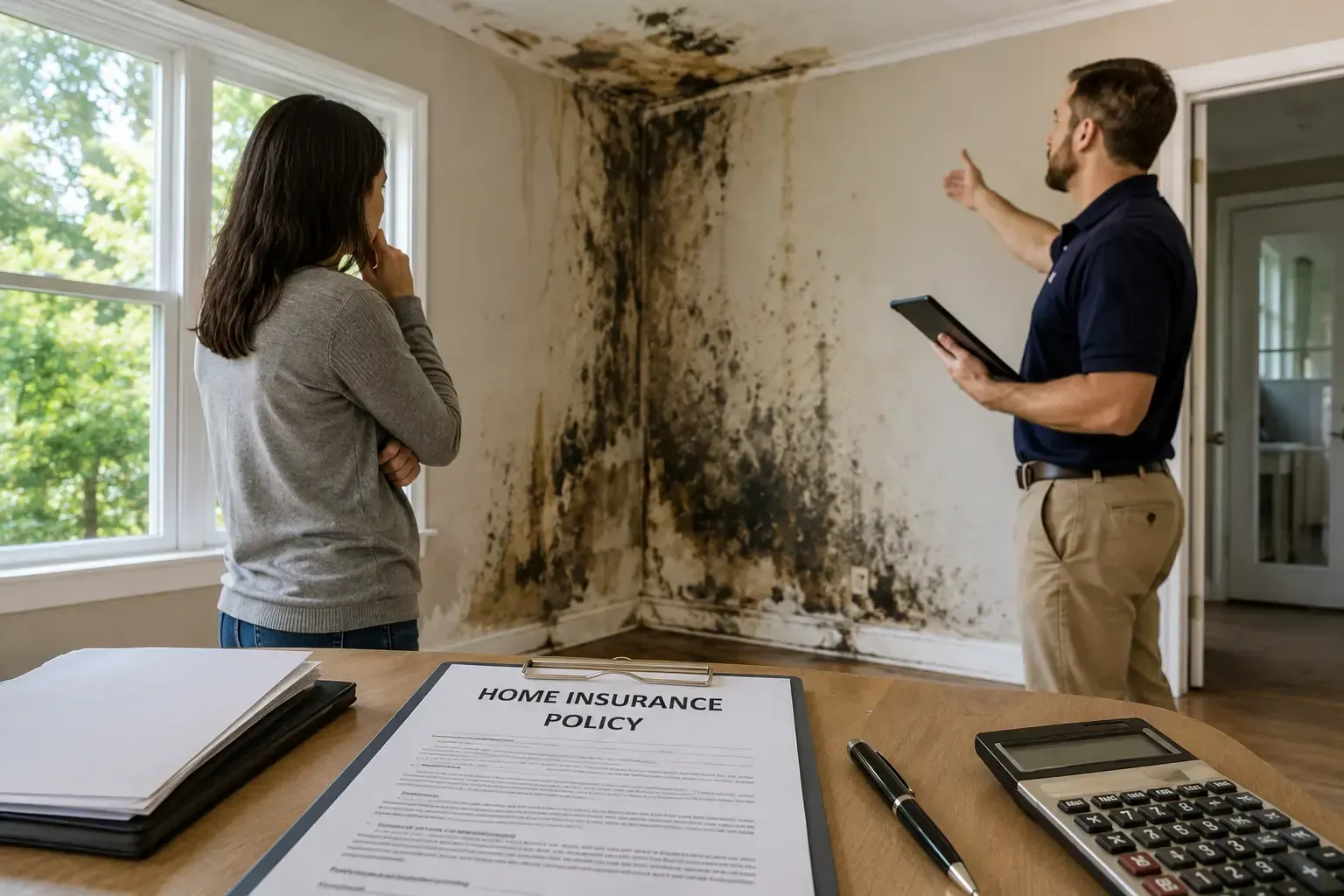
Before cleanup, record the damage. Photograph every wet area and item. Note the date and the water source. This protects a future insurance claim.
Most policies expect prompt action. Save receipts for any emergency work. Keep a simple list of damaged items. Good records make claims go smoother.
When to Call a Pro
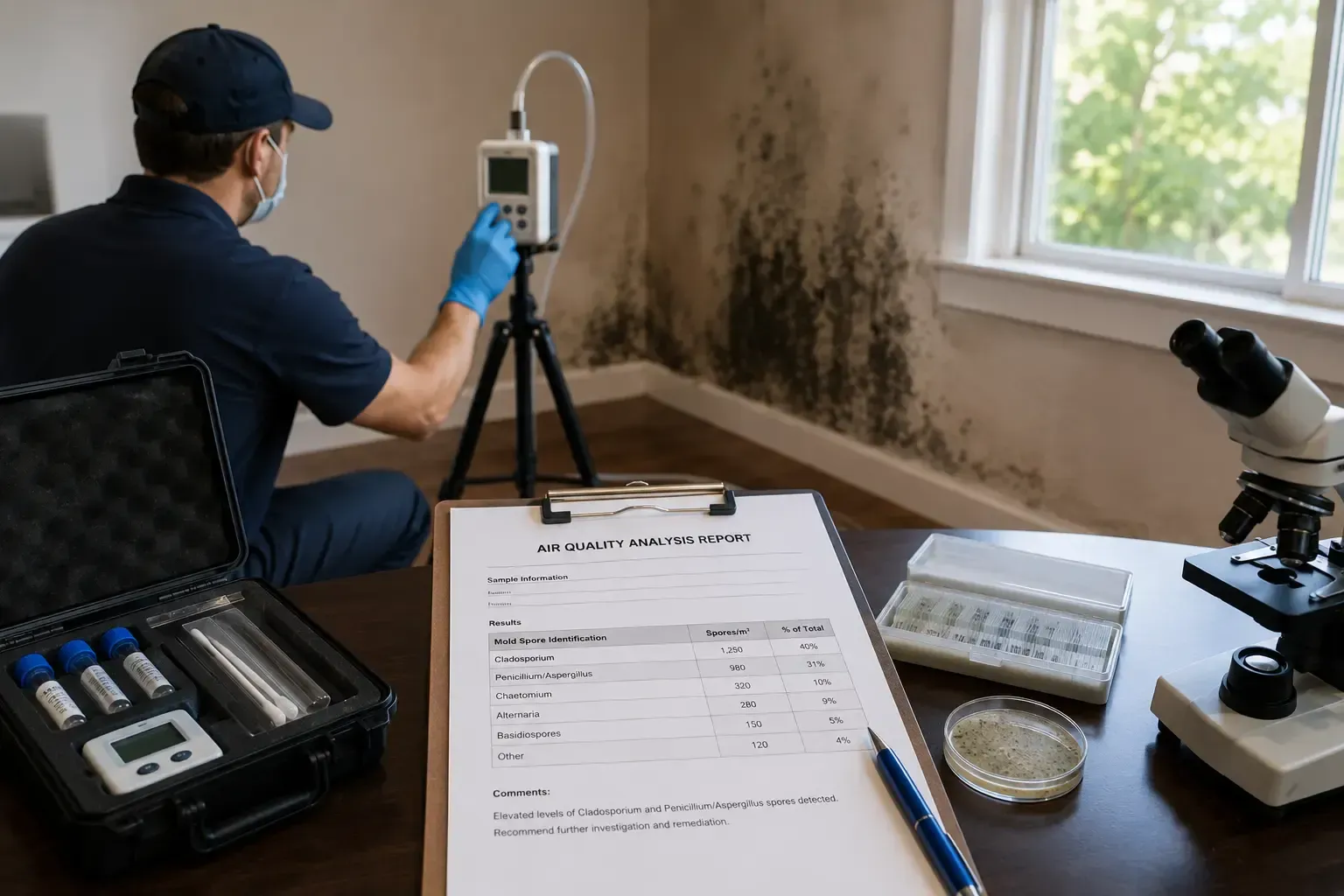
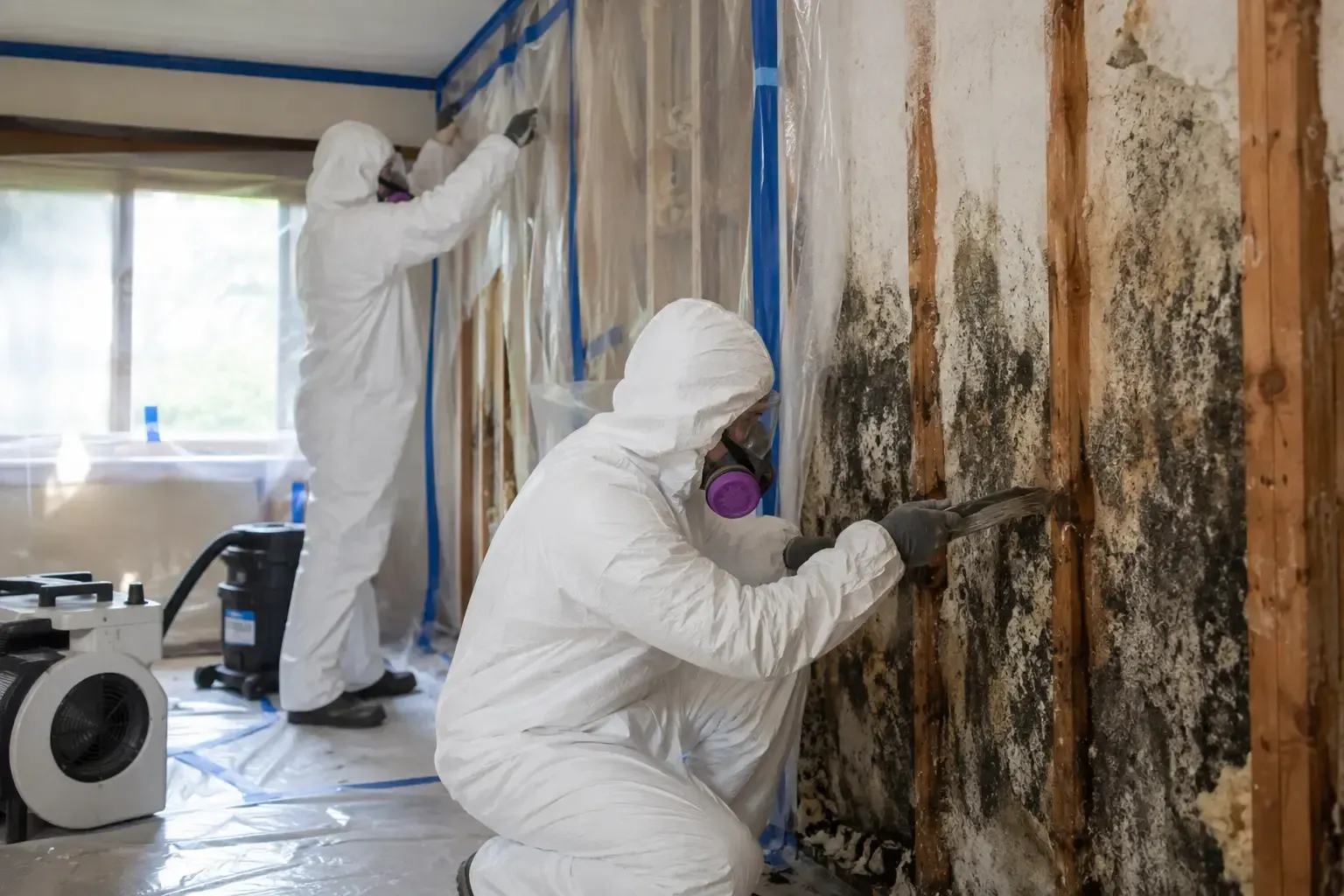
Some water damage is too much to dry alone. Category 2 or 3 water needs professional handling. If mold appears, do not just wipe it away. Professional mold removal in Columbus finds hidden growth and moisture. Our team dries and treats the whole area.
The First-Day Action Checklist
A clear plan helps in a stressful moment. Stop the water source if you safely can. Move belongings out of the wet area. Start removing standing water quickly.
Set up fans and a dehumidifier next. Lift wet rugs and open cabinet doors. Photograph everything before you discard it. These steps slow mold before it starts.
Why Mold Returns After DIY Drying
Many homeowners dry the surface and stop. The carpet feels dry, so they relax. But moisture still hides underneath. Days later, a musty smell appears.
That trapped water feeds new mold. Wall cavities and subfloors stay damp. Surface fans cannot reach them. Verified, deep drying prevents regrowth.
How Columbus Storms Cause Hidden Damage
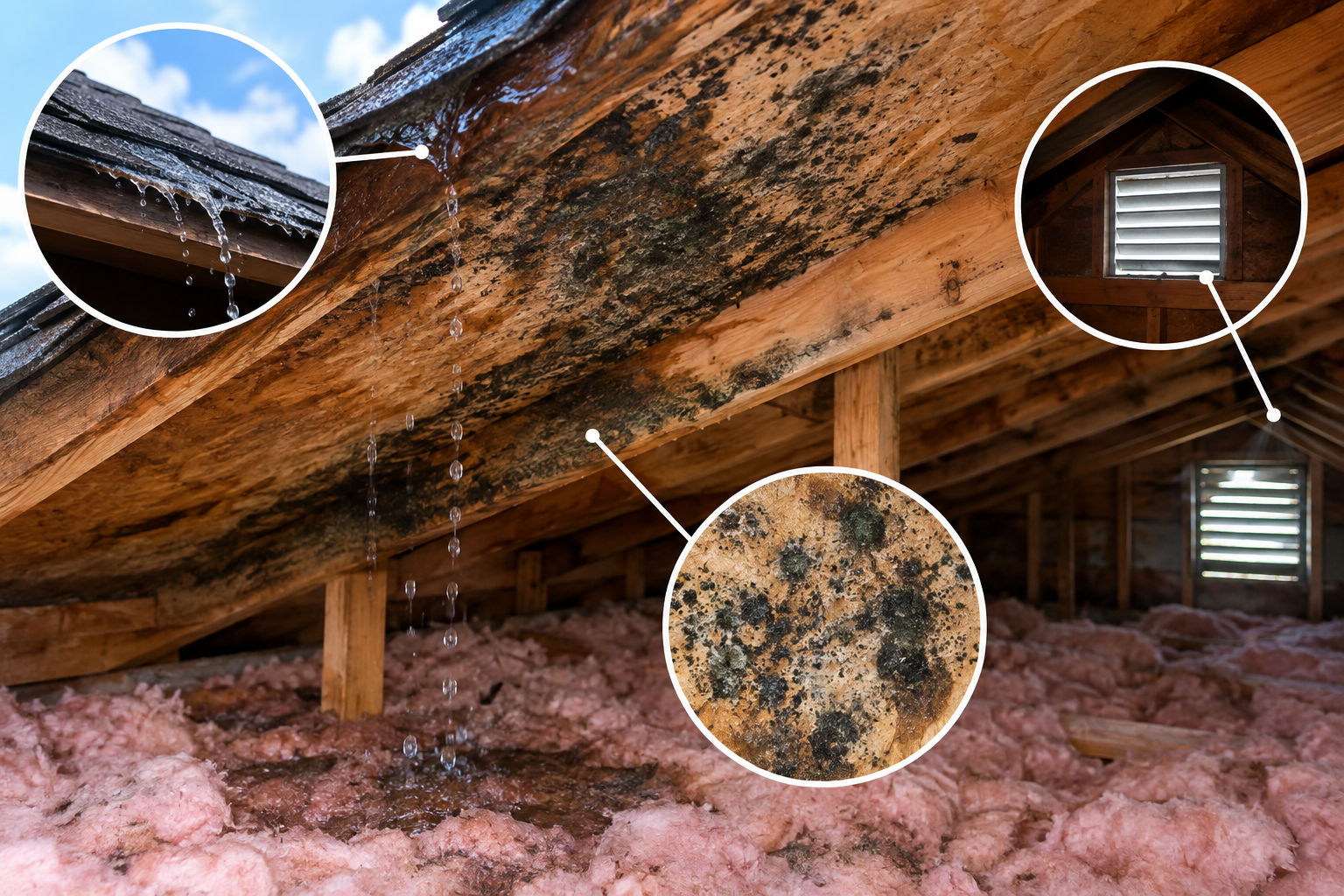
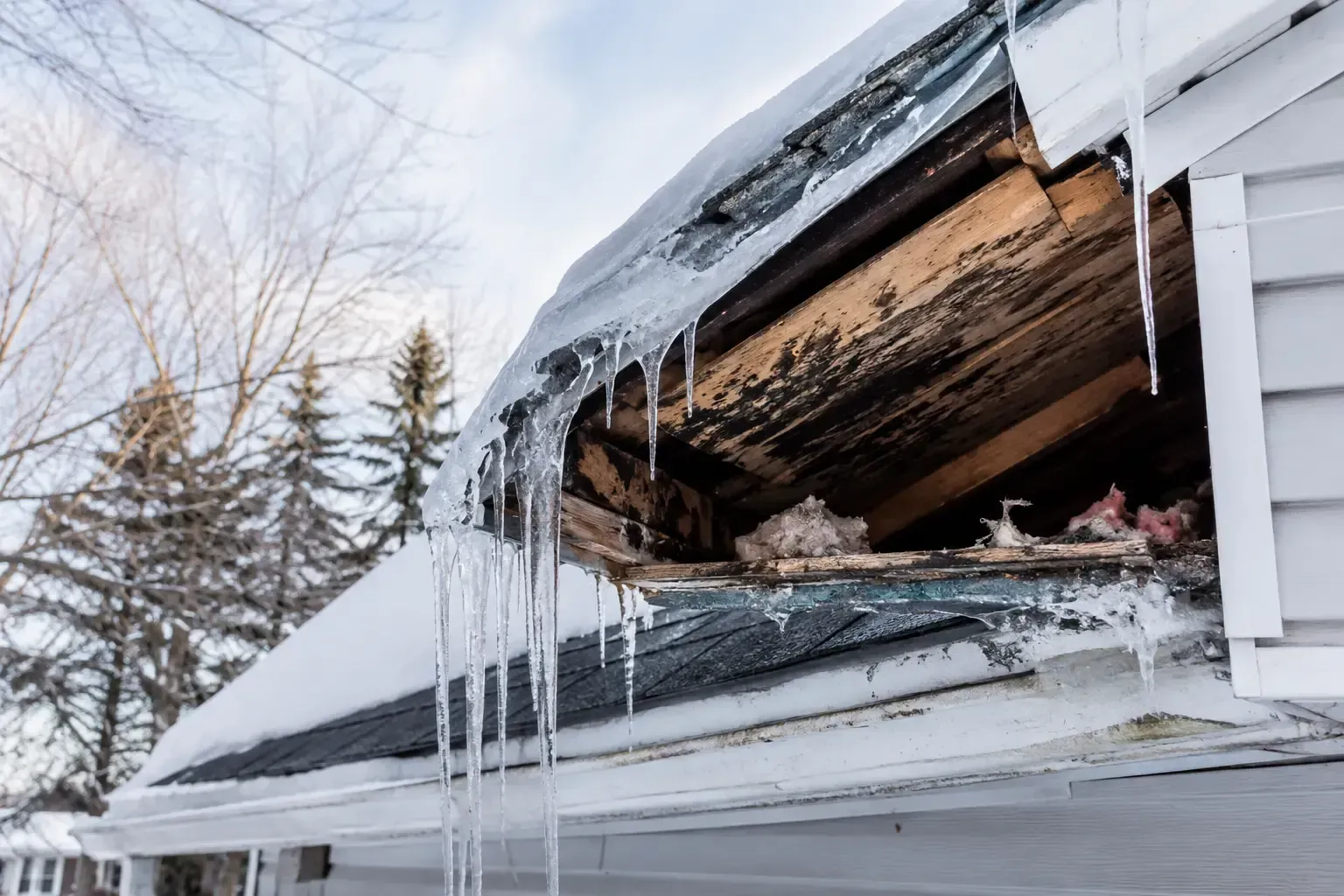
Columbus sees heavy rain and storms. Water can enter through roofs and basements. Storm water often spreads out of sight. It soaks into walls and subfloors.
That hidden water is the real threat. It feeds mold long after the storm. A quick inspection finds it early. Drying it fully stops the mold. A professional moisture check catches what you cannot see. Acting fast keeps the damage small.
Where Mold Hides After a Columbus Flood
Some spots hold water longer than others. Wall cavities stay damp for weeks. Subfloors under tile hide moisture unseen. Insulation behind baseboards traps water too.
These are the spots mold loves. They are also the ones DIY drying misses. A pro checks them with moisture meters. That is how hidden mold gets caught.
How Long Professional Drying Takes
Most homes dry in three to five days. Dense materials can take longer. Severe saturation extends the timeline. Moisture readings confirm the finish.
Pulling equipment early invites mold. So crews dry to a measured target. Patience here prevents a second problem. A documented dry protects your home.
Frequently Asked Questions
How likely is mold after water damage?
Very likely if the area stays wet. Mold can start within 24 to 48 hours. Fast, complete drying prevents most of it.
How soon should water-damaged areas be dried?
Within 24 to 48 hours whenever possible. After that, mold risk climbs sharply. The sooner you dry, the better.
How long does it take mold to grow after water damage?
Often just one to two days in damp conditions. Warmth speeds it up. That is why fast drying matters.
Does homeowners insurance cover mold after water damage?
It often depends on the water source. Sudden, accidental damage is usually covered. Gradual leaks and neglect typically are not.
Can I prevent mold without a professional?
Small, clean-water spills can be a DIY job. Large or contaminated water needs a pro. Hidden moisture is easy to miss.
Beat Mold to the Punch
After water damage, the clock starts ticking on mold. Our Mold Warrior team helps Columbus homeowners dry out and stay mold-free. If mold appears, our mold removal team can step in fast. You can contact Mold Warrior for help.