Bathroom Mold in Denver Homes: Prevention and Removal
Your bathroom is the dampest room in the house. Even in dry Denver, steam and splashes feed mold there. Poor ventilation lets that moisture linger on surfaces. Mold then takes hold in grout, caulk, and corners. Here is how to prevent bathroom mold and remove it.
Key Takeaways
- Bathrooms are mold-prone because of constant moisture and steam.
- Good ventilation is the single best prevention step.
- Recurring or hidden mold may need professional removal.
- Small daily habits prevent most bathroom mold.
Why Bathrooms Grow Mold
Showers and baths fill the air with moisture. Without airflow, that moisture settles on surfaces. Grout, caulk, and ceilings stay damp. The EPA notes ventilation and moisture control prevent mold. Warm, damp bathrooms are ideal for it.
How Fast Bathroom Mold Grows
Mold can start within one to two days. A damp towel or wet corner is enough. Warmth speeds the process even more. That is why daily drying matters so much.
Steam from one hot shower lingers for hours. Without a fan, it settles into grout. Repeat that daily and mold follows. Small habits break that cycle.
How to Prevent Bathroom Mold
A few habits keep mold away:
- Run the exhaust fan during and after showers.
- Squeegee walls and wipe down wet surfaces.
- Fix dripping faucets and running toilets fast.
- Wash bath mats and towels regularly.
- Keep humidity low with a fan or cracked window.
Where Mold Hides in the Bathroom
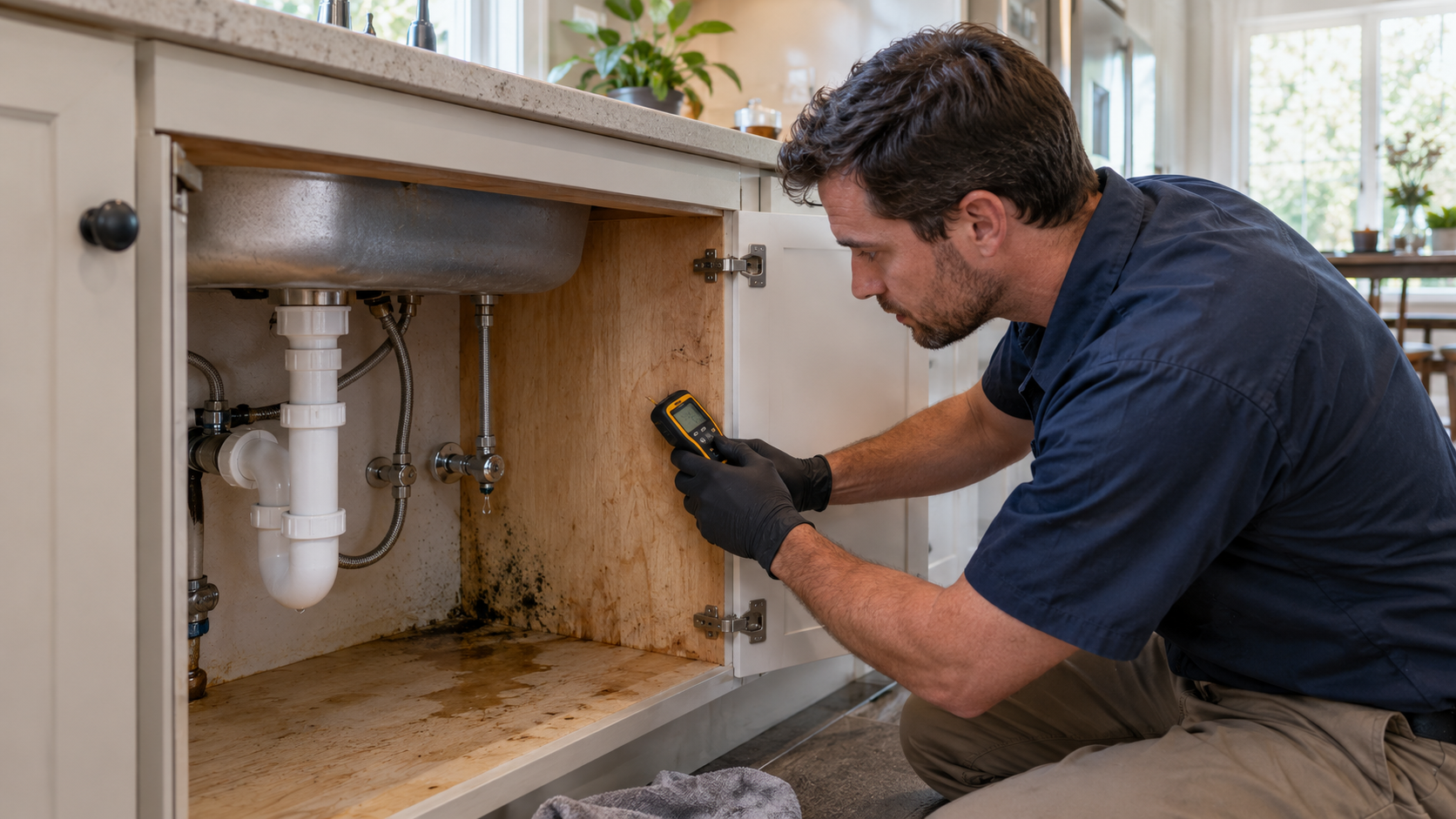
Some spots are easy to miss. Mold grows behind the toilet and under sinks. It hides in grout lines and caulk seams. It can spread above the ceiling near the exhaust. The CDC links damp indoor spaces to health symptoms.
Is It Black Mold or Common Mildew?
Not all bathroom mold is the same. Surface mildew is often gray or pink. It wipes away with cleaner and effort. Darker, spreading growth is more concerning.
Black mold can release irritating spores. It often signals a deeper moisture problem. If growth keeps returning, have it checked. A pro can identify and treat it.
How to Clean Bathroom Mold Safely
For small spots, ventilate the room first. Wear gloves and avoid mixing cleaners. Scrub the area and dry it fully. Then fix whatever kept it damp.
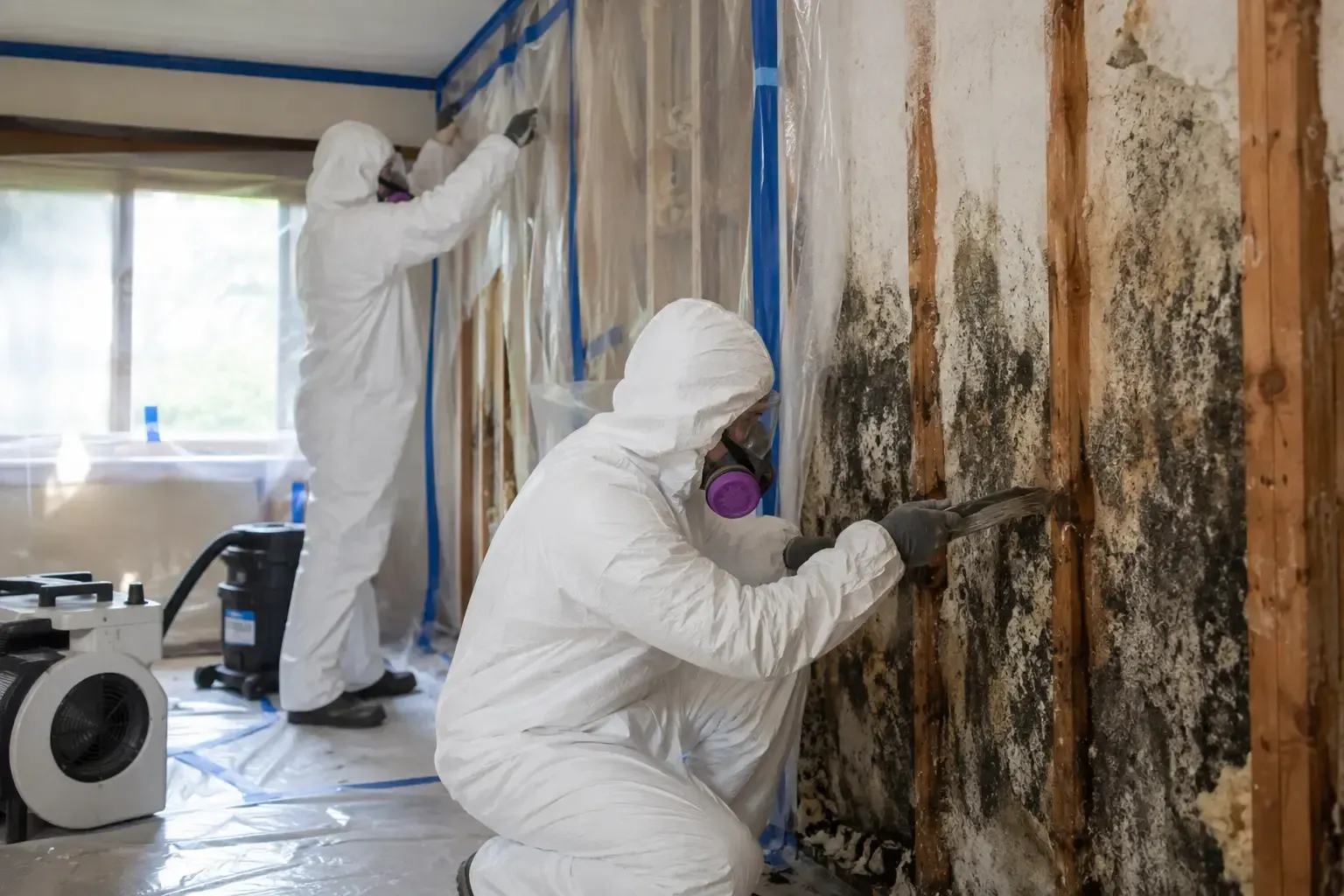
Never mix bleach with ammonia products. The fumes can be dangerous. When in doubt, call a professional. Larger growth needs proper containment.
What Causes Recurring Bathroom Mold
Mold that keeps returning has a hidden cause. Usually the moisture source was never fixed. A weak fan or a slow leak is common. The mold simply regrows in the same spot.
Look beyond the visible growth. Check the fan, the caulk, and the pipes. Solve the moisture and the mold stops. Cleaning alone is only temporary.
Mold-Resistant Materials for Bathrooms
Some materials resist mold better than others. Mold-resistant paint helps on ceilings and walls. Quality caulk and sealant block moisture at seams. Proper tile and grout shed water well.
These upgrades pay off in damp rooms. They make cleaning easier too. Pair them with good airflow. Together they keep mold from settling.
A Quick Daily Bathroom Routine
Small daily steps prevent most mold. Run the fan during and after each shower. Wipe down the wettest surfaces afterward. Leave the door open to dry the room.
Hang towels so they dry fully. Fix drips the moment you notice them. These habits take only seconds. They save you from bigger problems.
When to Call a Professional
Surface mold can often be cleaned at home. Recurring mold signals a deeper moisture problem. Mold behind walls or under floors needs a pro. Professional mold removal in Denver finds and treats hidden growth. Our team also helps fix the moisture source.
Set Up Your Exhaust Fan the Right Way
A fan only helps if you use it well. Run it during every shower. Leave it on for twenty minutes after. That clears the steam that feeds mold.
Make sure the fan vents outside. A fan venting into the attic moves the problem. Check that the outside flap opens fully. A timer switch makes the habit automatic.
Grout and Caulk: Mold's Favorite Hiding Spots
Grout lines and caulk seams stay damp. Their tiny pores trap moisture and spores. That makes them prime mold real estate. They are also easy to overlook.
Seal grout once or twice a year. Replace cracked or peeling caulk promptly. Keep these seams clean and dry. Good seals keep mold from taking root.
Frequently Asked Questions
Does opening windows reduce bathroom mold?
Yes, ventilation lowers the moisture mold needs. A window or exhaust fan both help. Airflow after showers makes a big difference.
What kills mold permanently in the bathroom?
No cleaner is truly permanent without moisture control. Remove the mold, then keep the area dry. Ventilation prevents it from returning.
Why does mold keep coming back in my bathroom?
It returns when moisture is not controlled. Poor ventilation is the usual cause. Fixing airflow and leaks stops the cycle.
How do I stop mold on my bathroom ceiling?
Improve airflow and run the fan longer. Wipe condensation off the ceiling. Persistent ceiling mold may need professional help.
Is bathroom mold dangerous?
It can irritate allergies and airways. Sensitive people react more strongly. Removing it improves indoor air.
Keep Your Bathroom Mold-Free
A little prevention keeps bathroom mold from spreading. Our Mold Warrior team helps Denver homeowners stop and remove it. When mold keeps returning, our mold removal team can help. You can contact Mold Warrior for an inspection.