Mold and Your Health: Symptoms Michiana Homeowners Should Know
Mold does not just damage your home; it can affect your health. Many Michiana homeowners feel the symptoms before spotting the mold. Damp basements and humid summers make mold common here. Knowing the warning signs helps you act early. Here is how mold exposure can affect your body.
Key Takeaways
- The most common mold symptoms are allergy-like: sneezing, congestion, and itchy eyes.
- People with asthma or weak immune systems react more strongly.
- Lingering symptoms that improve when you leave home point to mold.
Common Symptoms of Mold Exposure
Most reactions look like allergies. The CDC links mold exposure to these symptoms:
- Sneezing and a runny or stuffy nose.
- Coughing and postnasal drip.
- Itchy, red, or watery eyes.
- Skin rash or irritation.
Less Obvious Symptoms to Watch
Mold does more than trigger sneezing. Some people feel tired or foggy. Headaches and sinus pressure are common. Throat irritation can also appear.
These signs are easy to blame elsewhere. But a damp home is a clue. If symptoms ease away from home, note it. That pattern often points to mold.
Who Is Most at Risk
Some people react more strongly than others. Those with mold allergies feel symptoms quickly. People with asthma may have flare-ups. The EPA notes mold can trigger asthma attacks in sensitive people. Infants, elderly residents, and immune-compromised people face higher risk.
How Michiana's Climate Raises the Risk
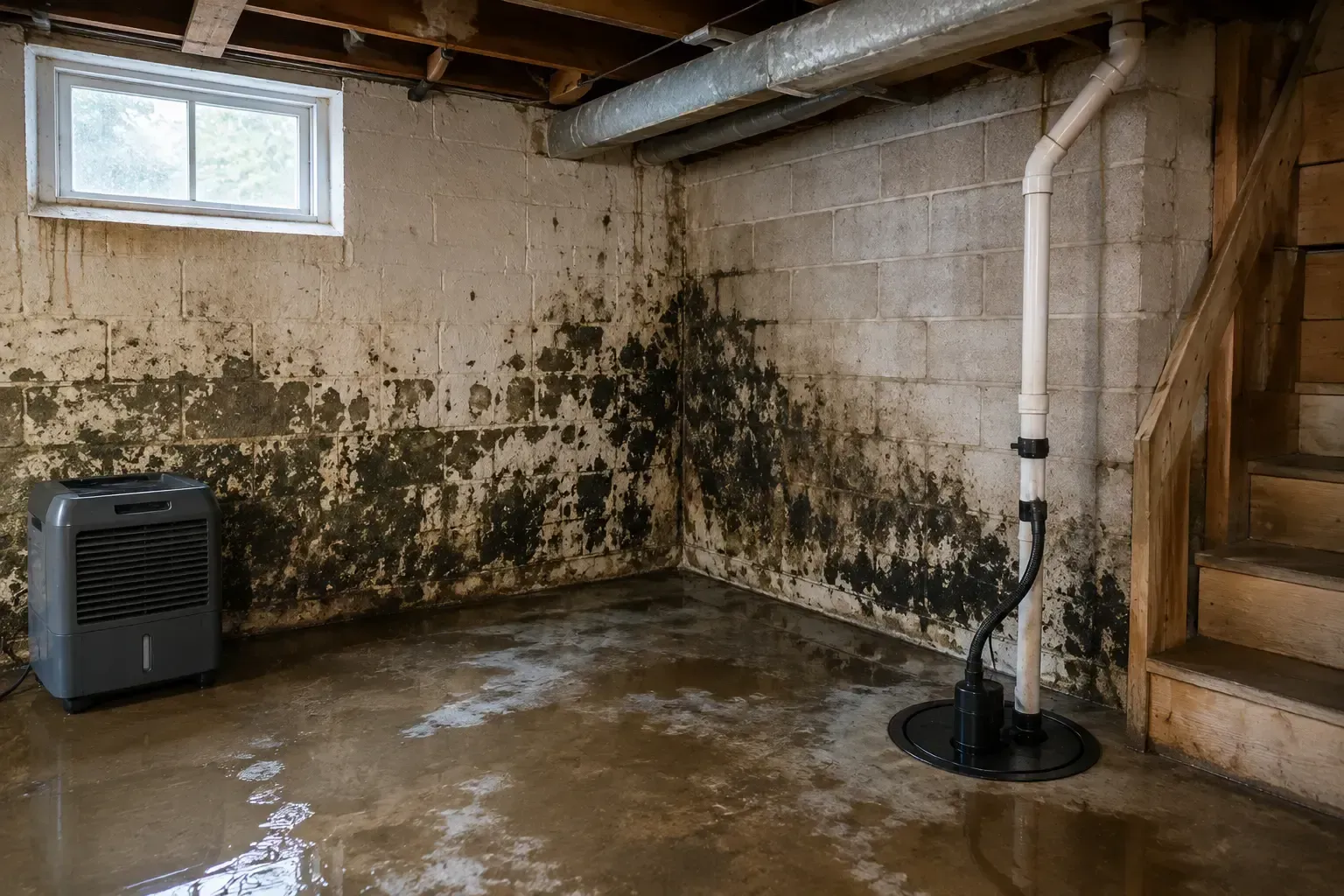
Northern Indiana and Michigan stay humid. Lake-effect moisture lingers for months. Damp basements are common in the region. All of it creates mold-friendly conditions.
Older homes add to the risk. Many have basements and limited airflow. Summer humidity makes it worse. That is why local mold problems are frequent.
How to Tell Mold Is the Cause
Mold symptoms often follow a pattern. They may worsen indoors and ease when you leave. A musty smell often accompanies them. Symptoms may spike after time in a damp basement. If this sounds familiar, mold may be present.
Steps to Reduce Mold Exposure at Home
You can lower your exposure with simple steps. Keep indoor humidity in a healthy range. Run dehumidifiers in damp basements. Fix leaks and ventilate bathrooms well.
Clean visible mold promptly and safely. Replace materials that stay damp. Watch for musty smells as an early sign. Acting early protects your family's health.
What to Do About It
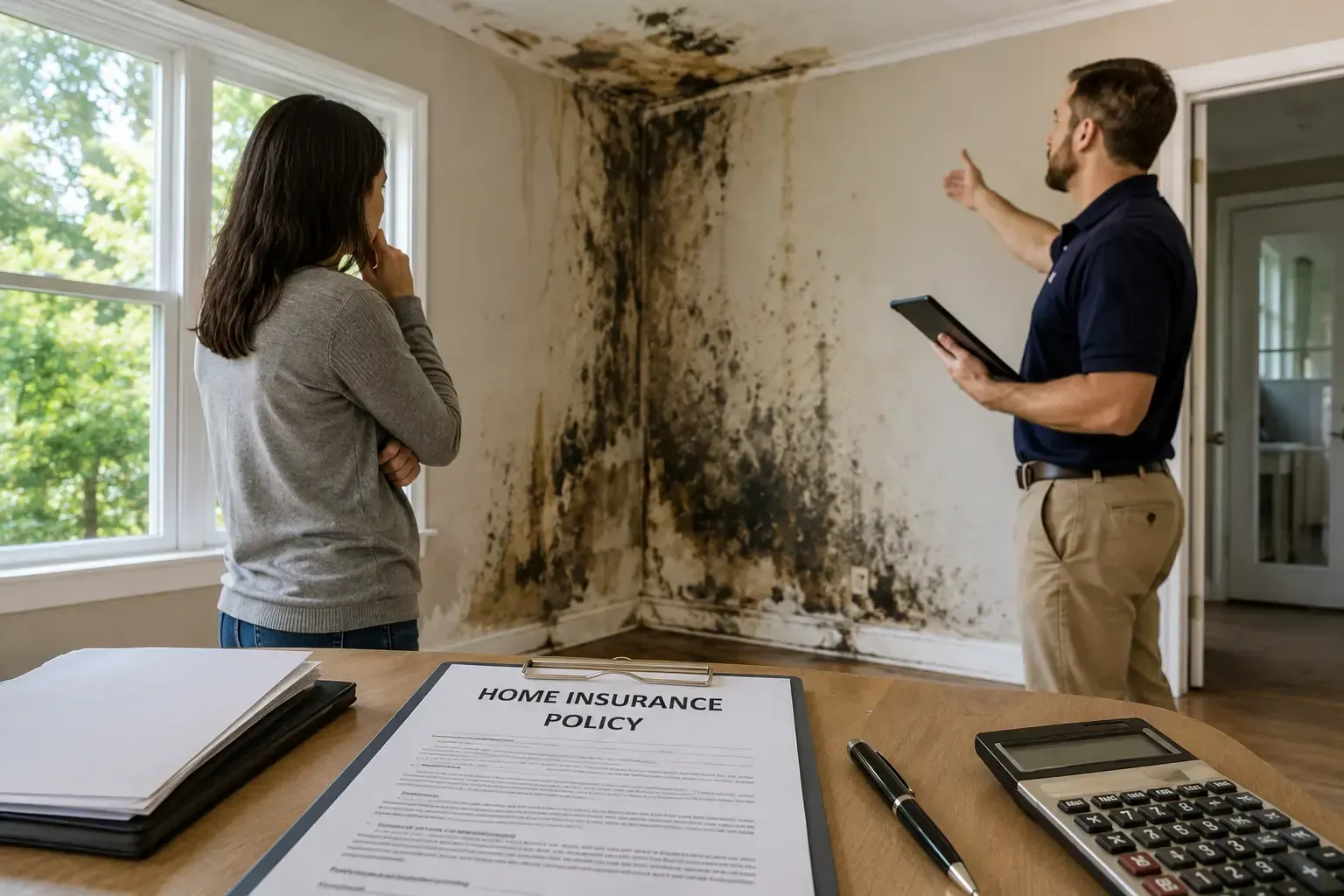
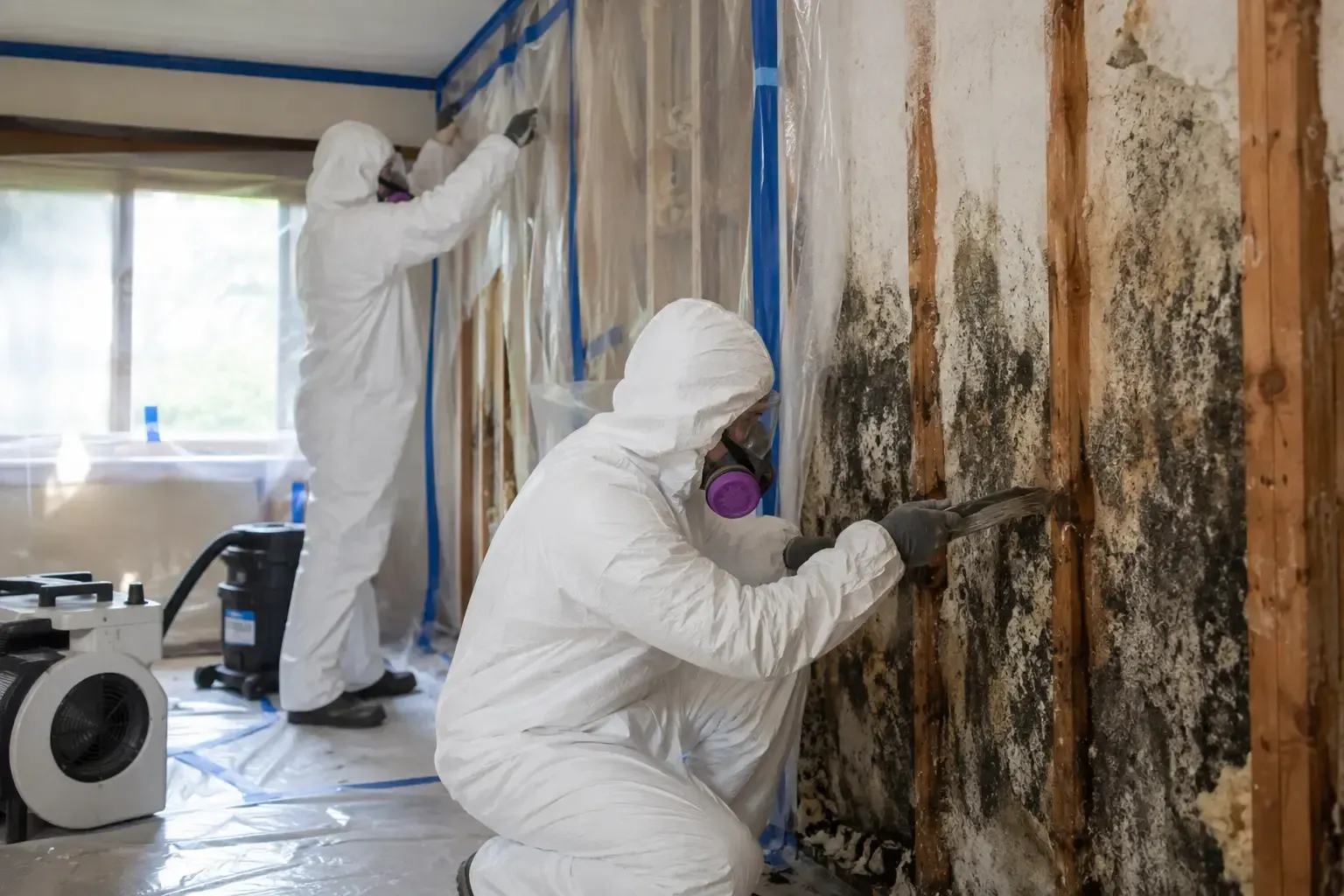
Do not ignore persistent symptoms. Look for visible mold and musty odors at home. Fix the moisture source that feeds the mold. Professional mold removal in Michiana addresses hidden growth. Our mold removal team can find and remove it.
When to See a Doctor
Most mold symptoms are mild and fade. But some cases deserve medical care. See a doctor if breathing gets hard. Persistent coughing or wheezing is a warning.
People with asthma should be careful. So should those with weak immune systems. A doctor can treat the symptoms. Removing the mold addresses the cause.
Testing and Locating Hidden Mold
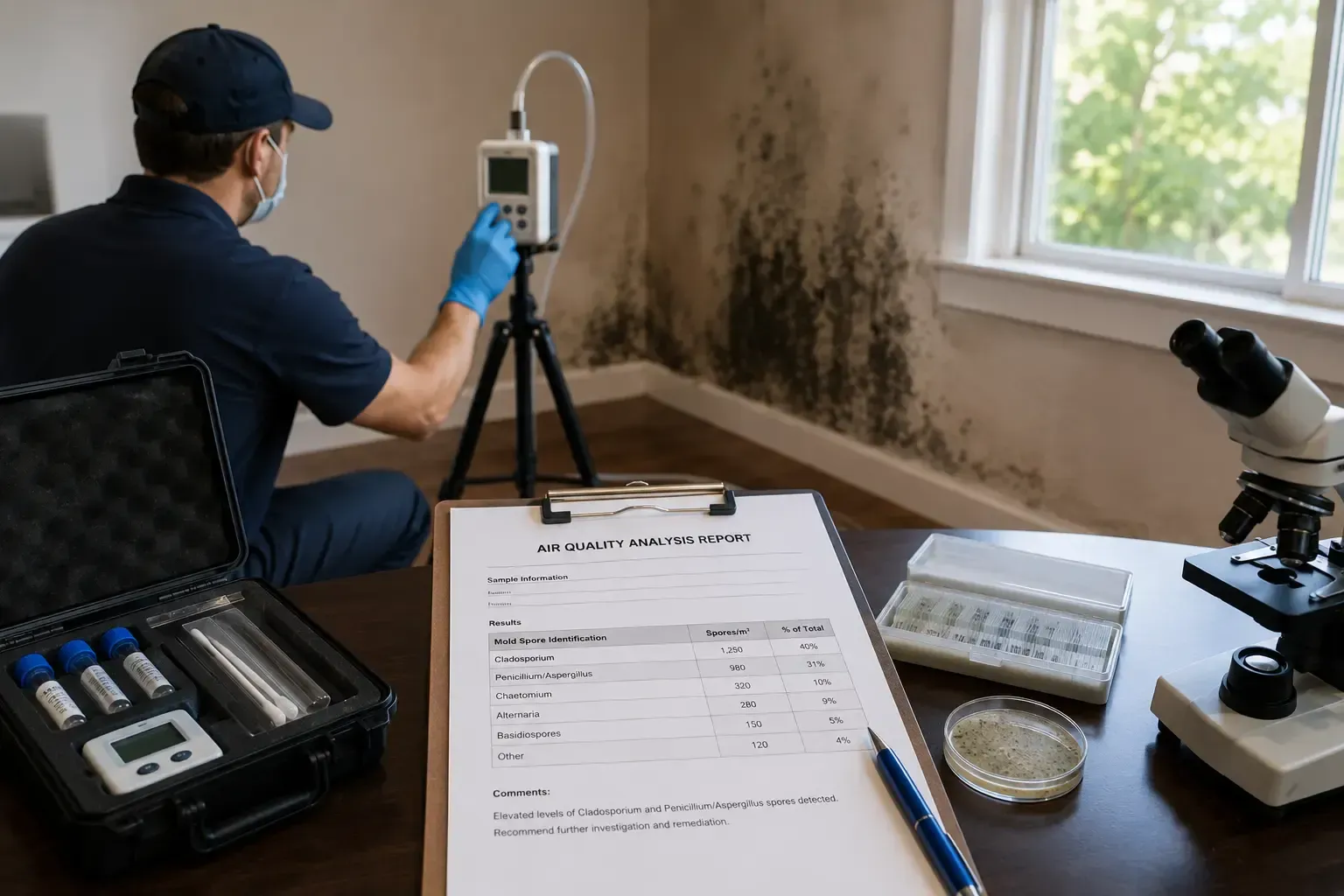
Sometimes you smell mold but cannot find it. A professional inspection helps locate it. Pros check damp spots and hidden cavities. They trace the moisture feeding the growth.
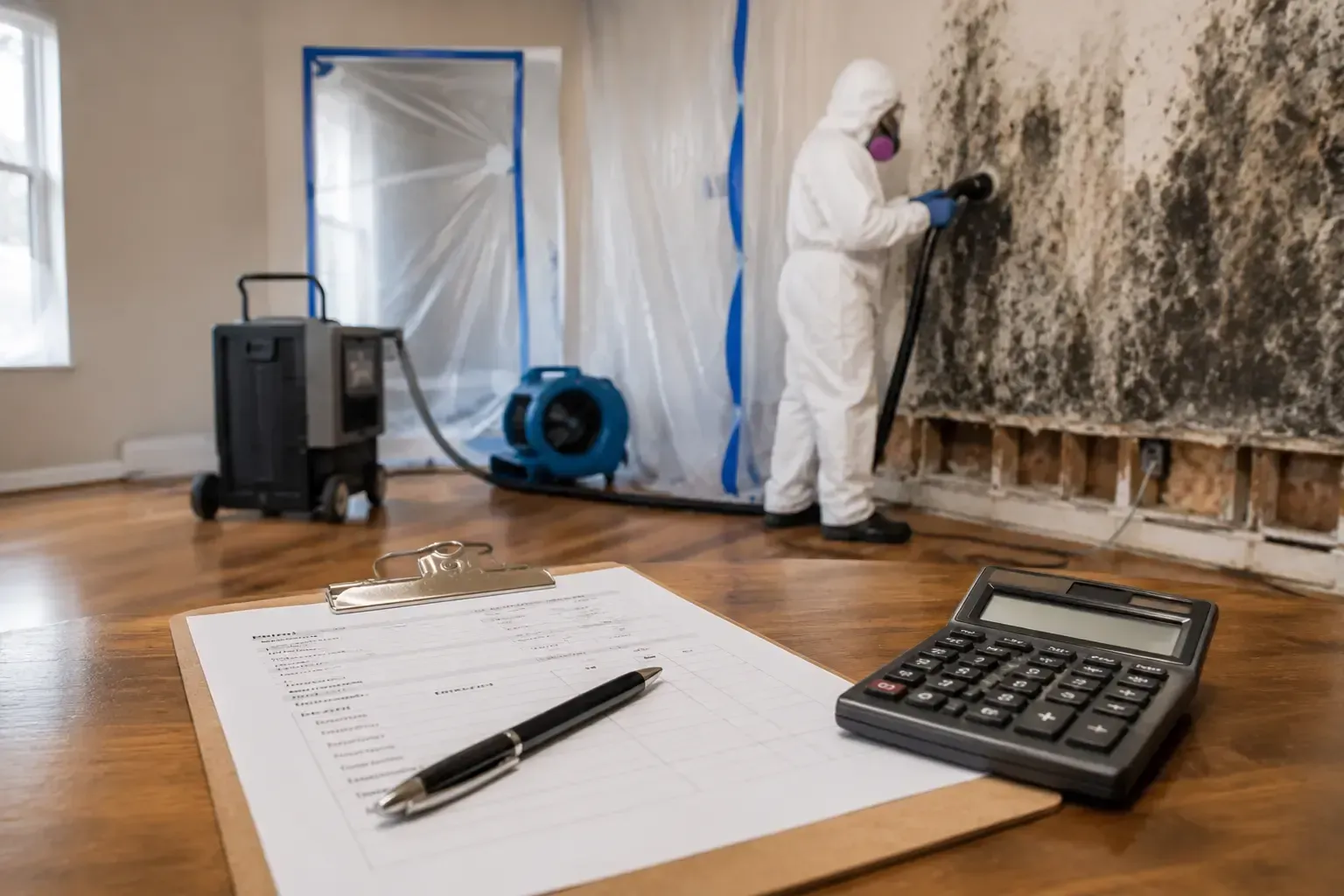
Removal then follows a careful process. The area is contained and cleaned. Damaged materials may be replaced. Fixing the moisture keeps mold from returning.
Simple Ways to Spot Mold at Home
You cannot always see mold indoors. But some signs hint at a problem. A musty smell is the clearest one. Allergy symptoms that ease outdoors are another.
Humidity meters help you track moisture. Keep basement humidity in check. If signs persist, get a professional check. They can confirm and locate the mold.
Can Mold Affect Sleep and Focus?
Mold exposure can do more than congest you. Some people report poor sleep at home. Headaches and brain fog are common complaints. These often ease away from the house.
The link is constant low-level exposure. Your body reacts night after night. Cleaner air can restore normal rest. Removing the mold is the lasting fix.
Protecting Children and Pets
Children and pets stay closer to the floor. That is where spores often settle. They also breathe faster than adults. So they absorb more from the same air.
Watch kids for new coughs or rashes. Notice if a pet scratches or wheezes more. Keep play areas dry and well aired. Their symptoms can be an early warning.
Frequently Asked Questions
How do you tell if you have mold poisoning?
Watch for allergy-like symptoms that linger at home. They often ease when you are away. A doctor can help rule out other causes.
Can mold cause long-term health problems?
Prolonged exposure can worsen asthma and allergies. Sensitive people may have ongoing symptoms. Removing the mold is the key step.
What are the warning signs of mold in a home?
A musty smell is often the first clue. Visible spots and past water damage are others. Lingering allergy symptoms can also signal it.
How long do mold symptoms last?
They often ease once exposure ends. Removing the mold usually helps within days. Persistent symptoms deserve a doctor's visit.
Can you recover from mold exposure?
Most people improve once the mold is removed. Symptoms often fade after exposure ends. See a doctor if symptoms persist.
Protect Your Home and Health
Mold symptoms are your body's early warning. Our Mold Warrior team helps Michiana homeowners find and remove mold. When symptoms or musty smells appear, our mold removal team can help. You can contact Mold Warrior for an inspection.