Mold vs. Mildew: What's the Difference?
Spot a fuzzy patch on the wall and you might wonder which it is. Mold and mildew are both fungi, but they are not the same. The difference affects both the risk and the cleanup. Michiana's damp climate grows plenty of both. Here is how to tell mold and mildew apart.
Key Takeaways
- Mildew is a surface fungus; mold grows deeper into materials.
- Mildew is usually powdery and light; mold is fuzzy or slimy and darker.
- Mold poses greater health and structural risks than mildew.
What Is Mildew?
Mildew is a surface-level fungus. It looks white, gray, or yellow and feels powdery. It grows on damp surfaces like tile and fabric. The EPA notes mildew is a common term for certain molds. It usually wipes away more easily than mold.
What Is Mold?
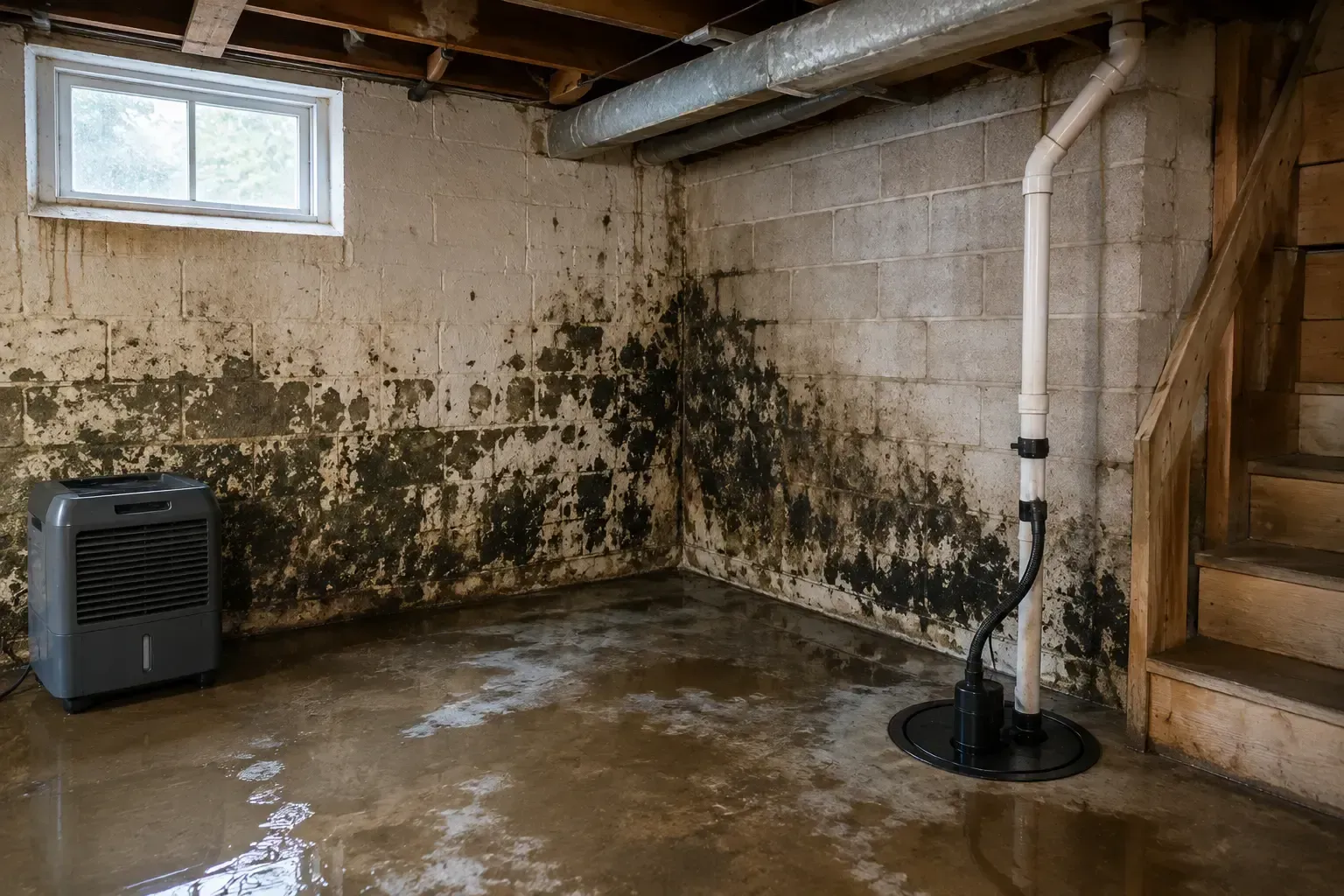
Mold goes deeper than mildew. It looks fuzzy or slimy and often darker. It can be green, black, blue, or red. Mold penetrates materials like drywall and wood. The University of Rhode Island describes mold as a deeper fungus.
How to Tell Them Apart
A few clues help you tell the difference:
- Texture: mildew is powdery, mold is fuzzy or slimy.
- Depth: mildew stays on the surface, mold burrows in.
- Color: mildew is light, mold is often dark.
- Smell: mold tends to have a stronger musty odor.
Where Each One Tends to Grow
Mildew and mold favor different spots. Mildew likes flat, damp surfaces. You find it on tile, fabric, and shower walls. It stays on top where you can see it.
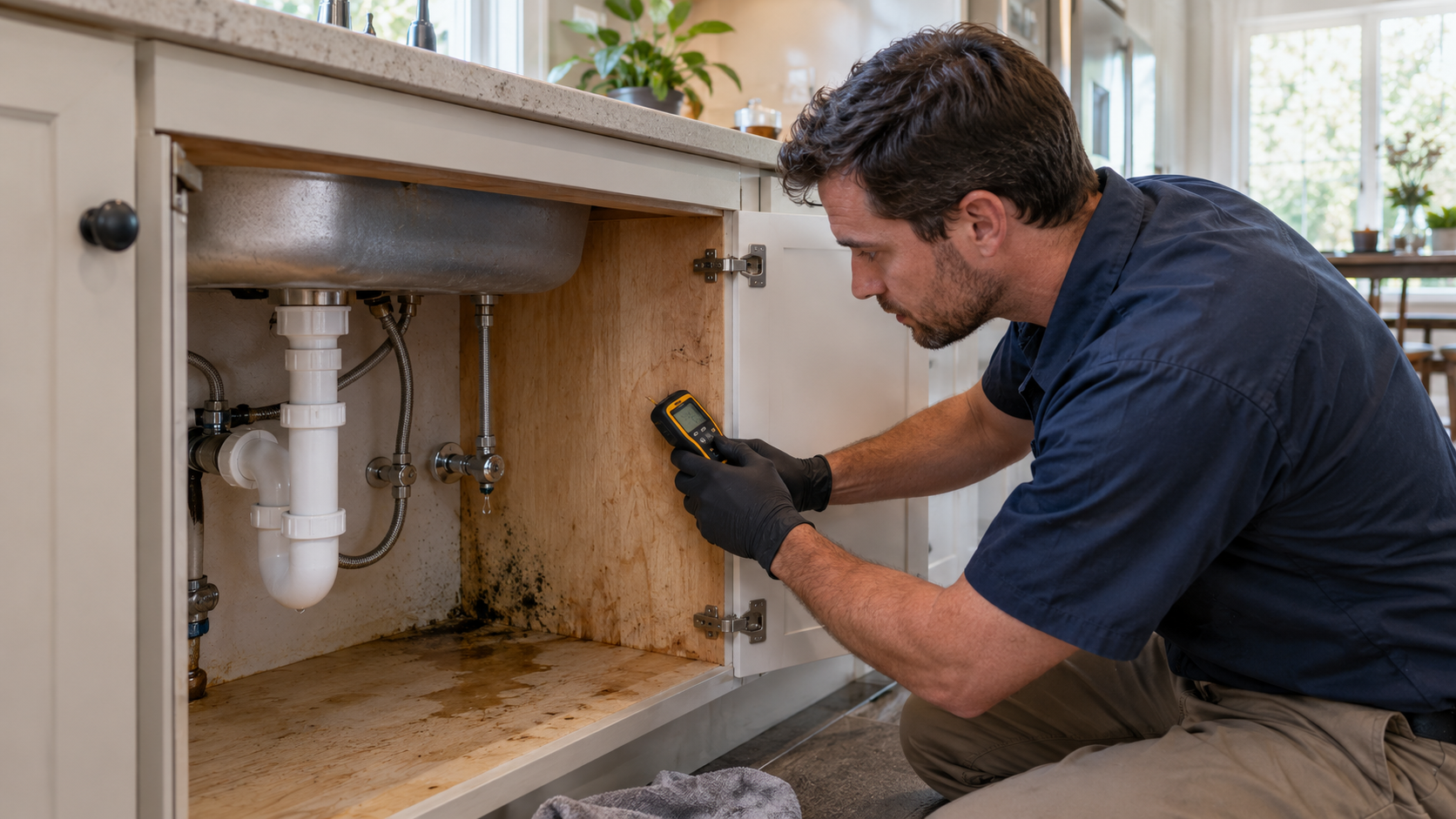
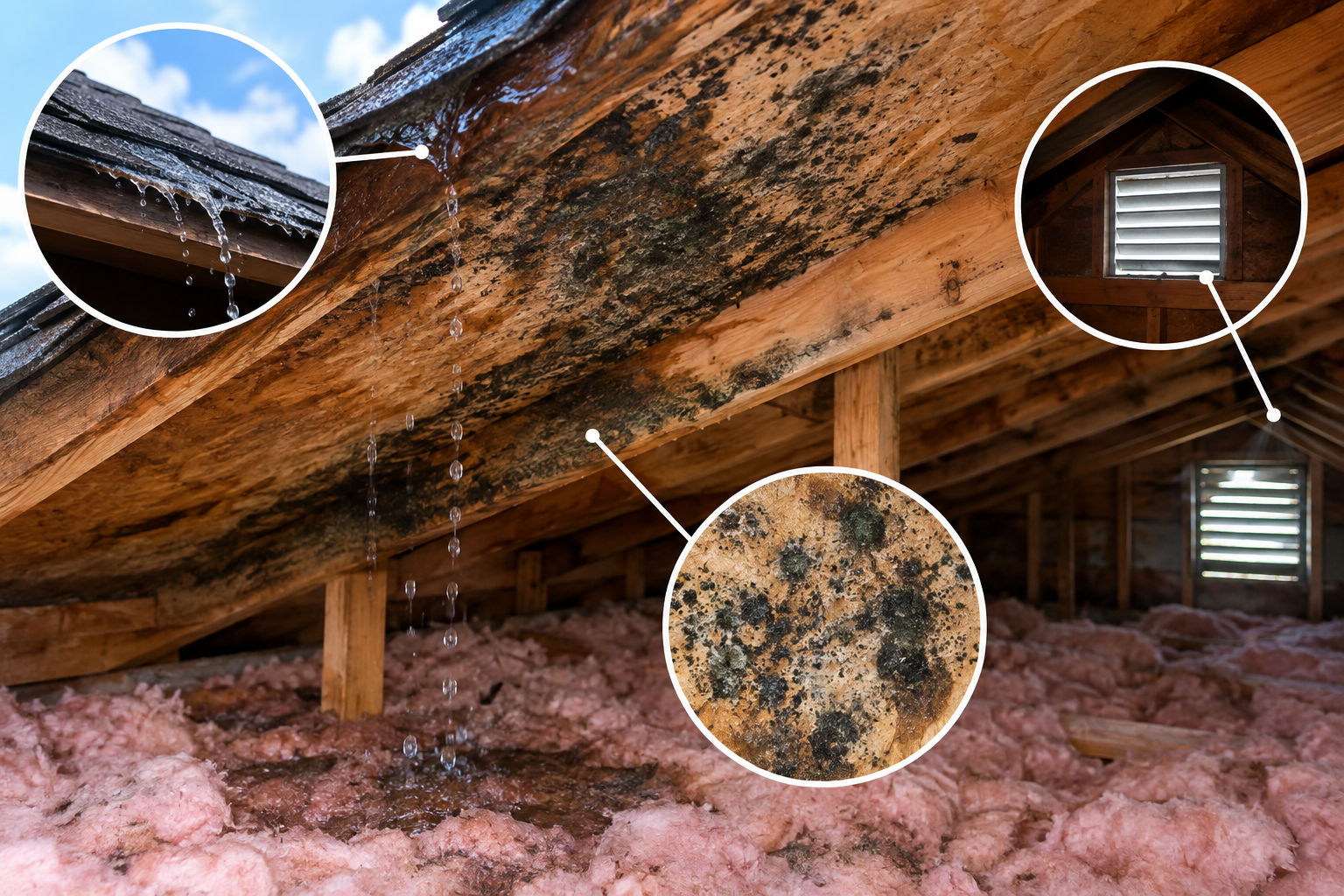
Mold prefers to burrow deeper. It hides in drywall, wood, and insulation. Basements and wall cavities are common spots. That hidden growth is harder to catch.
Cleaning Mildew vs Removing Mold
Mildew is usually a simple cleanup. Ventilate the room and scrub the surface. Dry it fully and fix the dampness. Most mildew comes off with effort.
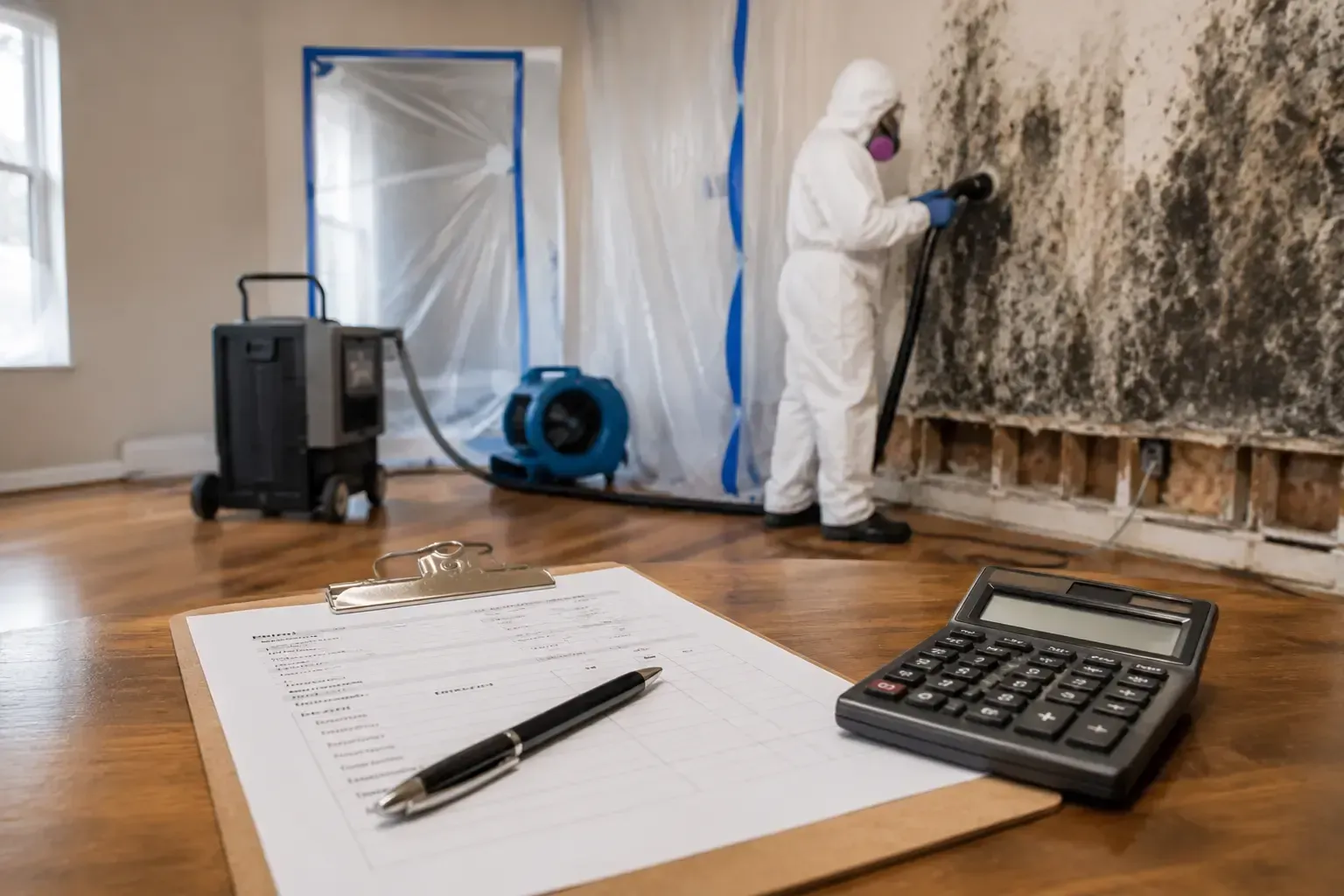
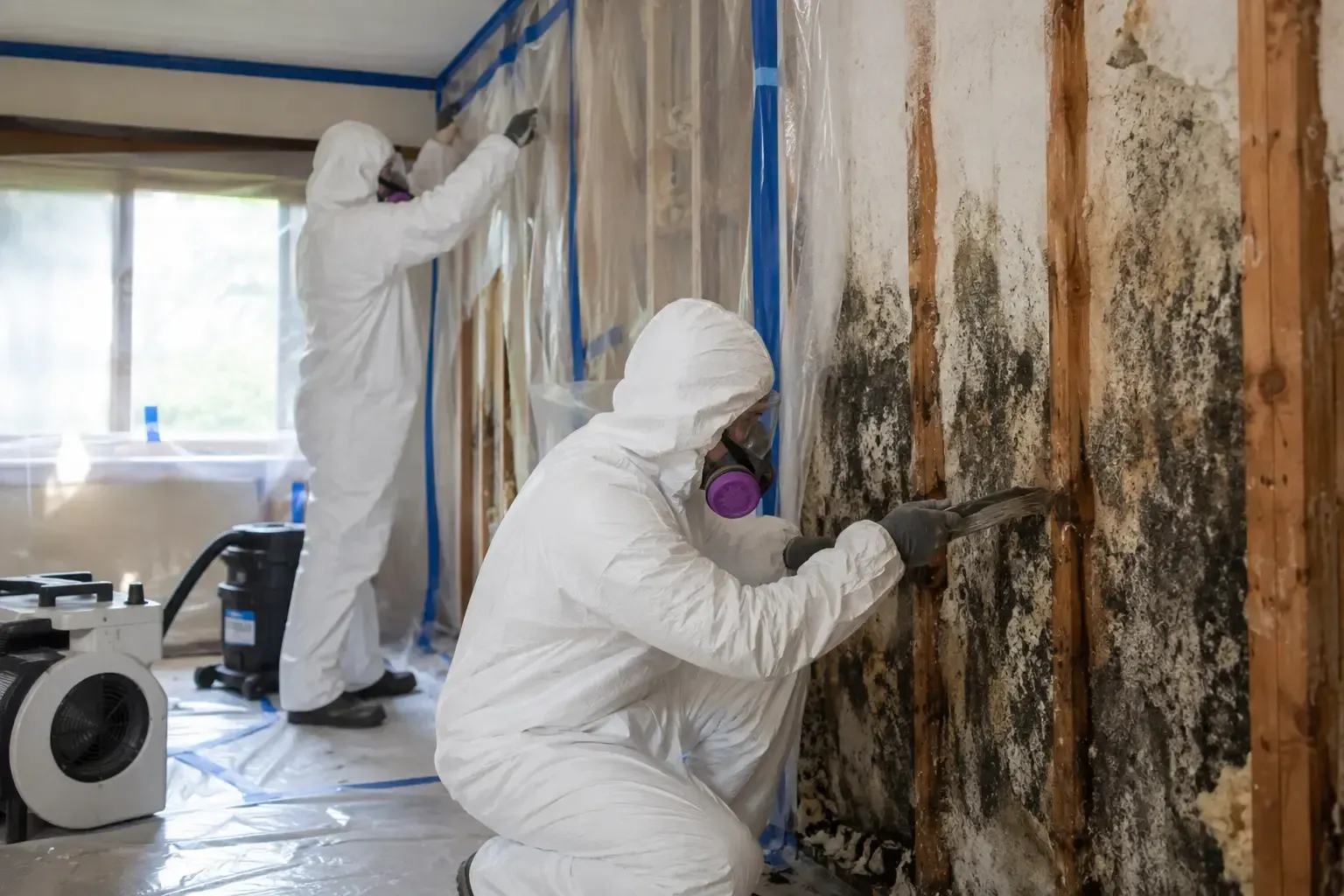
Mold is a bigger job. It often needs containment and proper removal. Cleaning the surface alone rarely works. Deep or spreading mold needs a professional.
Why the Difference Matters
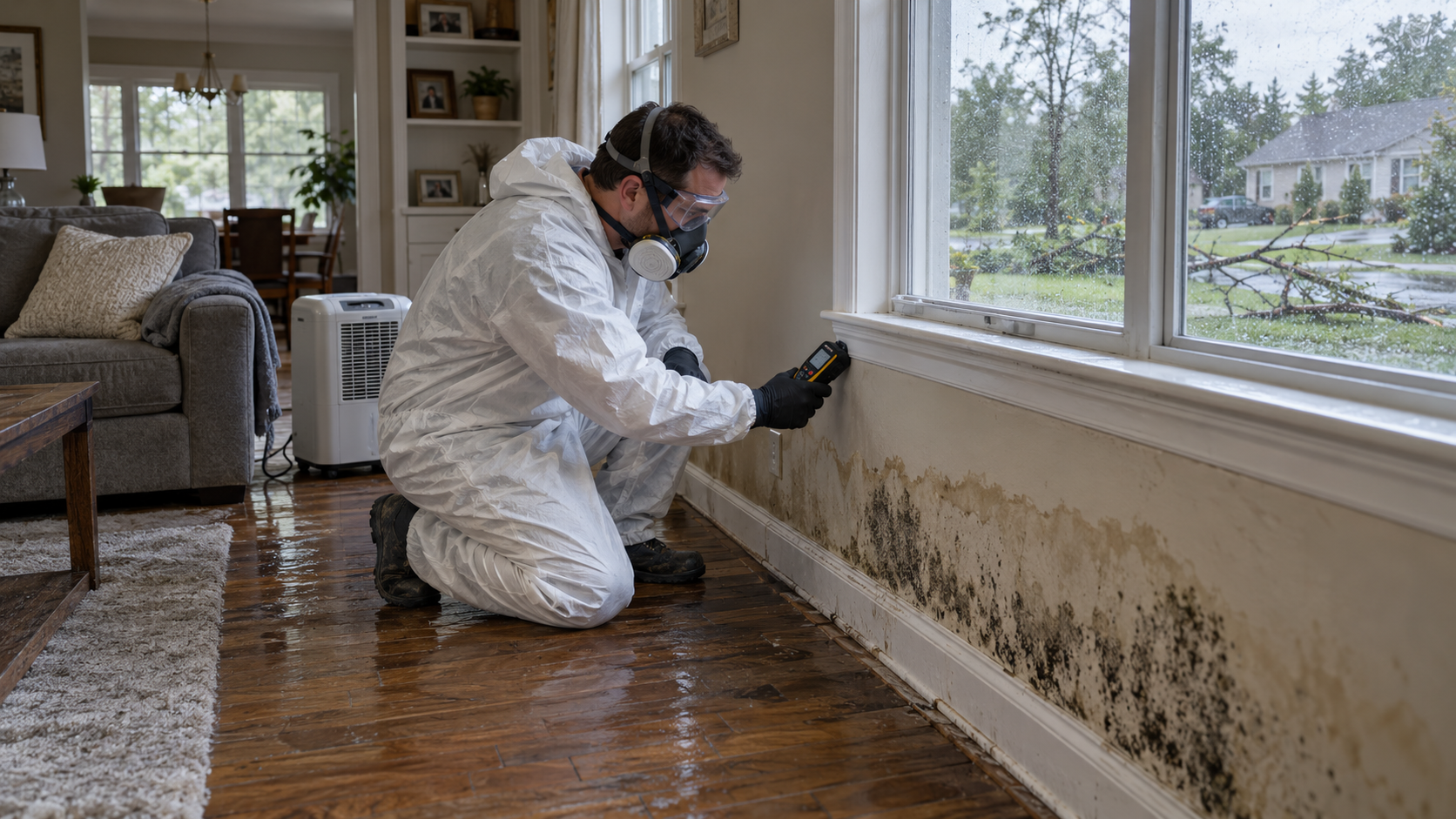
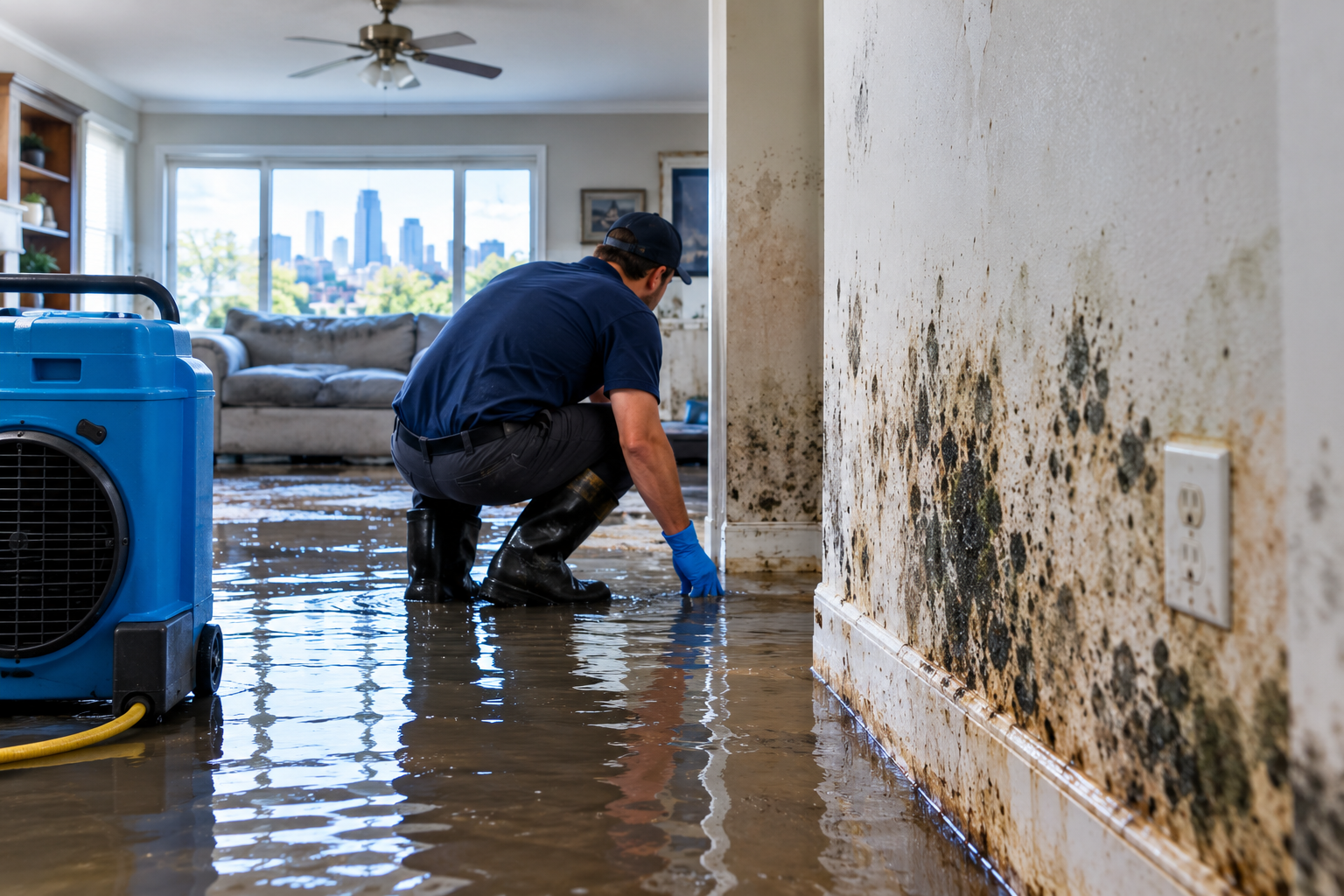
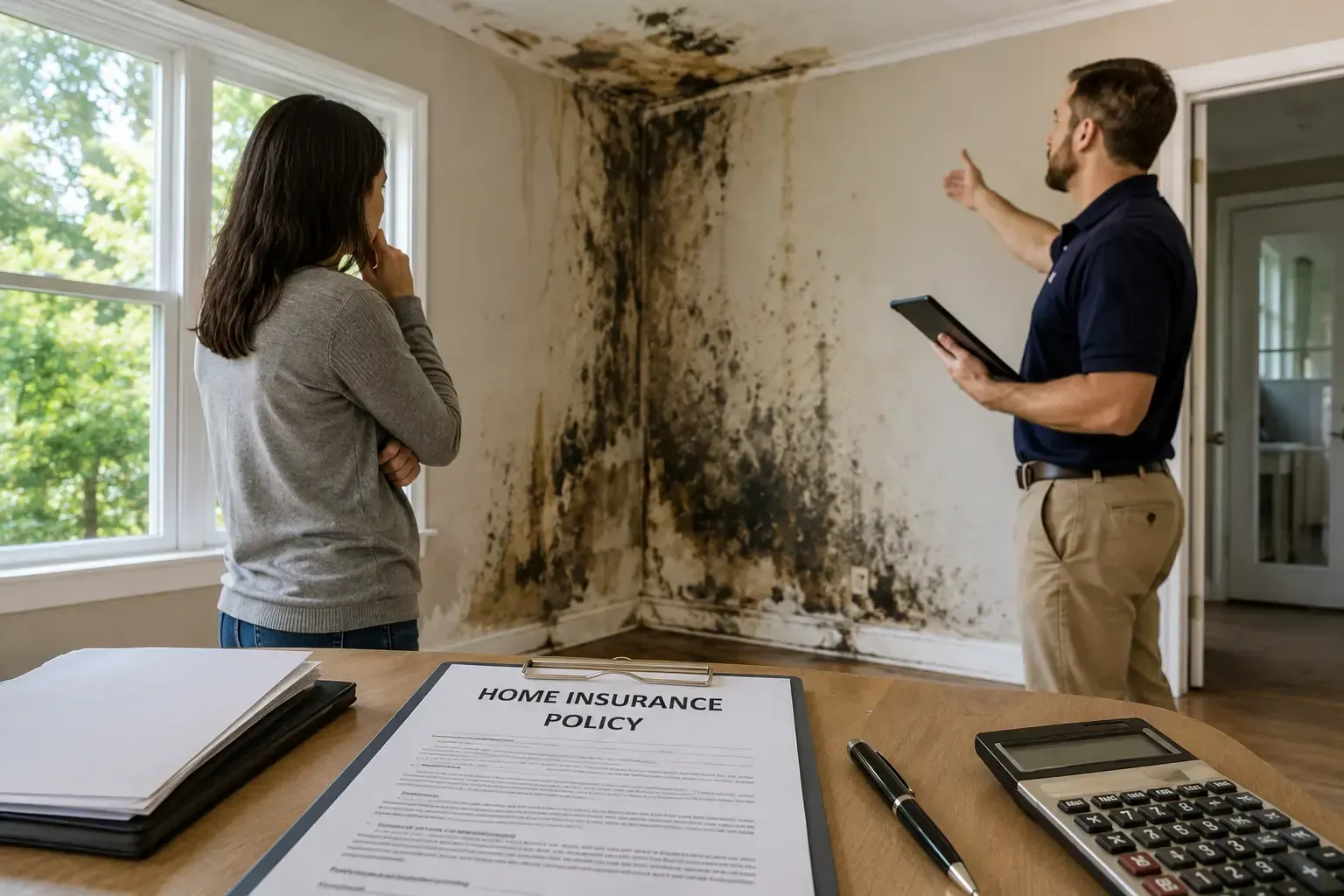
Mildew is mostly a cosmetic and cleaning issue. Mold is a bigger health and structural concern. Mold can spread inside walls and worsen air quality. In humid Michiana, small problems grow fast. Professional mold removal in Michiana handles the deeper growth.
Preventing Both in a Damp Climate
In humid Michiana, prevention is key. Keep indoor humidity in a safe range. Run fans and dehumidifiers in damp rooms. Fix leaks before they spread.
Wipe down wet surfaces regularly. Improve airflow in closed, damp spaces. Watch basements and bathrooms closely. Dry surfaces stop both mildew and mold.
The Health Risks of Each
Both fungi can affect sensitive people. Mildew may cause coughing or a sore throat. It can irritate the eyes and nose. Most reactions stay mild and short.
Mold can cause stronger reactions. It may worsen asthma and allergies. Long exposure is harder on health. That is why mold deserves quicker action.
How to Stop Mildew From Coming Back
Mildew returns wherever moisture lingers. The fix is to keep surfaces dry. Run the bathroom fan during showers. Wipe down tile and glass afterward.
Improve airflow in closed, damp rooms. Fix any slow leaks promptly. Lower indoor humidity with a dehumidifier. Dry conditions keep mildew from returning.
Which One Is in Your Home?
Look closely at the patch in question. Powdery and flat usually means mildew. Fuzzy, dark, or slimy suggests mold. The location offers another clue.
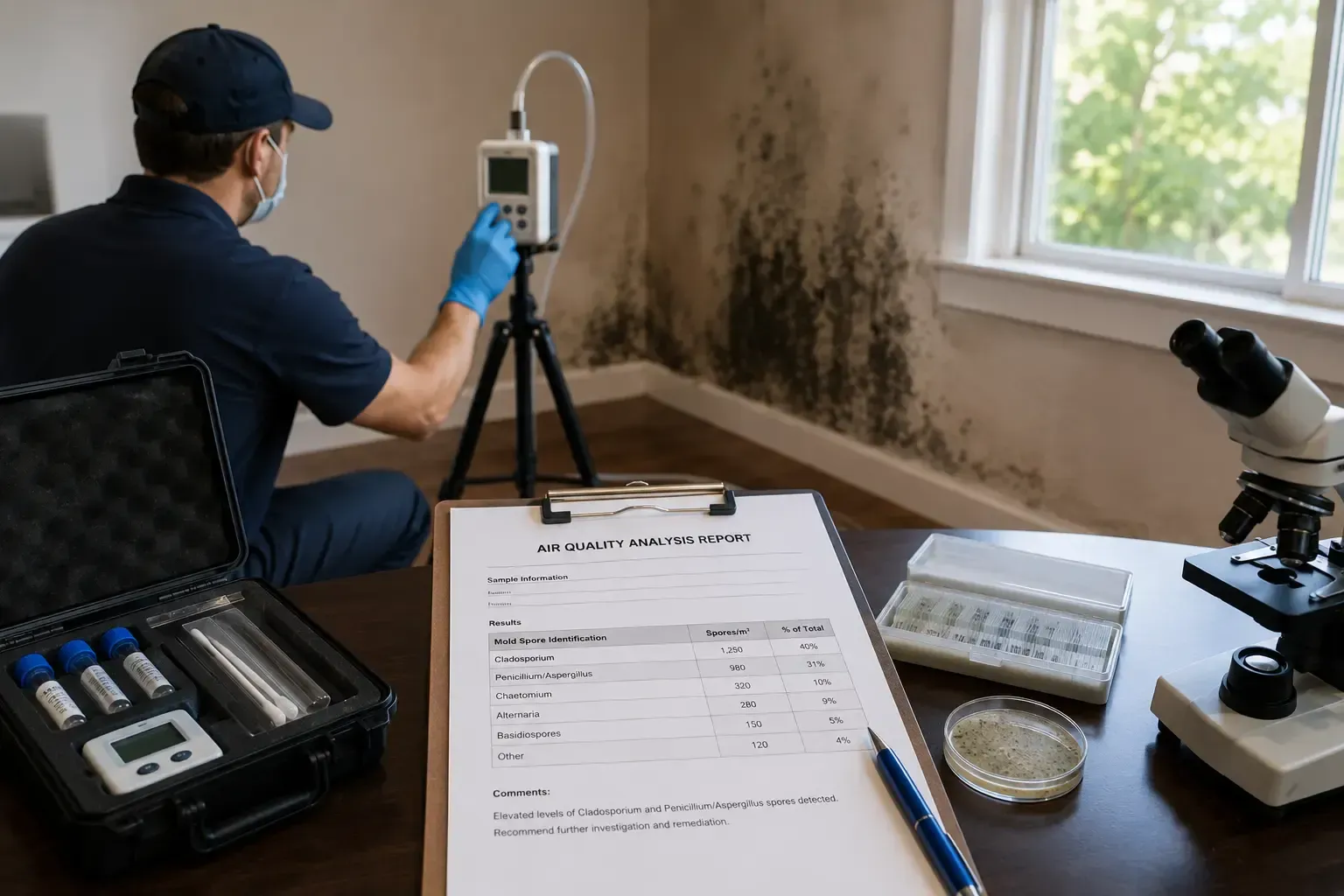
Surface spots are often mildew. Growth in walls or basements is mold. When unsure, treat it as mold. A professional can confirm what it is. Getting it right guides the safest cleanup. That saves you time and effort.
When Mildew Becomes a Bigger Problem
Mildew alone is mostly cosmetic. But it signals lingering moisture. That same moisture can feed real mold. So mildew is often an early warning.
Do not just wipe it and forget it. Find why the surface stays damp. Fix the airflow or the leak. Solving the moisture stops worse growth.
Cleaning Products That Help and Hurt
The right cleaner makes mildew removal easier. A mild detergent works on many surfaces. Always ventilate the room while you clean. Dry the area fully afterward.
Never mix bleach with ammonia cleaners. The fumes can be dangerous. Harsh scrubbing can also damage grout. When growth is deep, call a professional.
Frequently Asked Questions
Is mildew as bad for you as mold?
Mildew is generally less harmful than mold. Both can irritate allergies and airways. Mold poses the greater health risk.
Will mildew turn into mold?
Mildew and mold are related fungi. Persistent moisture can lead to worse mold growth. Fixing the dampness stops both.
Is mildew easier to get rid of than mold?
Yes, mildew usually wipes off surfaces. Mold often penetrates and needs deeper removal. Heavy mold calls for a professional.
Can I just paint over mildew or mold?
No, painting over it does not work. The growth returns through the paint. Clean or remove it first, then repaint.
When should I call a professional?
Call a pro for large or recurring mold. Hidden mold behind walls also needs experts. They remove it and fix the moisture source.
Not Sure What You Are Looking At?
Telling mold from mildew is the first step to fixing it. Our Mold Warrior team helps Michiana homeowners identify and remove both. When a patch keeps coming back, our mold removal team can help. You can contact Mold Warrior for an inspection.