Attic Mold in Columbus Homes: Causes, Signs, and Removal
Attic mold grows quietly above your Columbus home. Most homeowners never look until there is a problem. By then, mold can cover the sheathing and joists. Ohio's humid summers and cold winters both feed it. Here is what causes attic mold and how to remove it.
Key Takeaways
- Attic mold usually comes from poor ventilation, roof leaks, or misvented fans.
- It often spreads unseen until an inspection or musty smell reveals it.
- Fixing the moisture source is essential, or the mold returns.
What Causes Attic Mold
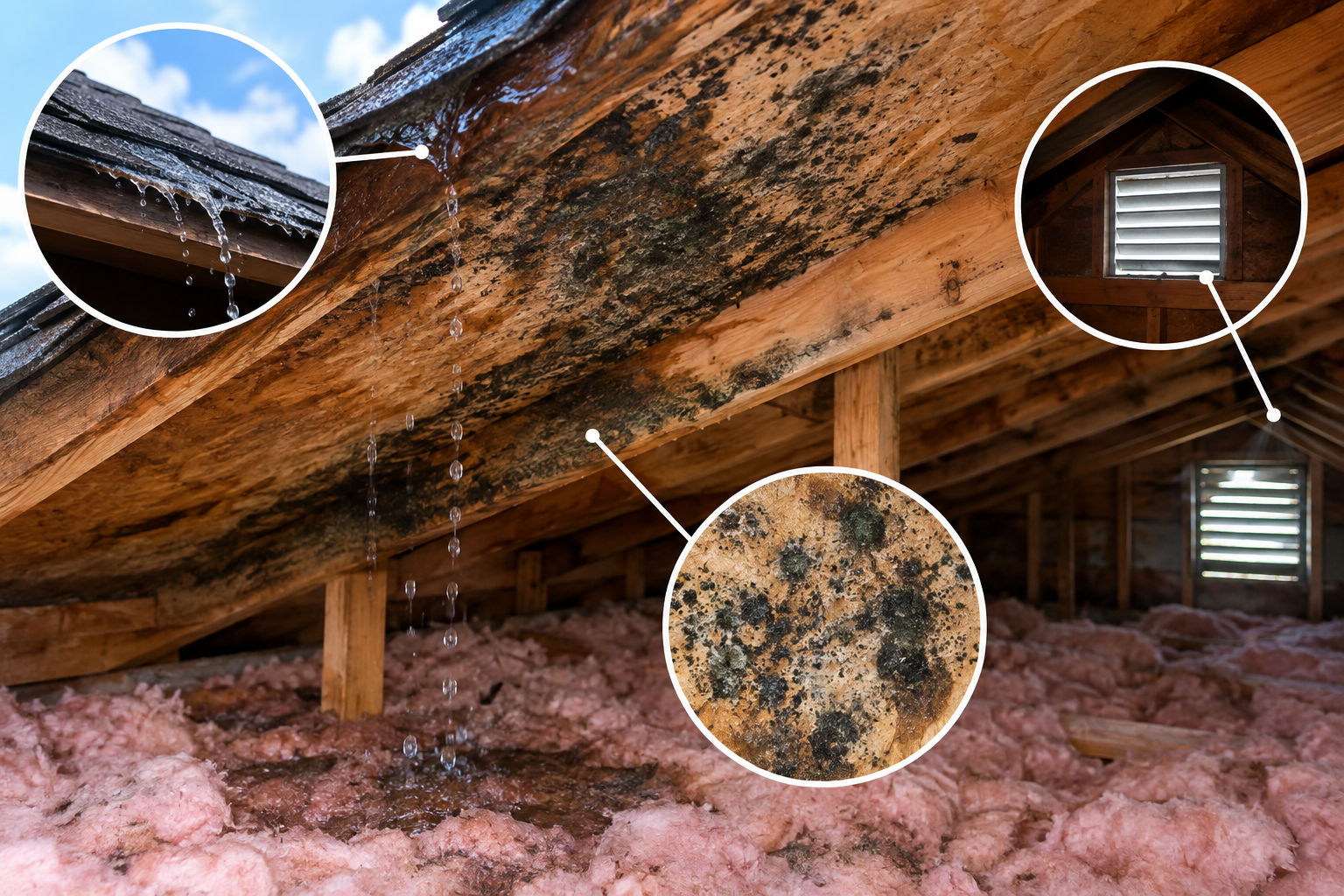
Attic mold needs moisture, and attics offer plenty. A roof leak lets water into the sheathing. Poor ventilation traps warm, damp air up top. Bathroom or dryer fans that vent into the attic add moisture. The EPA notes controlling moisture is the key to preventing mold.
Warning Signs of Attic Mold
You may notice these clues:
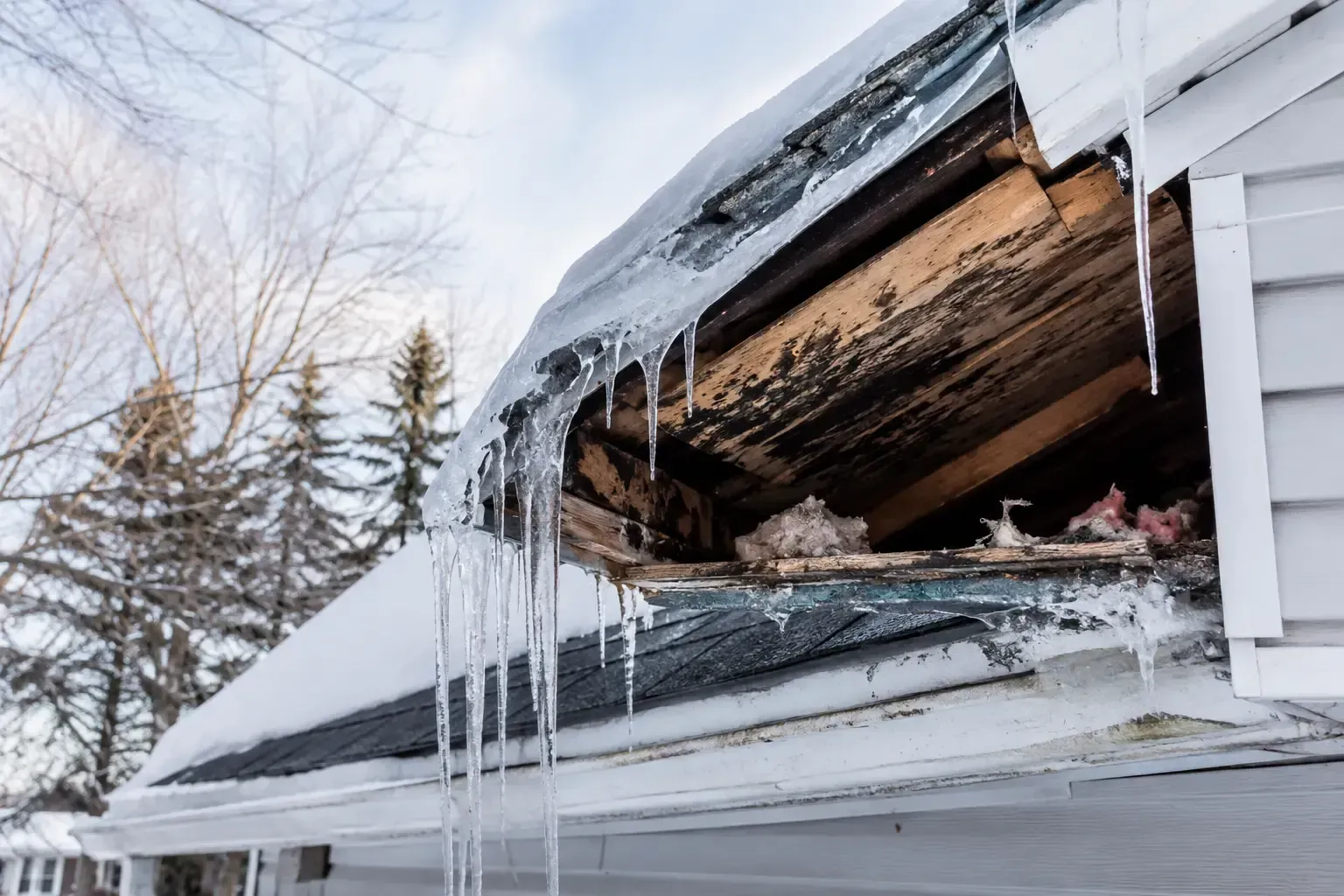
- Black or white staining on the underside of the roof.
- A musty smell in upstairs rooms.
- Frost or moisture on the attic sheathing in winter.
- Higher humidity or allergy symptoms at home.
Why Ventilation Matters
Most attic mold traces back to moisture and airflow. Warm indoor air rises and meets the cold roof. That condensation feeds mold on the wood. The Department of Energy explains moisture control for homes. Proper ventilation keeps the attic dry.
How Ohio Weather Feeds Attic Mold
Columbus sees humid summers and freezing winters. Both extremes push moisture into the attic. In summer, warm damp air seeps upward. In winter, indoor heat meets the cold roof deck.
That temperature clash creates condensation. The moisture settles on wood and nails. Over months, it feeds steady mold growth. Ohio's swings make attics especially vulnerable.
The Risks of Leaving Attic Mold
Ignored attic mold rarely stays put. It spreads across sheathing and rafters. The wood can weaken and rot over time. Repairs grow larger and harder.
Attic mold also affects your air. Spores drift down into living spaces. Sensitive people may feel allergy symptoms. It can even complicate a future home sale.
How to Keep Your Columbus Attic Dry
Prevention starts with airflow and leaks. Make sure soffit and ridge vents stay clear. Vent bathroom and dryer fans outside, not into the attic. Check the roof for leaks each season.
Good insulation also helps a lot. It keeps warm air from reaching the cold deck. Watch for stains or a musty smell. Early fixes keep the attic dry and clean.
How Attic Mold Is Removed
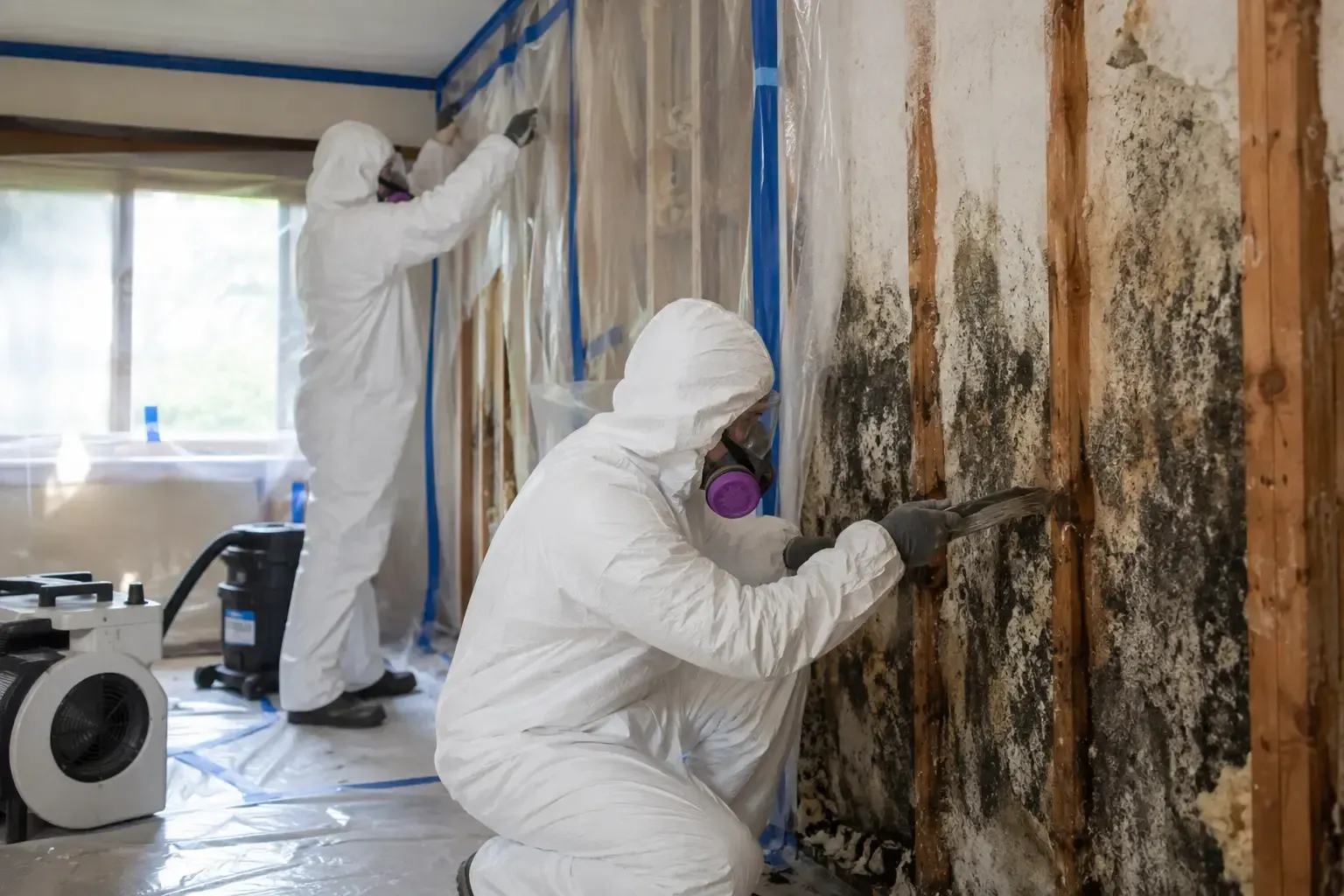
Cleaning alone is not enough. The moisture source must be fixed first. Pros contain the area, then remove or treat the mold. Contaminated insulation is often replaced. Professional mold removal in Columbus addresses both the mold and the cause.
Why DIY Attic Cleanup Falls Short
Attics are tight, hot, and awkward spaces. Cleaning mold there is harder than it looks. Scrubbing can spread spores around. Without containment, mold travels to clean areas.
DIY work also misses the real cause. The leak or venting problem stays. So the mold grows back within months. A pro fixes both the mold and the source.
How Long Attic Mold Takes to Spread
Attic mold can start within days of moisture. A small leak feeds it quietly. Over weeks it covers more sheathing. By a season later, the area is large.
That slow spread is why it hides. Most homeowners never see the early stage. The damage is found much later. Early detection keeps the job small.
When to Schedule an Attic Inspection
Some signs mean it is time to check. A musty smell upstairs is one. Stains on the ceiling are another. Higher energy bills can hint at venting issues.
An inspection finds hidden moisture early. It catches mold before it spreads far. That keeps the eventual job smaller. Regular checks protect the whole roof system.
Frequently Asked Questions
Why am I getting mold in my attic?
Usually from trapped moisture and poor ventilation. Roof leaks and misvented fans add to it. Fixing airflow and leaks stops it.
Does attic mold need to be removed?
Yes, it can spread and affect your air. It also damages the roof structure over time. Removal plus moisture control is the fix.
How serious is mold in an attic?
It can weaken sheathing and worsen indoor air. Severity depends on how far it has spread. An inspection determines the scope.
Can attic mold spread to the rest of the house?
Yes, spores can drift into living areas. They travel through gaps and ductwork. Removing the source protects the whole home.
Can I remove attic mold myself?
Small spots may be a DIY task with care. Larger growth needs professional containment. Pros also fix the moisture source.
Clear the Air Above Your Home
Attic mold spreads as long as moisture stays. Our Mold Warrior team finds and removes attic mold in Columbus. When you spot staining or smell must, our mold removal team can help. You can contact Mold Warrior for an inspection.