How Fast Does Mold Grow After Water Damage? A Kansas City Guide
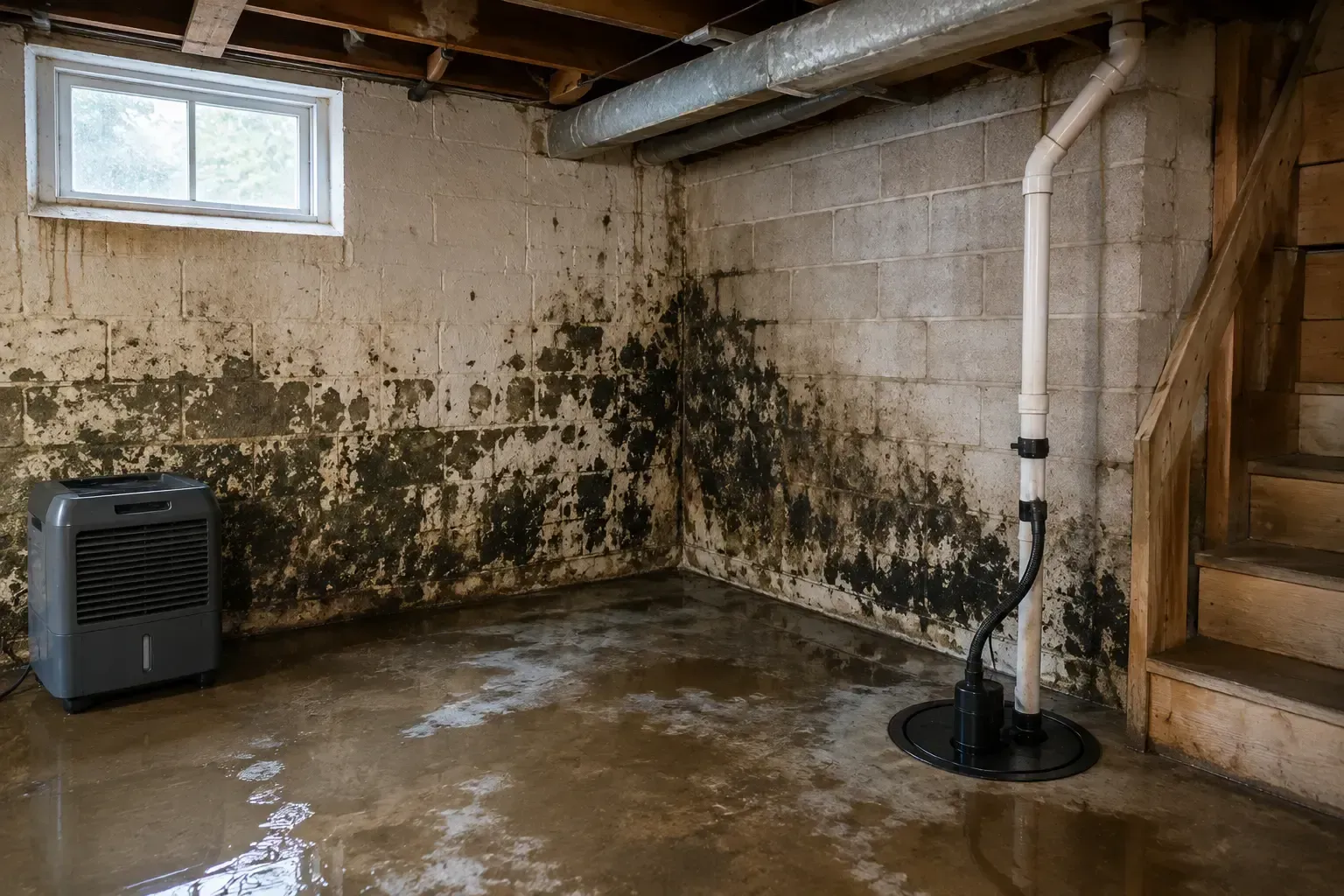
A burst pipe or basement leak in your Kansas City home looks handled once the water is gone, but the real problem may be just starting. Mold moves fast, and the clock starts the moment water gets in.
This guide shows Kansas City homeowners how quickly mold grows after water damage, what it needs to spread, what you can save, and when it is time to call a professional.
Key Takeaways
- Mold can start growing within 24 to 48 hours of water damage, faster in warm, humid weather.
- Soaked porous materials like drywall and carpet often have to be removed, not just dried.
- Drying everything within the first two days is the single best way to stop mold.
How Fast Does Mold Grow After Water Damage?
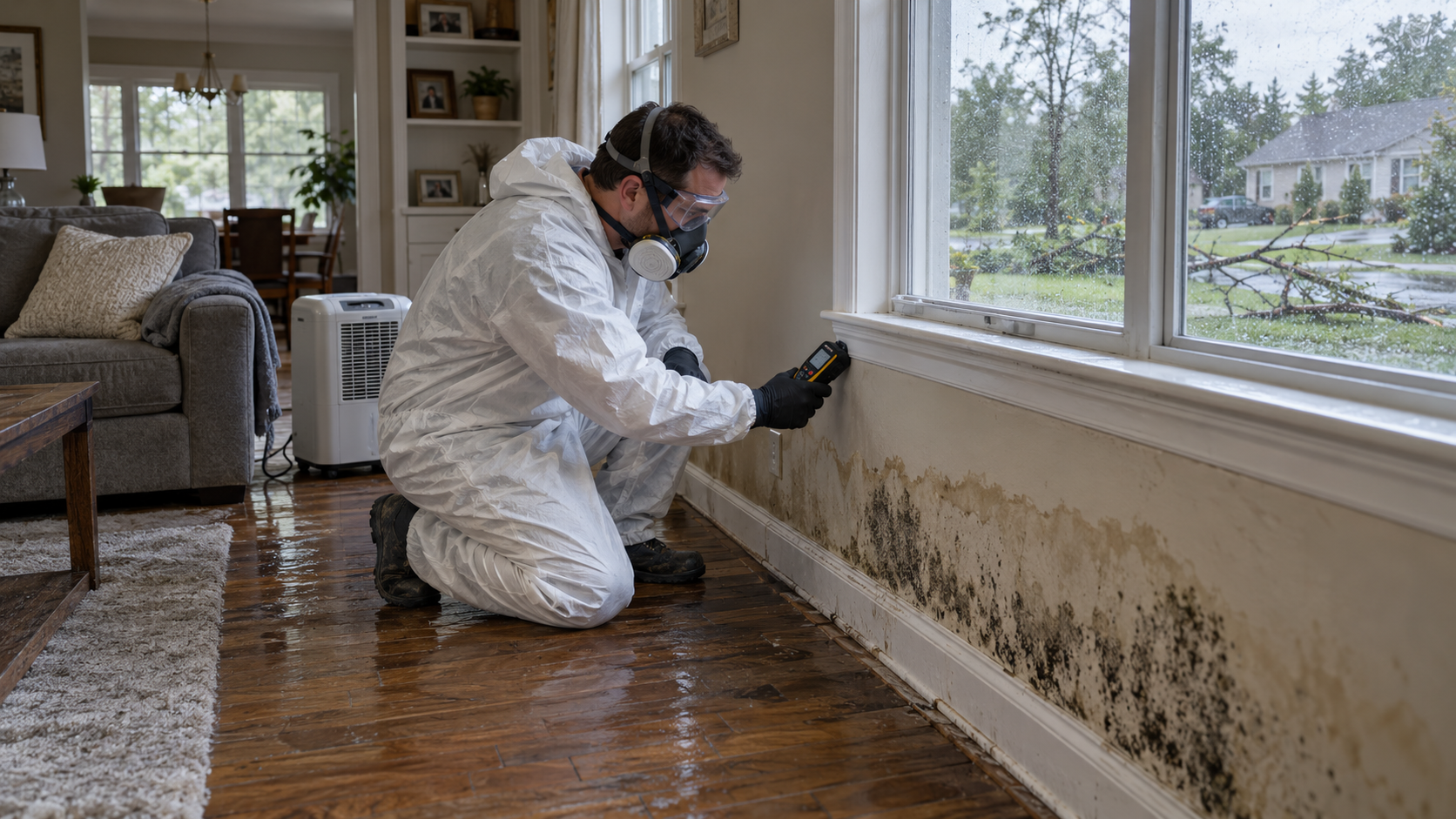
The window is short. Mold can begin growing within 24 to 48 hours of water exposure, though it may not be visible for three to seven days. Per the EPA's guidance on cleaning up water damage, the goal is to dry everything within 24 to 48 hours to stop mold. In Kansas City's humid summers, that timeline runs fast, so the first two days decide how bad it gets.
What Mold Needs to Grow
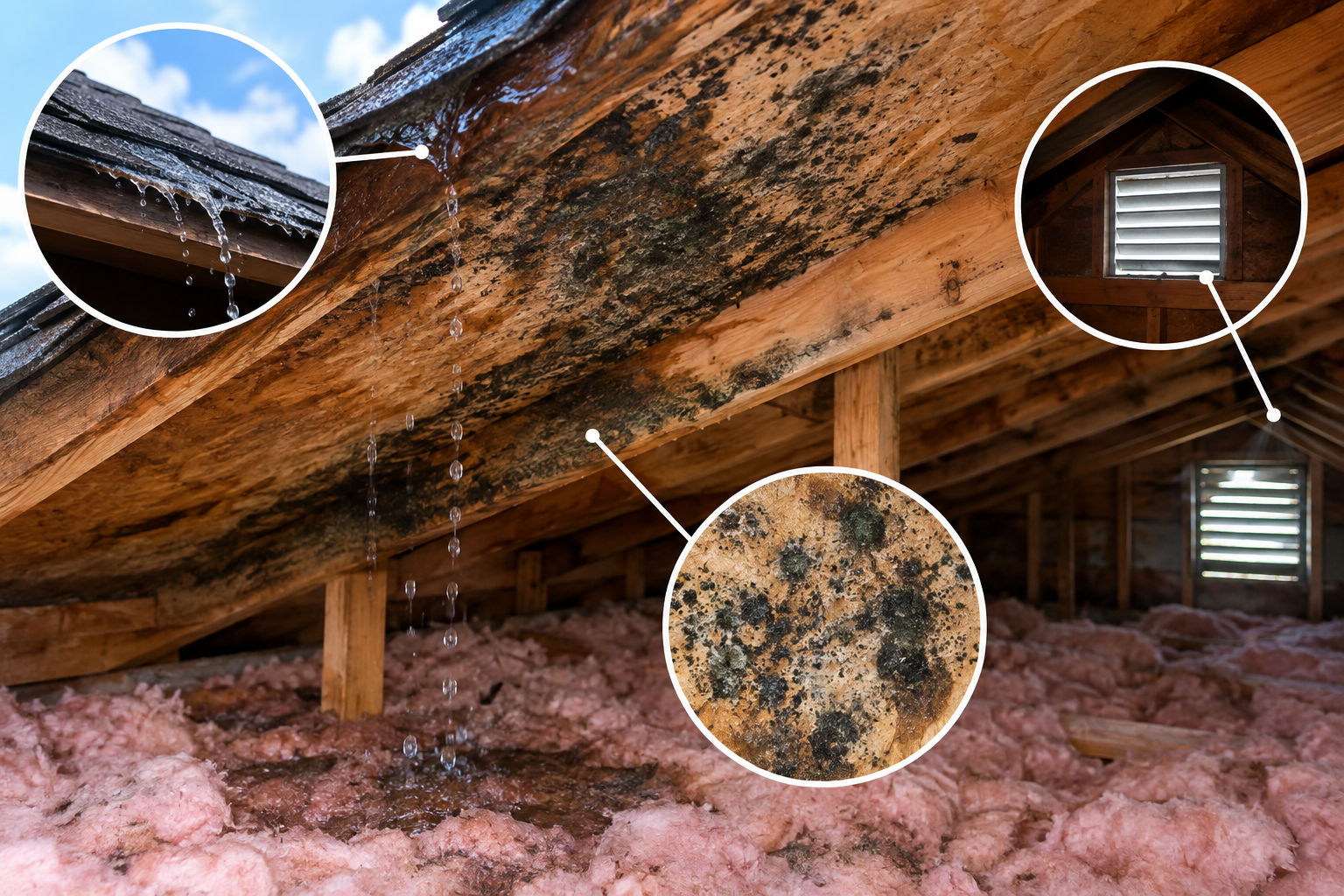
Mold needs three things: moisture, warmth, and a food source. After water damage, your home offers all three. Drywall, wood, carpet, insulation, and even dust feed mold once they are damp. Kansas City's hot, muggy summers keep indoor humidity high, which is why a small leak here can become a mold problem faster than in a dry climate. Cutting off the moisture is the only way to stop it.
Warning Signs to Watch For
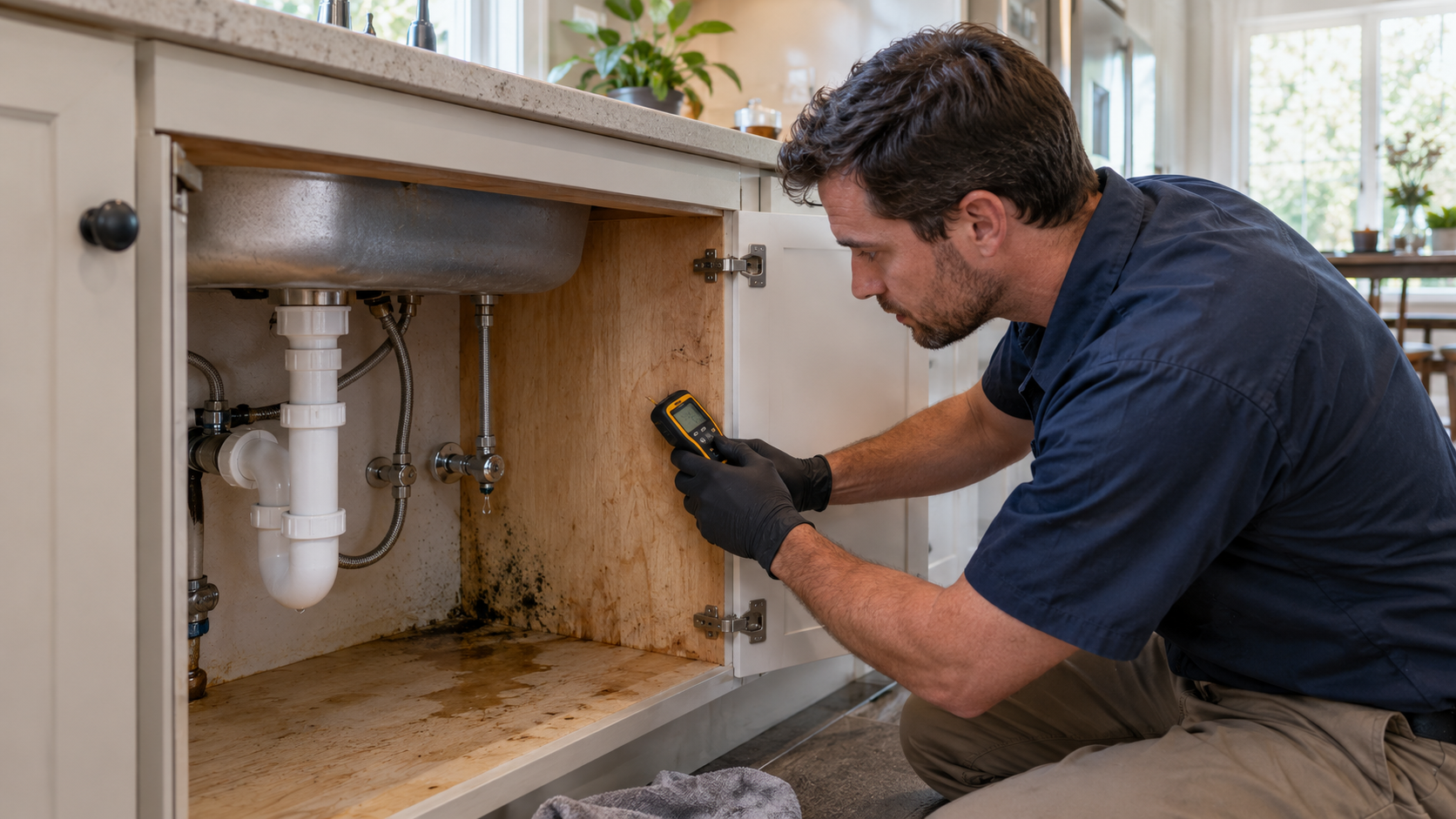
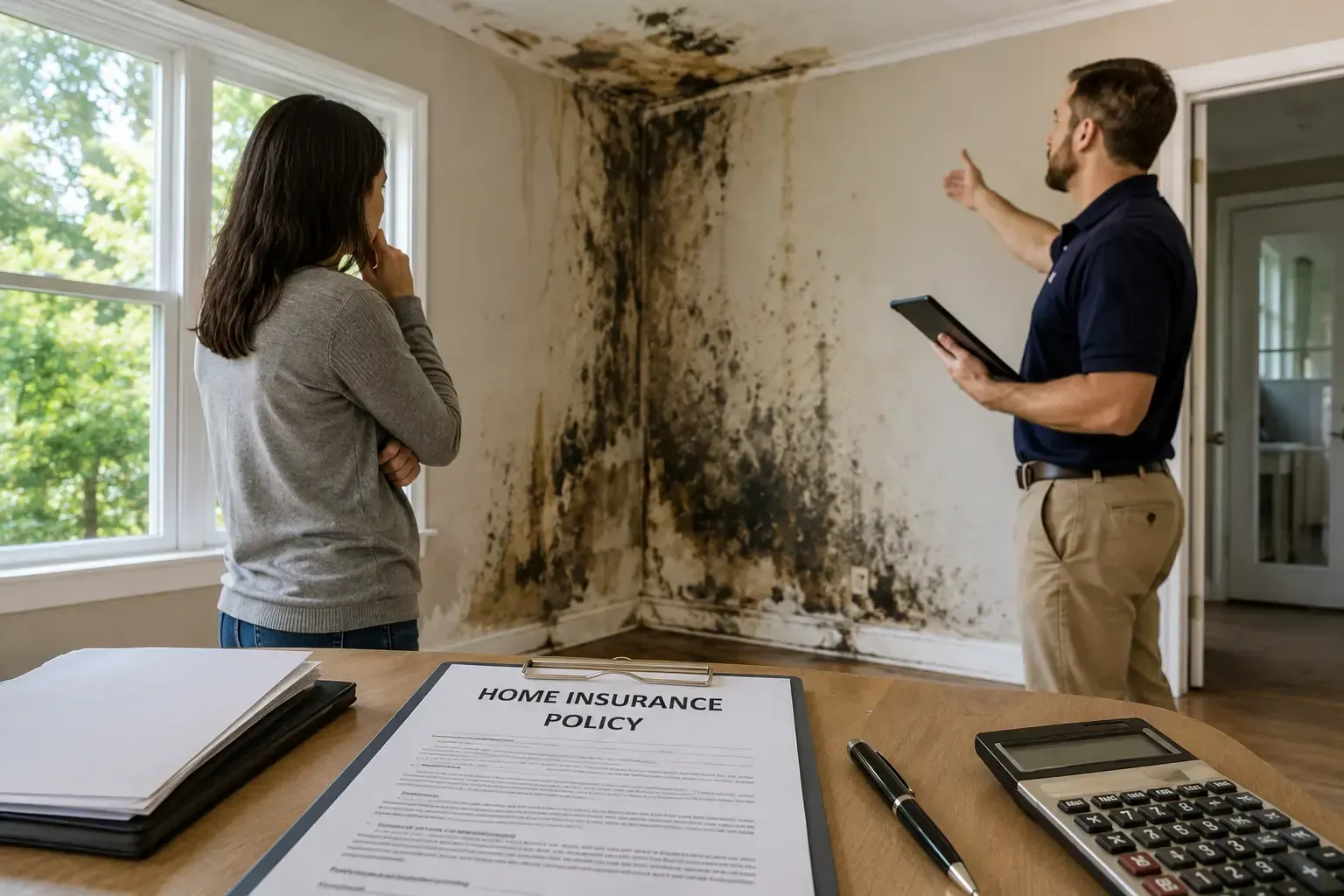
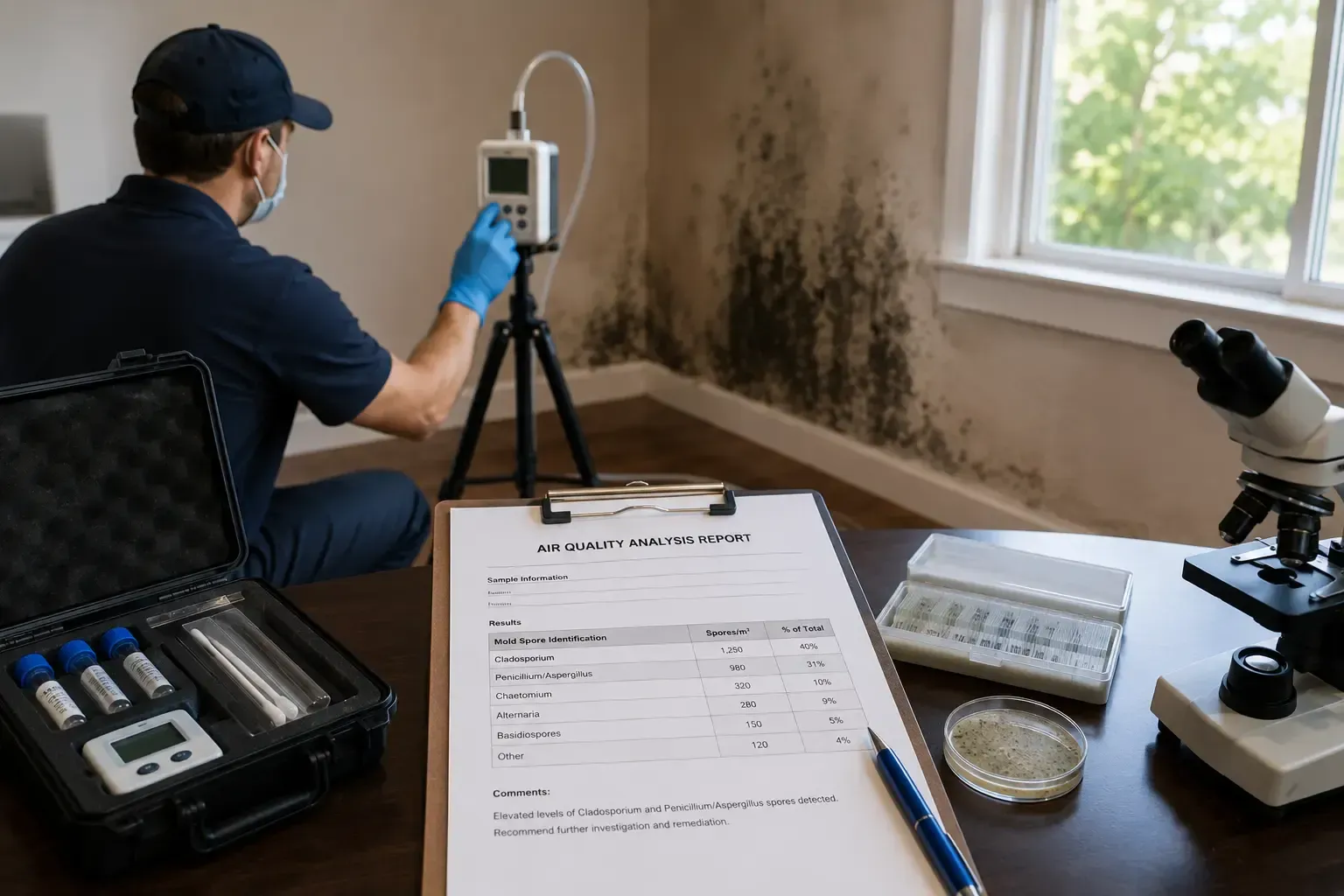
Often you smell mold before you see it. Watch for a musty, earthy odor, visible spots in black, green, or white, discoloration or water stains on walls and ceilings, and peeling paint. Per CDC guidance on mold, exposure can trigger coughing, congestion, and worsening allergies, so symptoms that ease when you leave the house are a clue mold is active inside.
What Can Be Saved and What Has to Go
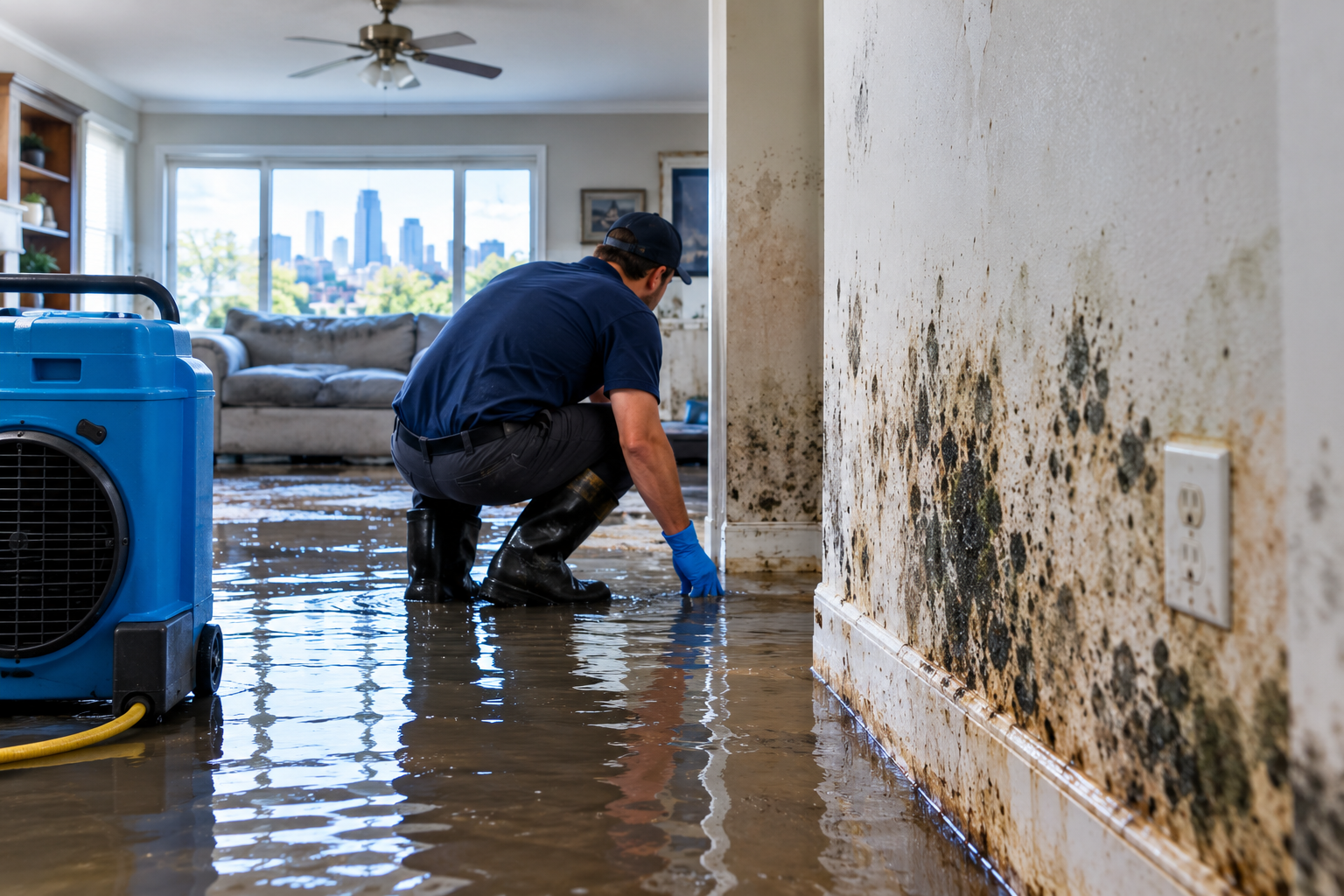
Porous materials that soaked up water rarely clean up safely. Wet drywall, carpet and padding, and insulation usually have to be removed once mold sets in. Drywall in particular wicks water and can grow mold within 24 to 48 hours, so saturated sections often come out. Non-porous surfaces like glass, metal, sealed tile, and finished wood can usually be cleaned and kept.
What to Do in the First 48 Hours
Move fast and stay safe. Stop the water source, then remove standing water and start drying with fans and a dehumidifier. Lift wet items off the floor and out of the area. Open windows only if outdoor humidity is low, which is rare on a Kansas City summer day. For anything large, contaminated, or already showing mold, call a professional. The faster the structure dries, the more you save.
When to Call a Mold Pro in Kansas City
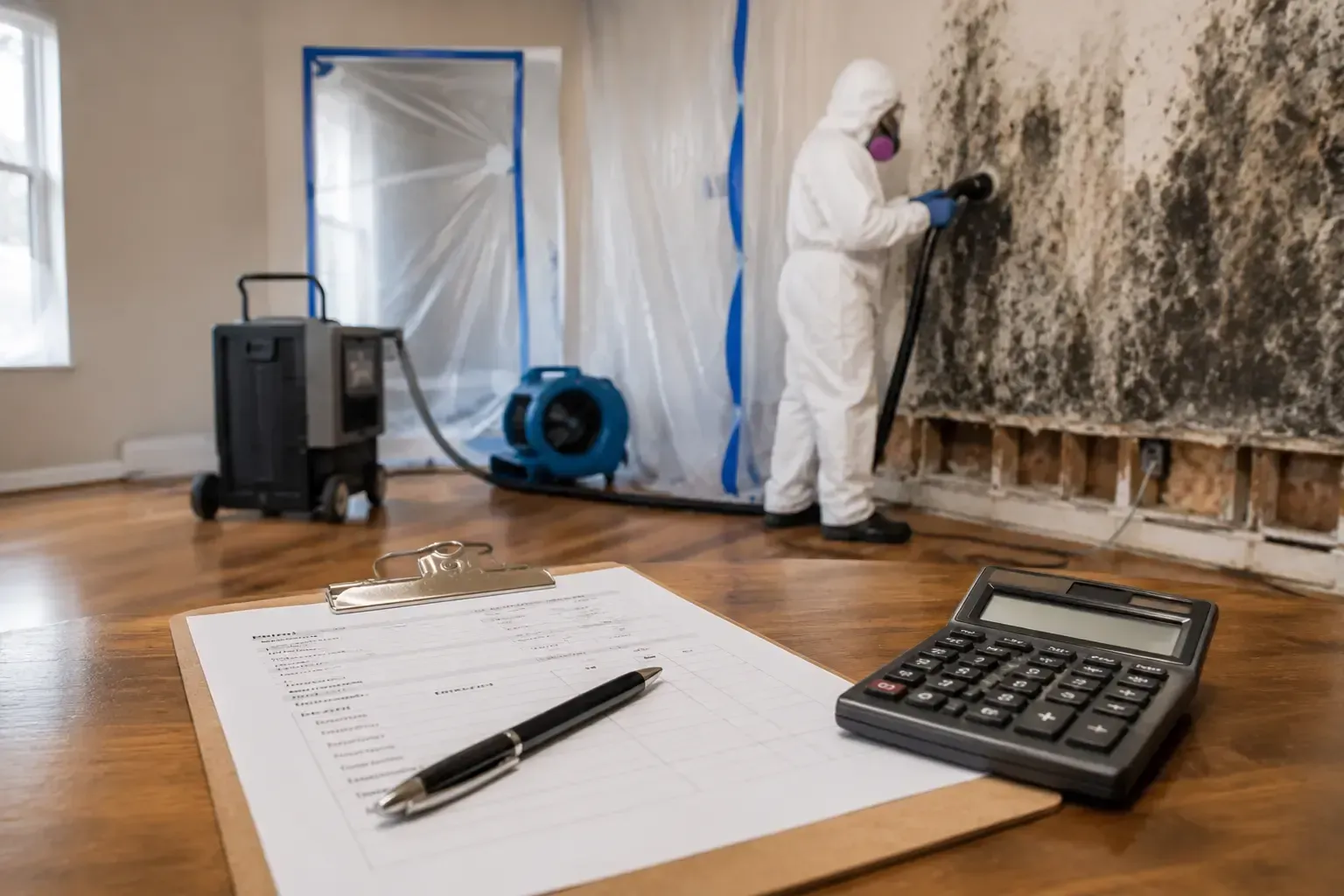
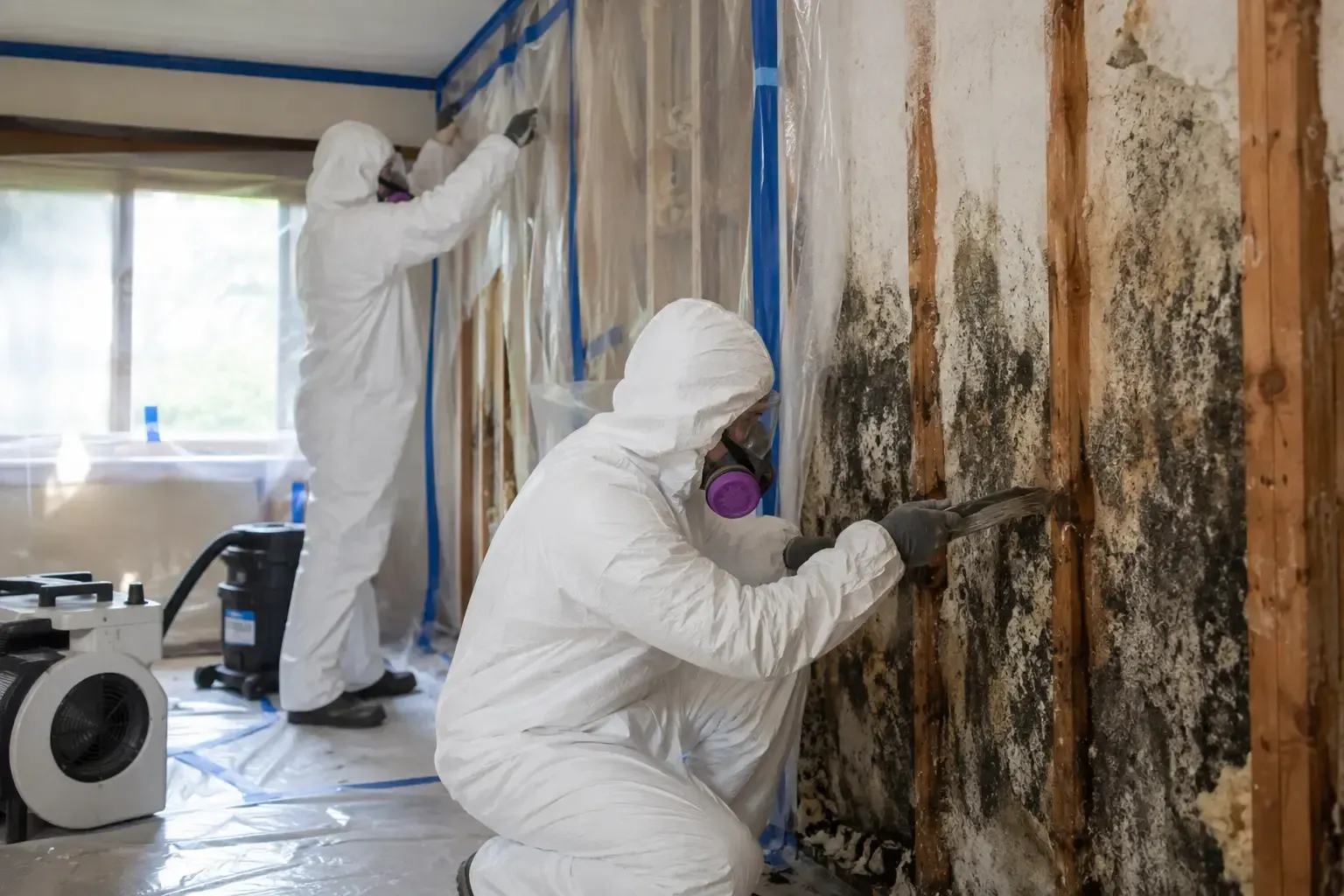
Small, fresh spots on a hard surface that you dried quickly can often be handled yourself. Call a professional when mold covers more than about 10 square feet, grew on drywall or framing, came from contaminated water, or anyone has symptoms. A remediation crew finds hidden moisture, contains the area so spores don't spread, removes affected materials, and dries the structure to a safe level.
Frequently Asked Questions
How long after water damage does mold grow?
Mold can begin within 24 to 48 hours, though it may not be visible for 3 to 7 days. Warm, humid weather speeds it up.
How long can drywall be wet before mold grows?
About 24 to 48 hours. Drywall is porous and wicks water, so soaked sections often can't be dried in time and have to be removed.
How likely is mold after water damage?
Very likely if the area isn't dried within 24 to 48 hours. Kansas City's humid summers make mold growth almost certain without fast drying.
Can I clean up mold after water damage myself?
Small, fresh spots on hard surfaces, yes. Larger areas, mold on drywall or framing, or contaminated water need professional remediation.
Mold After a Leak in Your Kansas City Home?
In Kansas City's humidity, the clock starts the moment water gets in. A musty smell or a spreading stain usually means mold is already working behind the surface.
If you suspect mold after water damage, our team for
mold remediation in Kansas City at Mold Warrior finds the hidden moisture, contains and removes the mold safely, and dries your home so it doesn't return. Acting in the first days protects your home and your family's health.