Mold Air Quality Testing in Columbus: What Your Results Mean
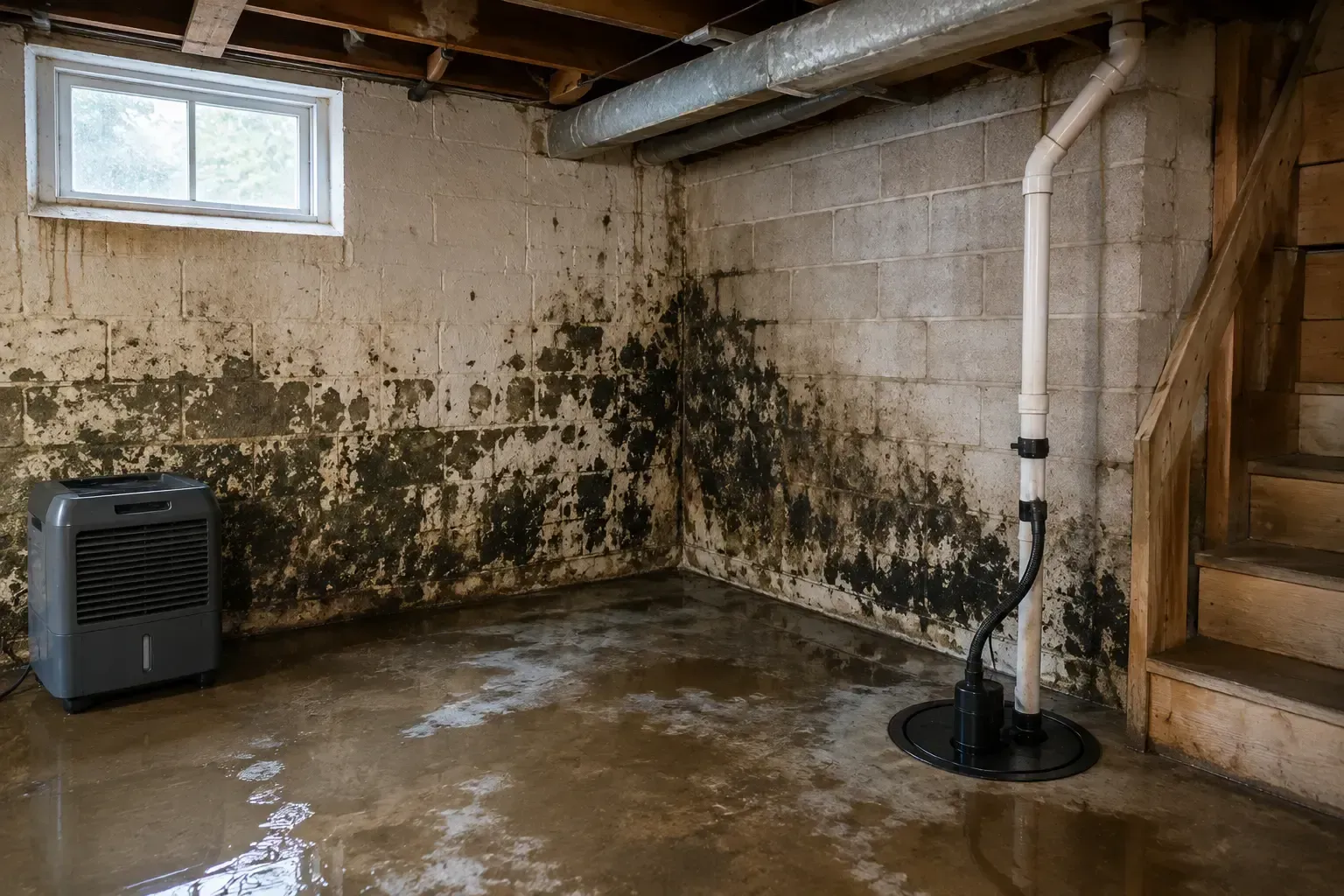
You smell something musty in the basement, but you cannot see a single spot of mold. That gap between what you sense and what you can prove is why homeowners order air testing. A mold air quality test measures the spores floating in your indoor air. It tells you whether a hidden problem is real, and how big it is. Here is how testing works in Columbus, and how to read the report you get back.
Key Takeaways
- Mold air quality testing in Columbus counts airborne spores and compares them to an outdoor control sample.
- A professional air test usually costs $250 to $700; a full inspection with lab work runs $300 to $1,000.
- Elevated indoor counts, or spore types missing outdoors, signal a hidden source that needs attention.
What Mold Air Quality Testing Actually Measures
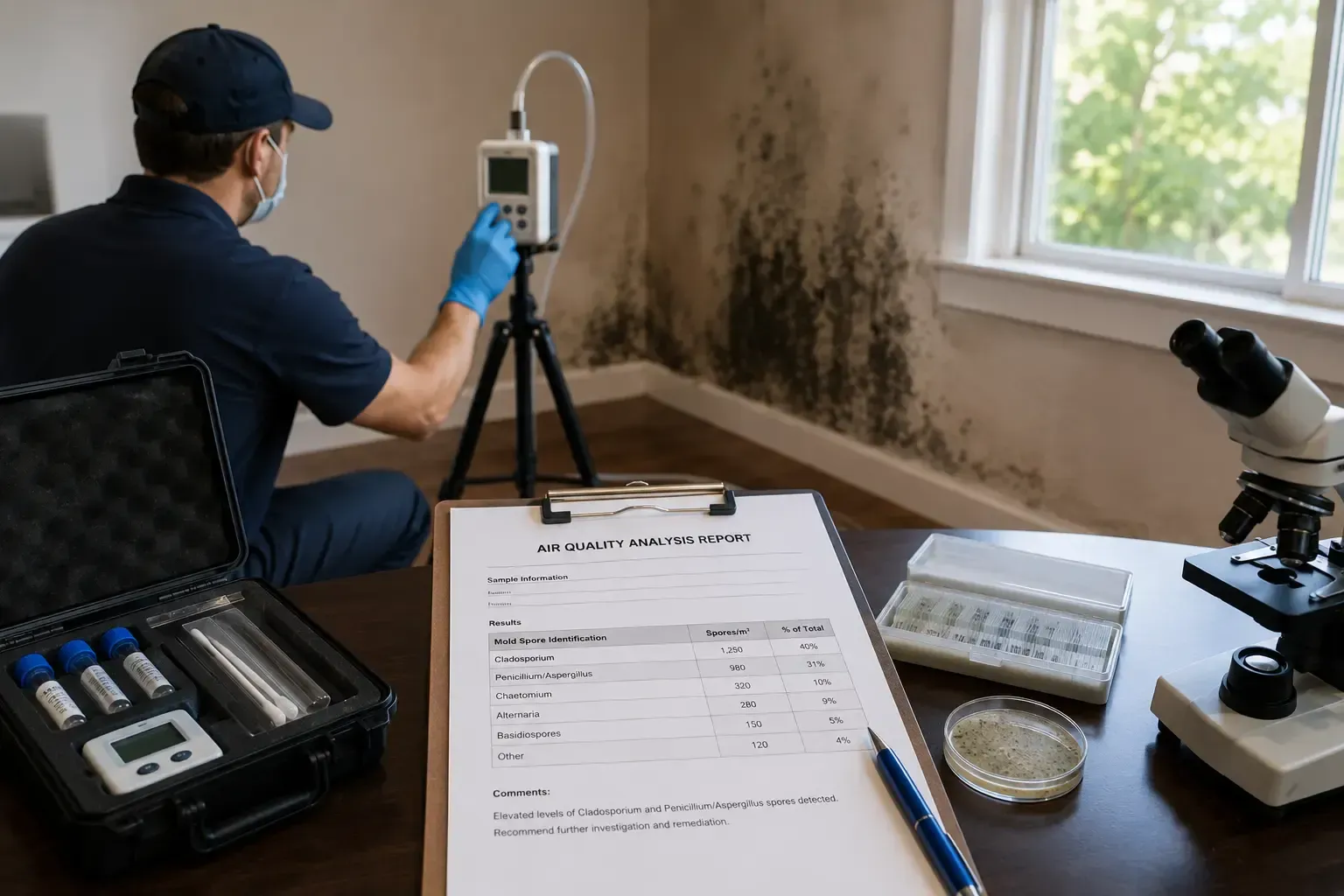
Air testing is not the same as swabbing a visible patch. It captures airborne spores you cannot see with the naked eye. A technician pulls air through a spore-trap cassette for a set time. The sample then goes to a lab for a spore count by type.
Indoor Samples Versus the Outdoor Control
Every honest test includes an outdoor control sample. Mold exists outdoors everywhere, including across Franklin County. The lab compares your indoor counts against that baseline. Indoor levels should sit at or below outdoor levels. When indoor counts spike above the control, something inside is feeding growth.
The Spore Types That Matter
The report lists genera such as Cladosporium, Aspergillus, and Penicillium. It also flags Stachybotrys, often called black mold. Stachybotrys rarely floats freely, so even small indoor counts deserve a closer look. The mix of types tells your inspector where to search next.
DIY Kits Versus Professional Sampling
Hardware-store kits can hint at a problem, but they rarely include an outdoor control. Without that baseline, the numbers are hard to trust. Professional sampling adds calibrated pumps and lab analysis. That is why most Columbus homeowners use a pro when results will guide real repairs.
When Columbus Homeowners Should Test
You do not need a test for every musty smell. Testing earns its cost in specific situations. Order one when you smell mold but cannot find it. Test after water damage that stayed wet for more than a day. Test when a family member has unexplained respiratory symptoms at home.
Columbus adds its own triggers. Older homes in German Village and the University District often have damp stone basements. Newer builds in Dublin, Westerville, and Hilliard can trap humidity in tight crawl spaces. Spring runoff and summer humidity both raise indoor moisture across central Ohio. If you are searching for Mold Testing Near Me after a wet spring, air sampling gives you a clear starting point.
What Your Results Actually Mean
A lab report can look intimidating. Focus on three things. First, compare each indoor count to the outdoor number. Second, look for water-damage indicators like Stachybotrys or Chaetomium. Third, read the inspector's interpretation, not just the raw counts. The EPA's guidance on mold testing explains why sampling supports, but never replaces, a visual inspection.
Elevated Results - What Happens Next
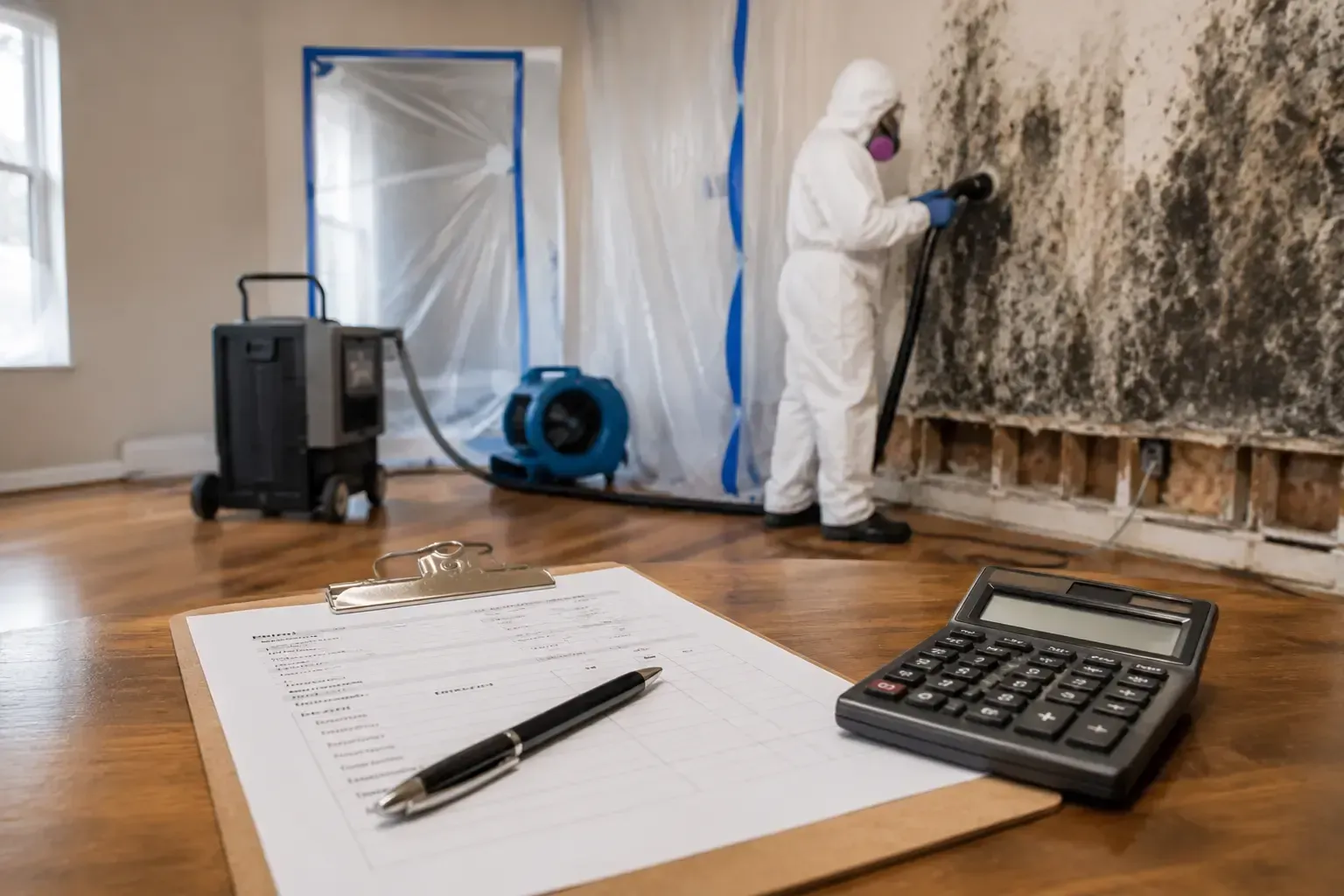
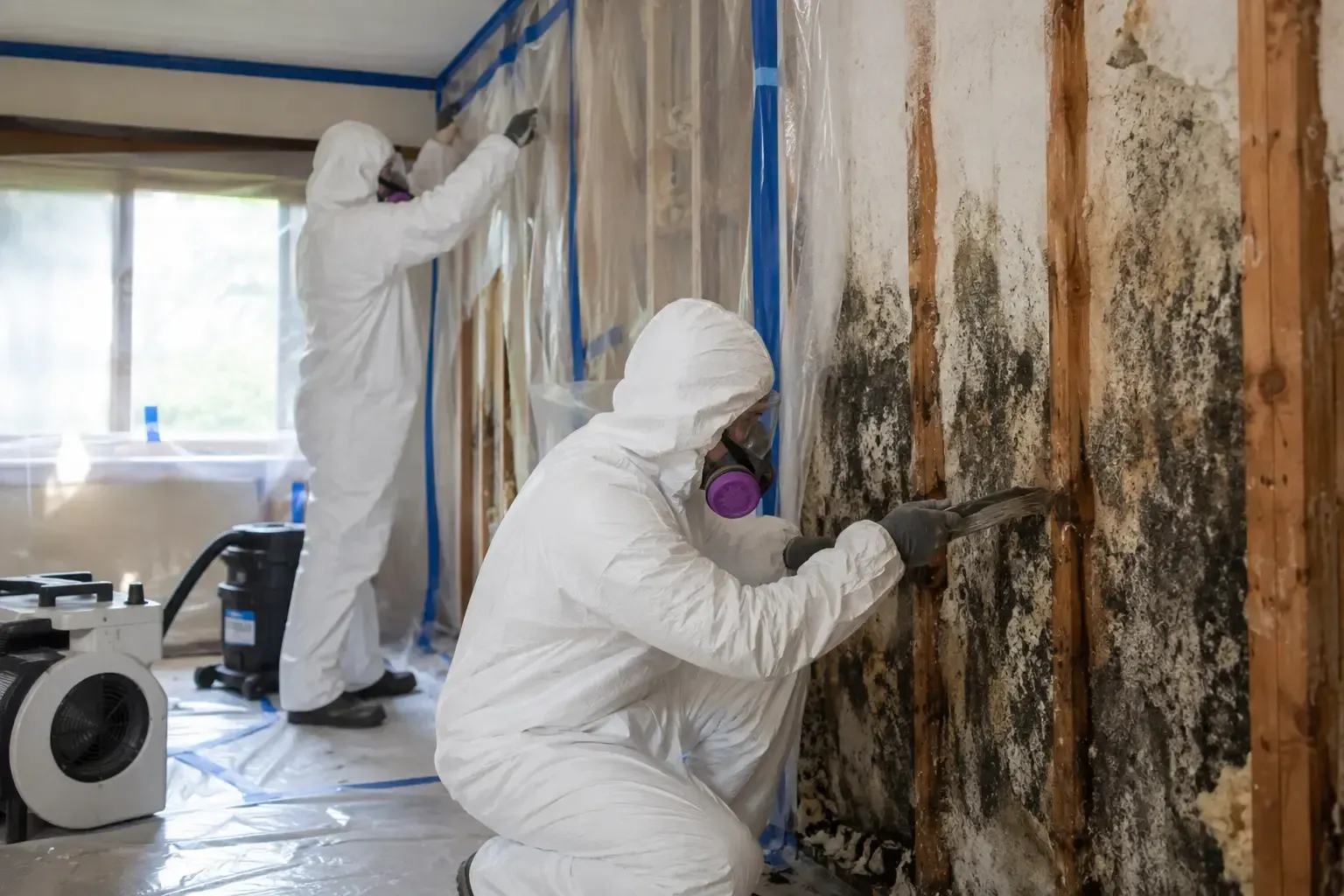
Elevated counts mean a moisture source is hiding somewhere. Testing finds the fingerprint; it does not remove the mold. The next step is locating the leak, drying the area, and treating the growth. Mold Warrior pairs testing with a moisture assessment and full mold removal and remediation. You fix the cause, not just the symptom.
What Mold Air Quality Testing Costs in Columbus
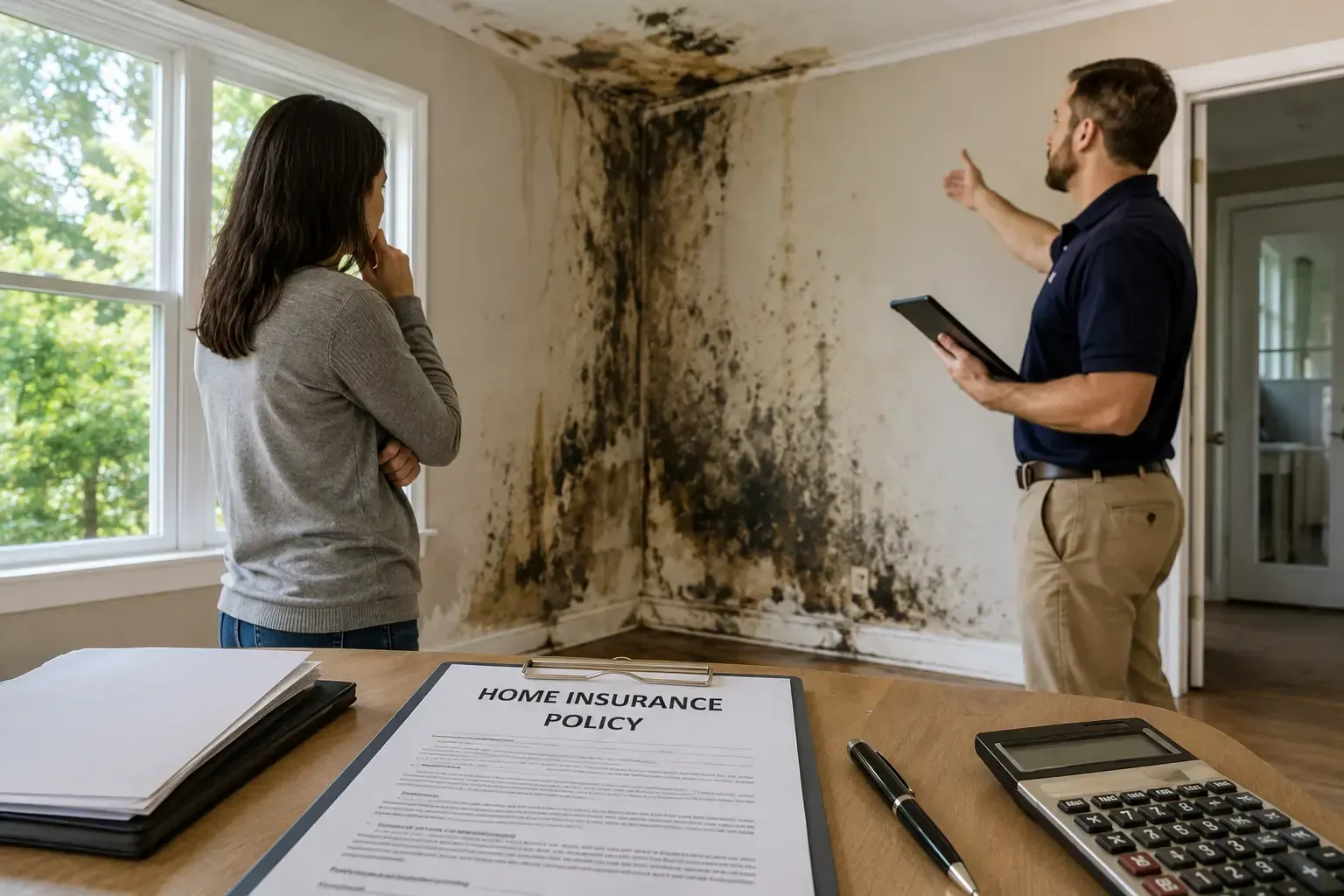
Cost is the first question most homeowners ask. A standalone professional air test in Columbus typically costs between $250 and $700. That range covers two interior air samples plus one outdoor control, with lab analysis. Bundled into a full home mold inspection, expect $300 to $1,000 depending on home size.
Mold inspection pricing tracks square footage. For homes under 4,000 square feet, a Columbus inspection usually runs $300 to $400. Larger homes above that size range from $700 to $900. Per the EPA's brief guide to mold and moisture, fixing the water problem is what actually stops regrowth. Testing simply tells you where to look.
Frequently Asked Questions
How much does an air quality test for mold cost?
A professional mold air quality test averages $250 to $700. Packaged with a full inspection and lab analysis, the total usually lands between $300 and $1,000.
How much does a mold inspection cost in Columbus, Ohio?
Homes under 4,000 square feet typically cost $300 to $400 to inspect. Larger Columbus homes range from $700 to $900.
How do I get a free mold inspection in Columbus?
Some local companies offer a free visual inspection when it is tied to remediation work. Independent lab air testing is almost always a paid service.
Is there a way to test air quality for mold at home?
Yes. Professional spore-trap sampling is most reliable, but mail-in DIY kits exist. Professional testing compares indoor counts to an outdoor control, which DIY kits often skip.
Not Sure If Your Air Is Clean? Start With a Test
A musty smell you cannot trace does not have to stay a mystery. Air testing turns a guess into data you can act on. When you want
Mold & Air Quality Testing in Columbus done right, our Mold Warrior team can help. We sample your air and read the lab report with you. Stop searching Mold Testing Near Me and get answers you can trust. Clear results protect your home and the air your family breathes across Columbus, Dublin, and Westerville.