Crawl Space Encapsulation in Columbus, OH: Seal Out Mold
Roughly half the air you breathe upstairs starts in the crawl space below. That is the stack effect at work. In central Ohio, that low, dark space is often damp. Damp space grows mold. If your Columbus home smells musty or feels sticky in summer, the cause may be under your feet.
Key Takeaways
- Crawl space encapsulation seals your Columbus home from ground moisture, mold, and humid air.
- A full system costs most homeowners $5,500 to $15,000, based on size and prep work.
- Done right, it lasts 15 to 20 years and can cut cooling bills by 10 to 20 percent.
Why Columbus Crawl Spaces Grow Mold
Central Ohio hands your crawl space a hard climate. Three local factors make the problem worse.
Humid Summers and Freeze-Thaw Winters
Columbus summers run warm and humid. Warm, moist air drifts into cool crawl spaces. It condenses on wood framing and cold pipes. Winters then bring freeze-thaw cycles that crack foundations and let water seep in. This wet-then-cold pattern feeds mold most of the year.
Clay Soil That Holds Water
Much of central Ohio sits on dense clay soil. Clay drains slowly and stays wet long after rain. That moisture pushes up through a bare dirt crawl space floor. The EPA names the fix directly: put a plastic cover over dirt in crawlspaces and control the humidity.
Older Homes in Established Neighborhoods
Neighborhoods like Clintonville, German Village, and Upper Arlington hold many older homes. Older houses often have vented crawl spaces built to mid-century standards. Those open vents let humid outdoor air pour in all summer.
What Crawl Space Encapsulation Actually Does
Encapsulation seals the crawl space from outside air and ground moisture. A crew lines the floor and walls with a thick vapor barrier. They seal every vent, gap, and the access door. Then they add a dedicated dehumidifier to hold humidity near 50 percent. The result is a dry, clean, conditioned space that stops feeding mold.
The Warning Signs You Need It
Watch for these signs in your Columbus home:
- Musty smell in the lowest level of the house
- Visible mold on floor joists, subfloor, or insulation
- Sagging or soft floors underfoot
- Cupping or warping hardwood upstairs
- Standing water or damp soil below
- Higher allergy or asthma symptoms at home
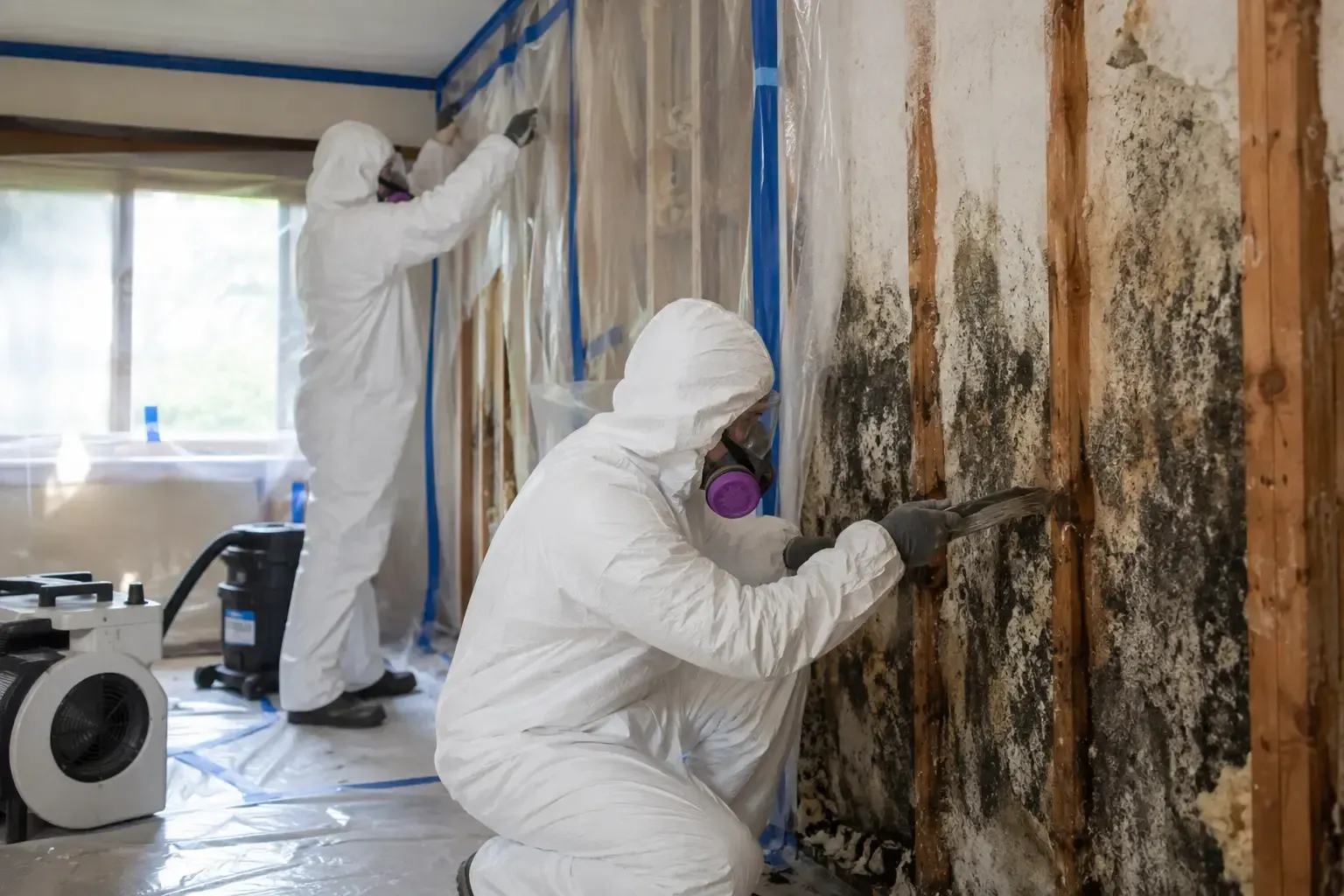
If you spot mold below, searching Mold Remediation Near Me is a smart first move. The colony has to go before anything gets sealed in.
The Encapsulation Process, Step by Step
Mold Warrior treats a crawl space as a mold problem first. A proper job follows a clear order, and skipping steps is why cheap jobs fail.
Step 1: Inspection and Mold Removal
First, a Mold Warrior technician measures humidity and checks for water. Any existing mold must be removed before sealing. This is where professional Mold Remediation Near Me matters most. You never want to seal a live colony into your home.
Step 2: Water Management
Next, the crew handles any active water. That may mean a sump pump, an interior drain, or corrected grading. No barrier holds back standing water on its own.
Step 3: Vapor Barrier and Sealing
Then they install a 14 to 20 mil reinforced barrier across the floor and walls. Seams are taped and pressure-rolled. Vents, rim joists, and the access door all get sealed tight.
Step 4: Dehumidification
Finally, a crawl-space dehumidifier keeps moisture in check year-round. The EPA advises homeowners to keep indoor humidity below 60 percent, ideally 30 to 50 percent. A sealed space without a dehumidifier will eventually fail.
What It Costs in Columbus
Most Columbus homeowners pay between $5,500 and $15,000 for a full system. Your price depends on a few things:
- Crawl space size in square feet
- How much mold and water damage already exists
- Whether drainage or a sump pump is needed
- Vapor barrier thickness, from 12 to 20 mil
Part of the work, such as mold and sudden water damage, may fall under your homeowners insurance. A written quote should list every line item with no surprises later.
Is It Worth the Money?
For most central Ohio homes, yes. Encapsulation ends the moisture cycle for decades, not seasons. It protects floor joists from rot, the costliest failure mode in any home. It also trims cooling costs and lifts resale value. If your crawl space is already bone dry, the payback is slower. But few Columbus crawl spaces stay dry through a humid summer.
Frequently Asked Questions
What is the average cost of encapsulating a crawl space?
Most homeowners pay $5,000 to $15,000, or roughly $3 to $10 per square foot. Your total depends on size, existing mold, and any needed drainage work.
What are the negatives of crawl space encapsulation?
The main drawbacks are the upfront cost and yearly dehumidifier maintenance. A poor install can also trap moisture. That is why the contractor matters more than the materials.
Is crawl space encapsulation worth the money?
It is usually worth it if your home has high humidity, standing water, mold, or musty odors. It offers less value if your crawl space is already dry.
How long does crawl space encapsulation last?
A quality system lasts 15 to 20 years, and often longer. Lifespan depends on barrier thickness, install quality, and annual maintenance.
Can I encapsulate a crawl space myself?
Small, dry spaces can take a simple DIY vapor barrier. But a full system needs mold removal, drainage, and proper sealing. Those steps call for trained crews.
Seal the Source Under Your Columbus Home
Your crawl space shapes the air in every room above it. When it stays damp, mold and musty air follow it upstairs. Mold Warrior's IICRC-certified crews inspect, remediate, and seal Columbus crawl spaces the right way, and every project starts with a free inspection. When you are ready to dry things out for good, book your
Crawl Space Encapsulation in Columbus, OH inspection. You will breathe easier in every room.