How Much Does Mold Removal Cost? (2026 National Pricing Guide)
You spotted dark streaks behind the washing machine, or a musty smell took over the basement. Time to get rid of the mold. The next question every homeowner asks: how much will this cost? This guide breaks down what mold removal cost looks like in 2026 nationally - real pricing by scope, the dry-fog technology option that saves 30-50%, regional variations, and how to navigate the insurance gap.
Key Takeaways
- Most homeowners pay $1,200-$3,750 for professional mold remediation in 2026 with national average $2,300-$2,400.
- Per-sqft pricing: $10-$25 traditional remediation. Dry-fog technology can cut total cost 30-50% by avoiding demolition.
- Standard homeowners insurance typically caps mold at $5,000 unless tied to a covered peril like burst pipe or storm damage.
Real 2026 Mold Removal Costs by Scope
Bathroom or Localized ($300-$700)
Surface mold around tub, shower, grout caught early. Same-day cleaning + sealing job. Usually does not require professional remediation if affected area stays under 10 sqft.
Small Contamination - Under 100 sq ft ($1,200-$3,500)
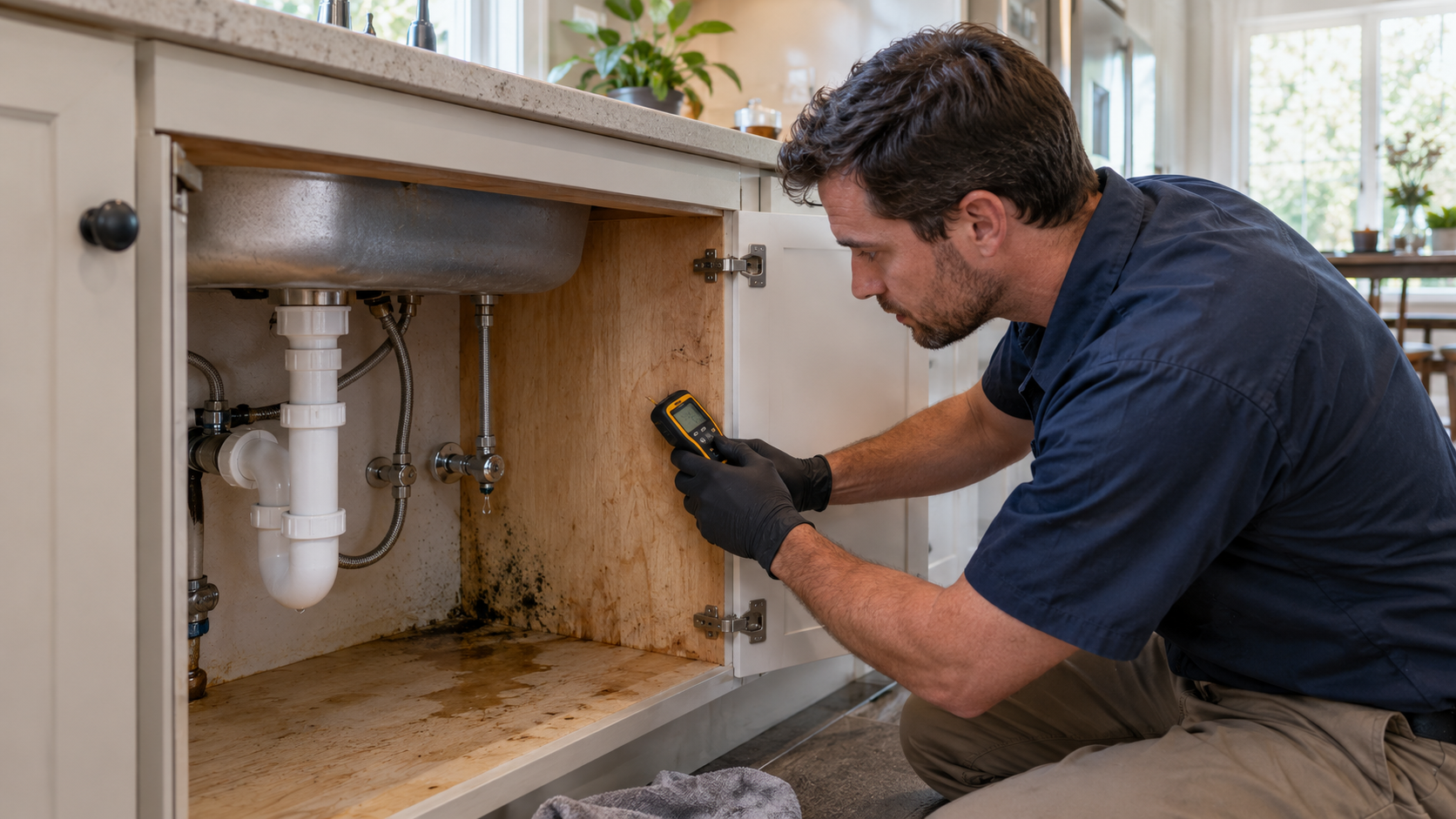
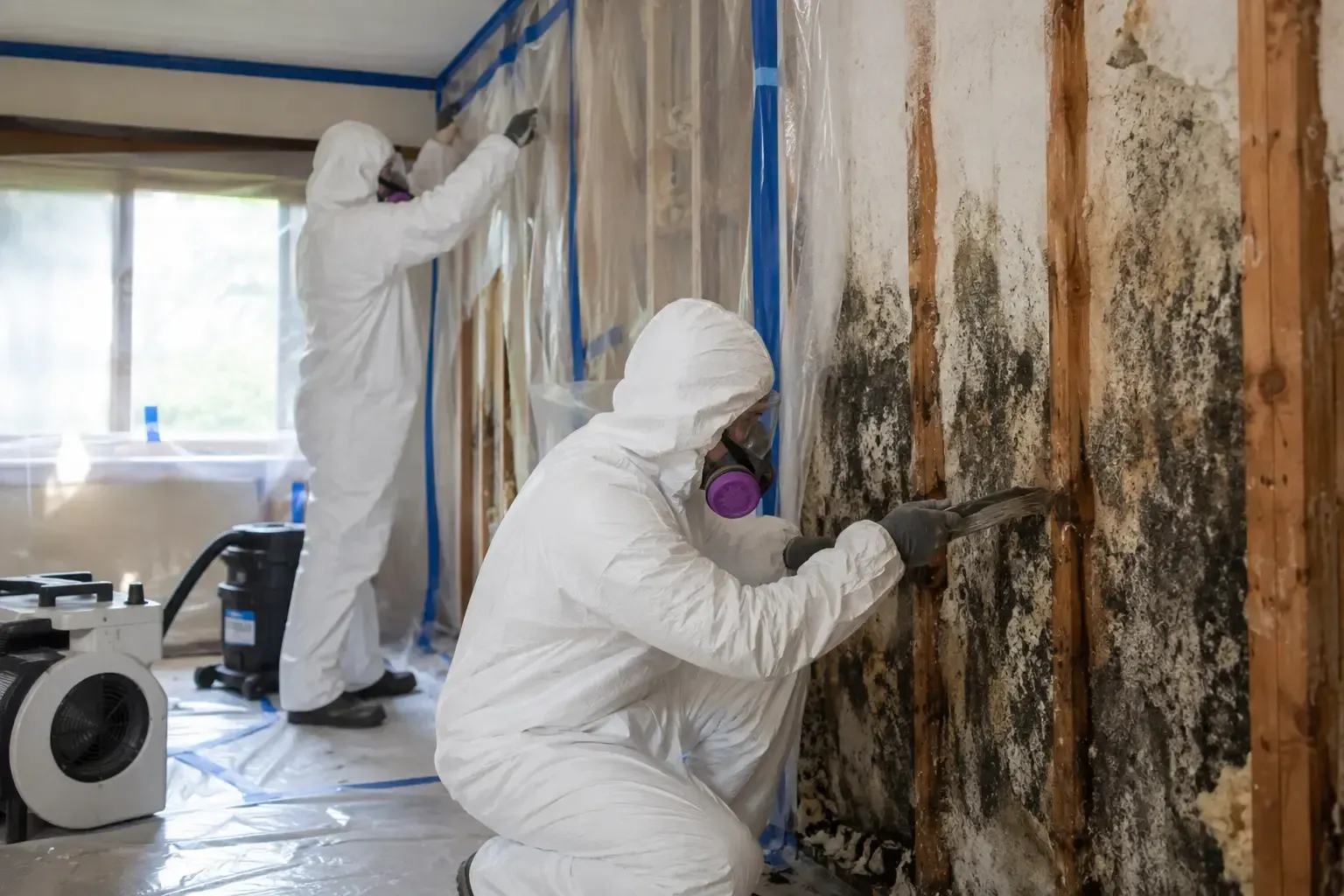
Localized mold from slow leak, AC condensate failure, or single-room water event. Includes containment, removal of porous materials, HEPA air scrubbing, post-remediation clearance testing.
Moderate Contamination - 100-300 sq ft ($3,500-$8,000)
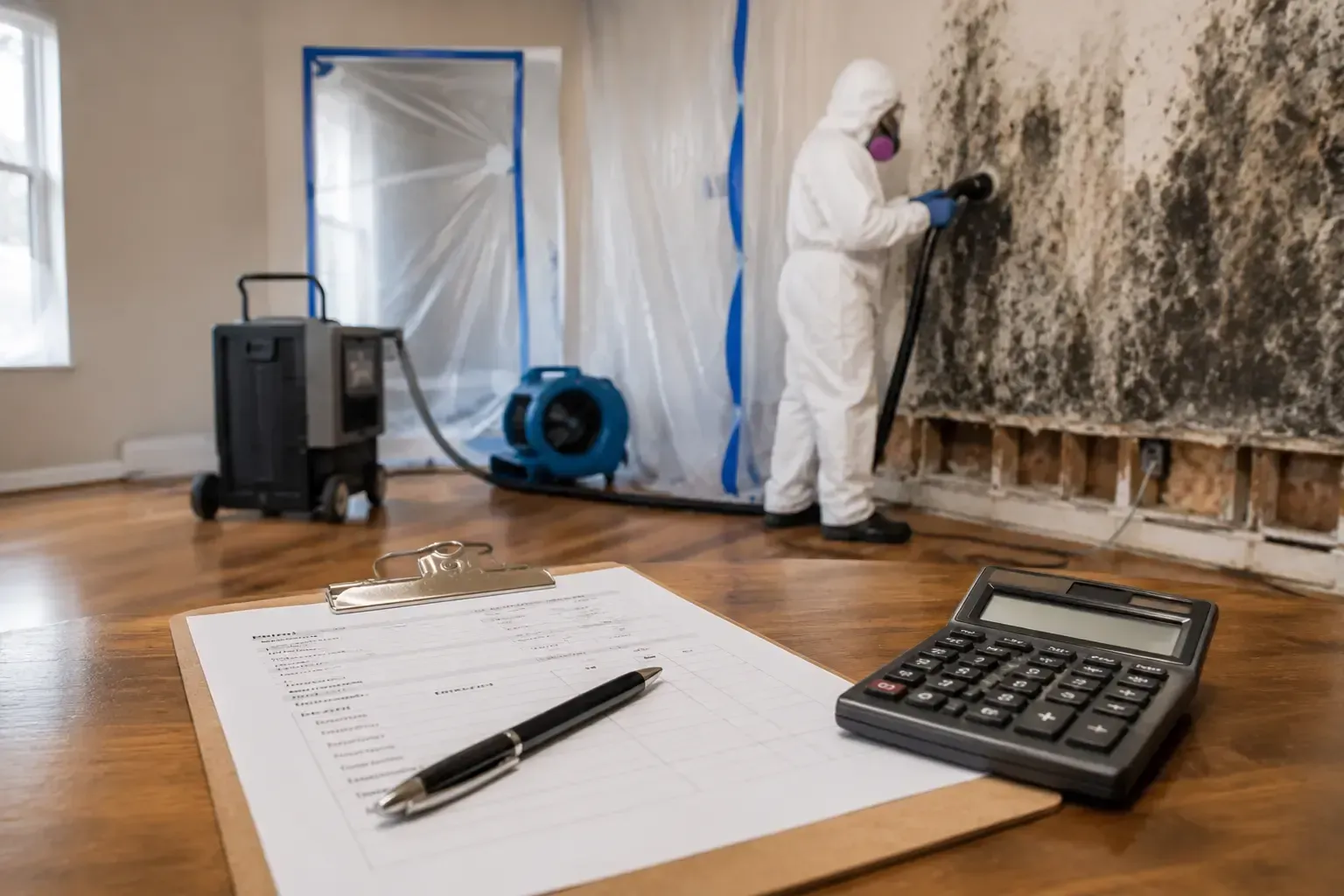
Multi-room or larger basement mold with structural contamination. Includes negative-air containment, full demolition of affected materials, antimicrobial treatment, structural drying.
Large Structural - 300+ sq ft ($8,000-$25,000)
Whole-floor or whole-house mold from undetected long-term moisture intrusion. Includes contents pack-out, full demolition, multi-day air scrubbing, third-party clearance testing.
Catastrophic Whole-Home ($25,000-$60,000+)
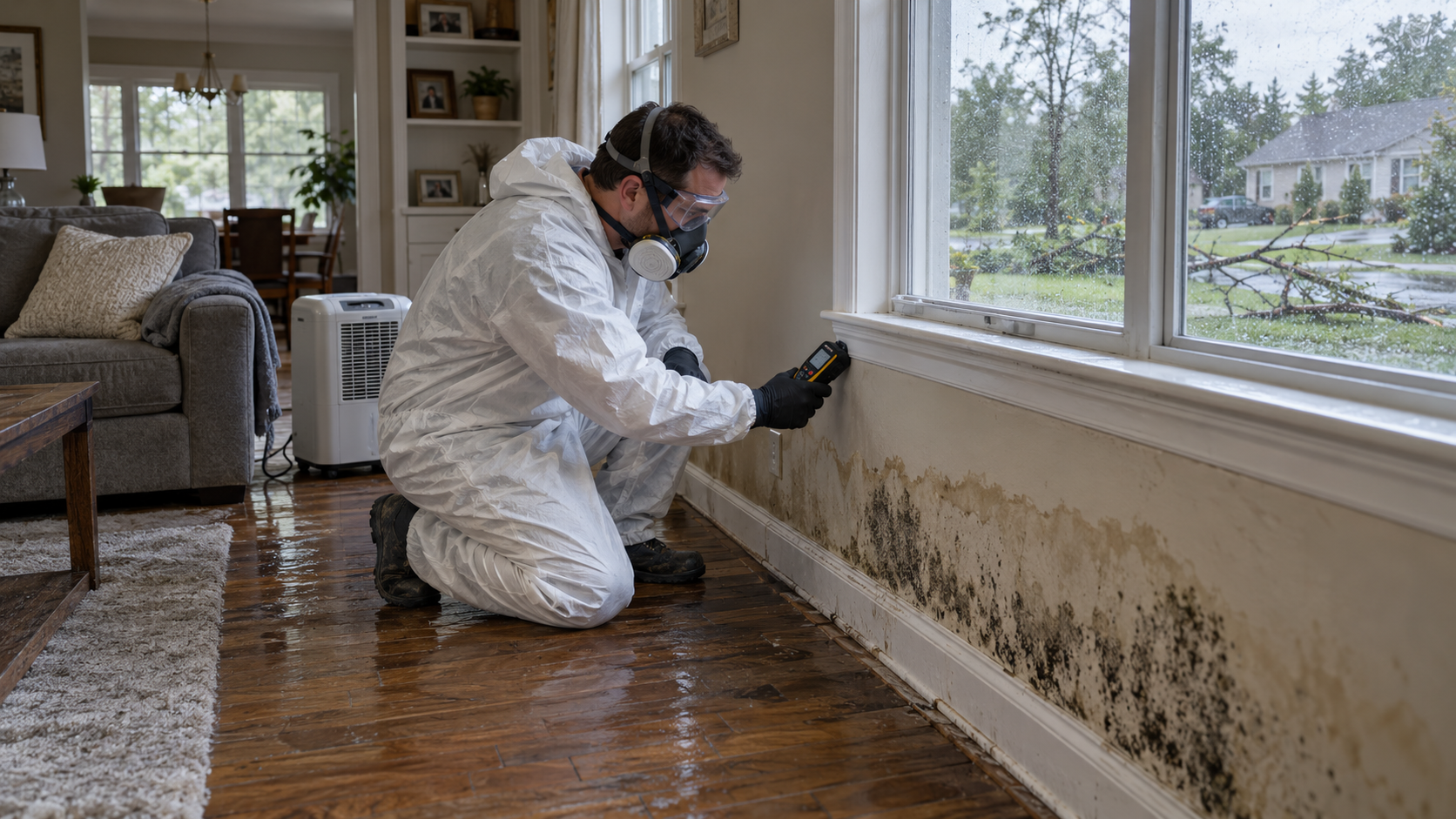
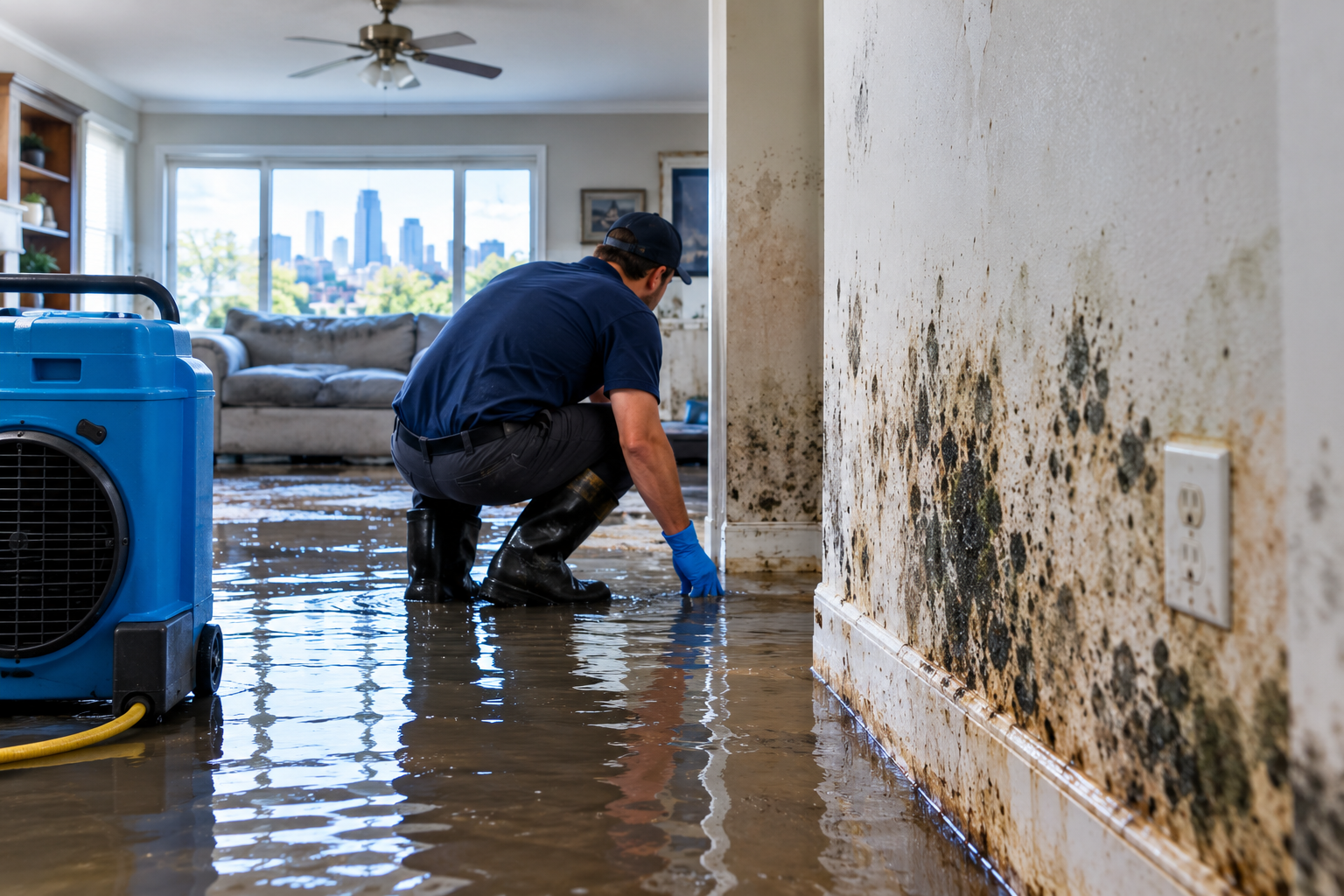
Severe long-term mold often discovered after Katrina-style flooding or pre-existing decades of moisture issues. Whole-house demolition to studs, structural rebuild, full air-system replacement.
Traditional vs Dry-Fog Remediation (Cost Difference)
Traditional Demolition-Based Remediation
Most common approach: build containment, demo affected drywall/insulation/flooring, HEPA-vacuum, antimicrobial treatment, rebuild. Cost $10-$25 per sqft. 5-10 day timeline. Lots of dust + reconstruction cost added on.
Dry-Fog Technology Remediation
Newer approach using EPA-registered dry-fog antimicrobial that penetrates porous surfaces without demolition. Cost: 30-50% less than traditional ($1,500-$5,000 typical job). Timeline: 1-2 days. No reconstruction cost.
When Each Works
Dry-fog works when: mold is surface-level on accessible materials, structural materials are not saturated, area is under 1,000 sqft. Traditional demolition required when: mold is inside wall cavities, materials are saturated, structural water damage present.
What Drives Your Mold Removal Bill
Affected Square Footage
The single biggest cost variable. Per EPA guidance, any contiguous area larger than 10 sqft requires licensed remediator. Below 10 sqft, DIY with proper PPE is feasible.
Mold Type
Common species (Cladosporium, Penicillium, Aspergillus) cost less. Toxic black mold (Stachybotrys chartarum) requires more aggressive containment - adds 30-50%.
Source Repair
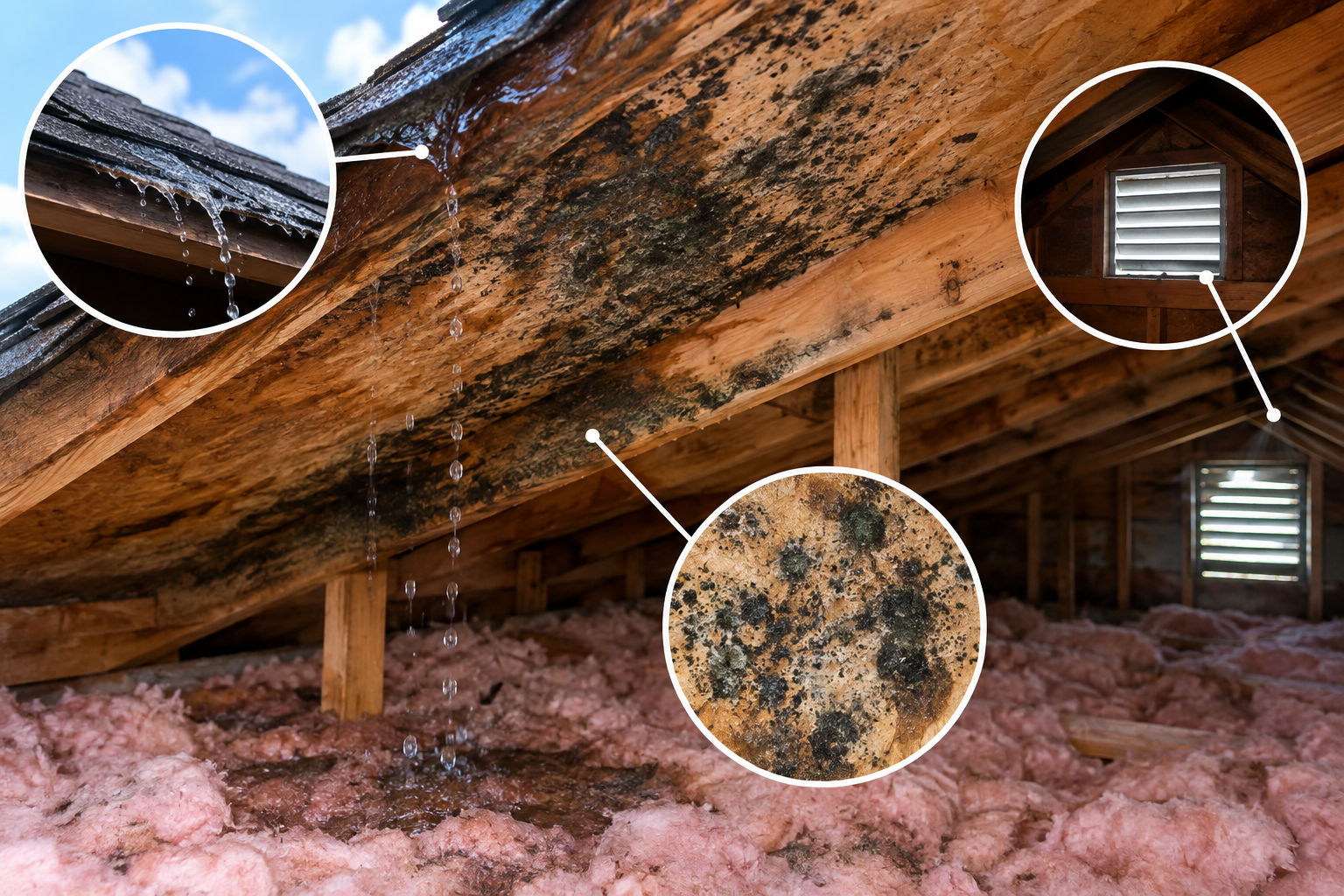
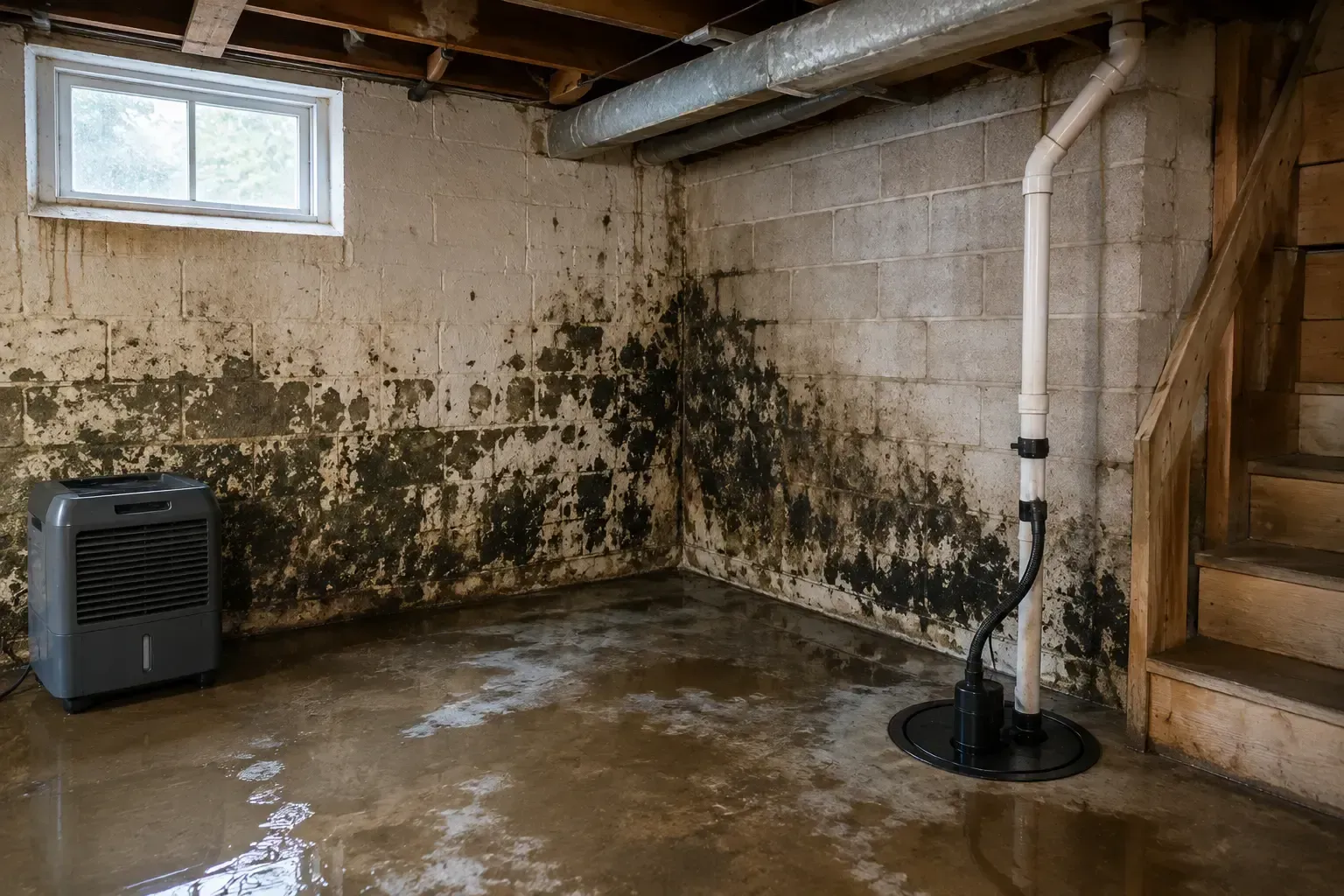
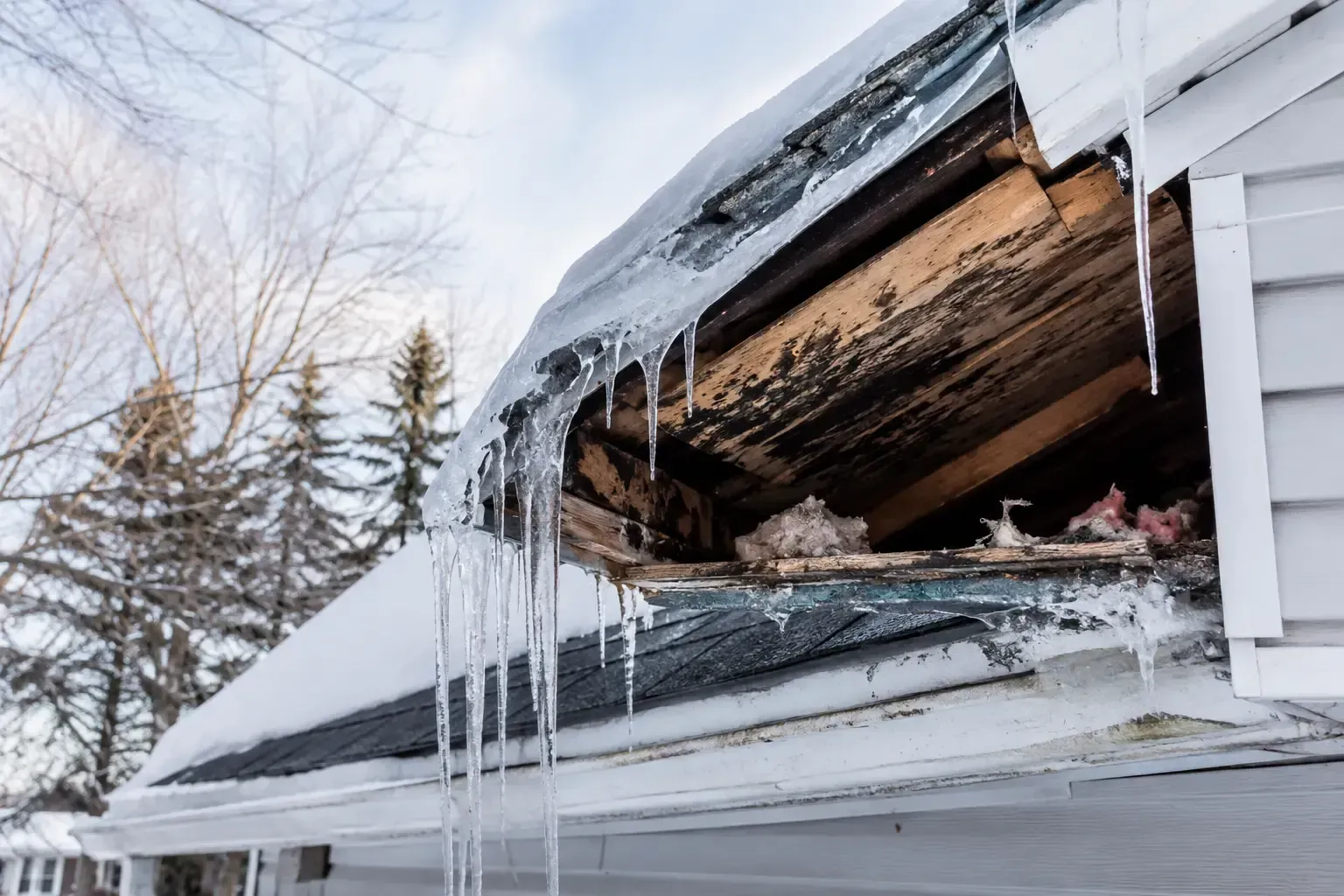
Mold remediation only solves the symptom. Water source repair (roof leak, plumbing, AC condensate, sump pump) costs another $500-$5,000 separately.
Regional Variation
Humid markets (Gulf Coast, Pacific NW, Southeast) cost 20-40% more than dry markets (Mountain West, Southwest) due to faster mold growth, higher humidity drying requirements, and more frequent recurrence.
Will Insurance Cover Mold Removal?
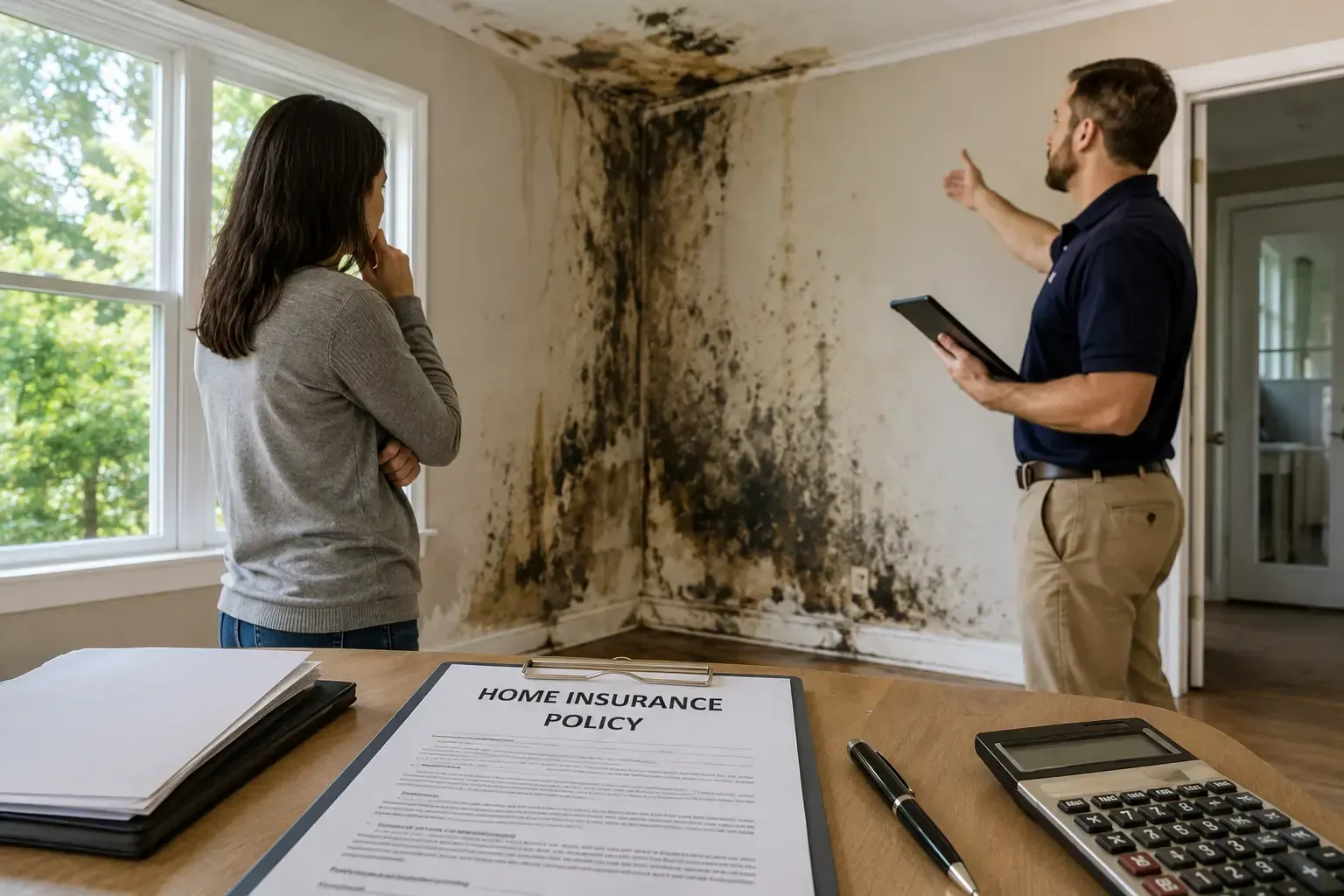
Usually limited. Standard policies cap mold coverage at $5,000 and only honor it when mold results from a covered peril. Per III data, mold-specific endorsements ($100-$300/year) raise the cap to $10,000-$25,000.
Critical strategy: document the moisture source carefully. Mold from a burst pipe (sudden + covered peril) gets paid. Mold from gradual leak or poor ventilation (excluded) does not.
How to Choose a Mold Remediation Company
- IICRC S520 certified. Industry standard. Without it, walk away.
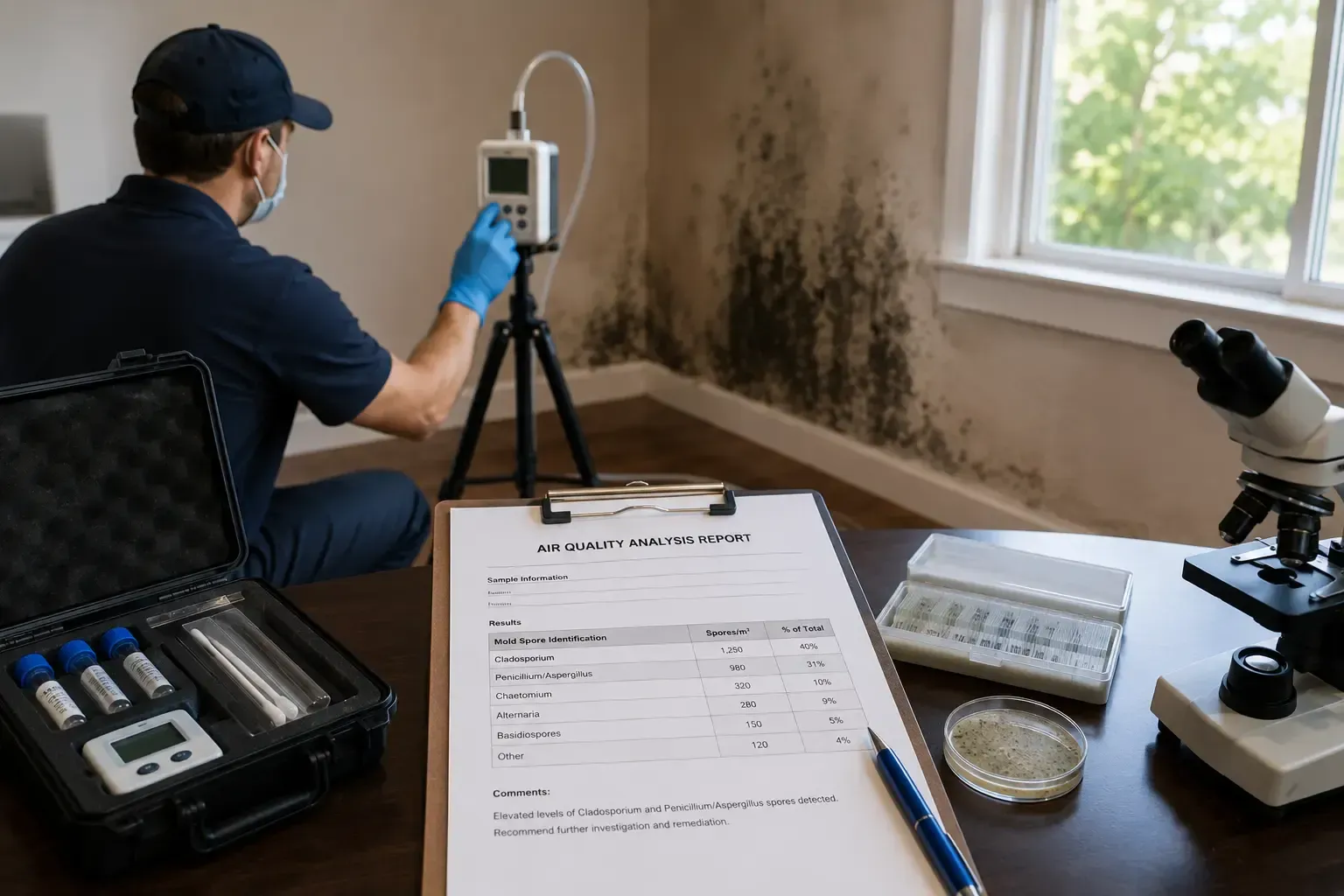
- Third-party post-remediation clearance testing. Remediator should NOT test their own work.
- Containment protocol explained in writing. Negative air pressure, sealed barriers, dedicated entry/exit - non-negotiable for jobs over 10 sqft.
- Source identification and documentation. Without source repair, mold returns within months.
- Written warranty against secondary regrowth. Standard 12-month warranty.
Frequently Asked Questions
How much should you charge for mold removal?
$10-$25 per sqft traditional remediation. Dry-fog technology: $5-$15 per sqft. Most homeowners pay $1,200-$3,750 for typical job. Pricing varies by region and complexity.
Why is mold removal so expensive?
Three reasons: specialized HEPA equipment + commercial dehumidifiers, demolition + reconstruction labor, and third-party lab testing for clearance. Together these drive the $1,200-$8,000 typical range.
What permanently kills mold?
Nothing permanently kills mold - spores are everywhere. Effective remediation removes existing colonies + fixes moisture source to prevent recurrence. EPA-registered antimicrobials (botanical compounds, chlorine bleach for non-porous surfaces, hydrogen peroxide) kill active mold but cannot prevent future growth without source repair.
Should I remain in my home during mold removal?
Small jobs (under 100 sqft) with proper containment: yes, in unaffected rooms. Moderate or large jobs: plan to vacate 3-7 days. Anyone with asthma, allergies, or pregnancy should leave even small jobs.
Got Mold? Get a Pro Inspection Before You Spend a Dollar.
A $300-$600 professional inspection identifies mold type, scope, source, and recommended approach (traditional vs dry-fog). Mold Warrior serves Atlanta, Columbus, Denver, Kansas City, Raleigh metro areas with IICRC-certified inspection + remediation including the dry-fog option. Schedule your mold remediation service today.