How Much Does Mold Removal Cost in Denver, CO? (2026 Pricing Guide)
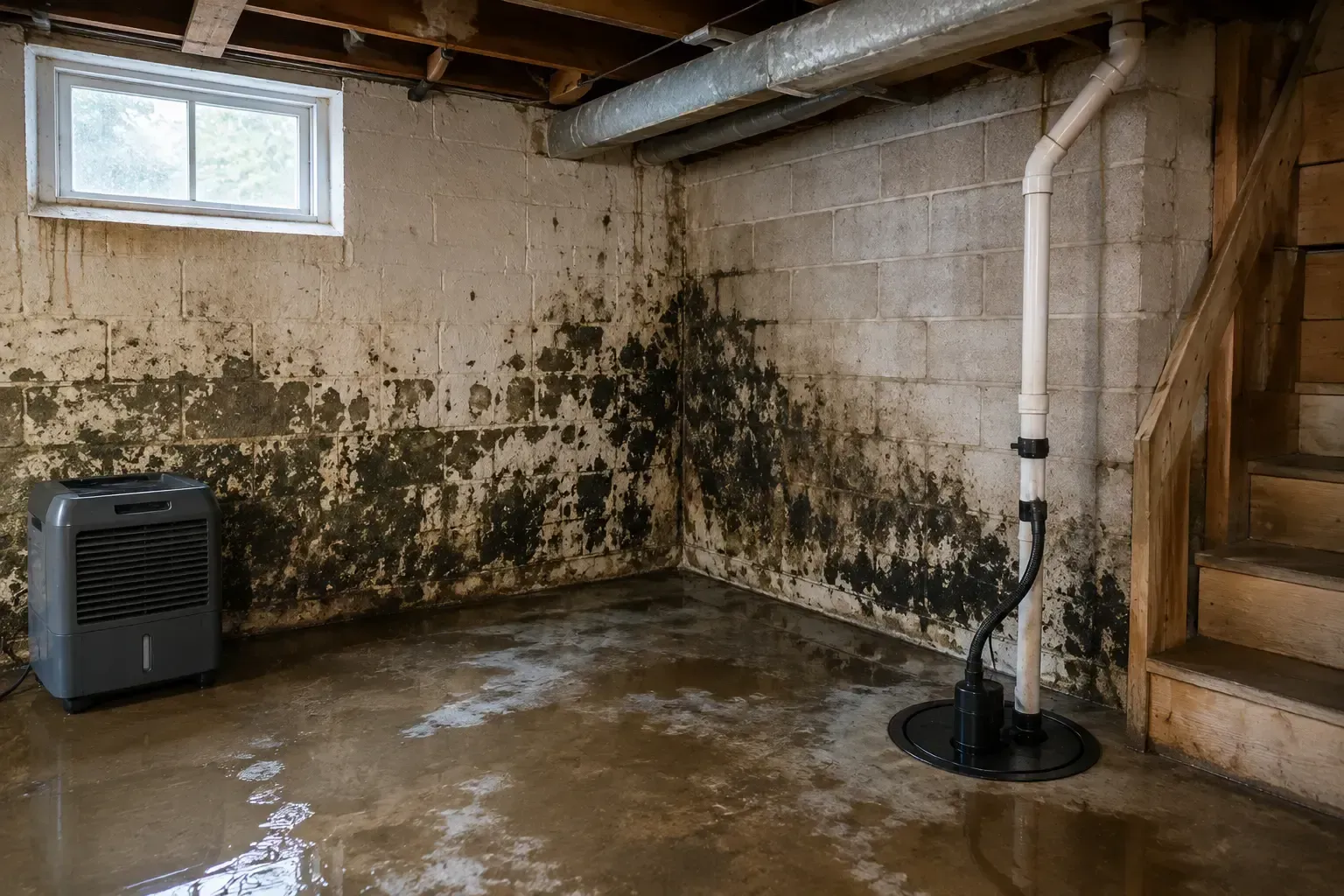
You spotted dark streaks in your Denver basement after the spring snowmelt, or the crawlspace developed a musty smell. The next question every Front Range homeowner asks: how much will this cost? This guide breaks down what mold removal cost Denver homeowners pay in 2026, the dry-fog technology option, and how Front Range dry climate keeps your bill lower than humid markets.
Key Takeaways
- Most Denver mold remediation projects fall between $1,000 and $5,000. Severe whole-house jobs reach $10,000-$25,000+.
- Dry-fog remediation (Mold Warrior specialty) can cut traditional demolition costs 30-50% on accessible surface mold.
- Front Range dry climate (25-35% humidity) cuts mold recurrence rates 60-70% vs humid markets - once removed, mold rarely returns.
Real 2026 Denver Mold Removal Costs by Scope
Bathroom or Localized ($300-$700)
Surface mold around tub, shower, grout caught early. Same-day cleaning + sealing job.
Crawlspace Only ($1,300-$2,500)
Common Denver-metro scenario. Crawlspace homes from 1960s-2010s. Includes containment, vapor barrier replacement, antimicrobial treatment, fan-drying.
Small Contamination - Under 100 sq ft ($1,000-$3,300)
Localized mold from slow leak, AC condensate, or single-room moisture event.
Moderate Contamination - 100-300 sq ft ($3,300-$8,000)
Multi-room or basement mold from extended leak or snowmelt seepage.
Large Structural - 300+ sq ft ($8,000-$25,000)
Whole-floor or whole-house mold from undetected long-term moisture intrusion.
Traditional vs Dry-Fog Remediation in Denver
Traditional Demolition-Based
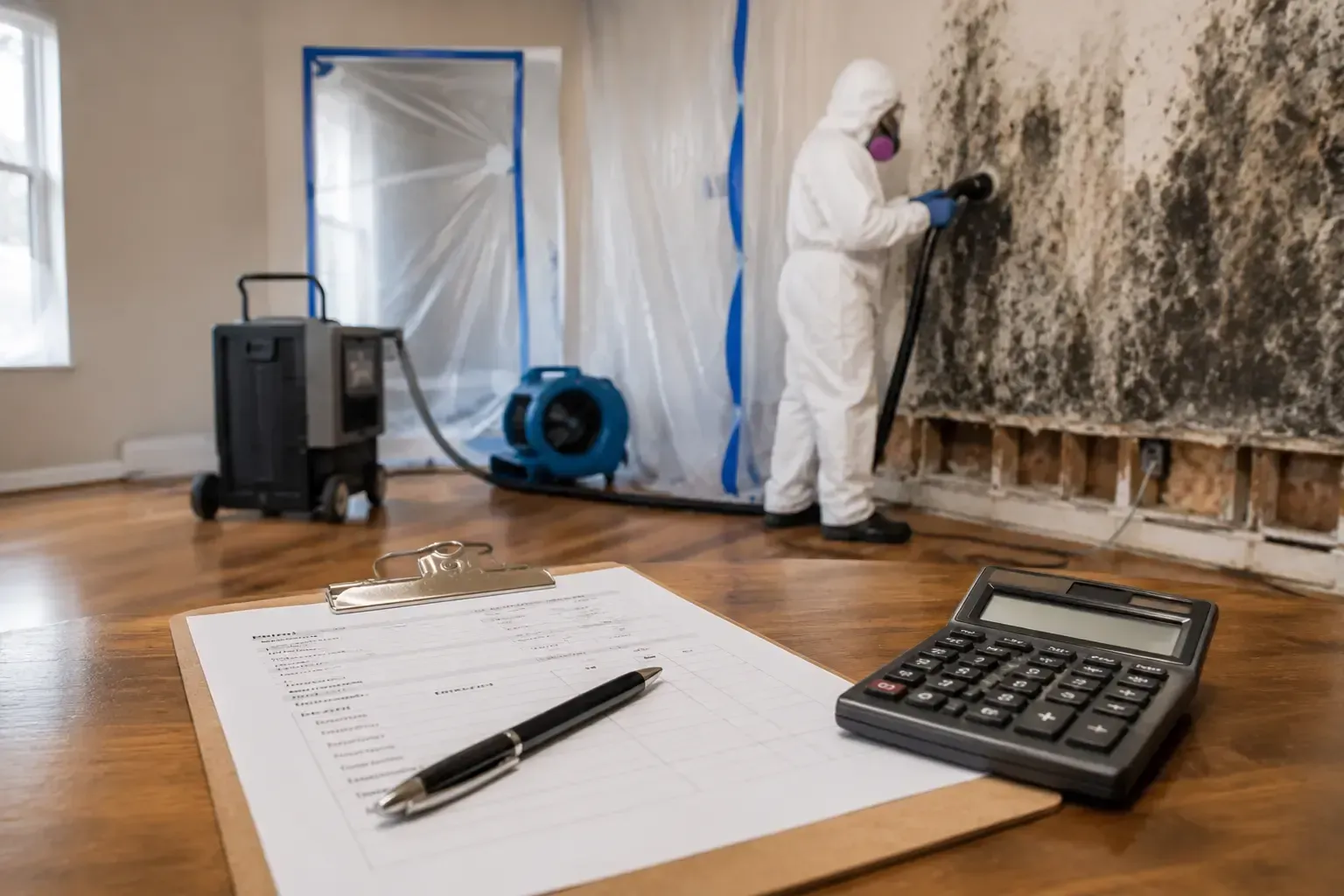
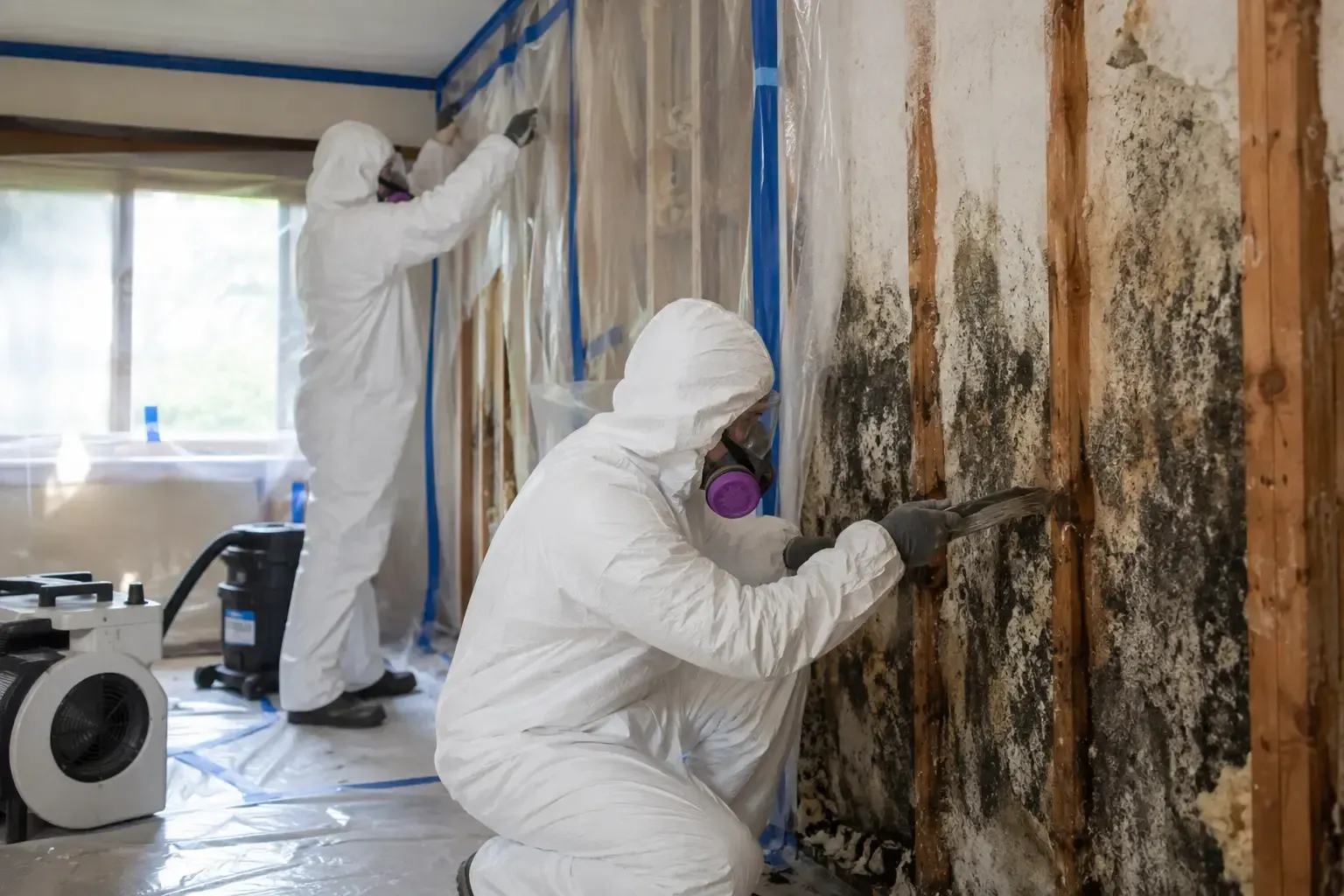
Standard approach: containment + demolition + reconstruction. $10-$25 per sqft. 5-10 day timeline.
Mold Warrior Dry-Fog Technology
EPA-registered dry-fog antimicrobial penetrates porous surfaces without demolition. 30-50% cheaper. 1-2 day timeline. No reconstruction.
What Drives Your Denver Mold Removal Bill
Affected Square Footage
Per EPA guidance, any contiguous area larger than 10 sqft requires licensed remediator.
Mold Type
Common species cost less. Toxic black mold requires more aggressive containment - adds 30-50%.
Source Repair
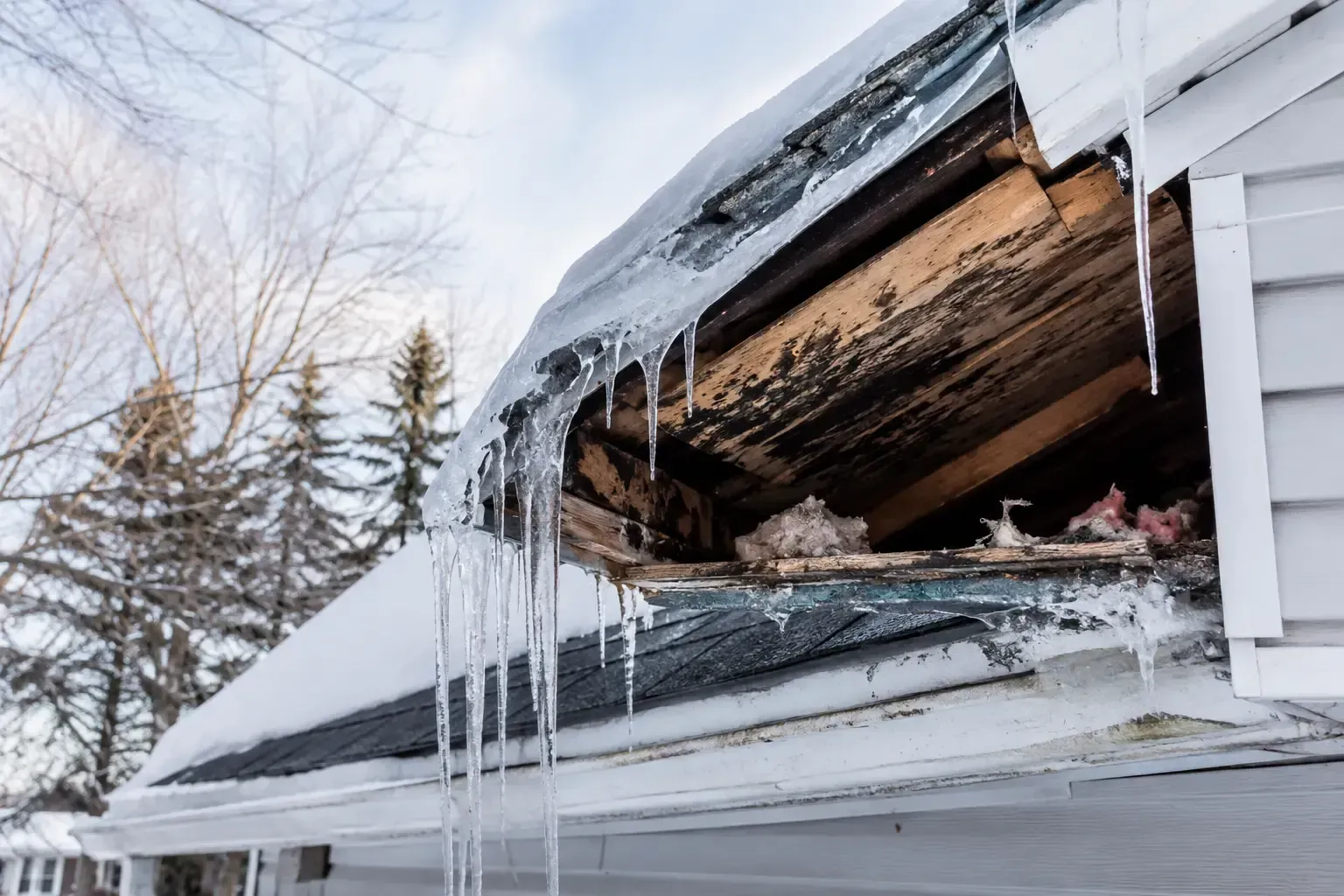
Mold remediation only solves the symptom. Source repair: roof leak $500-$3,000, plumbing $500-$2,000, sump pump $1,500-$3,500.
The Front Range Climate Advantage
Per NWS Boulder/Denver climate data, Denver averages 25-35% relative humidity year-round. Mold needs sustained 60%+ humidity for growth. After remediation, recurring mold much rarer - Front Range rates 8-12% vs 25-35% coastal cities.
Exception: spring snowmelt season (March-May) when groundwater rises around foundations. Crawlspace and basement mold complaints peak in this window.
The Denver Altitude Drying Factor
Denver elevation (5,280 ft) means thinner air. Dehumidifiers are rated at sea-level capacity - actual performance at 5,280 ft drops 10-20%. Reputable Denver remediators oversize dehumidifier capacity to compensate.
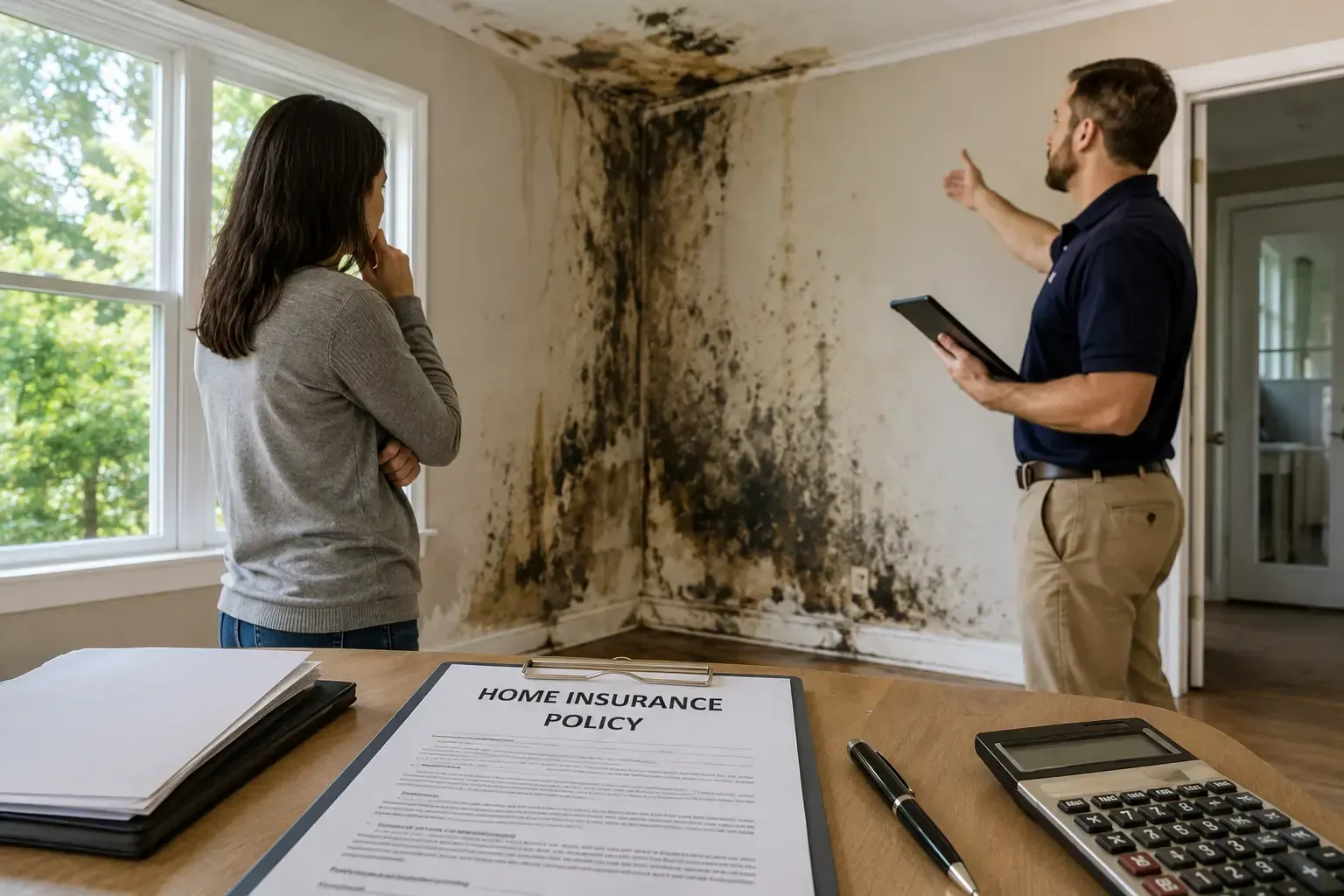
Will Insurance Cover Mold Removal?
Usually limited. Standard Colorado policies cap mold coverage at $5,000 and only honor when mold results from a covered peril.
If your mold came from gradual leak, snowmelt seepage, or poor ventilation, expect to pay out of pocket.
How to Choose a Denver Mold Remediation Company
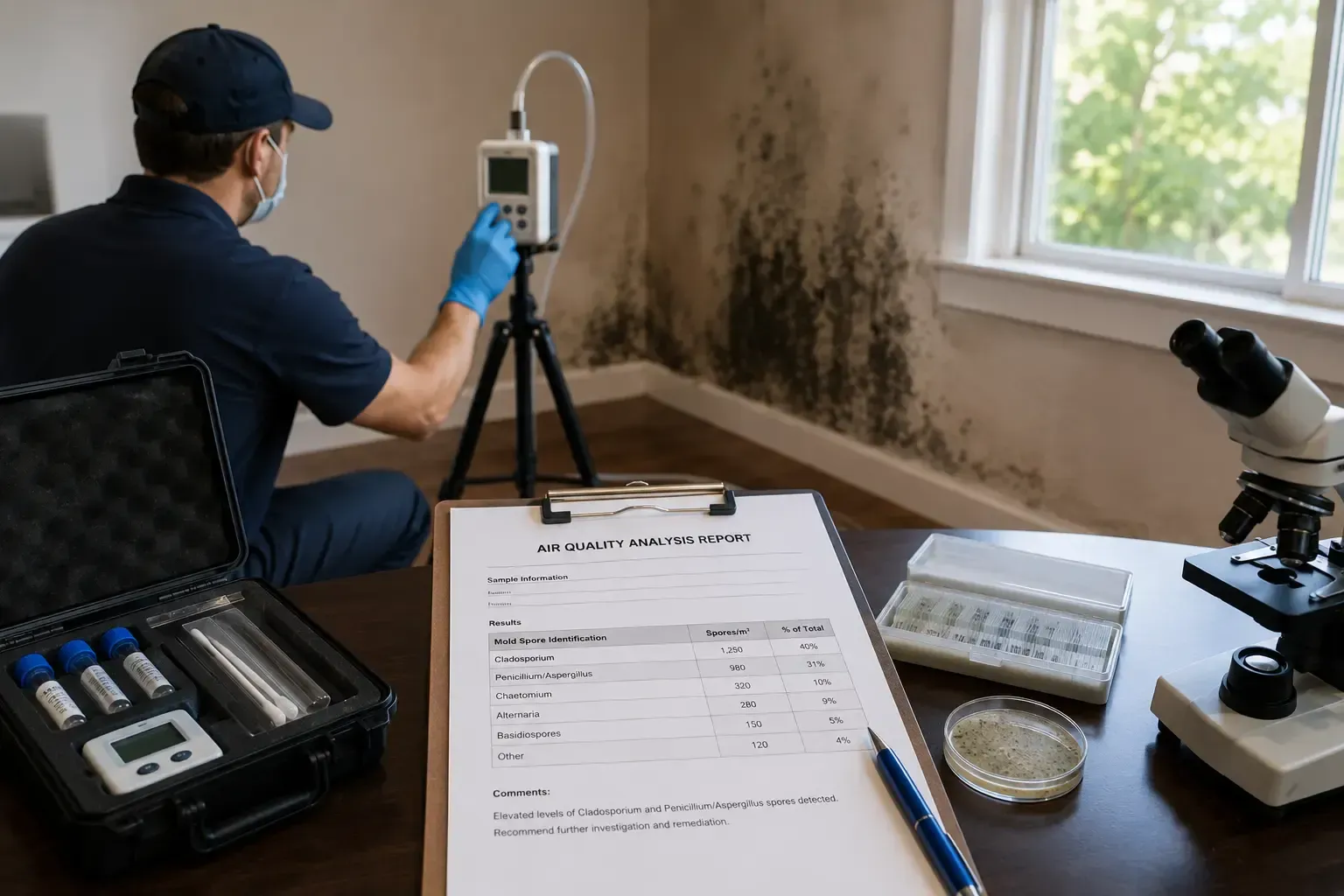
- IICRC-certified to S520.
- Altitude-rated dehumidifier equipment. Critical for proper drying at 5,280 ft.
- Crawlspace experience. Common Front Range scenario.
- Source identification. Without it, mold returns.
- Dry-fog option available. Cheaper alternative when applicable.
Frequently Asked Questions
How much does mold remediation cost in Denver?
Most Denver-metro homeowners pay $1,000-$5,000 for typical remediation. Crawlspace-only $1,300-$2,500. Severe whole-house $10,000-$25,000+.
Is professional mold removal worth it?
For any contiguous area larger than 10 square feet, yes. Per CDC, improper DIY cleanup spreads spores.
Should I remain in my home during mold removal?
Small jobs (under 100 sqft) with containment: yes. Moderate or large jobs: vacate 3-7 days. At-risk family members should leave even small jobs.
How quickly does mold grow in Denver?
Slower than humid climates due to 25-35% average humidity. Colonies form within 48-72 hours (vs 24-48 humid markets). Visible mold typically 7-14 days.
Spotted Mold in Your Denver Home?
Stop. Take photos. Note the moisture source. Call an IICRC-certified team. Mold Warrior Denver serves Denver, Aurora, Lakewood, Westminster, Thornton, Arvada with traditional + dry-fog remediation options. Visit our mold removal service for a free assessment.