Mold Remediation in Atlanta, GA: Why Crawl Space Mold Is So Common (And What to Do)
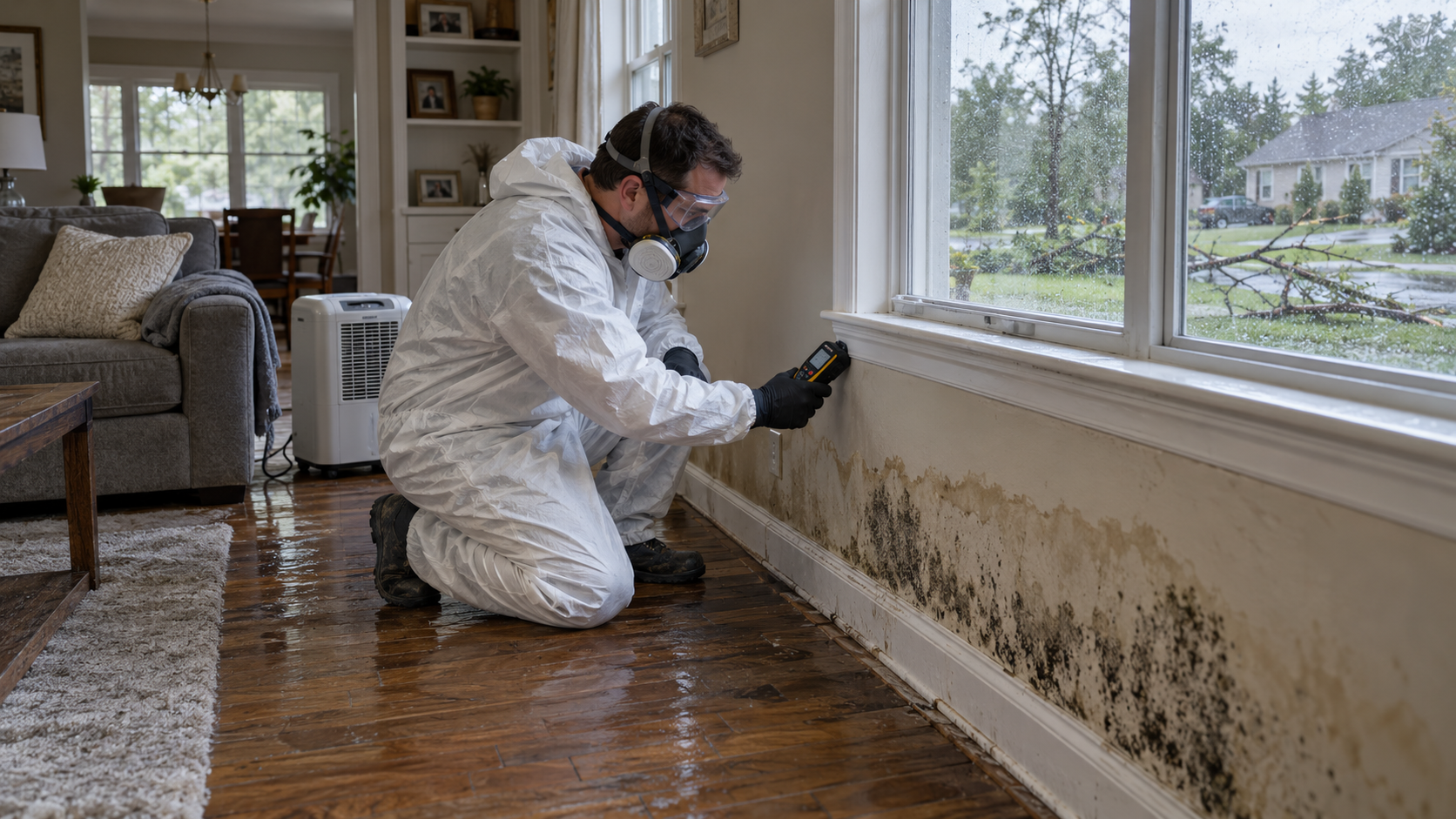
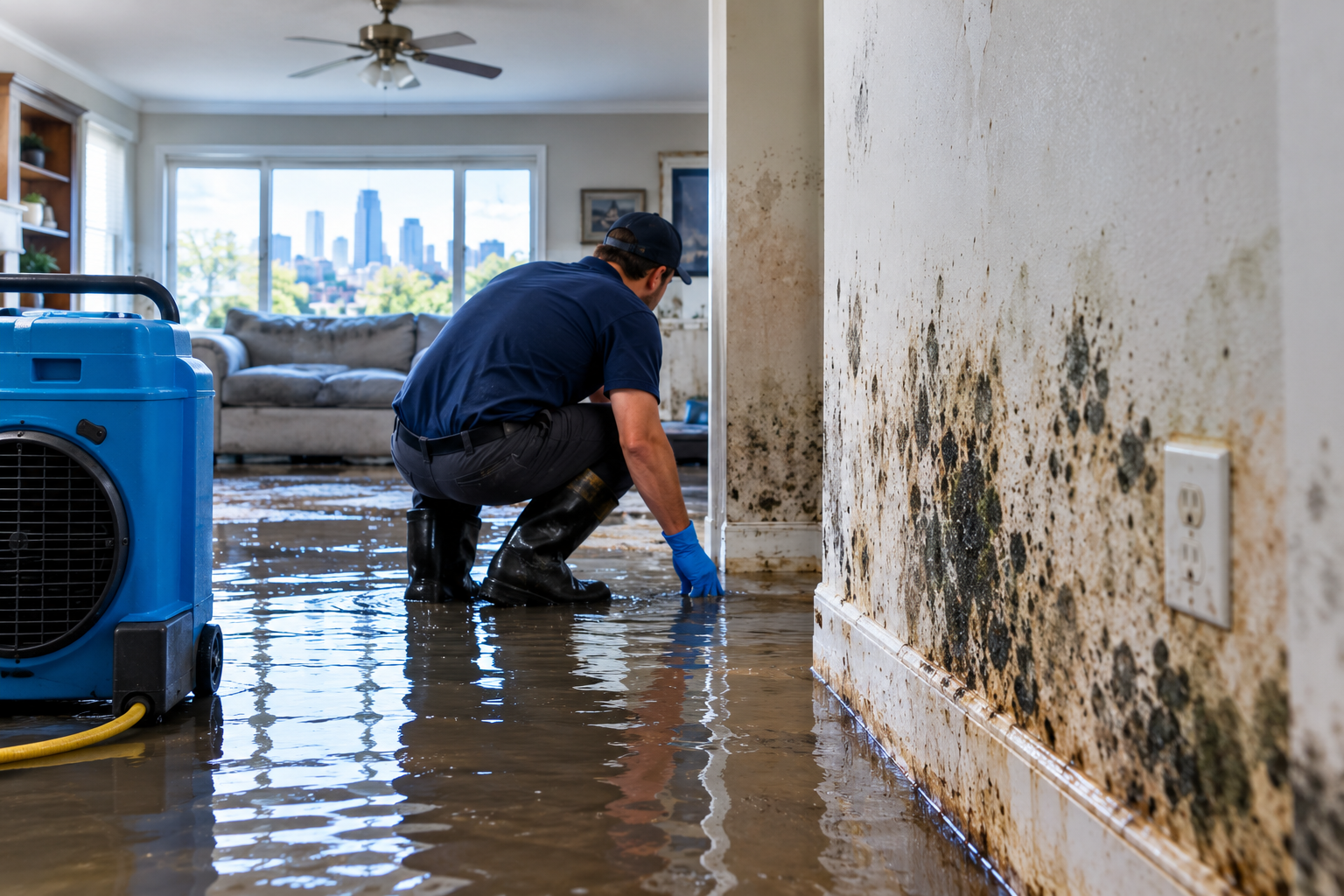
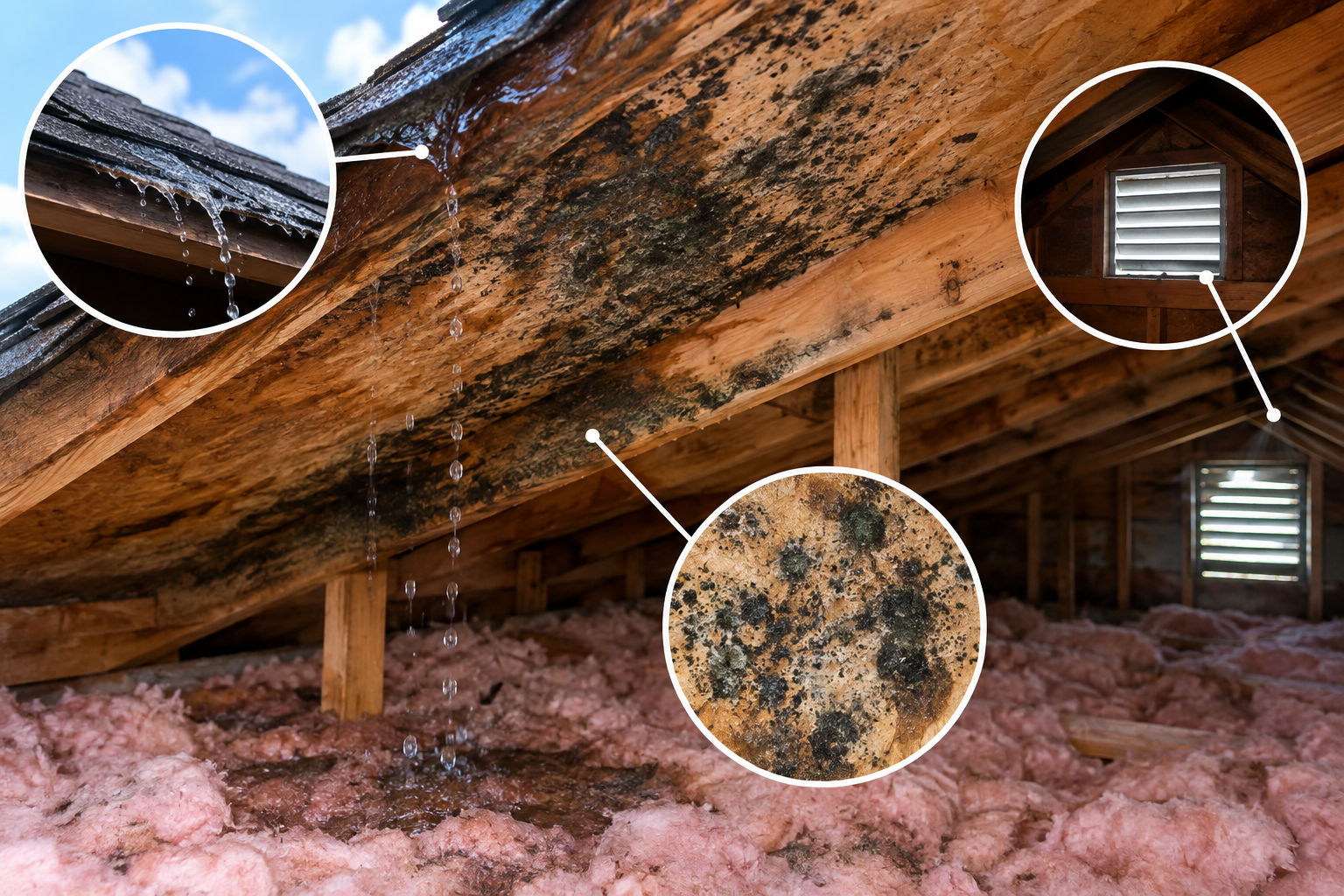
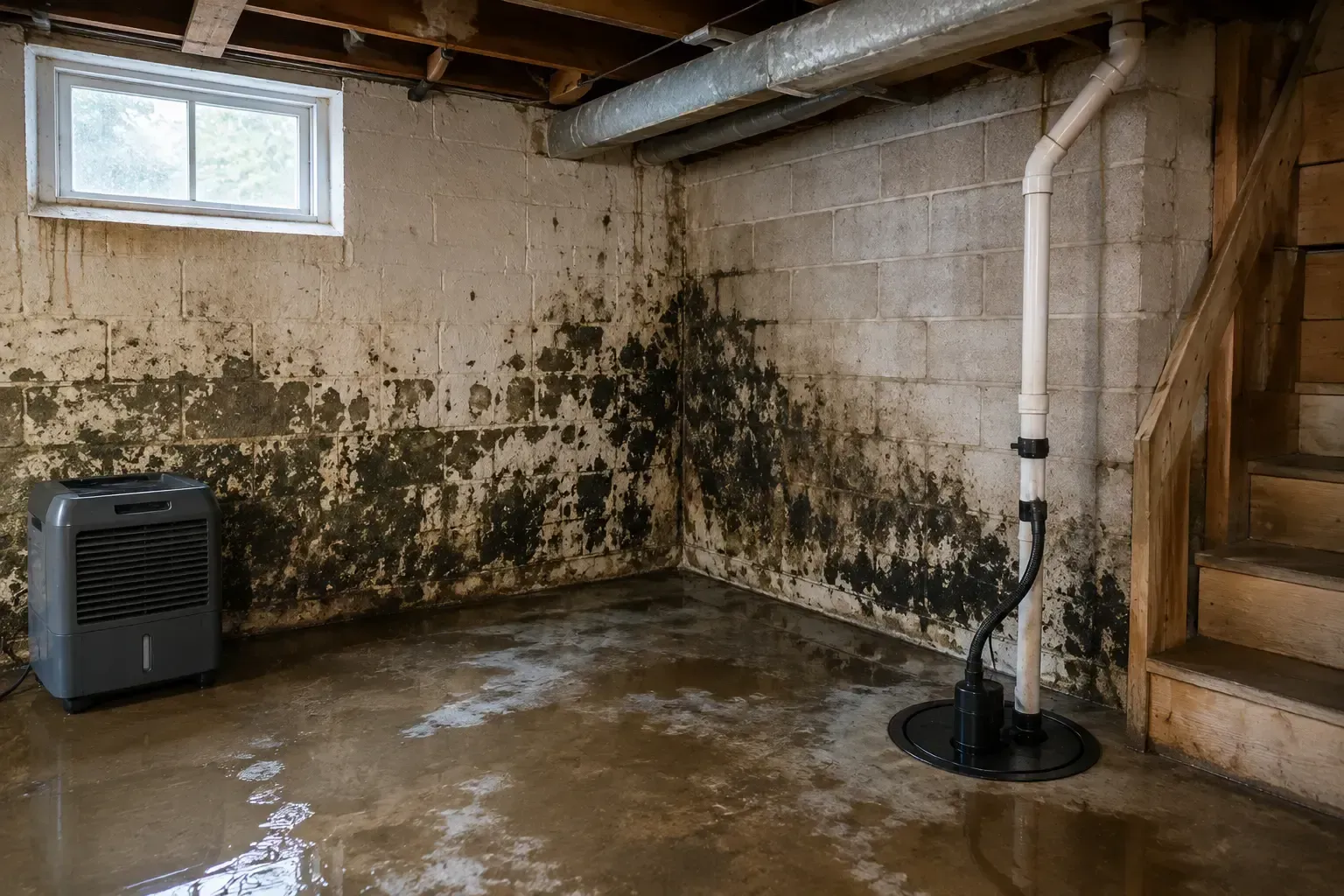
Atlanta humidity averages 68% year-round and routinely passes 80% in summer. The space under most Atlanta homes - the crawl space - sits warm, dark, and damp for 9 months of every year. The result: roughly 60% of Atlanta homes have visible mold colonies in their crawl space, often without the homeowner ever knowing. The mold doesn't stay down there. Spores move up through floor gaps and HVAC return ducts into your living space, driving allergy symptoms and slowly degrading wood structural members. This guide explains why Atlanta crawl spaces breed mold, the warning signs, and the encapsulation approach that actually fixes the problem long-term.
Key Takeaways
- Atlanta humidity + vented crawl space construction = perfect mold conditions.
- Crawl space mold spreads to living space via the "stack effect" - air rises and brings spores up through floors.
- Encapsulation (vapor barrier + dehumidifier) is the only long-term fix; remediation alone fails without it.
Why Atlanta Crawl Spaces Breed Mold
Year-Round Humidity Above Mold Threshold
Mold spores germinate above 60% relative humidity. Atlanta's outdoor humidity averages 68% year-round and dewpoint stays above 60°F for 6+ months. Vented crawl spaces (the standard Georgia construction) draw in this humid outdoor air, condensing on cool surfaces like ducts, joists, and pipes.
Vented Crawl Space Construction
Most Atlanta homes built before 2010 follow the old code requiring crawl space ventilation. The thinking was that ventilation dries the space; the reality in humid climates is the opposite - ventilation pumps in the wettest air available, which condenses on cool surfaces. Per the Department of Energy, sealed and conditioned crawl spaces outperform vented ones in southeastern climates.
HVAC Duct Condensation
Cold AC ductwork running through the warm humid crawl space sweats constantly during summer. The condensation drips onto floor joists and insulation, feeding mold colonies that establish within 7-14 days.
Plumbing and Drainage Failures
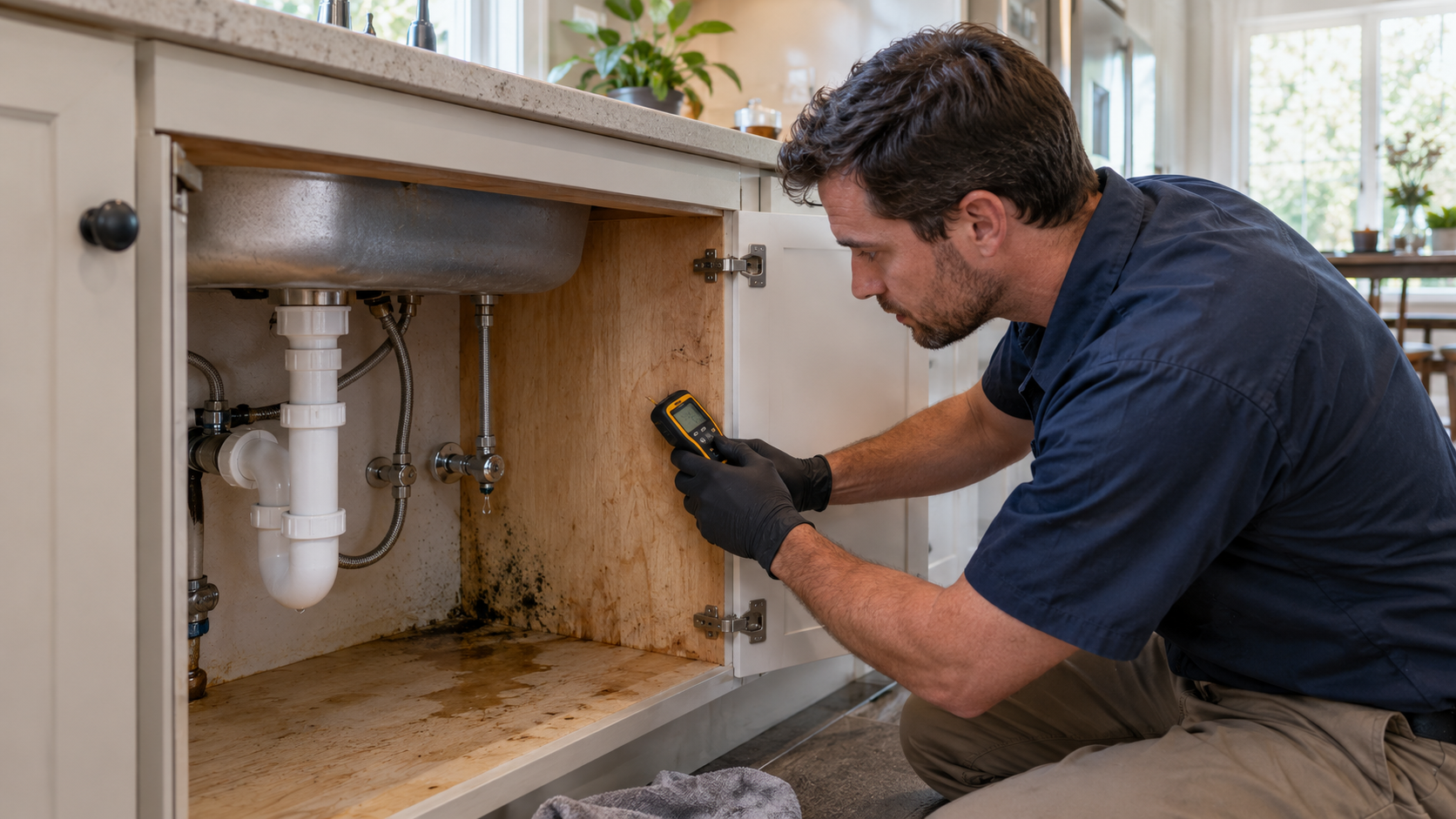
Slow plumbing leaks, French drain failures, and clogged downspouts dump water into crawl spaces unnoticed for months. Standing water raises the local humidity to 90%+.
How Crawl Space Mold Spreads to Your Living Space
The "stack effect" drives air upward in any building - warm air rises, pulling air from below. In Atlanta homes, that means roughly 40% of the air you breathe upstairs originated in the crawl space. Mold spores ride that airflow into your living space, even if you never go down there.
Health symptoms from crawl space mold often present as "I never feel right at home" - chronic allergies, fatigue, sinus issues. Per the CDC, hidden mold accounts for a significant share of unexplained indoor air quality complaints.
Warning Signs Above Ground
- Musty smell that strengthens after AC kicks on or in humid weather.
- Sagging or sloping floors near exterior walls.
- Buckled hardwood or warped vinyl flooring above crawl space.
- High indoor humidity (>55%) even with AC running.
- Persistent allergy symptoms that improve when away from home.
- Visible water staining on subfloor when you check from below.
The Encapsulation Solution
Mold remediation alone fails in Atlanta crawl spaces - the colony returns within months because the moisture conditions never changed. The lasting fix is full encapsulation:
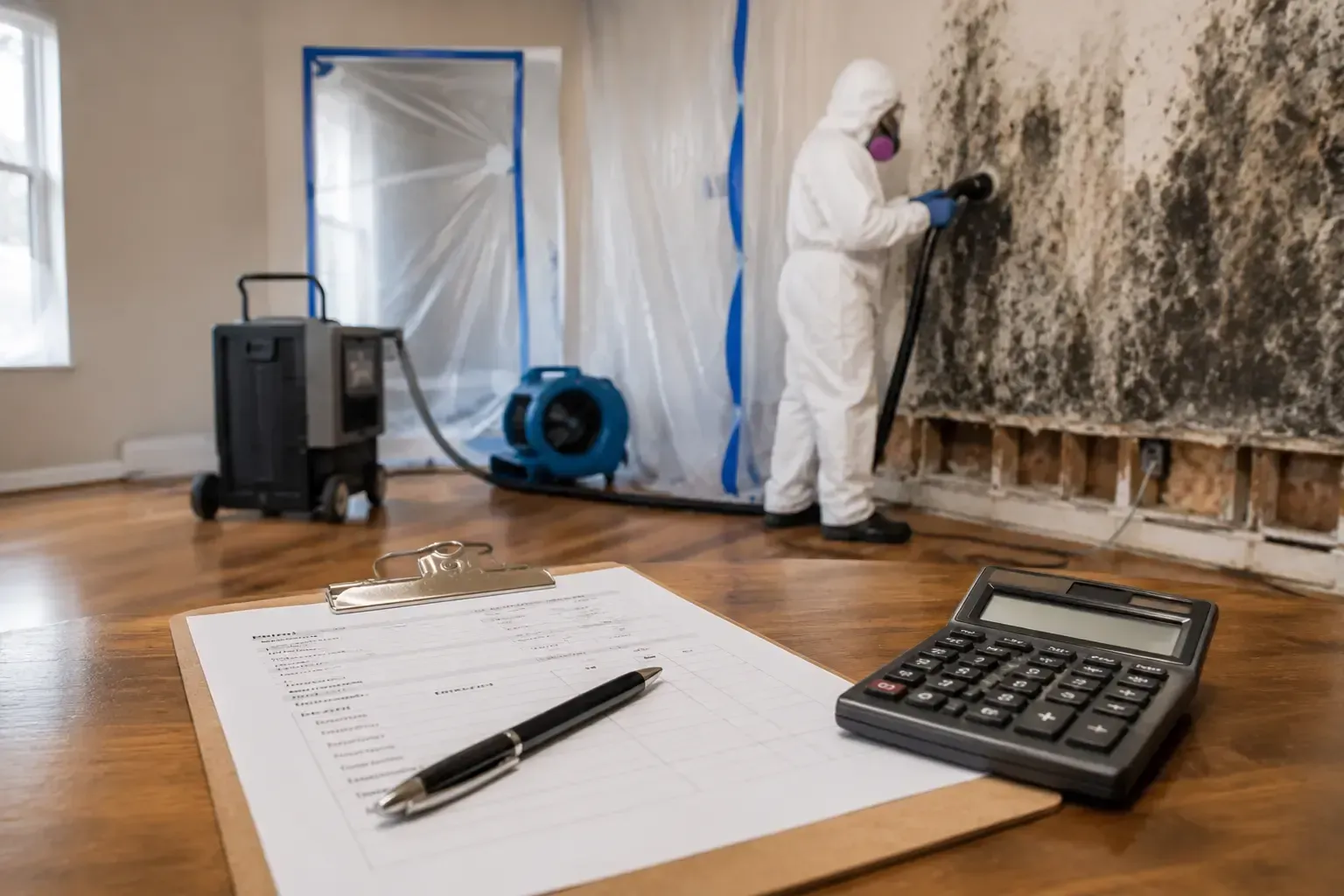
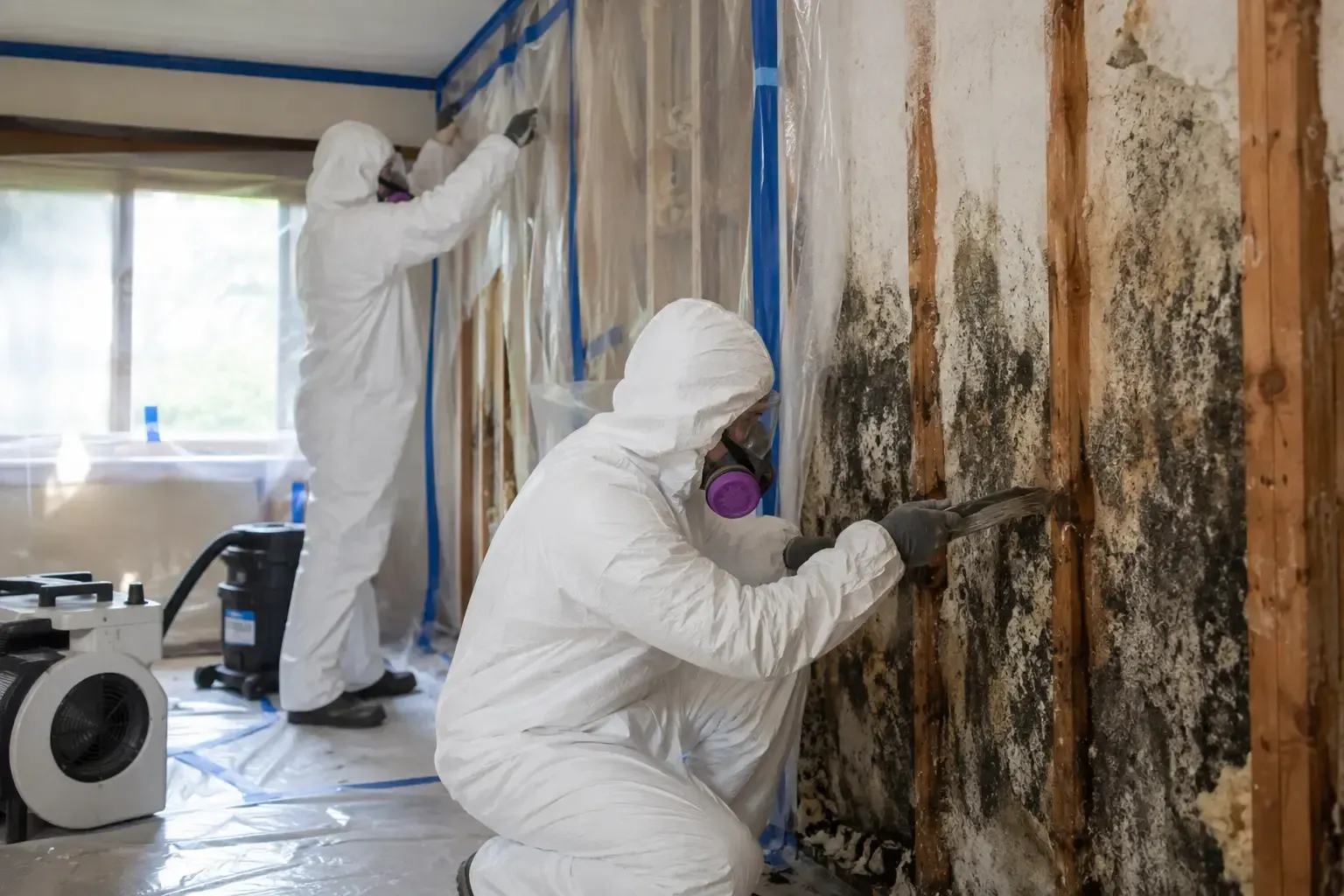
- Remove existing mold with HEPA filtration and antimicrobial treatment.
- Install heavy-mil vapor barrier on floor and walls (typically 12-20 mil reinforced).
- Seal all vents (transition to closed crawl space per modern code).
- Add dehumidifier rated for crawl space service (60-70 pints/day).
- Insulate walls (rigid foam or spray foam, not fiberglass).
- Address drainage issues - French drain, sump pump as needed.
Encapsulation costs $5,000-$15,000 for a typical 1,500-2,500 square foot home. It pays back through reduced HVAC bills (15-25% savings), prevented mold recurrence, and protected resale value.
Frequently Asked Questions
How much does Atlanta crawl space mold remediation cost?
Mold remediation alone: $2,000-$6,000. Remediation + full encapsulation: $7,000-$20,000. Skip the encapsulation and the mold returns within 12 months.
Does insurance cover crawl space mold?
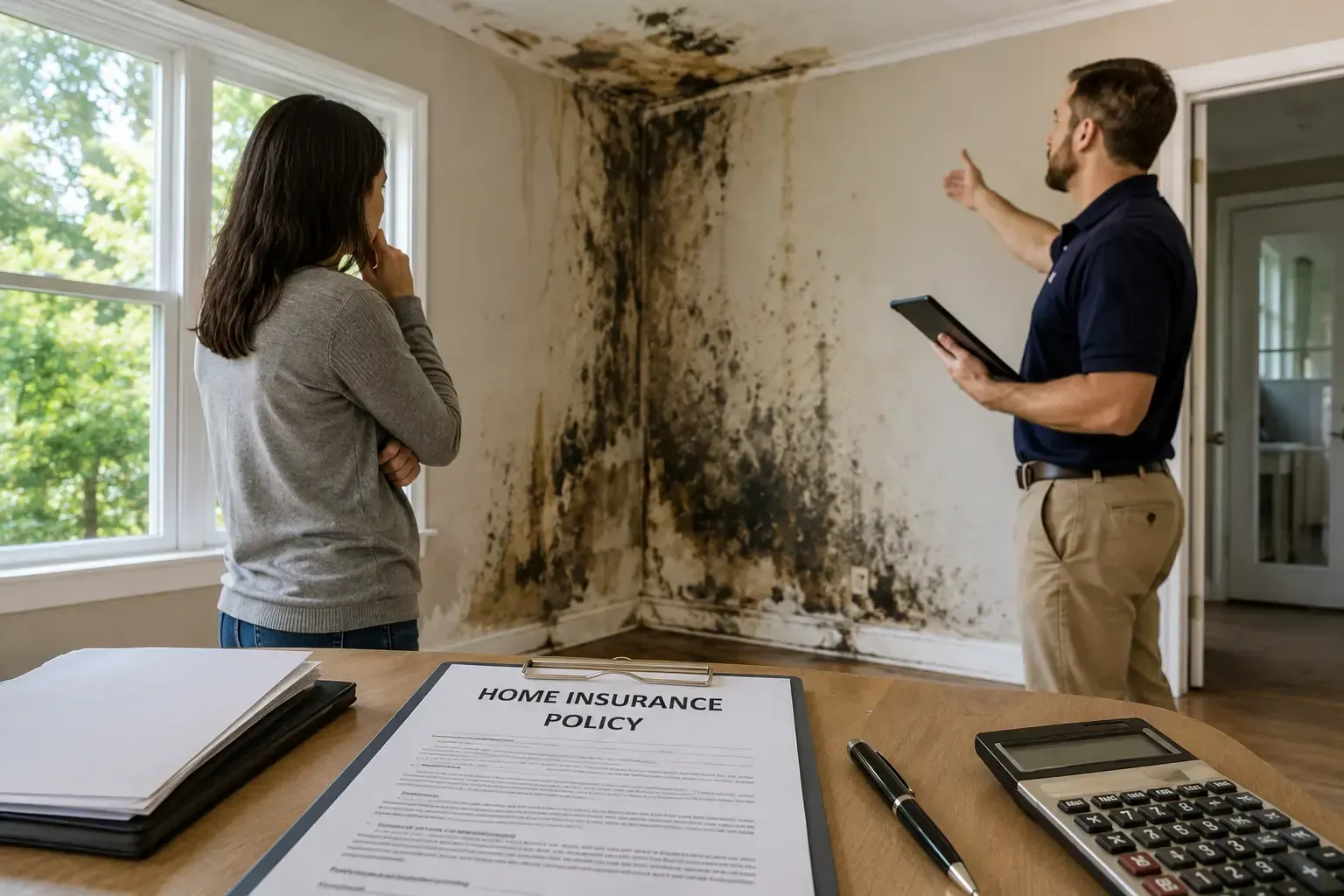
Only if from a sudden water-damage event. Humidity-driven mold (the typical Atlanta case) is excluded. Most policies cap mold coverage at $5,000-$10,000 even when covered.
Can I encapsulate my own crawl space?
Possible but not recommended. The work involves confined space safety, vapor barrier seam-sealing, and proper dehumidifier sizing. DIY jobs typically fail at seams, leaving moisture-trap conditions worse than vented.
How long does encapsulation take?
2-5 days for typical residential crawl space. Mold remediation adds 1-3 days before encapsulation begins.
When to Call Mold Warrior Atlanta
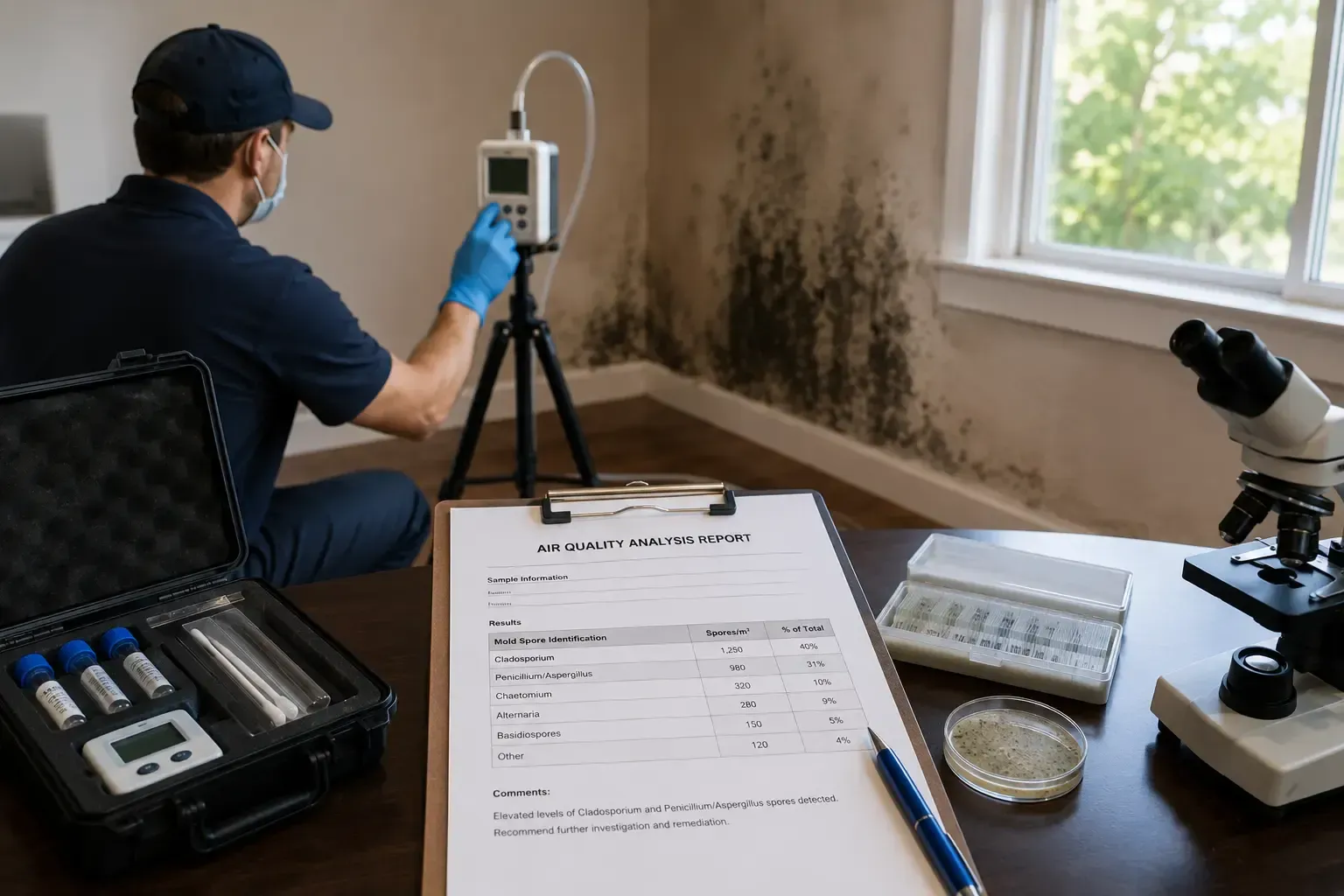
Mold Warrior Atlanta serves the metro with crawl space mold remediation and full encapsulation. We test before and after, document the project, and verify spore counts return to baseline. Free on-site assessment includes air quality testing and crawl space inspection.
Call for a no-pressure quote. The longer crawl space mold sits, the more it costs - both in remediation expense and in months of poor indoor air quality you breathe at home every day.