Basement Mold in Columbus Homes: Why It Happens and What It Costs
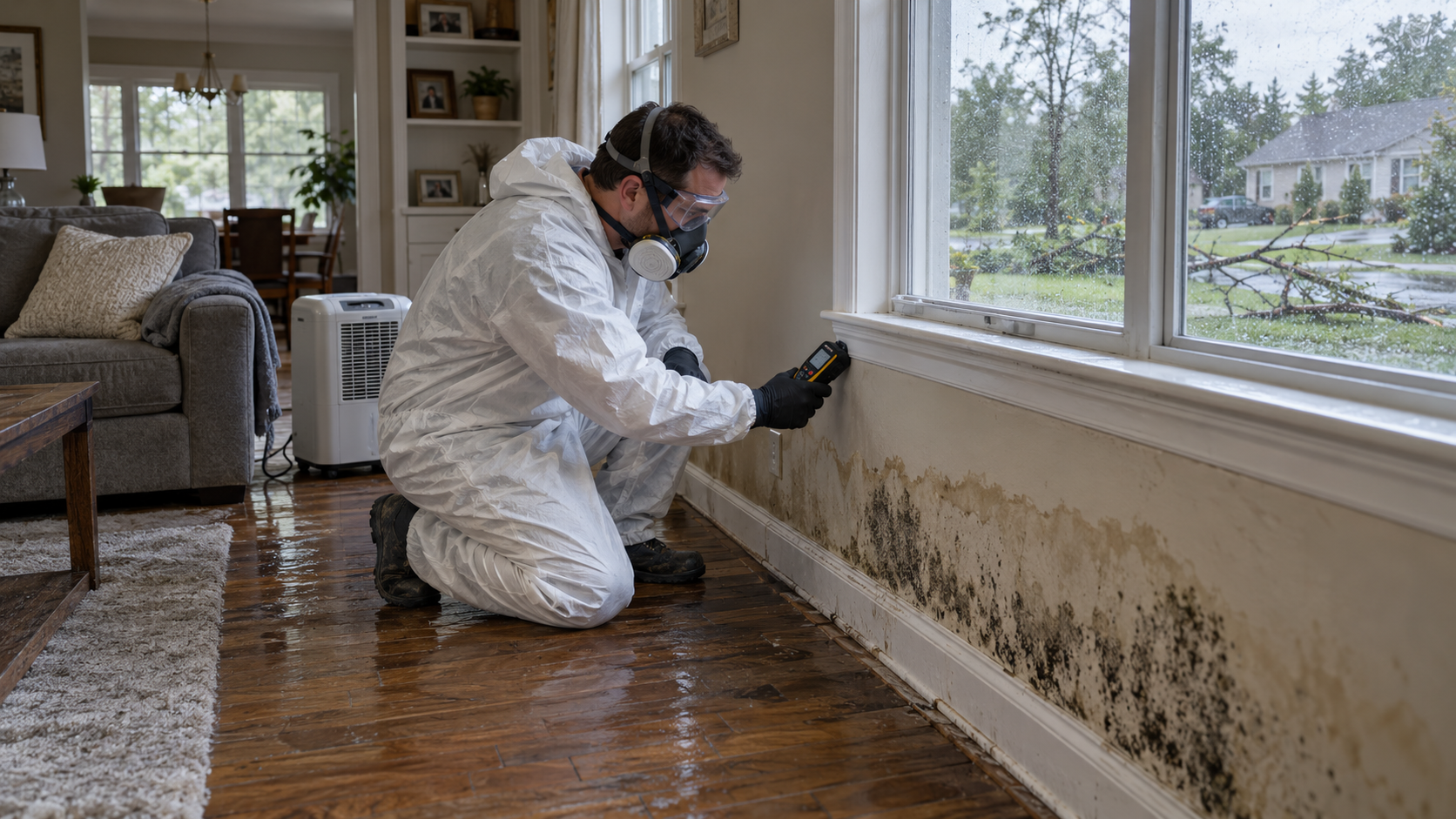
You noticed a musty smell every time you go down to the Columbus basement. Or you spotted dark patches on the wall behind the laundry hookup. The next question every central Ohio homeowner asks: why is this happening, and what does it cost to fix? This guide breaks down basement mold Columbus OH realities — why it is so common, what causes it, what remediation actually costs, and the foundation-type factor that changes the approach.
Key Takeaways
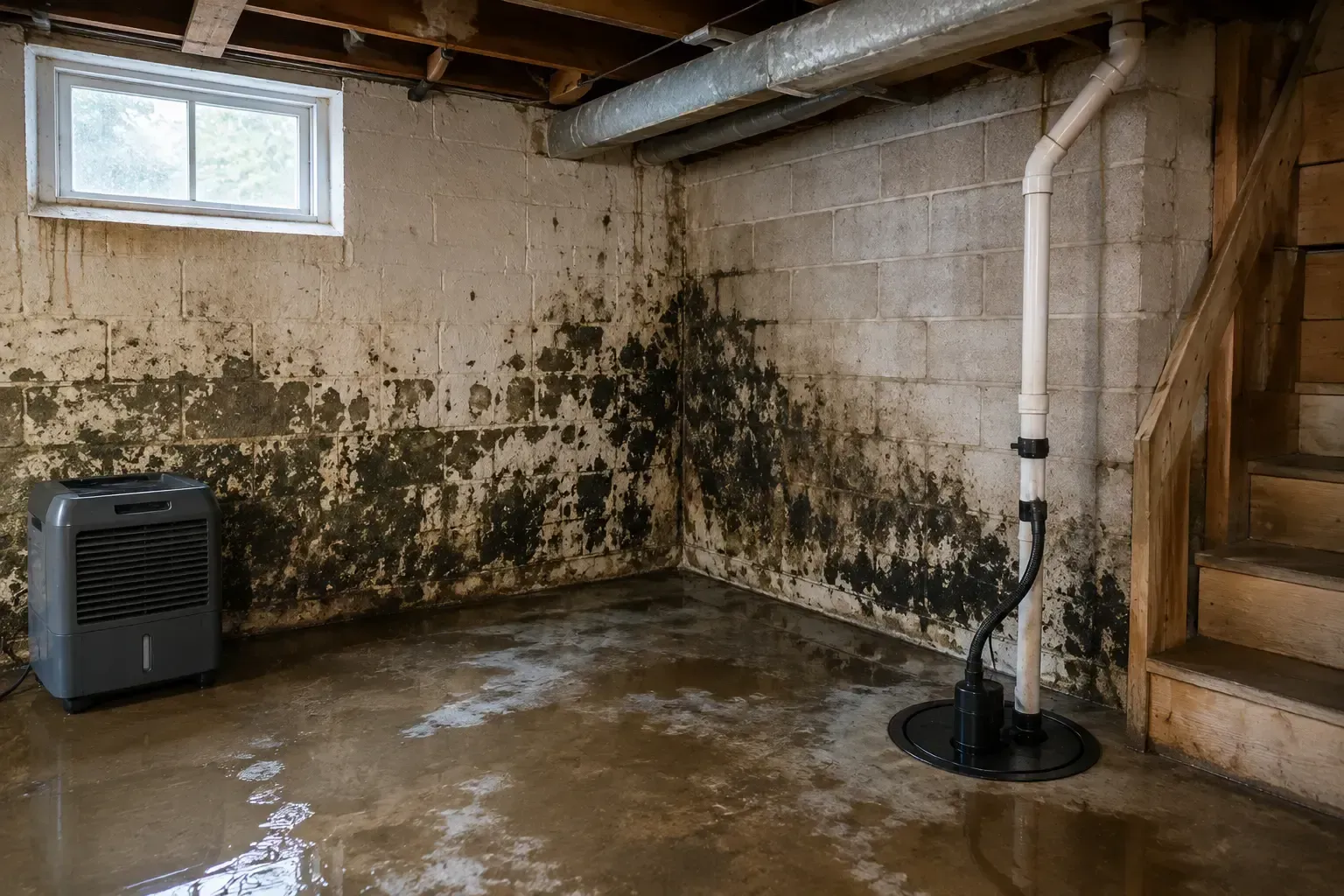
- Columbus basements are mold-prone due to high water tables, seasonal humidity, and 1950s-1980s foundation construction with limited waterproofing.
- Basement mold remediation typically runs $1,500-$8,000 in Columbus depending on scope and whether foundation repair is also needed.
- Source repair (sump pump, drain tile, foundation crack repair) is essential - remediation alone without source fix means mold returns within 6-12 months.
Why Columbus Basements Get Mold
High Water Table + Clay Soil
Central Ohio has high groundwater tables and clay-heavy soil that holds water near foundations. After spring snowmelt or heavy rain events, hydrostatic pressure pushes water against basement walls.
Foundation Age and Type
Most Columbus area homes built 1950s-1980s have cinder block or poured concrete basements with minimal waterproofing. Mortar joints degrade. Concrete cracks. Both create water entry points.
Seasonal Humidity
Per NWS Wilmington/Columbus climate data, central Ohio summer humidity averages 70%+ with 38+ inches annual rainfall. Indoor basement humidity often exceeds 60% without dedicated dehumidification - perfect mold-growth conditions.
Finished Basement Materials
Finishing basements with drywall, carpet, and pad creates mold reservoirs. These materials absorb moisture and feed mold growth. Many Columbus finished basements develop mold within 5-10 years even without obvious water intrusion.
Common Columbus Basement Mold Sources
Sump Pump Failures
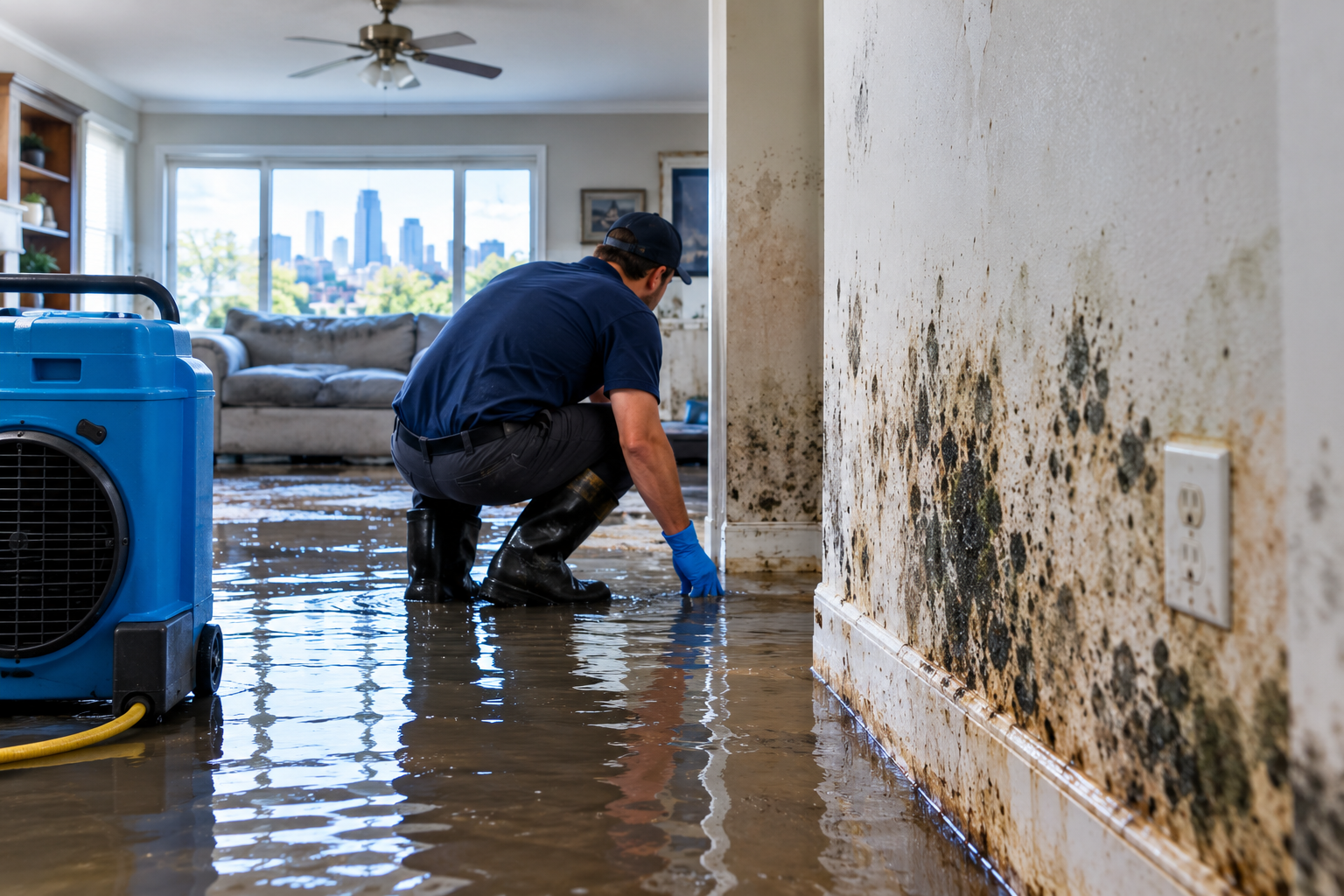
Sump pump fails during heavy rain or power outage. Water backs up into basement. Repair: $1,500-$3,500 for new pump + battery backup. Mold remediation if water sits more than 48 hours.
Foundation Cracks
Hairline cracks in poured concrete or mortar joint failures in block walls. Water seeps slowly over years. Repair: $500-$2,000 for crack injection. Mold remediation $1,500-$5,000 depending on extent.
French Drain Issues
Older Columbus homes have failing or absent French drains. Water pools at foundation perimeter and finds way inside. New interior or exterior drain tile: $3,000-$10,000. Best paired with basement waterproofing.
Dryer Venting Indoors
Disconnected or improperly vented basement dryers dump 1-2 gallons of water vapor per load directly into basement air. Easy fix ($100-$300 vent installation) but commonly overlooked.
HVAC Condensate
AC and high-efficiency furnace condensate lines can clog or fail, dumping water into basement floor area. Annual HVAC service catches this.
Columbus Basement Mold Remediation Cost
Small Localized ($500-$1,500)
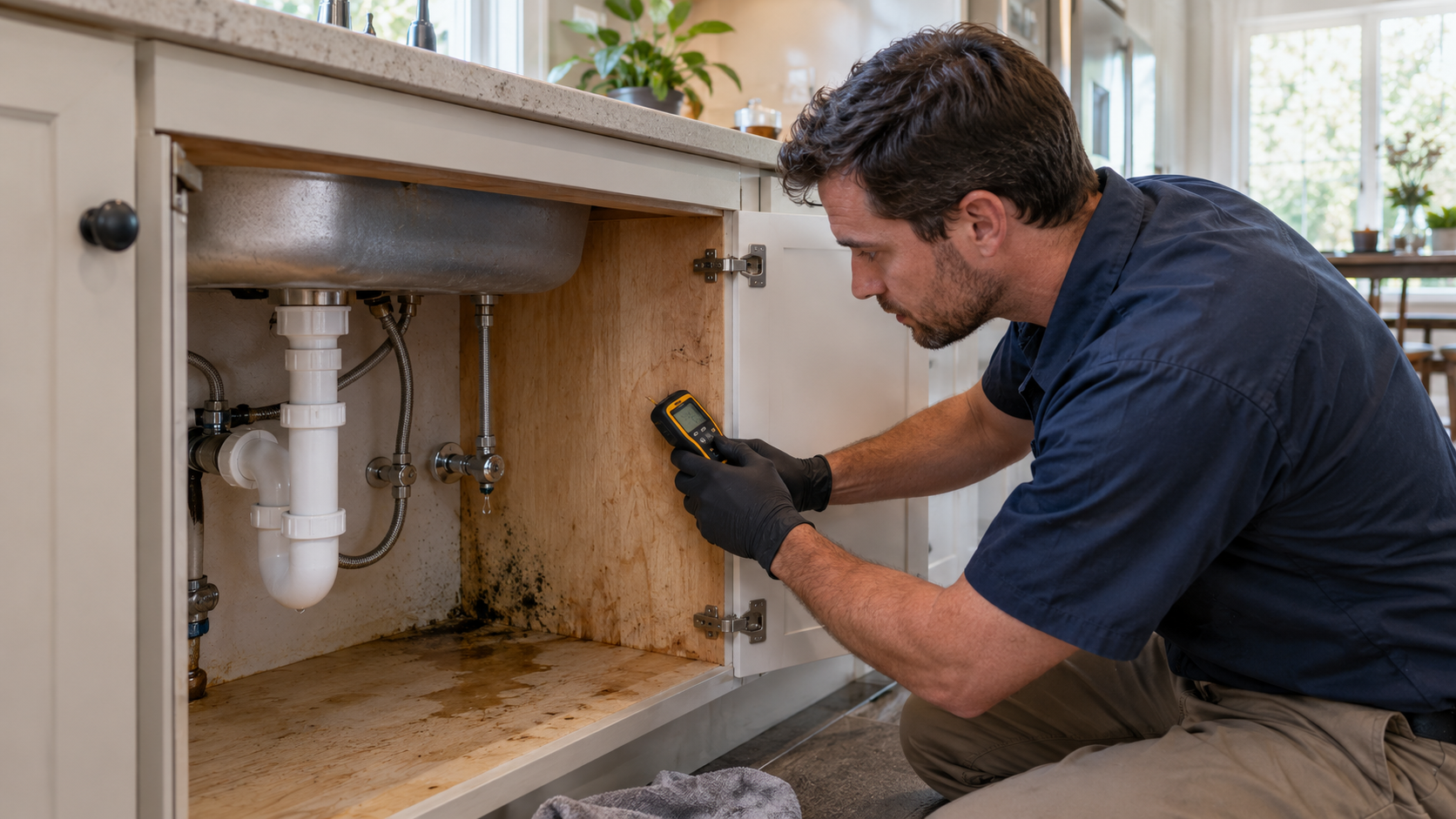
Spot mold from minor leak or condensation. Surface cleaning, antimicrobial treatment, fix moisture source.
Moderate Section ($1,500-$5,000)
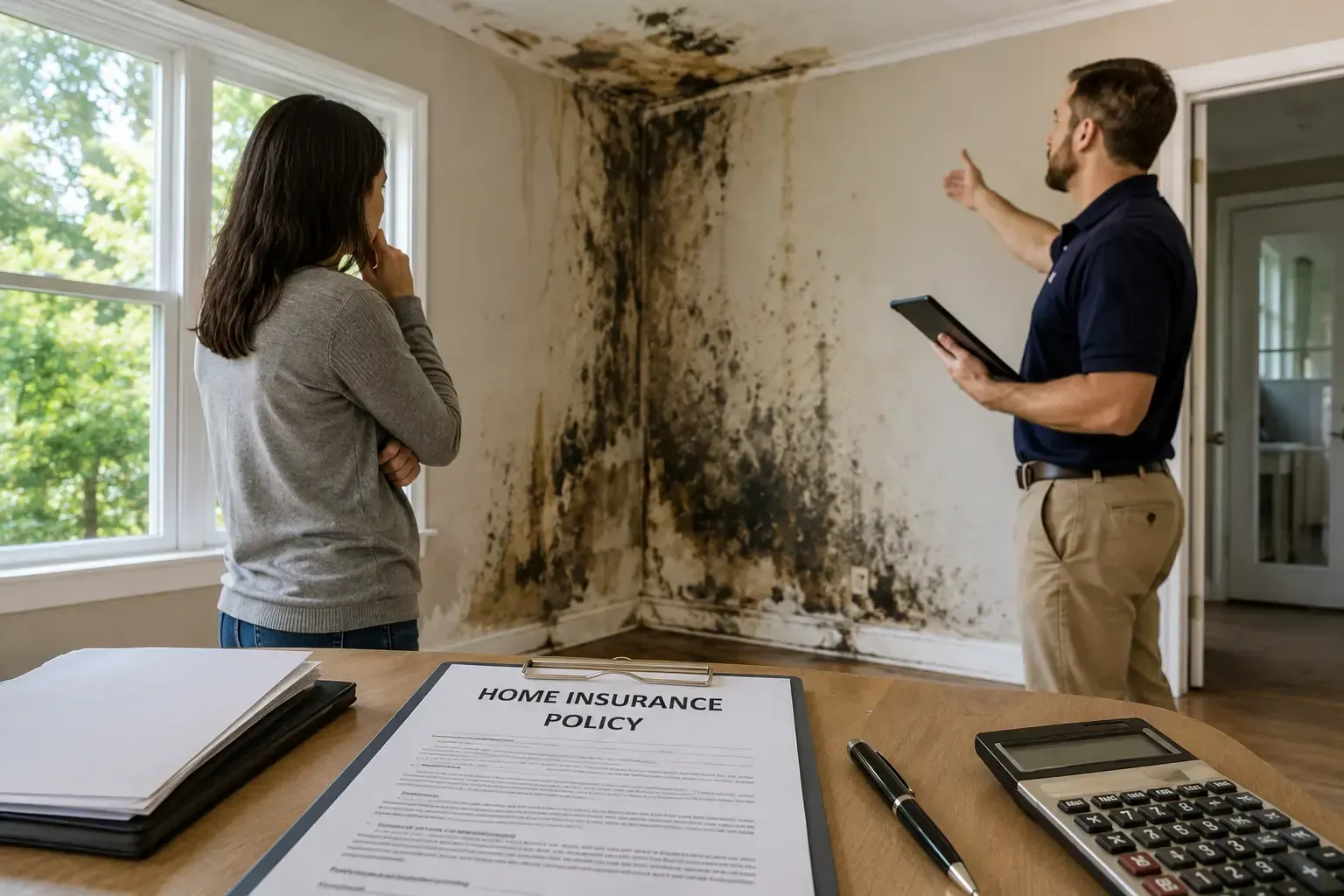
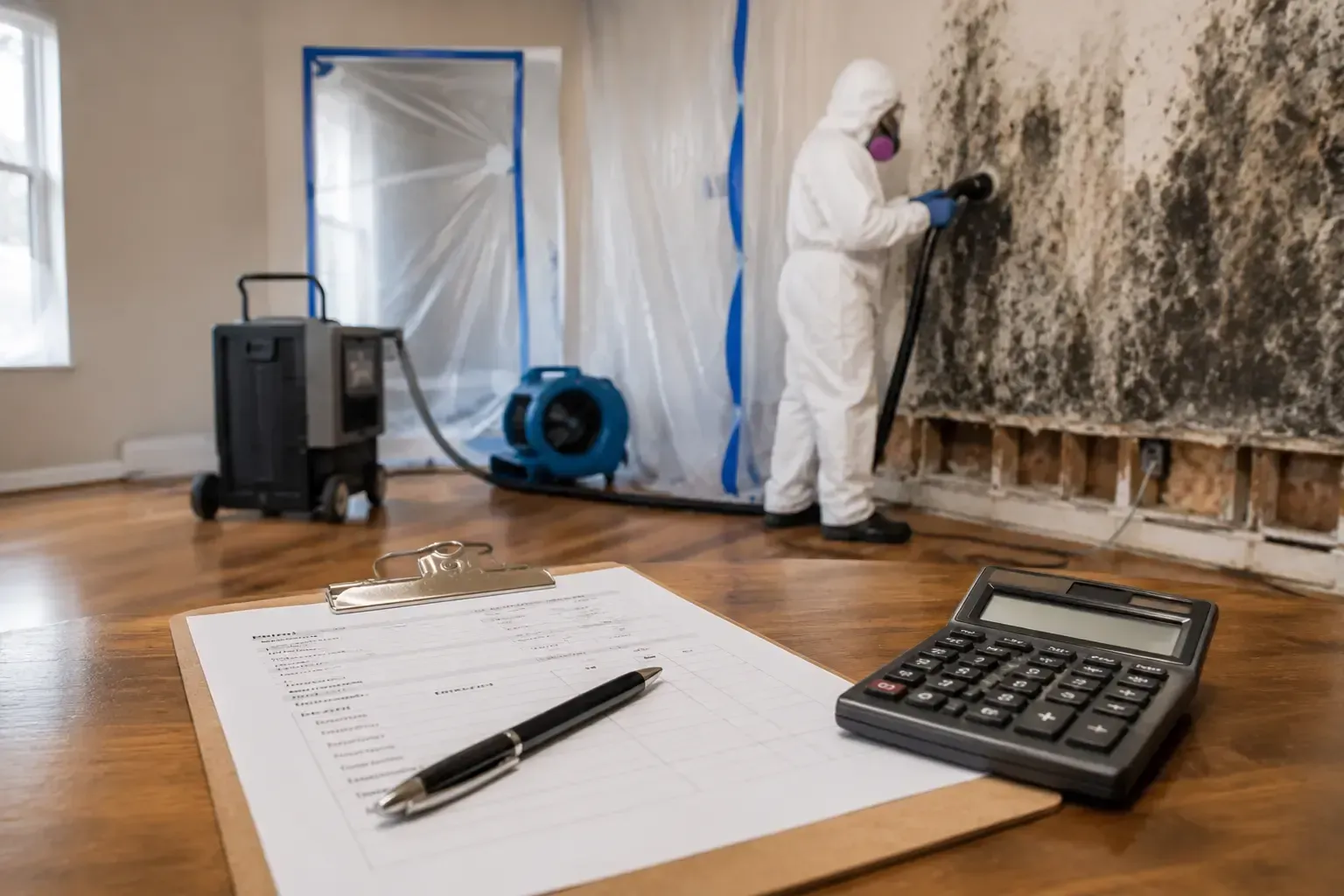
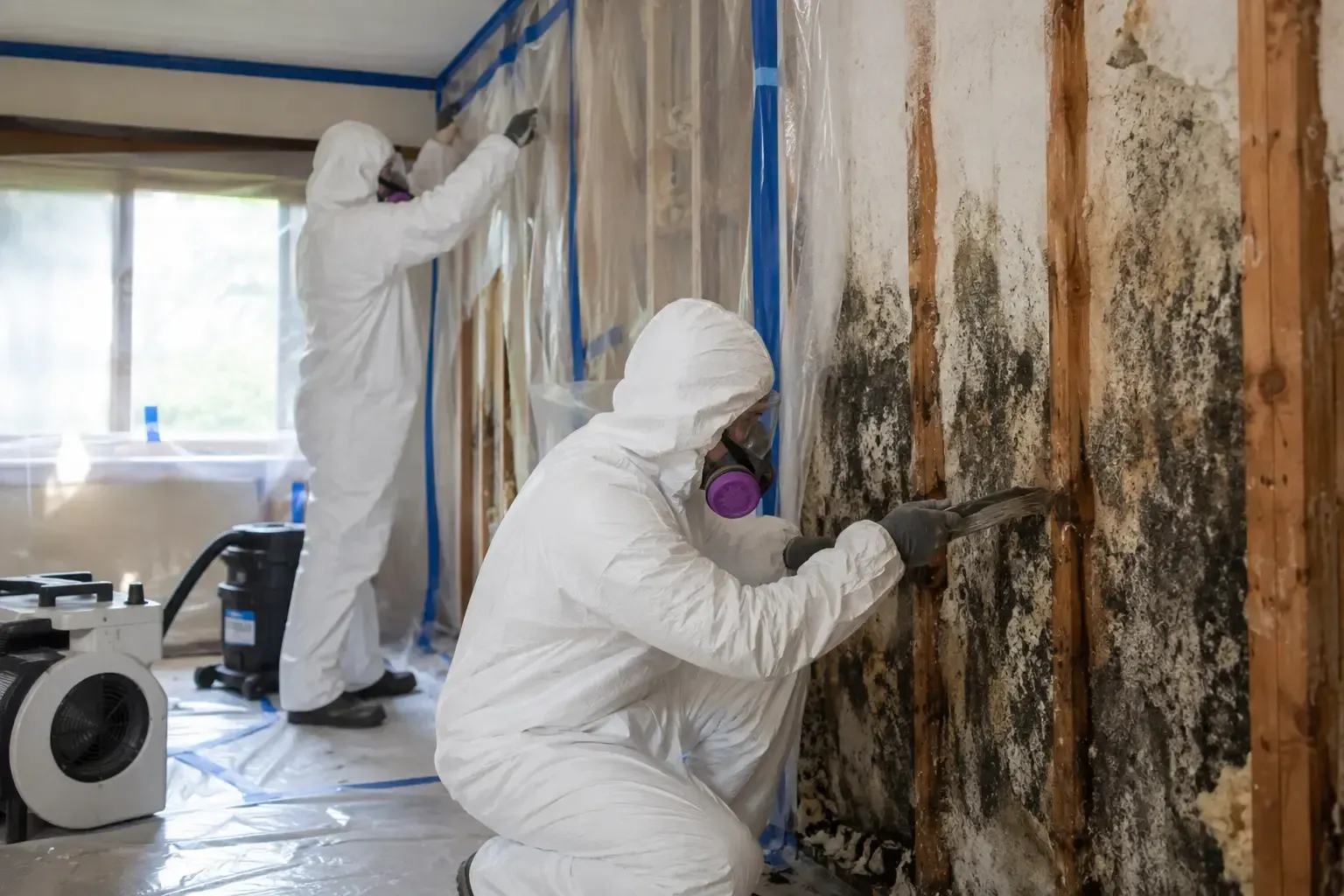
Wall section affected, some materials need removal. Containment, demolition of affected drywall/insulation, HEPA scrubbing, clearance testing.
Whole Basement ($5,000-$15,000)
Significant contamination throughout finished basement. Full containment, demolition, multi-day drying, antimicrobial, post-remediation testing. Often paired with waterproofing.
Source Repair Add-On
Sump pump replacement: $1,500-$3,500. Crack injection: $500-$2,000. Drain tile installation: $3,000-$10,000. Full basement waterproofing: $5,000-$15,000.
Foundation Type Changes the Approach
Poured Concrete Basements
Common in newer Columbus homes (1980s+). Solid surface allows easier moisture detection and direct mold removal. Crack repair more straightforward. Most remediation done in 3-5 days.
Cinder Block Basements
Common in older Columbus homes (pre-1980). Hollow blocks can hold water inside, requiring more aggressive moisture testing and longer drying. Sometimes blocks need to be opened and drained. Remediation typically 5-10 days.
Stone Foundations
Pre-1940 Columbus homes (German Village, Italian Village, Victorian Village) may have rubble-stone foundations. Mold remediation more complex due to porous nature; often requires interior waterproofing system retrofit. Costs typically 50-100% above standard.
How to Choose a Columbus Basement Mold Remediator
- IICRC-certified to S520.
- Basement + foundation experience. Critical for Columbus housing stock.
- Works with waterproofing contractors. Mold + source repair need coordination.
- Third-party clearance testing.
- Written warranty against secondary regrowth.
Frequently Asked Questions
How much would it cost to get rid of mold in a basement?
Columbus basement mold remediation typically $1,500-$8,000. Source repair (sump, foundation, drain) adds $500-$10,000. Whole-basement contamination with finishing rebuild reaches $15,000-$25,000+.
Is it safe to be in a basement with mold?
Brief exposure rarely causes acute harm for healthy adults. Per CDC, sustained exposure causes congestion, allergy symptoms, asthma flares. At-risk groups (children, elderly, asthma, immunocompromised) should avoid basement spaces with visible mold.
Is it possible to get rid of mold in a basement?
Yes - permanently, IF you fix the moisture source. Remediation alone fails 50%+ of the time within 12 months because Columbus basement moisture conditions return. Pair remediation with sump pump, drain tile, or waterproofing for lasting results.
What is the most common mold found in basements?
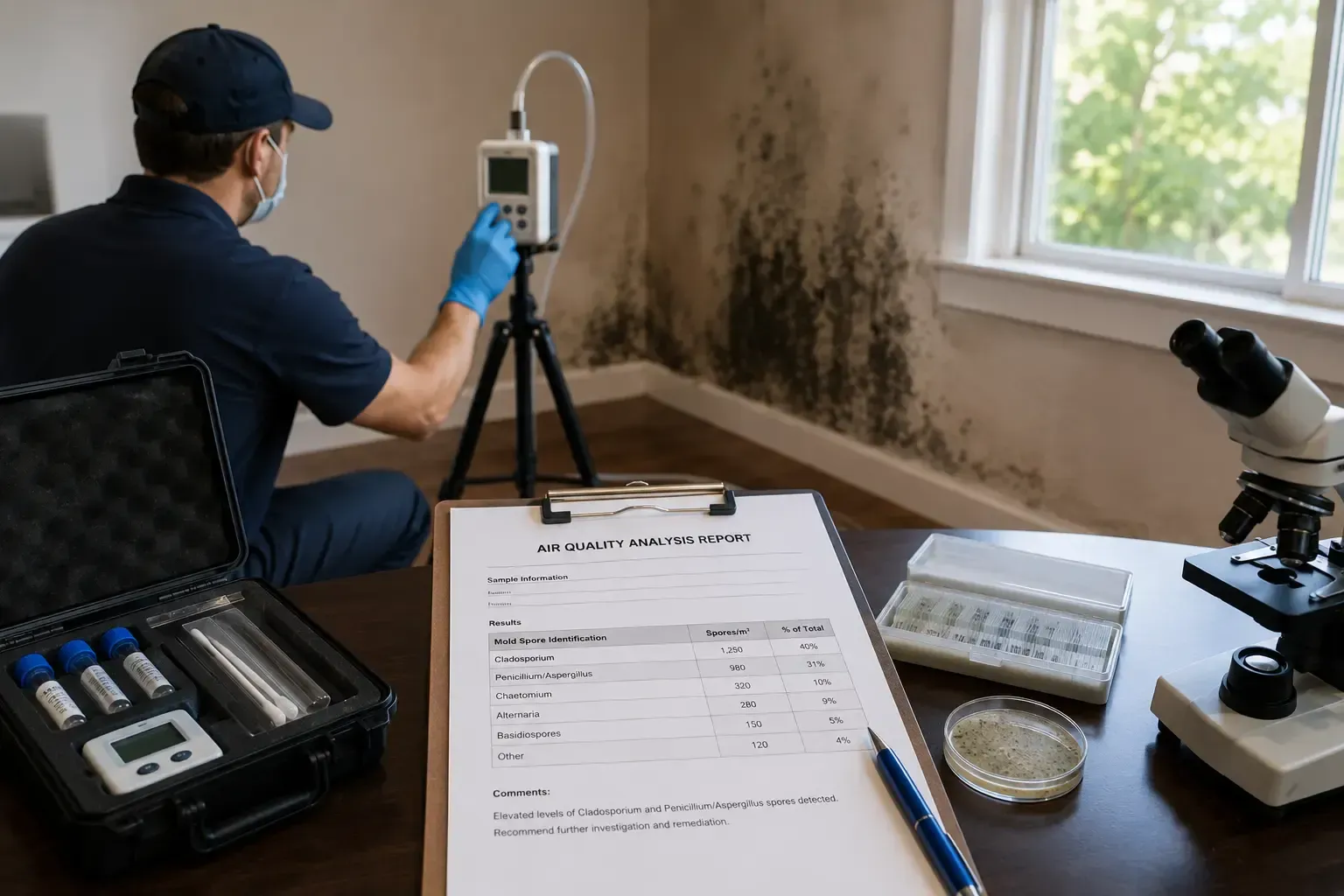
Cladosporium and Aspergillus species dominate Columbus basements. Stachybotrys chartarum (toxic black mold) appears in chronic sustained moisture conditions but is less common than people assume. Species testing rarely changes the remediation approach.
Columbus Basement Mold? Get a Combined Mold + Source Inspection.
Mold Warrior Columbus serves Columbus, Hilliard, Westerville, Worthington, Dublin, Powell, Upper Arlington with combined mold inspection + moisture source identification. We work with waterproofing partners when foundation repair is needed. Visit our mold removal page for a free assessment.