Attic and Crawl Space Mold in Atlanta Homes: Signs and Solutions
The most common mold in an Atlanta home is the mold you never see. Attics and crawl spaces sit out of sight, trap moisture, and rarely get checked, which makes them the perfect place for mold to spread quietly.
This guide shows Atlanta homeowners what causes attic and crawl space mold, the warning signs, why these spaces are so prone to it, and how to remove it and keep it from coming back.
Key Takeaways
- Attic mold usually comes from roof leaks, poor ventilation, and bathroom fans venting into the attic.
- Crawl space mold comes from ground moisture, missing vapor barriers, and humidity above about 60%.
- The fix is always moisture control: ventilation, vapor barriers, dehumidification, and sealing leaks.
What Causes Attic Mold
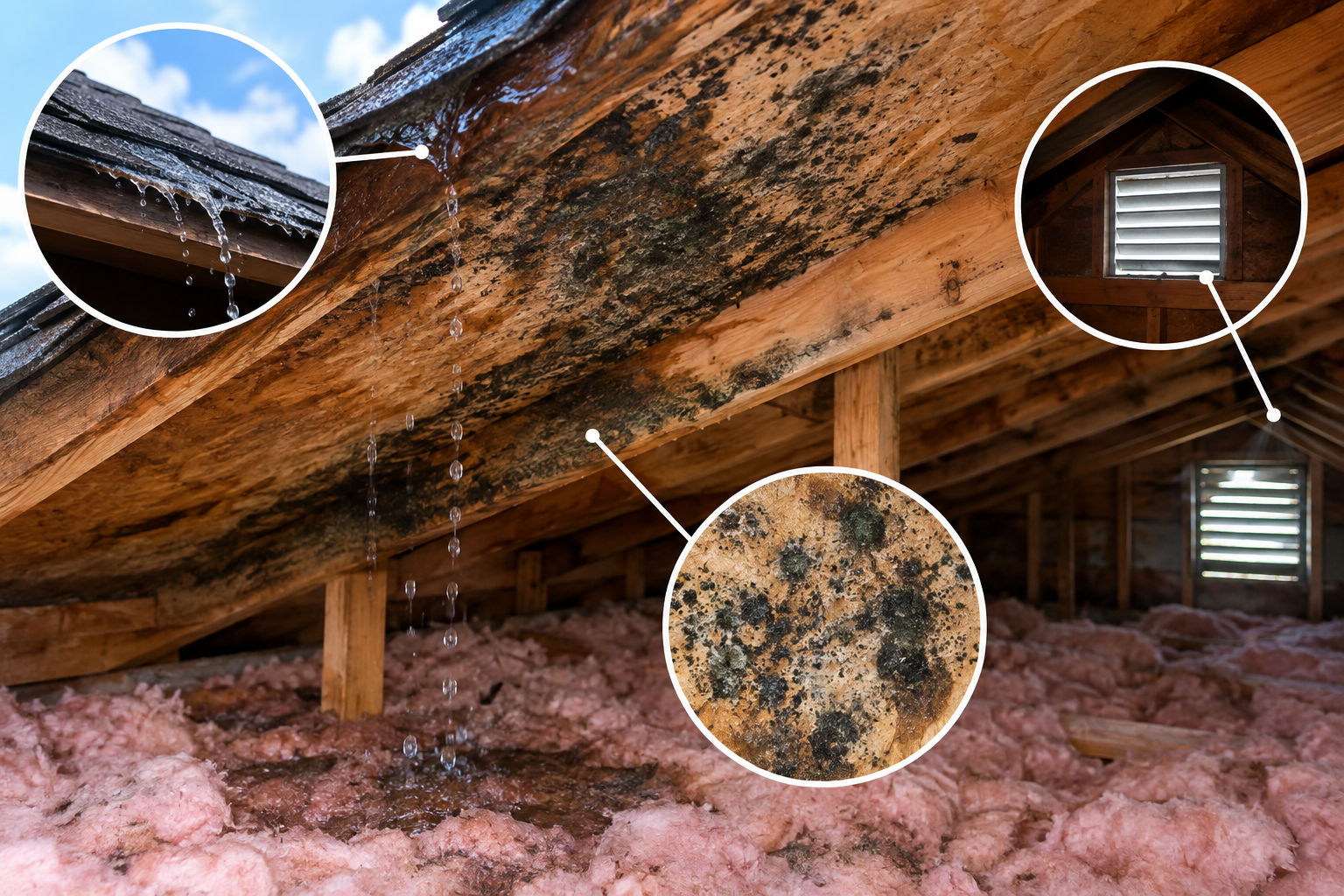
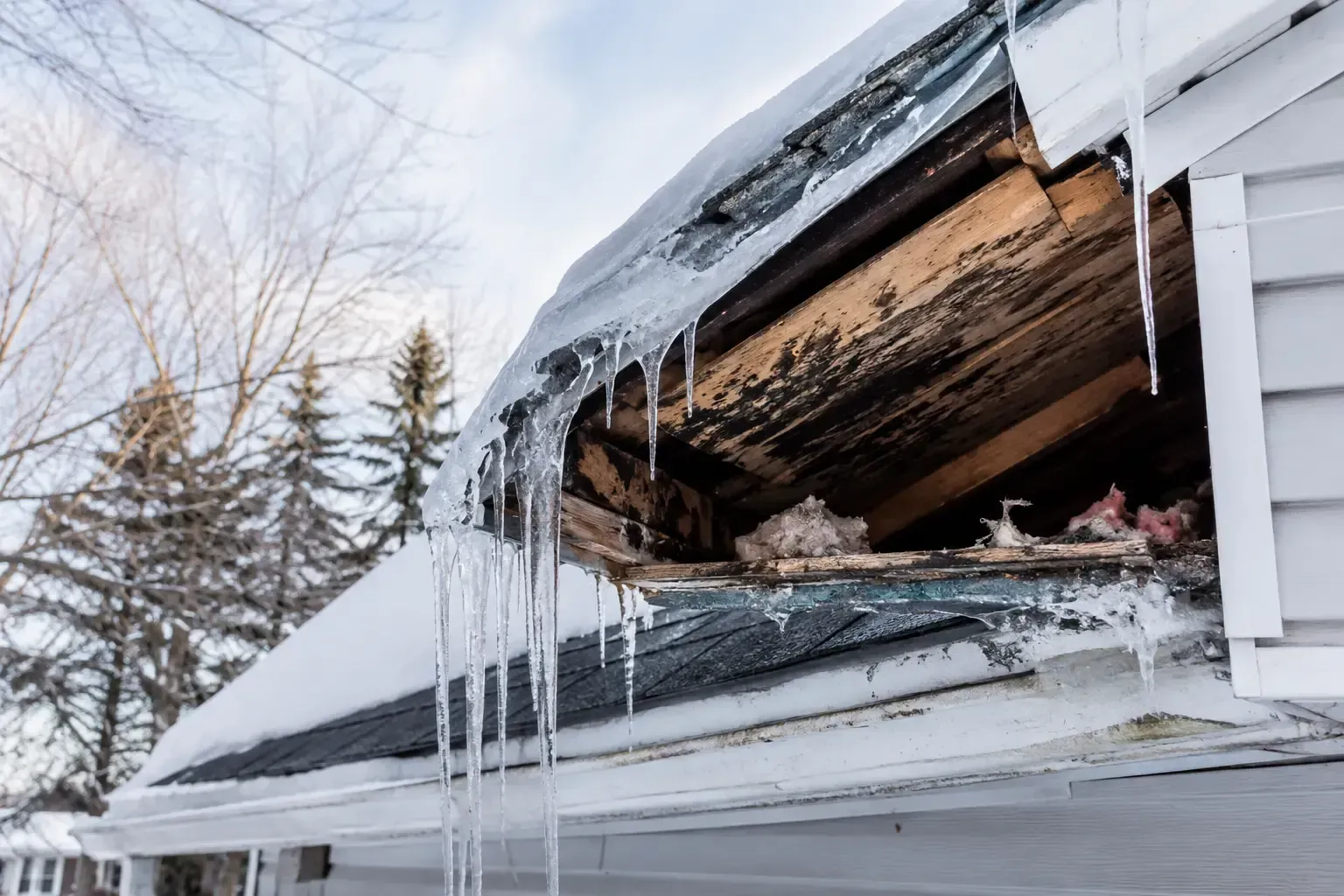
Attic mold is a moisture and airflow problem. The usual causes are roof leaks, poor or unbalanced ventilation, blocked soffit or ridge vents, and bathroom fans that vent into the attic instead of outside. In Atlanta, warm, moist air rising from the home condenses on the cooler roof deck, leaving the dampness mold needs. Per the EPA's guide to mold and moisture, controlling that moisture is what prevents it.
What Causes Crawl Space Mold
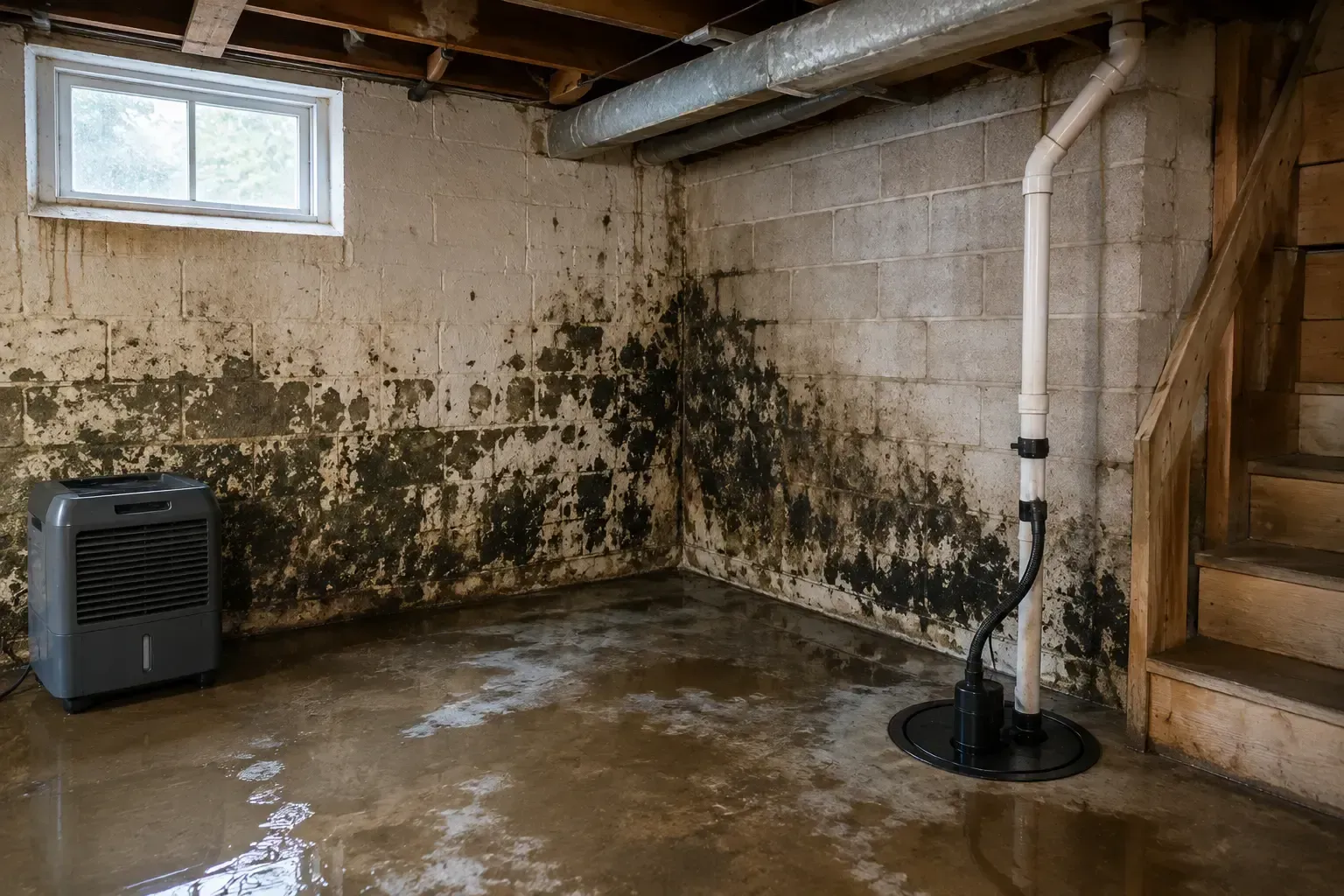
Crawl spaces are mold magnets because they're unconditioned and naturally damp. Atlanta's humid air and wet ground push moisture up through the soil, and without a continuous vapor barrier it settles on joists and subfloor. Standing water, plumbing leaks, and humidity above about 60% all feed mold. Because no one spends time down there, it often spreads for months before anyone notices.
Warning Signs to Watch For
Since you can't see these spaces daily, watch for indirect clues: a musty smell in upper or lower rooms, sagging or stained ceilings, peeling paint, and allergy symptoms that flare at home. Higher-than-normal humidity and condensation on windows can signal trouble too. If your Atlanta home smells musty but looks clean, the attic or crawl space is a likely source.
Why Hidden Mold Matters
Out of sight doesn't mean harmless. Attic and crawl space mold can spread to framing and cause rot over time, and spores travel into your living space through air currents. Per CDC guidance on mold, damp, poorly ventilated spaces grow mold that affects health, with the biggest impact on children, older adults, and people with asthma. Hidden mold is a whole-home issue, not just an attic one.
How to Remove and Prevent It
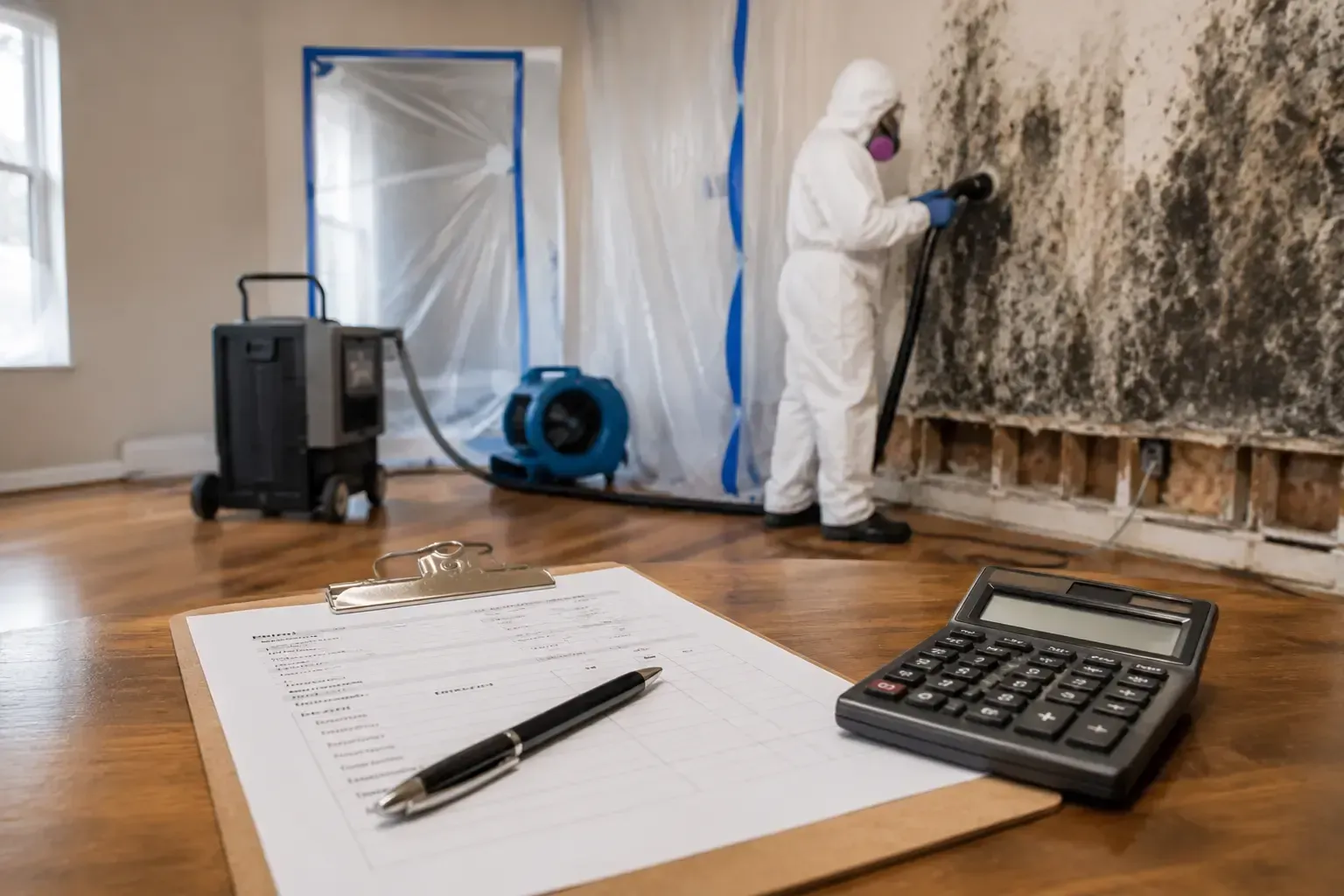
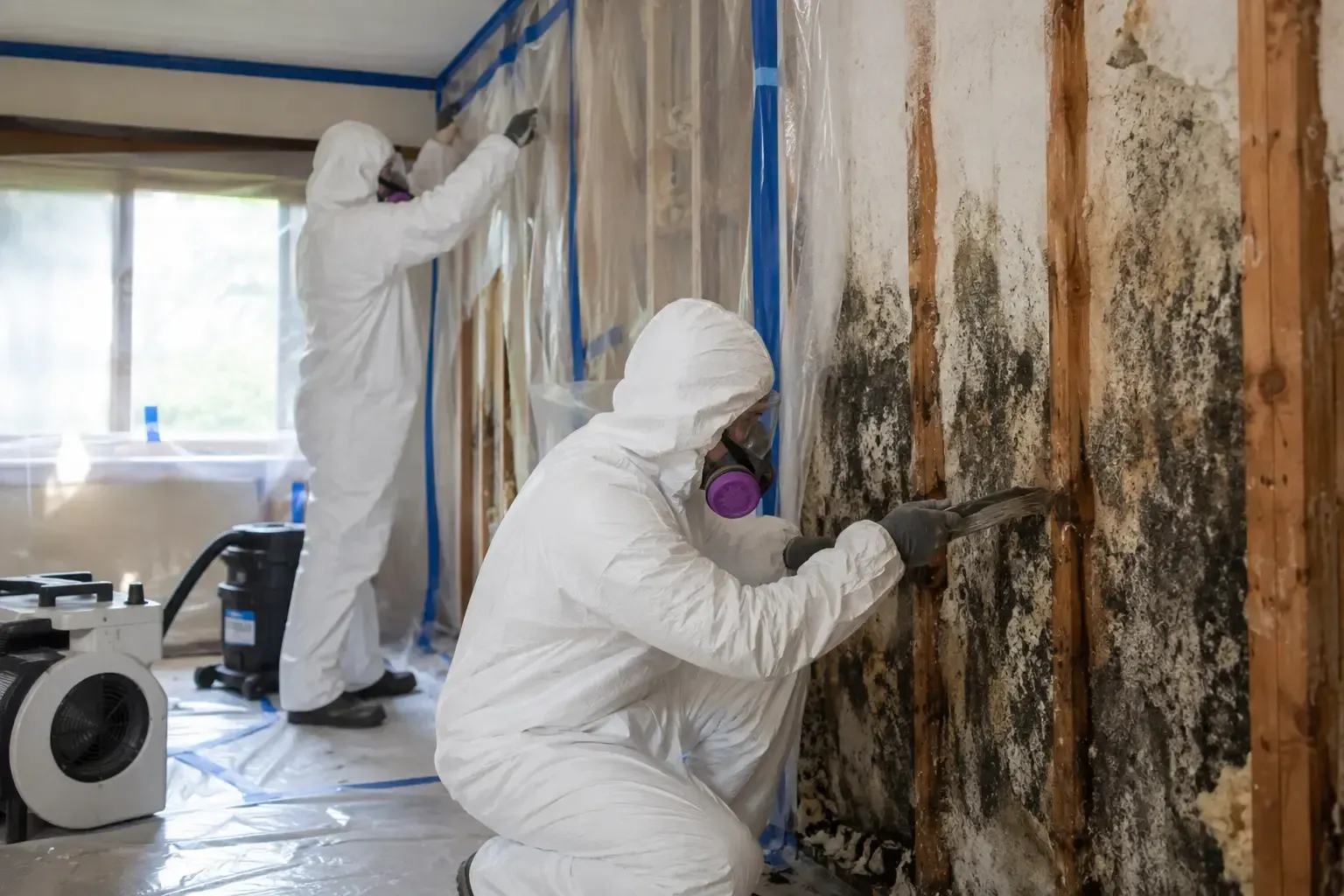
The fix follows the cause: control the moisture. In attics, that means fixing roof leaks, balancing soffit and ridge ventilation, and venting bathroom fans outside. In crawl spaces, it means a continuous vapor barrier, fixing standing water, and often encapsulation with a dehumidifier. Then the existing mold is removed safely. Without solving the moisture, mold simply returns.
When to Call a Pro in Atlanta
Attic and crawl space mold is hard to handle yourself, both because of access and because it ties back to ventilation and moisture systems. Call a professional if mold covers more than about 10 square feet, has reached framing, or keeps coming back. A remediation crew finds the moisture source, removes the mold safely, and fixes the underlying cause so your Atlanta home stays dry.
Frequently Asked Questions
What causes mold in an attic?
Roof leaks, poor or unbalanced ventilation, blocked vents, and bathroom fans venting into the attic. Warm, moist air condensing on the cold roof deck is a common trigger.
What causes mold in a crawl space?
Damp, unconditioned air, a missing or damaged vapor barrier, standing water, and humidity above about 60% let mold take hold quickly.
How do you get rid of attic or crawl space mold?
Fix the moisture source, improve ventilation or air-seal, add a vapor barrier or encapsulate, dehumidify, and remove the mold safely.
Is hidden attic or crawl space mold dangerous?
It can be. It can rot framing and send spores into living areas, affecting health, especially for children, older adults, and people with asthma.
Hidden Mold in Your Atlanta Attic or Crawl Space?
A musty smell with no visible source usually points up to the attic or down to the crawl space. In Atlanta's humidity, those hidden spaces are where mold quietly spreads.
If you suspect hidden mold, our team for mold remediation in Atlanta at Mold Warrior inspects the attic and crawl space, removes the mold safely, and fixes the moisture so it doesn't return. We help Atlanta families protect their home from the mold they can't see.