Do I Need a Mold Inspection? A Raleigh Homeowner's Guide
You smell something musty, or you're buying a Raleigh home and wondering what's behind the walls. The question comes up fast: do you actually need a mold inspection, or is it money you don't need to spend?
This guide helps Raleigh homeowners decide. We cover when a mold inspection is worth it, when you can skip straight to removal, what it costs, and what the process involves.
Key Takeaways
- If you can already see mold, the EPA says testing is usually unnecessary; go straight to remediation.
- An inspection is worth it for hidden or suspected mold, home purchases, or after water damage with no visible growth.
- A professional mold inspection typically costs about $400 to $1,200 depending on home size and samples.
When You Don't Need a Mold Inspection
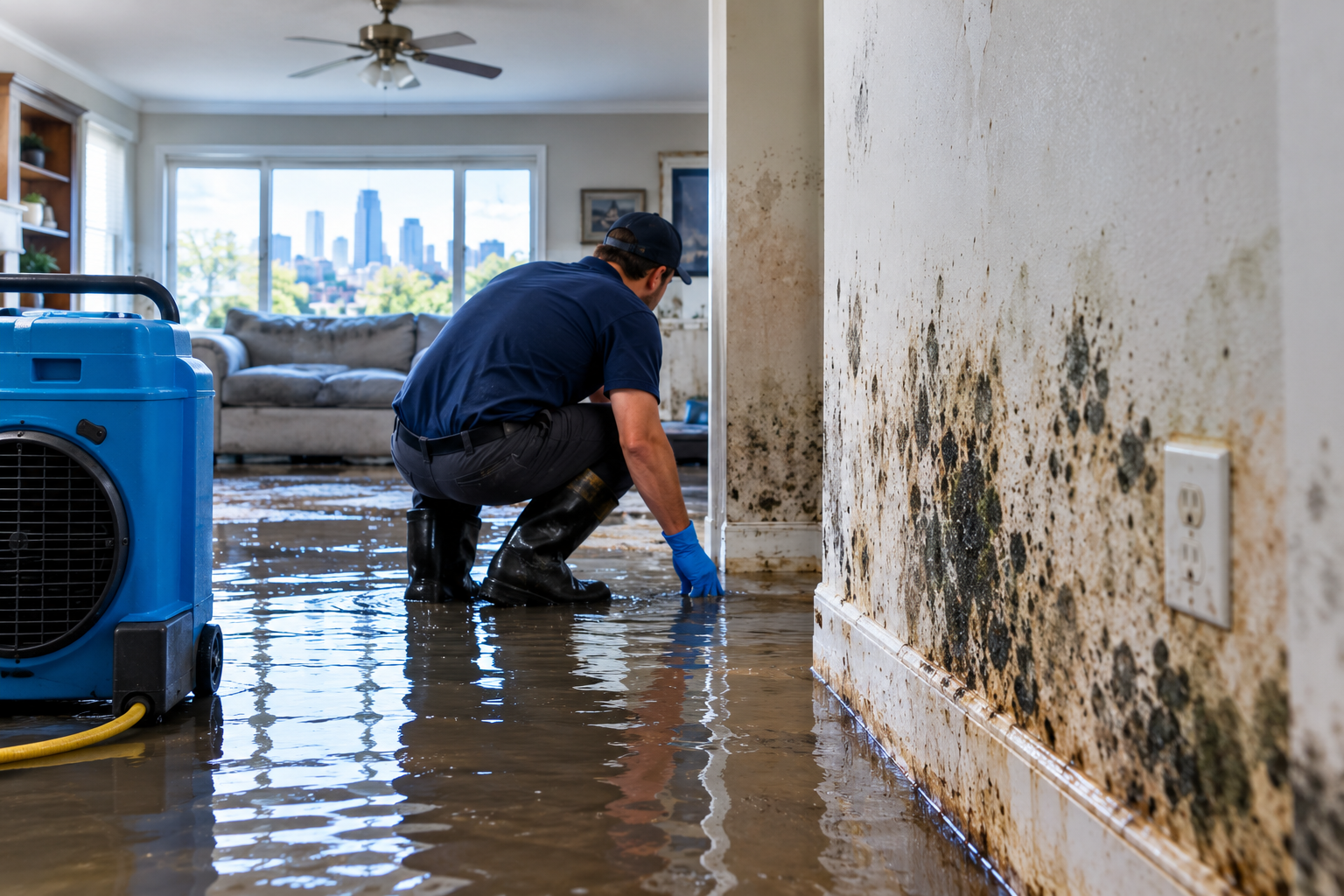
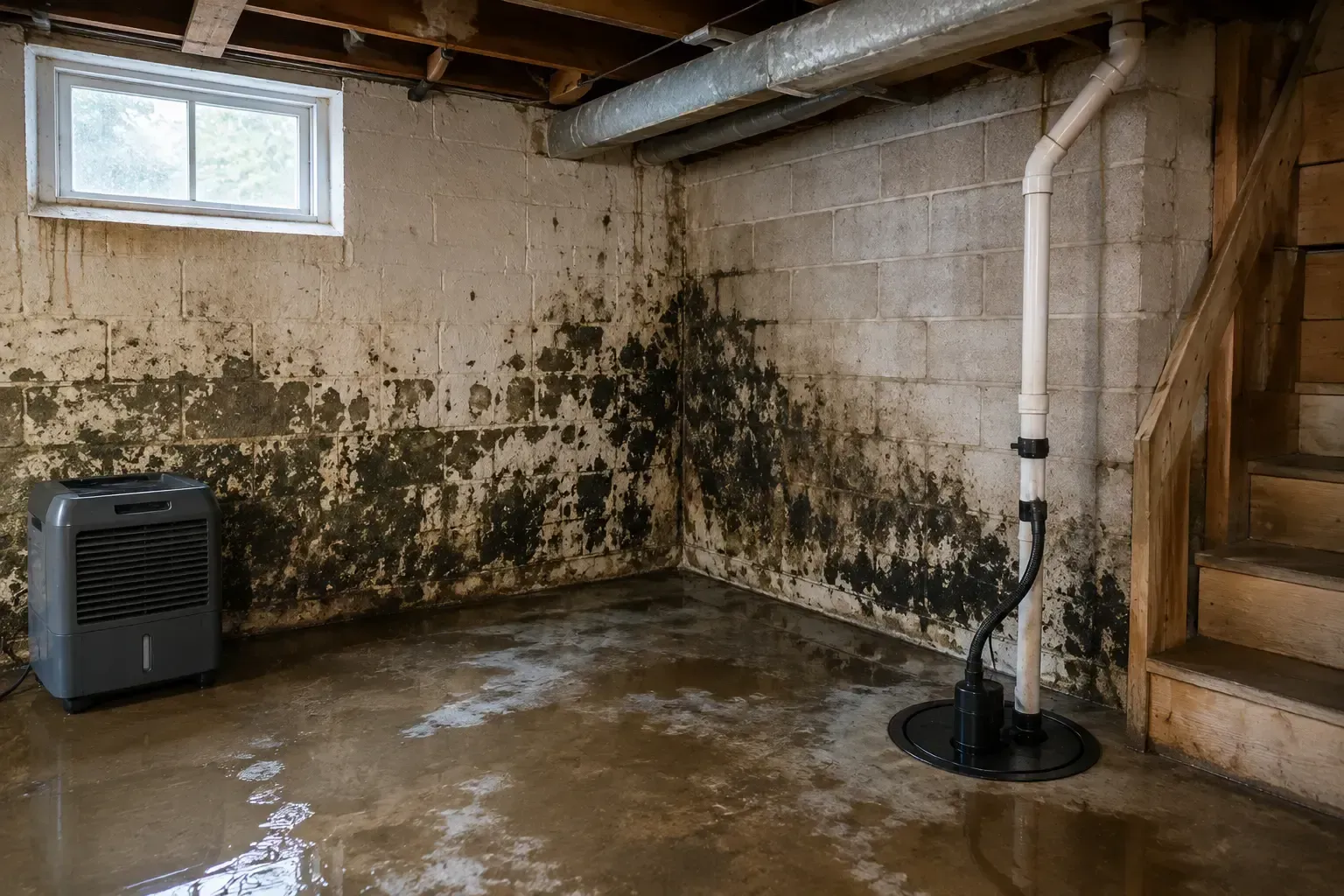
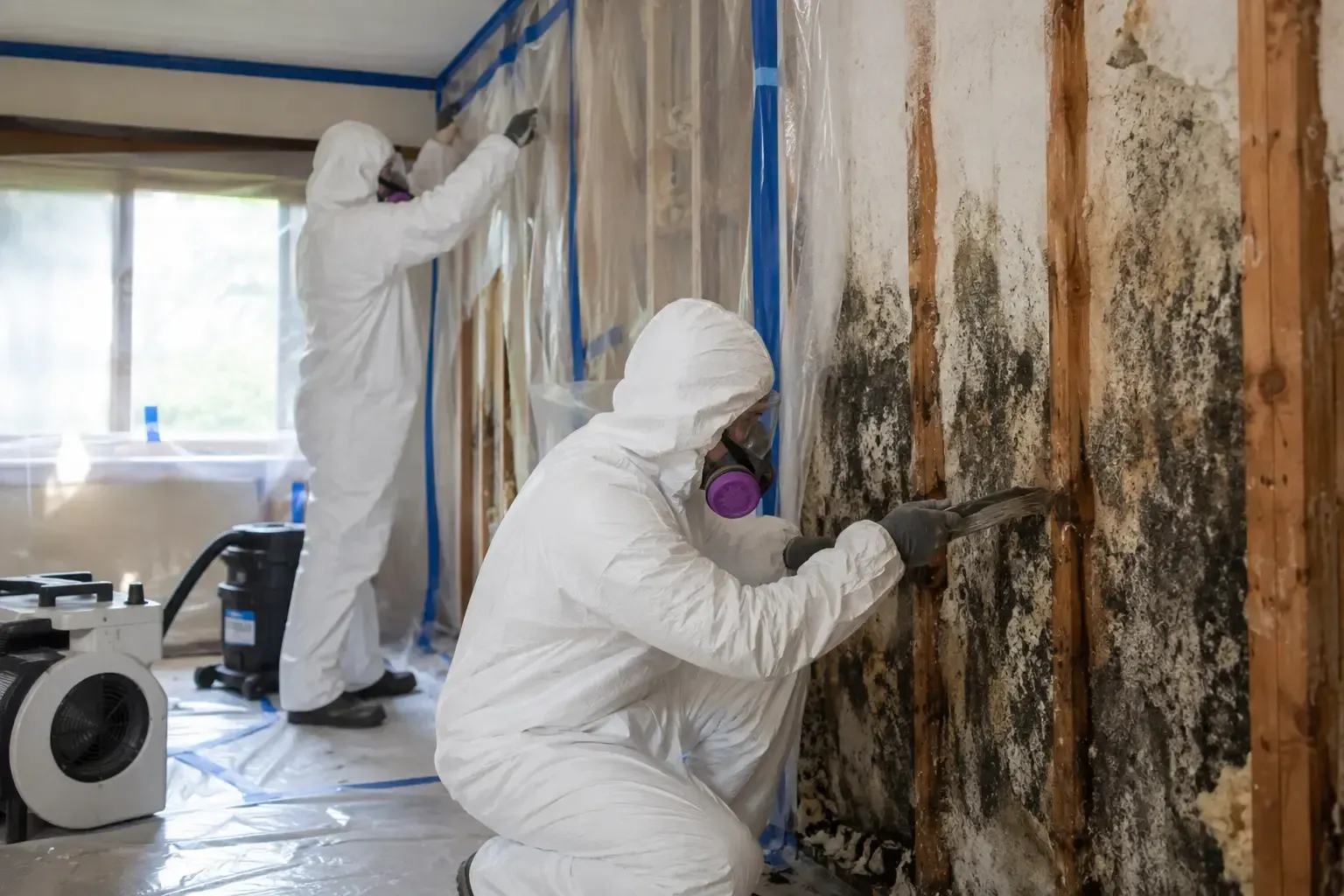
Here's the money-saving part: if you can already see the mold, you usually don't need a test to confirm it. Per the EPA's guidance on mold, if visible mold growth is present, sampling is generally unnecessary, since there are no federal limits for mold spores. In that case, skip the inspection and go straight to fixing the moisture and removing the mold.
When a Mold Inspection Is Worth It
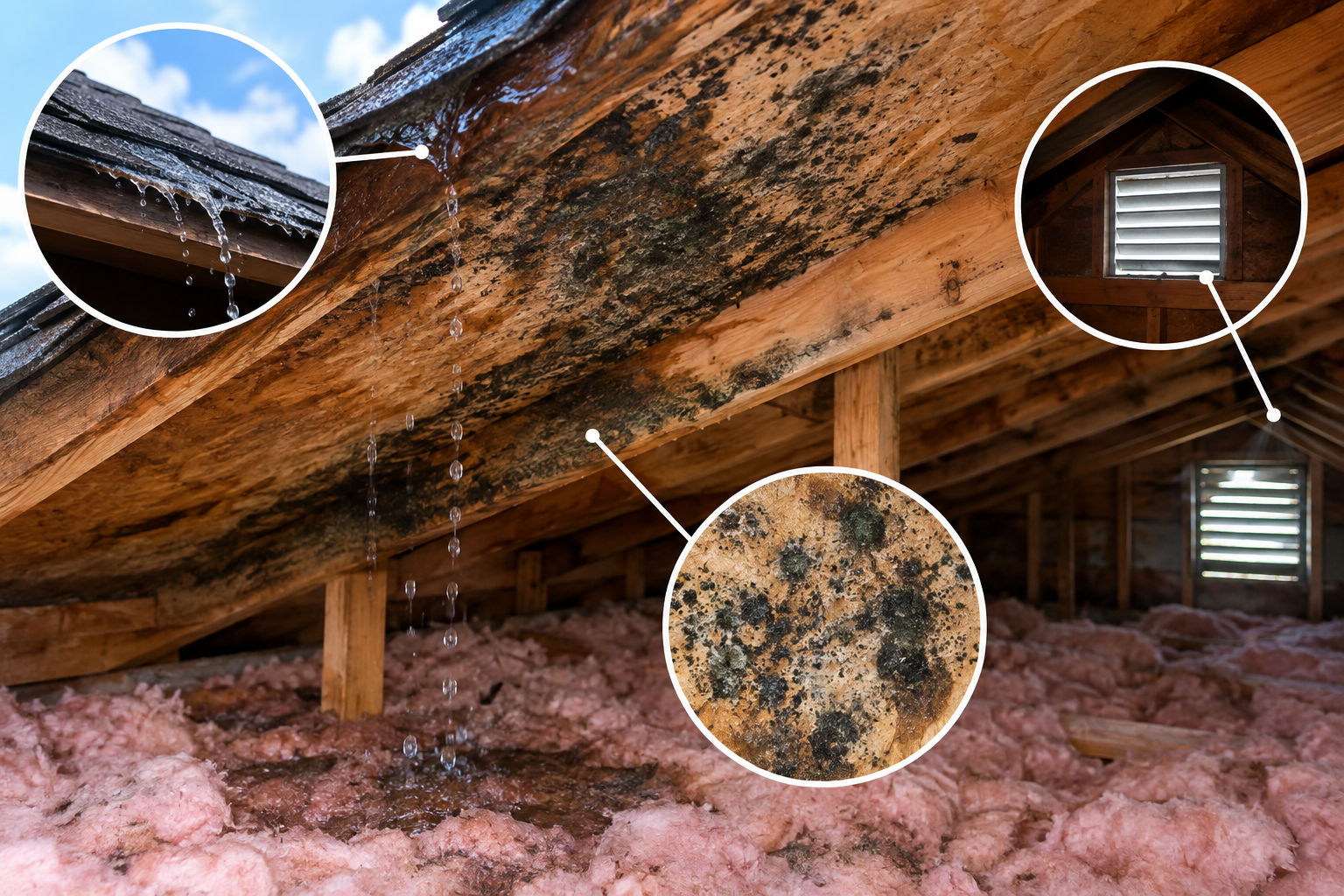
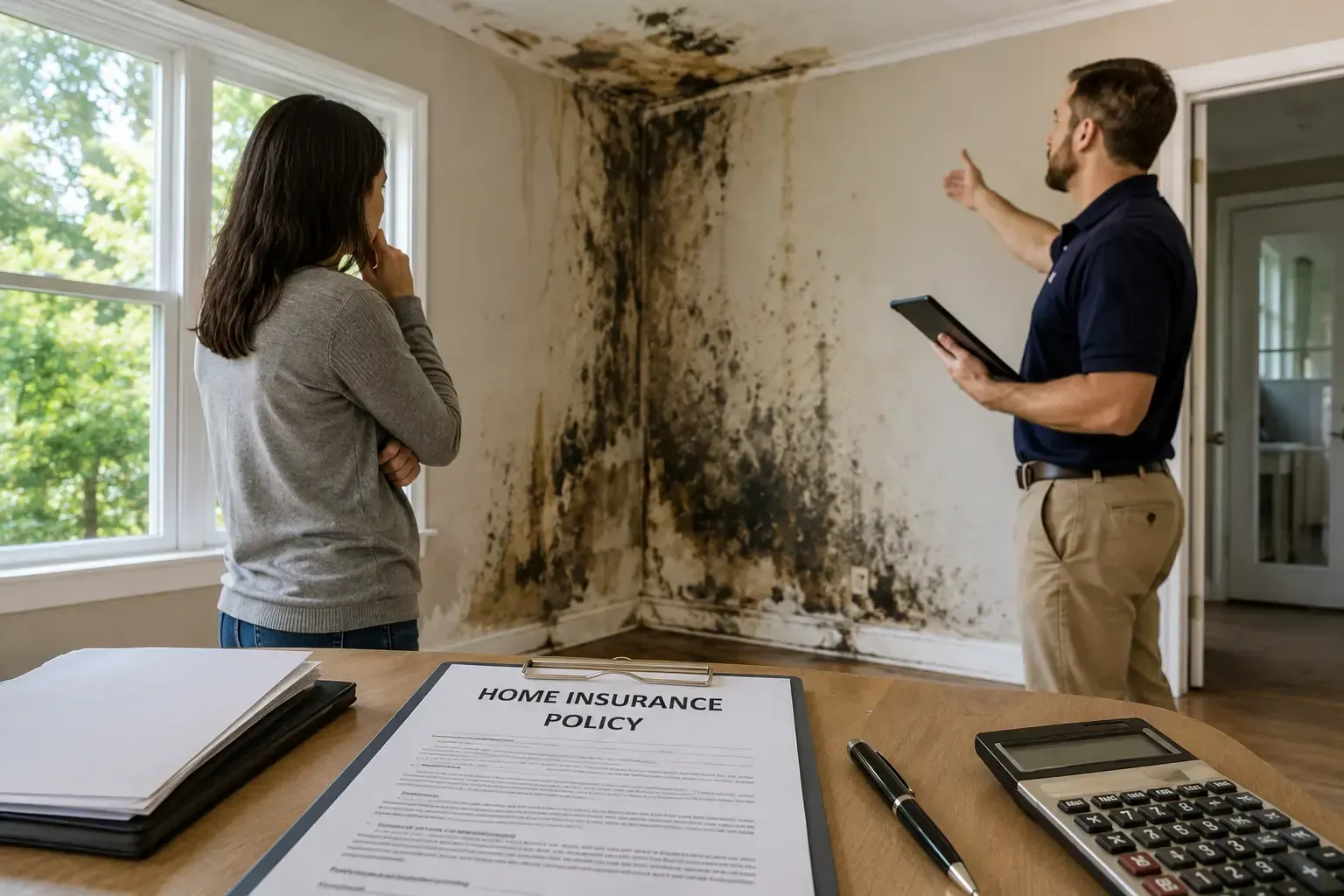
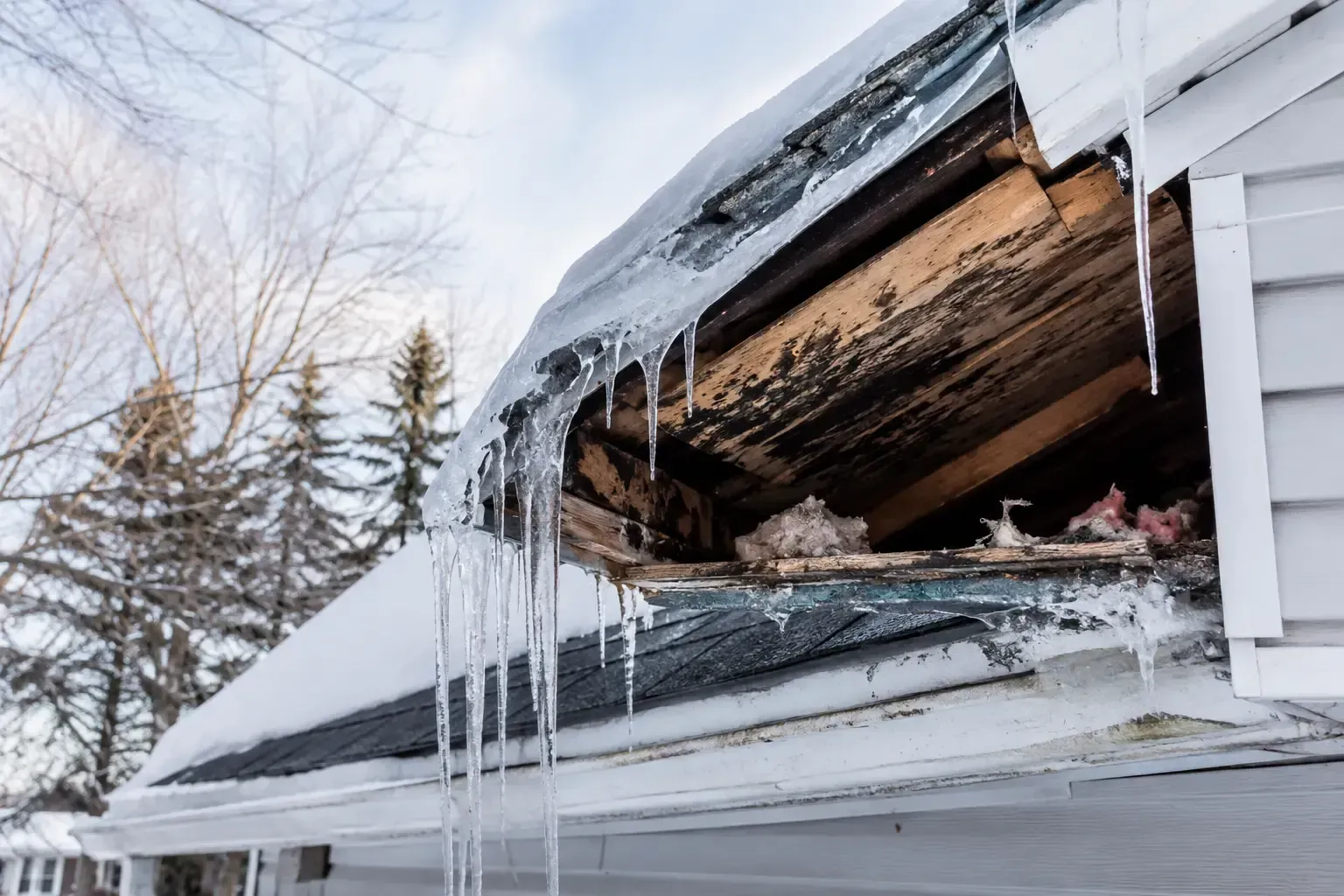
An inspection earns its cost when mold is hidden or uncertain. Get one if you smell a persistent musty odor but see nothing, if you're buying a Raleigh home and want to know its history, or if you had water damage and want to confirm the area dried without mold taking hold behind walls. An inspection finds the moisture source and the hidden growth that a quick look misses.
What a Mold Inspection Involves
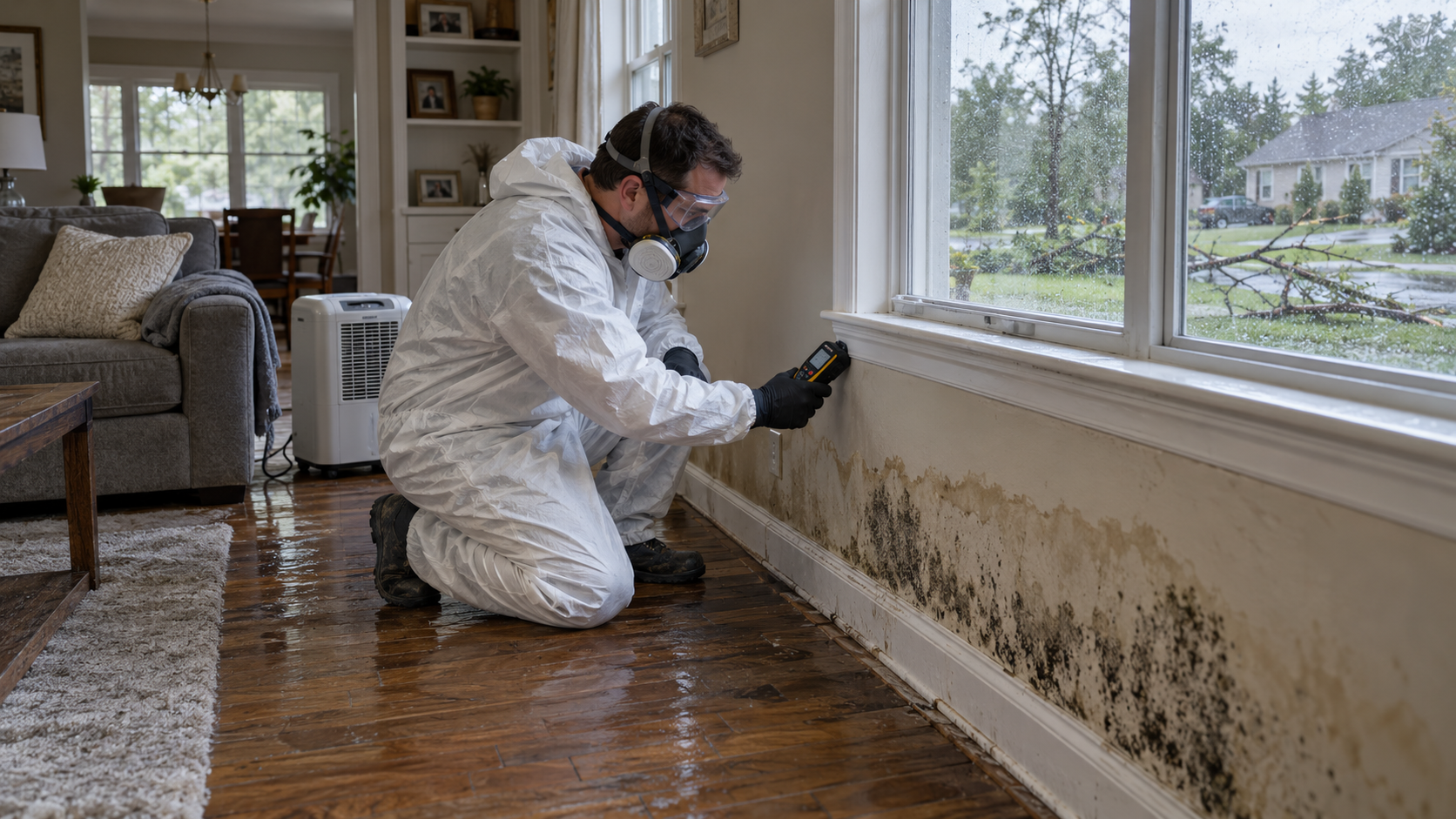
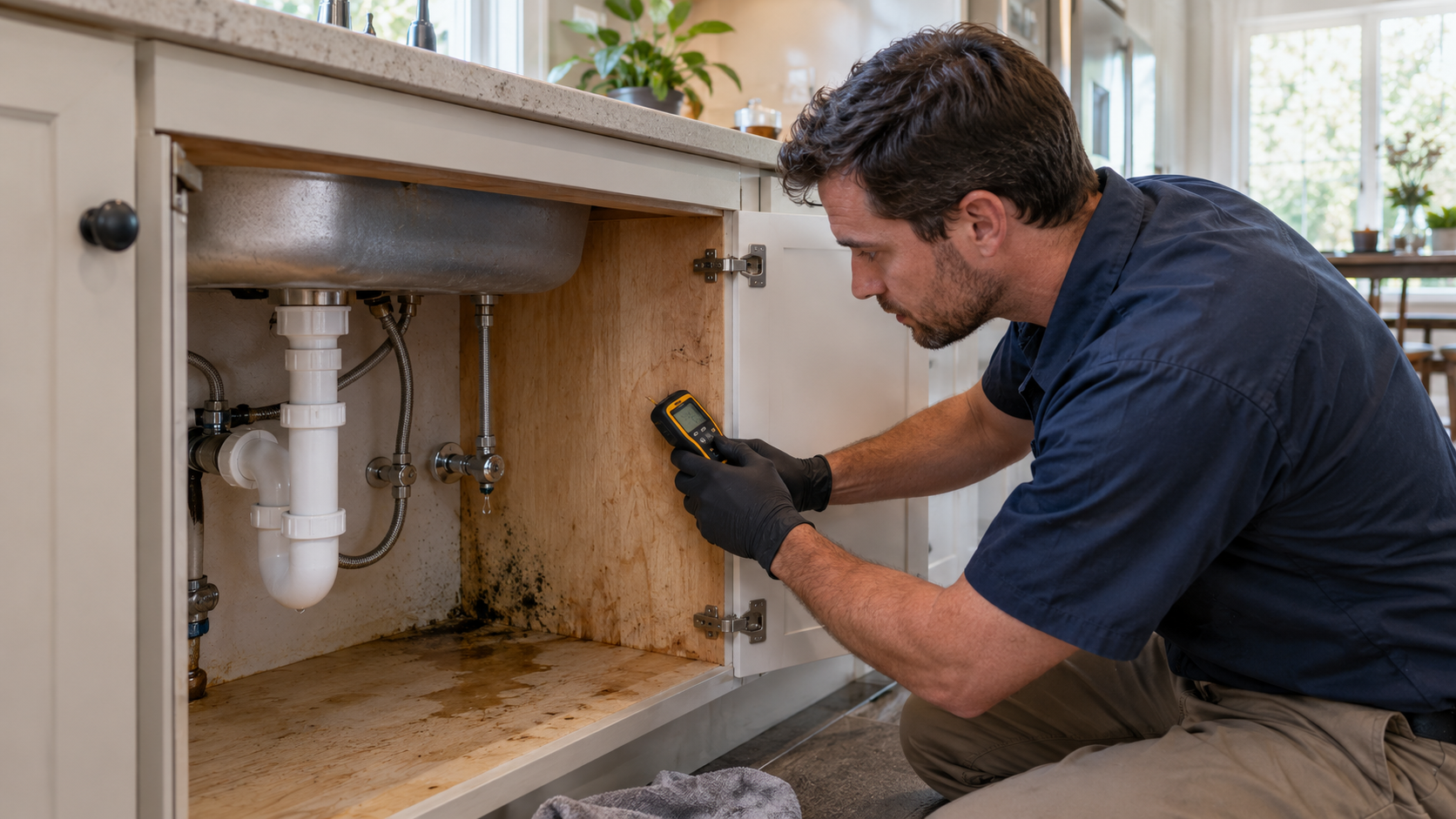
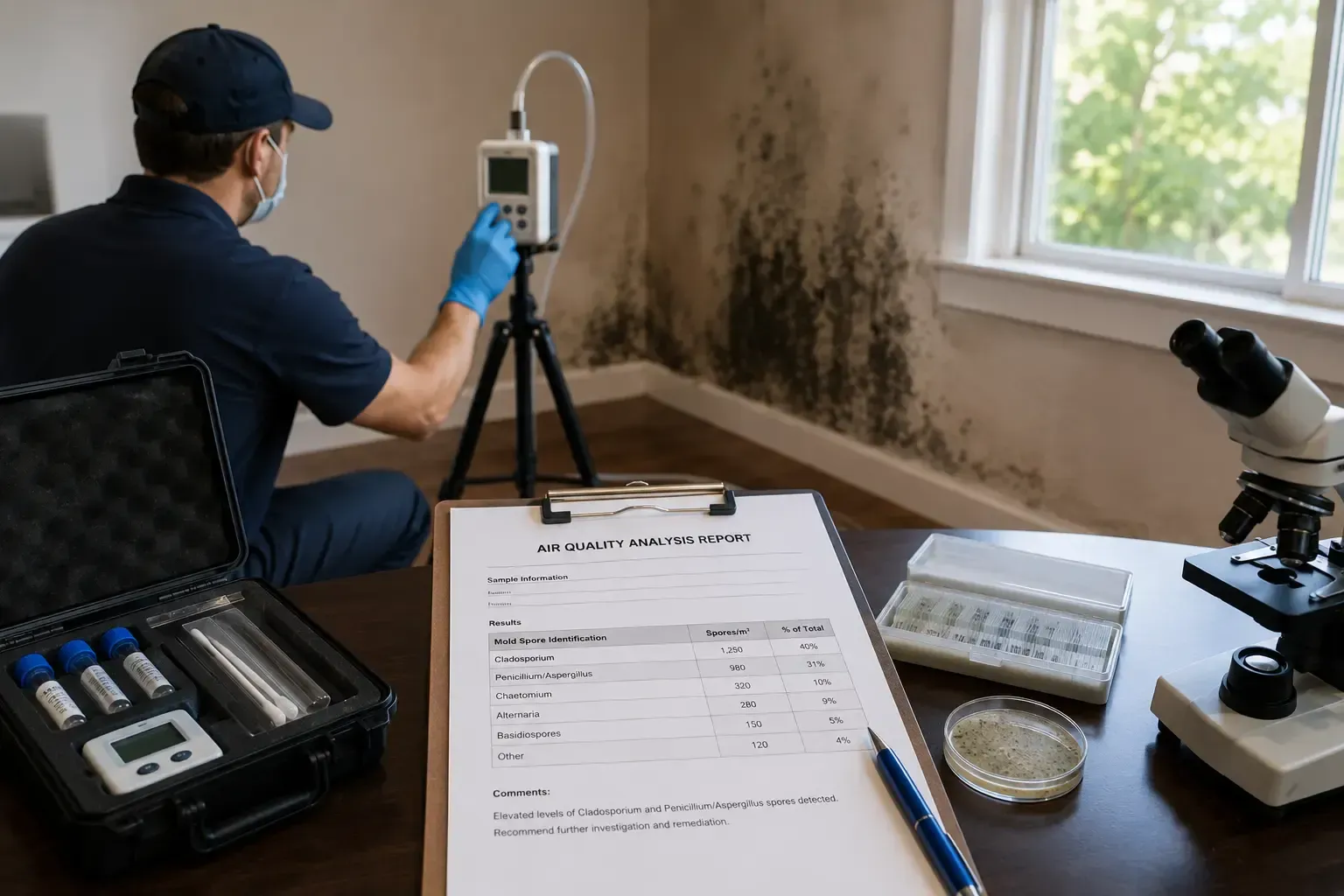
A professional inspection is more than a glance. The inspector checks moisture-prone areas, uses tools like moisture meters and sometimes thermal imaging to find hidden dampness, and may take air or surface samples if needed. They trace the source, since mold is always a moisture problem first. The result is a clear picture of where mold is, how far it spread, and what it will take to fix.
What It Costs in Raleigh
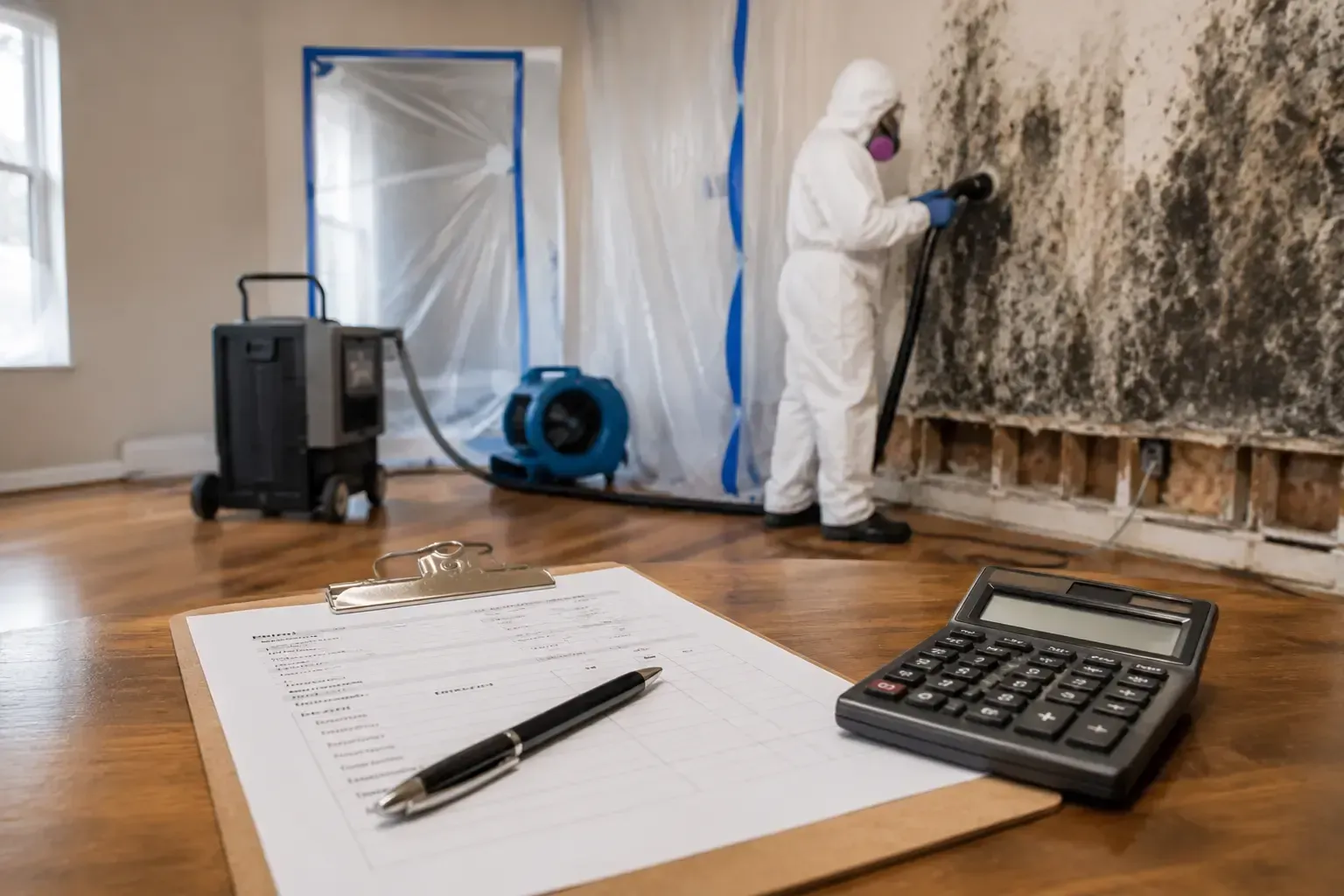
Cost depends on the size of your home and how many samples are taken. A professional mold inspection typically runs about $400 to $1,200, and a mid-size Raleigh home often lands near the lower-to-middle of that range. Remember the EPA's point: if mold is already visible, you can put that money toward remediation instead of testing.
Why Raleigh Homes Are Prone to Mold
Raleigh's warm, humid climate is ideal for mold. Long muggy summers keep indoor humidity high, and any leak, flood, or damp crawl space can turn into a problem within a day or two. Per CDC guidance on mold, exposure can affect health, especially for children, older adults, and people with asthma. If you suspect moisture you can't see, an inspection is a smart first step before it spreads.
Frequently Asked Questions
Is it worth getting a mold inspection?
If mold is visible, usually no; go straight to remediation. It's worth it for hidden or suspected mold, home purchases, or after water damage with no visible growth.
How much does a mold inspection cost?
Typically about $400 to $1,200, depending on home size and number of samples. A mid-size Raleigh home often lands around $500.
Can you still live in a house with mold?
You can, but it isn't ideal, especially for children, older adults, and people with asthma. Widespread or hidden mold should be addressed promptly.
Do I need a mold inspection when buying a Raleigh home?
It's a smart idea, especially with any sign of leaks, odors, or past water damage. Inspections are common in real estate deals though not required for a mortgage.
Suspect Hidden Mold in Your Raleigh Home?
If mold is visible, you can move straight to removal. If it's hidden, musty, or tied to past water damage, an inspection tells you exactly what you're dealing with before it spreads further.
Schedule your mold inspection today with Mold Warrior and protect your home from hidden damage