Why Atlanta Humidity Fuels Year-Round Mold (and How to Prevent It)
In Atlanta, mold isn't just a rainy-season problem; it's a year-round one. The same humidity that makes summers sticky also gives mold exactly what it needs to grow inside your home, often where you can't see it.
This guide explains why Atlanta's humidity fuels mold all year, the humidity level that lets it grow, and the practical steps that keep it out of your home for good.
Key Takeaways
- Mold thrives when indoor humidity climbs above about 60%; keep it between 30% and 50%.
- Atlanta's warm, humid climate keeps that risk high nearly year-round, not just in summer.
- AC, dehumidifiers, ventilation, and fast leak repairs are the keys to prevention.
Why Humidity Causes Mold
Mold needs three things: spores, a surface, and moisture. Spores are always floating in the air, so moisture is the factor you control. Per the EPA's guide to mold and moisture, mold will not grow without moisture, and controlling indoor humidity is the key to preventing it. In a humid place like Atlanta, that moisture is constantly in the air, ready to feed mold.
The Humidity Level That Lets Mold Grow
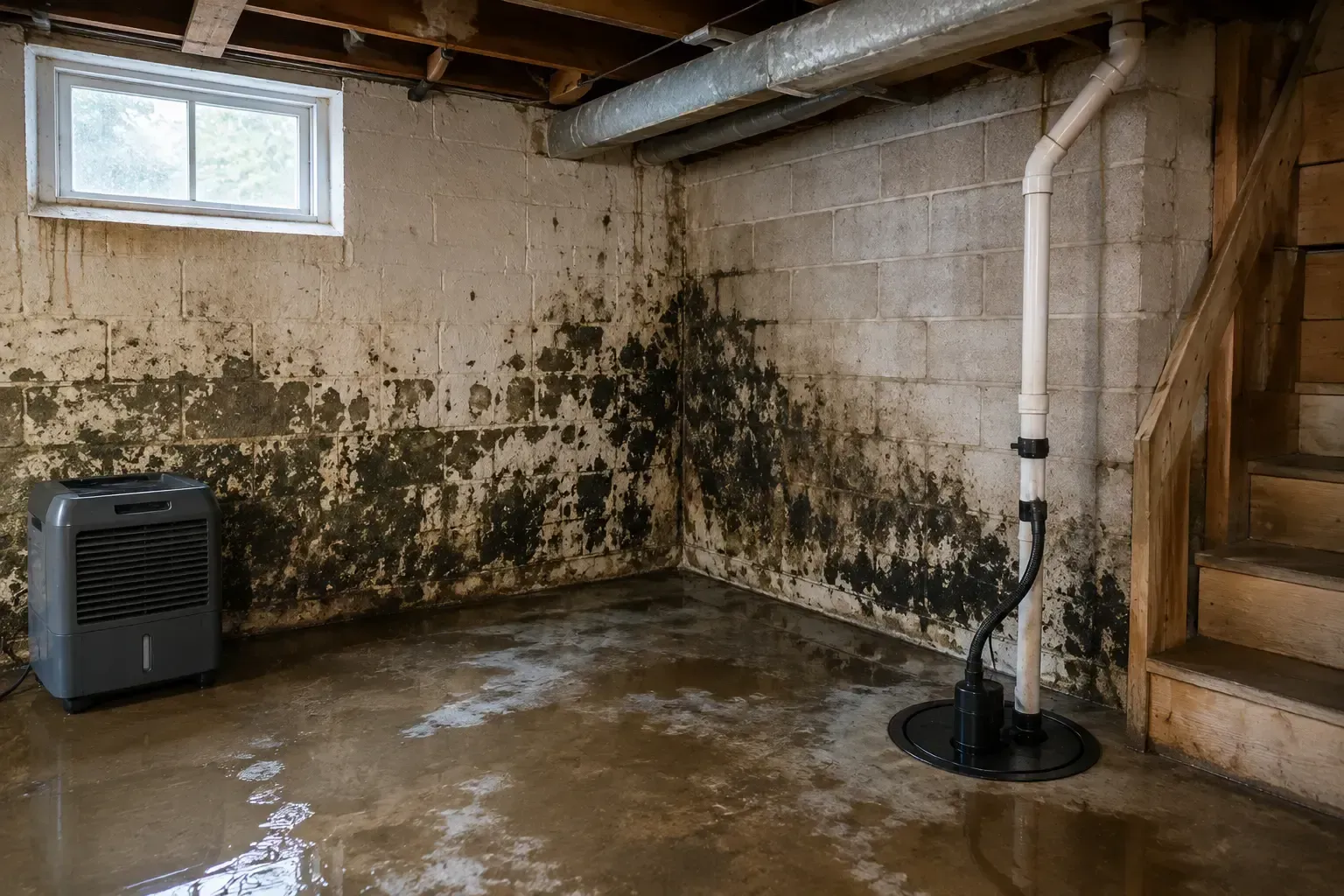
There's a clear danger zone. Mold thrives when indoor humidity rises above about 60%. Keeping your home between 30% and 50% relative humidity makes it hard for mold to take hold. Atlanta's outdoor humidity regularly pushes well past that line, which is why indoor humidity creeps up without active control, especially in closets, basements, and rooms with poor airflow.
Why Atlanta Homes Are At Risk Year-Round
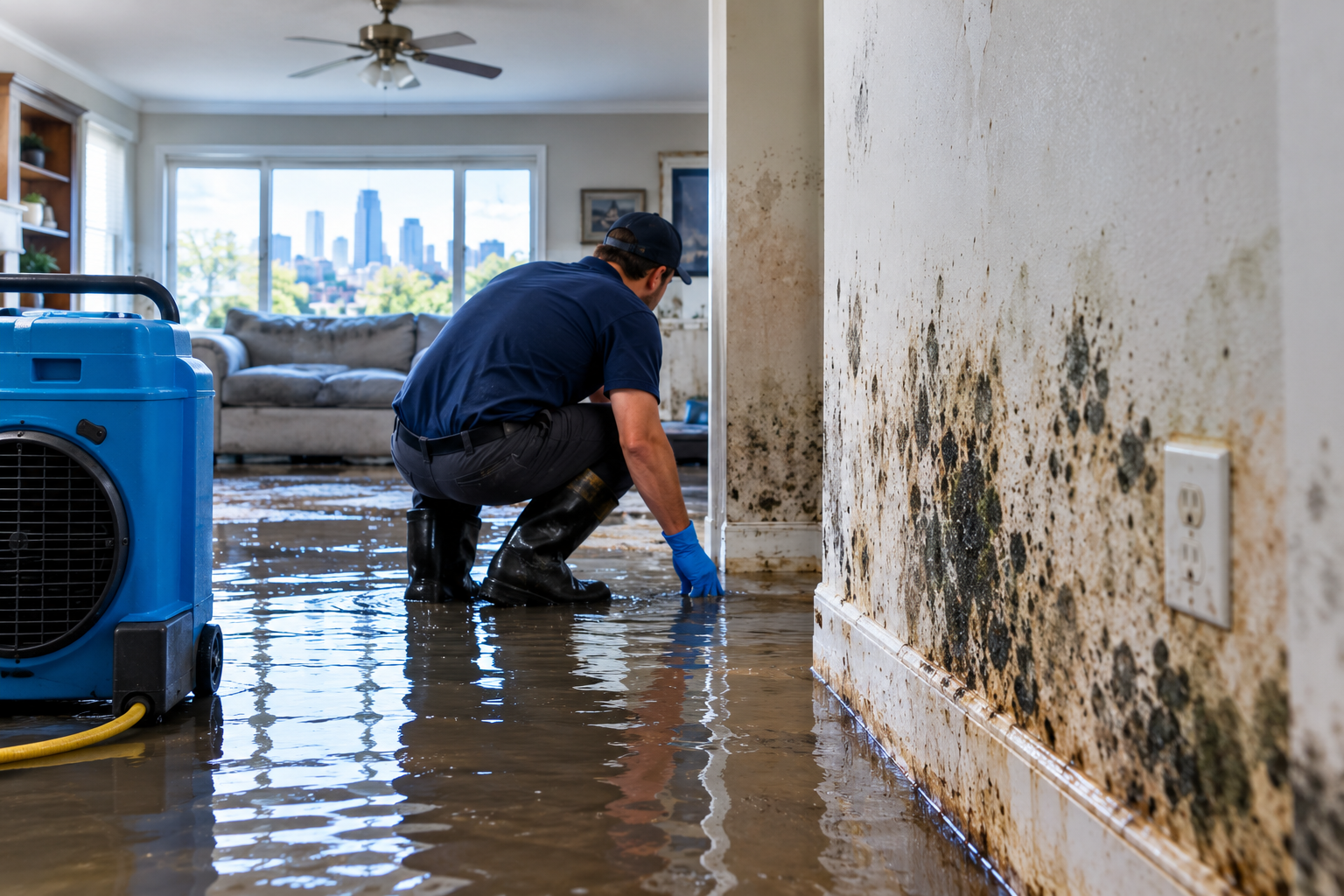
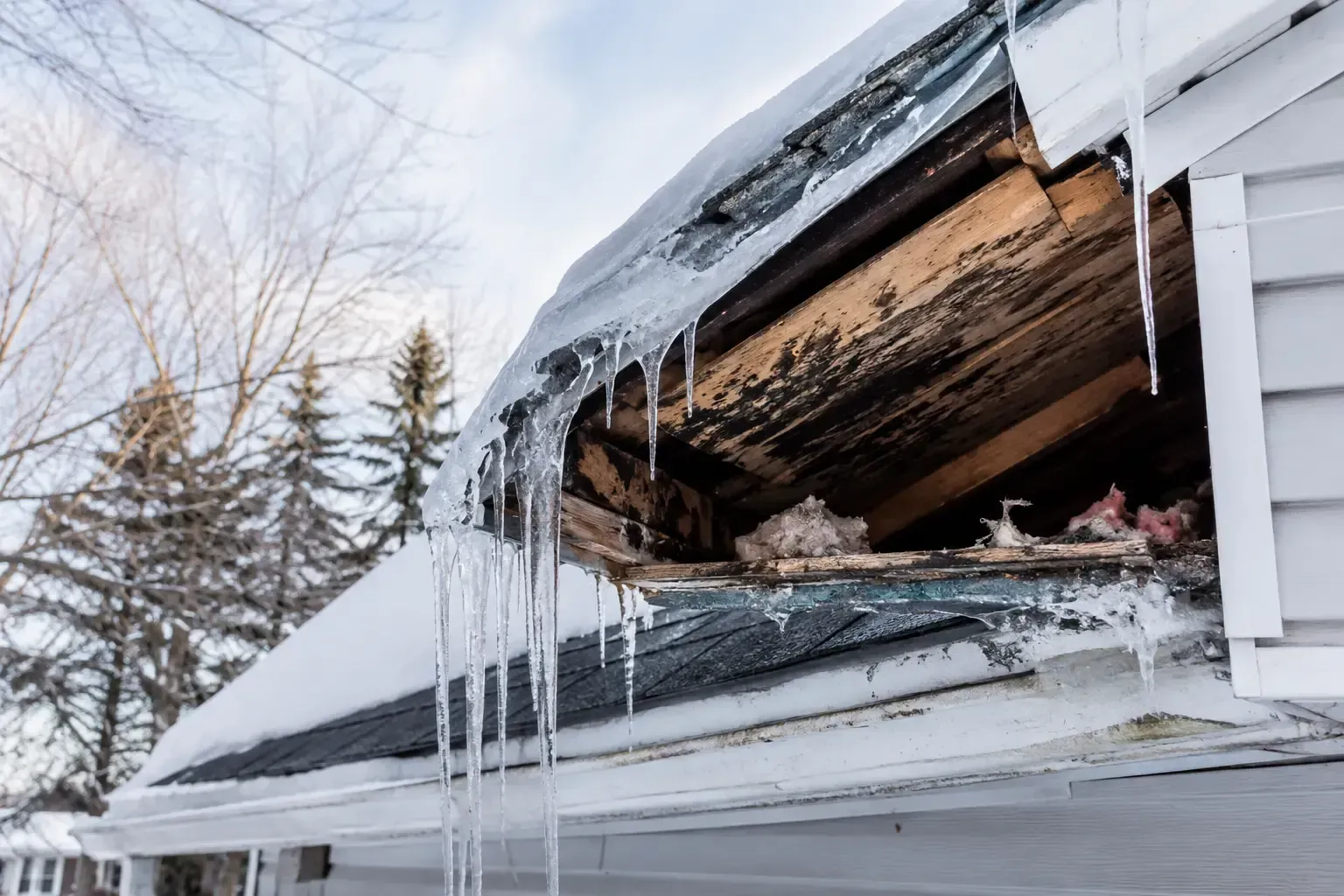
Many people think mold is a summer issue, but Atlanta's mild, damp winters keep humidity elevated too. Warm, moist air meeting cooler surfaces, like windows and exterior walls, creates condensation that feeds mold even in cooler months. Add the region's frequent rain and humid crawl spaces, and the result is a year-round risk that never fully goes away.
How to Control Indoor Humidity
Your AC is the first line of defense, since it dehumidifies as it cools. Run it consistently in humid stretches, and add a dehumidifier in damp areas like basements. Use exhaust fans in bathrooms and the kitchen, and make sure they vent outside. A simple humidity gauge helps you keep an eye on the level and act before it climbs into the mold zone.
Stop the Hidden Moisture Sources
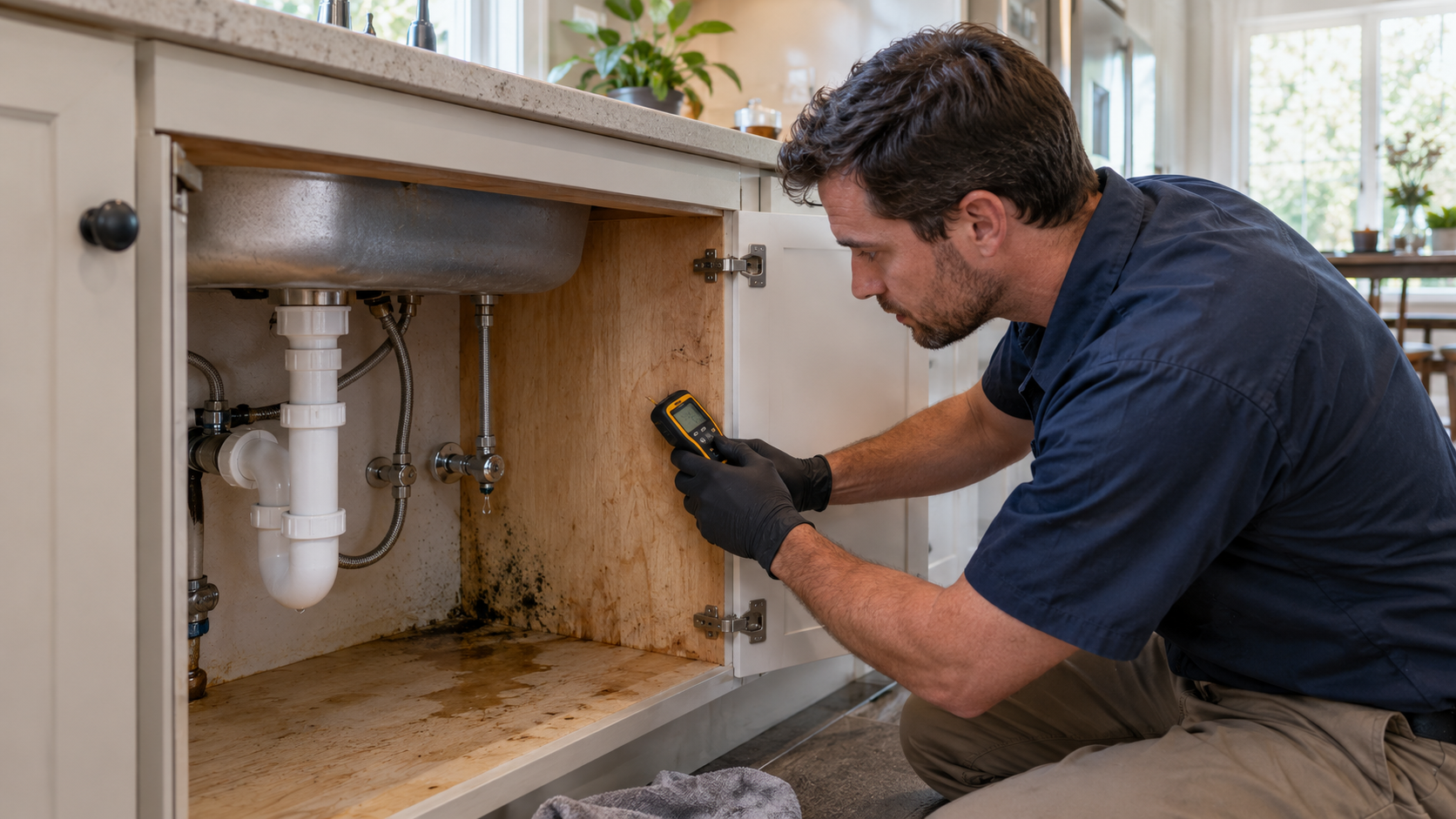
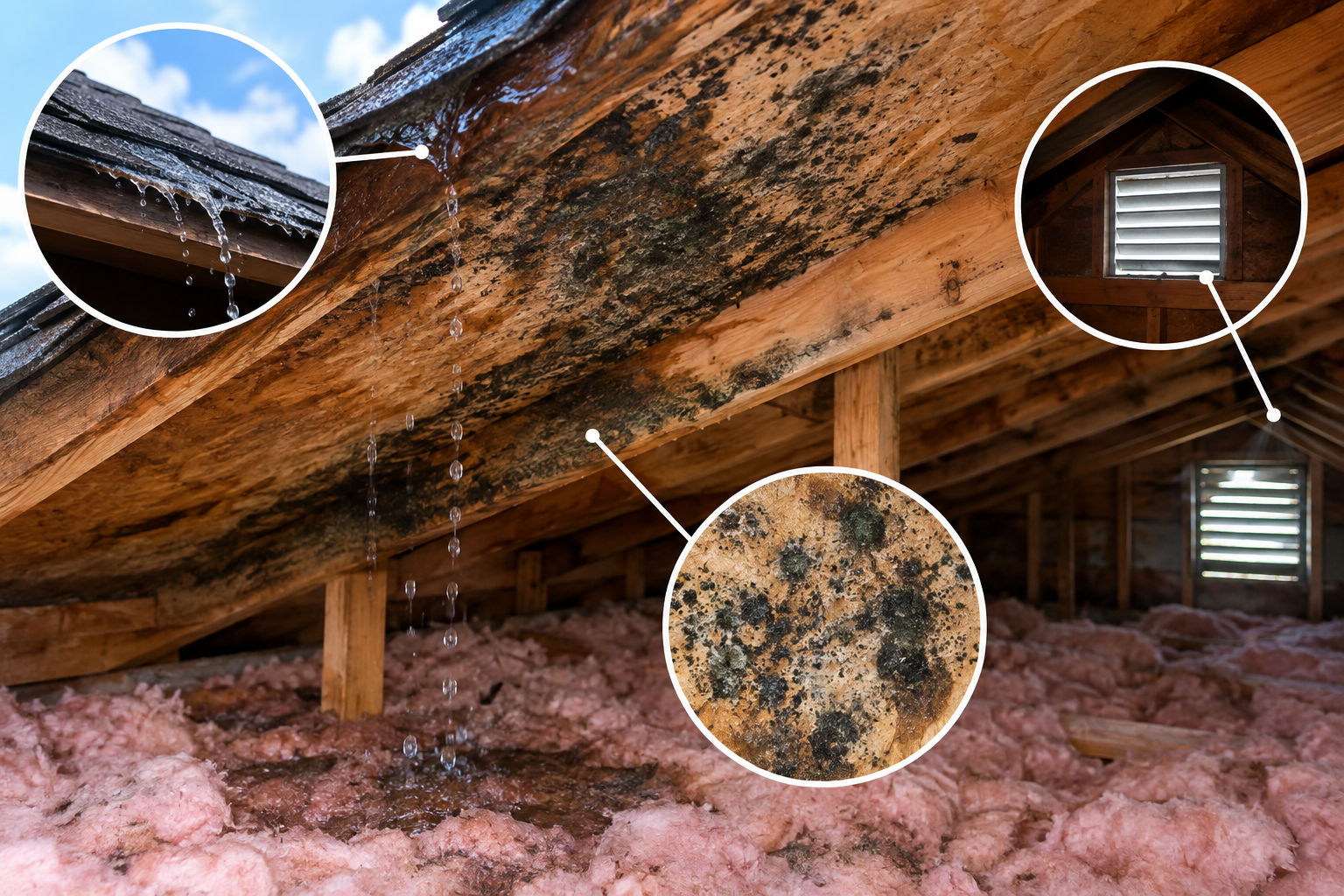
Humidity isn't the only culprit. Fix plumbing and roof leaks fast, since they create the damp spots where mold starts. Pull furniture slightly off exterior walls so air can move, and check crawl spaces for a vapor barrier. Per CDC guidance on mold, damp conditions also affect health, with the biggest impact on children, older adults, and people with asthma.
When to Call a Pro in Atlanta
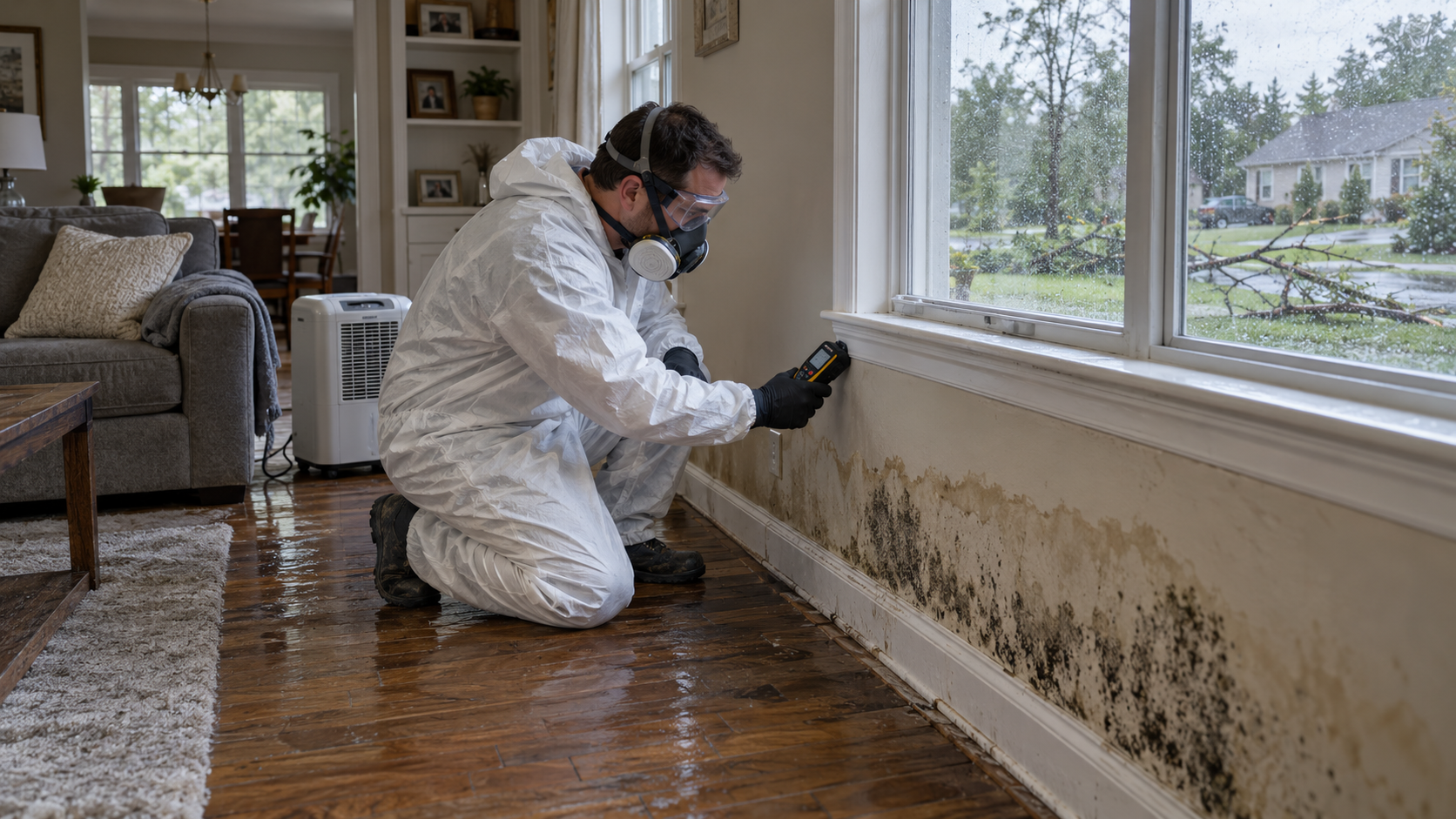
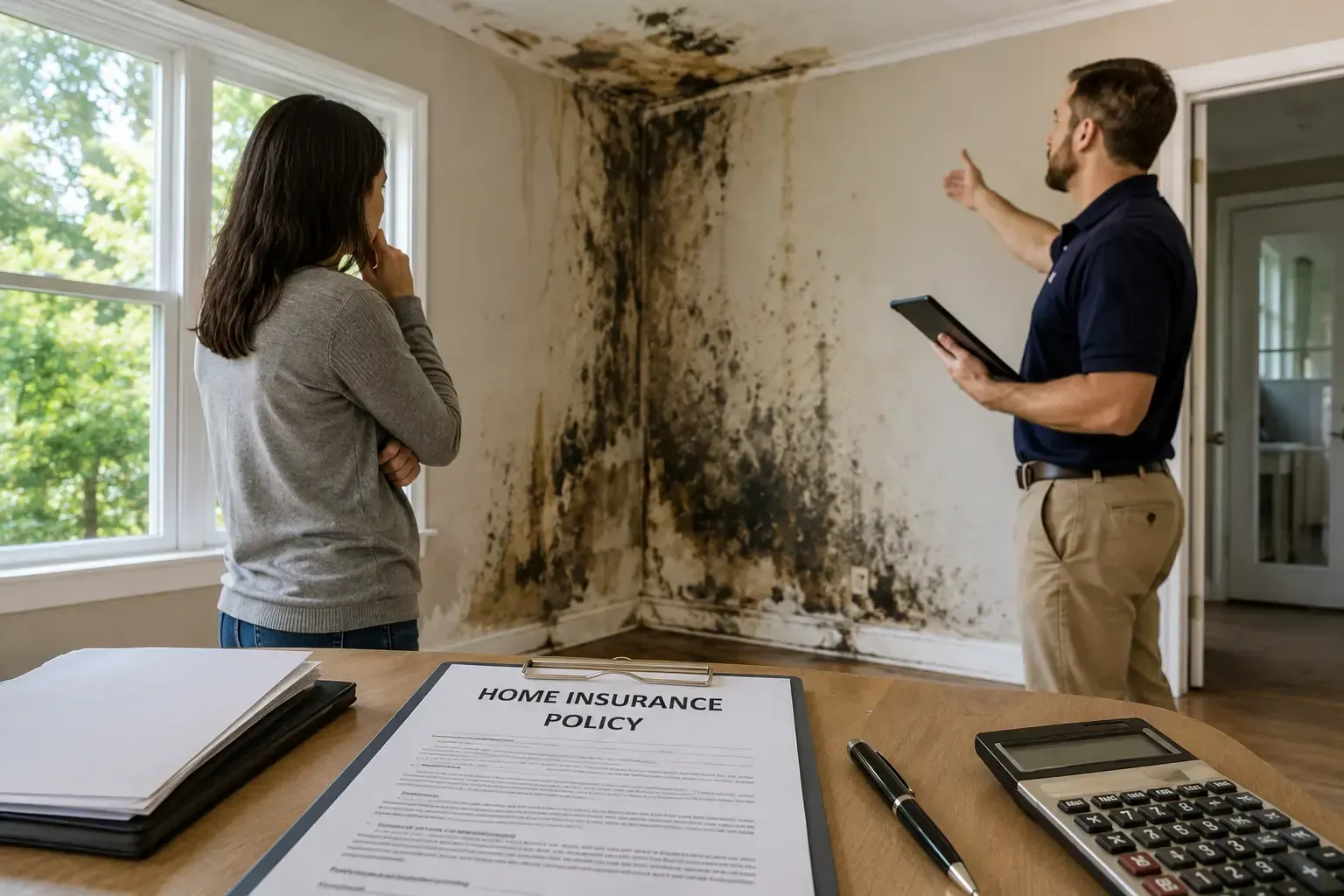
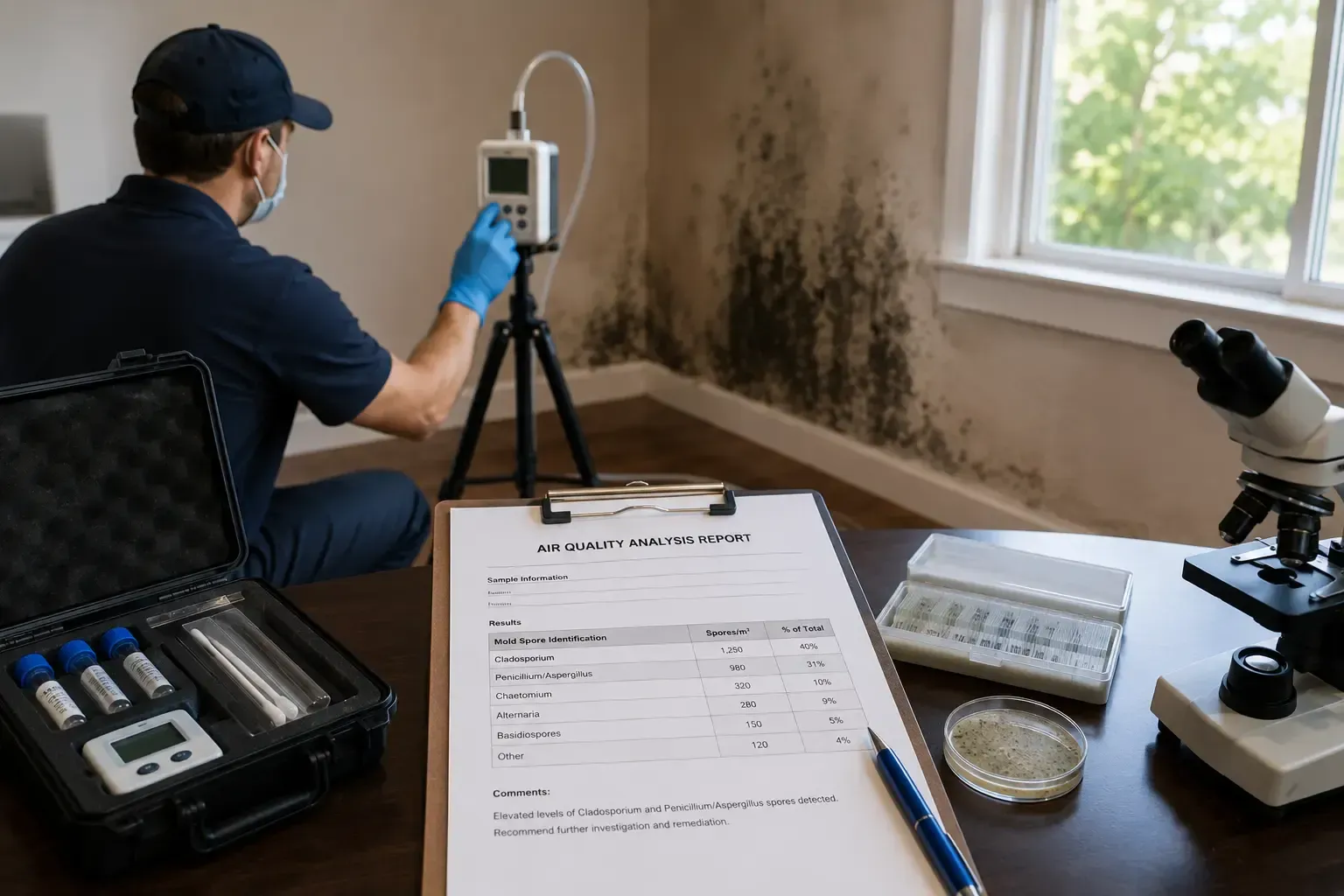
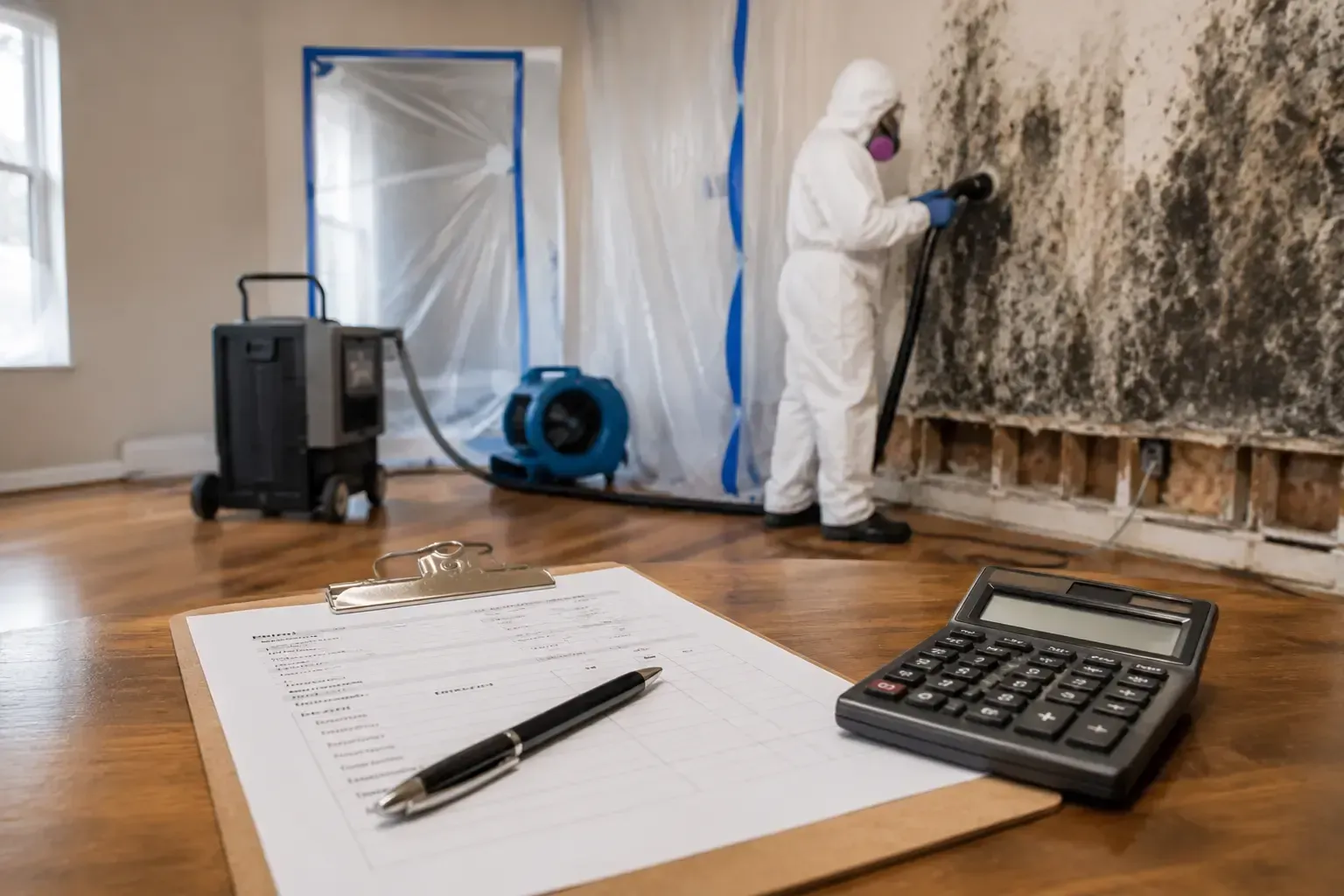
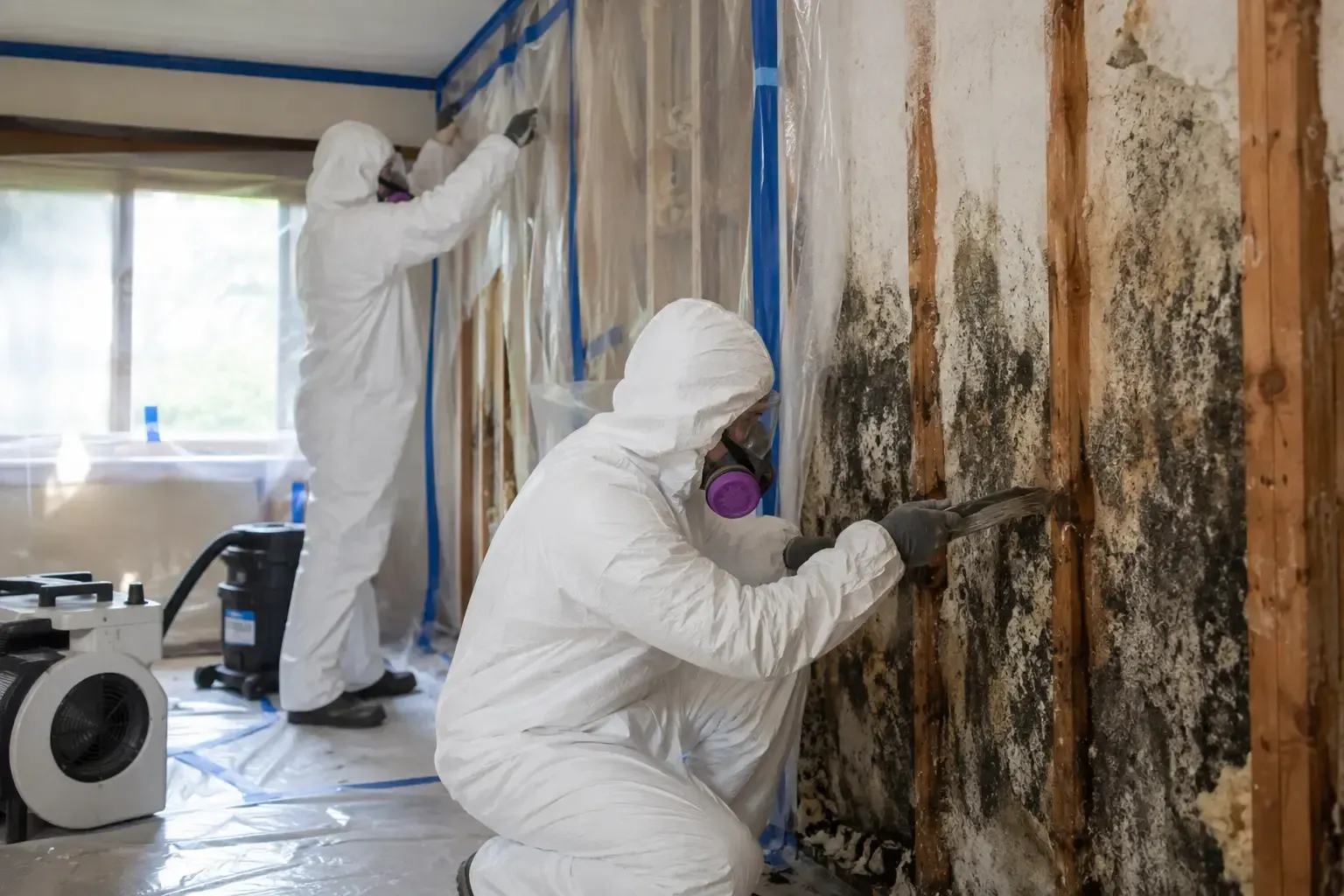
Sometimes humidity-driven mold has already spread before you notice. Call a professional if you see mold covering more than about 10 square feet, smell a persistent musty odor, or have symptoms that ease when you leave home. A remediation crew finds the hidden moisture, removes the mold safely, and helps you get the humidity under control so it doesn't come back.
Frequently Asked Questions
At what humidity does mold grow?
Mold thrives above about 60% indoor humidity. Keeping it between 30% and 50% makes growth difficult. Atlanta's climate often requires AC and dehumidifiers to stay in range.
Does humidity alone cause mold?
High humidity is the main driver, but mold also needs spores and a surface. Control the moisture and humidity, per the EPA, and you control mold.
How do I prevent mold in humid Atlanta?
Keep humidity at 30 to 50% with AC and dehumidifiers, run exhaust fans, fix leaks fast, and improve airflow.
Is mold a year-round problem in Atlanta?
Yes. Mild, damp winters and condensation keep humidity high even outside summer, so the risk never fully disappears.
Fighting Humidity-Driven Mold in Atlanta?
In Atlanta, controlling humidity is controlling mold. Keep the air dry, fix leaks fast, and watch the damp spots, and you stop most mold before it starts.
If mold has already taken hold, our team for mold remediation in Atlanta at Mold Warrior finds the hidden moisture, removes the mold safely, and helps you keep humidity in check so it doesn't return. We help Atlanta families protect their home and their health.