Crawl Space Mold in Denver Homes: Detection and Remediation Guide
You smelled something musty when you opened the access panel. Or your HVAC tech mentioned visible mold during a service call. The next question every Denver homeowner asks: what is crawl space mold actually doing to my home, and what does it cost to fix? This guide breaks down crawl space mold Denver detection and remediation - real causes, real costs, and the encapsulation decision that prevents future mold.
Key Takeaways
- Crawl space mold remediation in Denver typically runs $1,300-$3,500 for standard jobs. Encapsulation adds $3,000-$10,000 but prevents recurrence.
- Snowmelt season (March-May) is peak crawl space mold time across the Front Range.
- Dry-fog technology works exceptionally well in crawl spaces - confined space, porous materials, no demolition needed.
Why Denver Crawl Spaces Get Mold
Spring Snowmelt
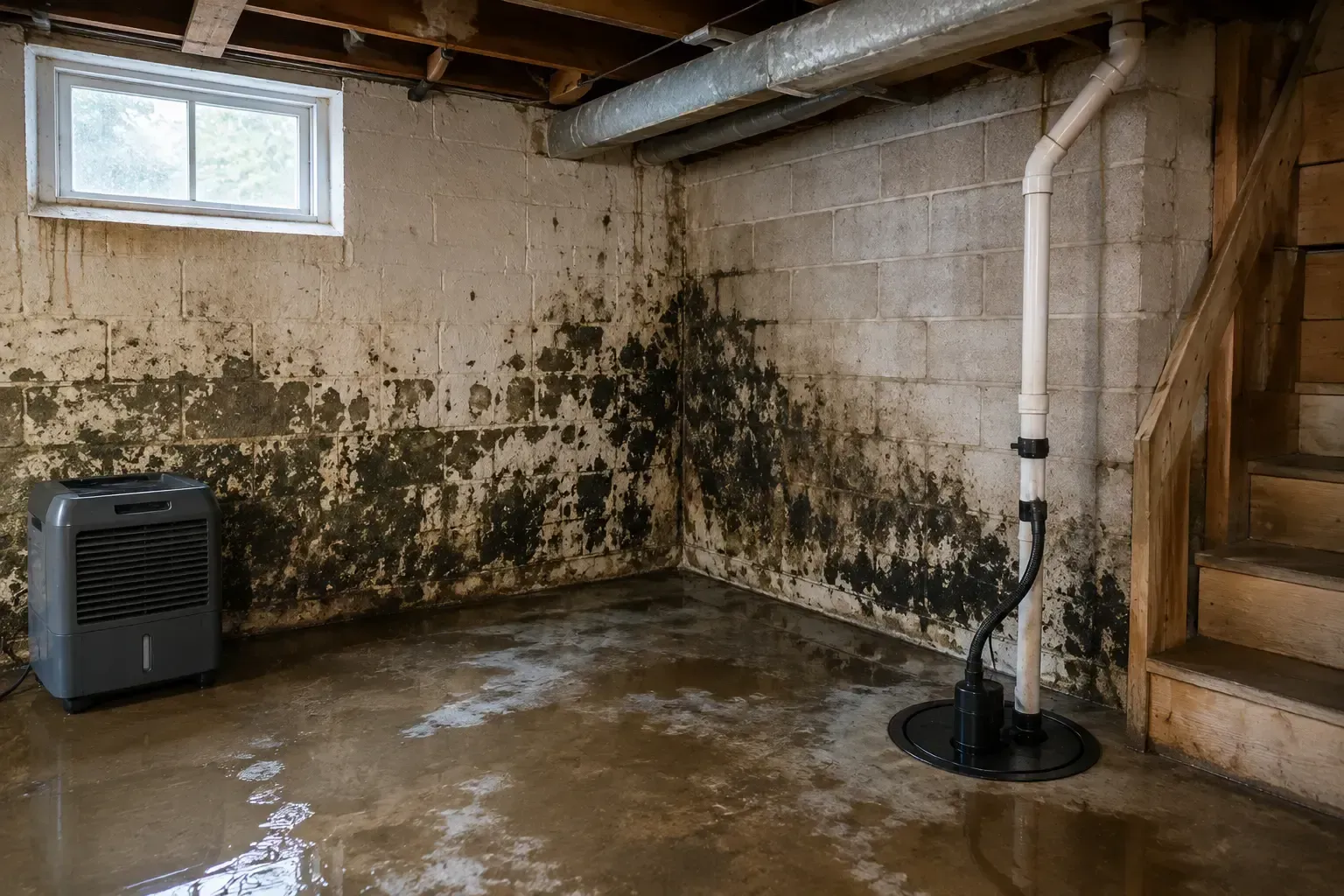
Per NWS Boulder/Denver climate data, Front Range averages 25-35% humidity year-round - but snowmelt season (March-May) drives groundwater up around foundations. Crawl spaces with limited ventilation trap that moisture.
Older Homes (1960s-1990s)
Denver-metro homes from this era often have shallow crawl spaces with minimal vapor barrier and inadequate ventilation. Common in Wheat Ridge, Lakewood, Aurora, Englewood, older Westminster neighborhoods.
Vapor Barrier Failures
Original vapor barriers (if installed) degrade and tear over 20-30 years. Soil moisture rises through gaps. Mold colonies establish on exposed wood framing and insulation.
HVAC Duct Condensation
AC ducts running through crawl spaces condense moisture when temperature differential is high. Drips slowly onto insulation and framing over years.
Plumbing Leaks
Slow drain leaks, supply line drips, or sewer ejector pump issues create persistent moisture below the home. Often undetected for years until inspection reveals.
How to Detect Crawl Space Mold (Without Going Down There)
Musty Smell from HVAC Vents
Earthy odor when AC or furnace runs - especially first few minutes after startup. HVAC system draws air from crawl space and circulates it through living areas.
Family Allergy/Respiratory Symptoms
Per CDC mold spore exposure causes congestion, headaches, asthma flares - especially when family members feel worse at home and better outdoors.
Hardwood Floor Buckling or Cupping
Above-crawl-space hardwood floors that warp or buckle without obvious cause often indicate excessive crawl space humidity creeping up.
High Indoor Humidity
Indoor humidity above 50-60% in winter (when outdoor air is dry) suggests crawl space moisture rising into living areas. Hygrometer ($15-$30) confirms.
Visual Inspection (Most Direct)
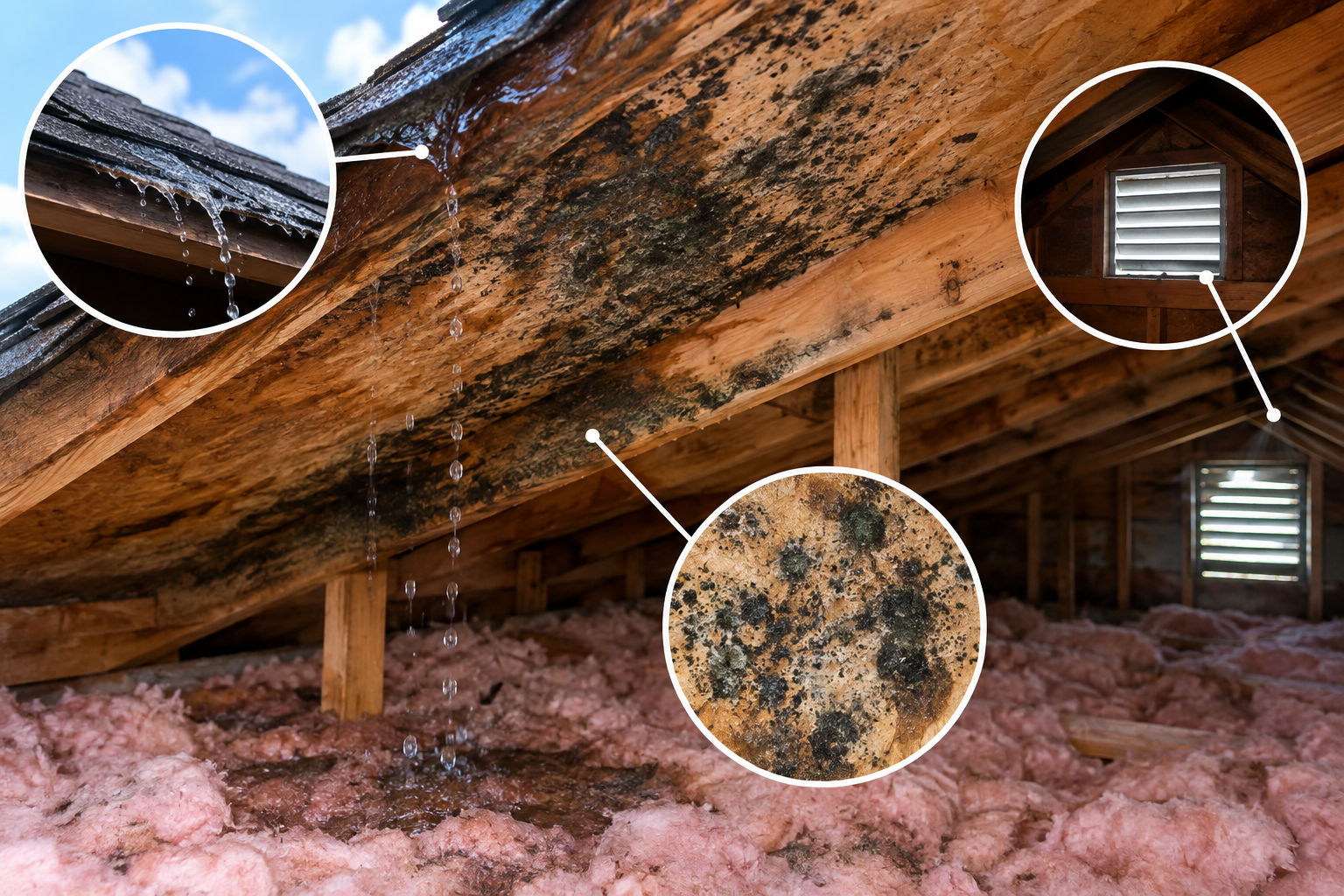
Look down through access panel with flashlight. Visible dark patches on framing, insulation, or vapor barrier. Pooled water or wet soil. Critter signs (rodents indicate ventilation/entry issues).
Denver Crawl Space Mold Remediation Cost
Small Localized ($800-$1,500)
Spot mold on framing or insulation in single area. Containment, removal/treatment of affected materials, antimicrobial application.
Standard Crawl Space ($1,300-$3,500)
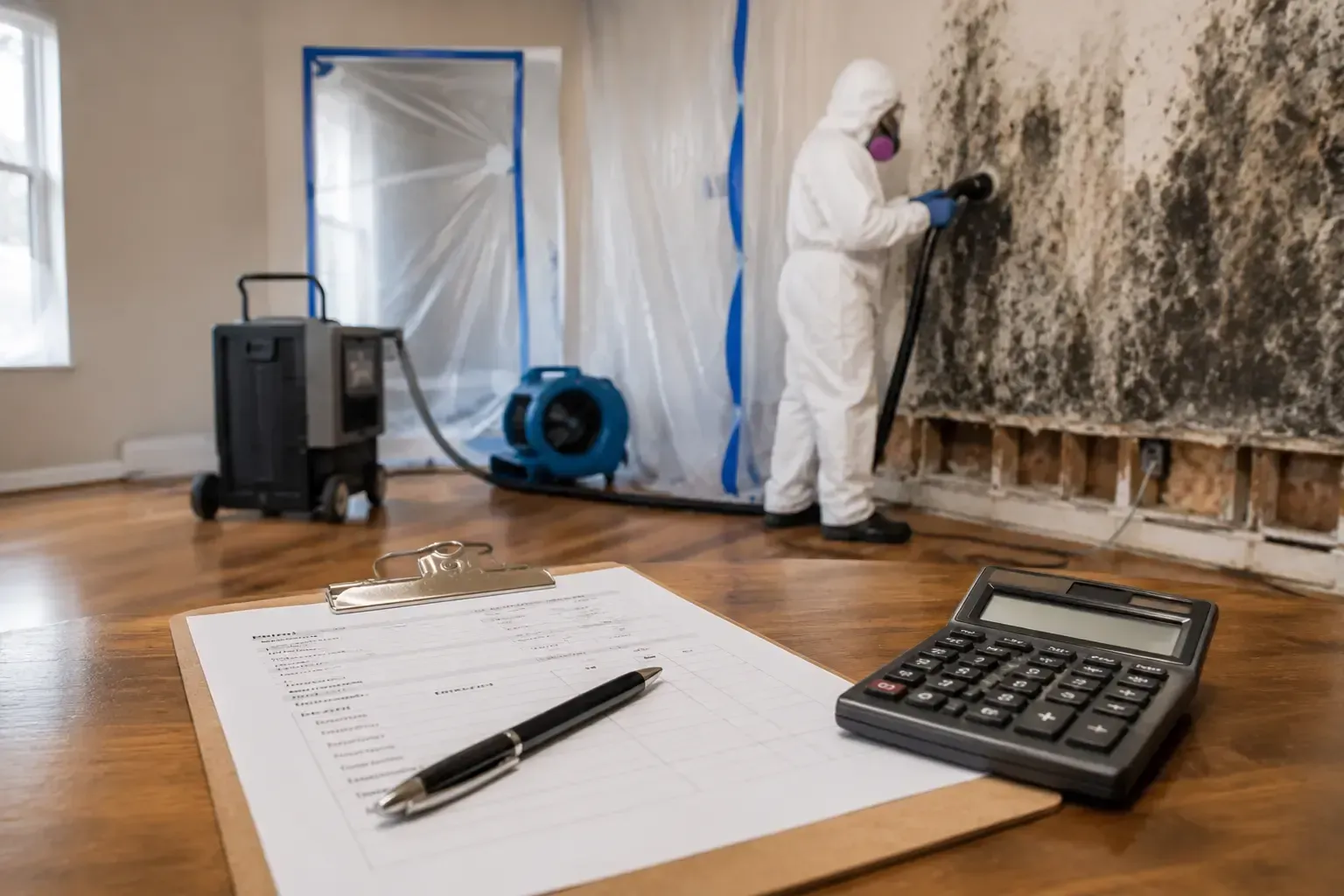
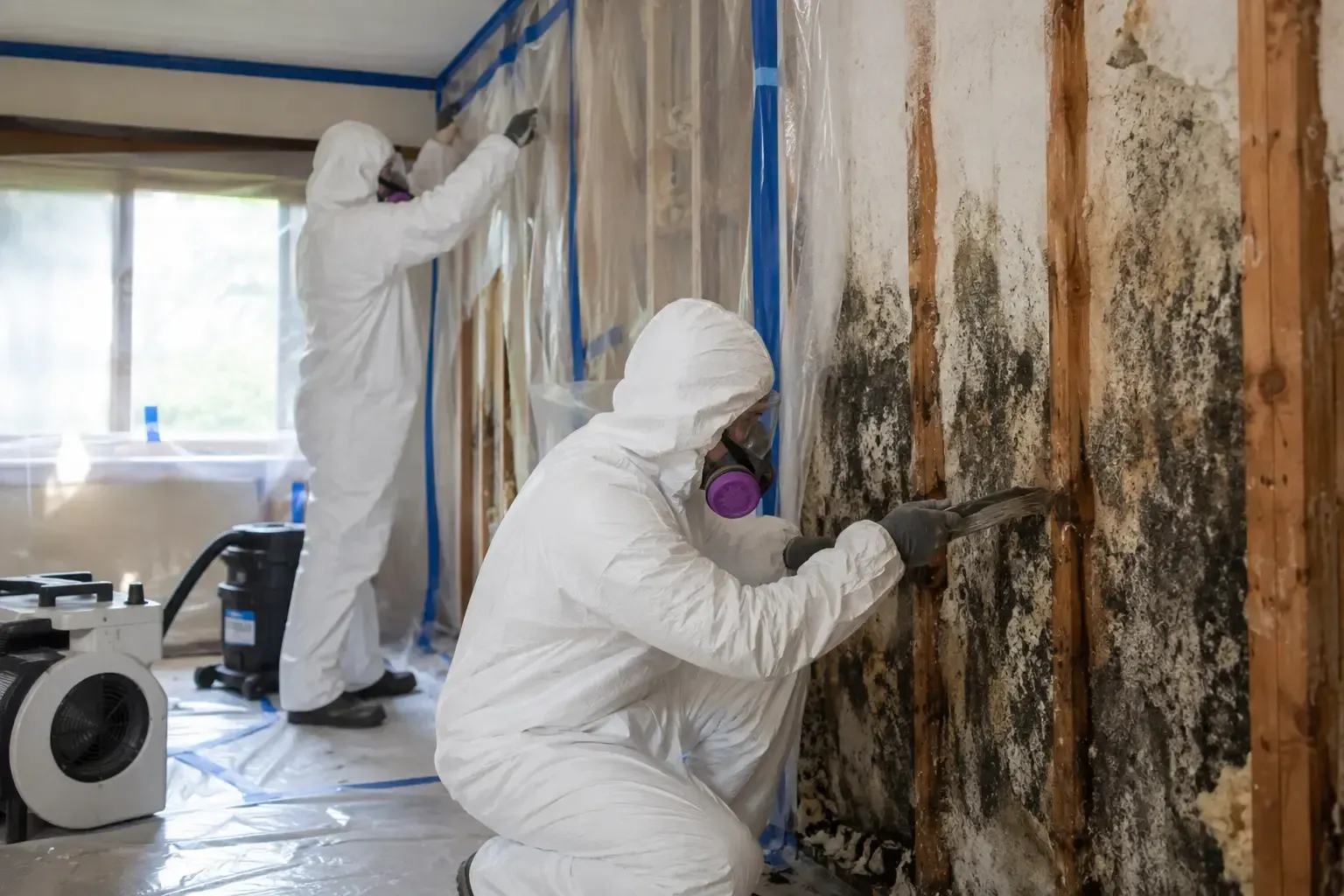
Most common Denver scenario. Full crawl space remediation, vapor barrier removal/replacement, antimicrobial treatment, fan-drying. 2-4 days.
Crawl Space + Insulation Replacement ($3,500-$8,000)
Adds removal and replacement of saturated batt or blown insulation. Often necessary in older crawl spaces with significant moisture history.
Encapsulation Add-On ($3,000-$10,000)
New thick vapor barrier (12+ mil), sealed perimeter, dedicated dehumidifier ($800-$1,500), and conditioned/sealed access points. Best long-term solution - prevents mold recurrence.
Dry-Fog vs Traditional Crawl Space Remediation
Traditional Approach
Remove contaminated insulation, vapor barrier, sometimes framing materials. Antimicrobial application. New vapor barrier + insulation. 3-7 days. $1,500-$5,000+ depending on scope.
Mold Warrior Dry-Fog Technology
EPA-registered dry-fog penetrates all surfaces in confined crawl space without demolition. Especially effective for surface mold on wood framing. 1-2 days. $800-$2,500 for typical job. Often paired with vapor barrier upgrade.
When Encapsulation Makes Sense
Repeat mold remediation (mold returned within 2 years), severe moisture intrusion, high indoor humidity affecting living areas, or home with chronic allergy symptoms.
Encapsulation ROI: increases home value 5-10%, improves energy efficiency 10-20%, eliminates mold recurrence. $3,000-$10,000 upfront vs $1,500-$3,500 every 2-5 years for repeat remediation.
Will Insurance Cover Crawl Space Mold?
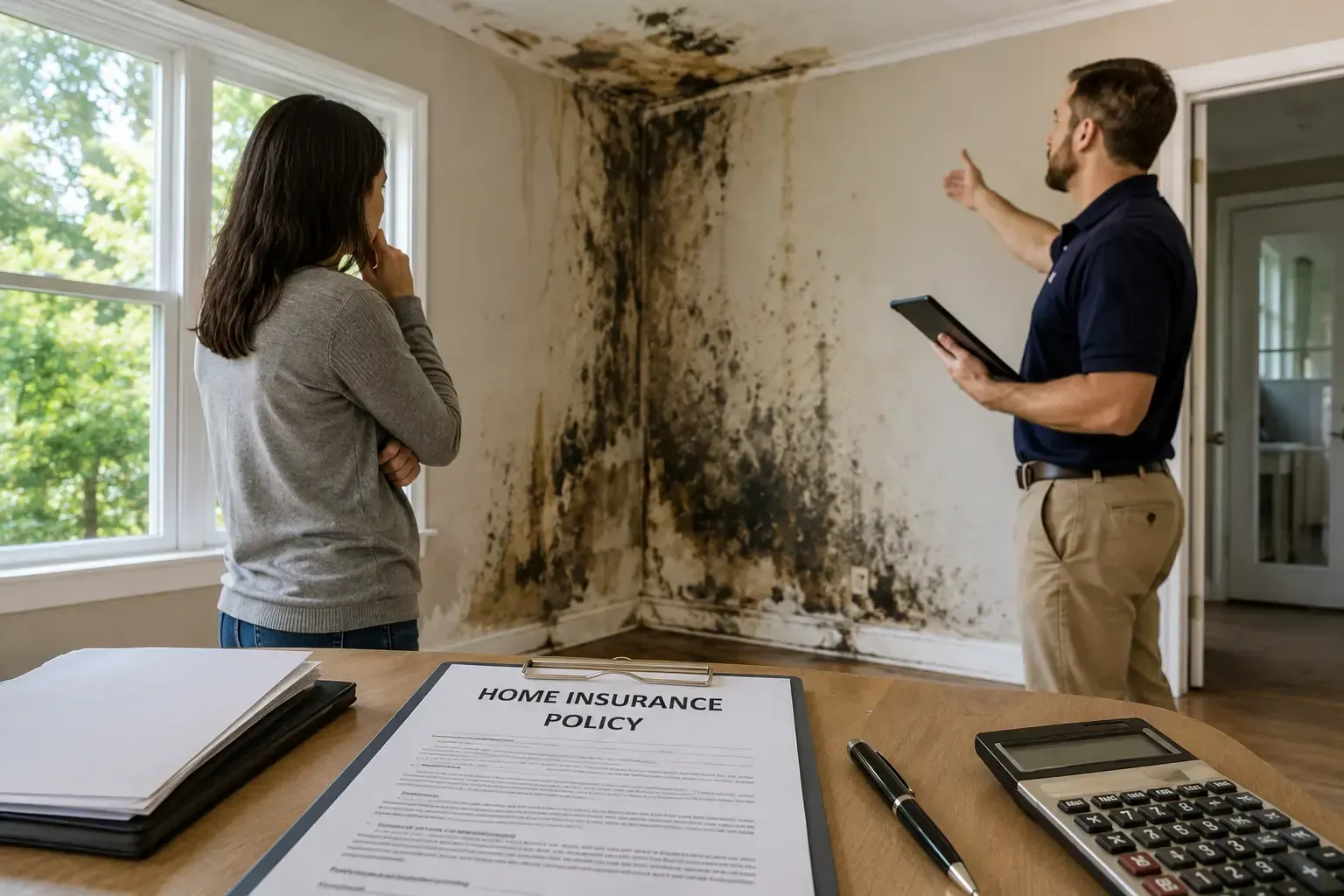
Usually not. Crawl space mold typically results from gradual moisture (snowmelt seepage, HVAC condensation, slow leaks) - categorized as maintenance failure. Standard Colorado homeowners insurance excludes.
Exception: mold from sudden covered peril (burst pipe in crawl space, hailstorm damaging crawl space vents) may be partially covered up to $5,000 cap. Document the moisture source carefully.
How to Choose a Denver Crawl Space Mold Remediator
- IICRC-certified to S520.
- Crawl space experience. Critical - confined-space work requires different equipment and approach.
- Encapsulation services or partner relationship. Source repair as important as remediation.
- Dry-fog option available. Cheaper for crawl spaces.
- Third-party post-remediation testing.
Frequently Asked Questions
How much does it cost to remove mold from a crawl space?
Denver crawl space mold remediation typically $1,300-$3,500. With encapsulation: $4,000-$15,000. Dry-fog technology can cut standard cost 30-50%.
How do you know if your crawl space has mold?
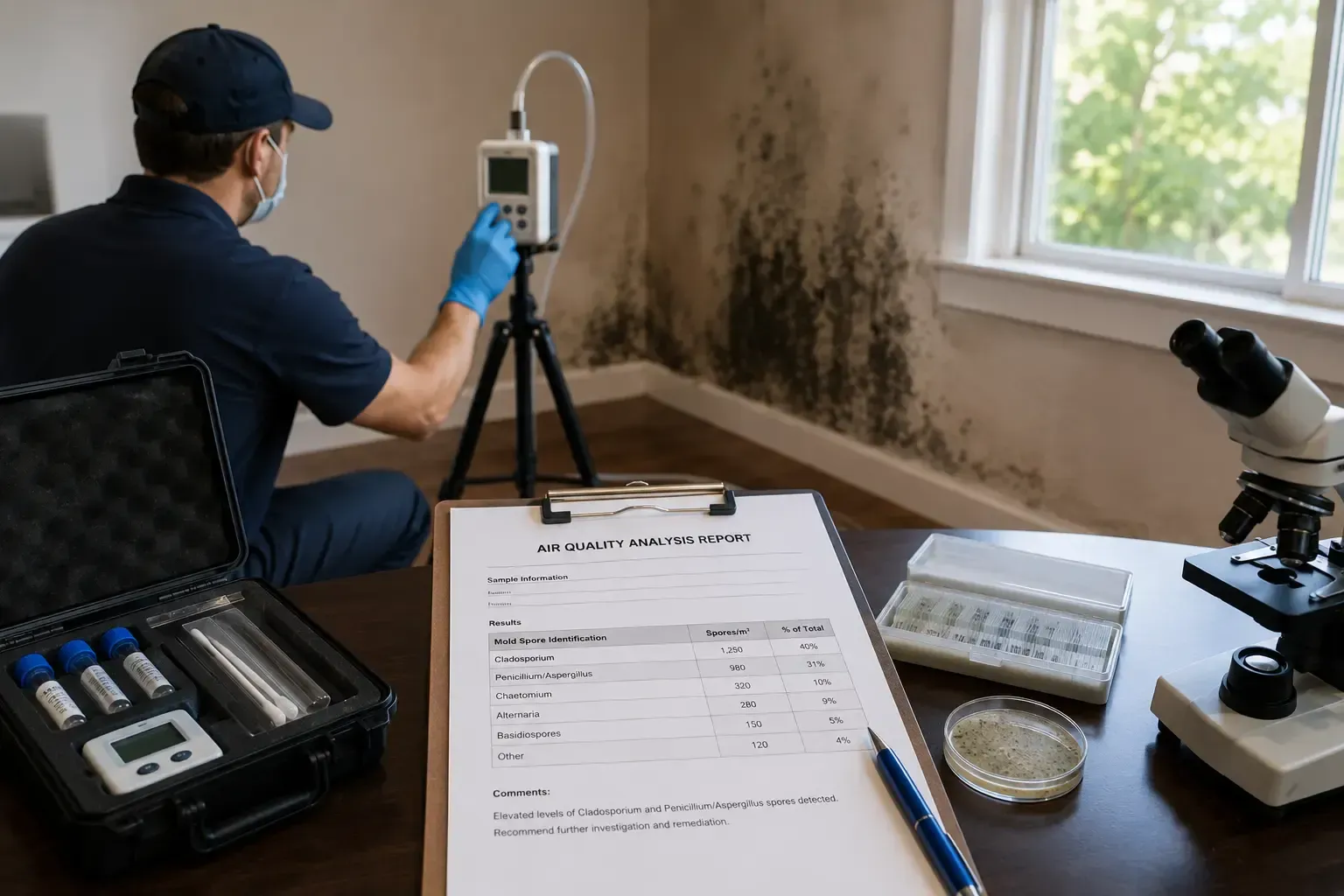
Musty HVAC smell, family allergy symptoms, hardwood floor cupping above crawl space, high indoor humidity, or visible mold during inspection. A $200-$400 crawl space inspection catches hidden issues.
Should you remove mold from crawl space yourself?
Per EPA guidance, areas under 10 sqft can be DIY with proper PPE (respirator, gloves, eye protection). Larger contamination requires professional containment to prevent spore spread through HVAC system.
What is the average cost to encapsulate a crawl space?
Denver crawl space encapsulation typically $3,000-$10,000 depending on size and existing condition. Includes thick vapor barrier, perimeter sealing, dedicated dehumidifier, sealed access points.
Suspect Crawl Space Mold in Your Denver Home?
A professional crawl space inspection can identify the extent of mold growth, locate underlying moisture issues, and determine whether remediation alone or full encapsulation is the best solution. Mold Warrior Denver provides crawl space mold remediation throughout Denver, Aurora, Lakewood, Westminster, Thornton, and Arvada, offering traditional treatment, advanced dry-fog remediation, and trusted encapsulation partnerships. Contact our team today for a free crawl space mold assessment.