Black Mold in Denver Homes: How to Identify and Test It
Is that dark patch on your Denver wall black mold or just a stain? You cannot always tell by looking. Color alone does not confirm toxic mold, and many harmless marks look the same. This guide shows you how to read the real warning signs and when a test is worth it.
Key Takeaways
- Not every dark spot is black mold; color alone cannot confirm it.
- Test when growth is hidden, spreads past 10 square feet, or follows a water leak.
- Denver's dry air slows mold, but leaks and damp basements still feed it.
Is Black Mold Really a Problem in Denver?
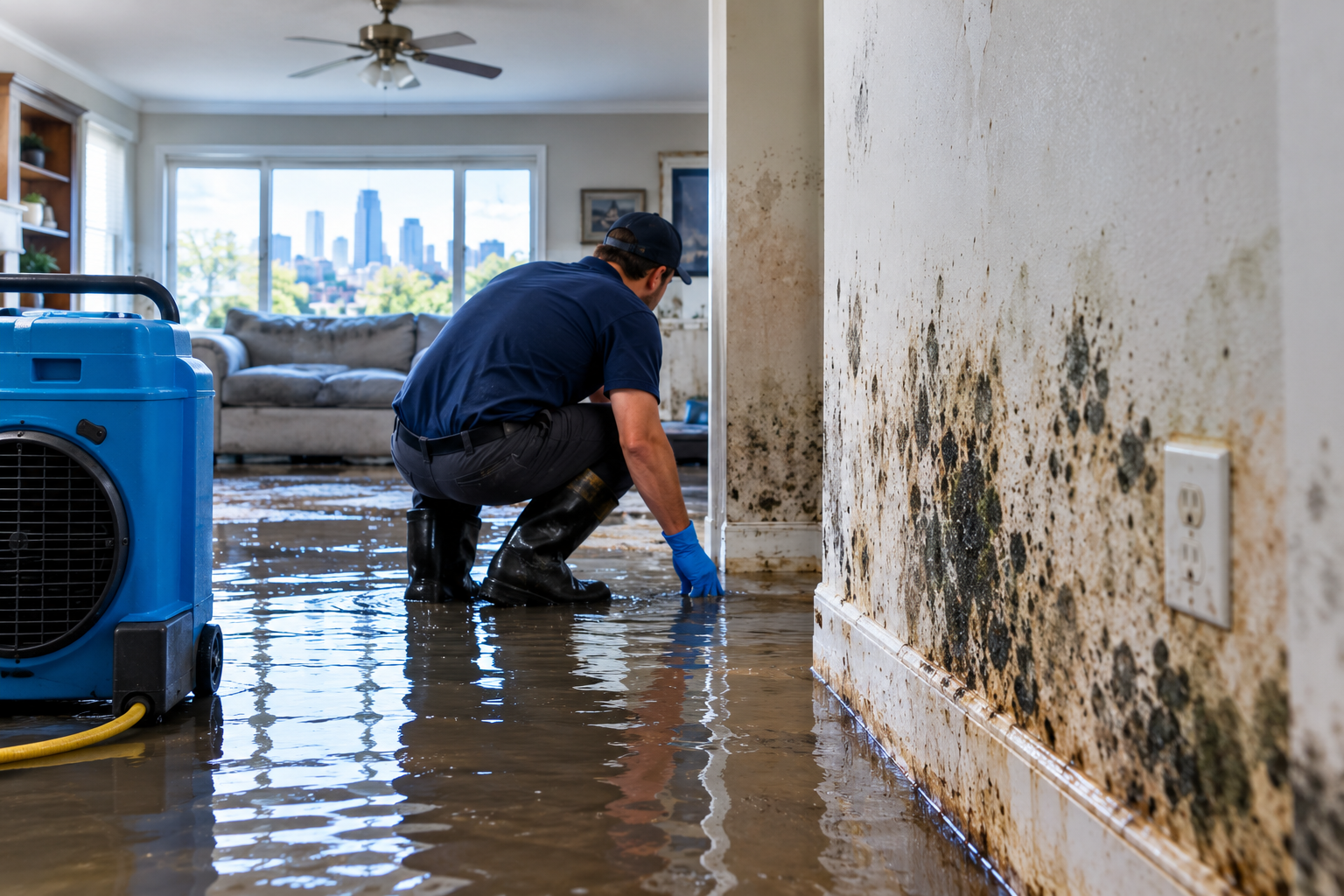
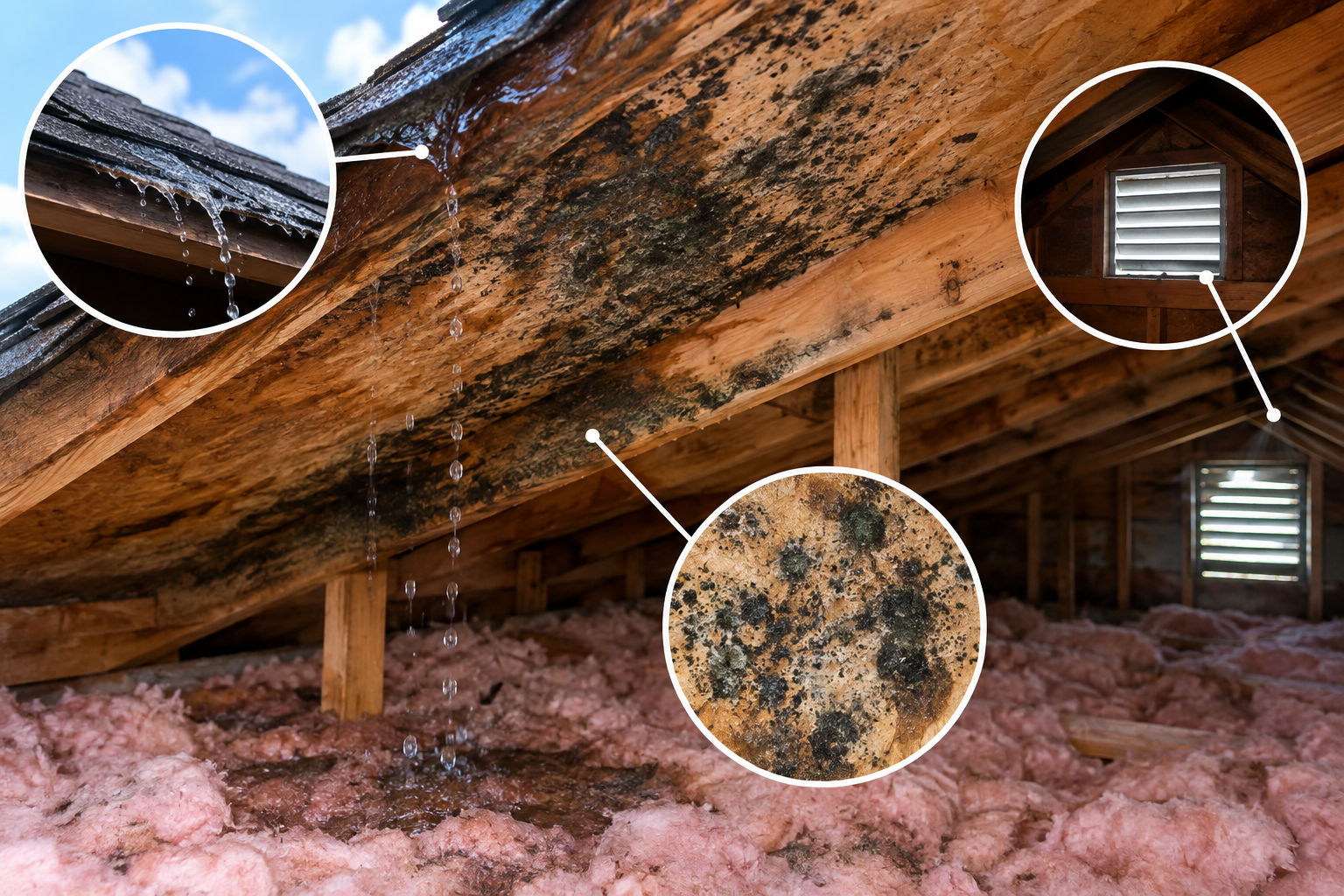
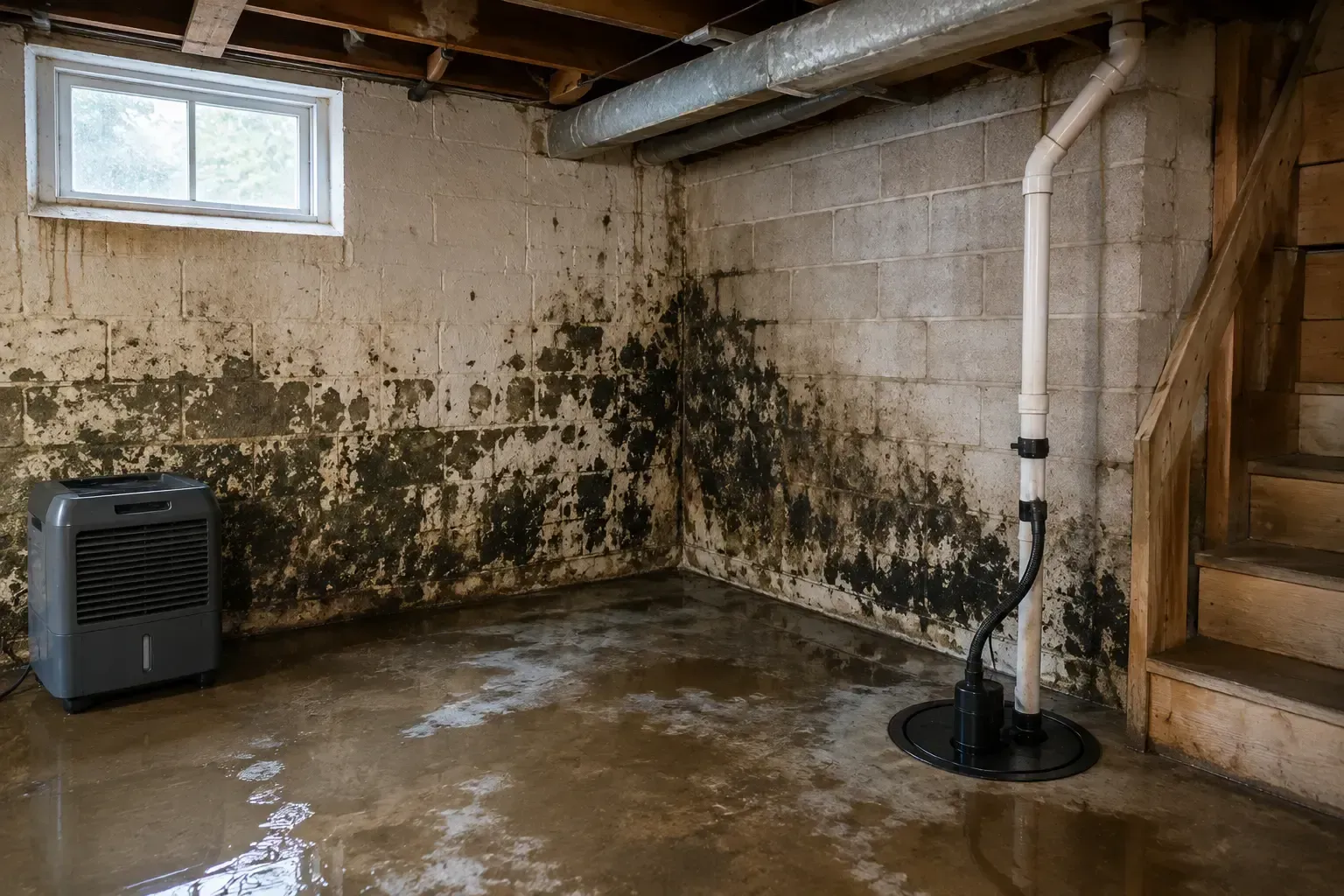
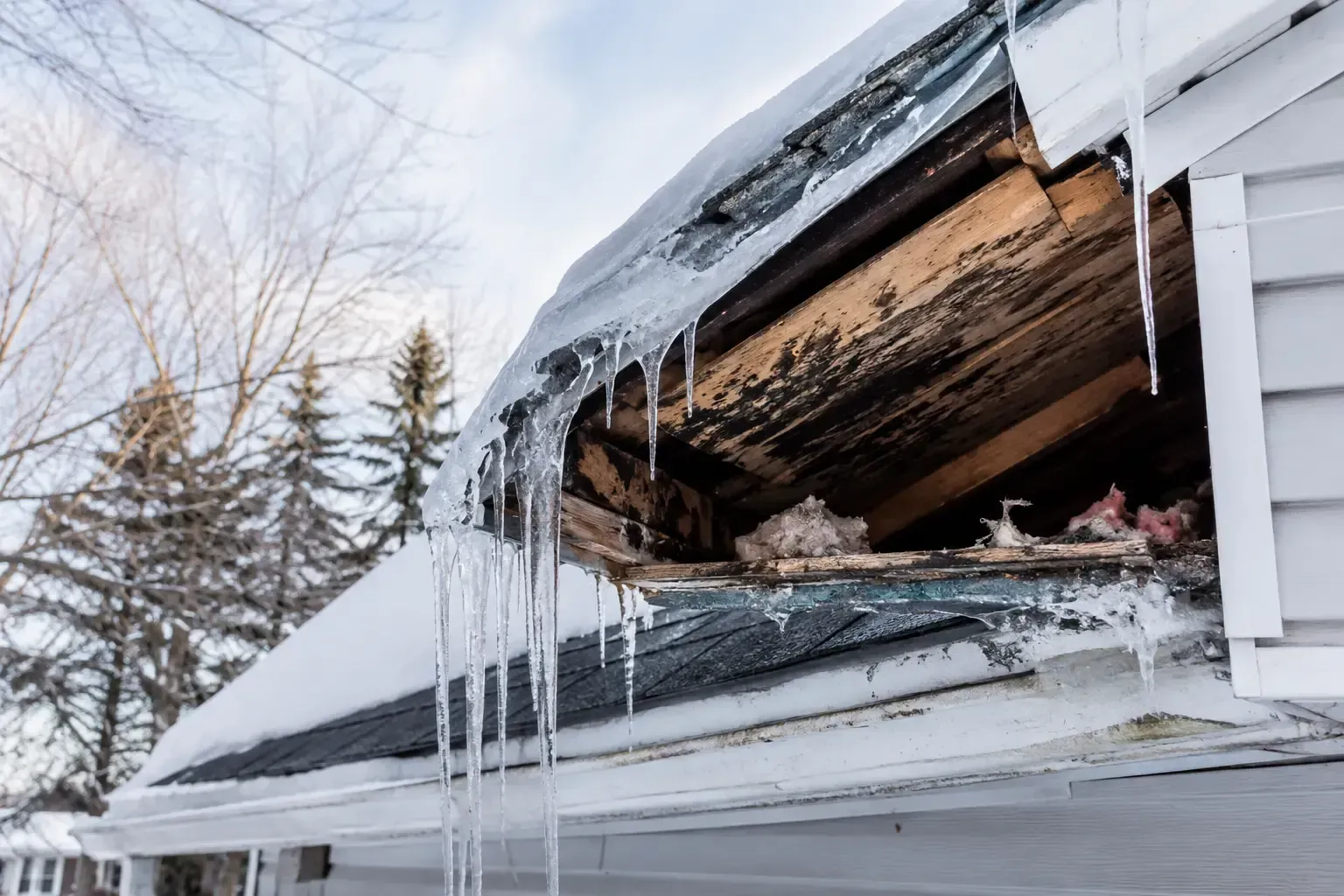
Colorado's dry climate keeps mold less common than on humid coasts. But black mold still shows up in Denver homes. It thrives wherever moisture lingers, such as leaky pipes, damp basements, and poorly vented bathrooms. Homes across Aurora, Lakewood, Arvada, and Westminster all see it after water problems. Older Denver basements and evaporative coolers add indoor moisture that mold can use. Suburbs like Centennial, Thornton, and Highlands Ranch face the same risk after a burst pipe or spring melt. A dry city does not mean a mold-free home.
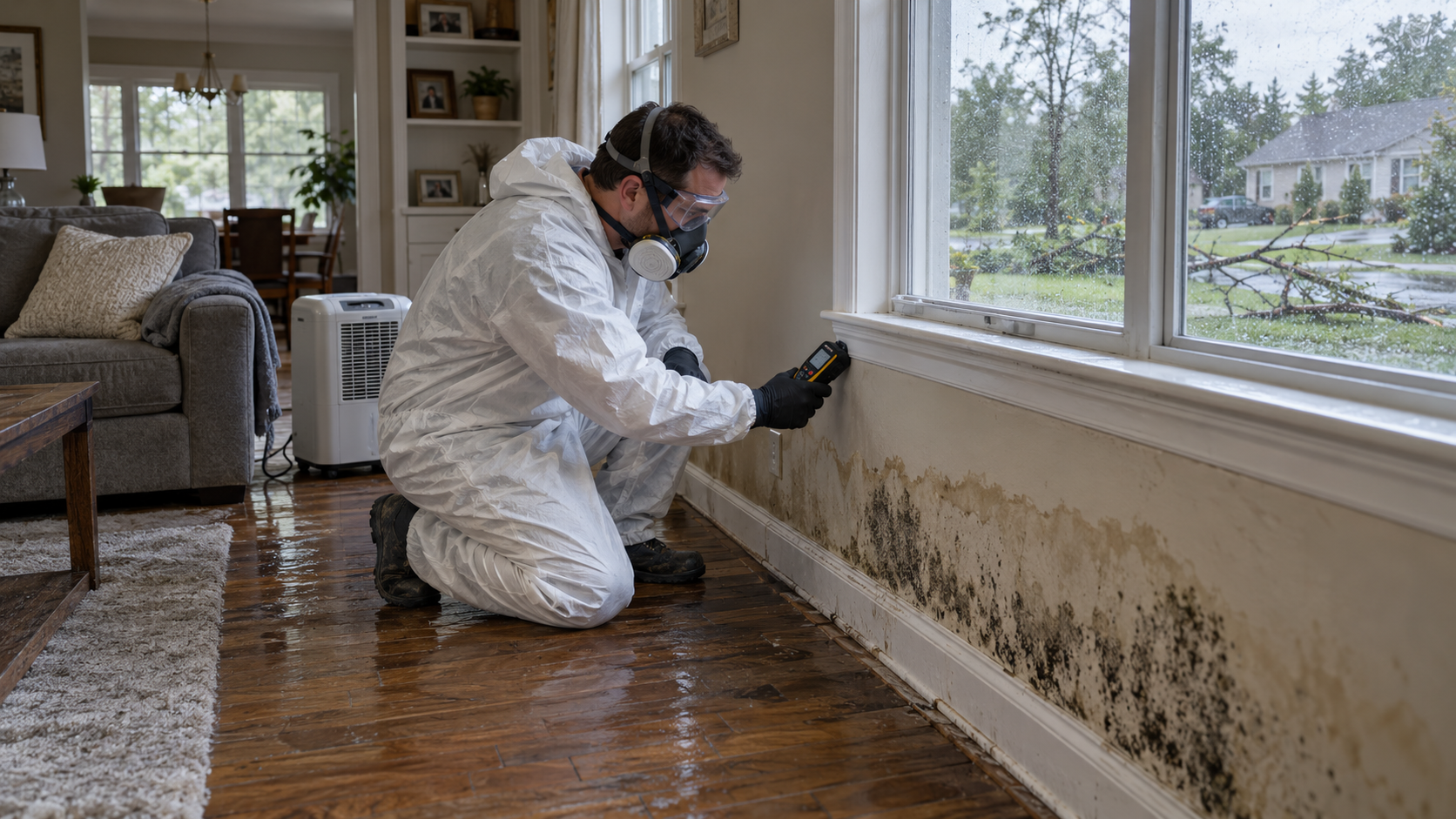
How to Tell Black Mold From a Harmless Stain
People often panic at any dark spot. Most stains are not toxic mold. Here is how to read the clues.
Look, Texture, and Smell
- Color: True black mold looks dark green to black, not flat gray.
- Texture: It often looks slimy or fuzzy, not like a dry paint smudge.
- Smell: A persistent musty, earthy odor points to active mold.
- Spread: Mold grows in irregular, expanding patches over days.
A water stain stays dry and does not spread. Mold feels damp and keeps growing. Still, looks can deceive, which is why testing matters.
The Moisture Clue
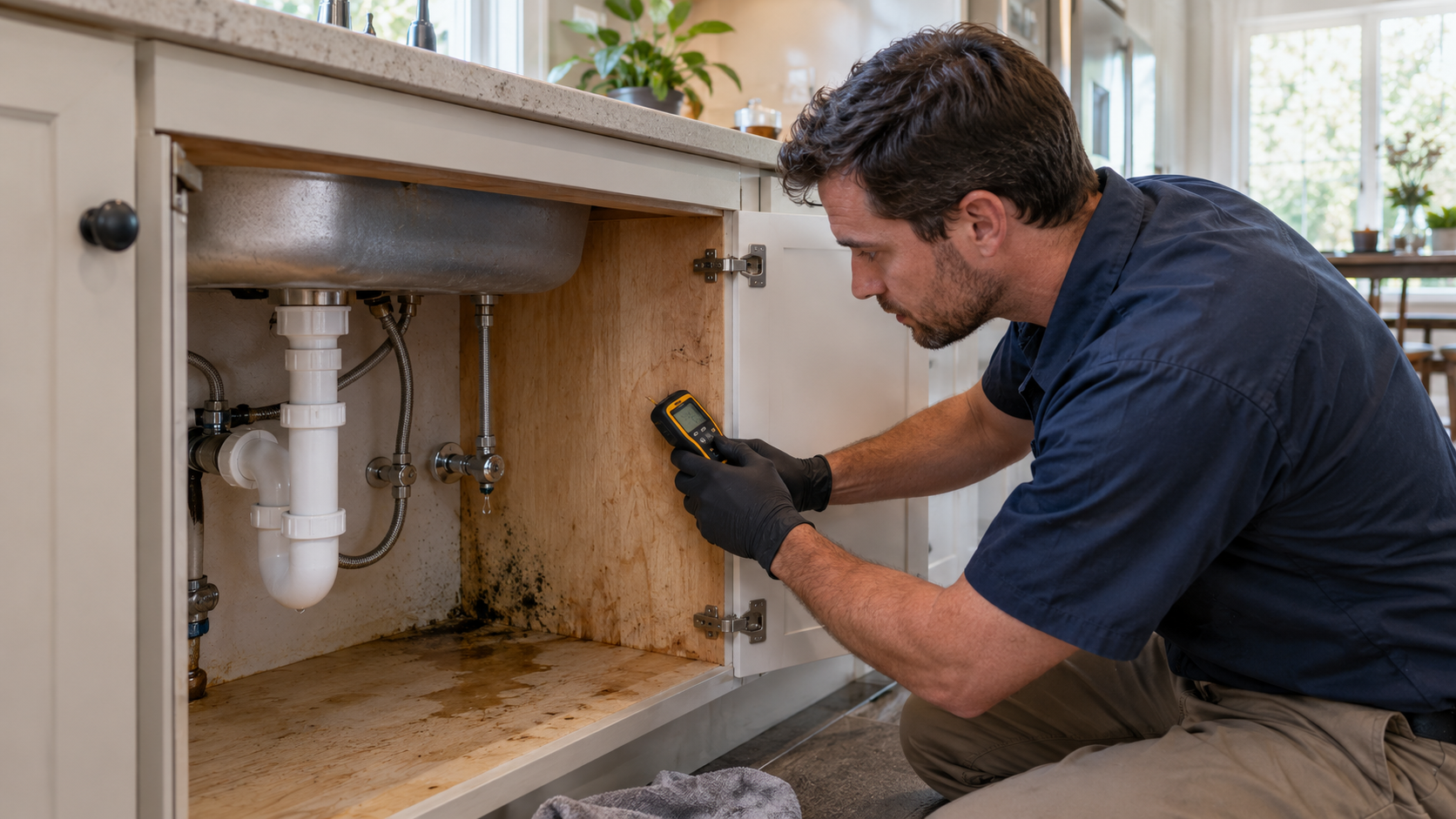
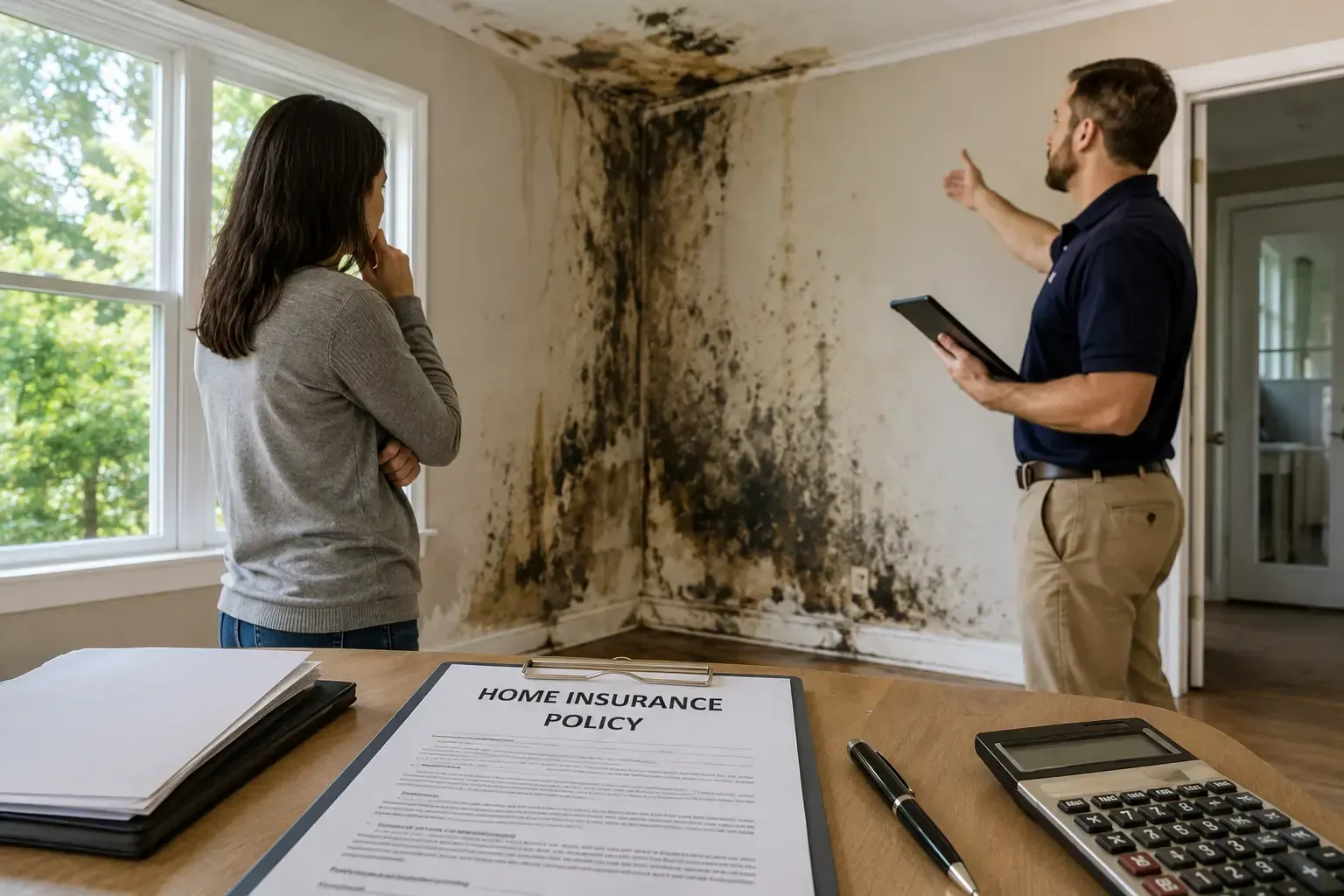
Mold needs water to grow. If a spot sits near a leak, a cold pipe, or a damp basement wall, treat it as suspect. Dry spots that never change are usually just stains.
Health Signs That Should Get Your Attention
Your body often flags mold before your eyes do. Common signs of exposure include respiratory irritation, allergy-like reactions, and lasting fatigue. Many people notice sneezing, coughing, and nasal congestion at home that eases when they leave. People with asthma, allergies, or weak immune systems react the strongest. If symptoms track with time spent at home, look for a hidden source.
When Should You Test for Black Mold?
You do not need a test for every spot. The EPA notes that when mold is already visible, sampling is usually unnecessary. You simply clean it up and fix the water. Test in these cases instead:
- You smell mold but cannot find it.
- Growth returns after cleaning.
- Symptoms persist with no visible source.
- You are buying or selling a Denver home.
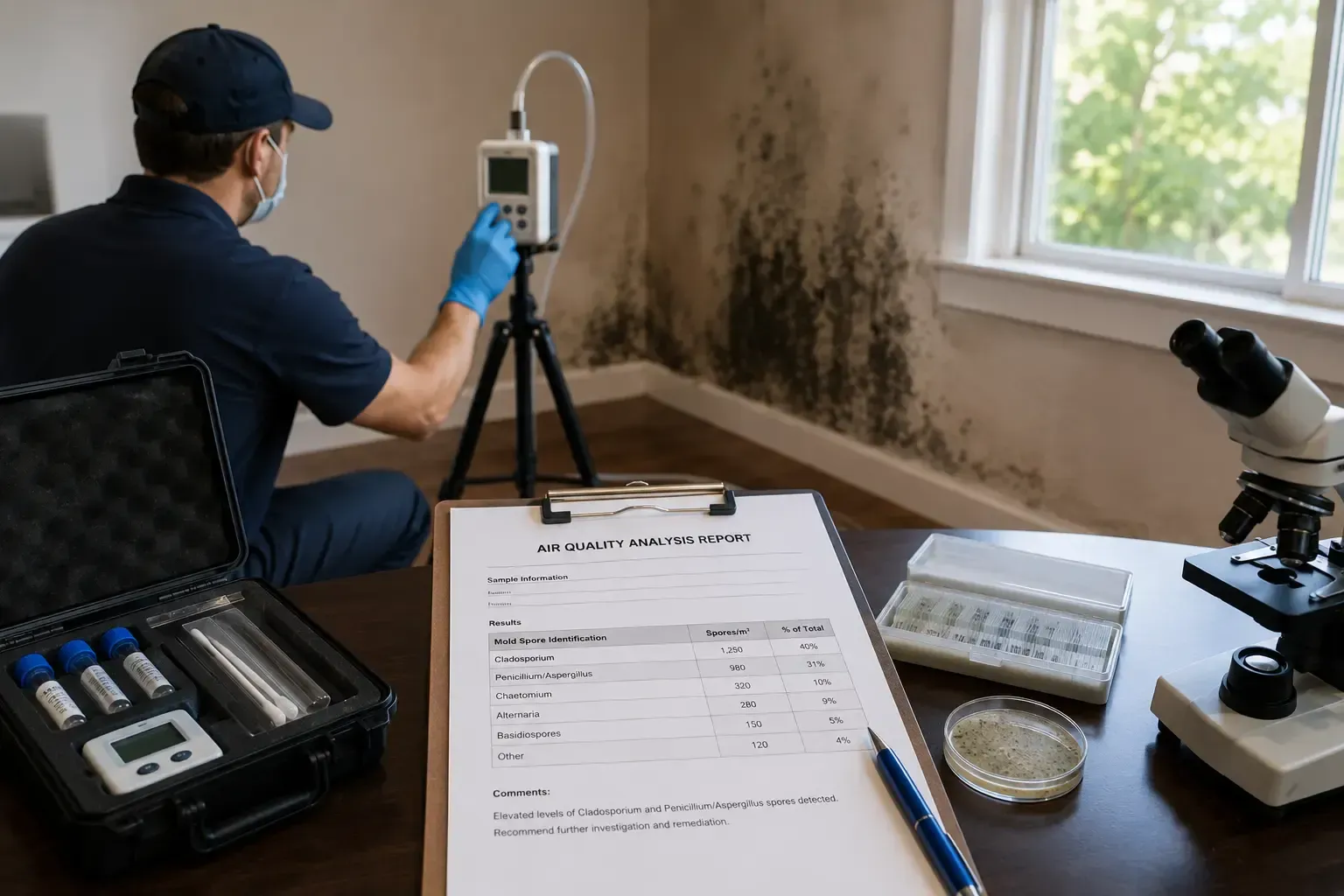
The City of Denver's health department is clear too. It does not test homes for mold and points residents to licensed professionals. A professional Mold & Air Quality Testing visit finds hidden growth and confirms what you face.
What to Do If You Find Black Mold
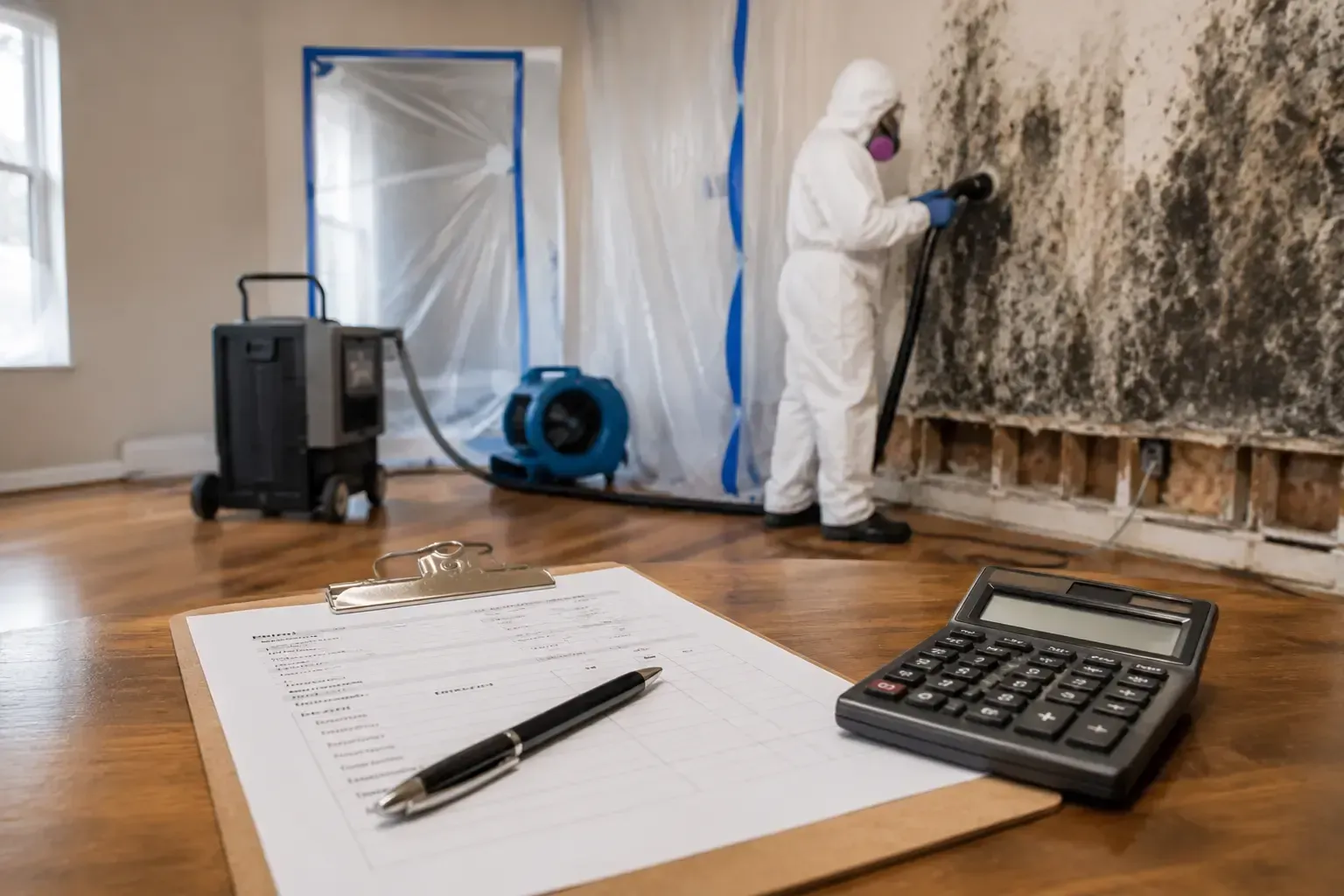
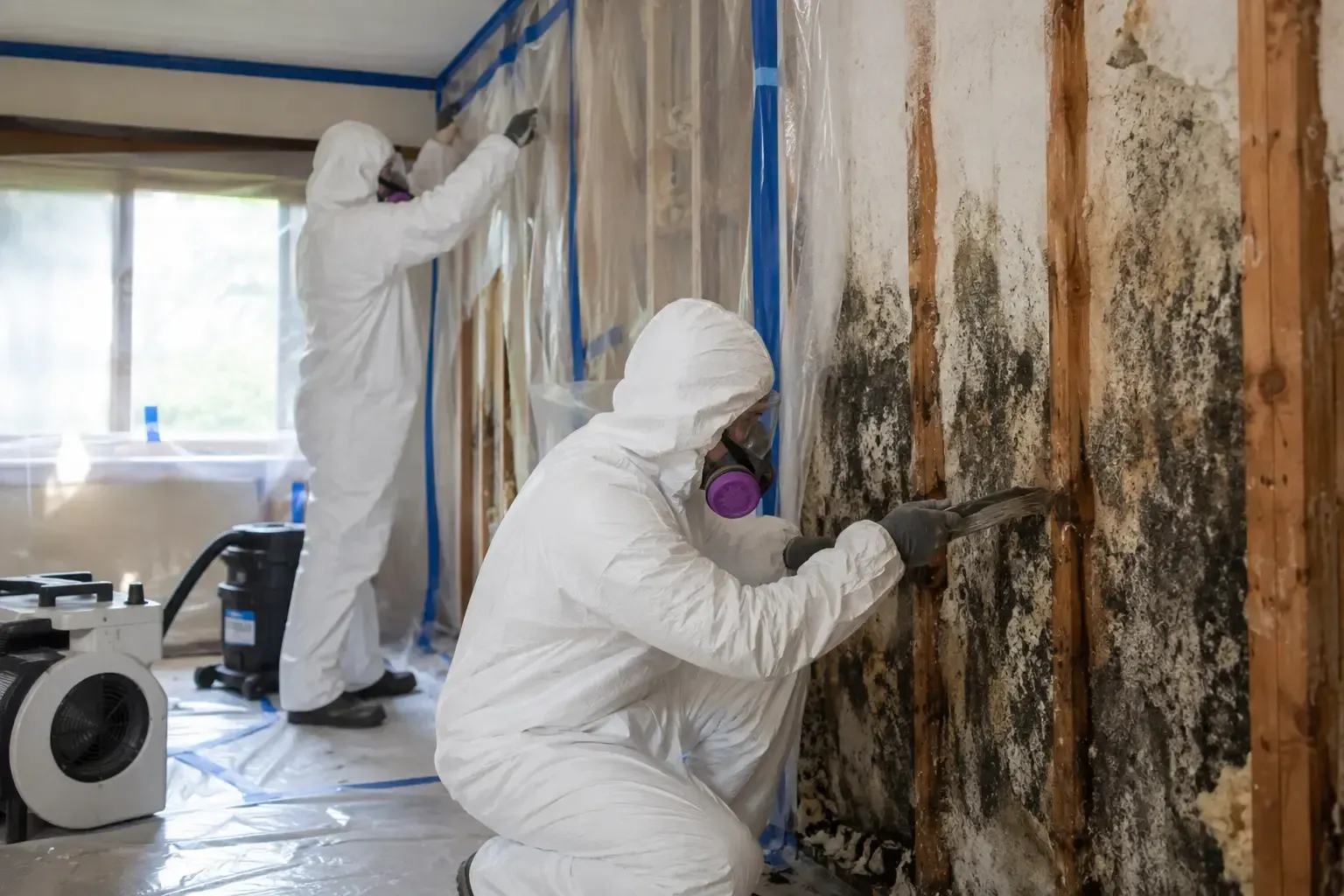
Small patches under 10 square feet can often be cleaned safely. Larger growth, sewage water, or spreading colonies call for a pro. Never paint over mold or scrub it dry, since that spreads spores. First fix the moisture source that fed it. If the area is large, searching Mold Removal Near Me is the fast way to reach a qualified Denver crew. A professional Mold Removal Near Me team contains the area and removes growth the right way. Mold Warrior's IICRC-certified crews test, contain, and remediate Denver homes from start to finish.
Frequently Asked Questions
Is black mold a problem in Colorado?
Yes. Colorado's dry air lowers the risk, but black mold still grows around leaks, damp basements, and humid bathrooms. Moisture is the trigger, not climate alone.
What are signs you are sick from black mold?
Common signs include respiratory irritation, sneezing, coughing, and nasal congestion. Many people also feel persistent fatigue that eases when they leave the home.
Is it okay to stay in a house with black mold?
It is generally unsafe if growth is widespread or someone has asthma, allergies, or a weak immune system. Small patches can be cleaned, but large areas need a pro.
When should you worry about black mold?
Worry when it covers more than 10 square feet, follows contaminated water, or triggers breathing problems. Those cases call for professional testing and removal.
Can I test for black mold myself?
Home kits exist, but they often give unclear results. A professional test finds hidden mold and identifies the type accurately.
Find Out What Is Really on Your Wall
That dark spot may be nothing, or it may be the start of a real problem. The only way to know for sure is to check the moisture and, when needed, test the air. Mold Warrior helps Denver homeowners tell the difference, then removes what should not be there. When a spot has you guessing, book a Mold & Air Quality Testing inspection and get a clear answer.