Does Denver's Dry Climate Really Prevent Mold?
Denver's dry climate gives homeowners a false sense of security. Many assume mold cannot grow in arid Colorado. But mold only needs moisture in one spot, not the whole region. Leaks, basements, and bathrooms create that moisture indoors. Here is why dry-climate homes still get mold.
Key Takeaways
- A dry outdoor climate does not make a home mold-proof.
- Mold needs only a local moisture source, like a leak or damp basement.
- Mold spores survive dry spells and grow once moisture returns.
- Indoor habits like humidifiers can add hidden moisture.
What Mold Actually Needs to Grow
Mold does not care about the regional forecast. It needs four simple things to spread. Those are moisture, a food source, warmth, and spores. Indoor air supplies all four year-round.
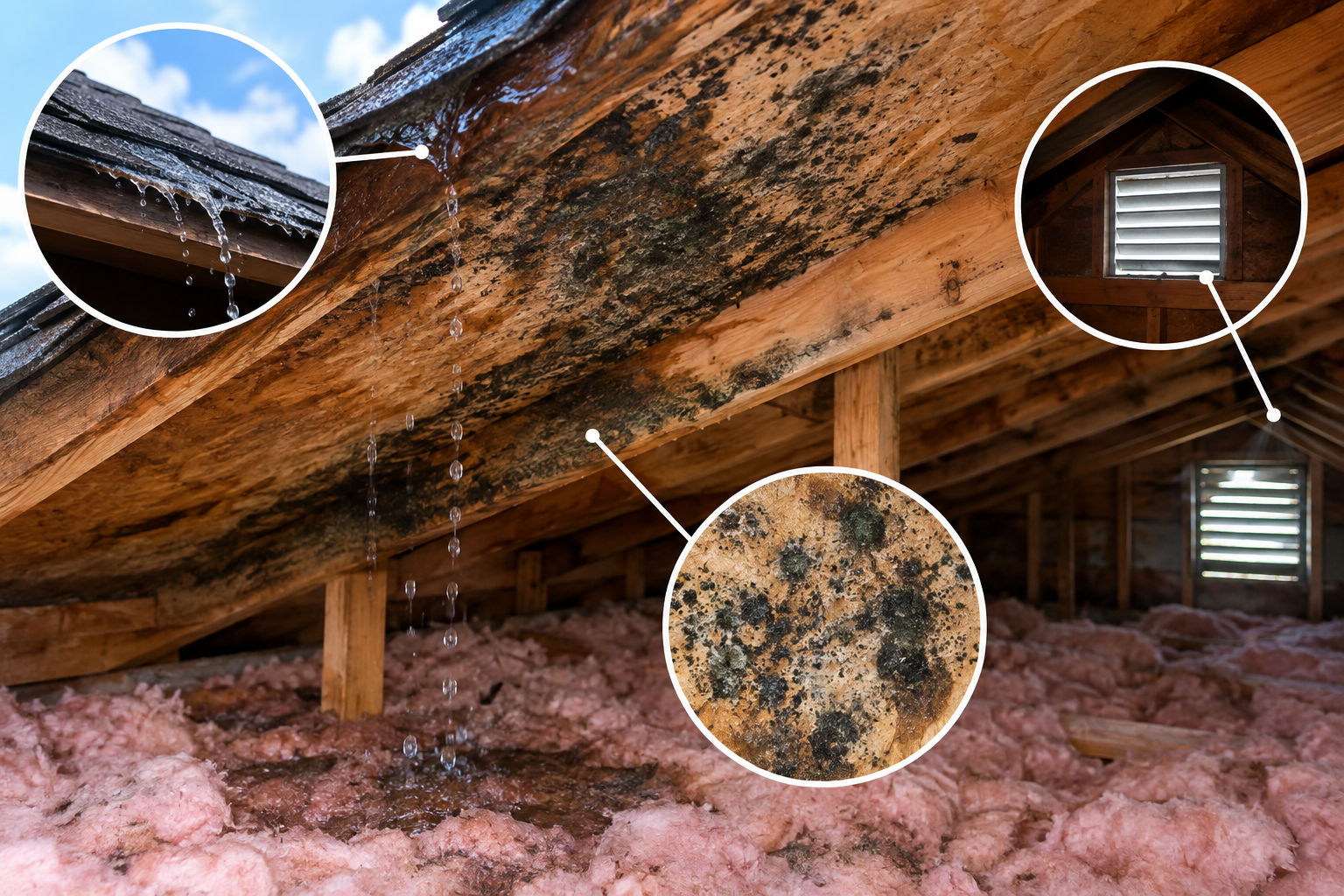
Food sources are everywhere in a home. Drywall, wood, carpet, and dust all qualify. Add a little moisture and mold begins. The outdoor climate barely matters at that point.
Why Mold Grows in Dry Climates
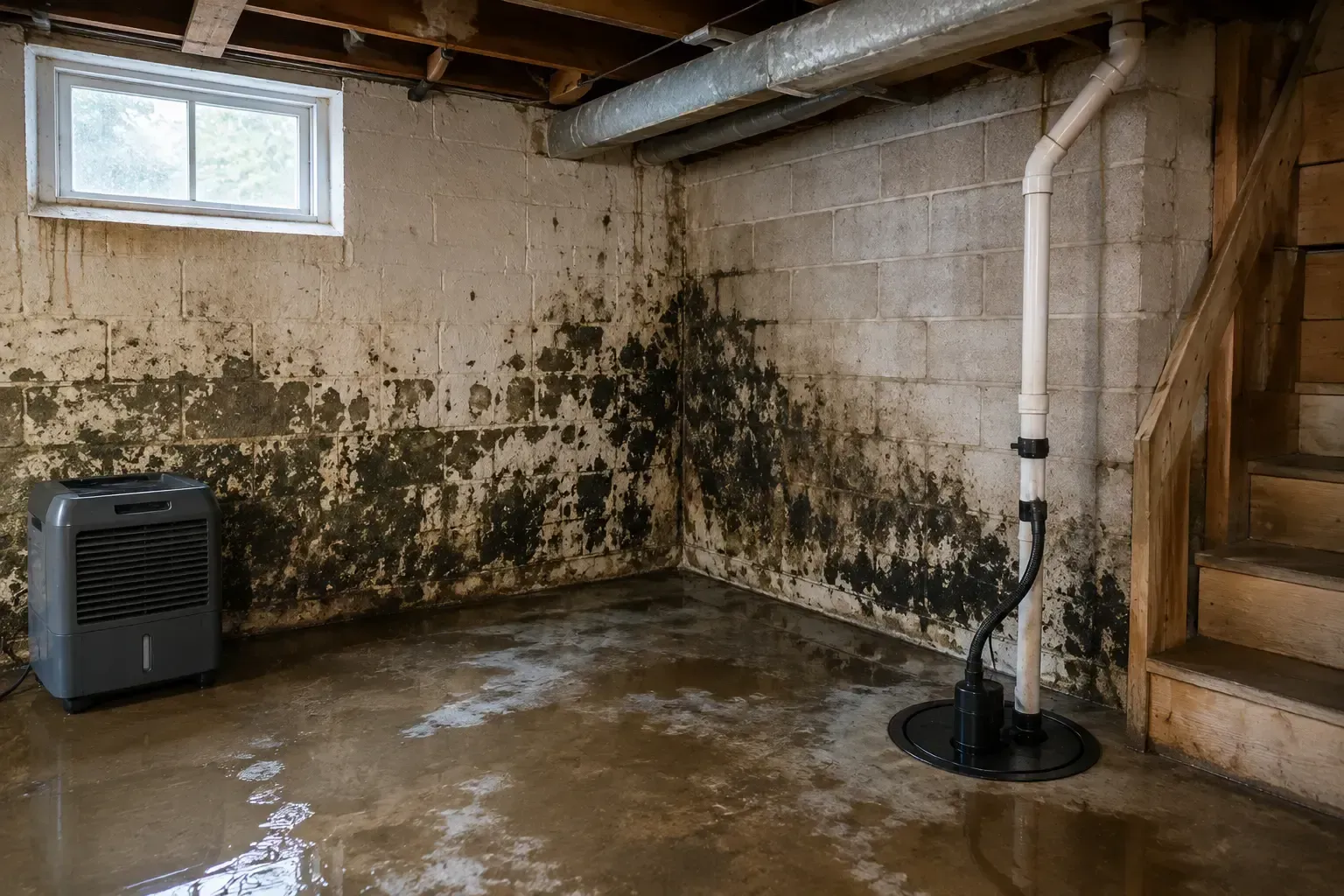
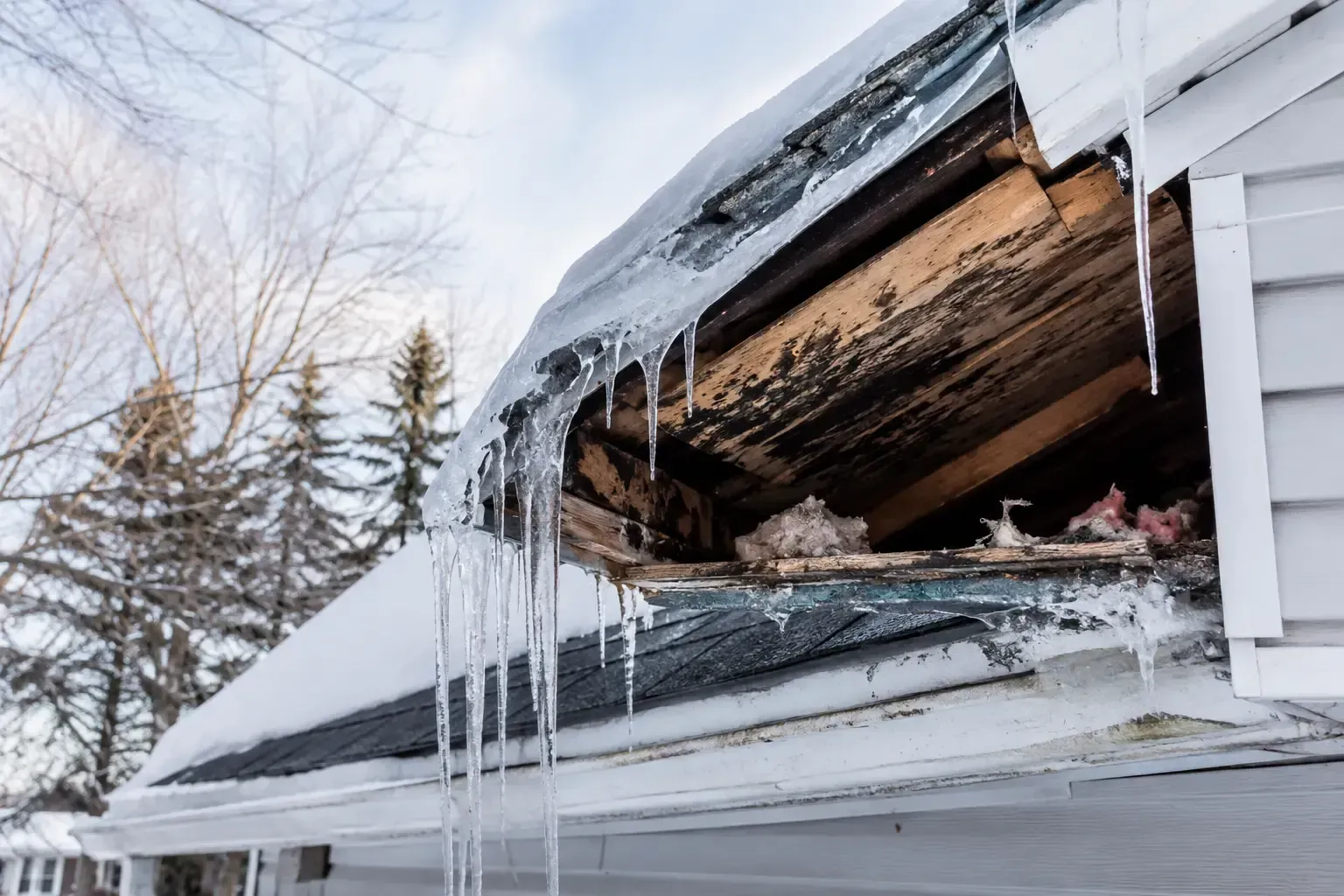
Mold cares about moisture, not regional humidity. A pipe leak or damp basement is enough. The EPA notes mold grows wherever moisture is present. Denver homes still have bathrooms, kitchens, and basements. Each can hold the moisture mold needs.
Where Denver Homes Hide Moisture
Even in dry air, indoor moisture collects:
- Basements and crawl spaces below grade.
- Bathrooms and laundry rooms with poor airflow.
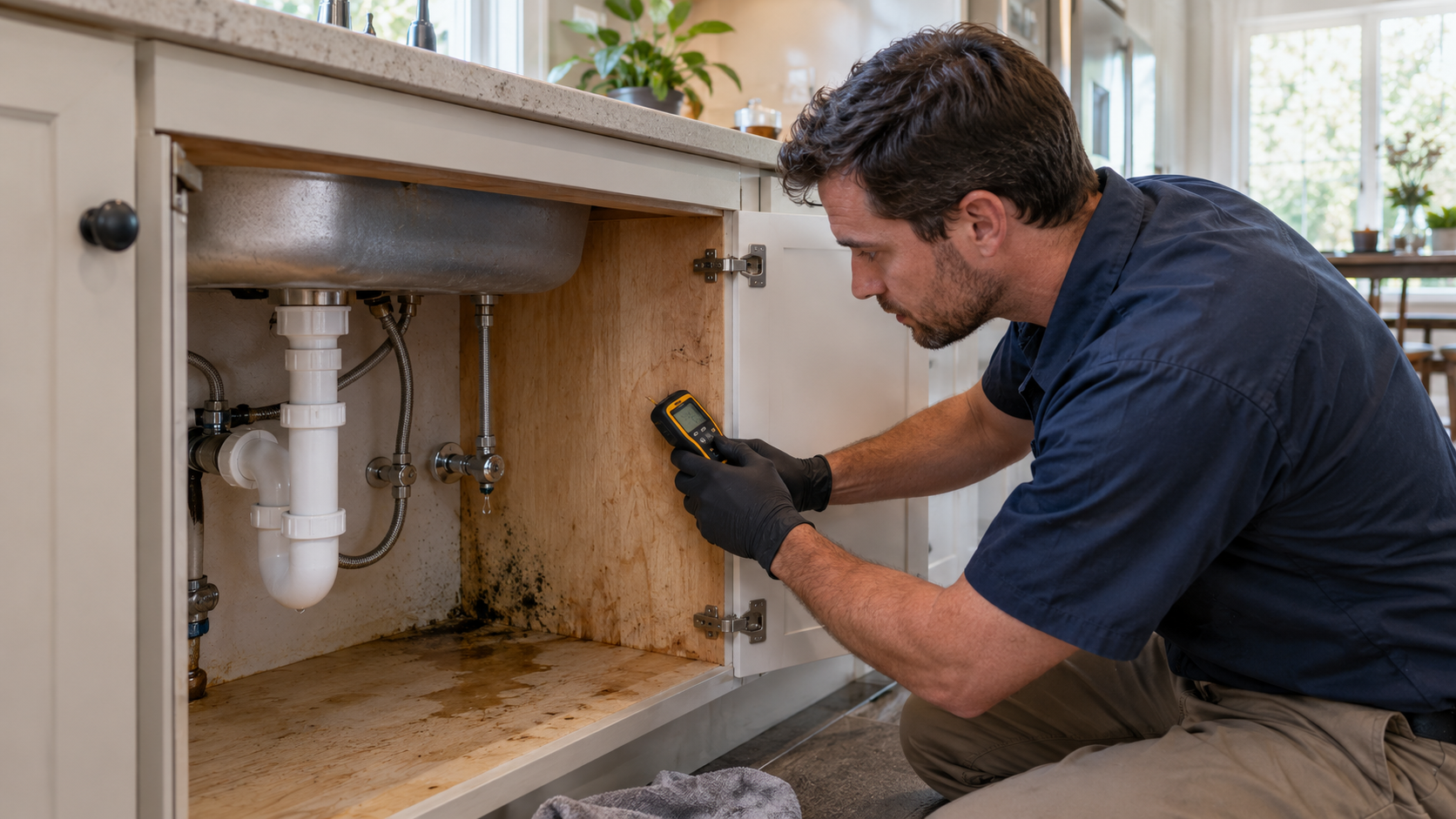
- Around plumbing leaks and water heaters.
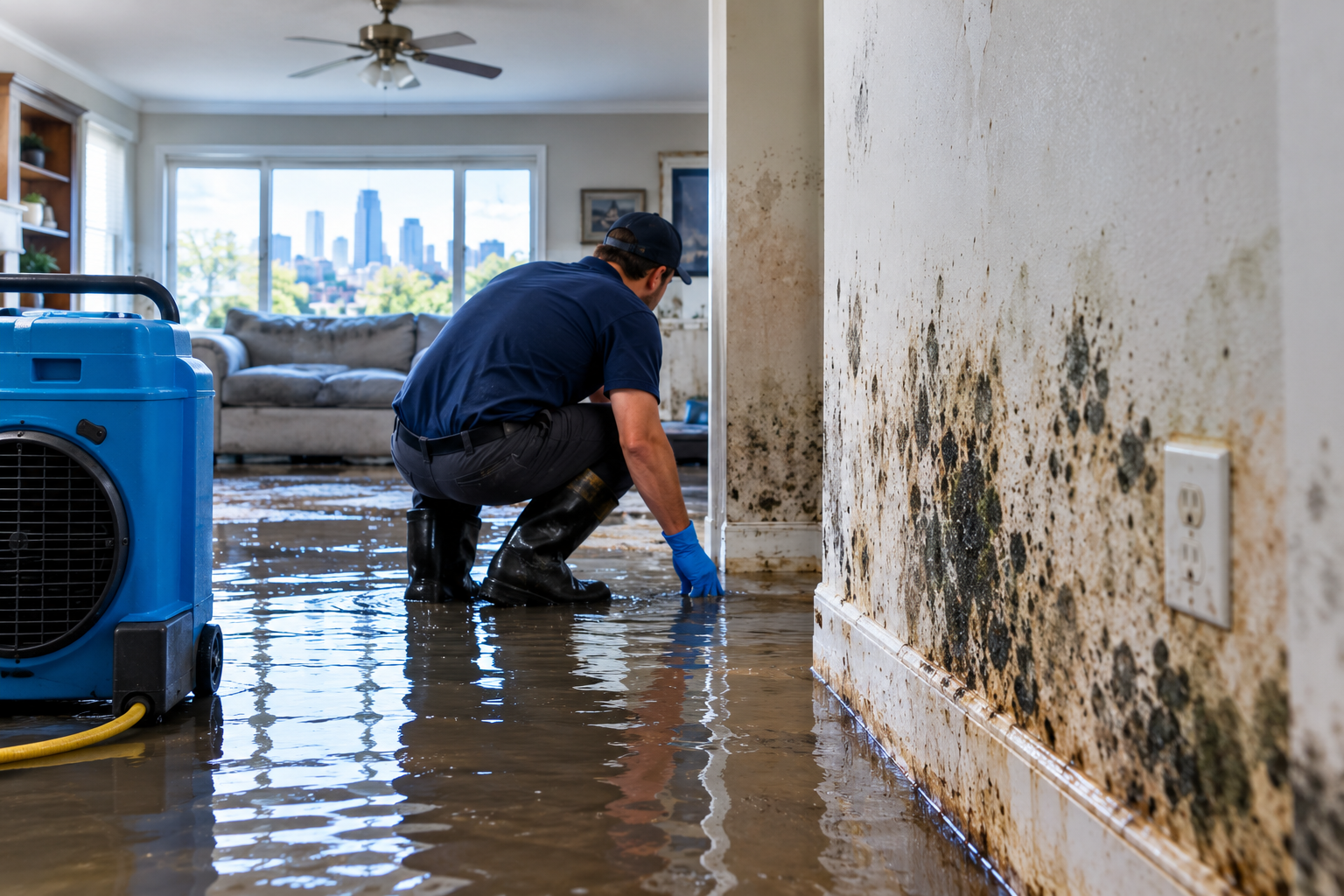
- Behind walls after a slow leak.
Some Denver habits add moisture too. Humidifiers run hard during dry winters. Evaporative coolers push damp air inside. Both can feed mold without you noticing.
Mold Spores Wait for Their Chance
Dry conditions do not kill mold spores. The NPIC notes spores survive dry periods and wait. When moisture returns, they grow quickly. A single leak can trigger an outbreak. That is why moisture control matters even here.
Signs of Hidden Mold in a Dry-Climate Home
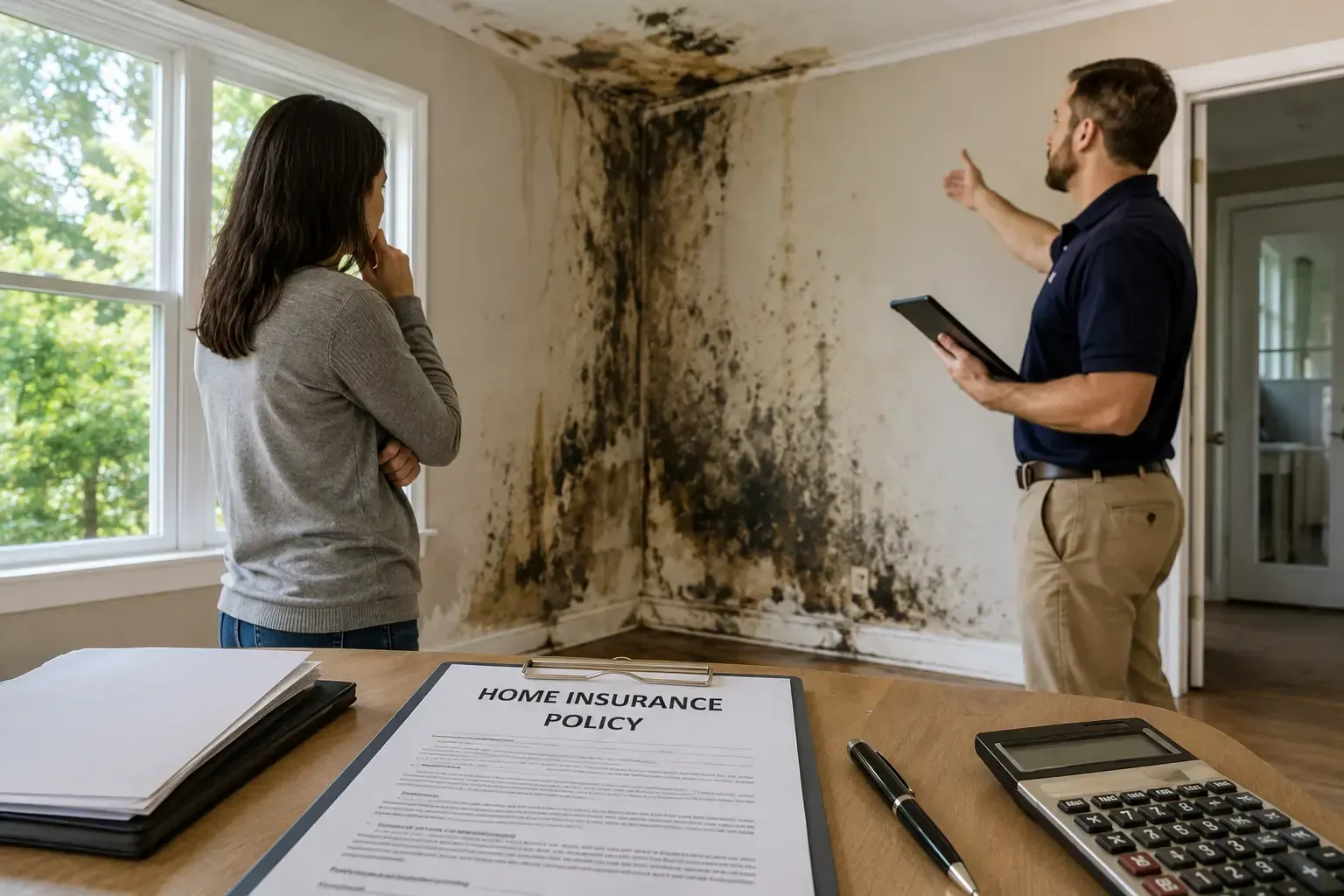
Mold is not always easy to see. Watch for these quiet warning signs:
- A musty or earthy smell that lingers.
- Allergy symptoms that ease when you leave home.
- Discoloration on walls, ceilings, or grout.
- Peeling paint or warped baseboards.
If you notice these, look for the moisture source. Catching it early keeps the job small.
What Denver Homeowners Should Do
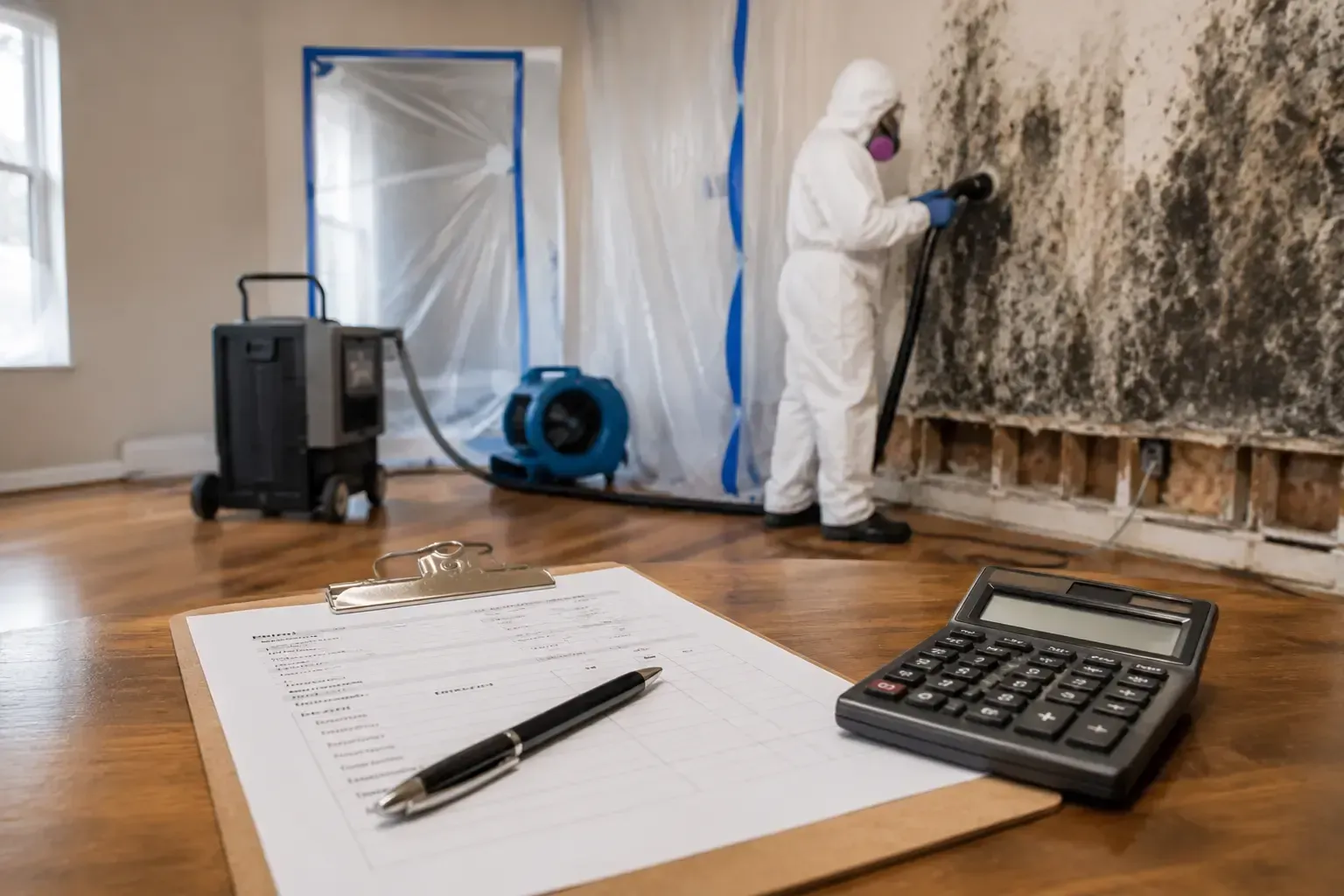
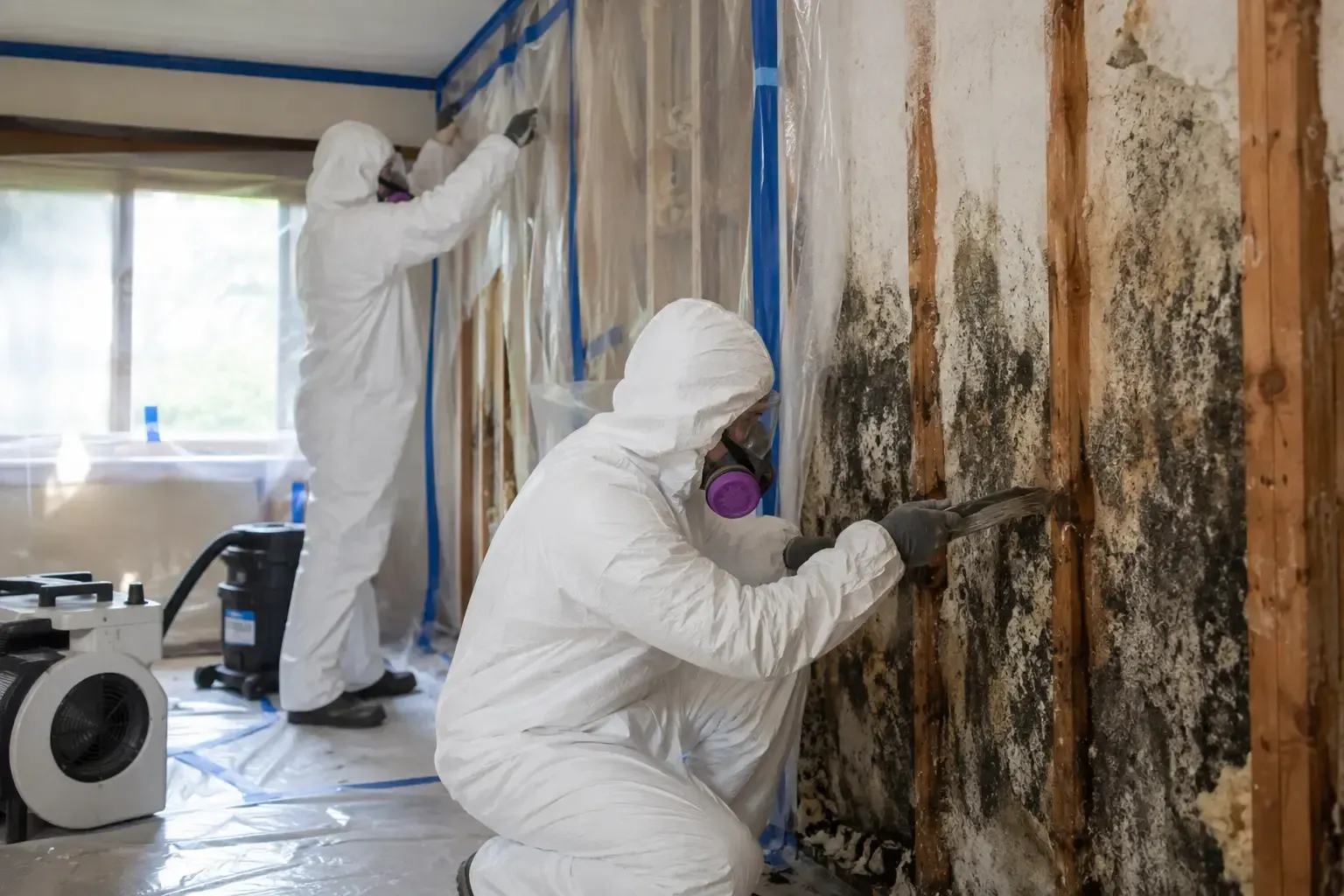
Do not let the dry climate fool you. Fix leaks and plumbing drips promptly. Ventilate bathrooms and damp areas well. Watch basements for humidity and musty smells. Professional mold removal in Denver handles hidden growth.
Keep indoor humidity in a safe range. Use a simple meter to check it. Address damp spots before they spread. Prevention is far easier than remediation.
How Professionals Find Hidden Mold
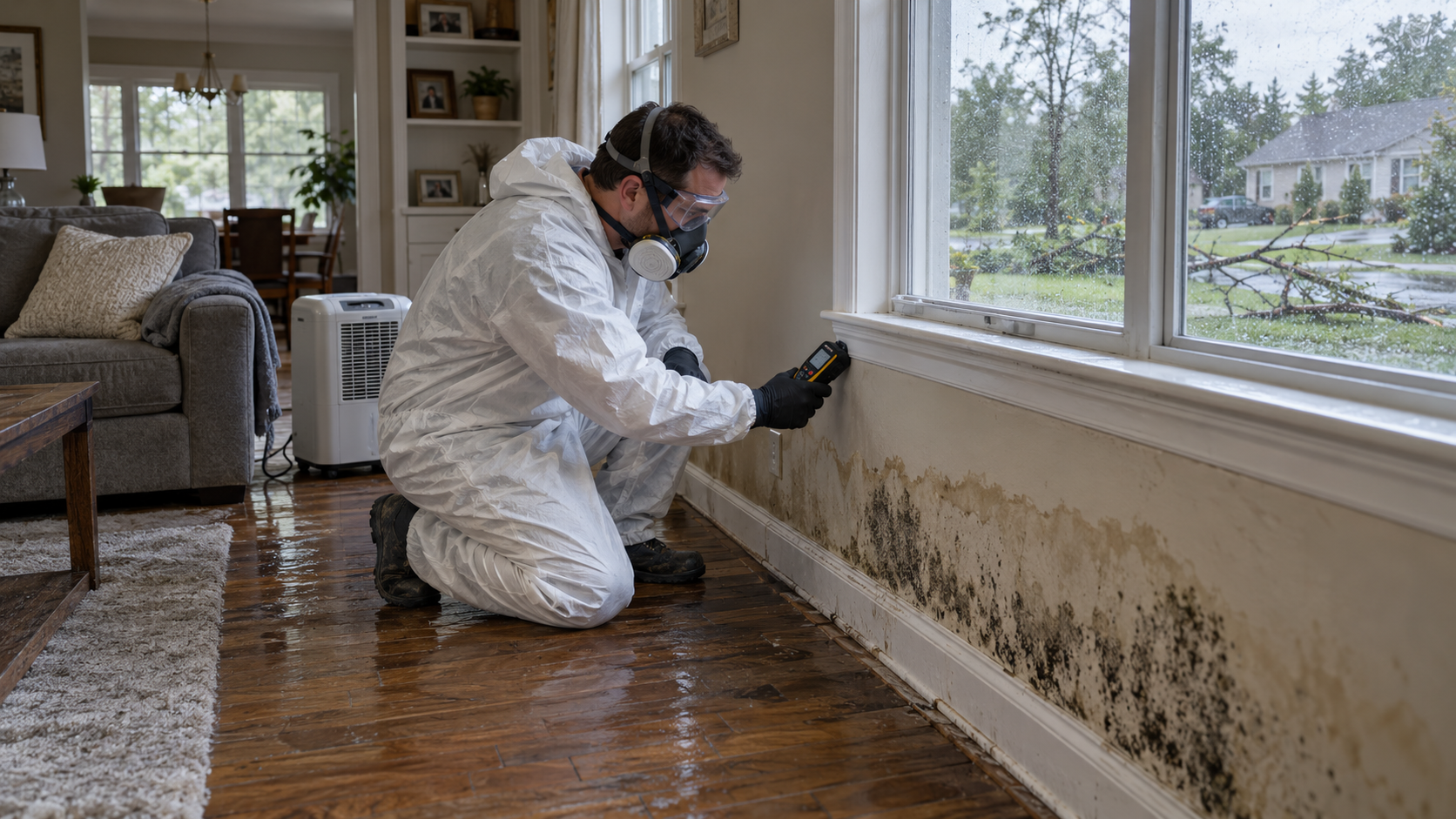
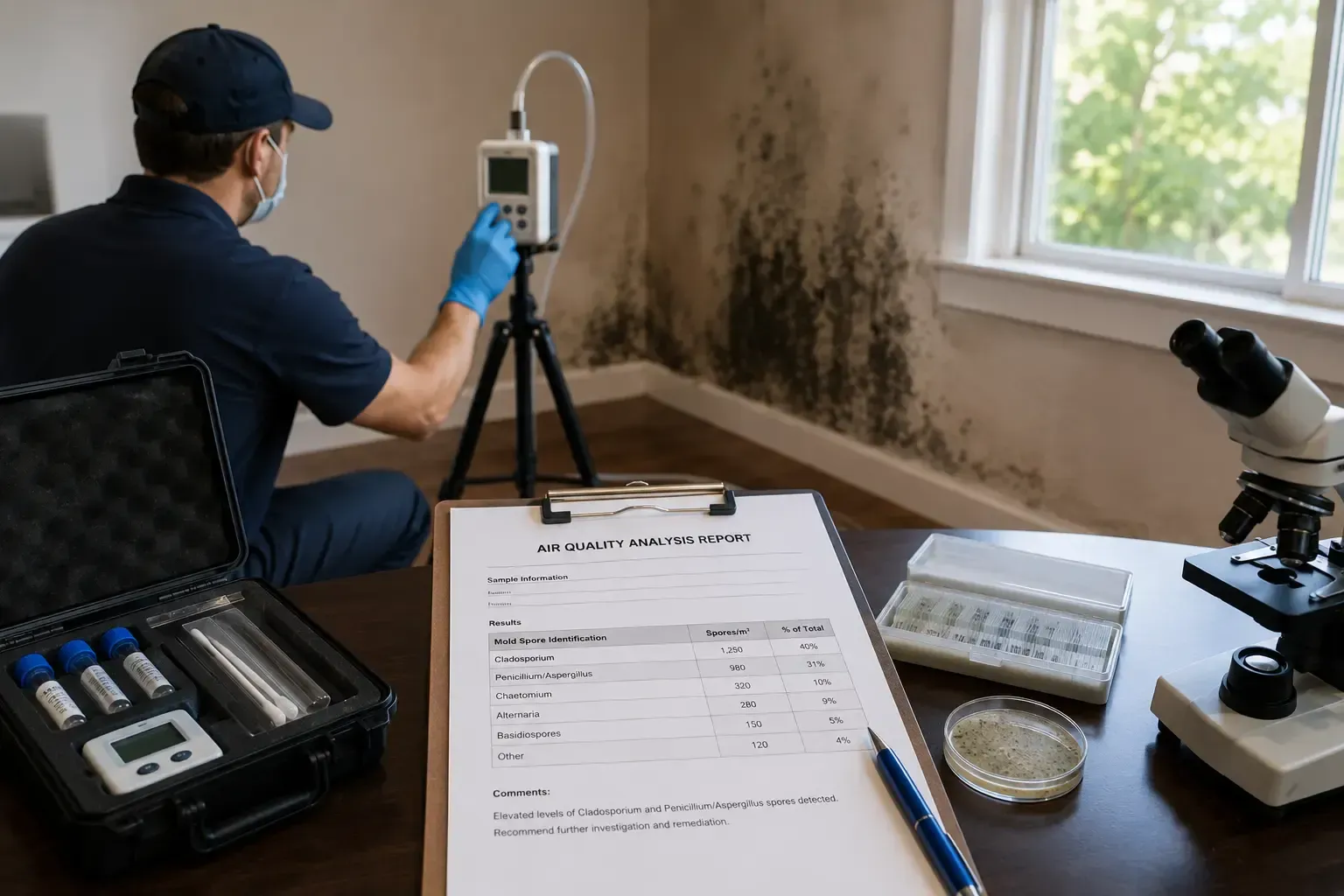
You cannot always see where mold hides. Professionals use the right tools to find it. Moisture meters reveal damp spots inside walls. Thermal cameras show cold, wet areas.
They also trace the source of the water. Finding the leak is half the job. Removing mold without fixing moisture fails. The growth simply returns later.
Why Ignoring Mold Costs You
Small mold problems rarely stay small. Spores spread to new damp surfaces. Wood and drywall weaken over time. The repair grows larger each month.
Indoor air quality suffers as well. Spores circulate through the whole home. Sensitive people feel the effects first. Early action protects your home and health. It also keeps the cleanup smaller and simpler. Waiting only raises the eventual effort and cost.
Denver Basements Need Extra Attention
Many Denver homes have finished basements. Below-grade walls can wick in ground moisture. Spring snowmelt raises the risk further. That dampness feeds mold quietly.
Check basement corners and behind stored boxes. Watch for a musty smell down there. A dehumidifier helps during damp months. Quick fixes stop bigger problems.
Common Denver Mold Hotspots
Even dry-climate homes have weak spots. Basements top the list every time. Bathrooms and laundry rooms follow close behind. Kitchens and water heaters add risk.
Check under sinks and around tubs. Look behind the washer and dryer. Watch the basement after spring snowmelt. These spots reward a regular look.
How a Humidity Monitor Helps
You cannot manage what you cannot measure. A simple hygrometer tracks indoor humidity. Keep basements and baths in a safe range. The reading warns you before mold starts.
Place monitors in damp-prone rooms. Watch them during humid spells. Act when the number climbs too high. A small tool prevents a big problem.
Frequently Asked Questions
Can mold survive in dry climates?
Yes, mold spores survive dry conditions easily. They grow once they find moisture. A local leak is all it takes.
Does a dry environment prevent mold growth?
Dry air slows mold but does not stop it. Indoor moisture sources still feed it. Controlling those sources is the real fix.
Is mold less common in Denver?
Mold may be less widespread than in humid areas. But leaks and basements still cause it. No climate is mold-proof.
What humidity level prevents mold?
Keeping indoor humidity below about 50 percent helps. Fix leaks and ventilate damp rooms. That combination discourages mold.
Can a humidifier cause mold in Denver?
Yes, overusing a humidifier can. It raises indoor moisture beyond safe levels. Keep it moderate and watch the humidity.
Do Not Let Dry Air Fool You
Even in Denver, mold finds the moisture it needs. Our Mold Warrior team finds and removes hidden mold in Denver homes. When a leak or musty smell appears, our mold removal team can help. You can contact Mold Warrior for an inspection.