Mold Inspection vs. Mold Testing: What Kansas City Homeowners Need
When mold is on your mind, two terms get thrown around: inspection and testing. They sound interchangeable, but they're different services, and knowing which you need can save Kansas City homeowners real money.
This guide breaks down mold inspection vs. mold testing: what each one does, when you need it, when you can skip straight to removal, and what to expect to pay.
Key Takeaways
- An inspection finds where mold and moisture are; testing samples the air or surface to identify mold type and levels.
- If mold is already visible, the EPA says testing is usually unnecessary; go straight to remediation.
- A professional inspection typically runs about $400 to $1,200; testing adds lab fees on top.
What Is a Mold Inspection?
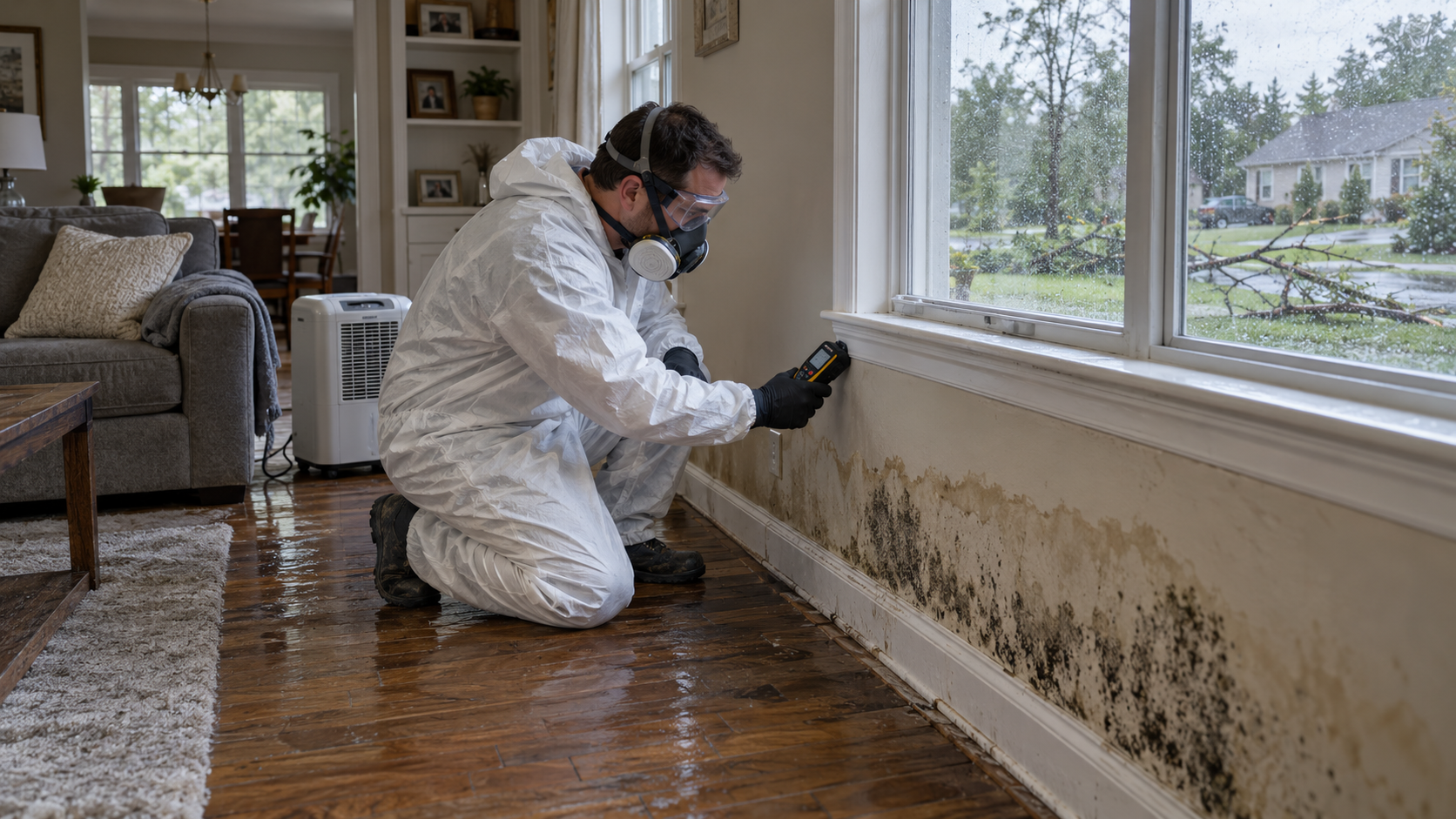
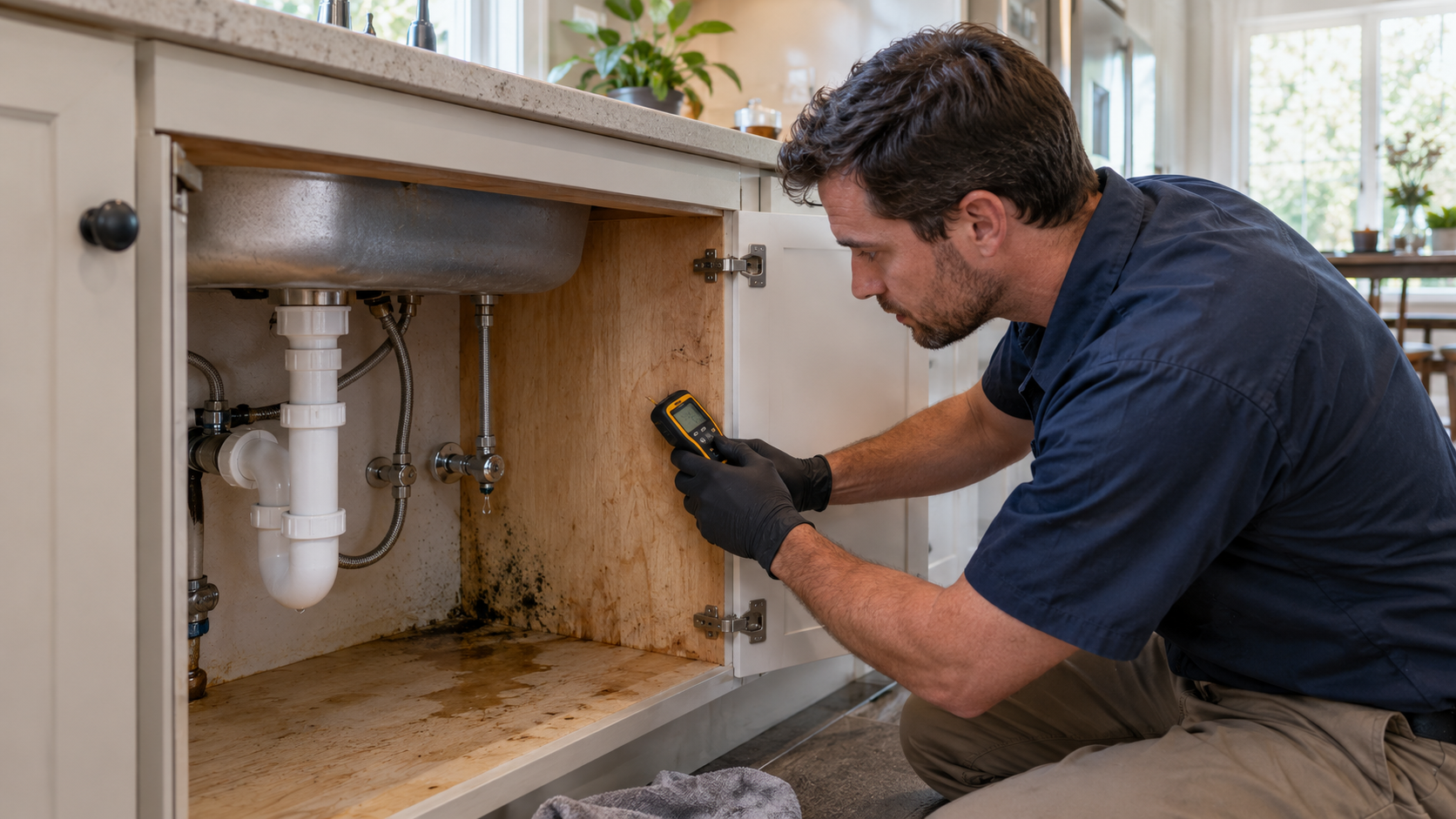
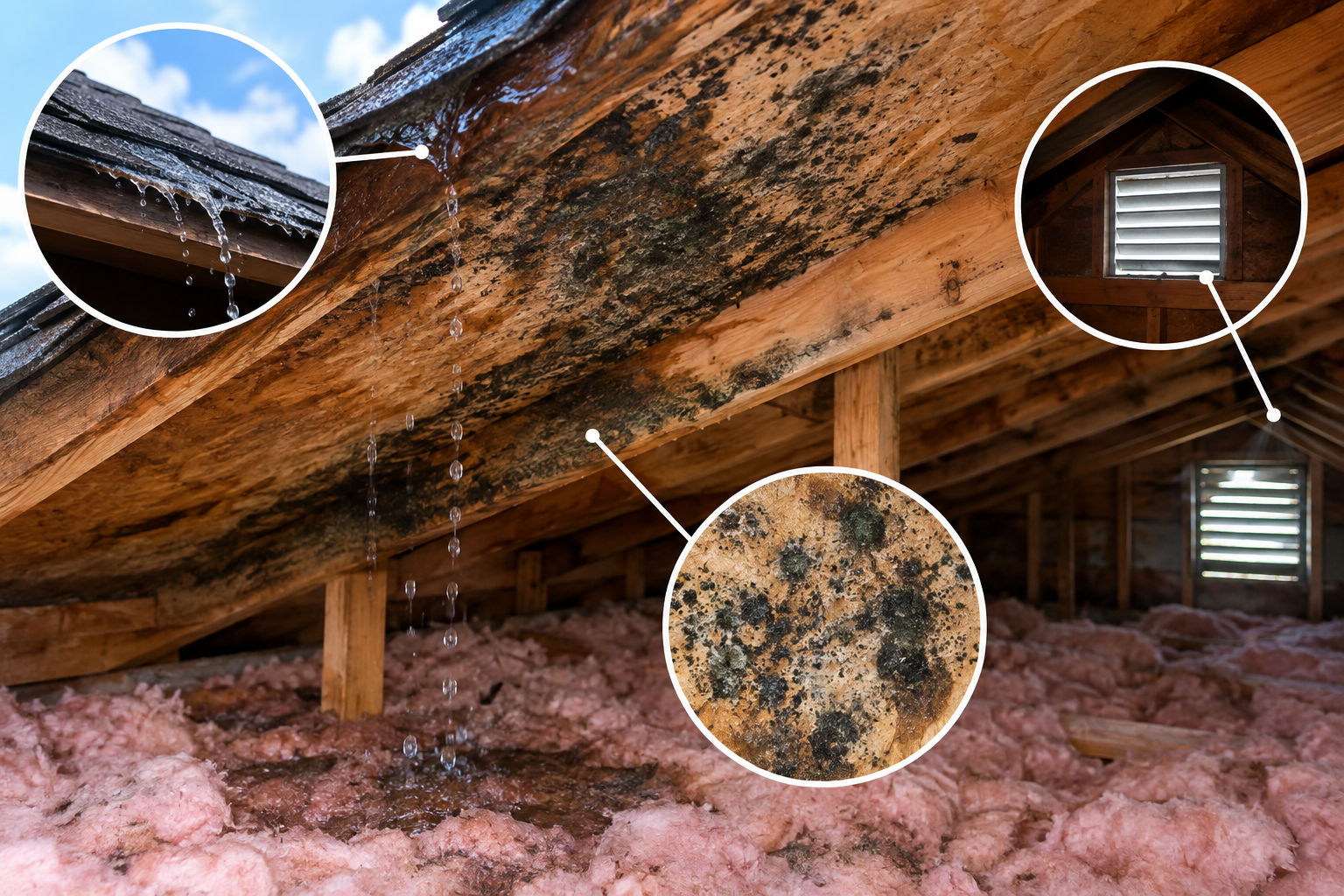
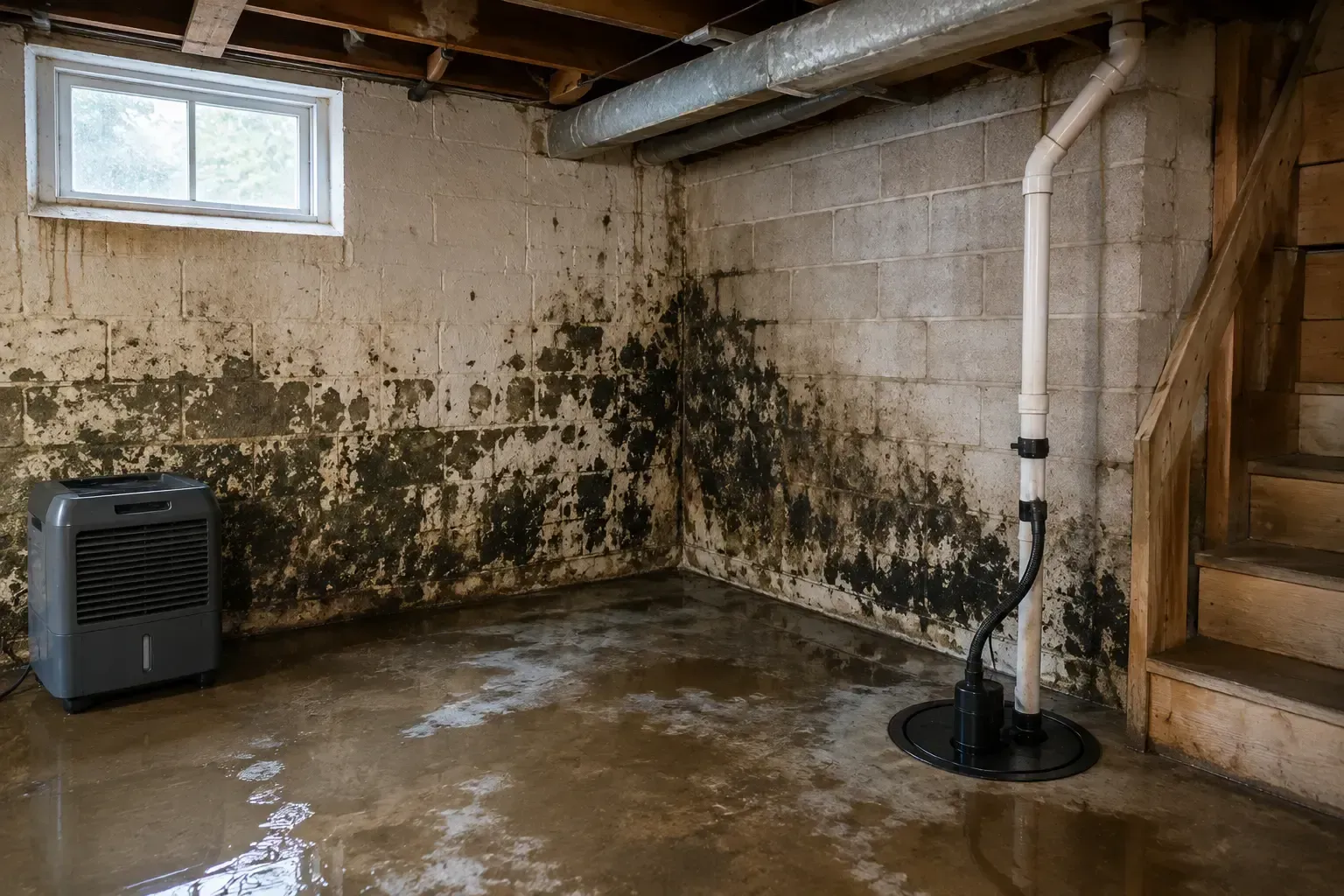
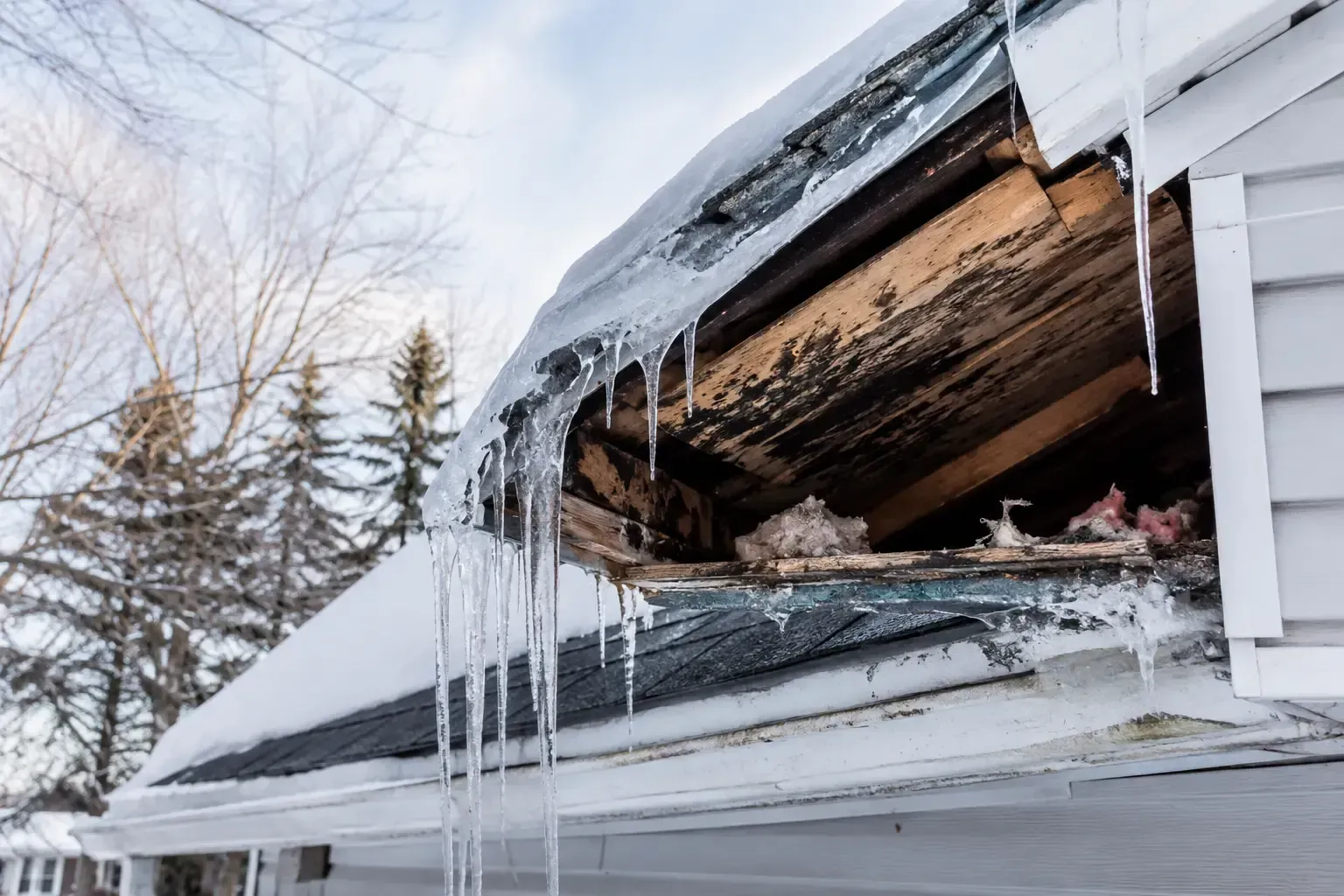
A mold inspection is a hands-on assessment. An inspector walks the home, checks moisture-prone areas, and uses tools like moisture meters and sometimes thermal imaging to find dampness and hidden growth. The goal is to locate the mold and, just as important, the moisture source feeding it. Mold is always a water problem first, so the inspection traces where water is getting in.
What Is Mold Testing?
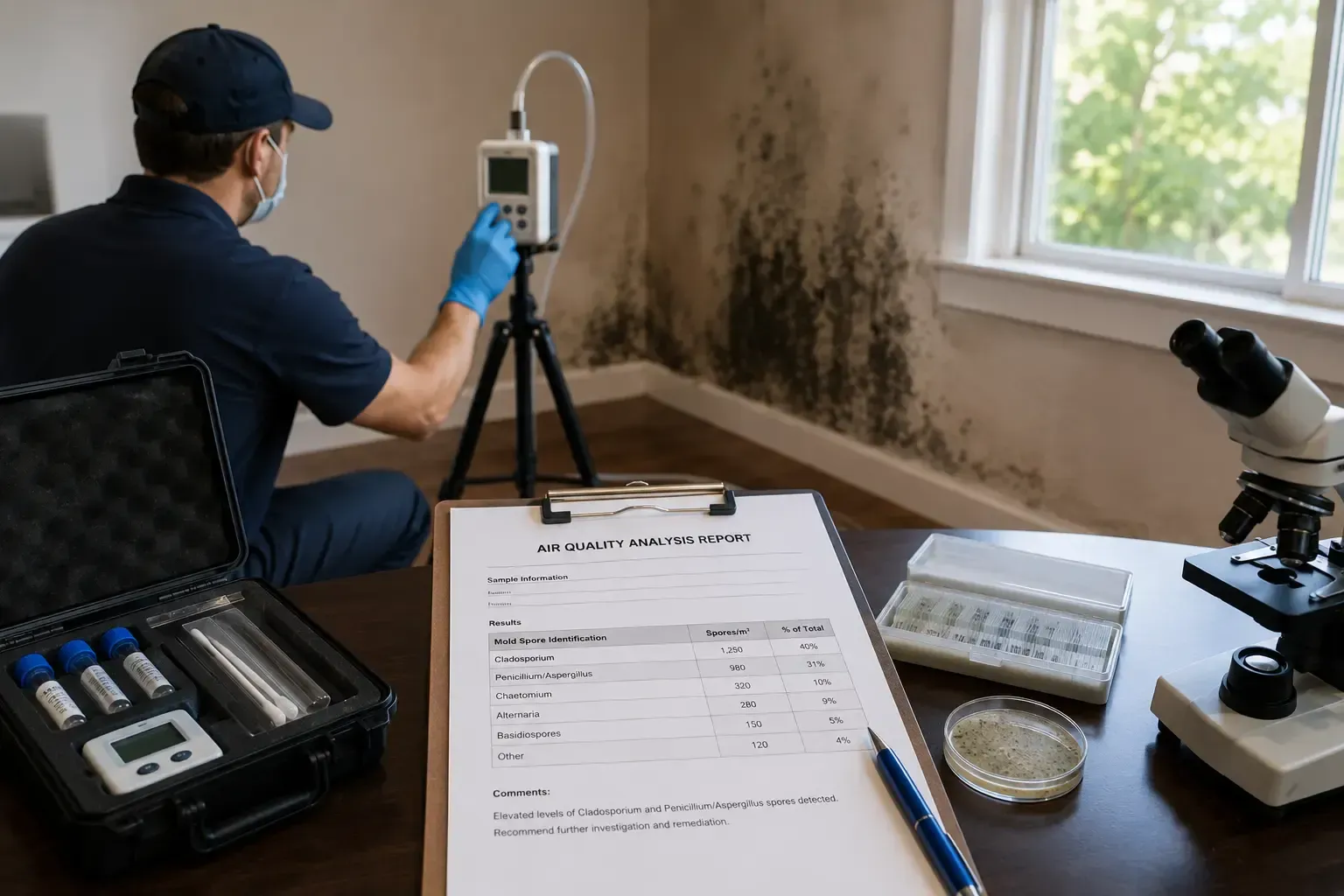
Mold testing, or sampling, takes air or surface samples and sends them to a lab to identify the mold type and concentration. It produces numbers and species names. The catch is that those results have limited practical value. Per the EPA's guidance on mold, there are no federal limits for mold or mold spores, so a lab number doesn't tell you whether your home is safe or not.
The Key Difference
Put simply: an inspection finds the problem, testing measures it. For most Kansas City homeowners, the inspection is the part that actually drives action, because it shows where mold is and what's causing it. Testing is an add-on that occasionally helps, like confirming hidden mold in a dispute or checking air quality for a sensitive household, but it rarely changes the fix.
When You Can Skip Both
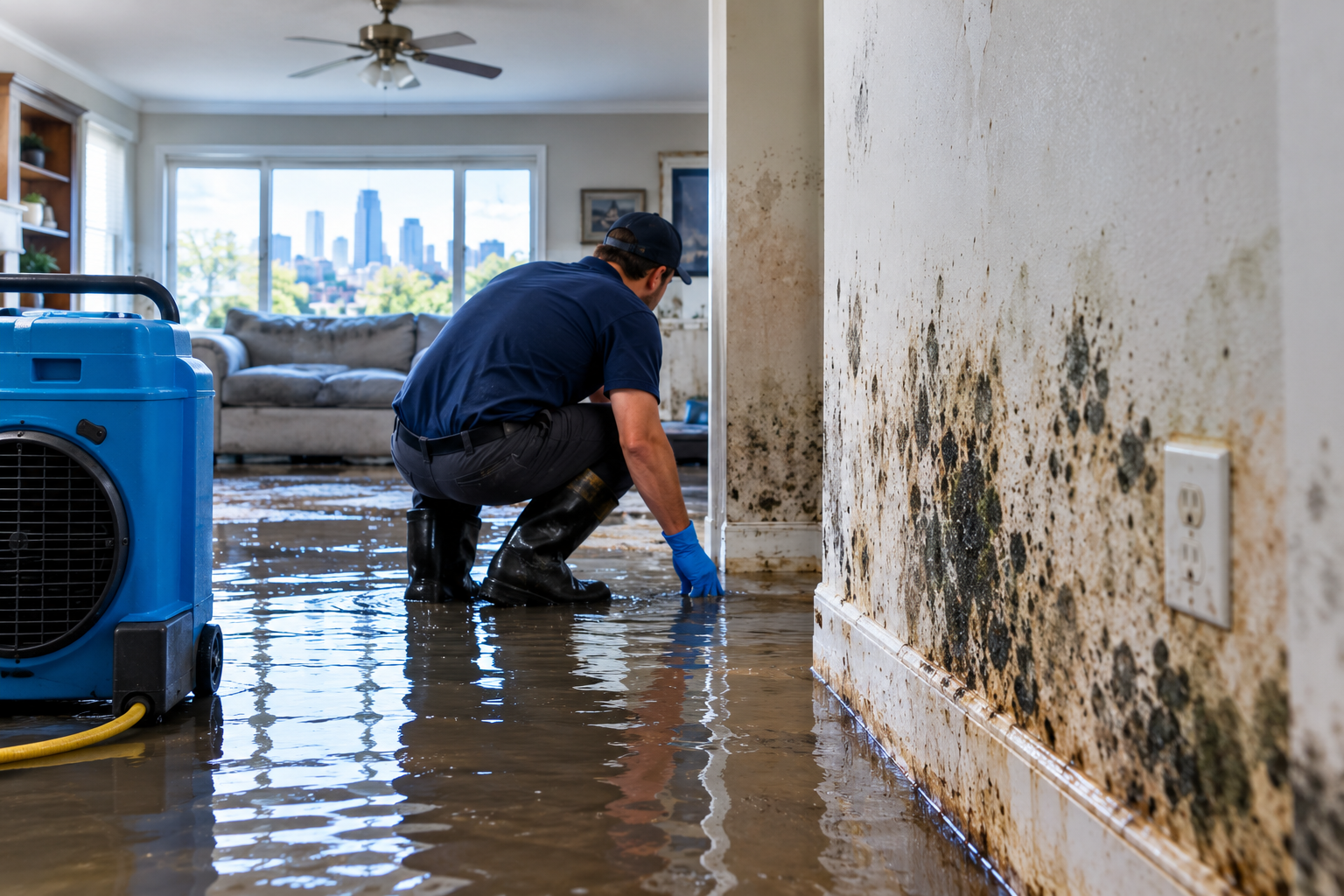
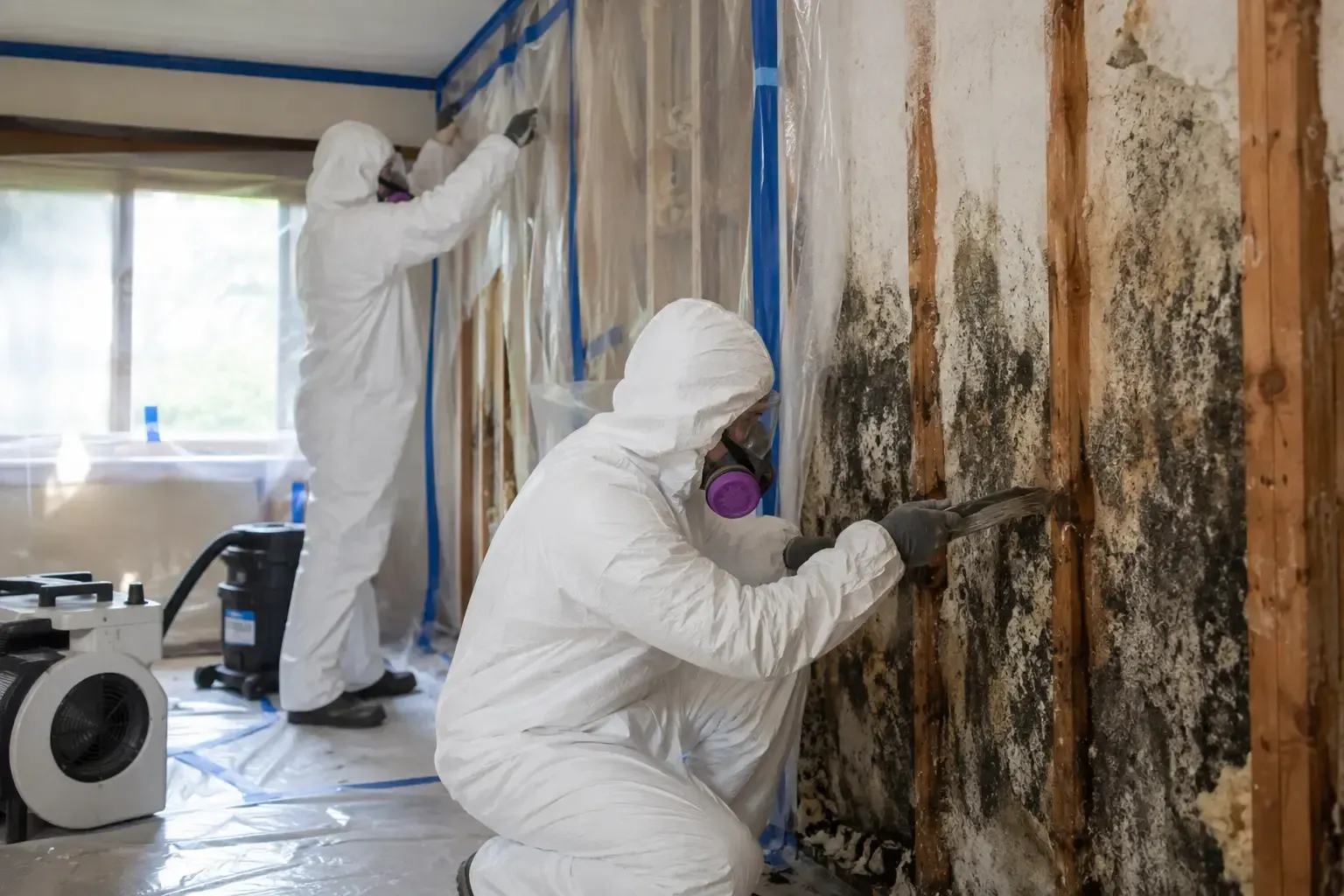
Here's the money-saver: if you can already see the mold, you usually don't need either service to confirm it. Per CDC guidance, routine sampling isn't recommended, and identifying the species is generally unnecessary. Visible mold means it's time to fix the moisture and remove the mold, not pay for a test that tells you what you already know.
What Each Costs in Kansas City
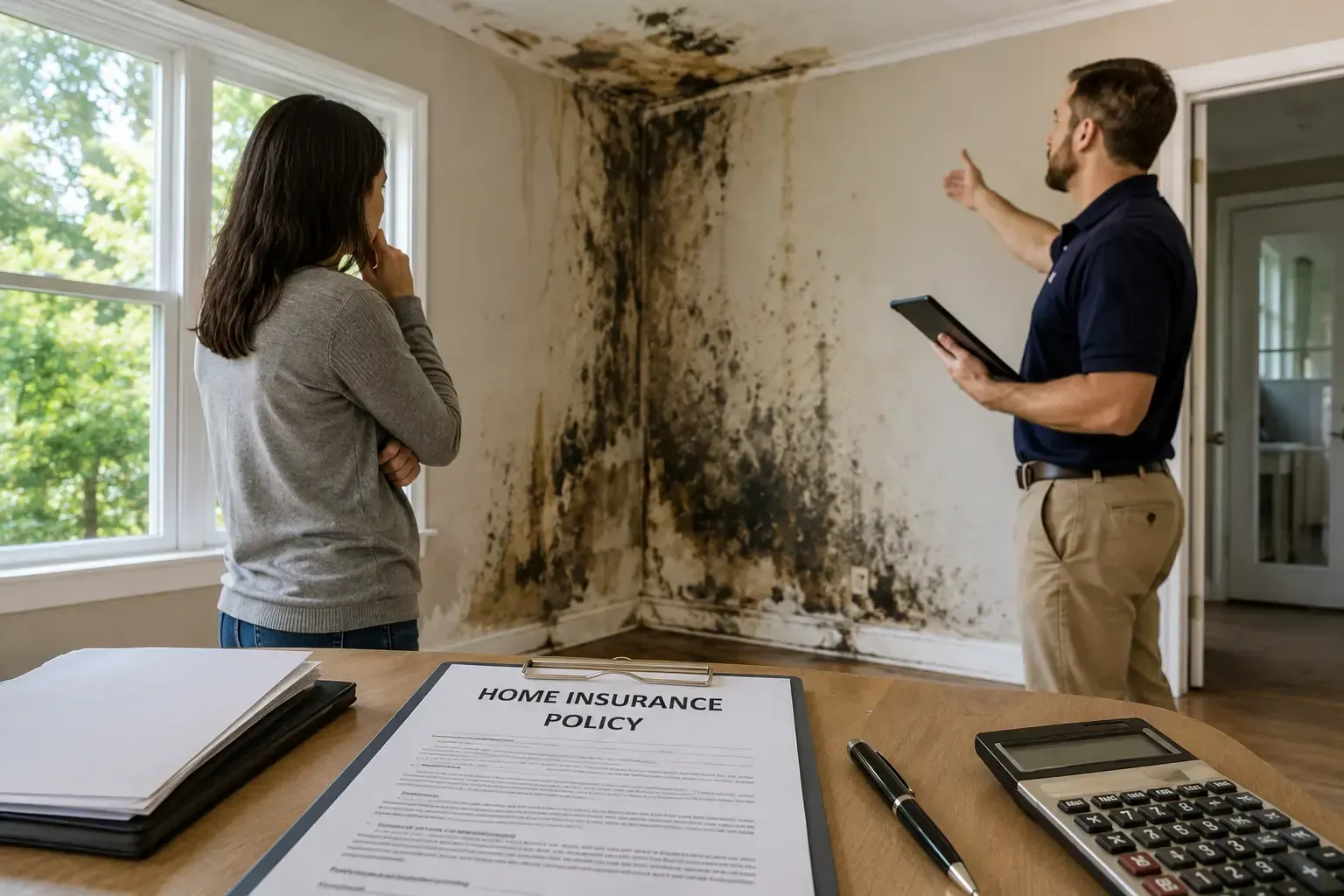
A professional mold inspection typically runs about $400 to $1,200, depending on home size and how many areas are checked. Testing adds lab fees on top of that. If mold is visible, putting that money toward remediation is usually the smarter move. If mold is hidden or you're buying a Kansas City home, an inspection is the better value of the two.
Frequently Asked Questions
What is the difference between mold inspection and testing?
An inspection is a visual and moisture assessment to find mold and its source. Testing samples air or surfaces to identify mold type and levels. Inspection finds the problem; testing measures it.
Do I need mold testing if I can see mold?
Usually no. Per the EPA, if mold is visible, sampling is unnecessary since there are no federal limits for spores. Skip testing and move to remediation.
How much does a mold inspection cost?
Typically about $400 to $1,200 depending on home size and areas checked. Lab testing adds fees on top of the visual inspection.
Which do I need for a Kansas City home purchase?
An inspection is usually the better value, especially with any sign of leaks, odors, or past water damage. Add testing only if there's a specific reason.
Mold Questions in Your Kansas City Home?
If mold is visible, you can move straight to removal. If it's hidden, musty, or tied to past water damage, an inspection tells you exactly what you're dealing with, without paying for a test you don't need.
When you want clear answers, our team for
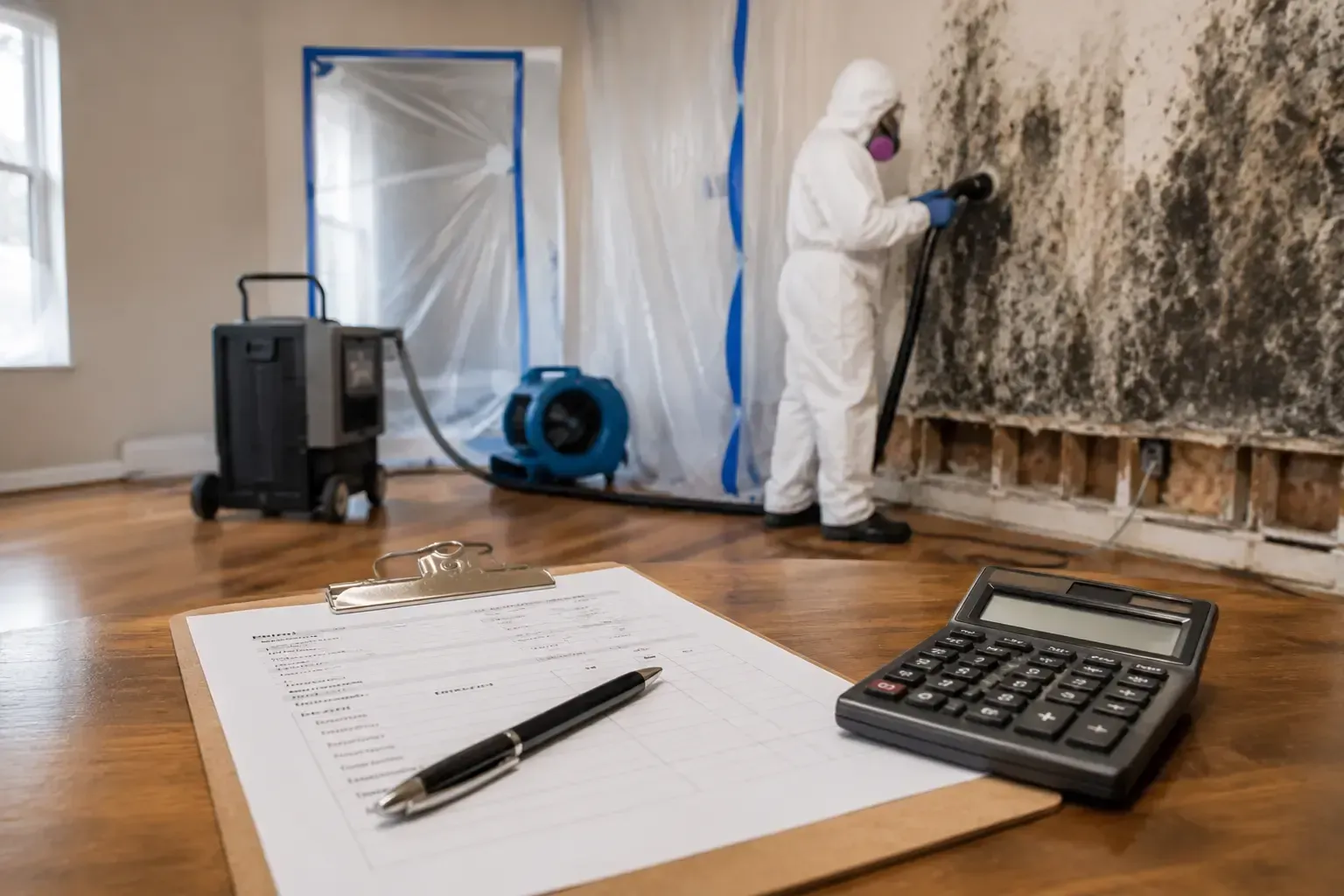
mold inspection and remediation in Kansas City at Mold Warrior finds the moisture and hidden growth, then safely removes it and dries your home. We help Kansas City families protect their home and their health.