Mold in a Raleigh Rental: Landlord & Tenant Guide
A tenant spots dark growth spreading behind the bathroom door. A landlord gets a worried text with a blurry photo attached. Mold in a Raleigh rental puts both sides on edge. Knowing who does what, and how fast, keeps a small spot from becoming a dispute.
Key Takeaways
- Landlords generally must keep a rental fit to live in, which includes fixing moisture problems.
- Tenants should report leaks and mold in writing and avoid creating everyday dampness.
- Documentation with dates and photos protects both sides.
- This is general information, not legal advice, and rules can vary by situation.
Who Is Usually Responsible
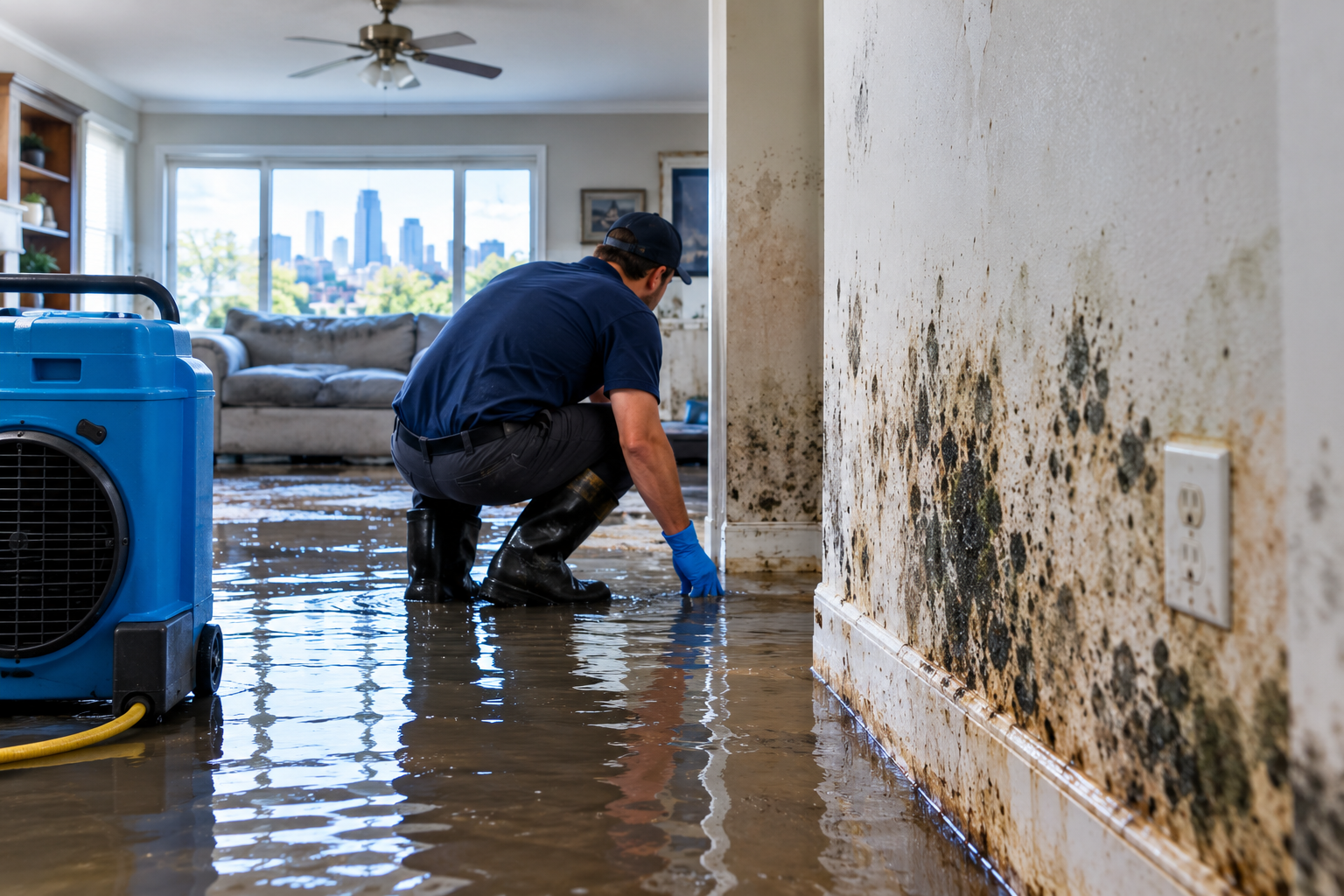
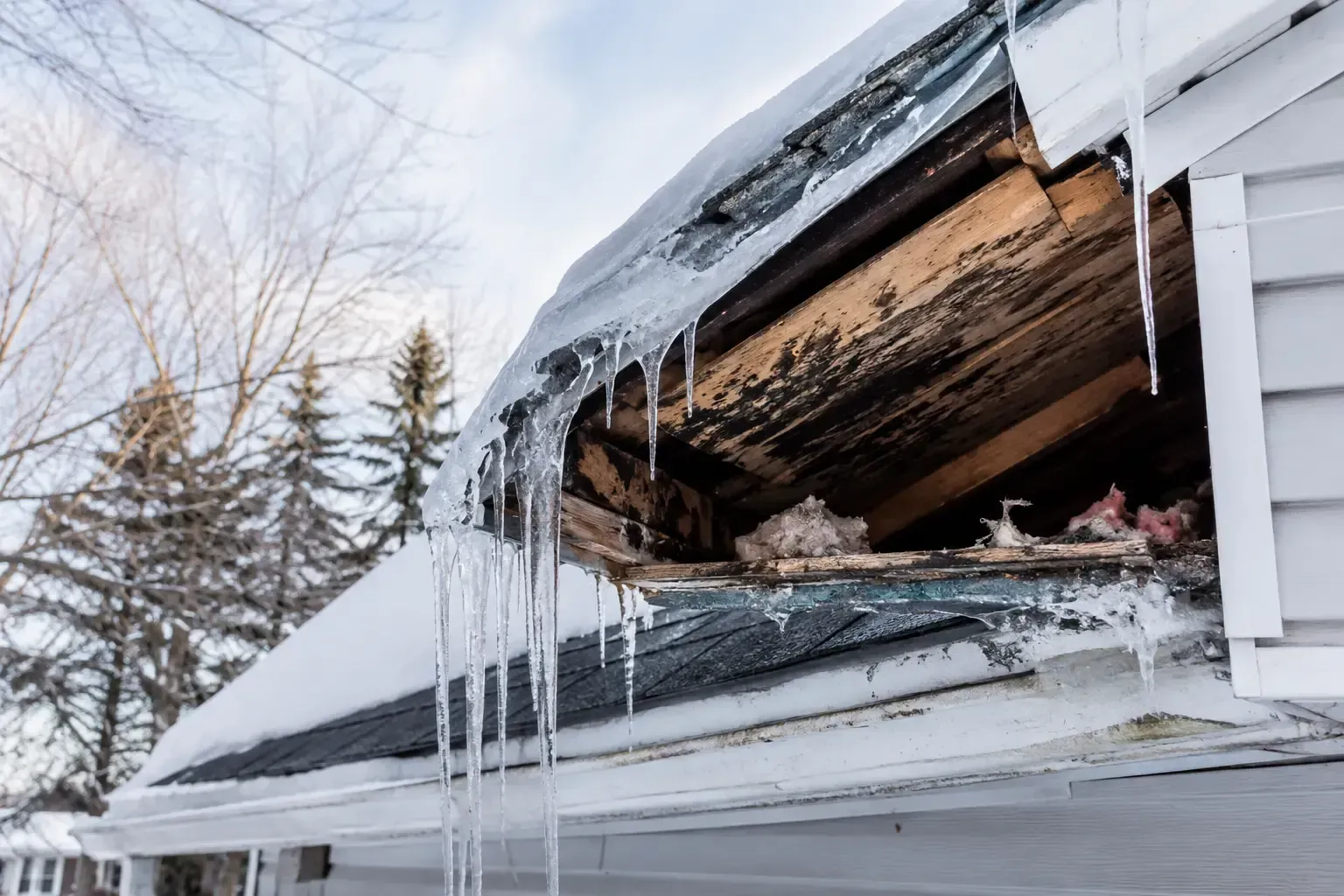
Responsibility often tracks the cause of the moisture. A roof leak, a burst pipe, or a failing window is typically the owner's job to repair. Mold from a tenant's ignored spill or blocked vent can shift the burden. Cause matters more than blame.
The CDC advises keeping indoor humidity below 50 percent to limit growth. Both parties share that everyday goal, even when repairs fall to one side.
North Carolina Habitability Basics
North Carolina law asks landlords to keep a rental fit and habitable and to make needed repairs. That duty can include fixing the leaks and drainage issues that feed mold. A Raleigh tenant usually needs to give notice so the owner has a chance to act. Consult an attorney for your specific case.
How Mold Starts in a Rental
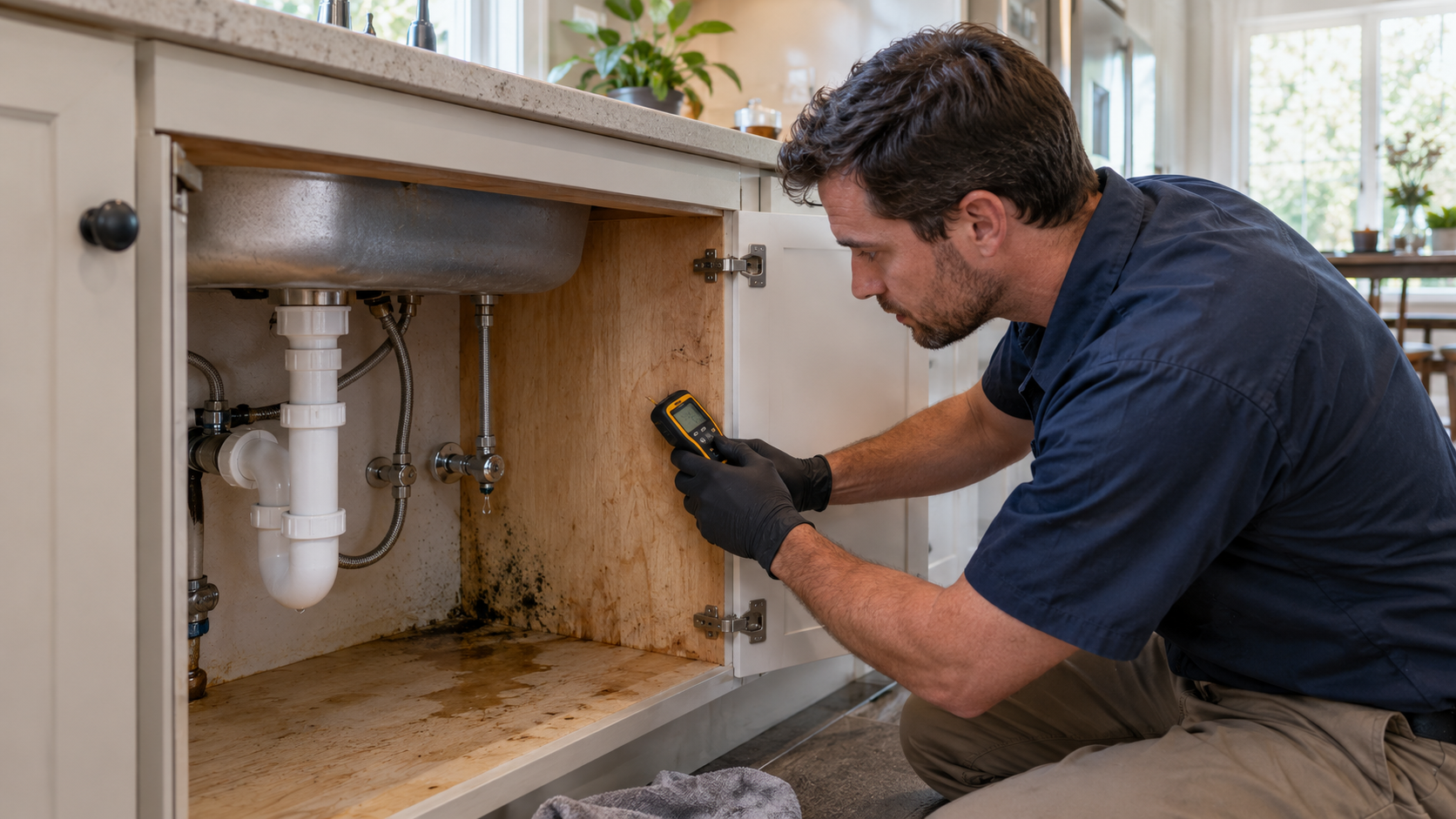
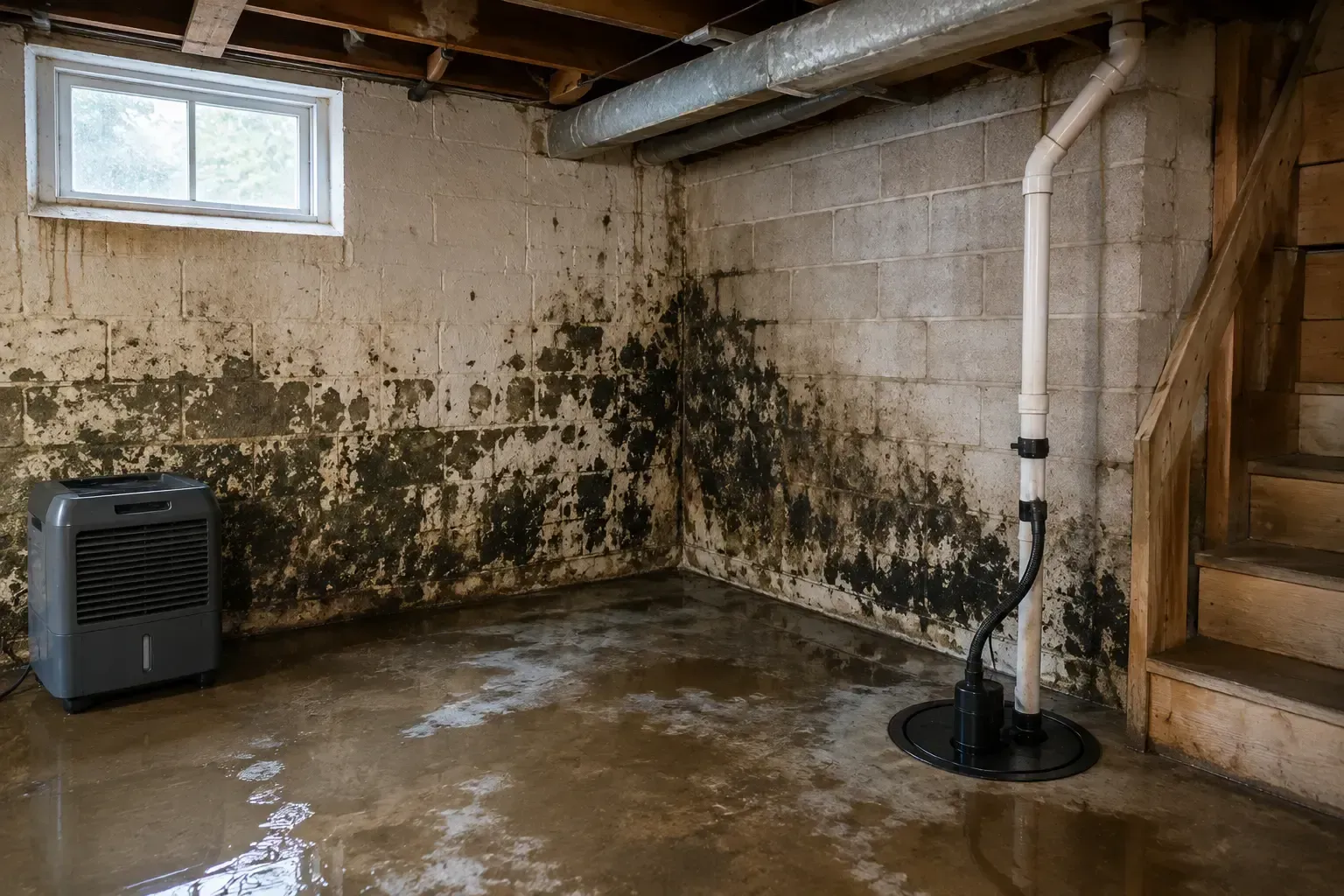
Most rental mold traces back to water that lingers. Slow plumbing leaks, poor bathroom ventilation, and condensation on cold walls are common culprits. Raleigh humidity makes damp corners worse in summer. Find the water and you find the mold.
What Tenants Should Do
- Report the problem to the landlord in writing, with the date.
- Take clear photos of the growth and any water source.
- Run exhaust fans and open windows to cut indoor humidity.
- Avoid painting over or hiding the mold before it is addressed.
What Landlords Should Do
A quick, documented response protects the property and the relationship. Trace the moisture, repair it, then clean or remove the affected material.
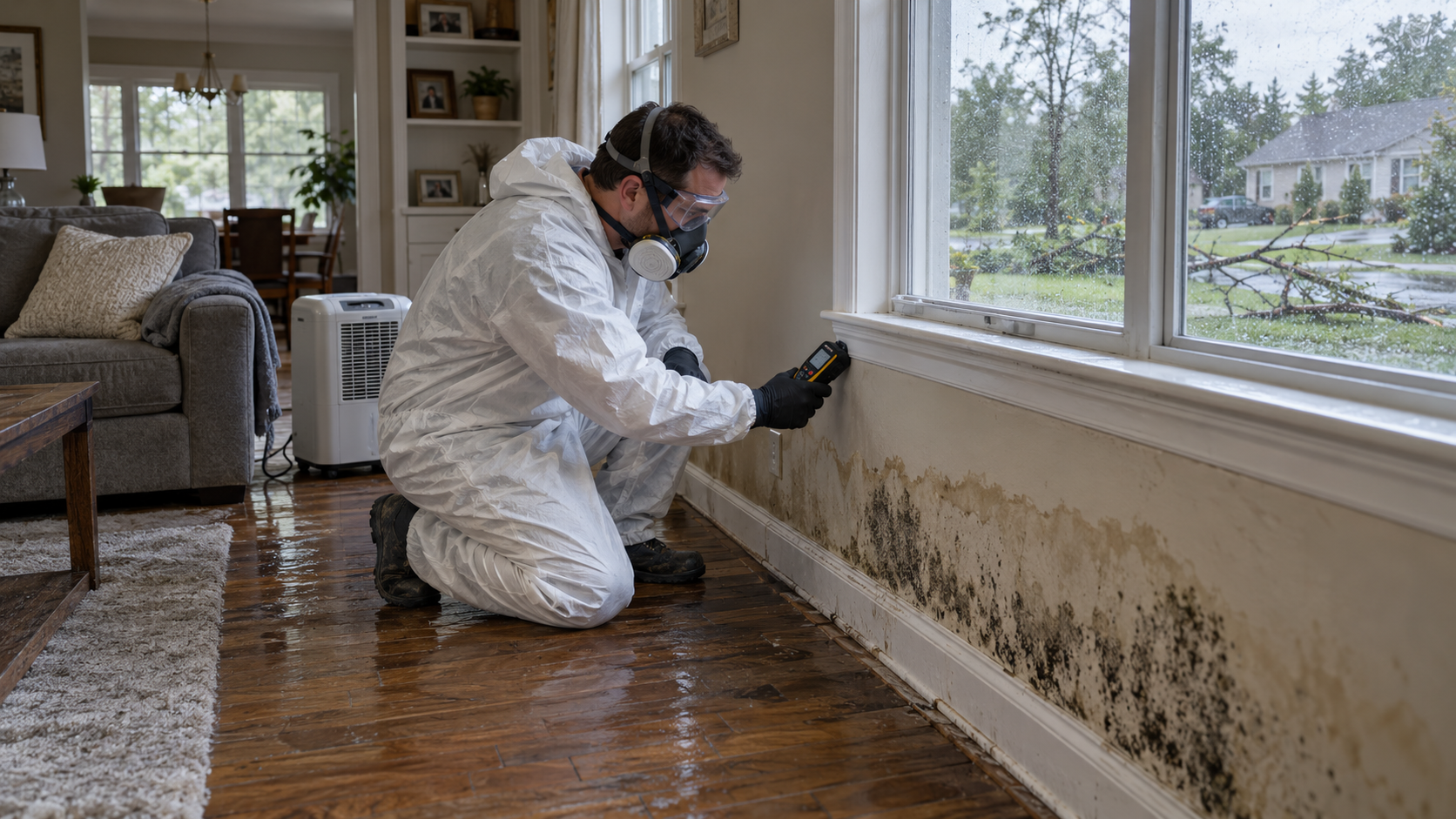
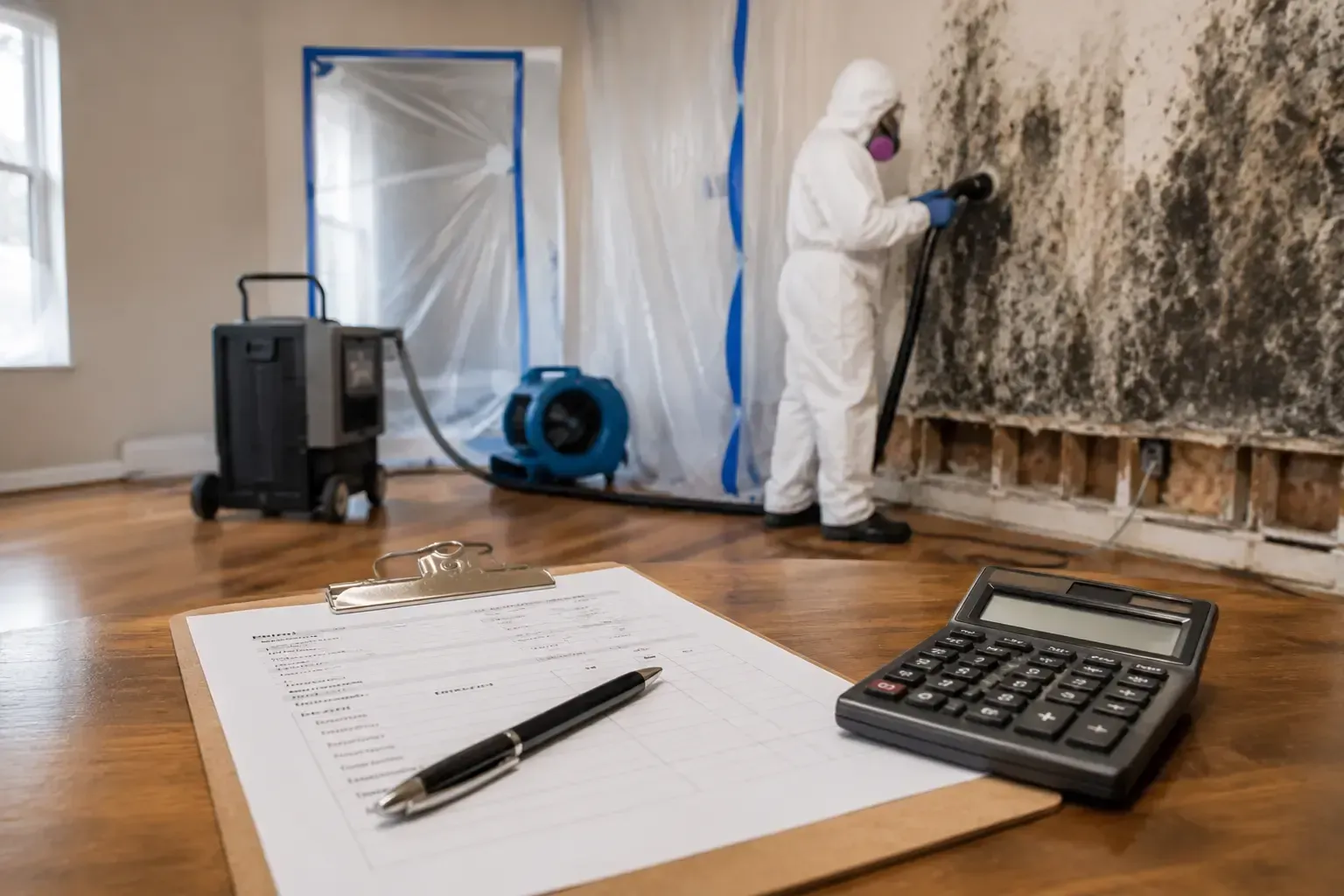
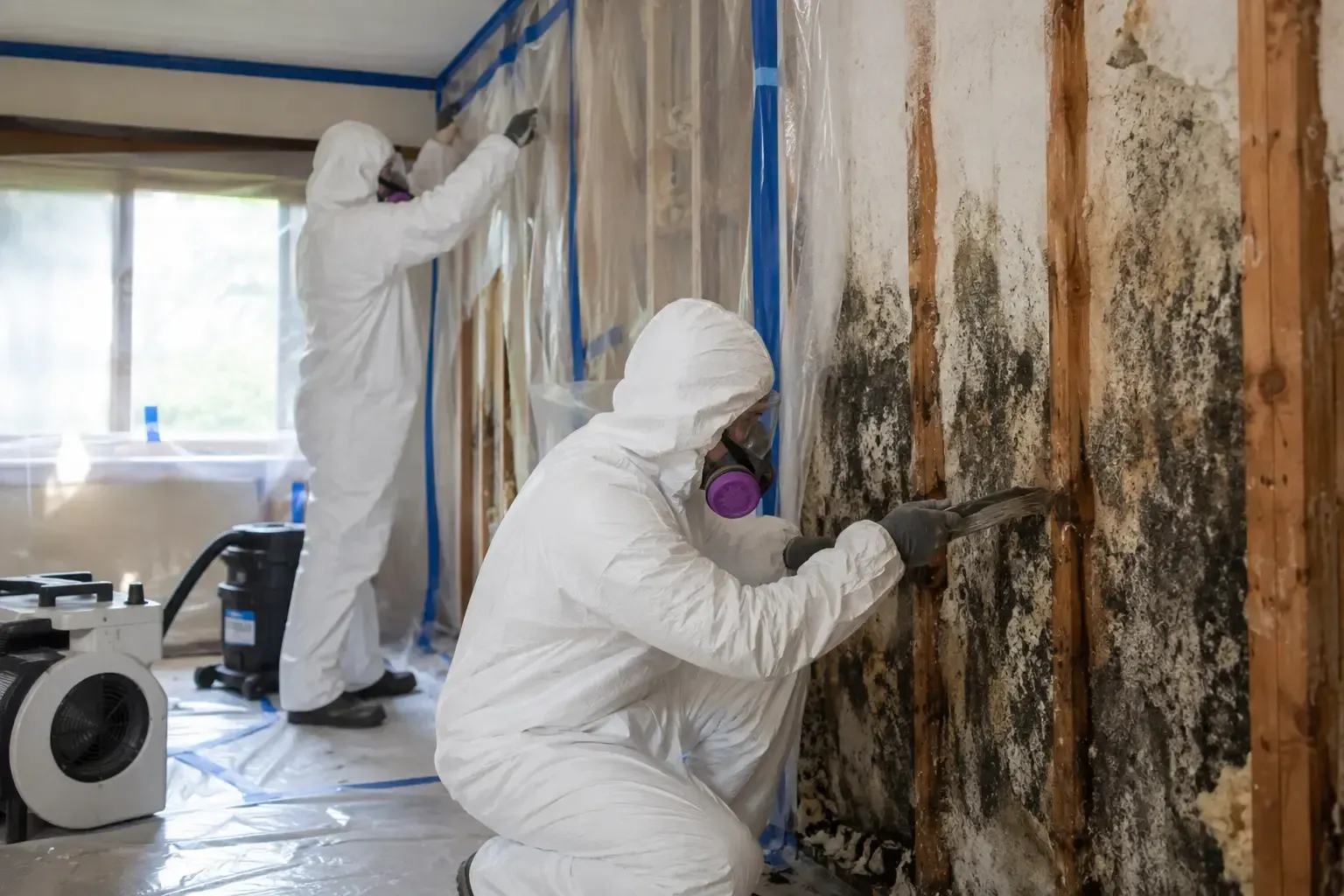
The EPA suggests professional help for mold over about 10 square feet. A mold removal crew in Raleigh can contain the space and confirm the source is dry. Mold Warrior handles that containment and verification.
Documenting the Problem the Right Way
Good records prevent he-said arguments later. Save every message about the mold with its date. Photograph the growth, the moisture source, and any damaged belongings. Keep copies of repair invoices. A clear timeline helps both sides and any professional who steps in.
Why Speed Protects Everyone
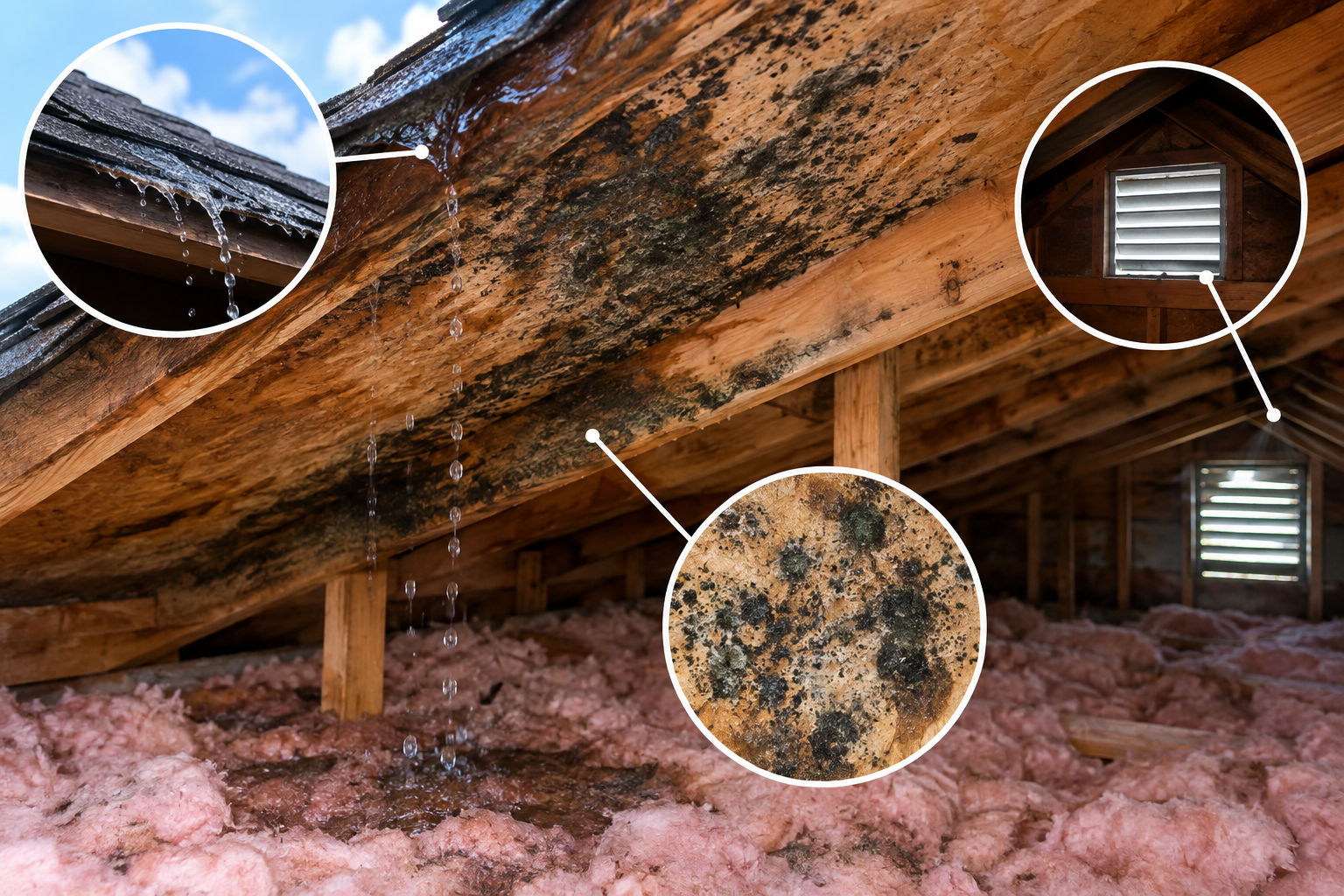
Mold spreads across damp drywall within a couple of days. A fast repair keeps the affected area small and the cost low. Delay lets spores reach insulation and framing. Acting early is cheaper for the owner and healthier for the tenant.
Health Reasons to Act
Renters with asthma or allergies feel mold first. Coughing, congestion, and itchy eyes can flag a hidden problem. A prompt cleanup improves indoor air for the household. Health concerns are a fair reason to push for a quick fix.
Preventing the Next Outbreak
Prevention is a shared job once the mold is gone. Owners can add exhaust fans and fix grading that sends water toward the foundation. Tenants can keep furniture off exterior walls and dry wet spots fast. Together those habits keep the rental dry.
When a Small Spot Is Just Cleaning
Not every dark patch is an emergency. A few inches of surface mold on grout often wipes away with detergent. The tenant can handle that and note it. Growth that returns or spreads signals a moisture problem the owner should investigate.
Keeping the Relationship Civil
A mold issue does not have to sour a lease. Clear communication and written records keep expectations aligned. When the owner responds and the tenant cooperates, the fix goes faster. Most disputes come from silence, not from the mold itself.
The Role of Ventilation
Airflow is the cheapest mold defense a rental has. Bathroom and kitchen fans should vent outside, not into an attic. Opening windows on dry days flushes humid indoor air. Better ventilation lowers the moisture that mold needs to take hold.
What Professional Remediation Involves
A remediation crew does more than scrub a surface. They contain the area, control airflow, remove ruined material, and dry the structure. Then they confirm the moisture source is fixed. That thorough process is why larger jobs are not a weekend project.
Insurance and Mold in Rentals
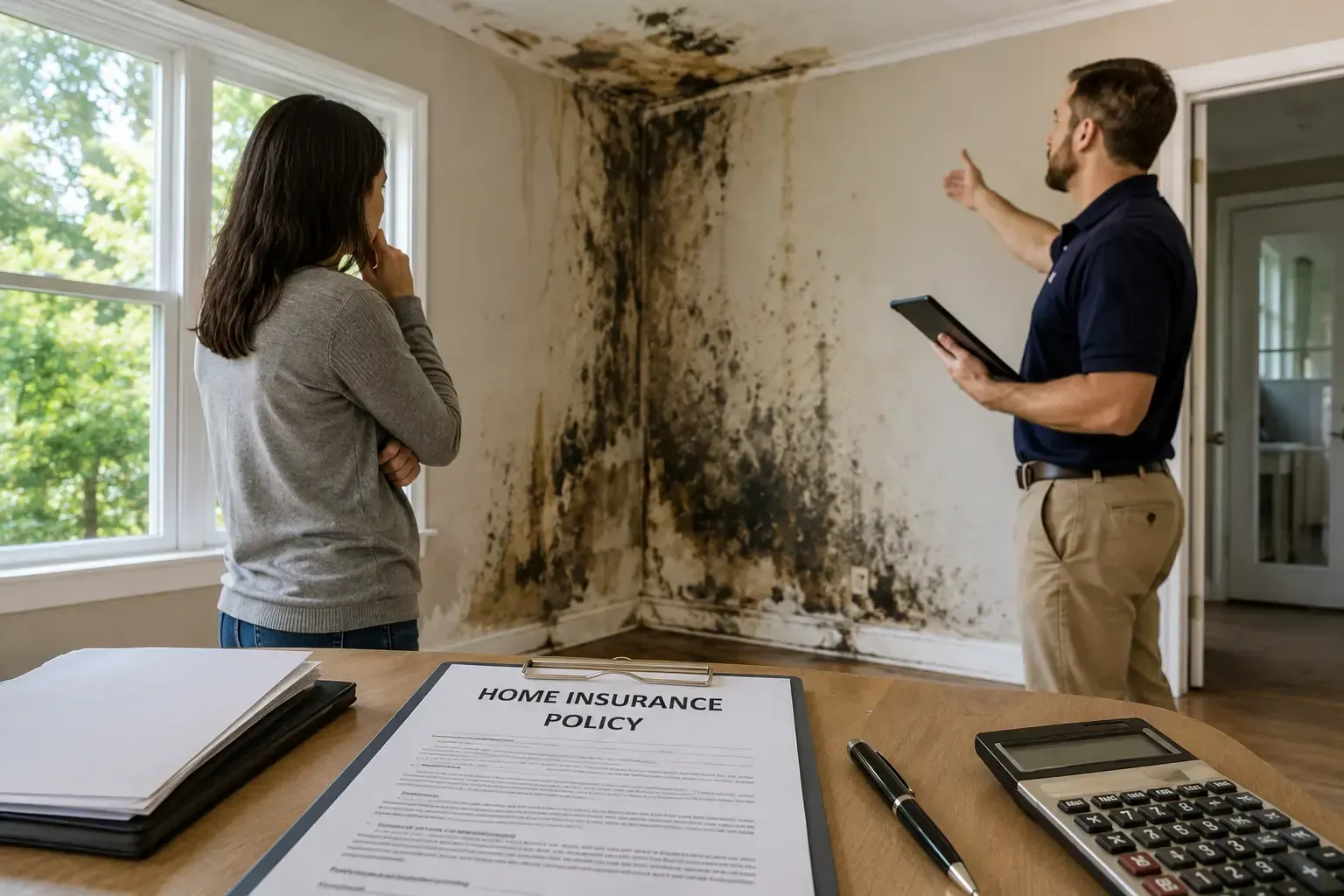
Coverage for mold is often limited and depends on the cause. A landlord policy may pay when a covered leak leads to mold. Gradual damage from neglect is usually excluded. Renters can ask their own policy about personal property affected by the growth.
Reading the Lease First
Many leases spell out who reports problems and who pays for what. Read the maintenance and moisture clauses before a dispute starts. Some agreements ask tenants to report leaks within a set window. Knowing those terms early prevents surprises later on.
When to Bring in a Third Party
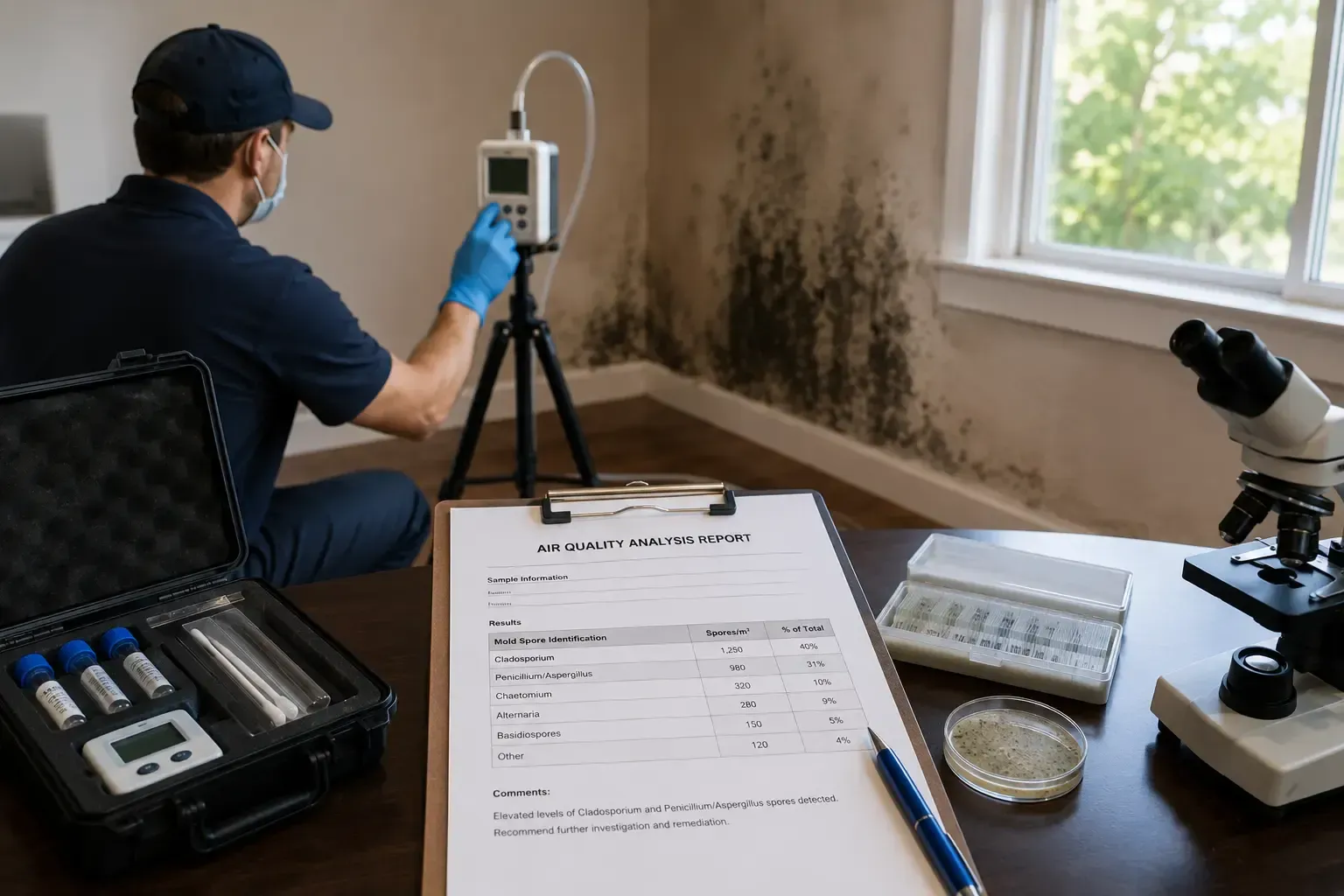
If the two sides disagree on cause or severity, a neutral inspection helps. Testing shows how far the mold reaches and what feeds it. That report gives both parties the same facts to work from. Objective data cools most arguments quickly.
Frequently Asked Questions
Is mold the tenant or the landlord problem?
It depends on the cause. Owners usually handle mold from leaks or structural issues, while tenants handle mold from their own neglected moisture.
What should a landlord do after a mold report?
Respond promptly, find and fix the moisture source, and arrange a professional cleanup for larger areas. Keep records of the work.
Can a tenant stop paying rent over mold?
That is risky and depends on local rules and the facts. Talk to a local attorney before withholding rent for any reason.
How do renters keep mold from returning?
Ventilate damp rooms, wipe up spills fast, report leaks early, and keep indoor humidity below 50 percent.
Settle It Before It Spreads
Mold in a rental rarely fixes itself, and waiting only widens the gap between tenant and owner. When a spot keeps growing, get an honest assessment. The
Mold Warrior team in Raleigh can inspect the space and document the cause. They remove the growth so both sides can move on.