Mold and Allergies: How Raleigh Homes Affect Your Health
Your eyes water the moment you walk into the guest room. A tickle in your throat will not quit. In many Raleigh homes, the hidden trigger is mold. Damp closets, humid crawl spaces, and slow leaks feed spores that irritate your airways every day.
Key Takeaways
- Mold spores are a common indoor allergen that can trigger sneezing, congestion, and itchy eyes.
- Raleigh humidity and frequent rain keep indoor surfaces damp enough for mold to thrive.
- Fixing moisture at the source matters more than scrubbing the visible spots.
- People with asthma or weak immune systems face the highest risk.
How Mold Triggers Allergy Symptoms
Mold reproduces by releasing tiny spores into the air. You breathe them in without noticing. Your immune system treats the spores as invaders and mounts a response. That reaction causes the allergy symptoms many Raleigh families know well.
According to the CDC's guidance on mold and health, exposure can cause a stuffy nose, wheezing, and itchy skin. Symptoms often flare in damp rooms and ease when you step outside.
Common Symptoms Linked to Household Mold
Respiratory Reactions
Sneezing, a runny nose, and coughing top the list. Some people wheeze or feel short of breath. These signs mirror hay fever, so mold gets overlooked as the cause.
Eyes, Skin, and Throat
Red, watery eyes and a scratchy throat show up often. A skin rash can appear after direct contact. Symptoms tend to worsen through a humid Raleigh summer.
Why These Homes Stay Damp
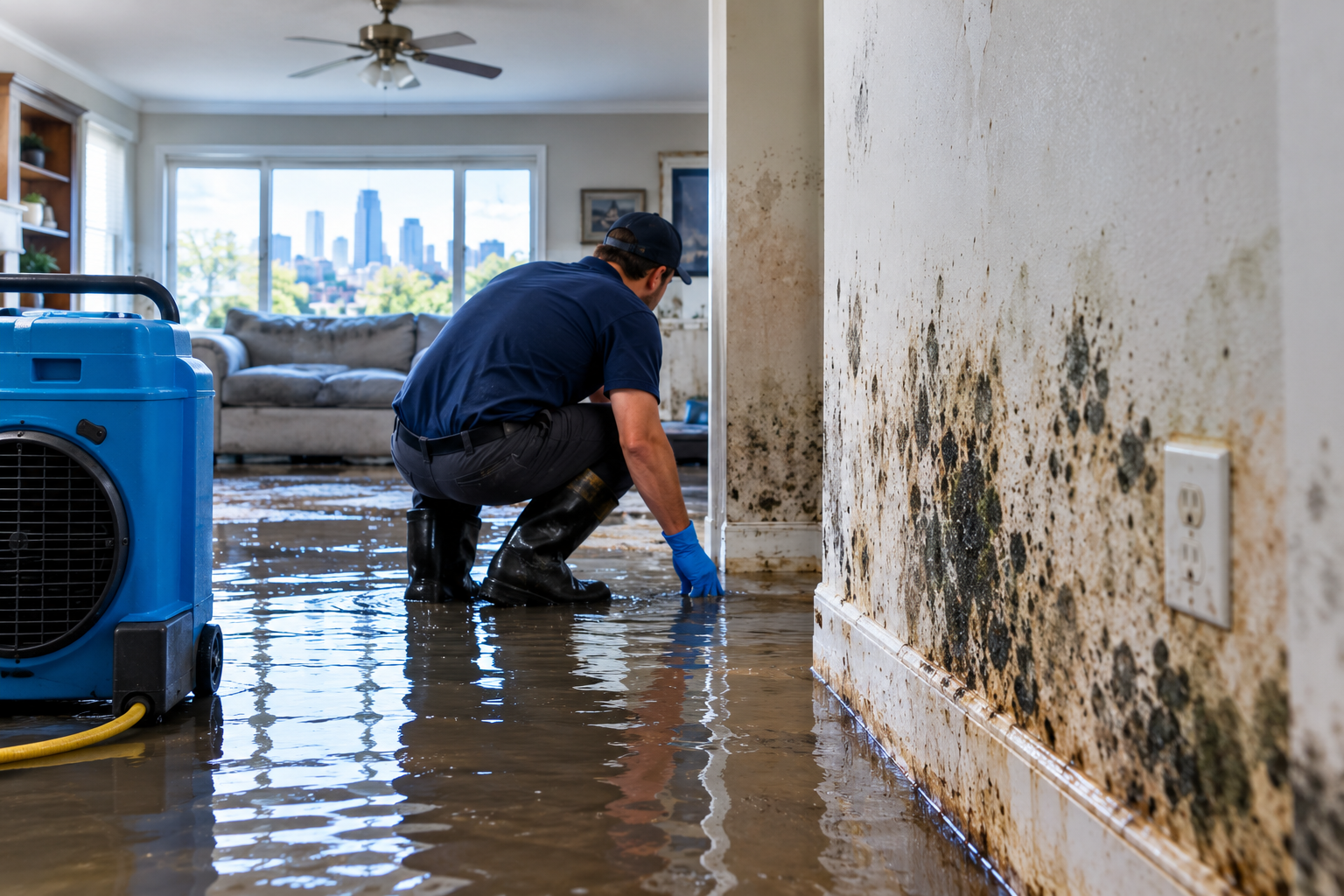
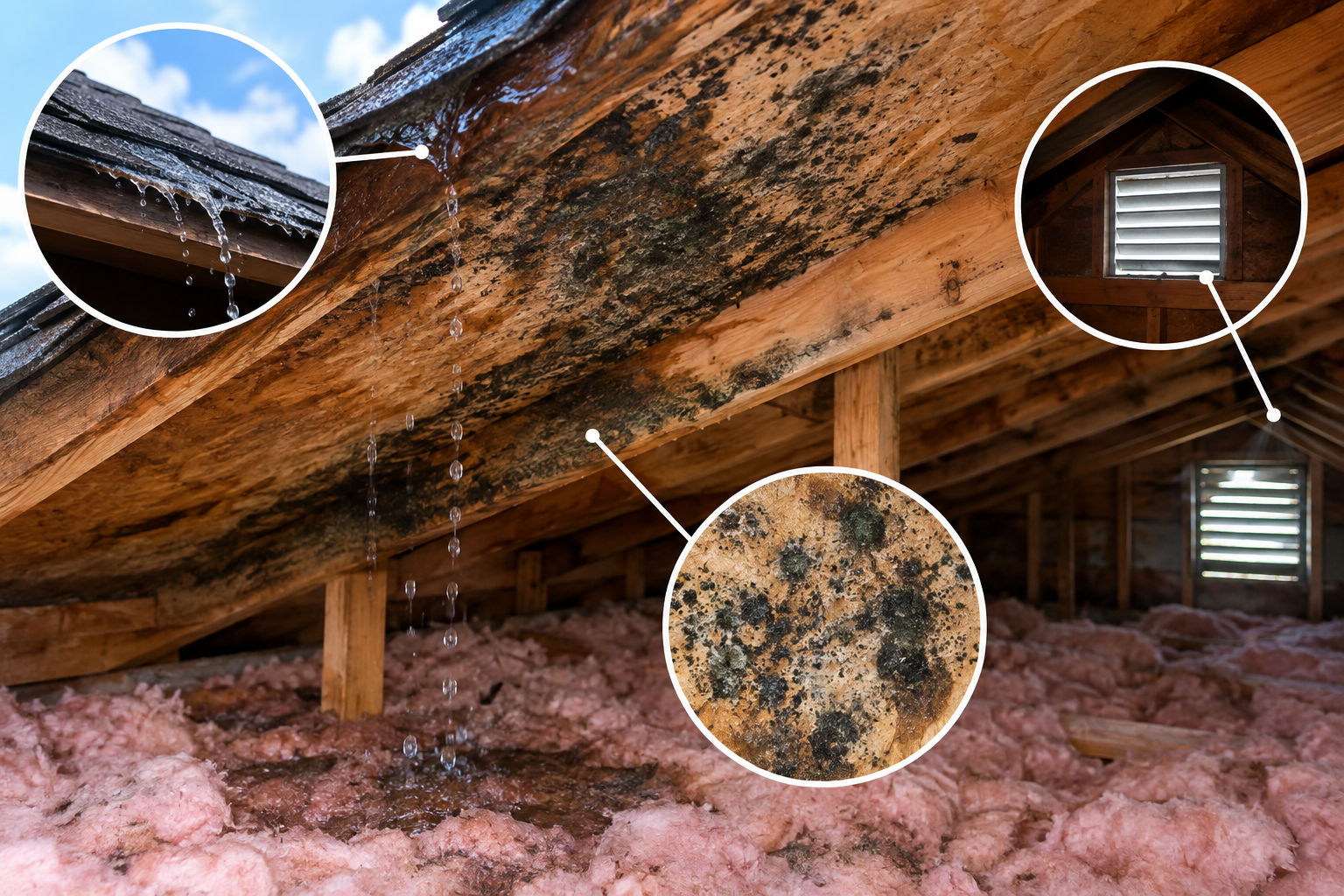
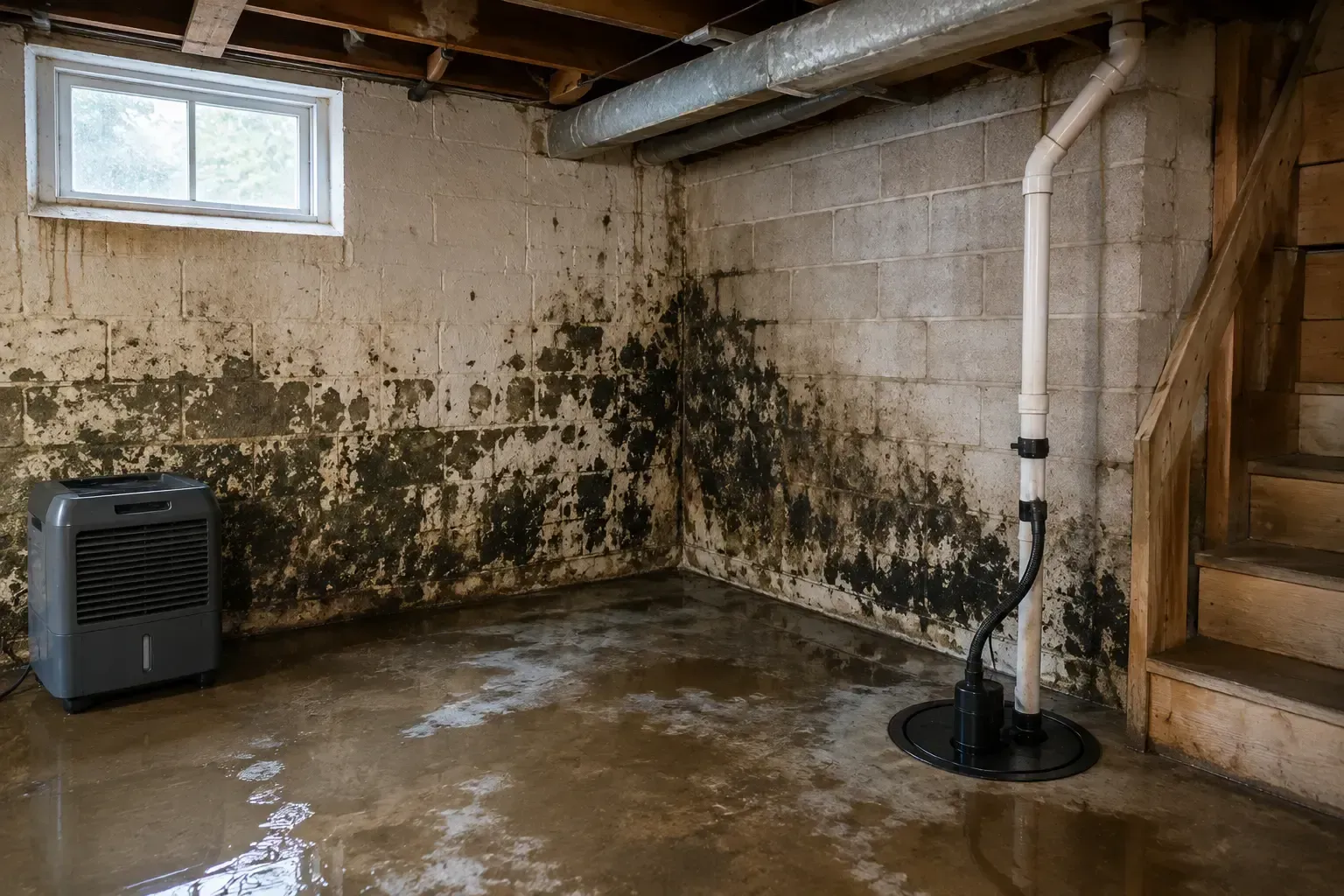
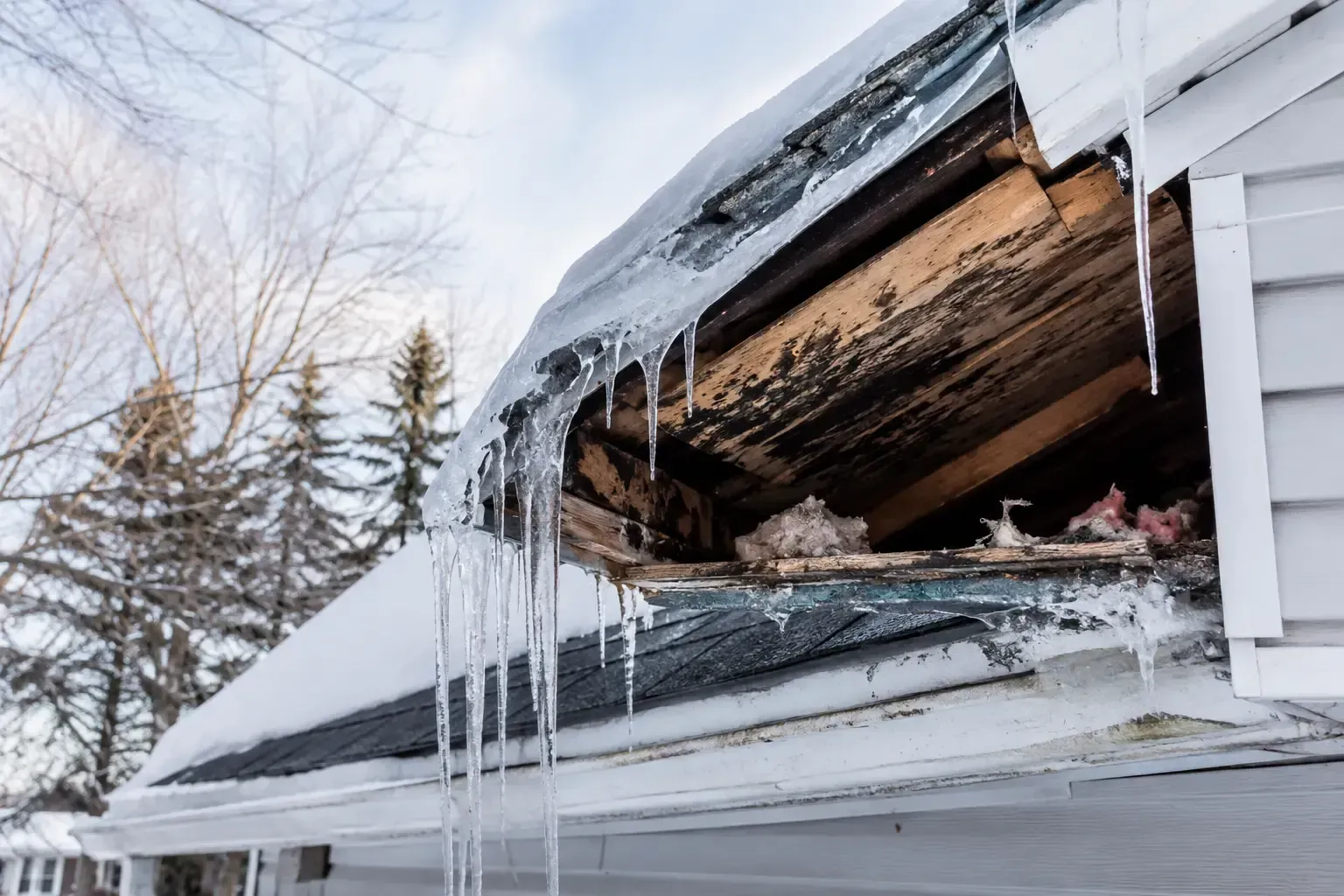
Raleigh sits in a humid subtropical zone with warm, wet summers. Afternoon storms push moisture indoors for months. Crawl spaces, basements, and bathrooms stay damp long after the rain stops.
The EPA notes that indoor mold needs moisture to grow. Control the water and you control the mold. That single rule guides every effective cleanup.
Who Faces the Greatest Risk
Not everyone reacts the same way to spores. Infants, older adults, and people with asthma are the most sensitive. Those with weakened immune systems can develop more serious lung infections. If symptoms linger indoors, take them seriously.
Finding Hidden Mold in Your Home
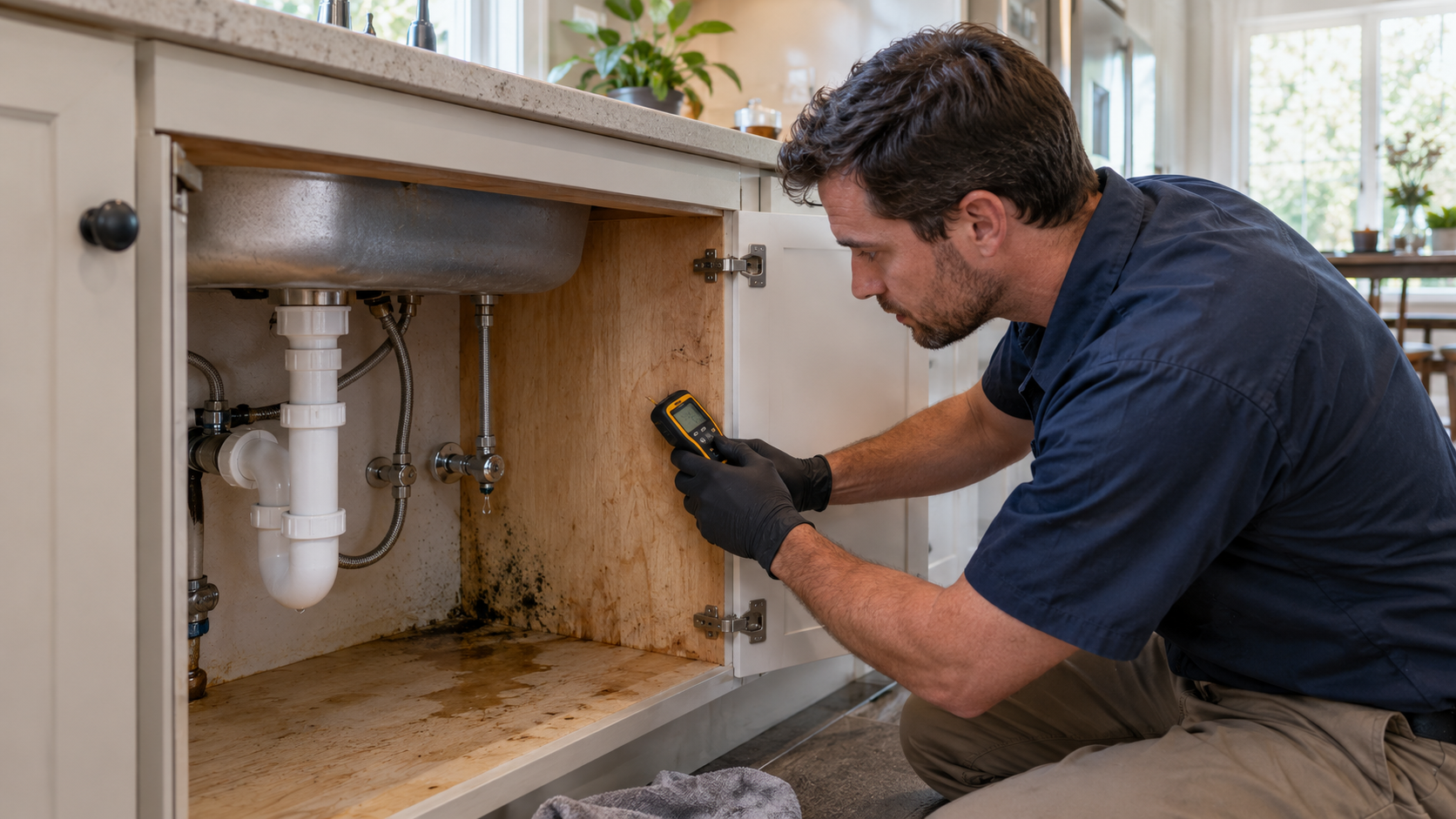
You can often smell mold before you see it. A musty odor near a wall or vent is a clear signal. Check under sinks, behind the washer, and around window frames.
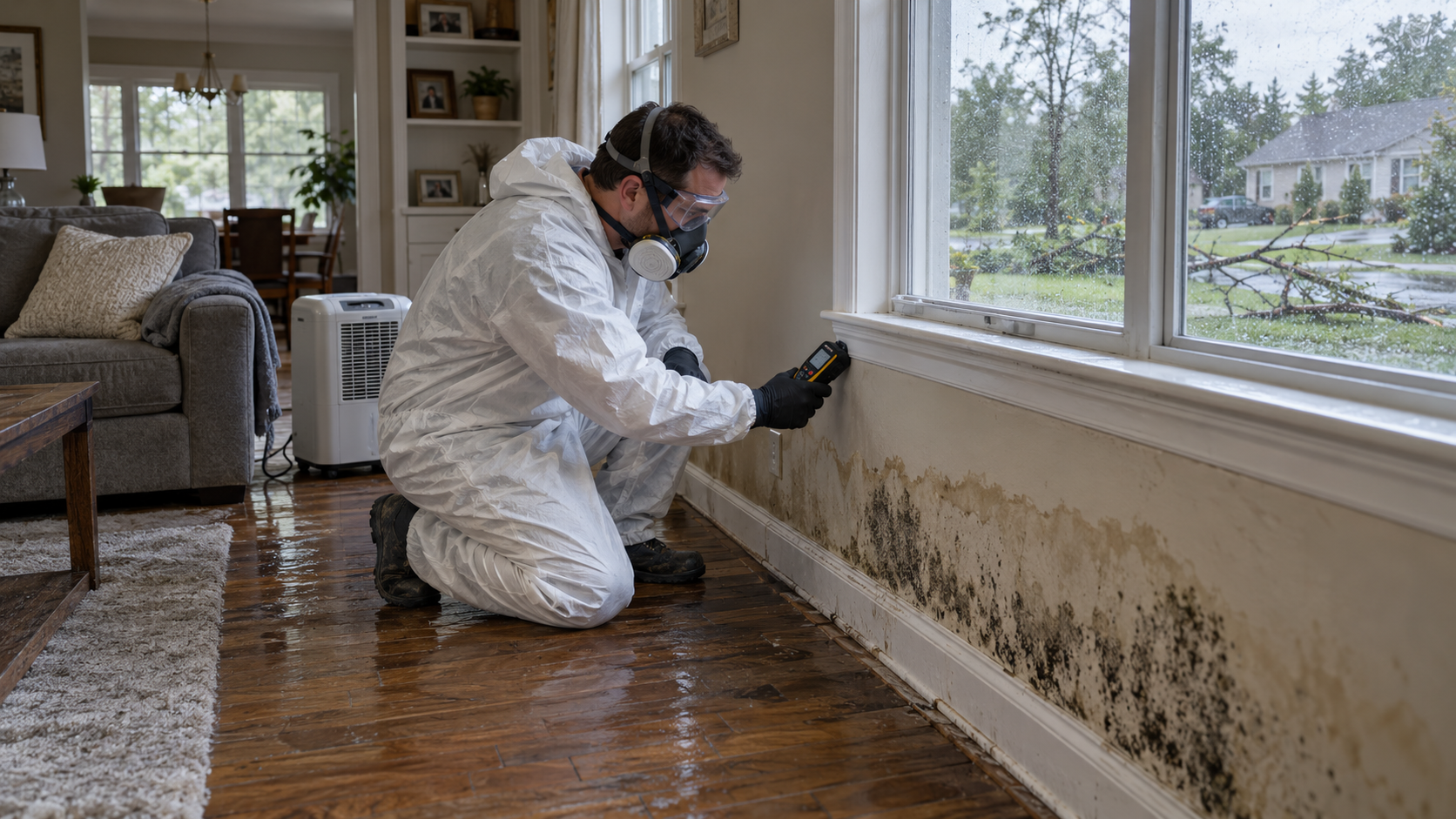
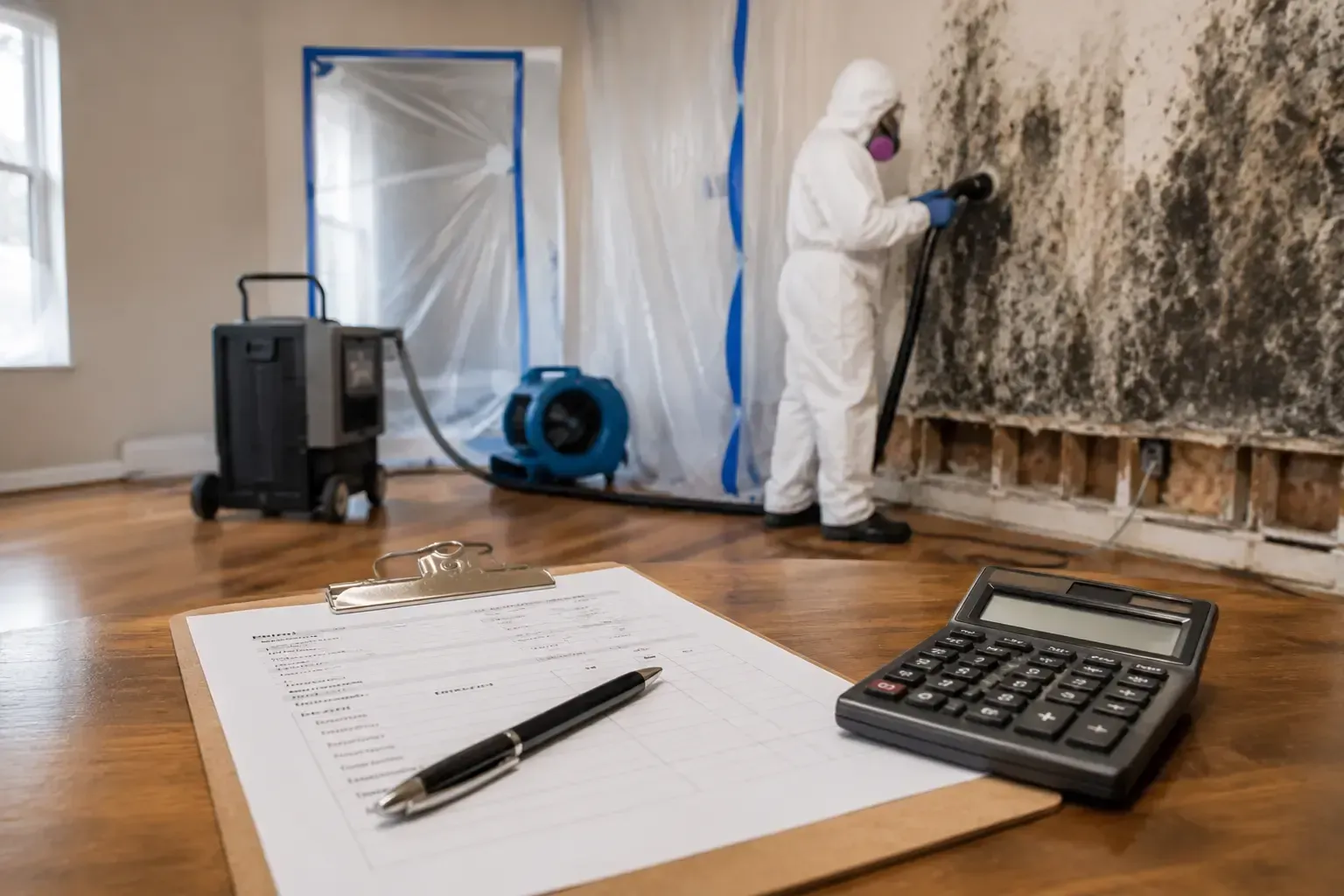
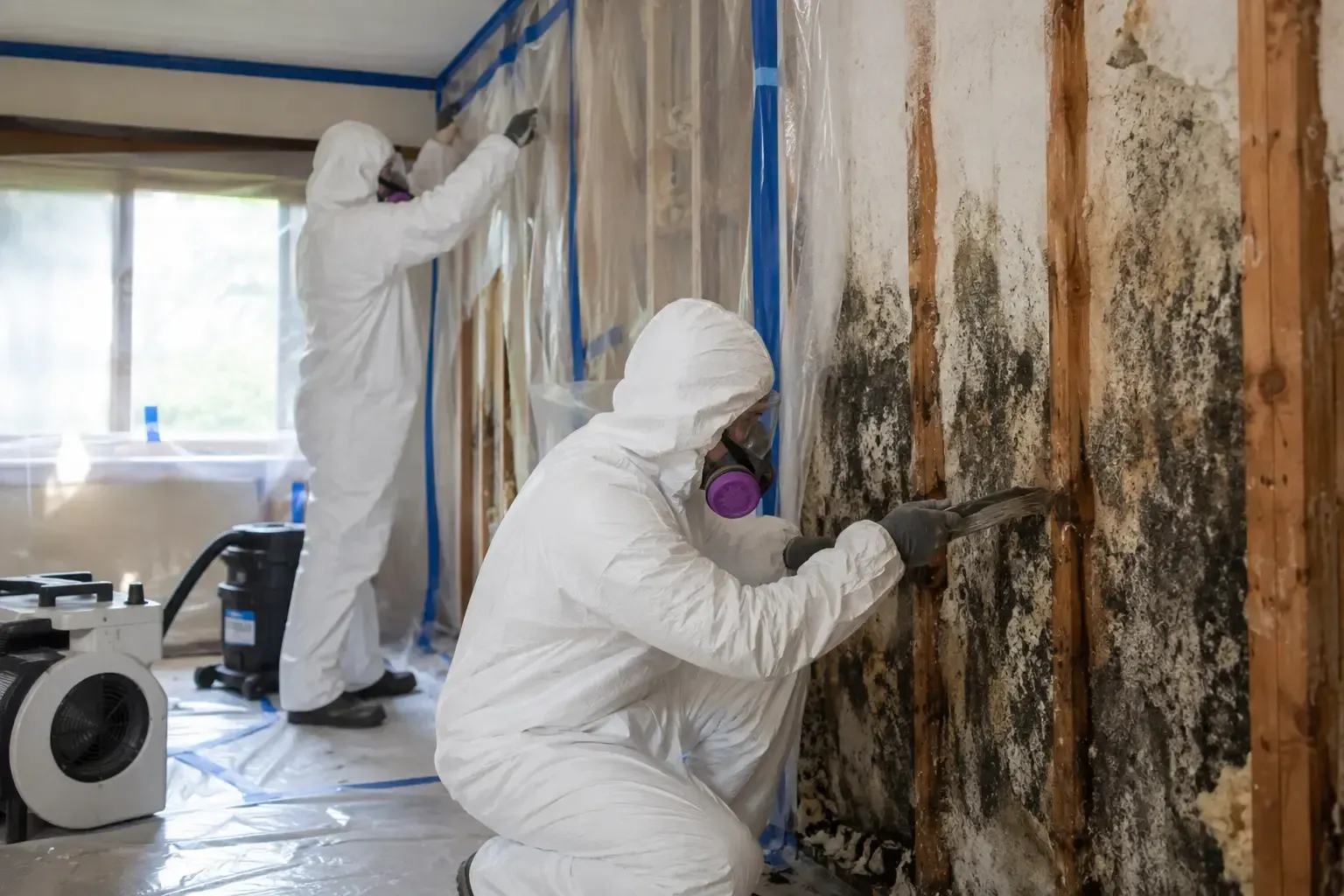
A professional mold inspection and removal in Raleigh can trace moisture you cannot reach. The Mold Warrior team uses meters and cameras to find damp spots inside walls.
Steps to Reduce Indoor Mold
- Keep indoor humidity below 50 percent with a dehumidifier or air conditioning.
- Fix leaky pipes, roofs, and windows within a day or two.
- Run exhaust fans in the bathroom and kitchen while they are in use.
- Dry wet carpet and drywall fast after any spill or overflow.
Mold and Asthma: A Closer Look
For people with asthma, mold does more than irritate. Spores can trigger attacks and tighten airways. Research links damp housing to more frequent wheezing in children. A dry home protects sensitive lungs year round.
When Symptoms Signal a Bigger Problem
Occasional sneezing is one thing. Constant congestion, headaches, and fatigue at home suggest heavier exposure. If the whole household feels better away from the house, the building deserves a closer look. Testing the air and surfaces can confirm it.
Cleaning Small Spots Safely
You can handle a few square feet of surface mold yourself. Wear gloves and a mask, scrub with detergent, and dry the area fully. Never paint over damp mold, since it grows back through the coating.
The Role of Humidity Control
Humidity is the quiet driver behind most indoor mold. A cheap hygrometer shows the moisture level in each room. Aim for 30 to 50 percent, and act when a space stays above that band.
Protecting Children and Seniors
Young lungs and older adults react faster to spores. Bedrooms should stay dry and well ventilated. Wash bedding often and keep windows clear of condensation on humid nights.
Long-Term Damage From Ignored Mold
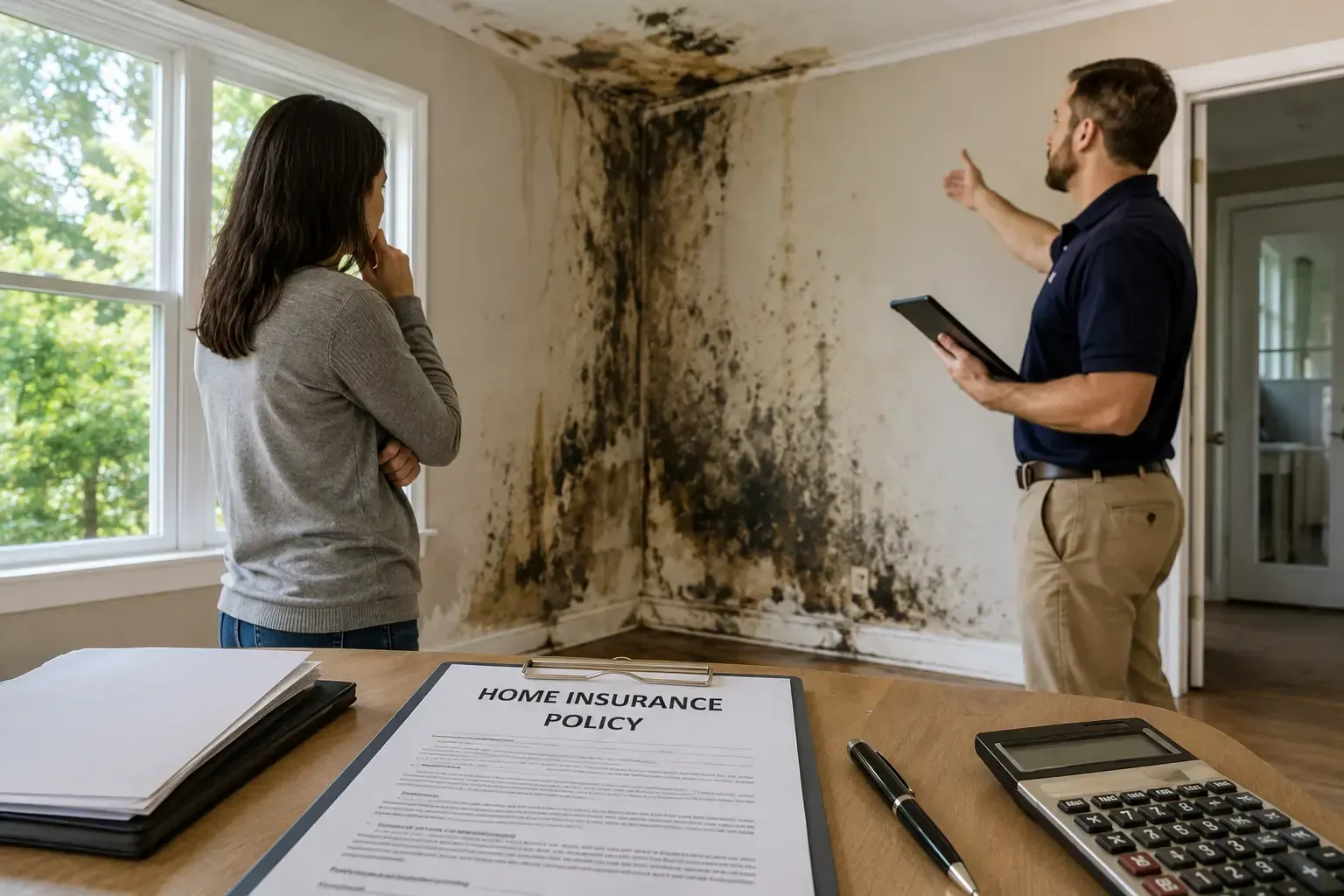
Left alone, mold spreads across drywall, wood, and insulation. It weakens materials and raises repair costs. Early action keeps a small allergy trigger from becoming a structural repair bill.
Ventilation Habits That Help
Airflow is your daily defense against spores. Open windows on dry days to flush out humid air. Keep furniture a few inches off exterior walls so air can move. Change the HVAC filter on schedule to trap floating spores before they spread through the house.
Mold Testing Versus Guessing
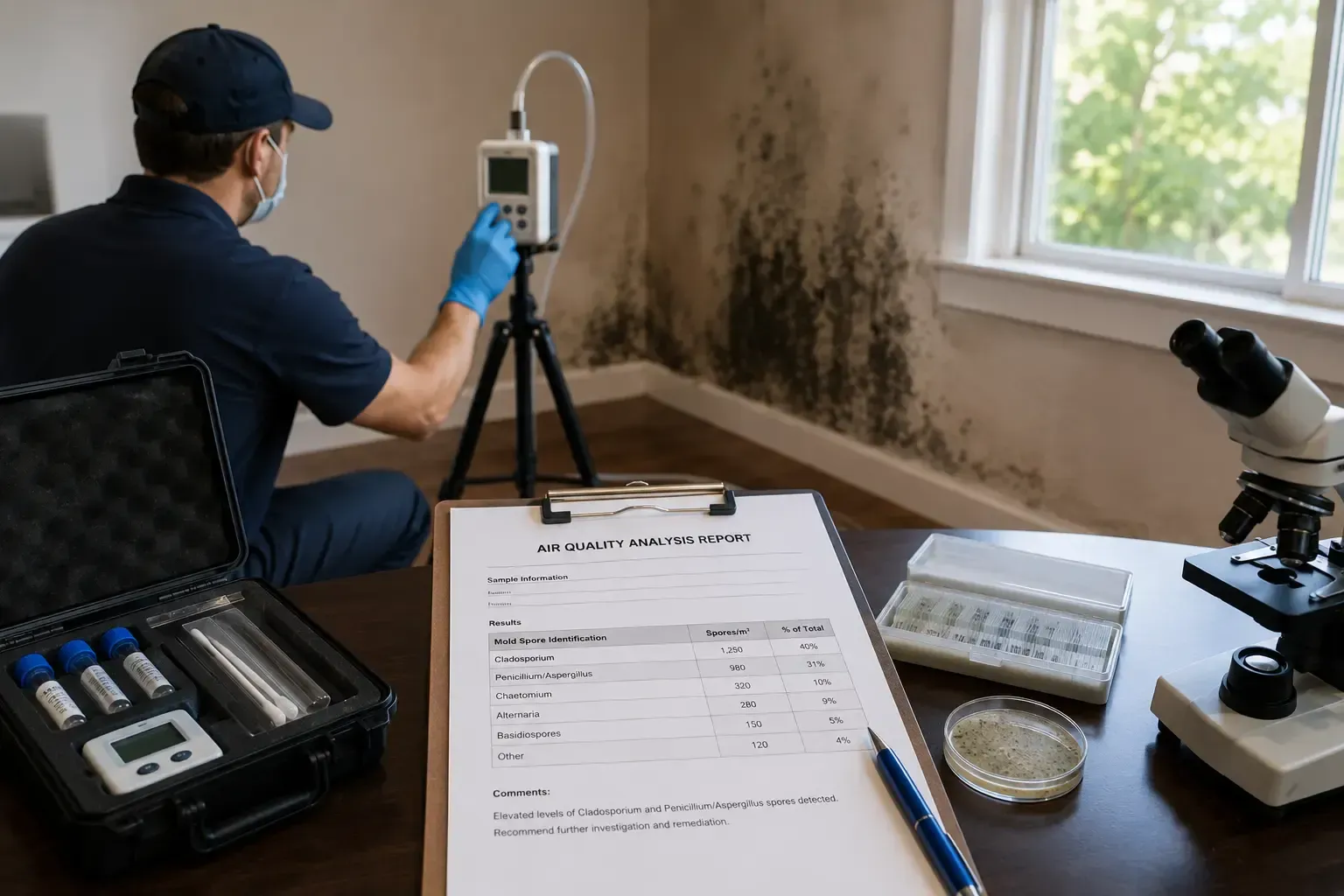
A musty smell tells you mold is present, but not where or how much. Professional testing samples the air and surfaces for an honest reading. That data guides a targeted cleanup instead of a guess. It also gives allergy sufferers a clear baseline to measure progress against.
What Recovery Looks Like
Once the moisture source is fixed and the mold is gone, symptoms usually fade within days. Air quality improves as spore counts drop. Keep humidity low afterward so the problem does not return. A dry home is the lasting goal, not a one-time scrub of the surface.
Everyday Signs Worth Noticing
Pay attention to the patterns your body reports. Morning congestion that clears at work is a clue. A cough that lingers only at home is another. Peeling paint, warped trim, and dark grout lines back up what your symptoms already suggest is happening.
Frequently Asked Questions
Can mold in my house cause allergy symptoms?
Yes. Mold spores are a known allergen. Breathing them can cause sneezing, congestion, coughing, and itchy eyes, especially indoors.
How do I know if my symptoms come from mold?
Notice when symptoms flare. If they worsen at home and ease when you leave, mold is a likely cause. A doctor can confirm with allergy testing.
Does bleach fix a mold problem for good?
Surface bleach hides the stain but leaves the moisture source. Mold returns unless you dry the area and repair the leak feeding it.
Is a little mold in the bathroom dangerous?
Small amounts on grout are common and easy to clean. Growing patches or a returning smell point to a deeper moisture issue worth checking.
Breathe Easier at Home
Allergy season is hard enough without mold making it worse. If damp rooms and stubborn symptoms track together, act early. The
Mold Warrior team serving Raleigh can inspect, contain, and remove the source. Clear air starts with a dry, healthy home.