Can Thrift Shopping and Antique Finds Bring Mold Into Your Home?
Many people love thrift shopping and hunting for unique antiques. A special lamp, an old wooden shelf, or a vintage chair can add character to a home. At Mold Warrior, we have seen a hidden problem that some thrift shoppers never expect: mold that travels home with those finds.
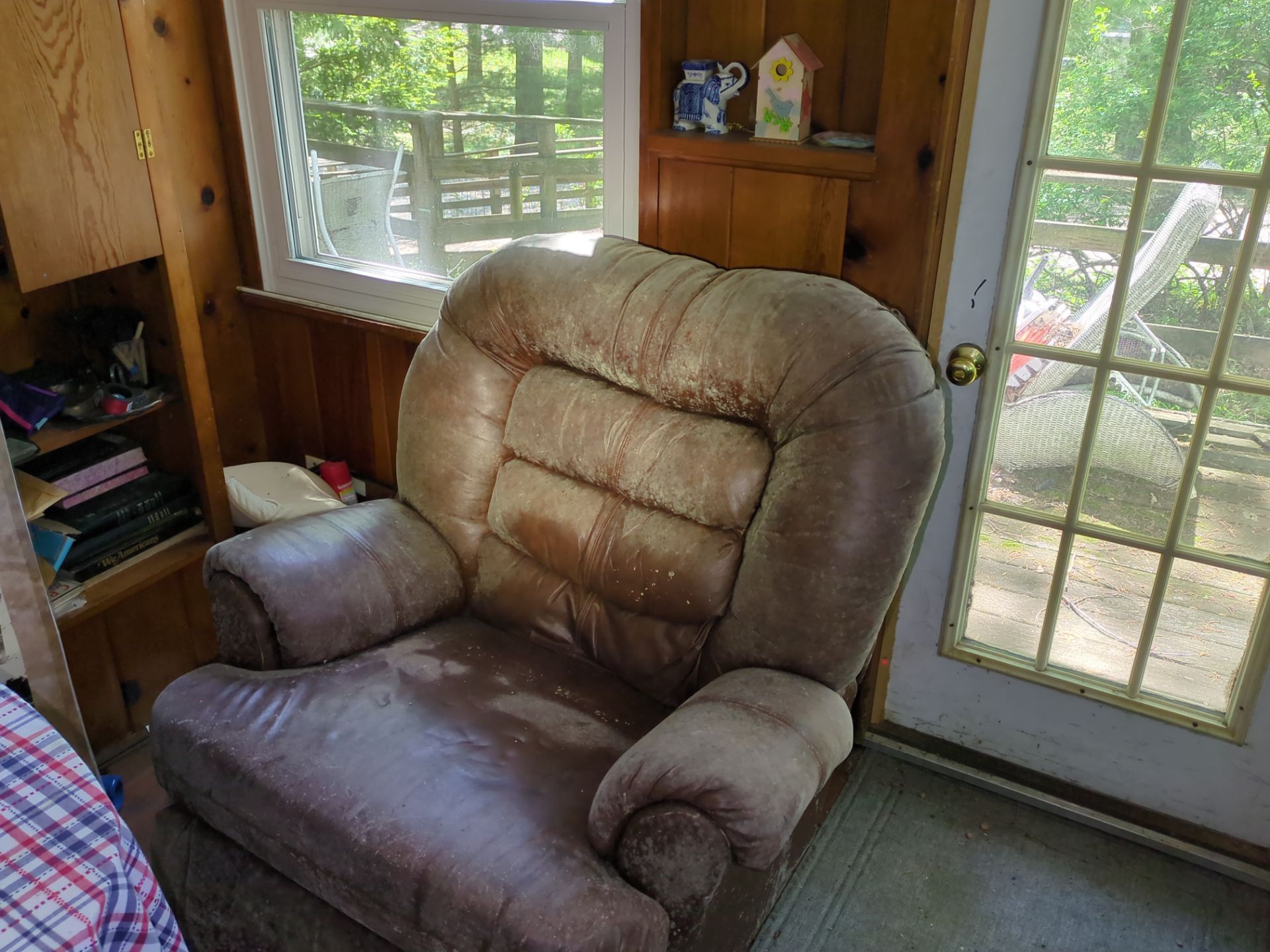
Stores and antique shops usually do not know the full history of the items they sell. Sometimes those pieces spent years in a damp basement, a closed-up lake house, or a home with water damage. When humidity rises in your house, mold that was quiet on the item can start growing again and spread to nearby furniture, shelves, walls, and other belongings.
Real Projects That Show How This Happens
We have seen this cycle more than once.
In one project, we performed careful fine particle cleaning (a detailed cleaning that removes tiny dust and particles that can carry mold) for a homeowner who loved thrifting and antiquing. She had many second-hand items throughout her house. Over time, those pieces became a source of mold growth when humidity levels rose.
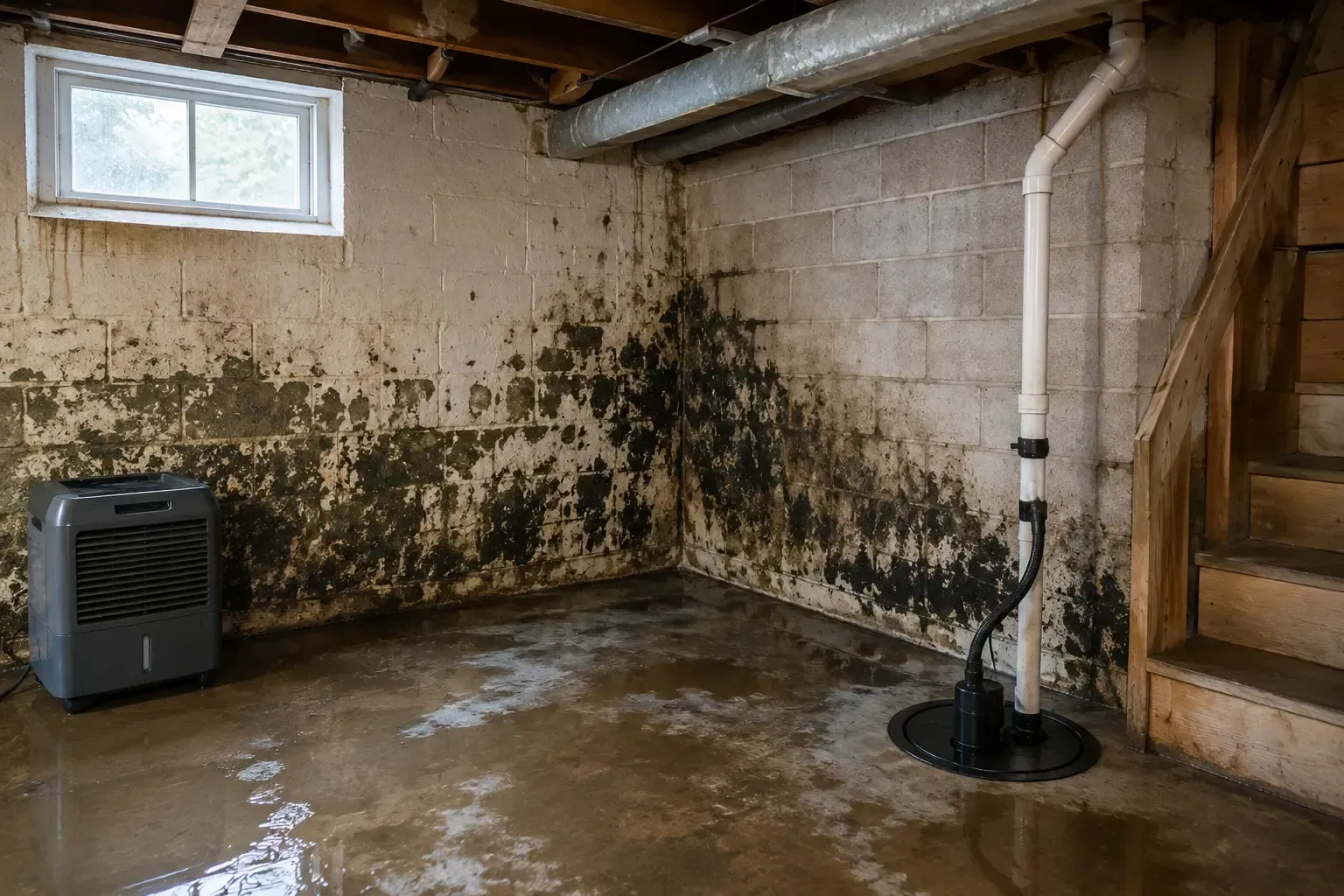
Around the same time, we worked on a family lake house near Lake Michigan in Southwest Michigan. The home had been in the family since the 1940s. After the original owners passed away, the house was inherited by a family member who lived out of state. For five or six years the utilities were shut off. The house sat closed and still, right next to the lake. Humidity built up inside. When we arrived, many surfaces and items were covered in yellow mold.
Beautiful antiques had to be discarded because they were too contaminated to safely save. While we were there, we learned that some people, rather than throwing moldy items away, donate them to antique stores or thrift shops. Those same pieces can later be purchased by someone who has no idea of their history and brought into a new home.
How Mold from Thrifted Items Spreads
Mold needs moisture to grow. When humidity spikes (times of the year when the air holds more moisture), mold on a contaminated antique can become active. It can then move to:
- Nearby shelves and furniture
- Curtains or fabric items
- Other decorations placed close by
- Eventually walls, baseboards, or carpets if conditions stay damp
This does not happen overnight with one item. It usually builds when someone brings home many second-hand pieces over time and places them throughout the house.
Simple Steps to Protect Your Home Before Bringing Items Inside
You do not have to stop thrift shopping or buying antiques. You just need a quick safety step.
Before you bring any thrifted or antique item into your home:
- Leave it in the garage, driveway, or outdoors for cleaning.
- Wipe every surface thoroughly with an antimicrobial product. An antimicrobial is a cleaner that helps kill or stop the growth of mold and bacteria. Follow the product label directions.
- Pay extra attention to wood, fabric, paper, and any porous (absorbent) materials where mold can hide.
- Let the item dry completely before moving it inside.
- Check for musty smells, unusual spots (yellow, black, green, or white), or powdery residue. If you are unsure, it is safer to leave the item outside or discard it.
Also keep indoor humidity lower in your home (ideally under 50–60 percent) with a dehumidifier if needed. This makes it harder for any remaining spores to grow.
When to Call a Professional
If you already have thrifted items in your home and notice a musty smell, new spots, or allergy symptoms that seem worse indoors, it is a good idea to get a professional look. Mold can hide in places you cannot easily see.
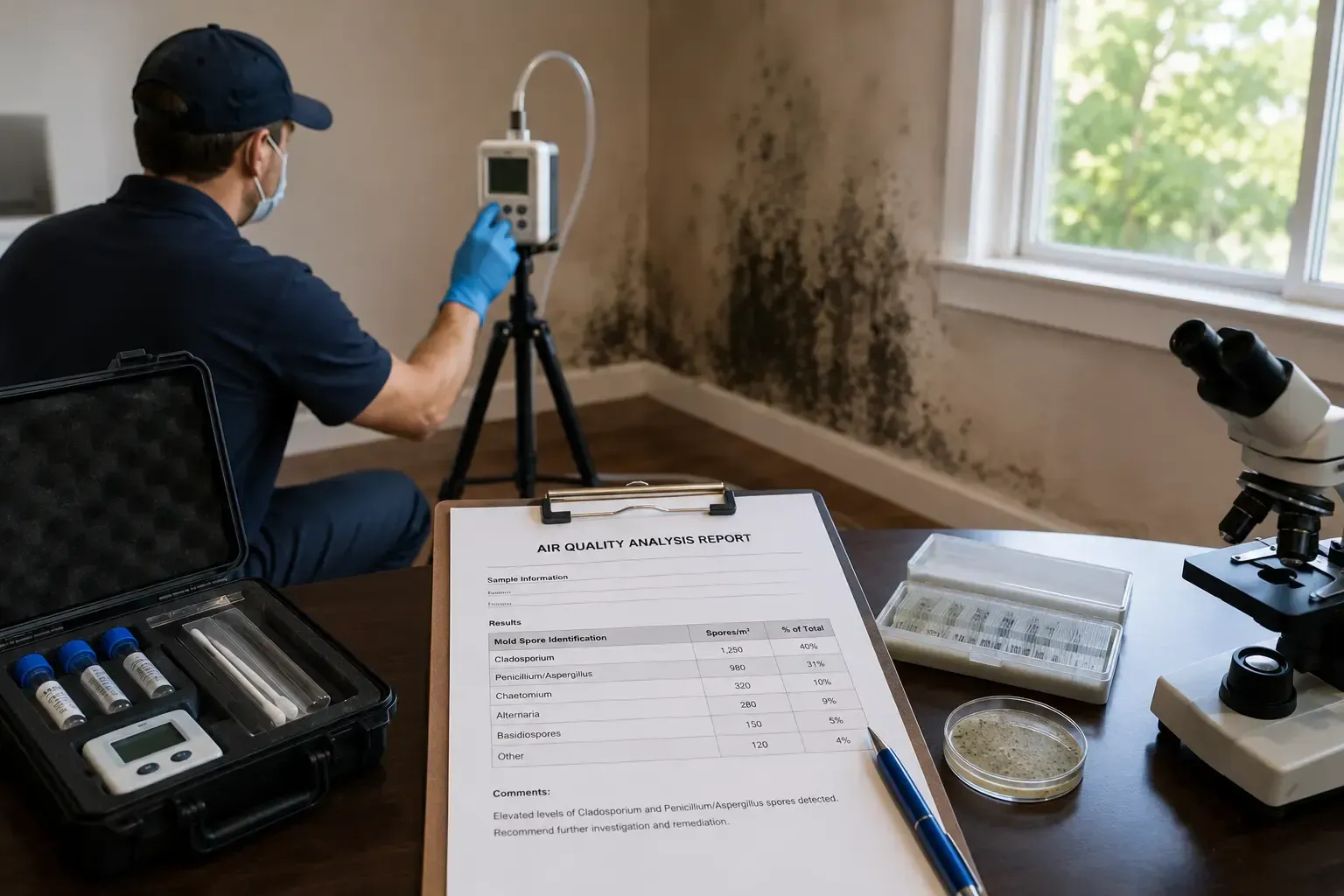
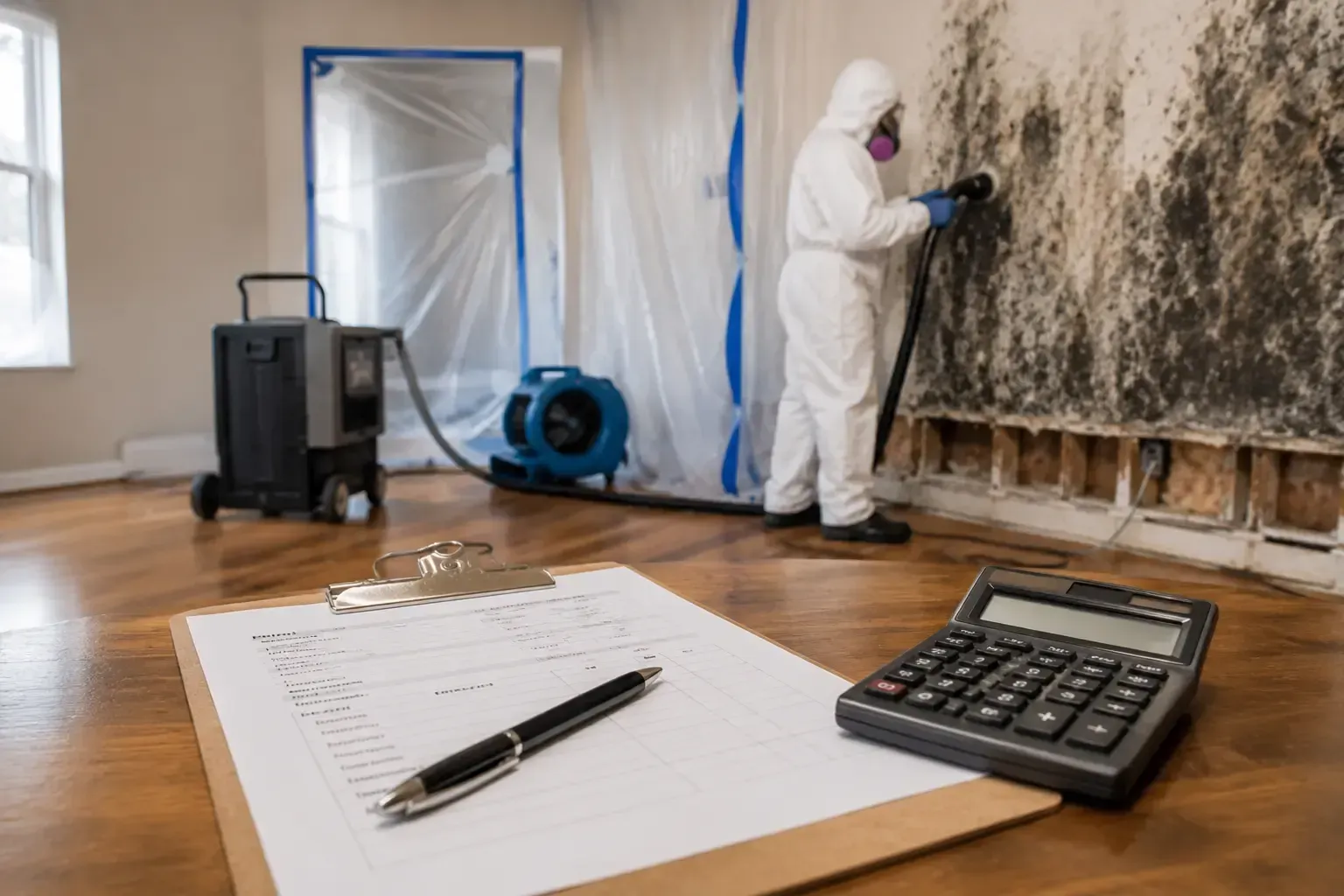
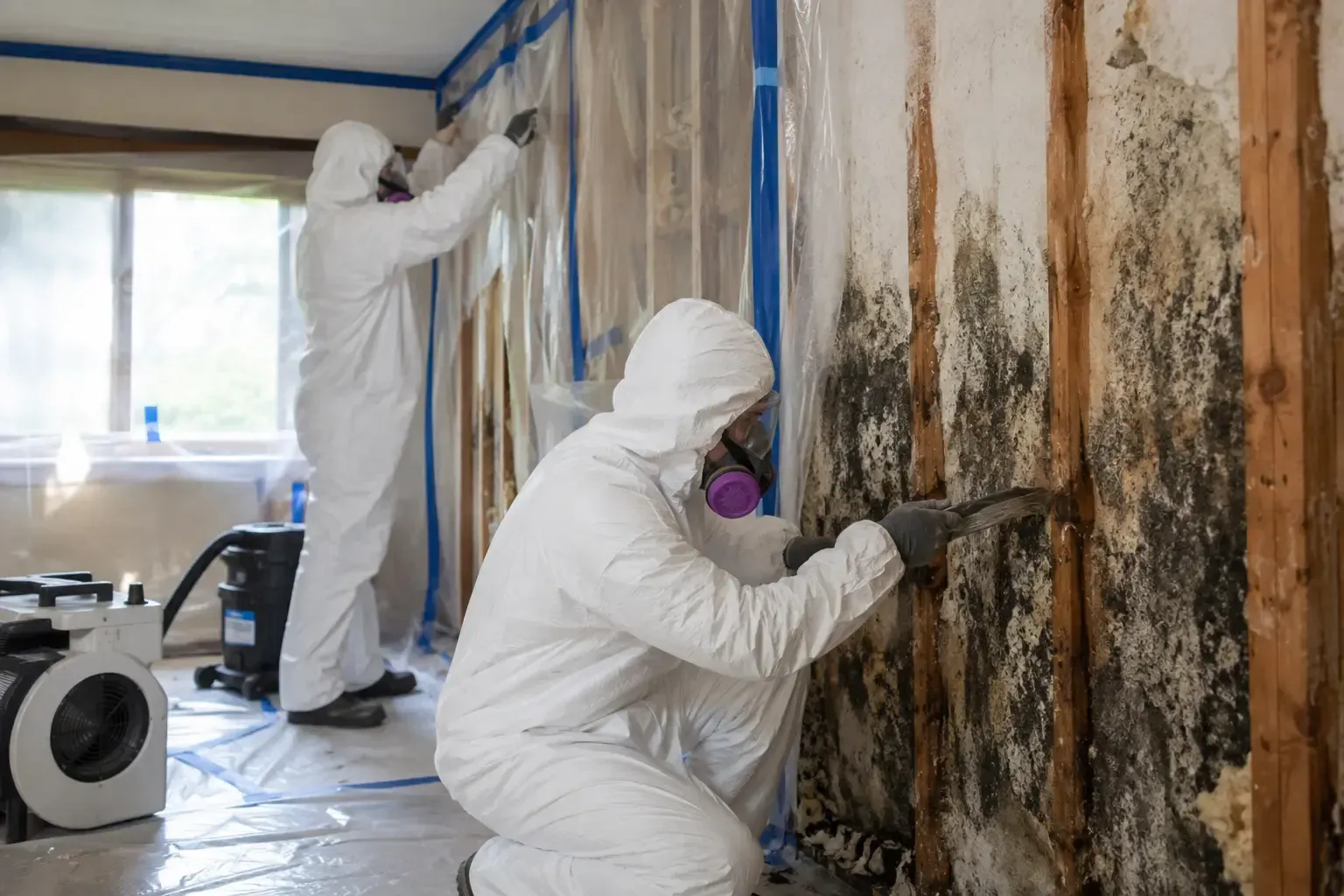
Mold Warrior offers free visual mold inspections in all of our service areas. We also provide accurate mold testing(air, surface, and other samples) and safe, non-toxic mold remediation. As an IICRC Certified Firm, we follow industry standards and back our remediation work with a 2-year warranty.
We Serve These Areas
- Southwest Michigan (Berrien County, Van Buren County, Cass County) and Northwest Indiana (South Bend, Elkhart, La Porte, Michigan City, and nearby)
- Kansas City
- Columbus, Ohio
- Atlanta, Georgia
- Raleigh, North Carolina
- Denver, Colorado
Find your nearest location or schedule a free inspection.
Frequently Asked Questions
Can thrift store or antique items really carry mold into my house?
Yes. Items that sat in damp basements or closed-up homes can carry mold. When humidity rises later, that mold can grow and spread.
What should I look for on thrifted items?
Musty odors, colored spots (especially yellow, black, or green), powdery residue, or soft/damaged areas on wood or fabric.
Is it safe to clean thrifted furniture myself?
For most hard surfaces, wiping with an antimicrobial in the garage is a good first step. Heavily contaminated or porous items are better left outside or discarded. When in doubt, get a professional opinion.
What if I already brought several antique pieces home?
Watch for musty smells or new growth. A free visual inspection from Mold Warrior can help identify whether mold is present and what to do next.
Thrift shopping can be fun and rewarding. A few careful cleaning steps before items enter your home go a long way toward keeping your living space healthy. If you ever need help with mold testing, remediation, or water damage concerns, Mold Warrior is here for families across our service areas.