Mold Encapsulation vs Removal in Kansas City: When to Use Each
Key Takeaways
- Removal physically takes contaminated material out of your Kansas City home.
- Encapsulation cleans a surface, then seals it under an antimicrobial coating.
- Neither works unless the moisture problem is fixed first.
The Short Answer
These two methods solve mold in opposite ways. Removal takes the affected material out of the home. Encapsulation cleans the surface and seals it in place.
Both are legitimate when used correctly. The right choice depends on the material, the contamination, and the moisture. One is not simply better than the other.
What Mold Removal Is
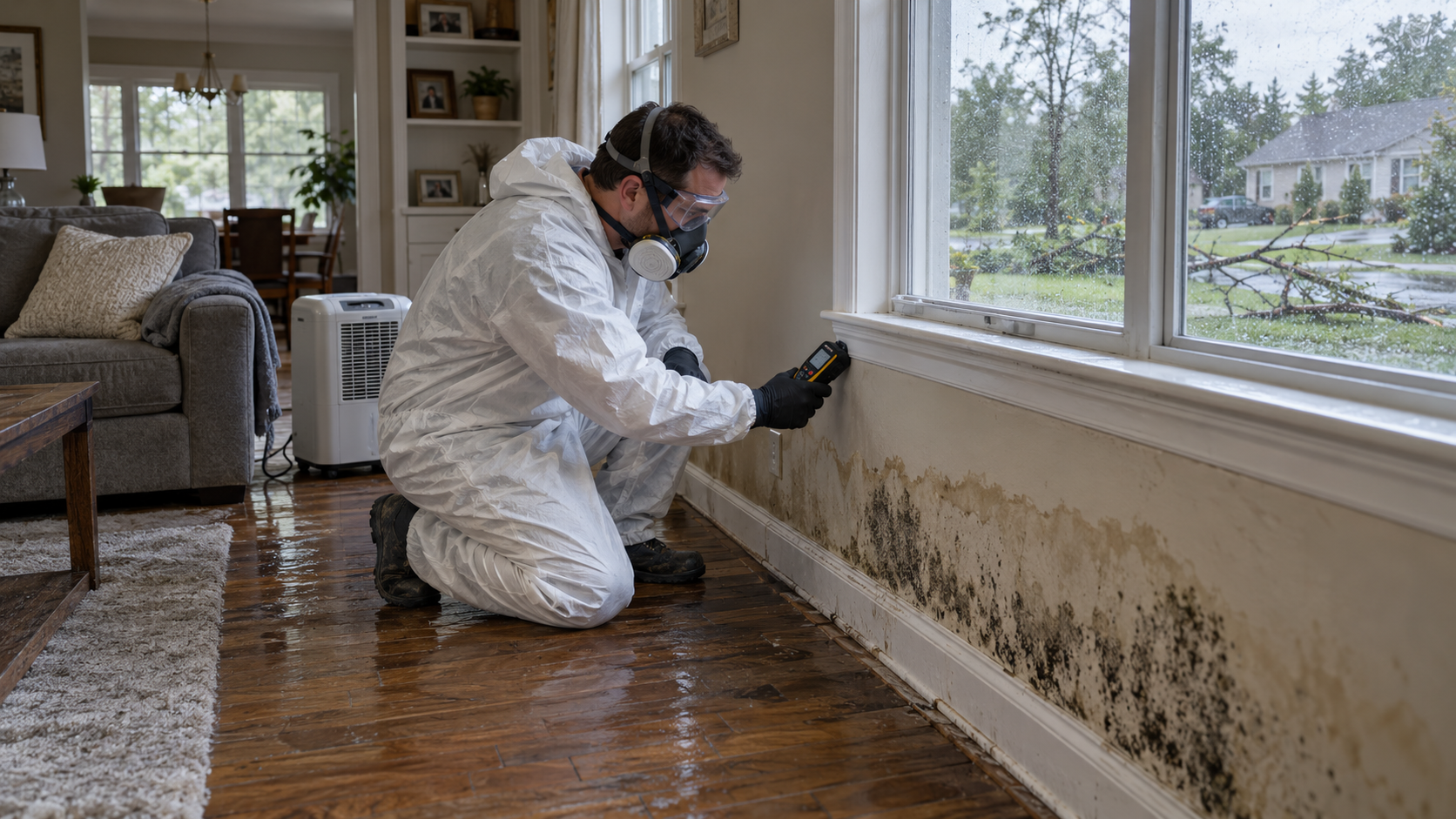
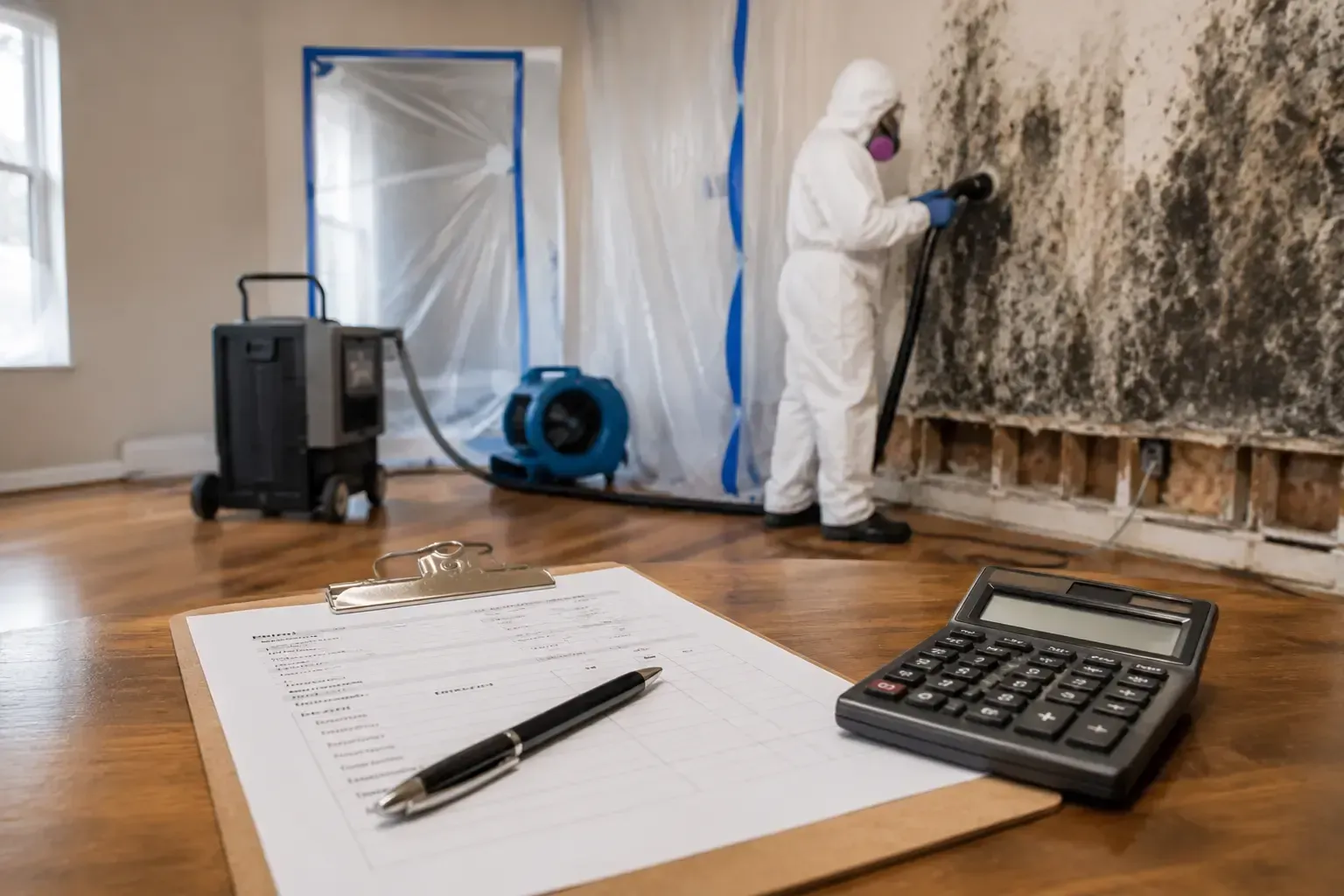
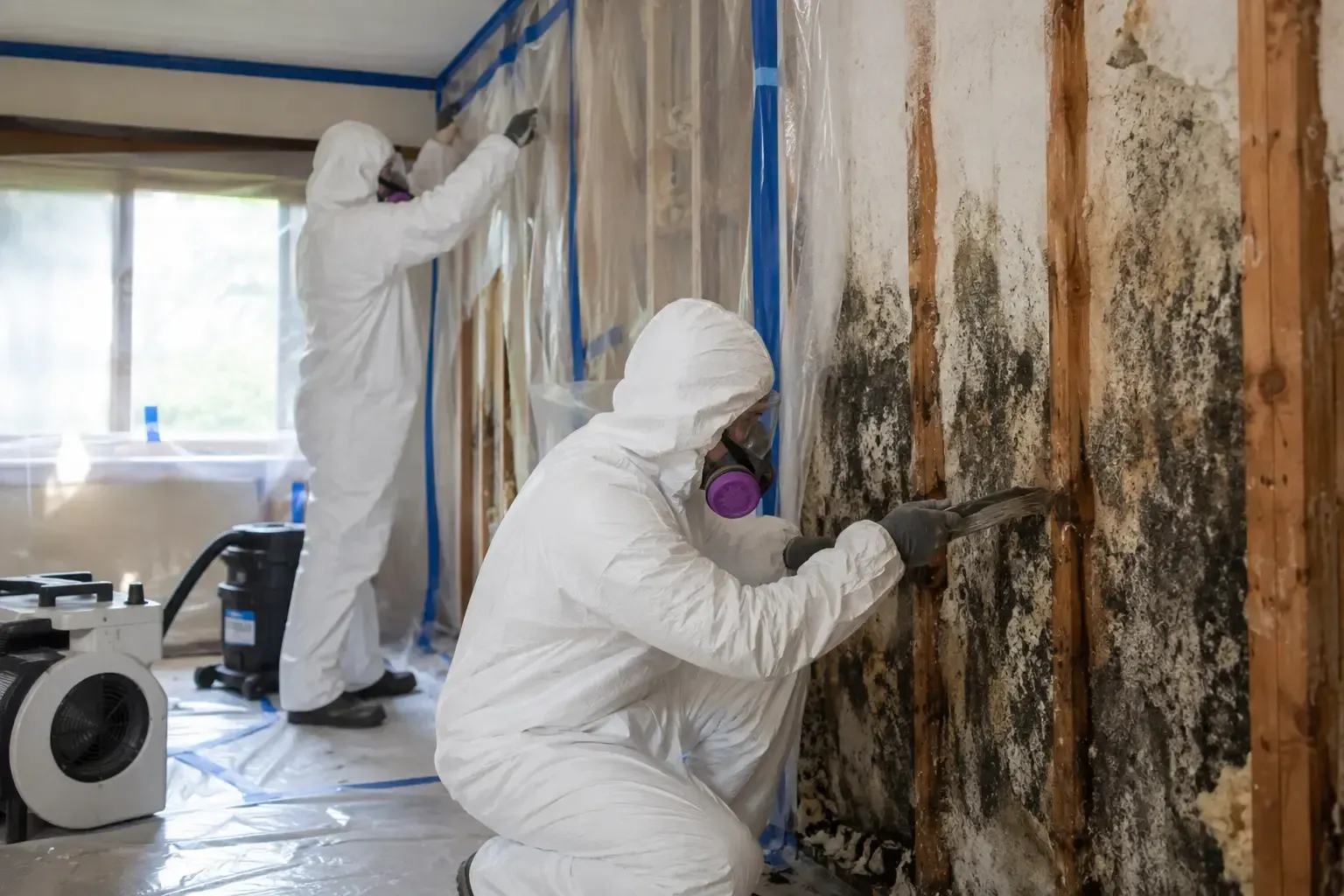
Removal is the classic approach for heavy contamination. Affected drywall, carpet, and insulation are cut out and hauled away. Professional mold removal in Kansas City also cleans the surrounding area under containment.
This method is best when the material is porous or badly infested. Once contaminated drywall is soaked with mold, cleaning cannot save it. Taking it out is the honest fix.
What Mold Encapsulation Is
Encapsulation works when the material must stay in place. The surface is cleaned, then coated with a bonded antimicrobial sealant. Mold Warrior uses a Shield+ encapsulation approach for this.
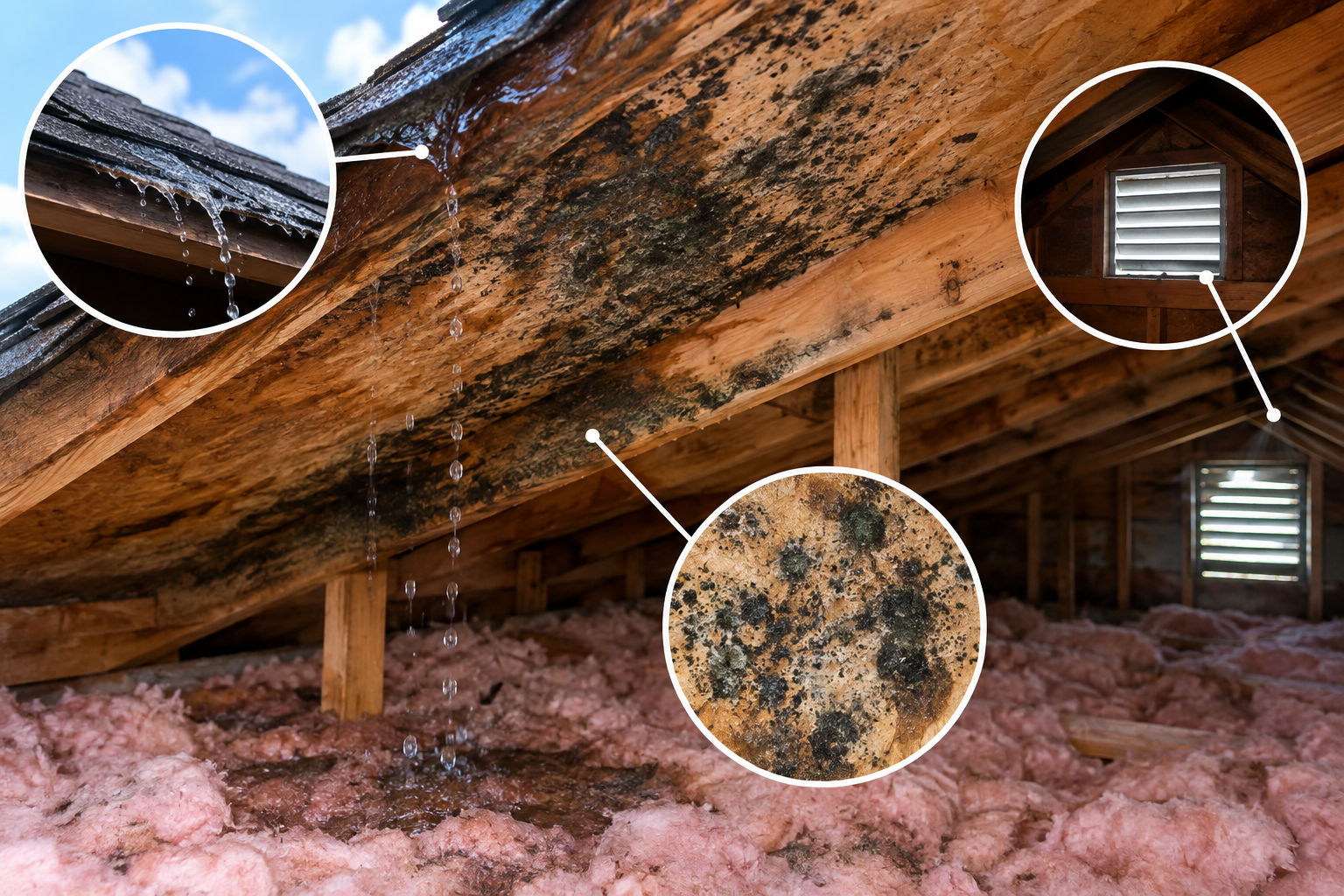
It fits structural wood that cannot be removed without demolition. Think framing, joists, and crawl space surfaces. The coating locks down any remaining spores and resists new growth.
Moisture First, Always
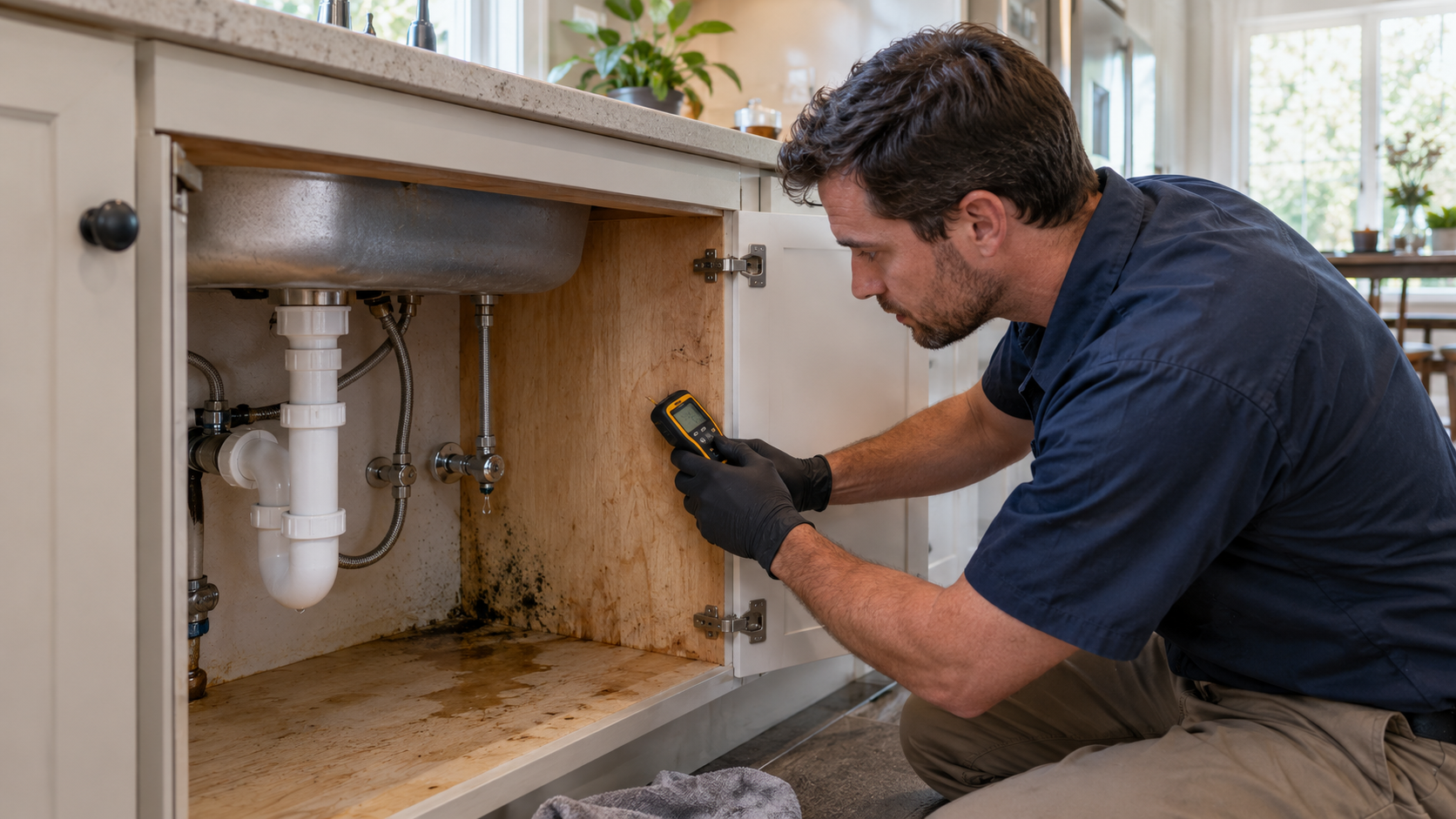
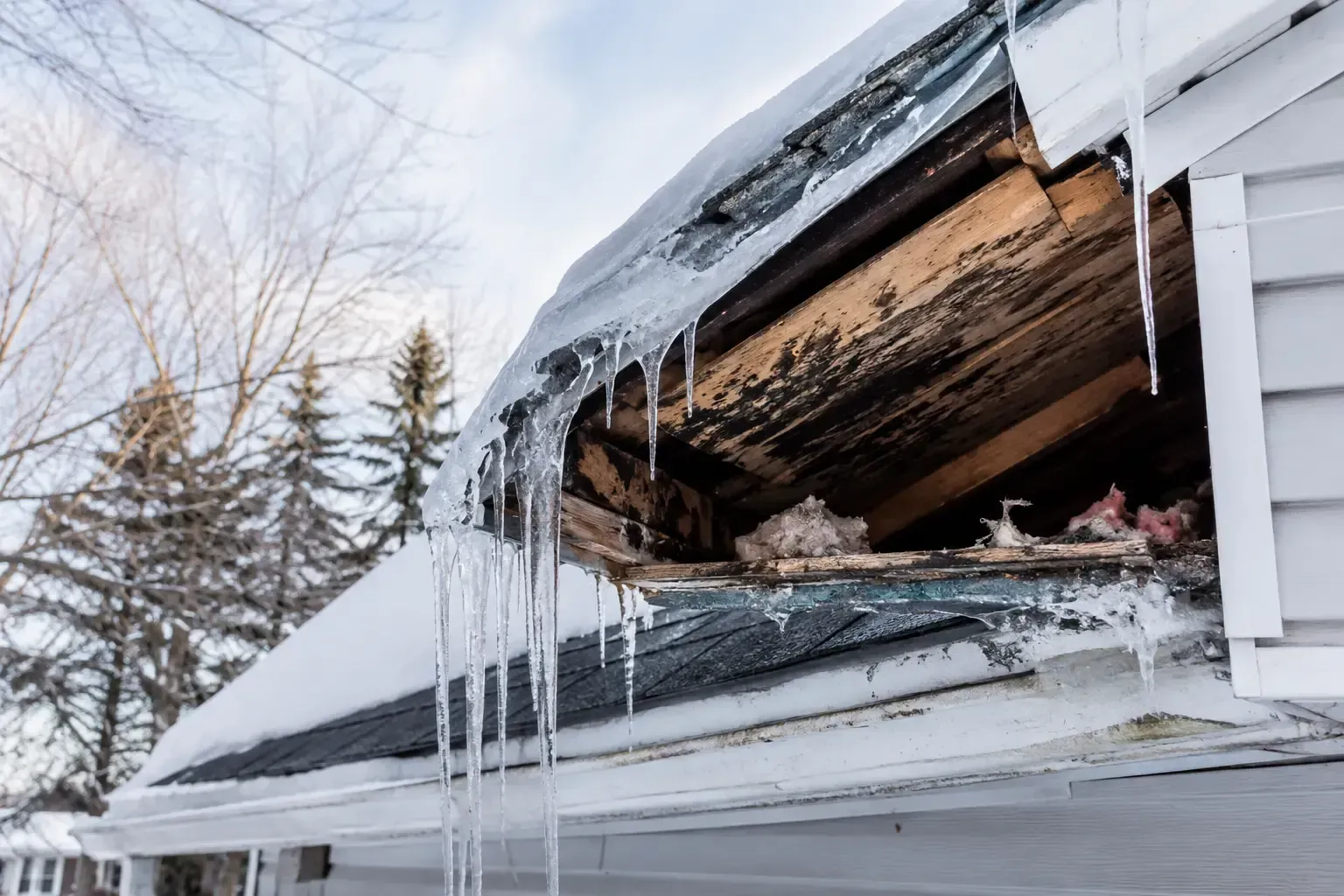
No method works if the moisture stays. Mold returns wherever dampness remains. The CDC ties mold control directly to moisture control, which is the rule behind every good remediation.
A pro brings humidity below 60 percent before treating anything. Leaks are fixed and the space is dried. Only then does removal or encapsulation begin.
When Removal Is the Right Call
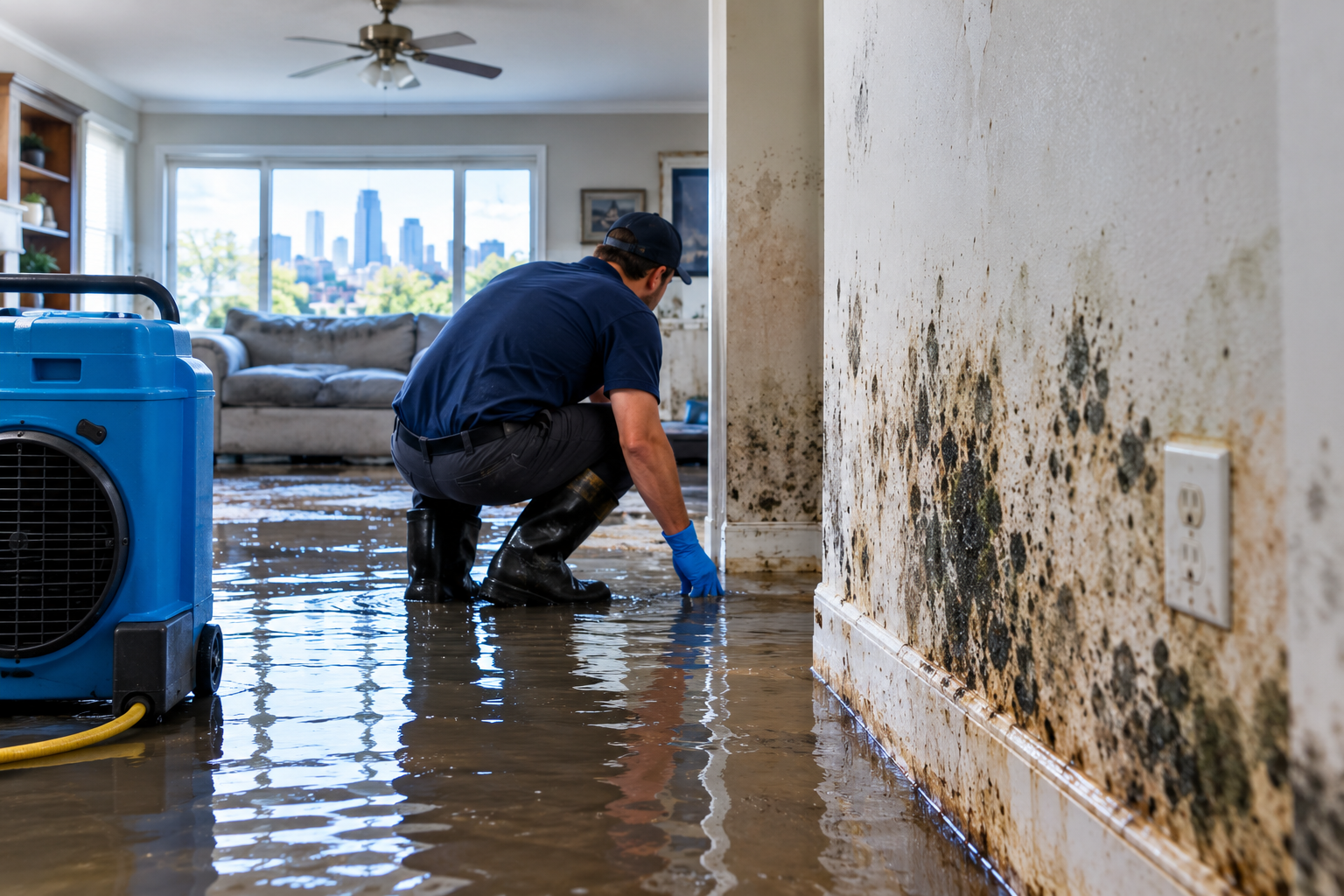
Removal wins when the contamination is heavy or the material is porous. Soaked drywall, carpet, and insulation belong in a dumpster, not a coating. The EPA guidance on mold cleanup points toward removing badly damaged materials.
It is also the call when the mold is widespread. Sealing over a heavy infestation only hides it. Removal clears the problem completely.
When Encapsulation Fits
Encapsulation shines on structural surfaces that are sound. Crawl space joists and framing are good examples. The wood is cleaned, treated, and sealed rather than demolished.
It is less disruptive and often less costly than tearing out structure. With moisture controlled, the seal holds for years. It is the right tool for the right situation.
How Encapsulation Coatings Work
An encapsulation coating is more than paint. It bonds to the surface and seals it. Antimicrobial properties resist new growth. The barrier locks down any remaining spores.
Why Porous Materials Get Removed
Porous materials absorb mold deep inside. Drywall, carpet, and insulation are examples. Cleaning the surface leaves growth within. That is why removal is the safer path.
Crawl Spaces and Encapsulation
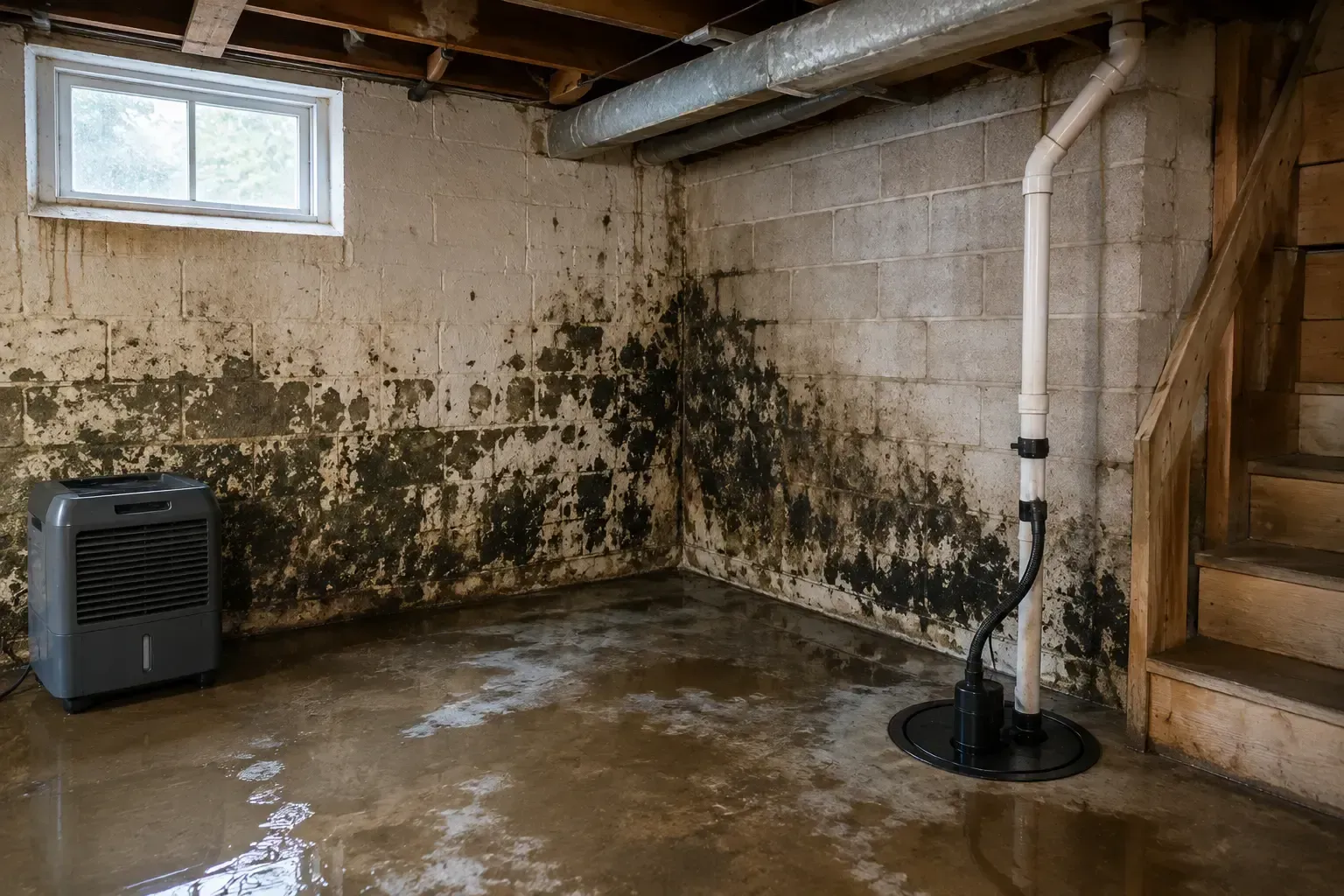
Crawl spaces are a classic encapsulation case. The framing must stay, but it grows mold. Cleaning and sealing the wood protects it. A dehumidifier keeps the space dry.
The Danger of Sealing Over Active Mold
Sealing wet, active mold is a mistake. The moisture keeps feeding growth under the coating. Eventually it breaks through or spreads. Fixing moisture first is non-negotiable.
Humidity Control in Kansas City
Kansas City summers bring real humidity. Indoor moisture climbs and feeds mold. Dehumidifiers and ventilation keep it in check. Controlling humidity is half the battle.
Testing and Verification
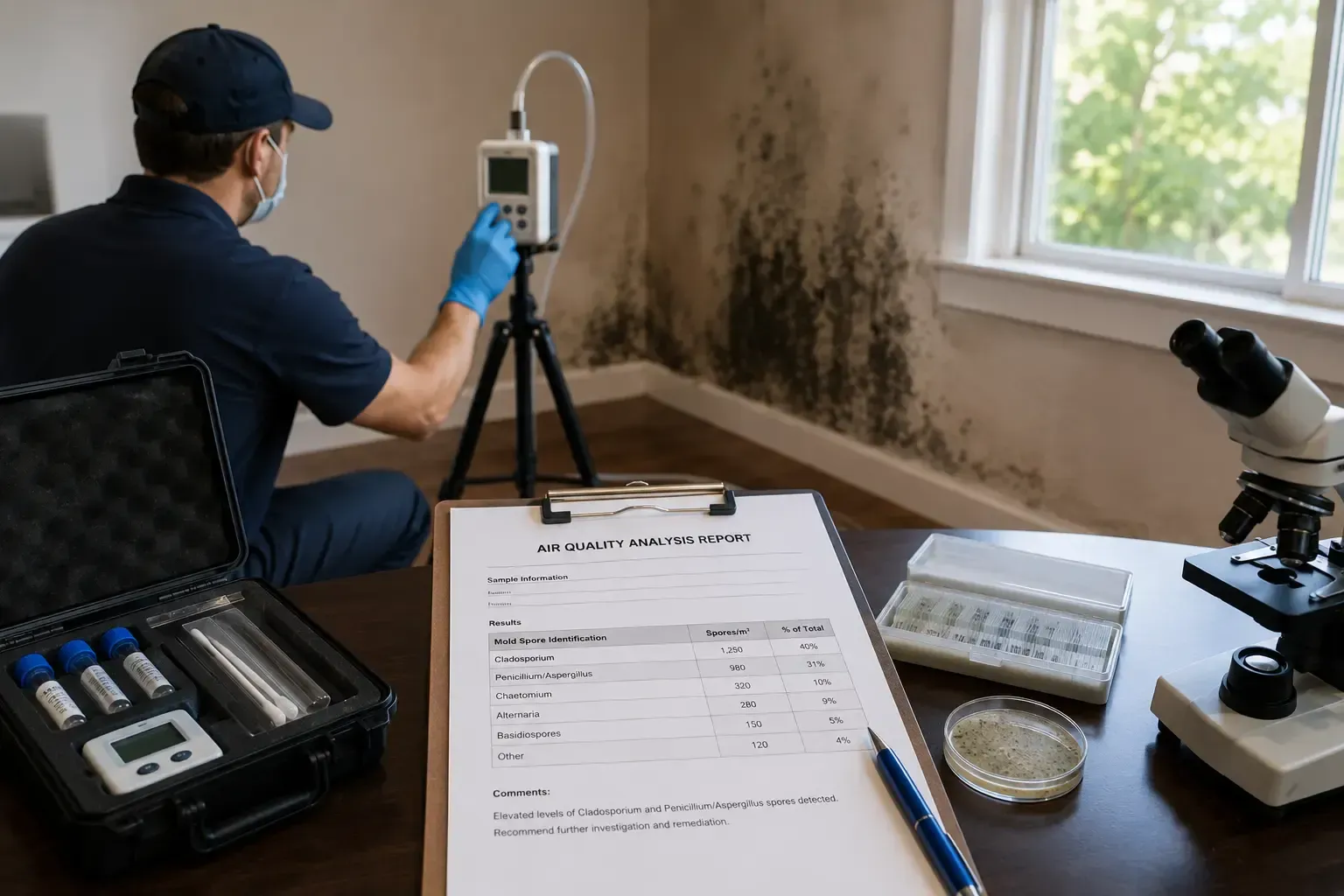
Good remediation ends with a check. A professional confirms the space is dry and clean. Verification gives you confidence the work held. It also documents the job.
Health Reasons to Act
Mold is more than a cosmetic issue. Spores can irritate the lungs and eyes. Sensitive people feel it most. Proper remediation protects the household.
Cost Drivers for Mold Work
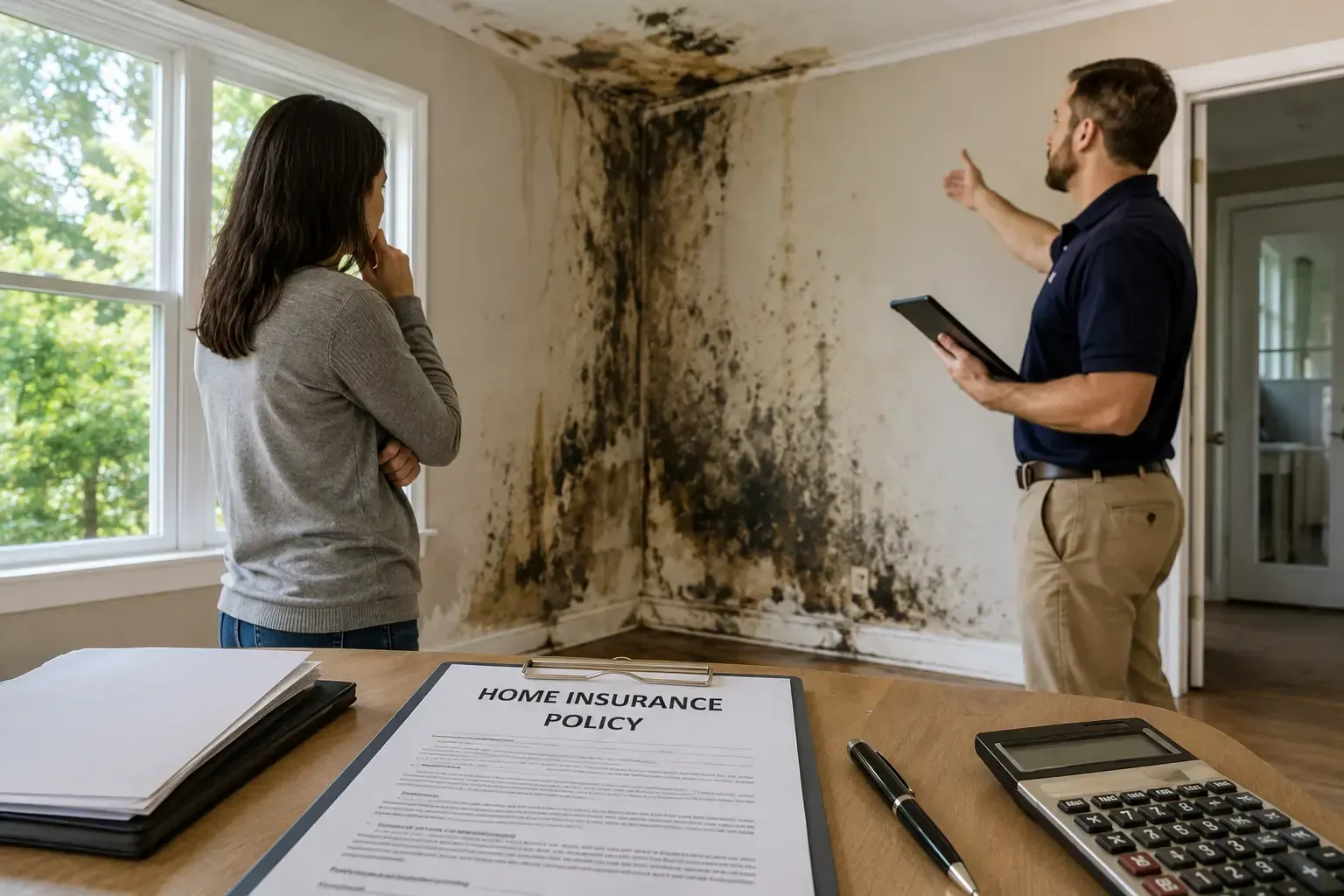
Several factors shape the price. The size of the area matters most. So does the material and the method. Moisture repairs add to the total.
How Long Each Method Takes
Timelines vary with the job. Encapsulation of a crawl space can be quick. Large removals take longer with containment. A pro estimates after inspecting.
Preventing Mold From Returning
Prevention protects any remediation. Keep humidity below 60 percent. Fix leaks fast and improve airflow. Those habits keep mold from coming back.
Choosing a Mold Professional
The right pro makes the difference. Look for one who fixes moisture first. Ask how they decide between methods. A clear, honest plan is what you want.
Signs You Have a Mold Problem
Mold often announces itself before you see it. A musty smell is the most common clue. Visible spots on walls or wood follow. Worse allergies indoors than outside is another sign.
Why DIY Mold Fixes Fall Short
Store spray feels like a fix, but rarely is. It treats the surface and misses the moisture. It also cannot reach mold inside porous materials. A real fix addresses the whole problem, not the stain.
Encapsulation After a Water Event
Water damage and mold go hand in hand. Once a space is dried, encapsulation can protect the structure. It seals cleaned framing against future spores. Paired with moisture control, it holds up well.
Frequently Asked Questions
Is encapsulation as good as removal?
For the right situation, yes. Encapsulation suits sound structural wood. Removal is better for porous, heavily contaminated material.
How long does mold encapsulation last?
It can last for years with moisture controlled. If humidity returns, so does the mold. The seal is only as good as the moisture fix.
What kills mold permanently?
Controlling moisture is the only permanent fix. No method lasts if dampness returns. That is why moisture comes first.
Can encapsulation cover any mold?
No, not heavy or porous contamination. Soaked drywall and carpet need removal. Encapsulation is for sound surfaces.
Which is cheaper, encapsulation or removal?
Encapsulation is often less costly and disruptive. It avoids demolition of structural wood. The right method still depends on the situation.
Not Sure Which Mold Method Fits Your KC Home?
Encapsulation and removal both have a place in mold work. The right choice comes down to the material, the contamination, and the moisture. Guessing wrong wastes money or leaves mold behind.
Mold Warrior assesses the situation and recommends the honest fix. Explore our
Kansas City mold services and get a clear plan for your home.