From Moisture to Mold: How Black Mold Starts Inside Aurora Homes
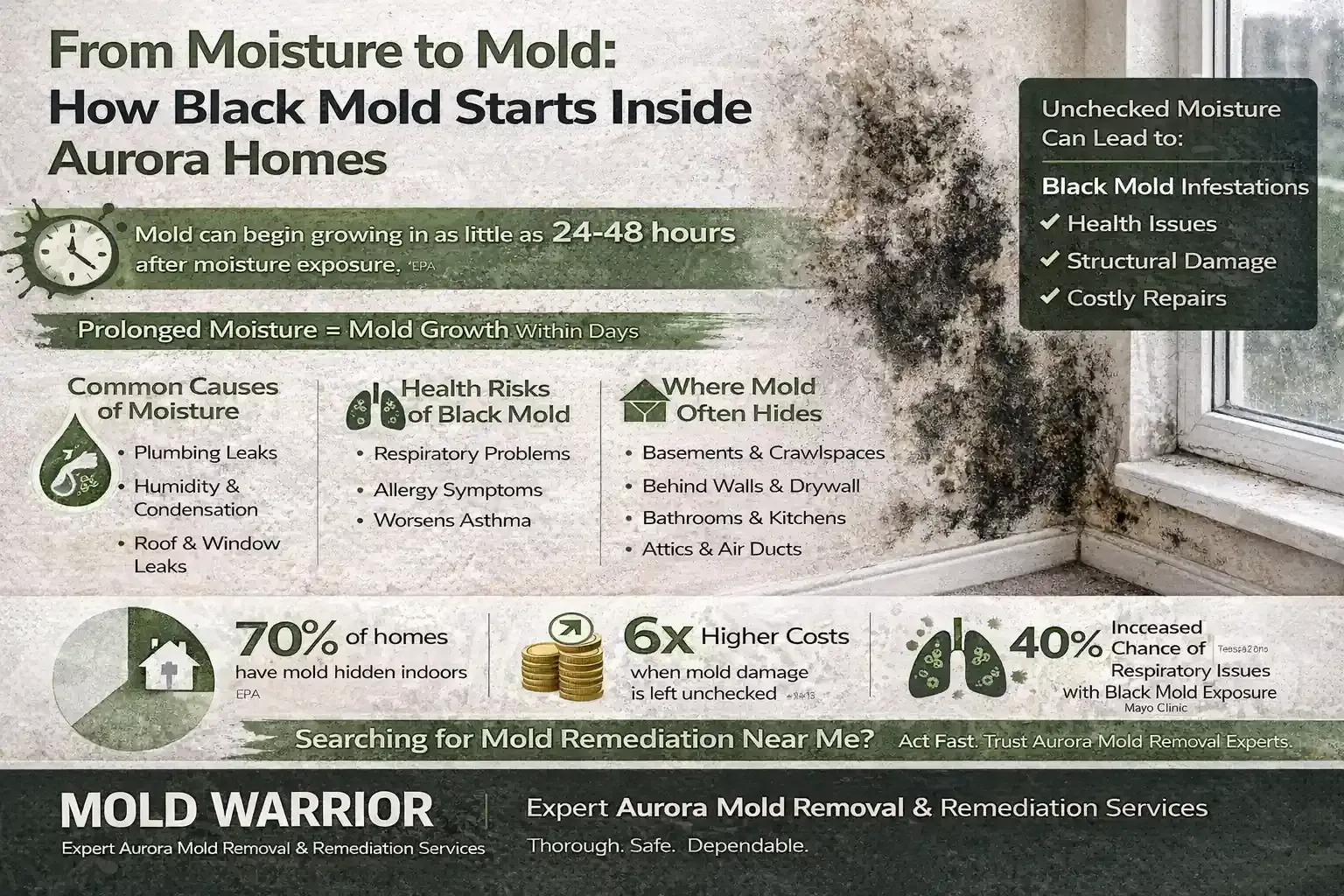
Did you know that mold can begin growing in as little as 24–48 hours after moisture exposure? In homes across Aurora, even a minor leak or unnoticed humidity issue can quickly spiral into a serious mold problem. What makes black mold especially dangerous is how quietly it spreads, often hidden behind walls, under flooring, or inside HVAC systems.
Many homeowners don’t realize the severity until health symptoms or visible damage appear. If you’ve ever searched for Mold Remediation Near Me , chances are you’re already concerned about what’s happening behind the scenes. Understanding how mold starts is the first step toward stopping it.
Table of Contents
- What Causes Moisture Build-Up in Aurora Homes
- How Black Mold Begins to Form
- The Stages of Mold Growth
- Common Areas Where Mold Hides
- Health Risks of Black Mold Exposure
- Structural Damage Caused by Mold
- Why Mold Spreads So Quickly
- Prevention Tips for Aurora Homeowners
- FAQs
- Conclusion
- About Mold Warrior
What Causes Moisture Build-Up in Aurora Homes
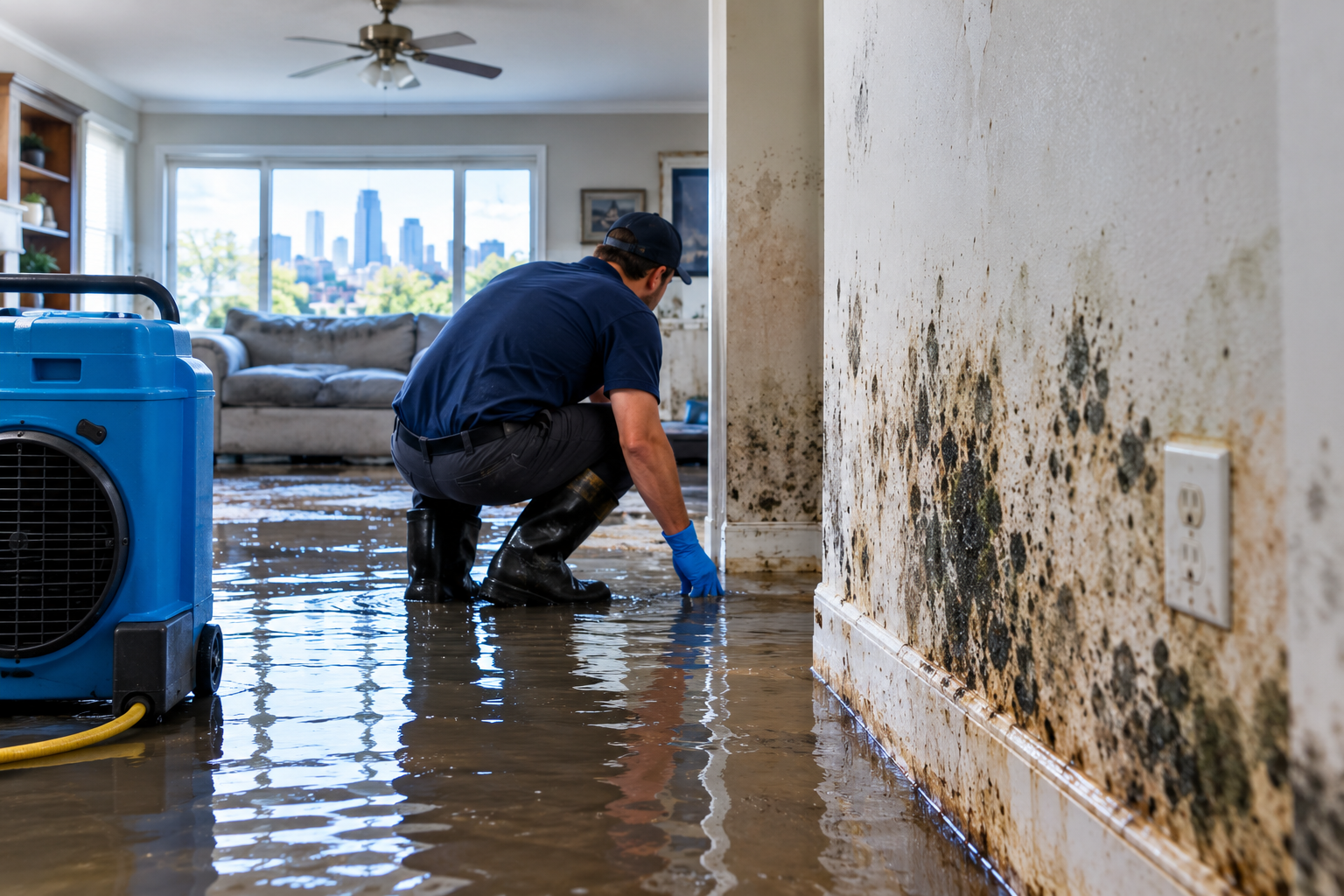
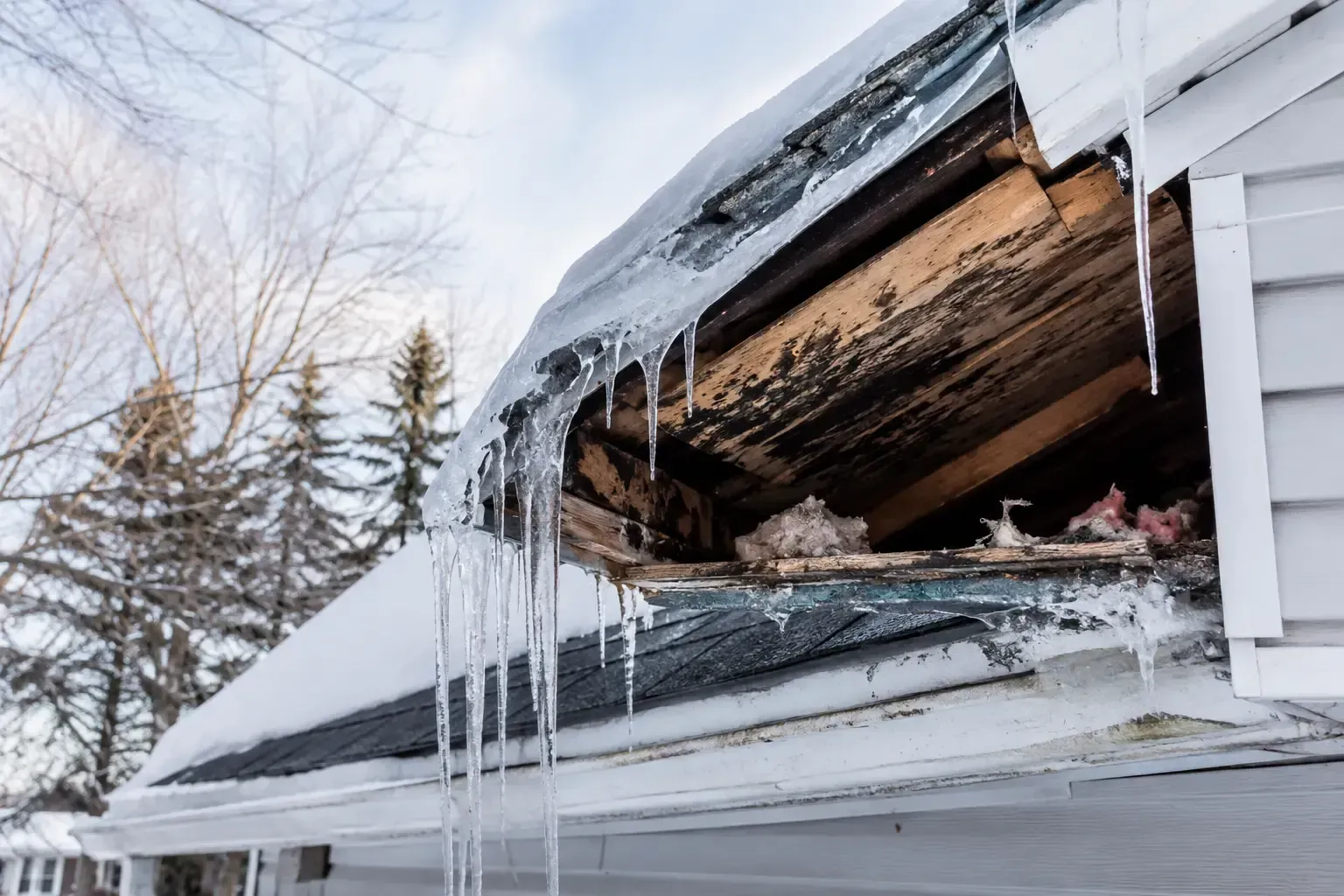
Moisture is the root cause of all mold growth. In Aurora, seasonal weather changes, snowmelt, and sudden temperature shifts create ideal conditions for condensation and water intrusion.
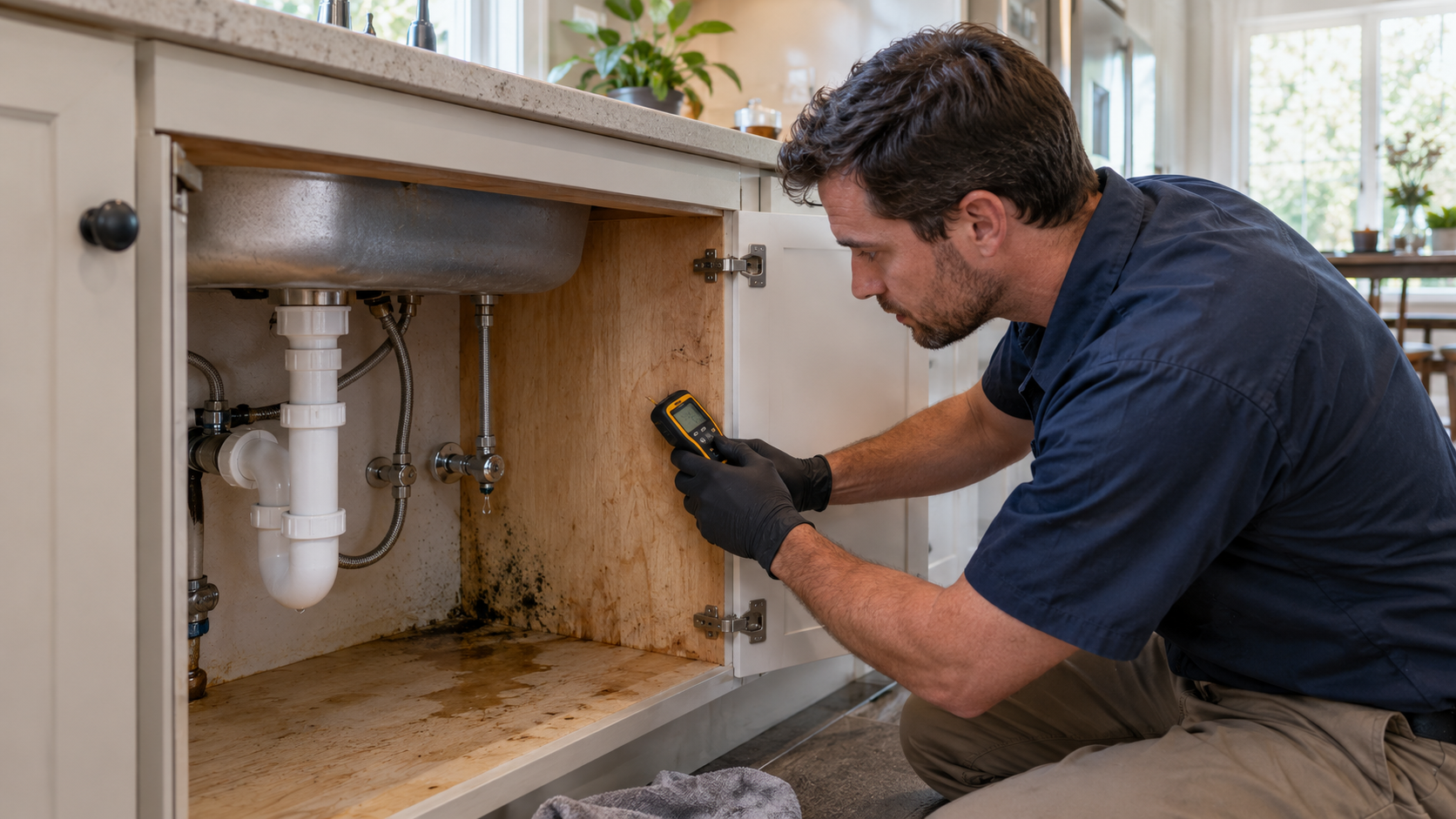
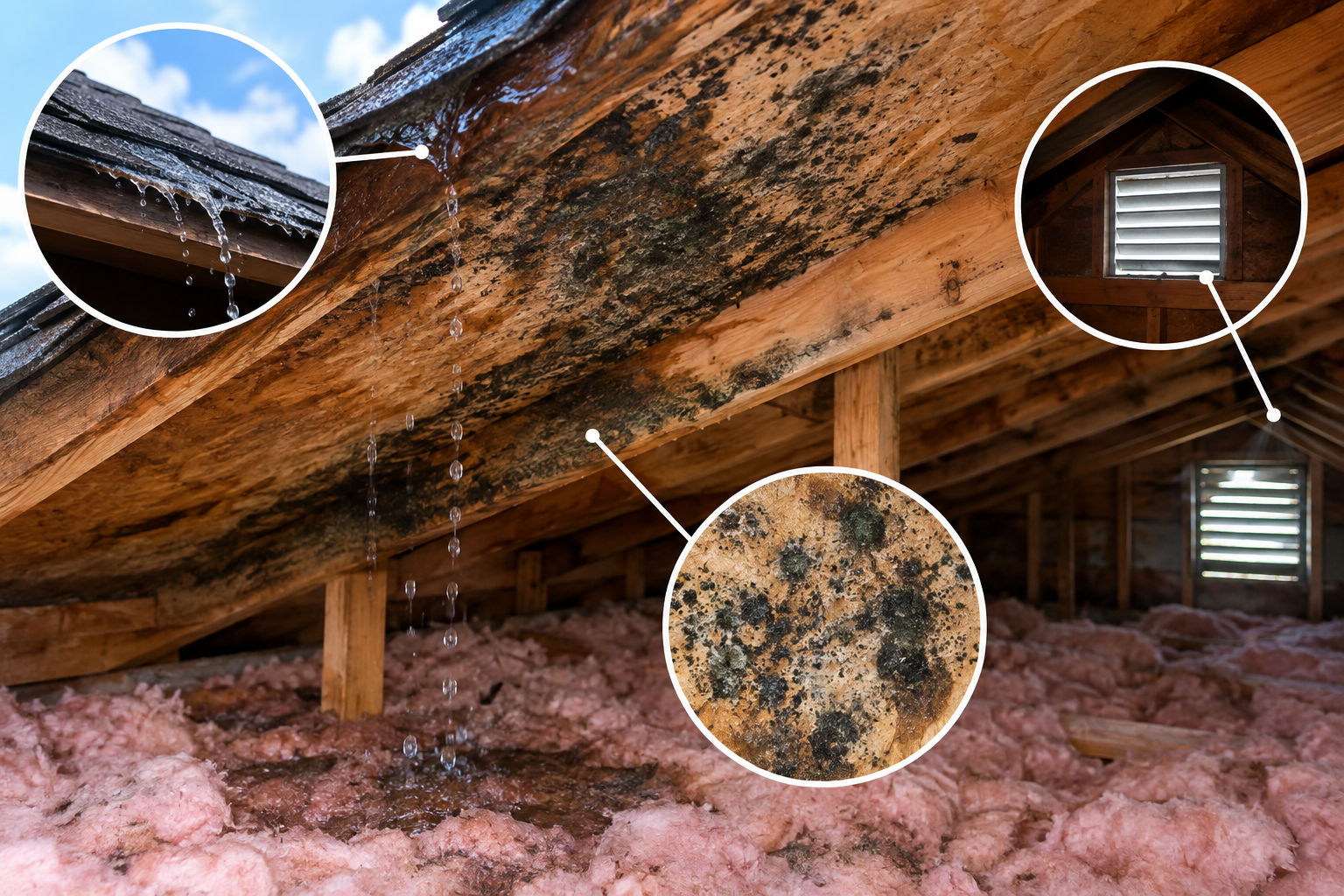
Leaks from plumbing, roofs, or appliances are also common culprits. Even small, unnoticed leaks can create damp environments where mold thrives. Over time, these hidden moisture pockets become breeding grounds for mold colonies.
How Black Mold Begins to Form
Black mold starts when microscopic spores land on a damp surface and begin to multiply. These spores are always present in the air, but they only grow when moisture is available.
Once conditions are right, mold begins to spread rapidly across surfaces like drywall, wood, and insulation. What may start as a small patch can quickly require professional Mold Removal Aurora services if left untreated.
The Stages of Mold Growth
Stage 1: Spore Activation
Mold spores become active when they come into contact with moisture. This stage is invisible but marks the beginning of the problem.
Stage 2: Colony Formation
Within 24–48 hours, spores begin forming colonies. At this point, mold may still be hidden, but is actively spreading.
Stage 3: Visible Growth and Spread
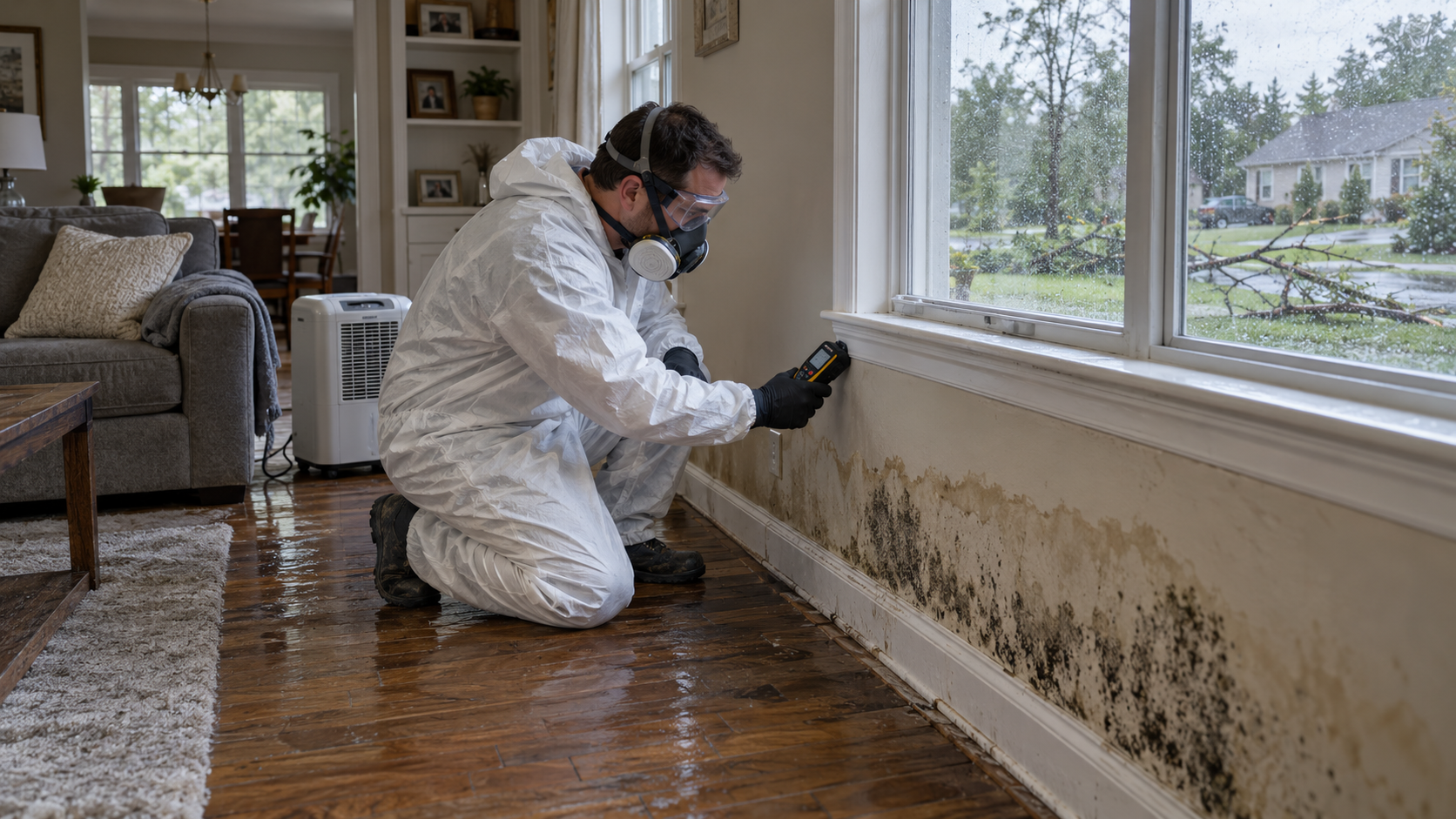
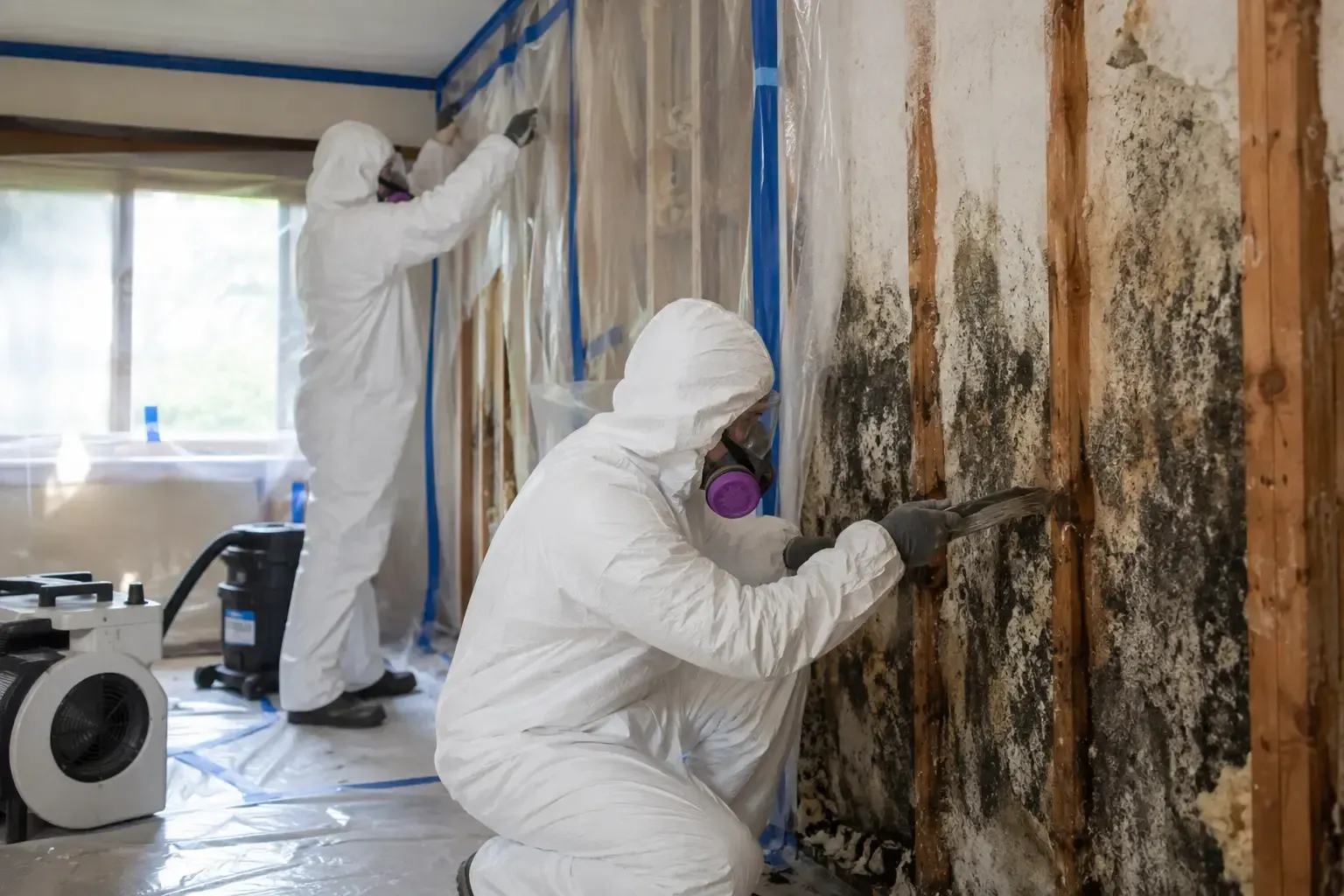
Mold becomes visible as dark spots or patches. By this stage, it often requires Aurora Mold Removal to fully eliminate the infestation.
Common Areas Where Mold Hides
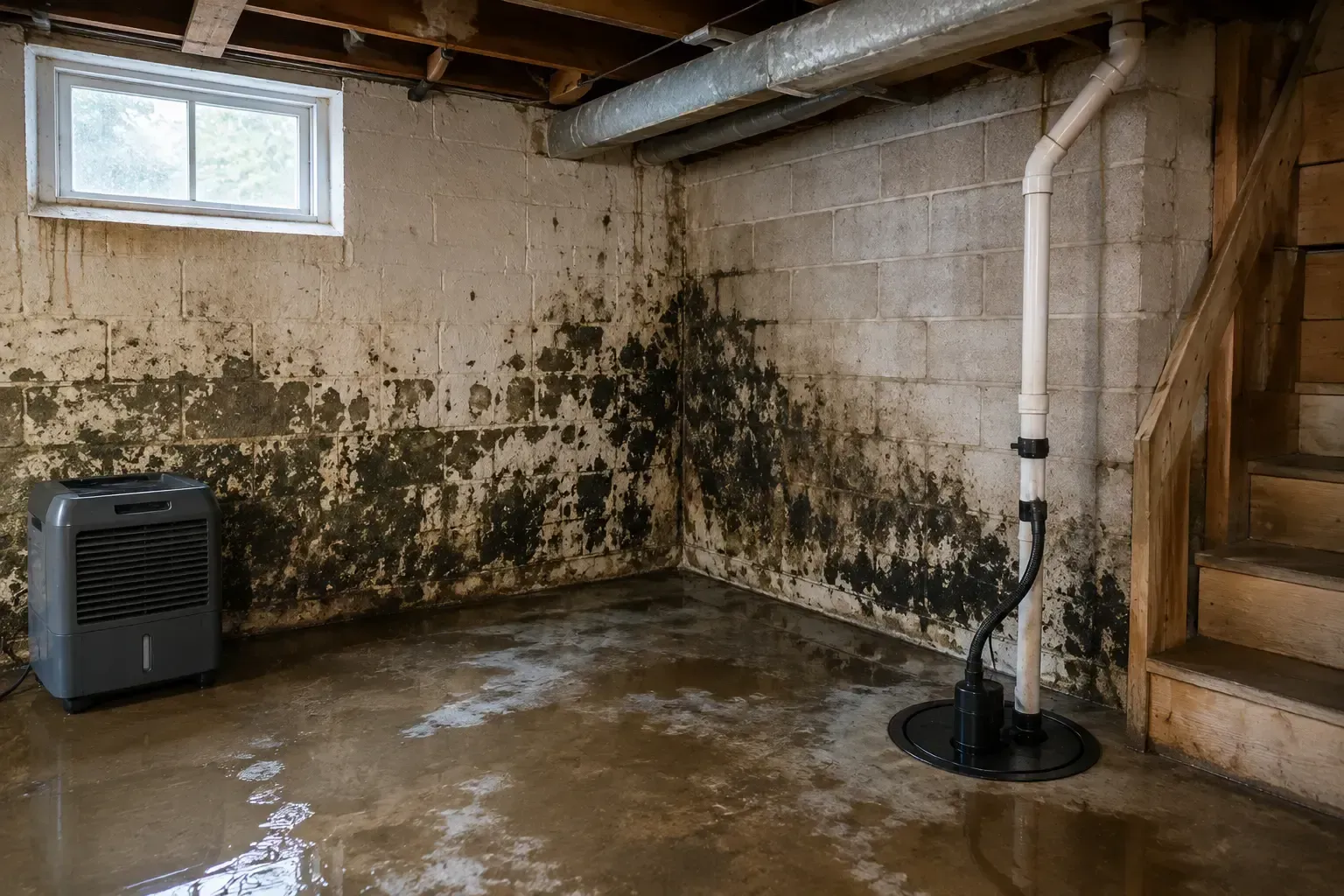
Mold often grows in areas that are out of sight, making it difficult to detect early. Common hiding spots include behind drywall, under carpets, inside air ducts, and in basements or crawl spaces.
Bathrooms, kitchens, and laundry rooms are also high-risk areas due to constant moisture exposure. Regular inspections of these spaces can help identify problems before they escalate.
Health Risks of Black Mold Exposure
Black mold exposure can lead to a variety of health issues, especially for individuals with allergies, asthma, or weakened immune systems. Symptoms may include coughing, sneezing, skin irritation, and eye discomfort.
In more severe cases, prolonged exposure can cause respiratory infections and chronic health problems. This is why addressing mold quickly is critical for maintaining a safe indoor environment.
Structural Damage Caused by Mold
Mold doesn’t just affect air quality—it also damages the structure of your home. It feeds on organic materials like wood and drywall, weakening them over time.
As mold spreads, it can cause warping, rotting, and deterioration of building materials. This can lead to costly repairs and compromise the safety of your home if not addressed promptly.
Why Mold Spreads So Quickly
Mold spreads through airborne spores, which can travel easily throughout your home. Once spores find new damp surfaces, they begin forming new colonies.
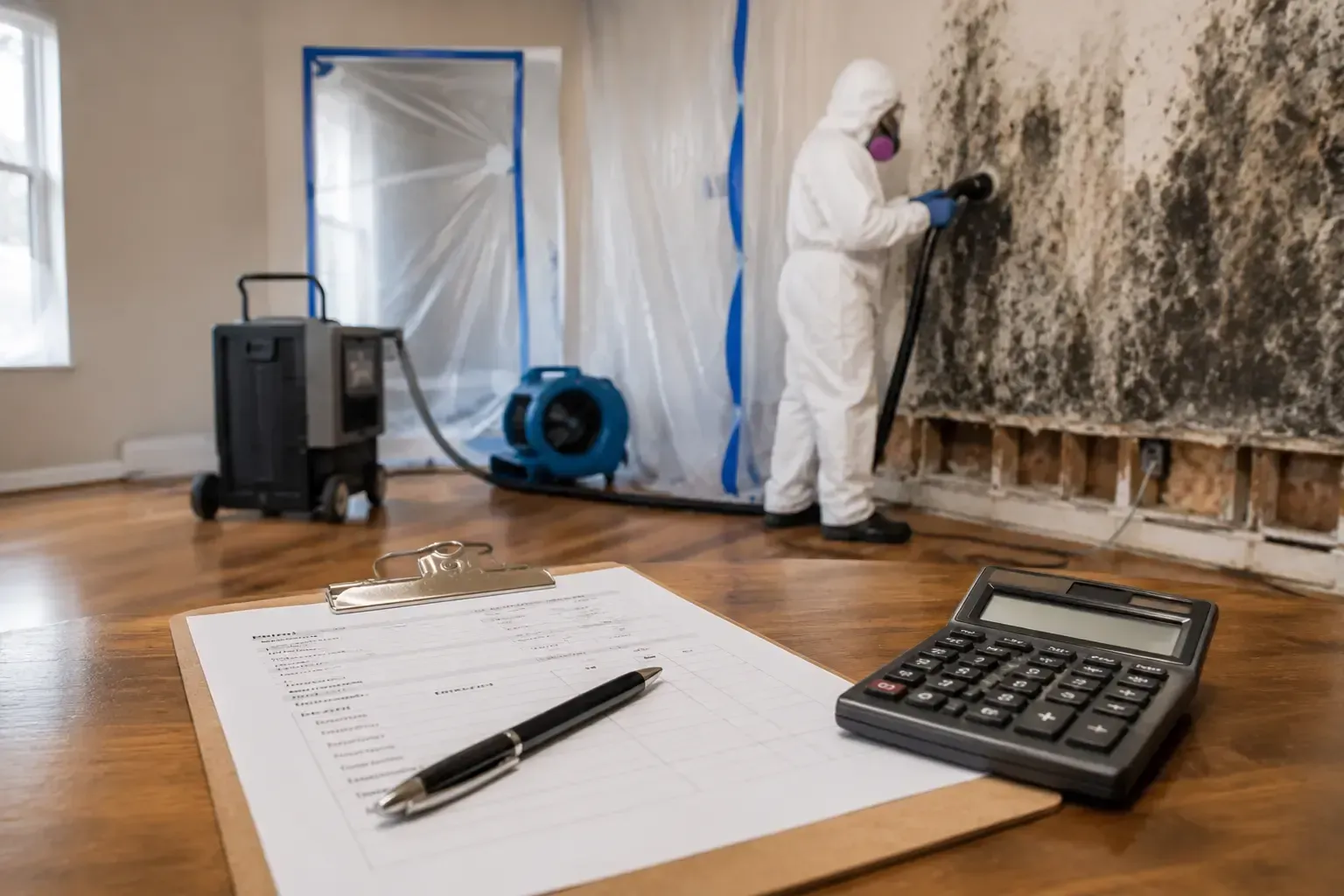
Poor ventilation, high humidity, and hidden moisture accelerate this process. Without proper containment and removal, mold can spread from one room to another in a short period.
Prevention Tips for Aurora Homeowners
Preventing mold starts with controlling moisture. Fix leaks immediately, maintain proper ventilation, and use dehumidifiers in damp areas.
Regular inspections and maintenance can help catch issues early. Keeping your home dry and well-ventilated is the most effective way to prevent mold growth.
Still have questions about our mold remediation services? Let our experts answer the most common queries asked by homeowners.
Frequently Asked Questions
1. How fast can black mold grow in a home?
Black mold can begin growing within 24–48 hours after moisture exposure.
2. Is black mold always visible?
No, it often grows in hidden areas like behind walls or under flooring.
3. Can I remove black mold myself?
Small areas may be manageable, but larger infestations require professional removal to ensure safety.
4. What causes mold to return after removal?
Mold returns if the underlying moisture issue is not resolved.
5. When should I call a professional?
If mold is widespread, recurring, or affecting air quality, it’s time to call experts.
Conclusion: Stop Mold Before It Takes Over
Black mold is not just a minor inconvenience; it’s a serious threat to your home and health. What begins as a small moisture issue can quickly escalate into widespread contamination if ignored.
Mold Warrior is a trusted provider of professional mold removal services in Aurora, dedicated to helping homeowners maintain safe and healthy living spaces. With advanced detection tools and proven remediation techniques, their team ensures thorough mold removal and long-term prevention.
Whether you’re dealing with visible mold or hidden moisture issues, Mold Warrior delivers reliable solutions tailored to the unique conditions of Aurora homes. Contact us to schedule a service.