Behind Walls and Under Floors: Where Mold Hides in Columbus Homes
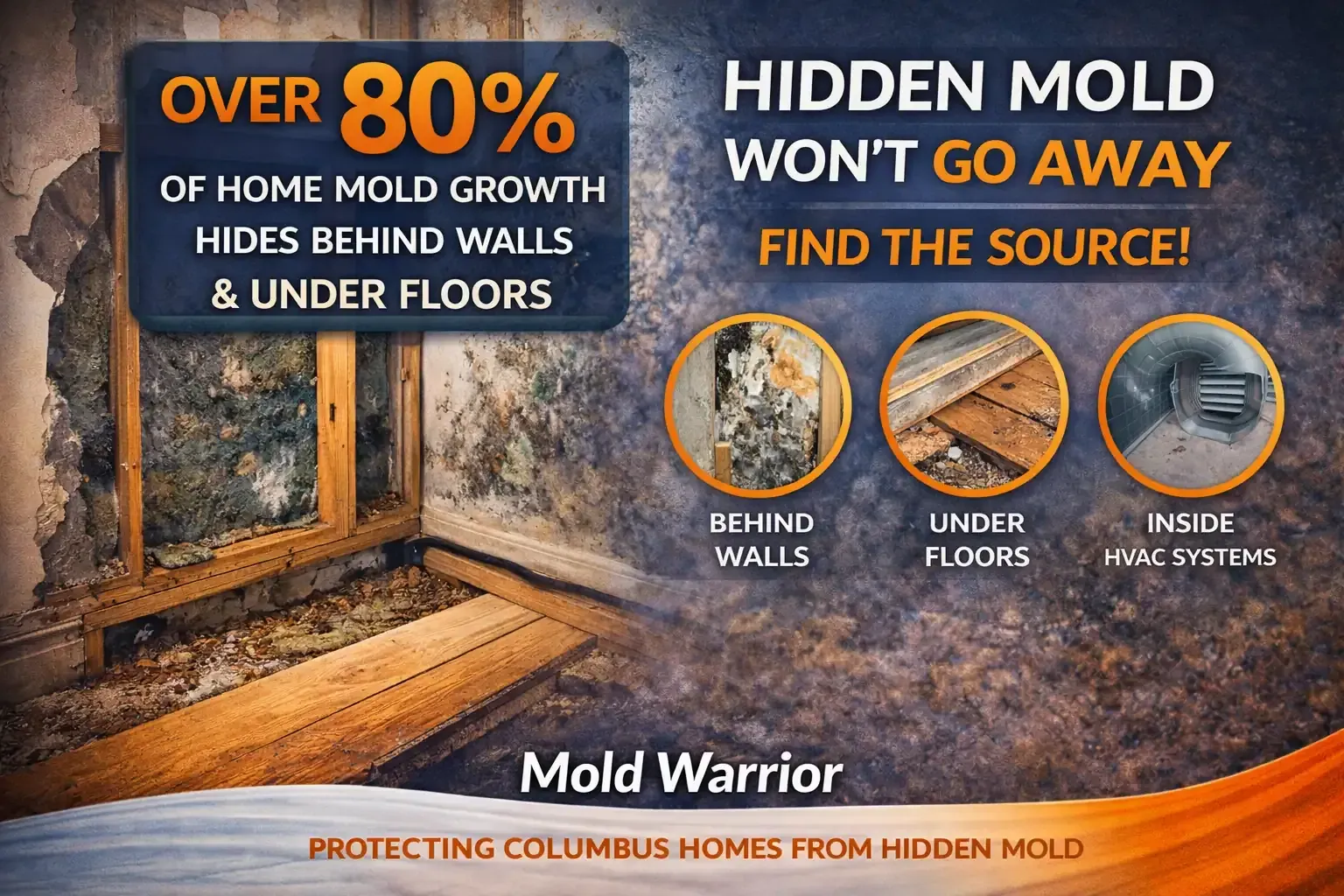
Did you know that over 80% of mold growth in homes occurs in hidden or hard-to-reach areas? While visible mold gets immediate attention, the real problem often lies behind walls, beneath flooring, and inside ventilation systems, quietly spreading and causing damage over time.
In Columbus, Ohio, where seasonal humidity and fluctuating temperatures create ideal conditions for moisture buildup, hidden mold is a common issue for homeowners. If you’ve searched for Mold Remediation Near Me, chances are you’re dealing with symptoms or signs that aren’t immediately visible.
Table of Contents
- Why Mold Hides in Homes
- Common Hidden Areas Where Mold Grows
- How Mold Spreads Behind Walls
- Mold Under Floors: A Silent Problem
- HVAC Systems and Airborne Mold
- Signs of Hidden Mold in Your Home
- Health Risks of Hidden Mold Exposure
- Why DIY Detection Often Fails
- Professional Mold Inspection and Remediation
- Preventing Mold in Hidden Spaces
- FAQs
- Conclusion
- About Mold Warrior
Why Mold Hides in Homes
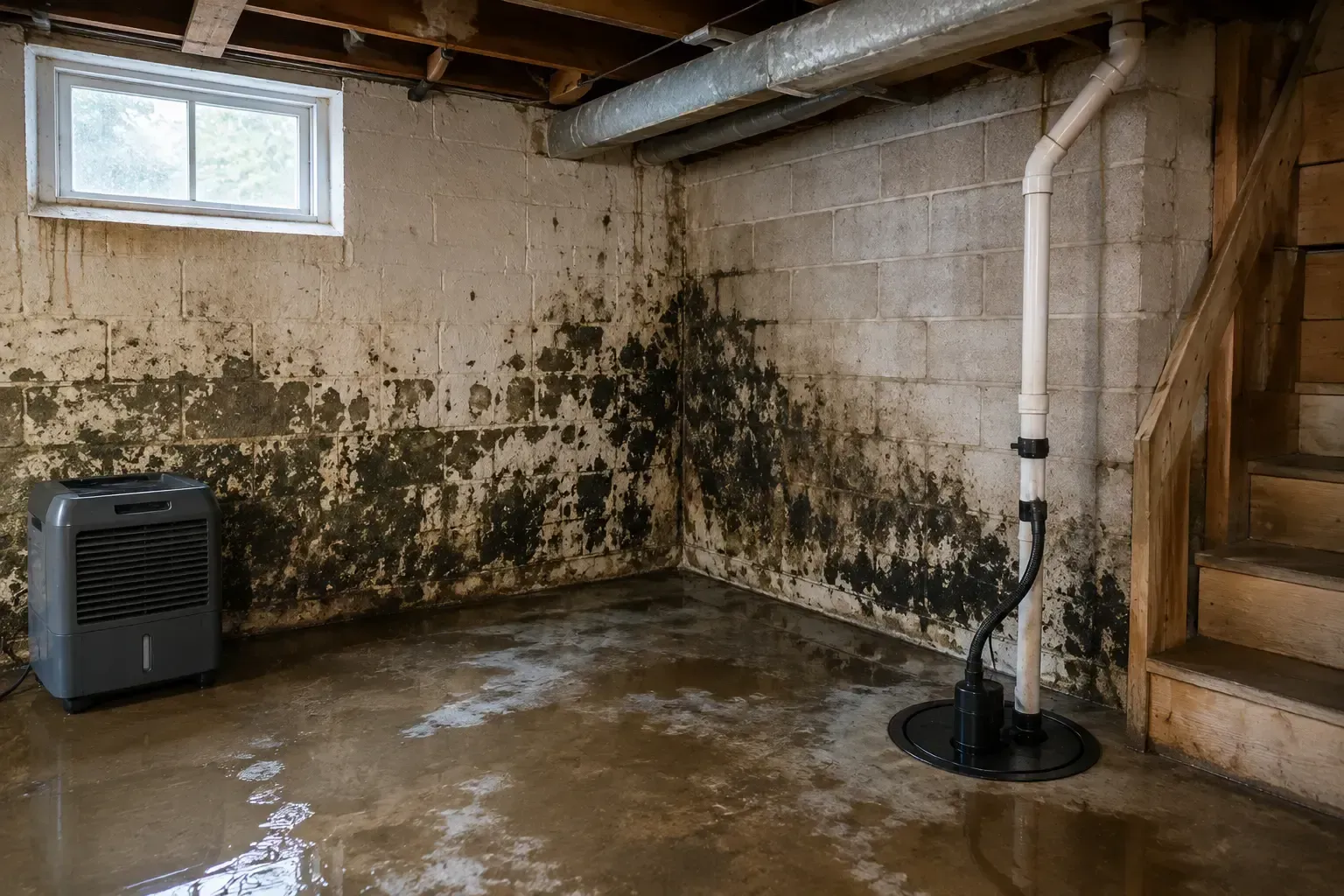
Mold thrives in environments that are dark, damp, and undisturbed, making hidden spaces the perfect breeding ground.
These areas often go unnoticed for long periods, allowing mold to grow and spread without interruption.
Moisture Is the Driving Factor
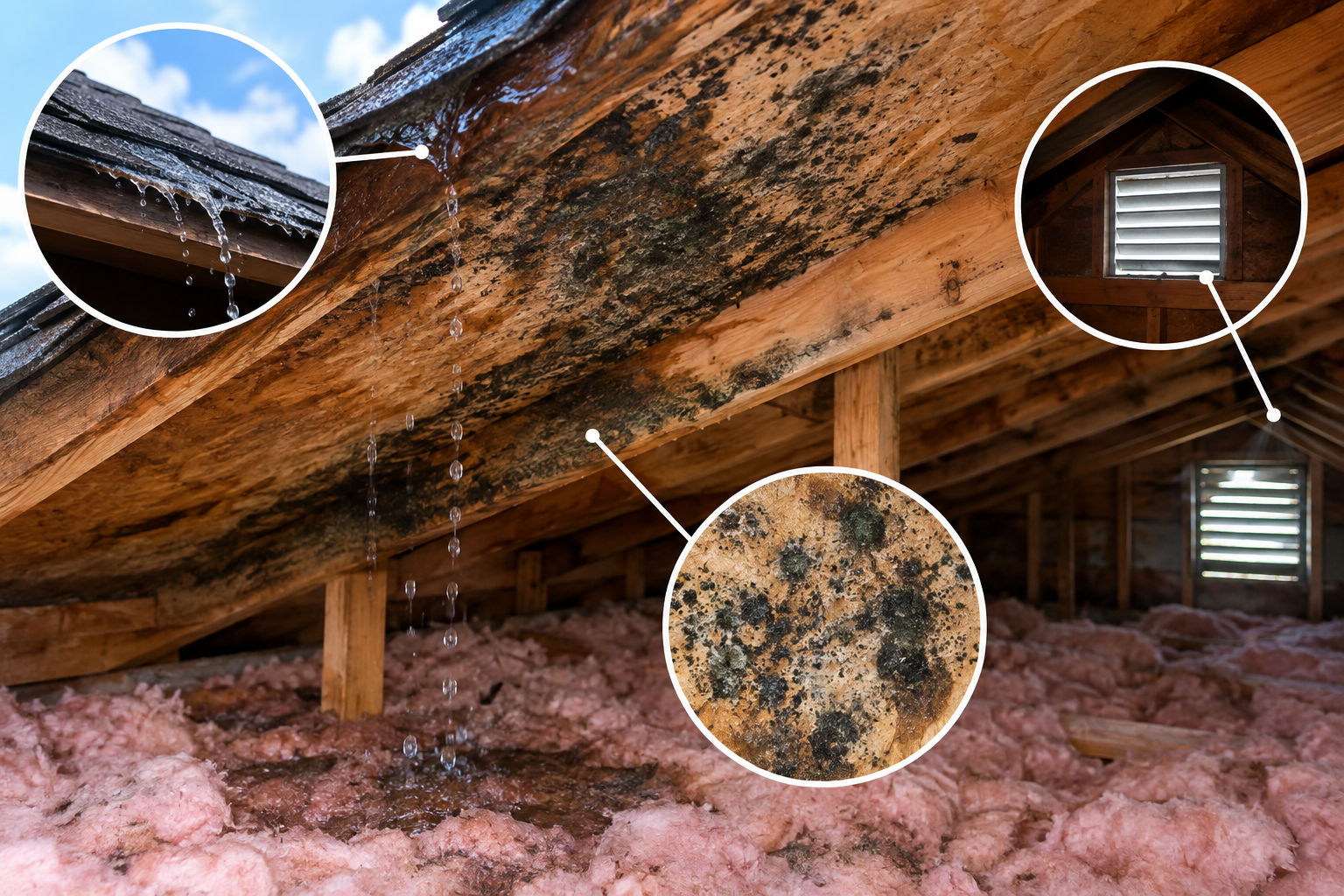
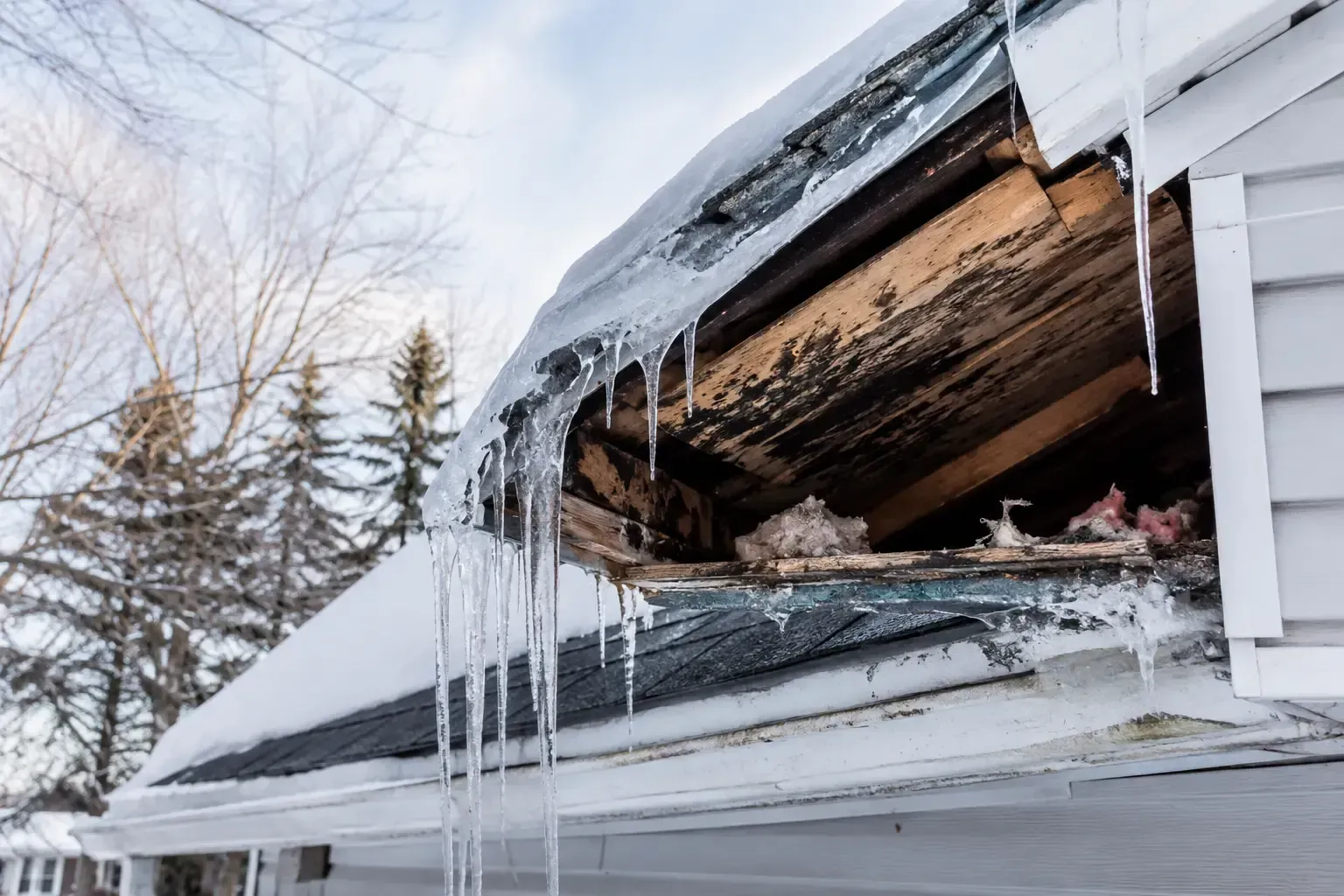
Leaks, condensation, and humidity create the moisture that mold needs to grow. Even small amounts of water trapped in hidden spaces can lead to significant mold problems.
Professionals specializing in Mold Removal Columbus emphasize that controlling moisture is the first step in preventing hidden mold.
Common Hidden Areas Where Mold Grows
Mold doesn’t just grow on visible surfaces; it often develops in concealed areas throughout your home.
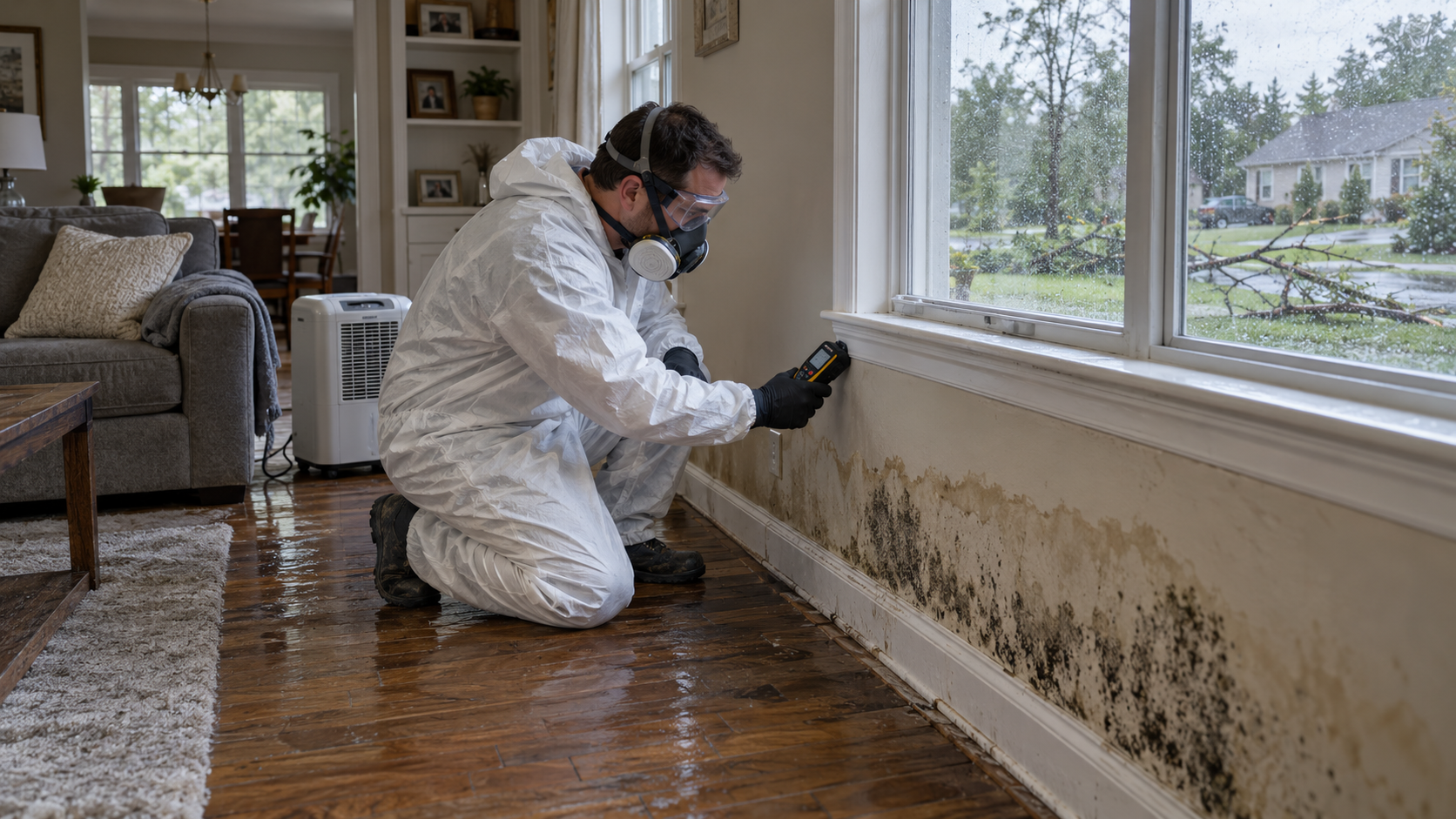
Behind Walls
Water from leaks or condensation can seep into wall cavities, creating ideal conditions for mold growth.
Because these areas are not visible, mold can spread extensively before being detected.
Under Flooring
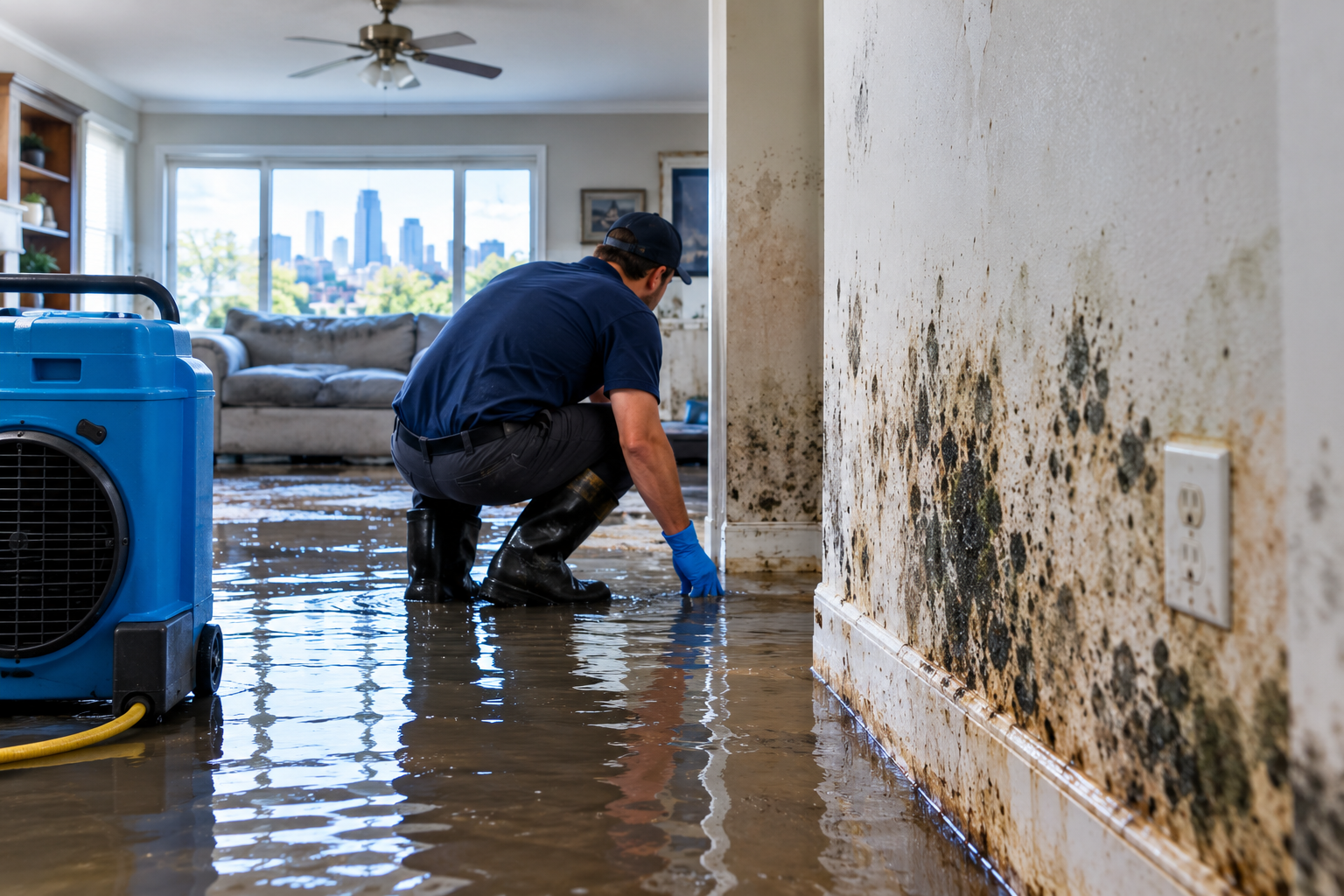
Moisture trapped beneath carpets, hardwood, or tile can lead to mold growth underneath flooring materials.
This is especially common after water damage or spills that aren’t properly dried.
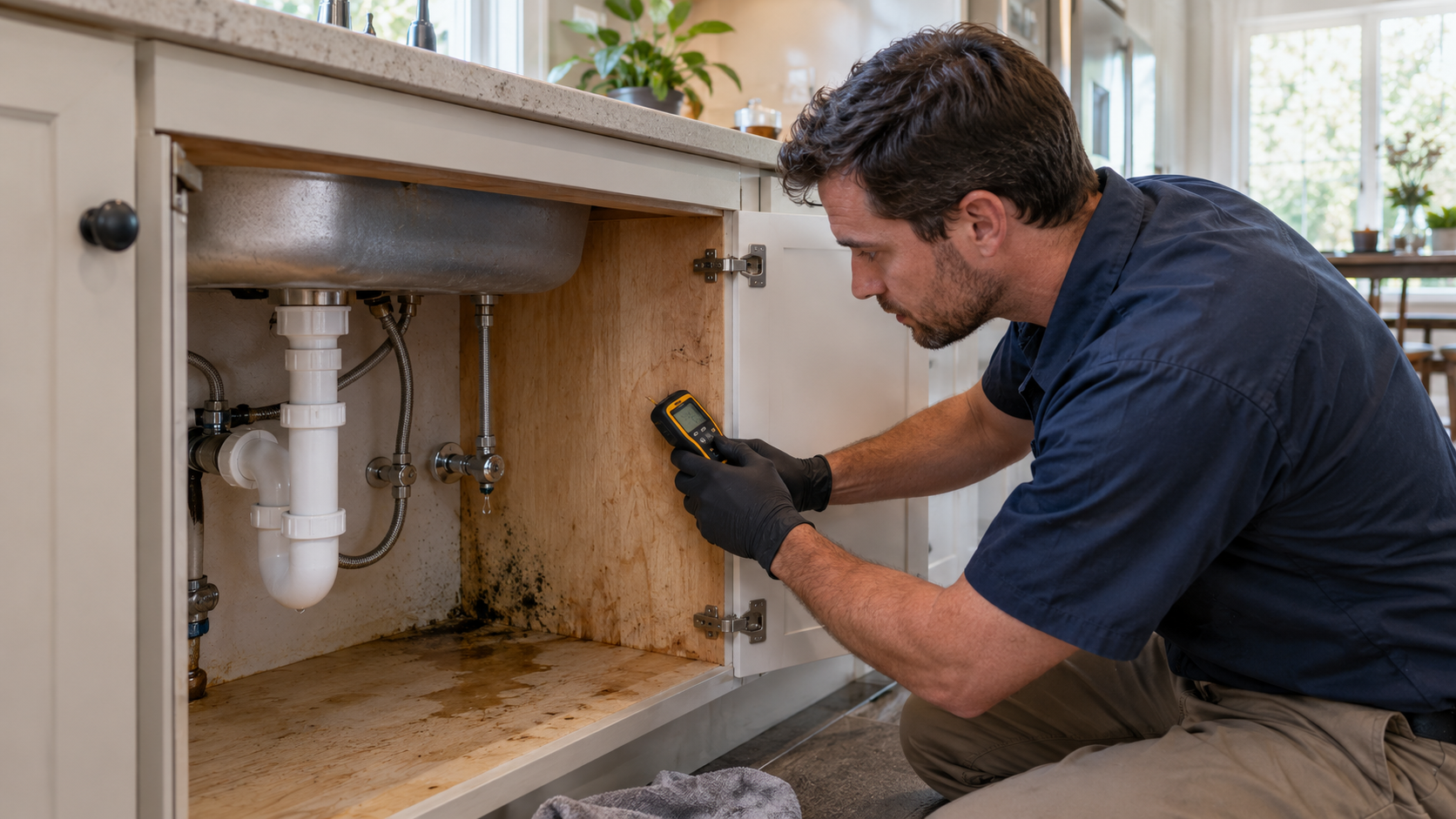
Inside Cabinets and Closets
Poor ventilation and limited airflow make these spaces prone to moisture buildup.
Experts in Mold Remediation Columbus often find mold in these overlooked areas during inspections.
How Mold Spreads Behind Walls
Once mold starts growing inside walls, it can spread quickly through connected spaces.
Through Insulation and Drywall
Mold can travel along insulation and drywall, expanding its reach without being seen.
Via Air Movement
Air currents within wall cavities can carry mold spores to other parts of your home.
This hidden spread is why homeowners often turn to professionals after searching for Mold Remediation Near Me.
Mold Under Floors: A Silent Problem
Flooring can trap moisture, creating a hidden environment for mold growth.
Carpet and Padding
Carpets and their padding absorb water easily, making them a prime location for mold.
Hardwood and Subfloors
Wood materials can retain moisture, leading to mold growth beneath the surface.
Professionals handling Mold Removal in Columbus use specialized tools to detect and address these hidden issues.
HVAC Systems and Airborne Mold
Your HVAC system can unknowingly spread mold throughout your home.
Ductwork Contamination
Mold spores can accumulate in air ducts and circulate through your home every time the system runs.
Filters and Air Quality
Dirty or ineffective filters allow spores to pass through, affecting indoor air quality.
A trusted Mold Remediation Columbus provider ensures HVAC systems are properly inspected and cleaned.
Signs of Hidden Mold in Your Home
Even if mold isn’t visible, there are warning signs that indicate its presence.
Musty Odors
A persistent musty smell often points to hidden mold growth.
Unexplained Health Symptoms
Allergies, headaches, and respiratory issues can be linked to mold exposure.
Warped or Damaged Materials
Buckling floors, peeling paint, or soft drywall may indicate hidden moisture and mold.
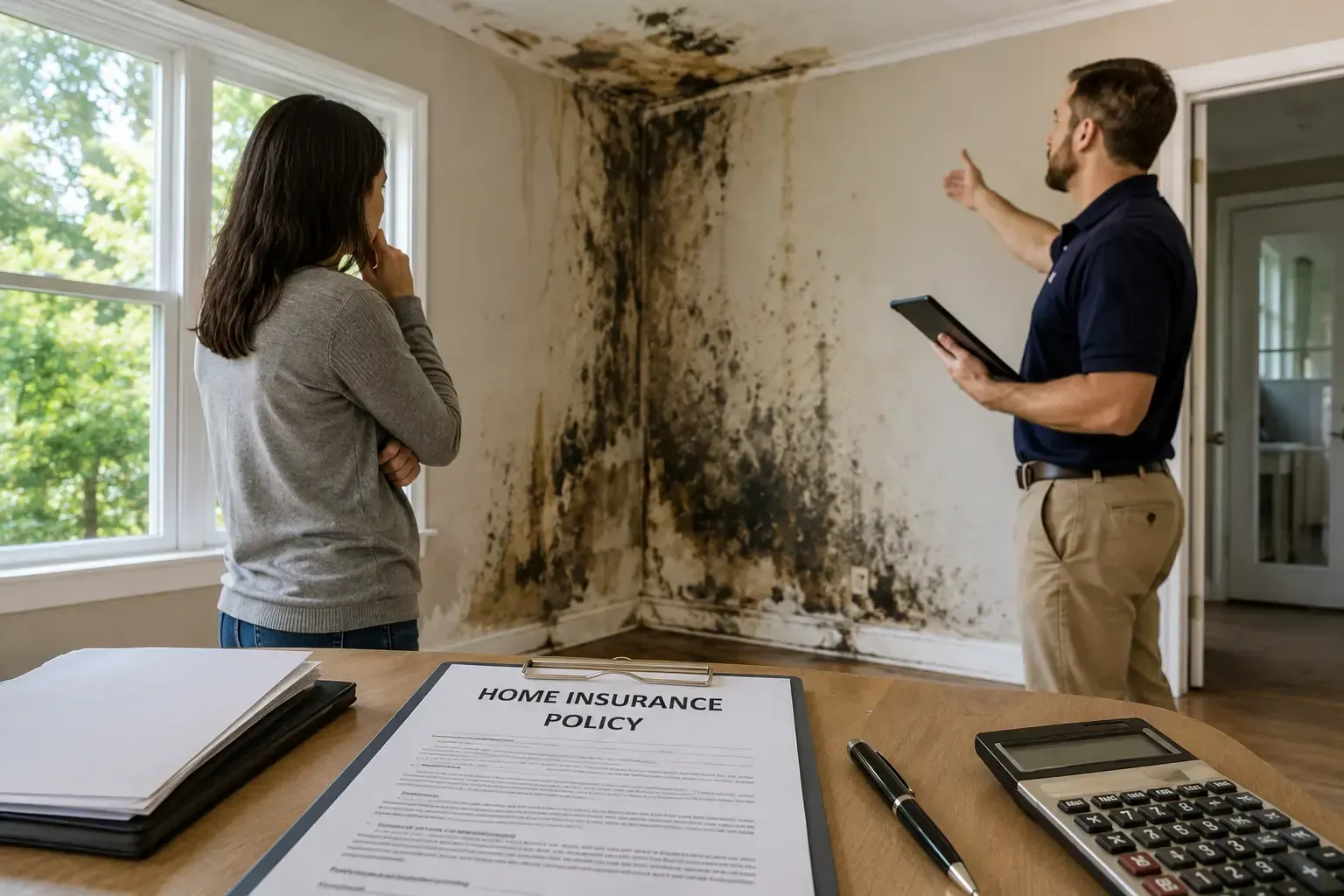
If you notice these signs, searching for Mold Remediation Near Me is a logical next step.
Health Risks of Hidden Mold Exposure
Hidden mold can have serious health implications, especially with prolonged exposure.
Respiratory Issues
Mold spores can irritate the lungs, causing coughing, wheezing, and breathing difficulties.
Allergic Reactions
Exposure can trigger sneezing, itching, and other allergy symptoms.
Long-Term Effects
Chronic exposure may lead to more serious health conditions over time.
Professionals specializing in Mold Removal Columbus prioritize both removal and improving indoor air quality.
Why DIY Detection Often Fails
Finding hidden mold requires more than a visual inspection.
Limited Visibility
DIY methods can’t access concealed areas like wall cavities or subfloors.
Lack of Specialized Tools
Without moisture meters and thermal imaging, it’s difficult to detect hidden mold.
Incomplete Solutions
DIY efforts often address symptoms rather than the root cause.
A professional Mold Remediation Columbus service ensures accurate detection and effective removal.
Professional Mold Inspection and Remediation
Professional services provide a comprehensive approach to mold problems.
Thorough Inspection
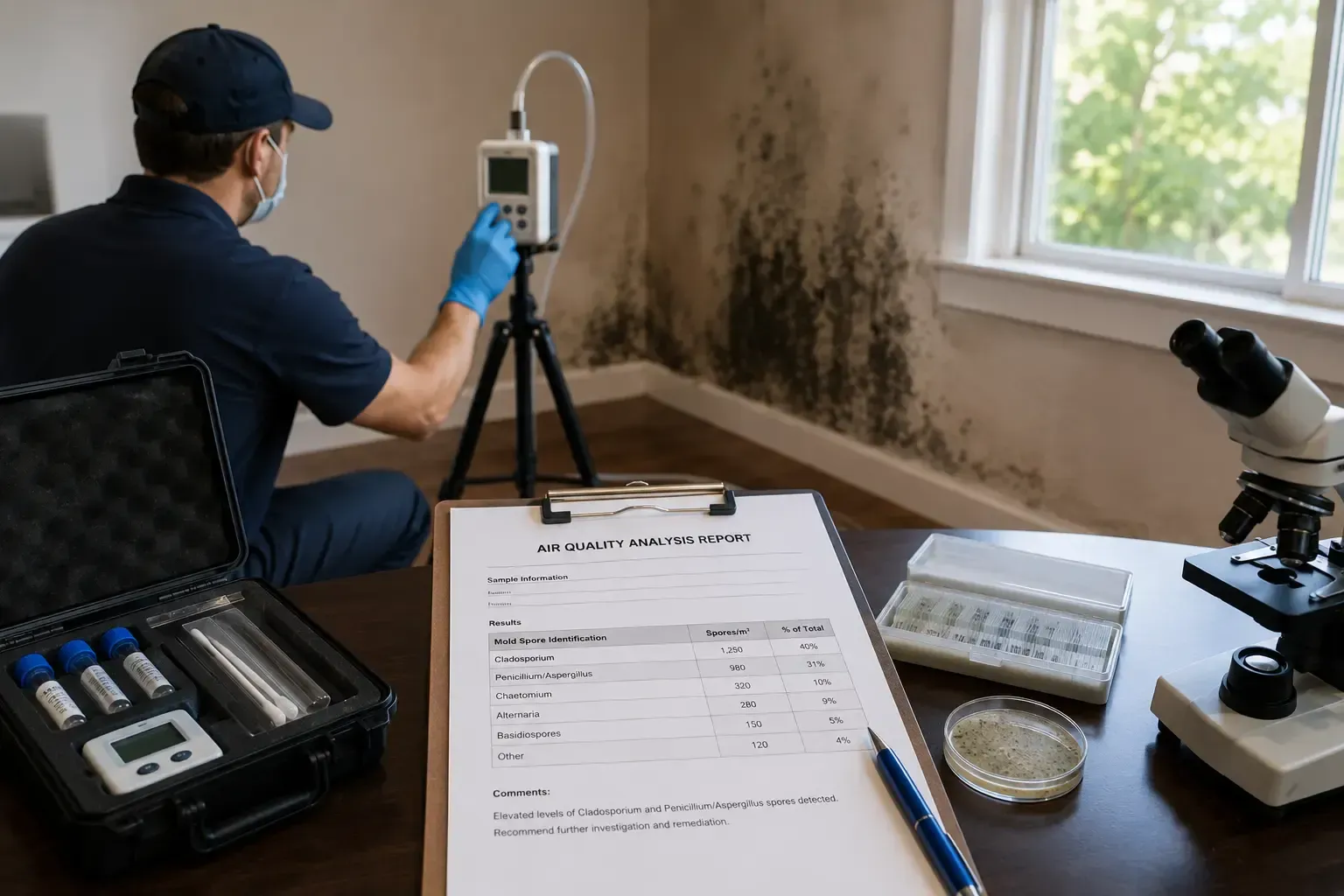
Experts identify both visible and hidden mold using advanced tools.
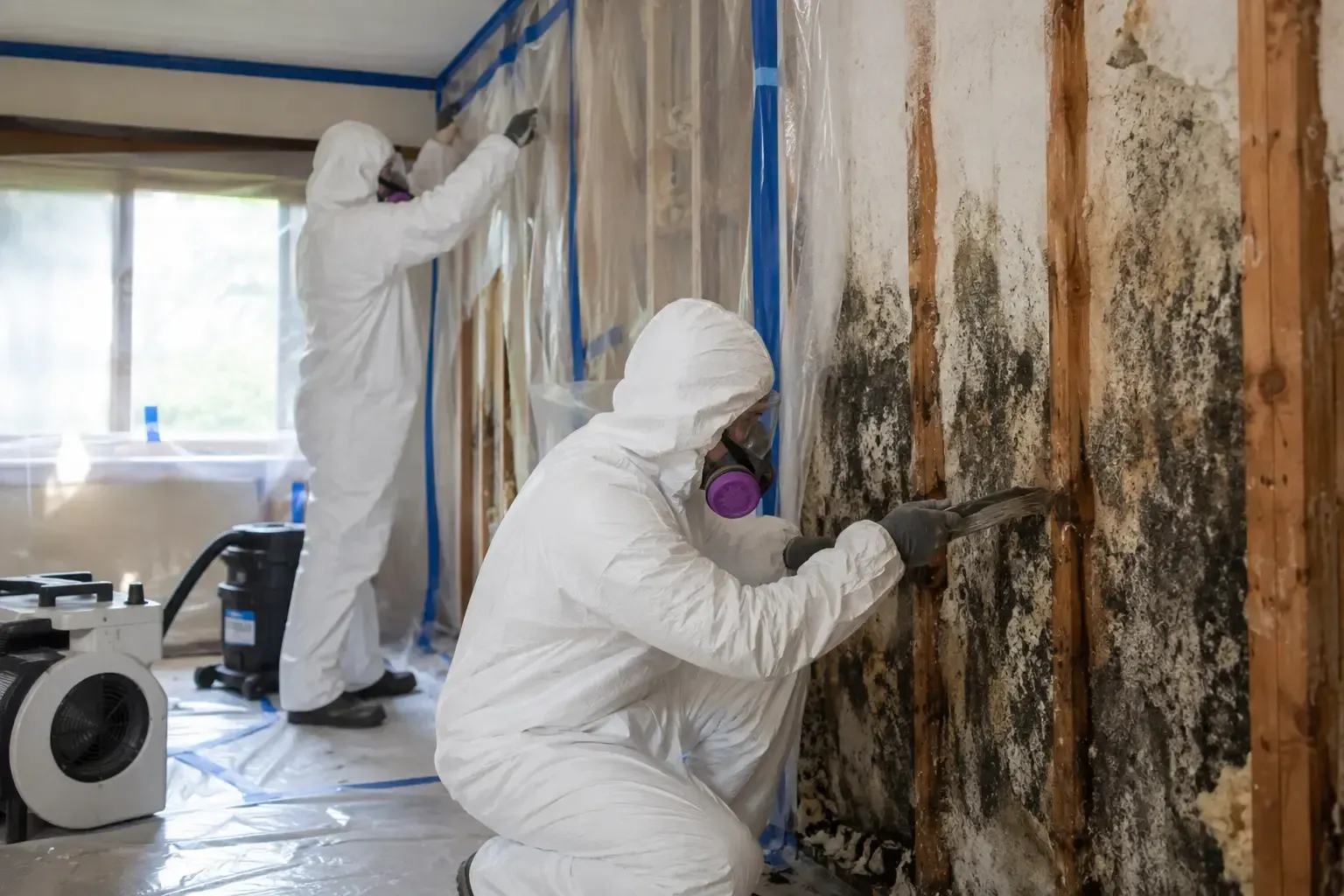
Containment and Removal
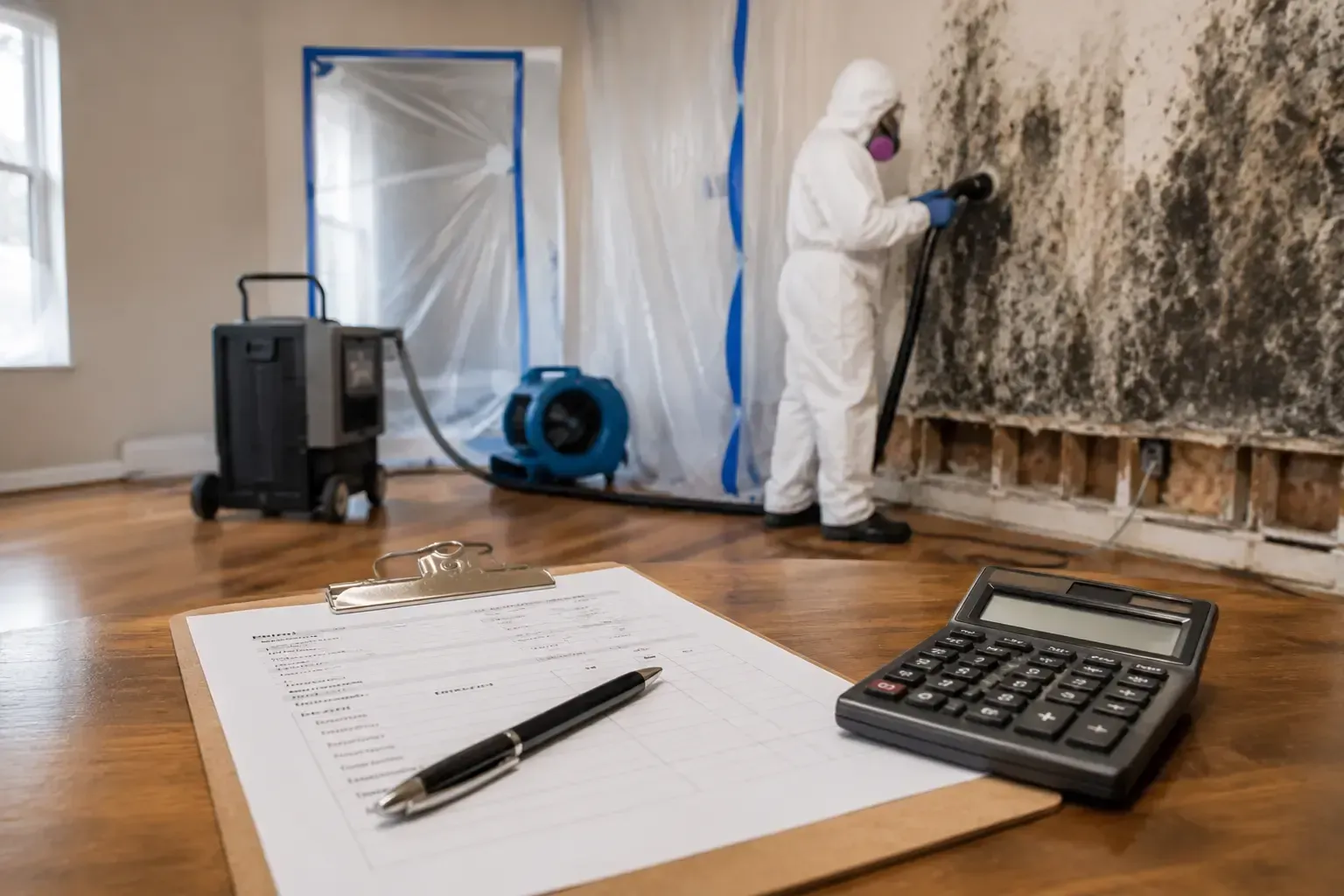
Affected areas are isolated to prevent the spread of spores during removal.
Air Quality Improvement
Air filtration systems remove airborne contaminants and improve indoor air quality.
Professionals in Mold Removal Columbus follow proven methods to ensure long-lasting results.
Frequently Asked Questions (FAQs)
1. Where is mold most likely to hide in a home?
Mold commonly hides behind walls, under floors, and inside HVAC systems.
2. How can I tell if mold is behind my walls?
Musty odors, discoloration, and health symptoms are common indicators.
3. Is hidden mold dangerous?
Yes, hidden mold can affect both your home’s structure and your health.
4. Can I remove hidden mold myself?
DIY methods are often ineffective for hidden mold; professional services are recommended.
5. How do professionals detect hidden mold?
They use tools like moisture meters, thermal imaging, and air testing.
Conclusion: Don’t Let Hidden Mold Go Undetected
Mold hiding behind walls and under floors is one of the most dangerous threats to your home and health. Because it often goes unnoticed, it can spread extensively before being discovered.
Taking proactive steps to detect and address hidden mold can save you time, money, and health concerns. Don’t ignore the signs; early action is the key to protecting your home.
Mold Warrior is a trusted provider of mold remediation services in Columbus, Ohio, specializing in identifying and eliminating hidden mold. With advanced techniques and a commitment to safety, we ensure homes are restored to a clean and healthy condition.
Whether you’re dealing with visible mold or hidden contamination, Mold Warrior delivers reliable, professional solutions tailored to your needs.