24 Hour Water Damage Response Plan Every Homeowner Needs To Know About
All homeowners face many different emergencies in their properties, but the most common and destructive of all these types of emergencies is water damage. Industry research indicates that after water has made contact with a home, it will travel through the walls, flooring, and furnishings in a matter of minutes.
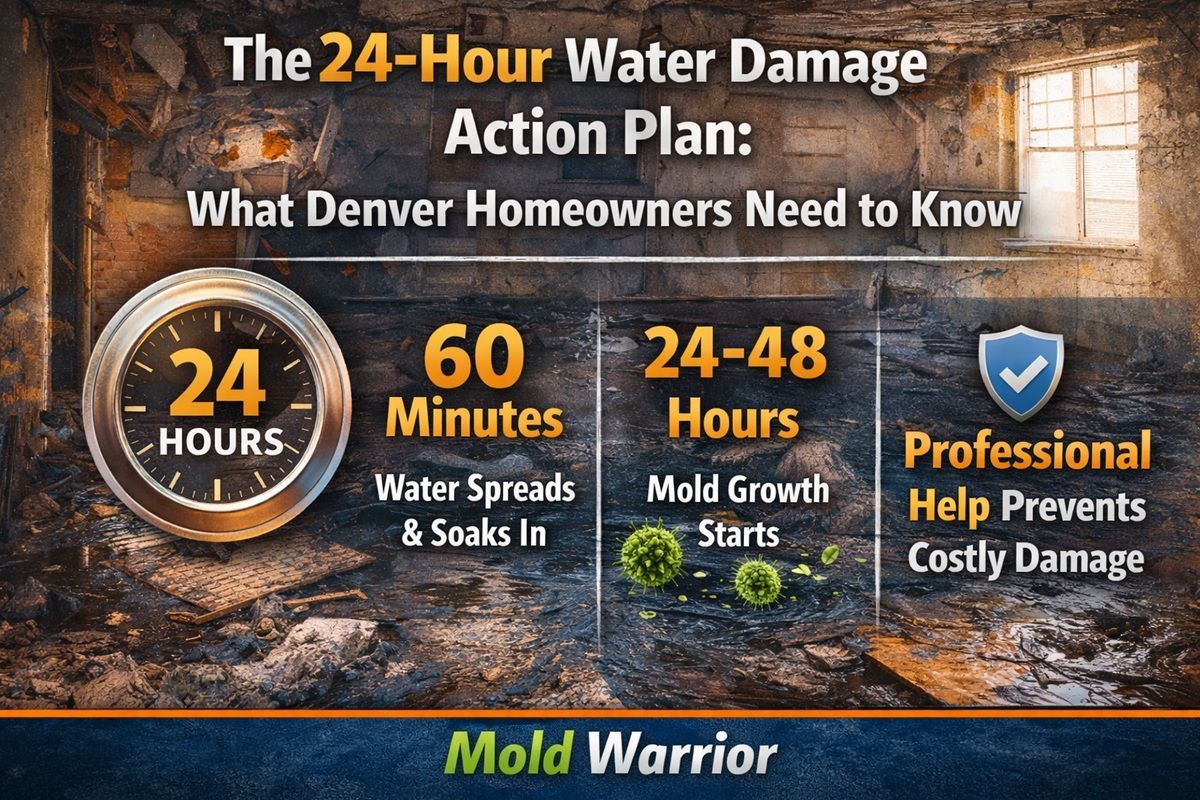
Additionally, if a homeowner were to leave moisture on drywall for less than 60 minutes, it would begin to erode and lose strength. Most alarming of all is the fact that studies regarding the effect of the environment on health show that, if moisture is retained in any part of the building materials for 24 to 48 hours, mold growth will begin on those materials.
As a homeowner in the Denver Metro area, there are numerous unexpected ways water can cause damage to your home, such as, but not limited to: burst pipes, flooding from malfunctioning appliances, damage to the roof from wind, snow, ice, or heavy rains. What initially leads to a leak may end up becoming an extremely serious property damage case involving structural damage, mold, and costly repairs.
The First 24 hours After Water Damage has Occurred: Why Timing Is So Important
Water damage in Denver occurs according to a predictable timeline; therefore, it is very important for the homeowner to understand what is going to take place in the first 24 hours after the water damage occurs so that they can respond properly to the situation.
The First 60 Minutes: Water Begins To Move
During the first hour after water has entered the property, the water will spread rapidly from the point at which it entered the property onto the floor and into the surrounding porous building materials (such as drywall, carpet, insulation, and furniture).
Therefore, even the smallest amount of leaking water can quickly cause damage to wallboard, flooring, insulation, and furniture that is adjacent to the leak. Wet building materials can start soaking up water as quickly as they are exposed to it, and within just a few minutes, moisture will begin moving behind walls and underneath floors. If you act quickly, you can prevent most structural damage to your home.
Over the first few hours, drywall will start to swell, wood flooring will warp, adhesives that hold floors in place will deteriorate, and the paint and finish will bubble or peel when moisture begins to seep into surfaces. You can prevent irreversible damage by searching for Water Damage Repair Denver and contacting them right away to help with the cleanup.
A Water Damage Action Plan for the first 24 hours after water damage occurs can aid homeowners in reducing their losses.
Step 1: Stop the Water from Flowing
If the water has been caused by a plumbing or appliance failure, the most important step is to turn off the water supply to prevent more flooding from adding to the water that has already impacted your home. If there has been water intrusion due to a storm or roof leak, cover the area in question with both waterproof and weighty material until the roof is repaired.
Step 2: Turn Off Electricity to Affected Areas
Water and electricity do not mix. If your home had leaking toilets, dishwashers, or some appliances, then water most likely has gone into areas that are dangerous as a result of water intrusion. Safety should always be of utmost concern prior to performing any kind of cleaning or addressing damage.
Step 3: Remove Standing Water From Your Home Immediately
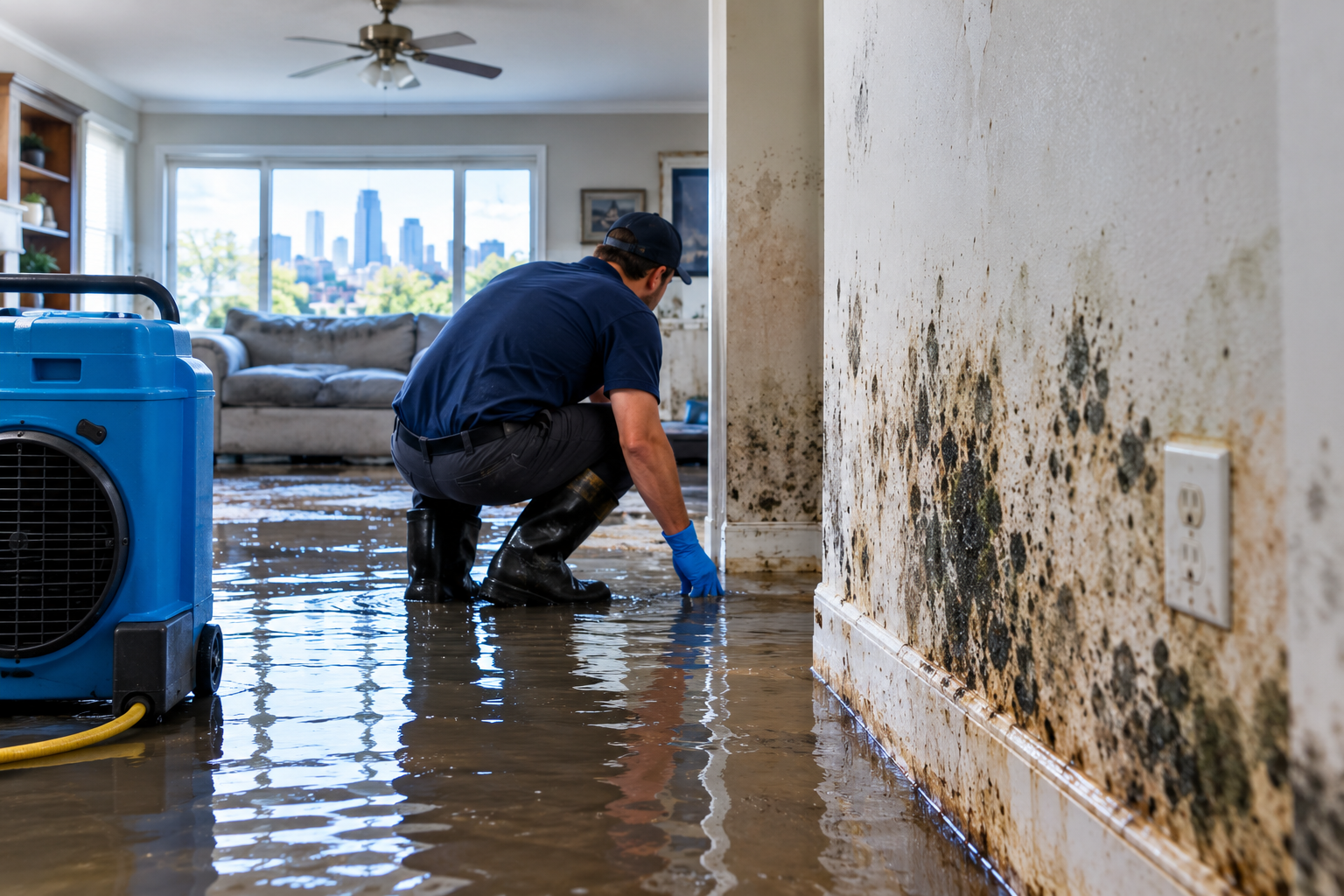
You must remove any standing water in your home immediately, or else the moisture will be absorbed into the flooring and walls.
Water Extraction Helps Avoid Structural Damage
As long as water has penetrated inside the property, it has penetrated into the structures very far immediately after wet carpets and sheetrock & wood framing absorb water. Water Damage Repair Denver uses strong pumps to remove water faster than anyone else can using household equipment.
Drying should begin immediately
Even with the removal of standing water, moisture may still be trapped in the walls, floors, and insulation. To remove moisture that is not visible, you will need to use industrial drying machines such as air movers and dehumidifiers.
The drying process is critical to prevent mold and structural damage from occurring.
Step 4: Protect your furniture and Personal Belongings
Water damage can also ruin any furniture, electronics, or valuables by leaving them exposed to dampness.
Move to Dry Areas
If possible, you can try moving your furniture, electronics, or other important belongings into dry areas of your home. Another way to prevent damage is to lift your furniture off the damp flooring. This helps you protect valuable items while the restoration experts are working on repairing the damage to the structure.
Separate Wet from Dry Materials
All wet items should be separated from all dry items to prevent the wetness from spreading. It can also help the restoration team determine what can be salvaged. If you act quickly on this step, you may save personal items that have value.
Step 5: Look for Hidden Water Damage
Hidden damage may often occur beyond what you see from the visible leak.
Moisture Behind The Walls and The Floors
Moisture can run through building materials due to capillary action. This means that moisture may appear in areas away from the source of the water. Professional equipment will find moisture behind any wall or floor according to how long it has been since the leak occurred. Hidden water pockets can remain undetected for extended periods of time.
Moisture Detection
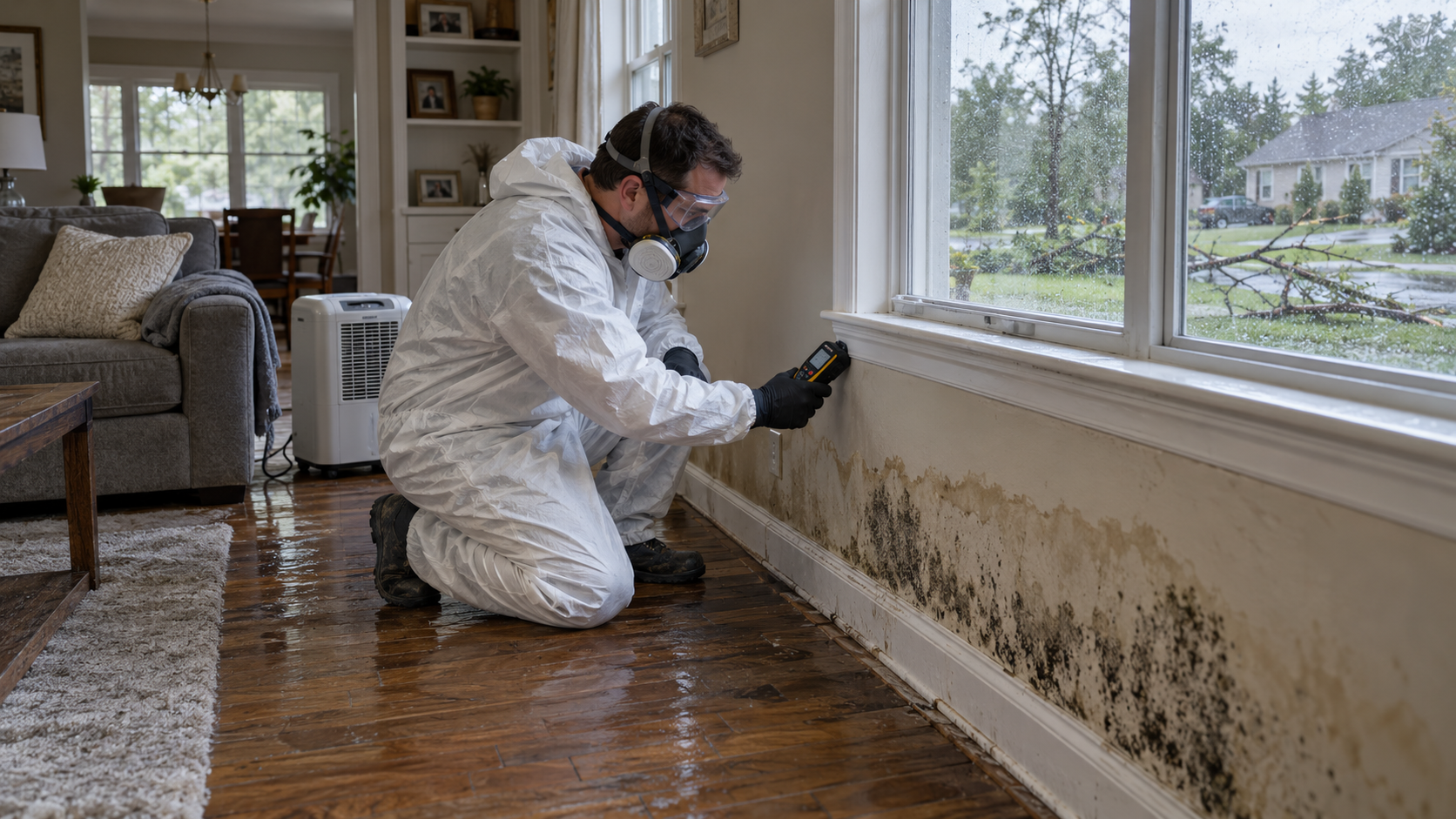
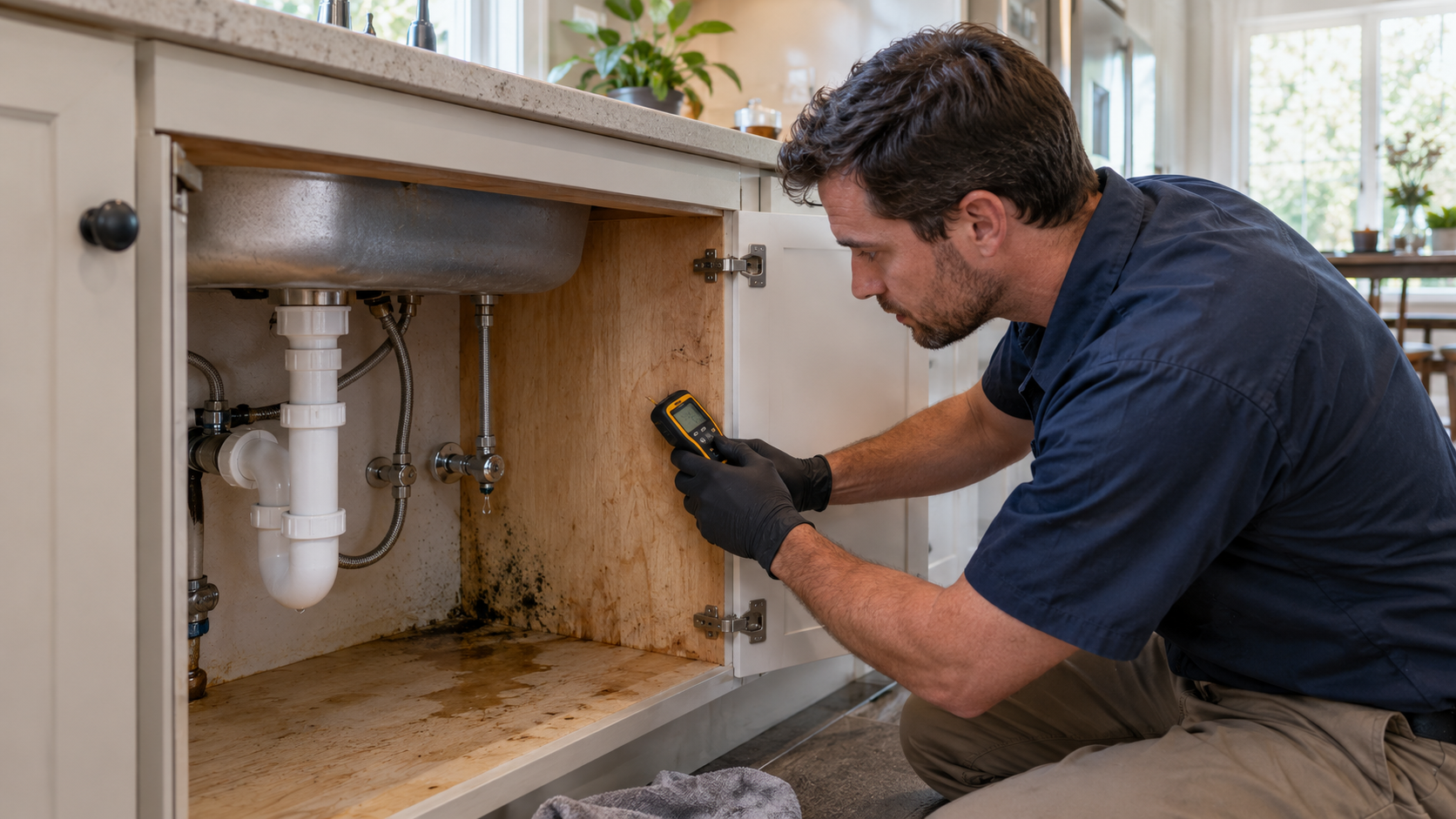
Experts in restoration utilize thermal imaging and moisture meters for locating concealed water. Moisture detection technologies ensure the complete removal of all moisture before further deterioration of the structure. Homeowners who research water damage restoration nearby will most likely contact an expert to facilitate the detection of hidden damage within the least amount of time.
Mold Growth Prevention
One of the most significant consequences of water damage is mold.
24–48 Hour Mold Growth
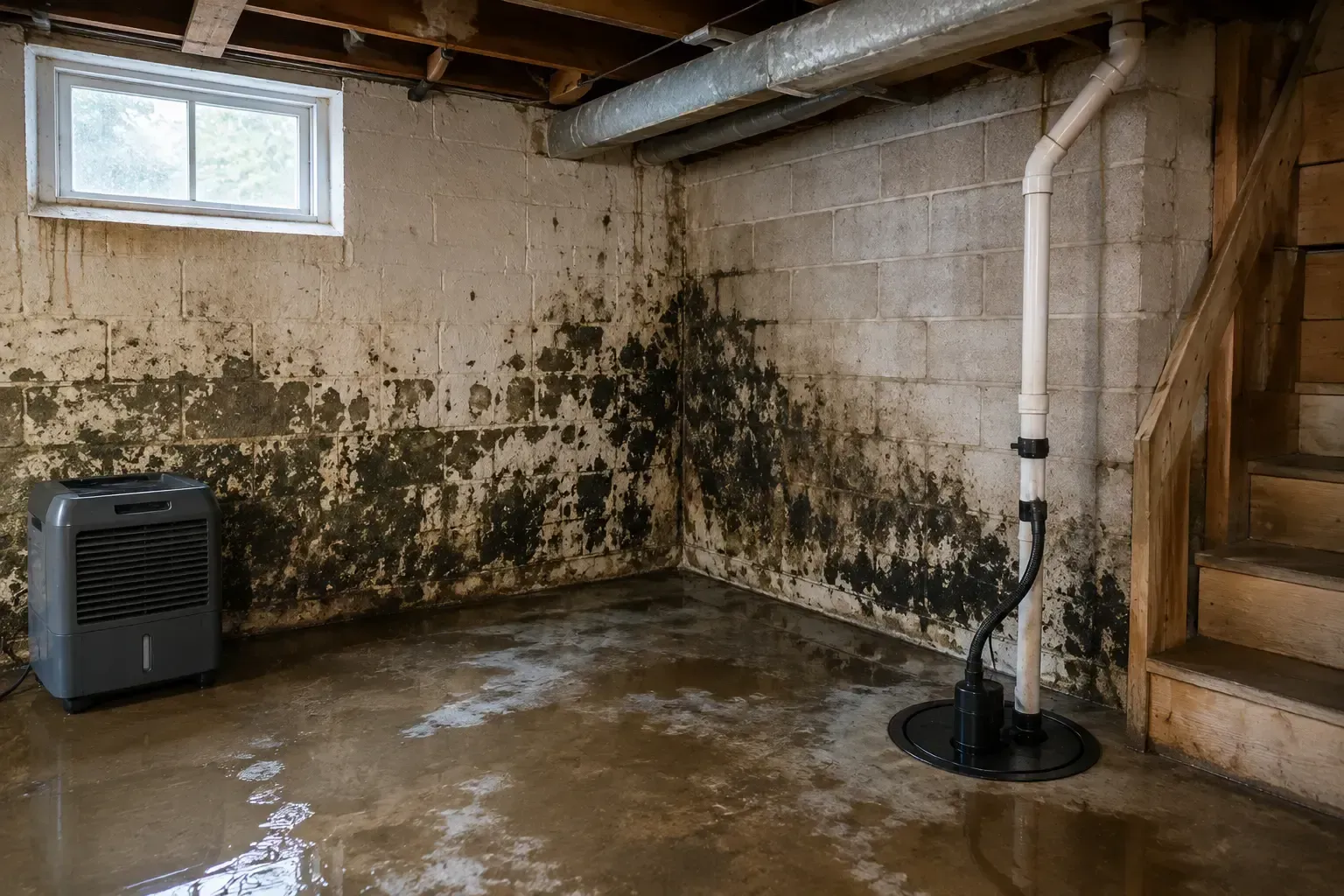
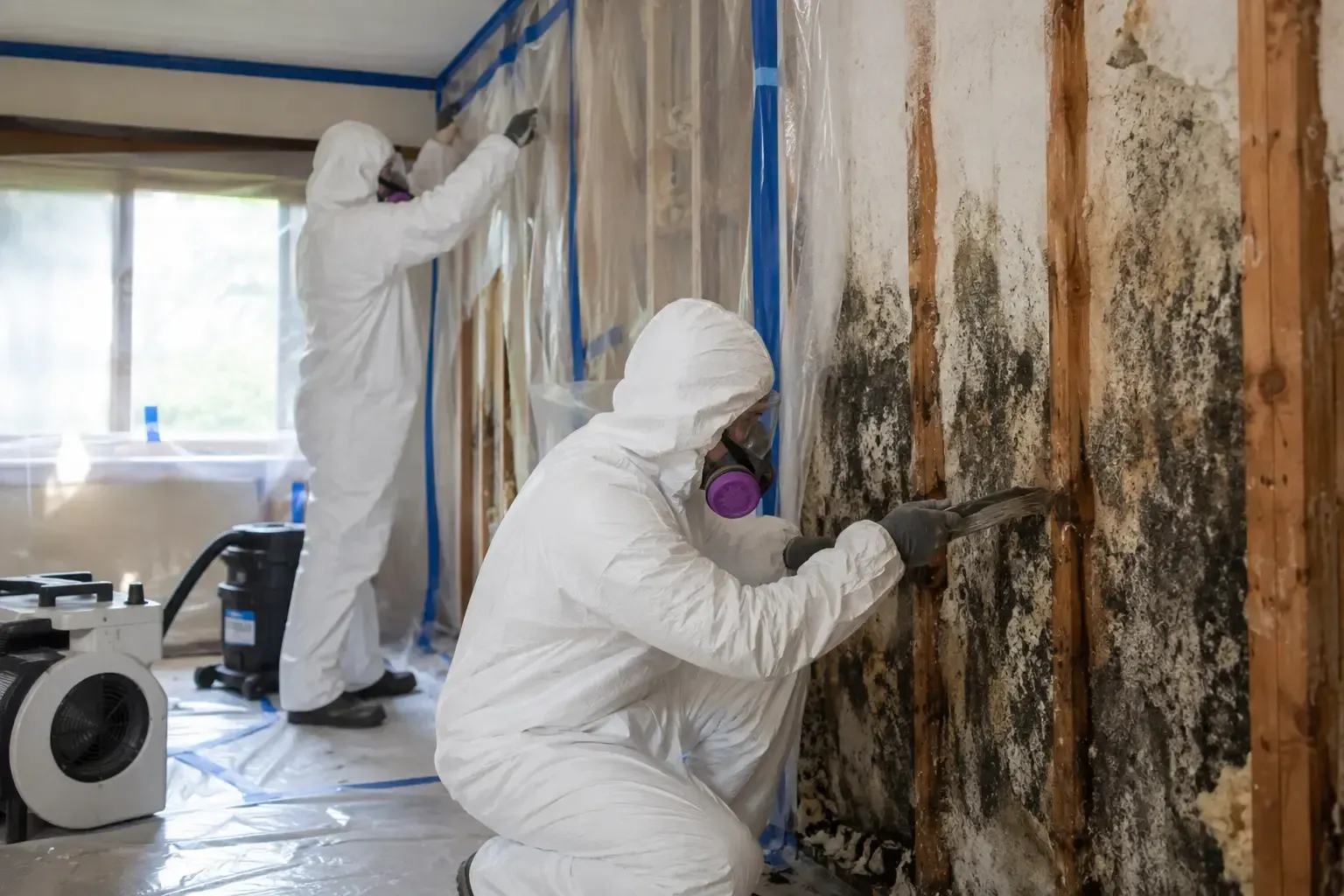
In as little as one to two days, excess moisture that is retained in the building materials can produce mold growth. Mold growth is detrimental to materials and will decrease indoor air quality. The best prevention against mold contamination is to dry and remove all moisture at the earliest possible time.
Professional Antimicrobial Treatment
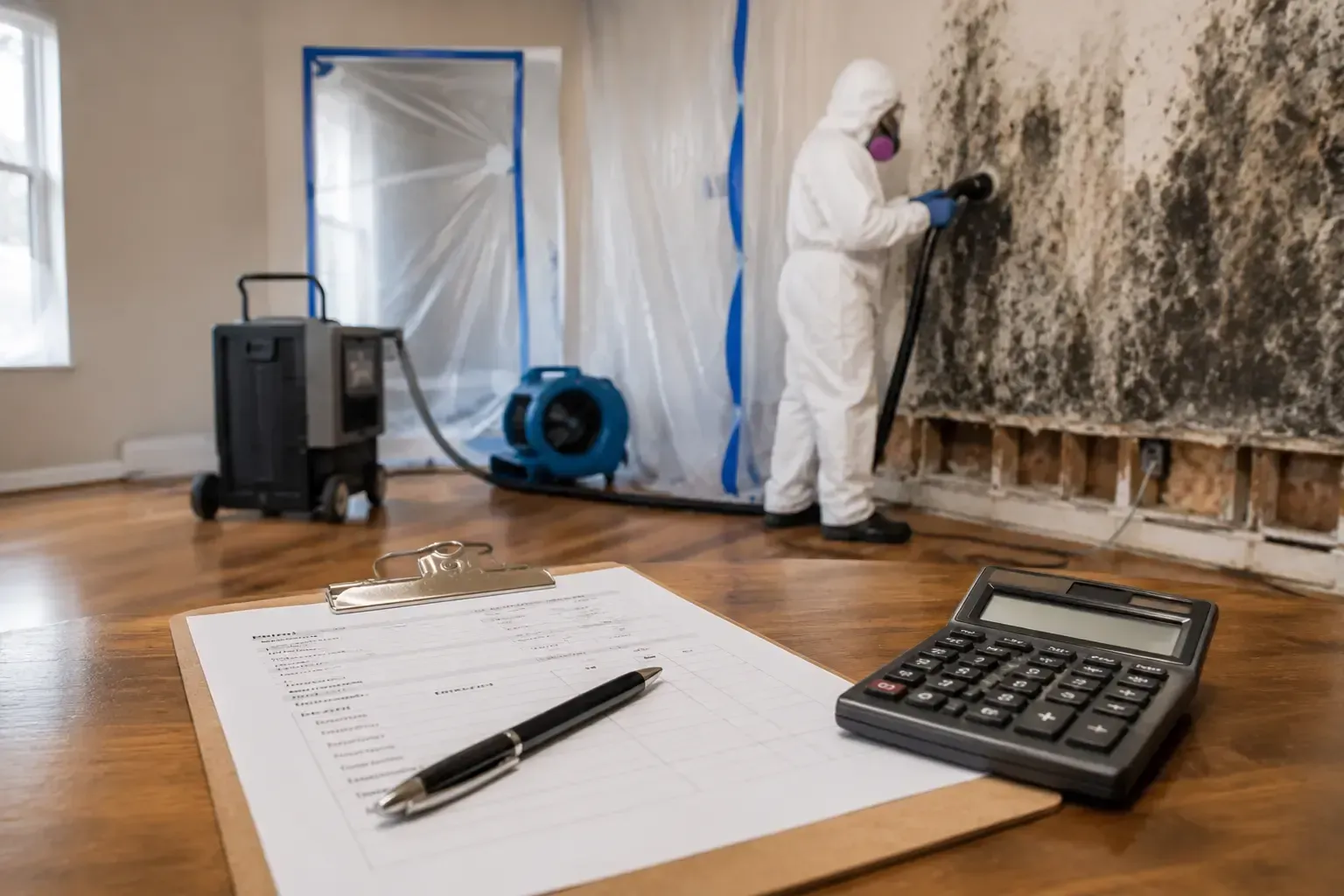
Often, after restoration professionals remove moisture from an area, the restoration team will apply an antimicrobial treatment to the area to prevent the future growth of mold. The antimicrobial agent will eliminate remaining bacteria and fungus spores that may remain from water exposure, and is an essential step in delivering quality Water Damage Repair Denver services.
Water Damage in Homes in Denver: What are Common Causes?
There are multiple causes of water damage in homes located in Denver.
Winter Burst Pipes
With the cold winter months here in Denver, it is quite common for frozen pipes to burst. When the frozen pipes thaw out, the buildup of pressure can lead to significant flooding inside your home. You can help prevent broken pipes by having regular plumbing maintenance performed at your property.
Appliance Malfunction
When appliances such as a water heater, dishwasher, washing machine, or refrigerator break, they often leak. Some may leak slowly due to worn hoses or valves and will go undetected over time, causing hidden damage to your home.
To help prevent problems like these, you should have your appliances inspected regularly.
The Storm & Roof Damage
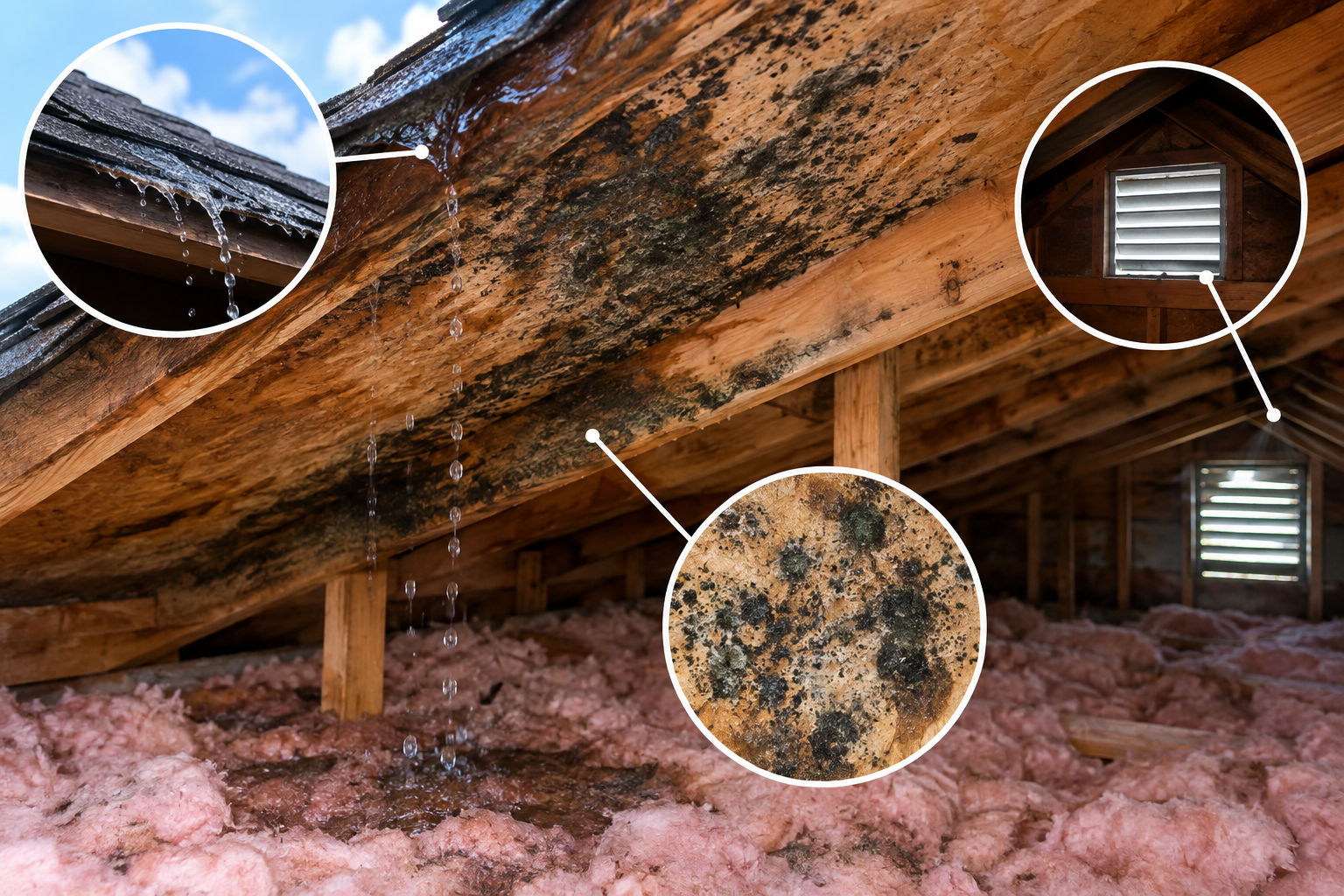
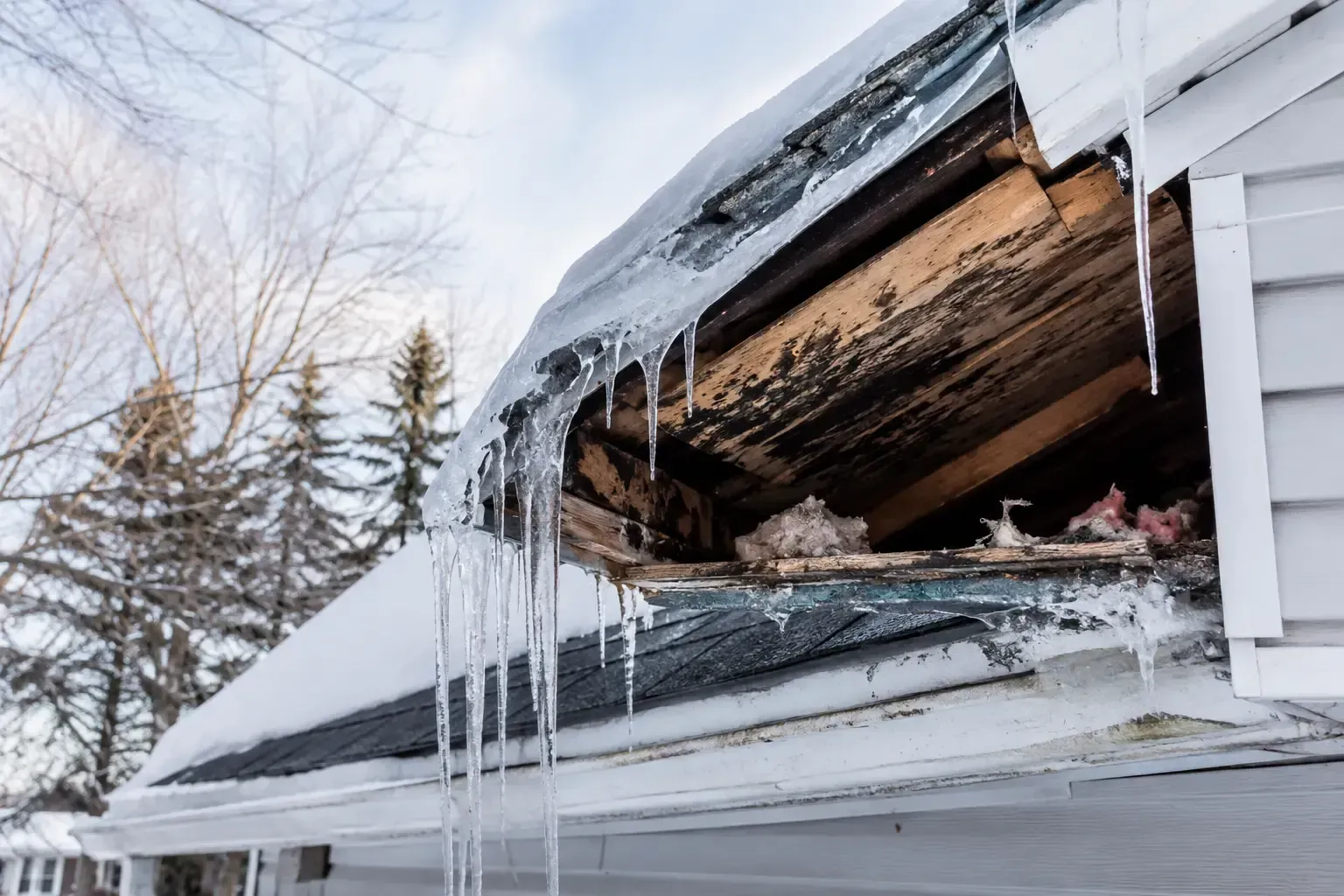
Heavy snowfall and seasonal storms can cause damage to your roofing materials. When a roof system fails, water can leak into the roof space and into the ceiling cavity. Even before this happens, you should have professional restoration services for your property to avoid extensive structural damage.
Why You Need Professional Restoration
The cleanup of water damage and flooding requires more than just removing the visible water.
- Special Equipment and Expertise
Restoration teams utilize specialized equipment for commercial applications designed to extract water quickly and dry the structural elements of your home.
These tools can remove moisture at a much faster rate than household fans or vacuums can.
- Prevent Long-term Damage
If a water damage incident is not addressed immediately, the moisture trapped inside building materials can create mold growth, weaken structural integrity, and result in costly repairs.
The use of a professional will ensure that the entire structure is properly dried and restored.
Commonly Asked Questions About Water Damage
How Soon Should I Address Water Damage?
Water damage must be addressed as soon as possible because addressing the water and starting the drying process as soon as possible means less chance of mold and structural damage.
Can Water Damage Lead to Mold Growth?
Yes! When water is retained in building materials, mold can start to grow within 24–48 hours.
What Are The Signs of Hidden Water Damage?
Signs of hidden water damage include musty smells/odors, peeled paint, warped flooring, and water stains on ceilings/walls.
Can A Homeowner Perform Their Own Water Damage Cleanup?
Generally speaking, small spills can be cleaned up by the homeowner. However, larger water damage events typically need to be cleaned up with professional equipment to get rid of any hidden moisture.
How Long Until The Restoration Process Is Finished?
The answer to this is highly variable because water damage restoration will depend on the extent of the water damage. The drying process, in general, usually takes several days before repair efforts can begin.
Conclusion: Rely on Professionals for Quick Restoration
The sooner you take informed and quick actions, the better chance you have of preventing structural damage, mold growth, and high repair costs. The first 24 hours after a water damage event occur are crucial in preventing mold growth and structural damage to your property caused by the water.
Mold Warrior provides water damage emergency restoration services through very experienced restoration specialists. Mold Warrior specializes in water damage restoration in Denver and has the experience to restore your damaged property due to a water leak, flood, or unintended/accidental water intrusion.
If you are searching for a company that specializes in
Water Damage Restoration Near Me, you can count on Mold Warrior to respond quickly and provide you with trusted expertise when you need it the most.