Black Mold vs Regular Mold: What Homeowners Need to Know
You found dark spots on your bathroom ceiling, behind a washing machine, or in an attic corner. The internet immediately jumps to "black mold" — but is it really toxic, or just discolored regular mold? This guide breaks down black mold vs regular mold for homeowners — what EPA actually recommends, why color is not diagnostic, and the practical question that determines what to do next.
Key Takeaways
- Color is NOT diagnostic. Many "black" molds are non-toxic Cladosporium or Aspergillus, while some toxic molds (Stachybotrys chartarum) appear greenish-black or olive.
- EPA does not recommend species testing for typical homeowners. Remediation approach is the same regardless of species: contain, remove, fix moisture source.
- Moisture (not mold species) is the real diagnostic. Any visible mold over 10 sqft means moisture problem - fixing the source matters more than identifying the strain.
What "Black Mold" Actually Means
In common usage, "black mold" usually refers to Stachybotrys chartarum - a specific toxic species. In reality, dozens of mold species can appear black or dark depending on the surface and moisture level. Without lab testing, you cannot identify mold species from color alone.
Per Harvard Health, Stachybotrys is just one of many mold species. Common dark-appearing molds in homes include Cladosporium (extremely common, mostly harmless), Aspergillus niger (some health risk for immunocompromised), and Alternaria (allergenic but not toxic).
Visual Differences (Limited Usefulness)
Stachybotrys chartarum (Toxic Black Mold)
Slimy or wet appearance. Greenish-black or olive color. Strong musty earthy odor. Grows on cellulose materials (drywall, paper, wood) with sustained moisture (10+ days wet). Less common than people think.
Cladosporium (Most Common "Black" Mold)
Powdery or velvety texture. Olive-green to brown. Grows on almost any surface including bathroom tile, refrigerator seals, fabric. Mild allergen, not toxic. By far the most common dark mold in homes.
Aspergillus niger (Black Aspergillus)
Powdery black or charcoal-gray. Often grows on damp walls, insulation, leaky window sills. Allergenic; some species produce mycotoxins. More common in humid climates.
Mildew (Surface-Only Growth)
Per SERVPRO guide, mildew appears flat, powdery, white or gray. Stays on surfaces (does not penetrate). Much easier to clean than mold - typically responds to bleach or vinegar.
What EPA Actually Recommends
Per EPA mold guidance, species testing is generally NOT necessary. EPA position: "If visible mold is present, it should be removed regardless of species." The cleanup procedure is the same for all molds.
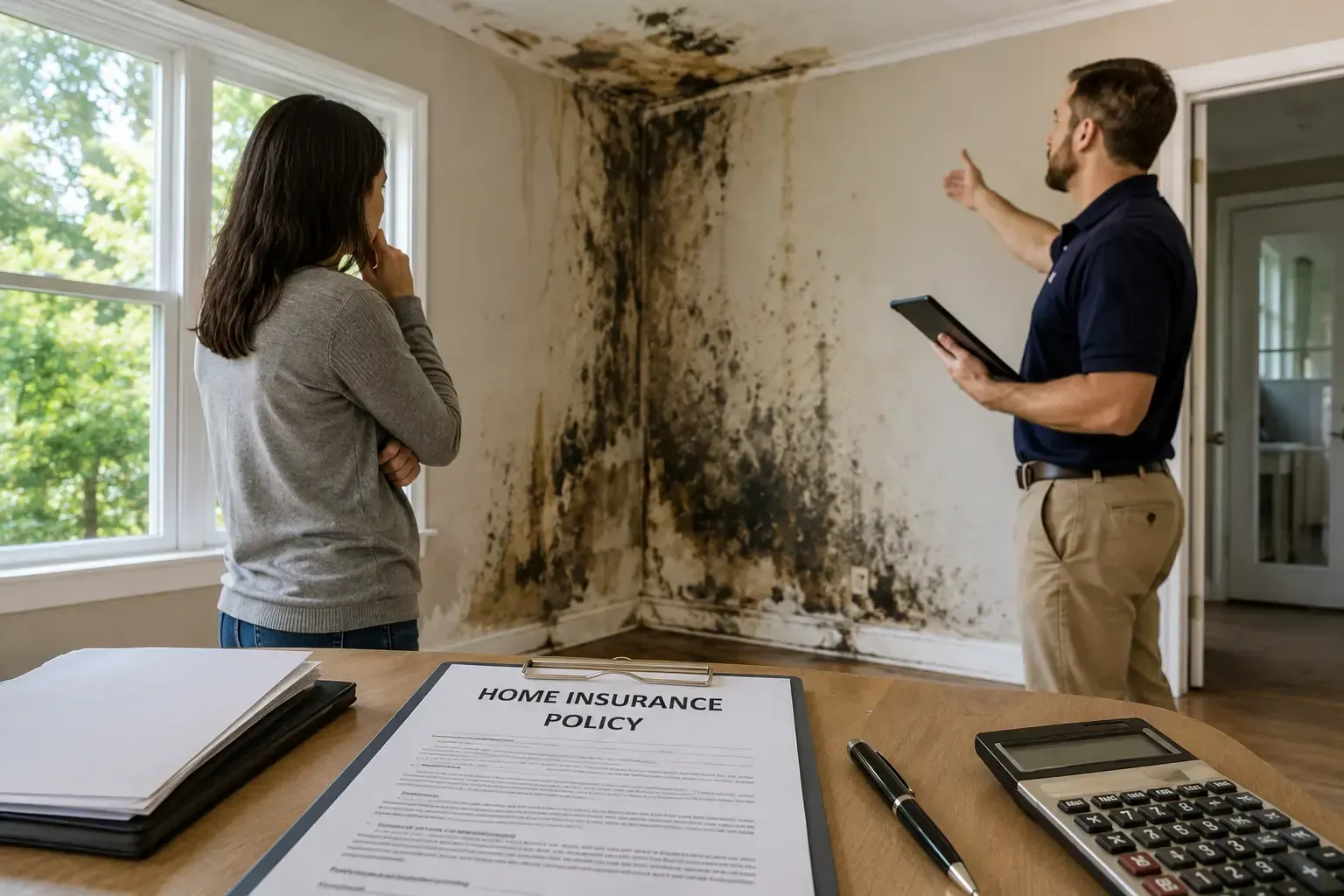
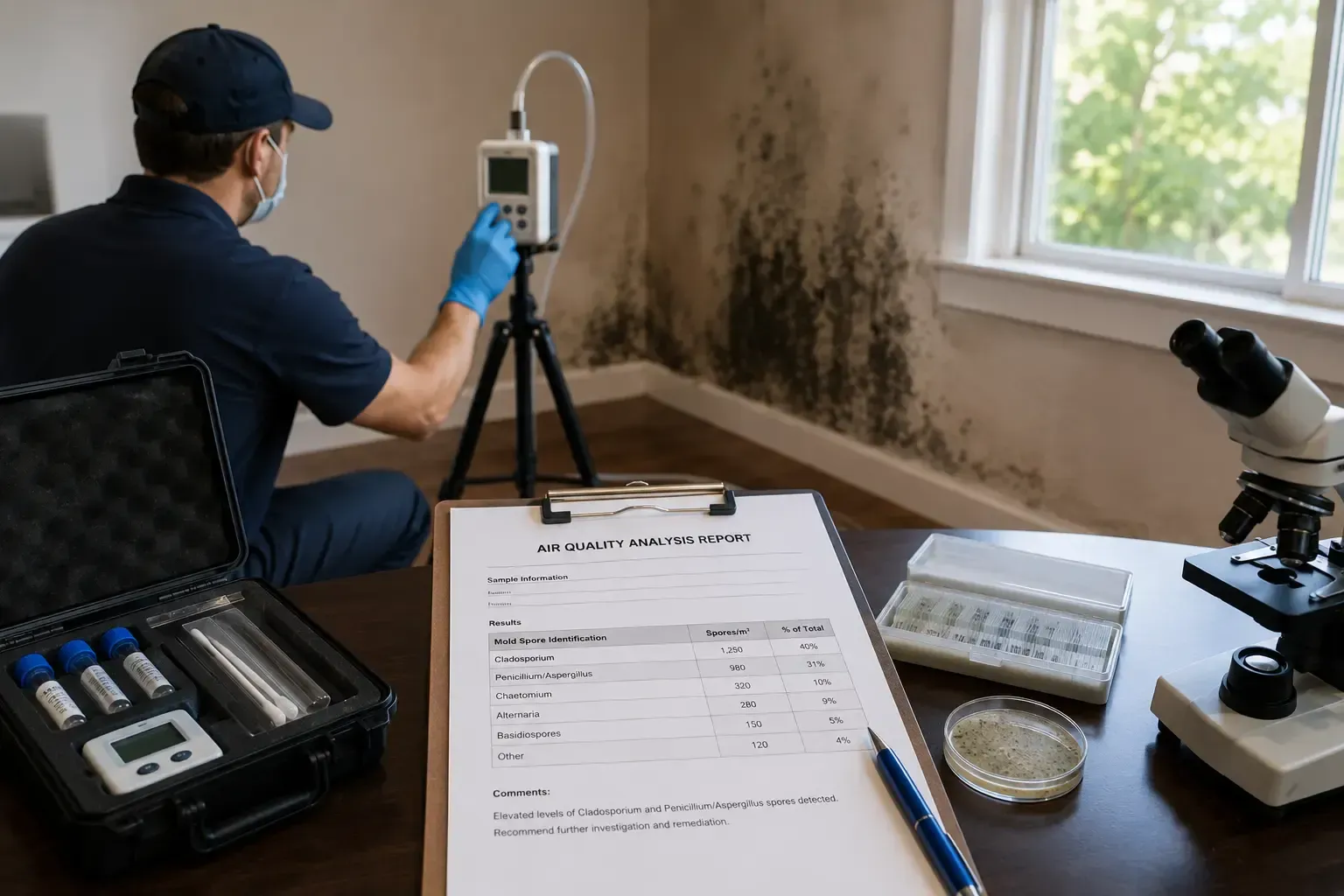
When testing makes sense: insurance disputes requiring documentation, real-estate transactions, severe health symptoms with unclear cause, post-remediation clearance verification. Otherwise, focus money on remediation, not testing.
Health Effects: What Actually Matters
For Most People
Per CDC mold information, any indoor mold exposure can cause congestion, sneezing, eye/skin irritation, asthma flares. Effects are similar across species at typical household exposure levels.
For At-Risk Groups
People with asthma, allergies, weakened immune systems (chemo, organ transplant, HIV), or chronic lung disease face higher risk from any mold. Black mold mycotoxins may worsen symptoms but are not uniquely dangerous for healthy adults.
The Mycotoxin Reality
Stachybotrys produces mycotoxins, but the dose required to cause acute toxicity is much higher than typical home exposure. Most "toxic black mold" health claims describe chronic allergic-style symptoms, not acute mycotoxin poisoning.
The Real Diagnostic: Moisture
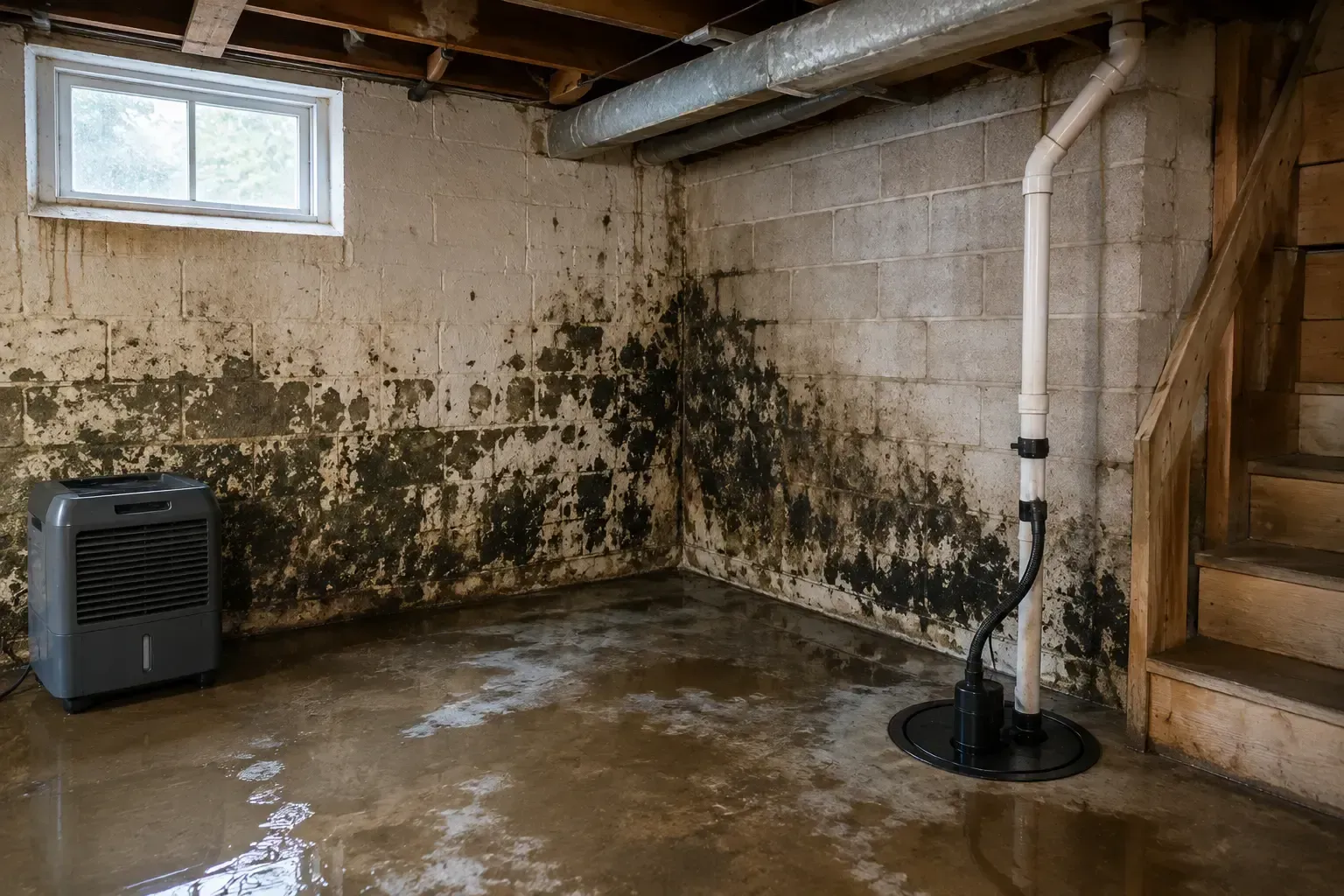
Whether your mold is Cladosporium or Stachybotrys matters less than answering: where is the moisture coming from? Mold of any species cannot grow without sustained moisture above 60% humidity. Fix the moisture source and all mold dies.
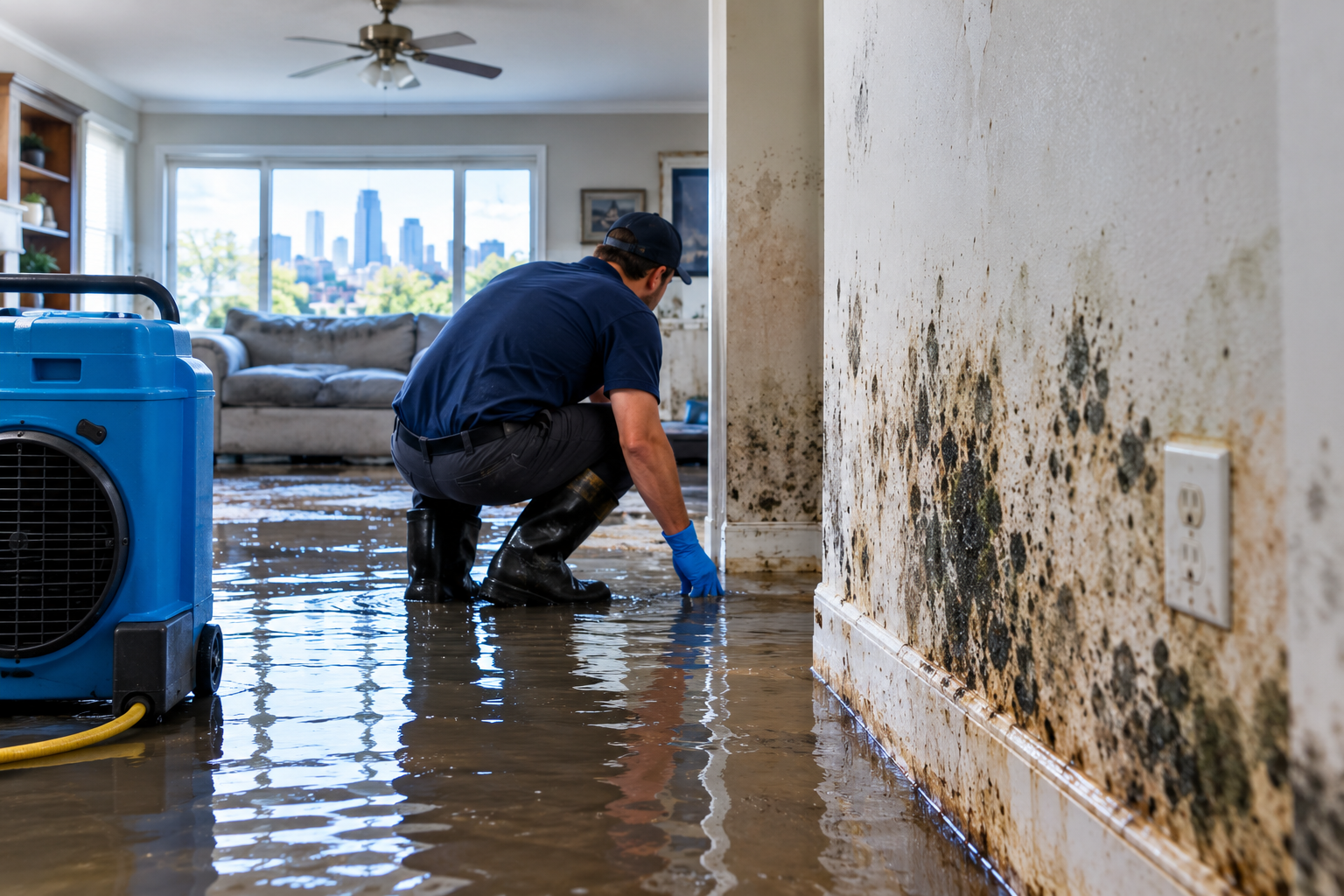
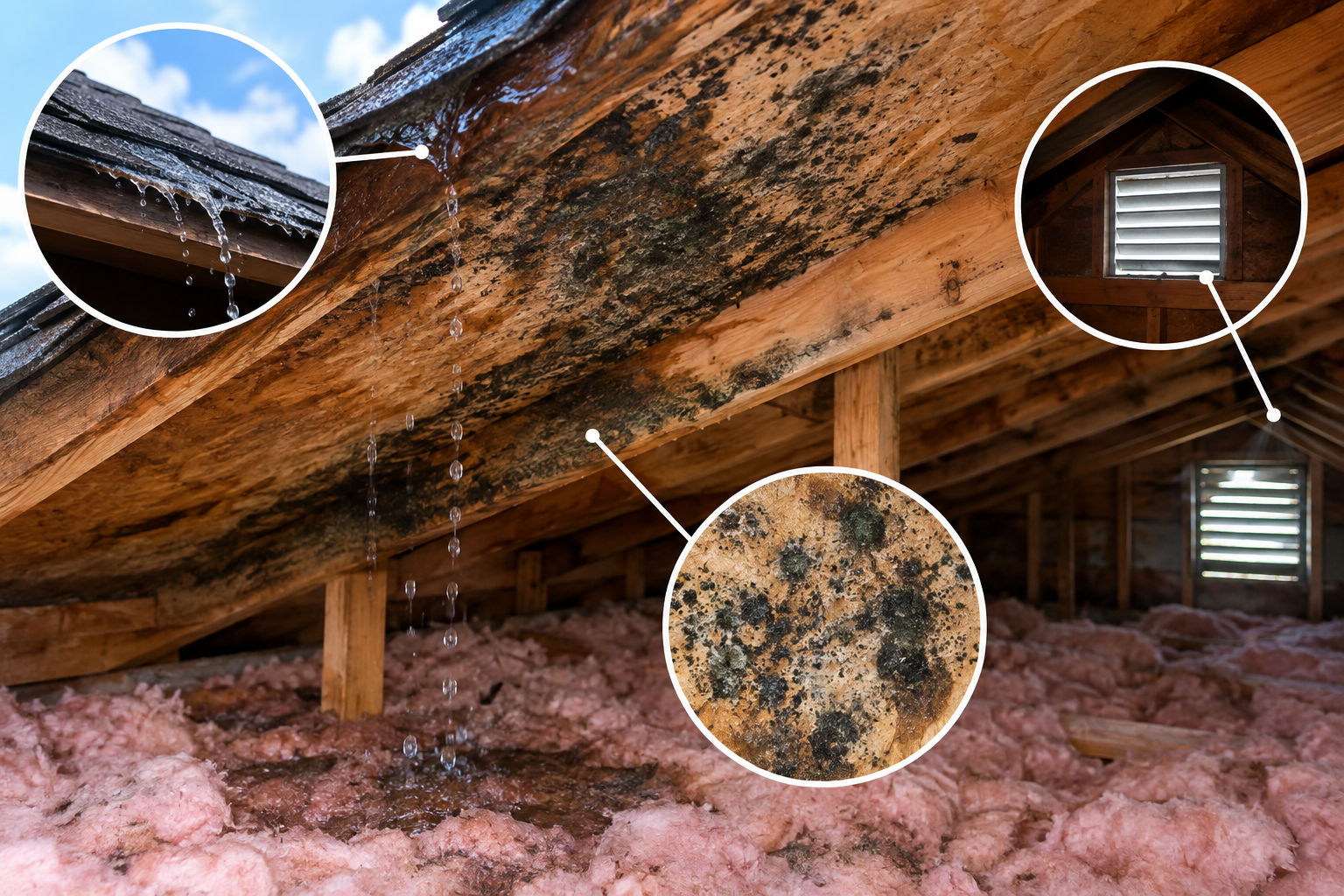
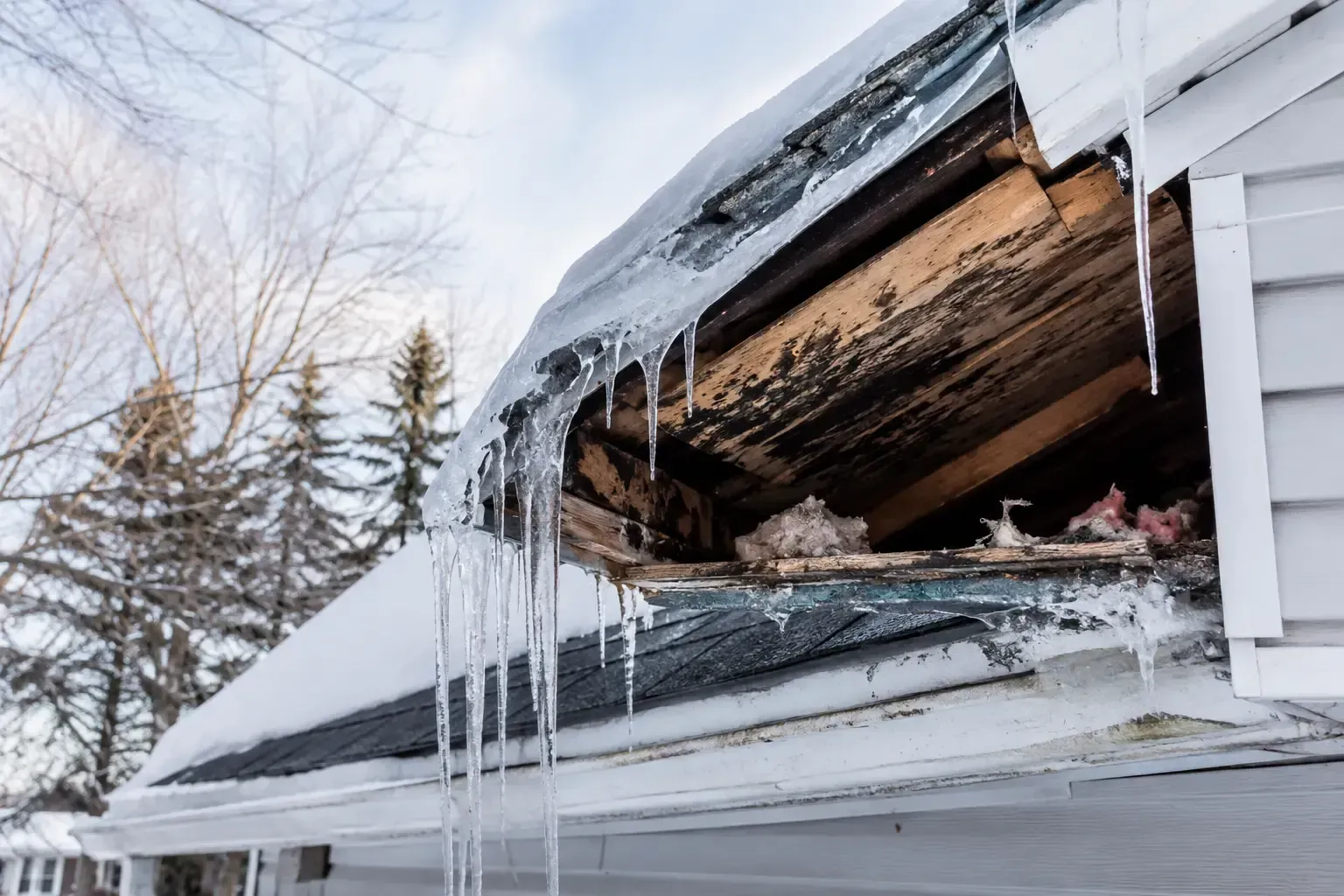
Common moisture sources: roof leaks, plumbing leaks, AC condensate failures, basement seepage, attic ventilation issues, crawlspace humidity, shower drainage. Each requires different repair approach.
What to Do When You Find Mold
Under 10 sq ft + Hard Surface (DIY OK)
Bathroom tile, refrigerator seal, single small wall patch: clean with EPA-registered antimicrobial or 1:10 bleach solution. Wear N95 mask + gloves. Address moisture source.
Over 10 sq ft OR On Porous Material (Professional)
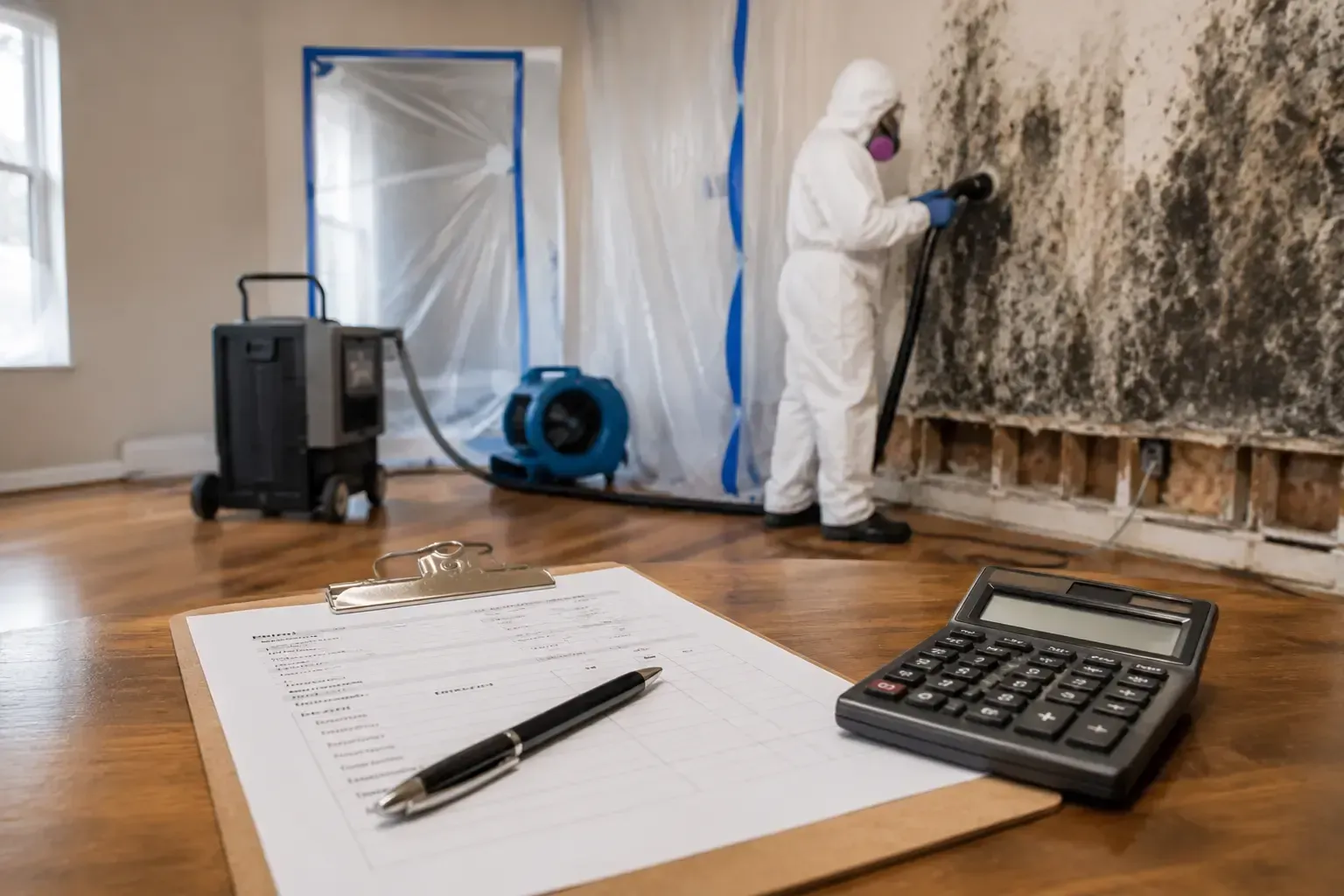
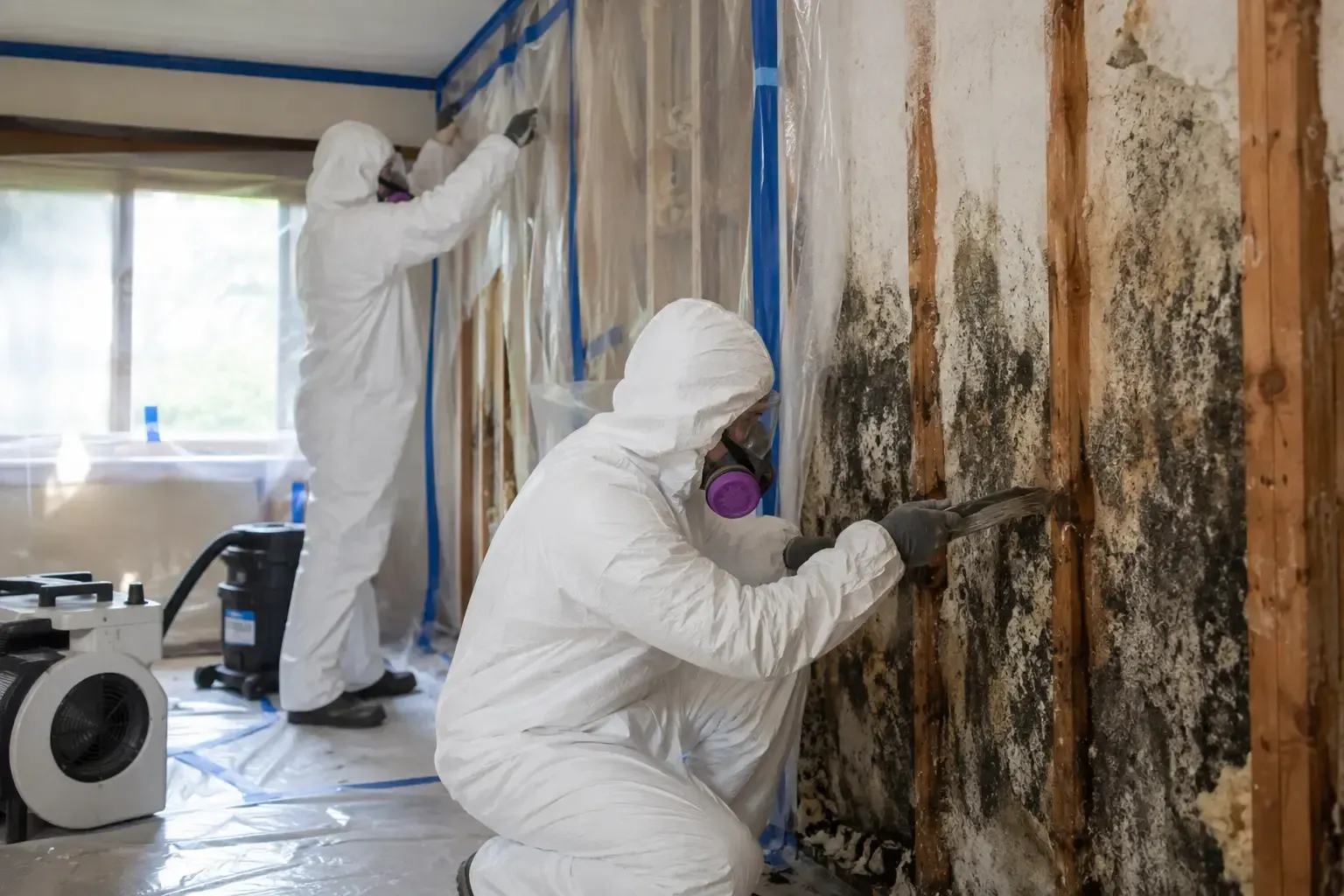
Per EPA and IICRC S520 standards, contiguous mold over 10 sqft, mold on drywall/insulation/carpet, or mold in HVAC ductwork requires licensed remediator. Cost: $1,500-$8,000 for typical jobs.
Hidden Mold (Suspect But Cannot See)
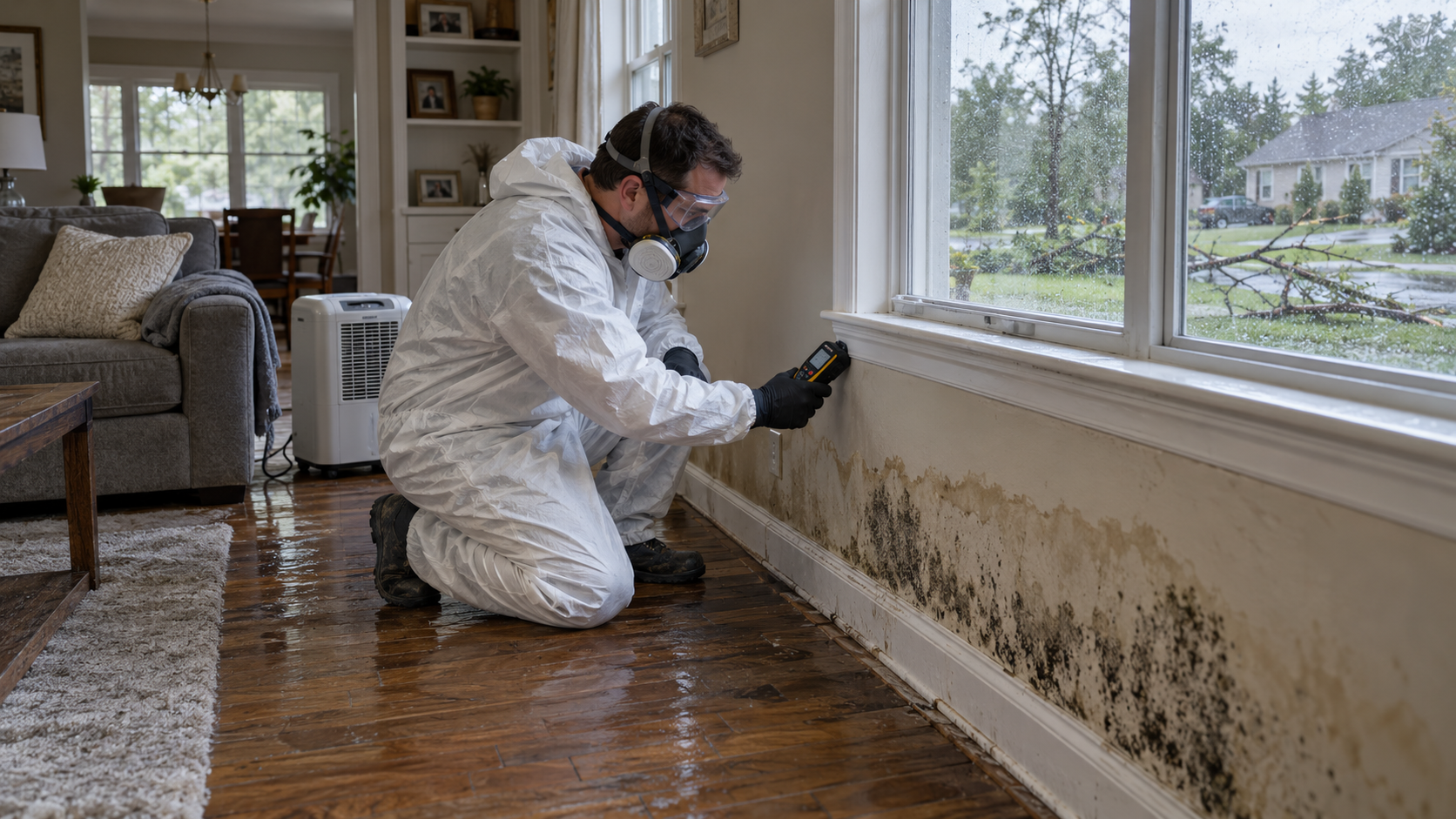
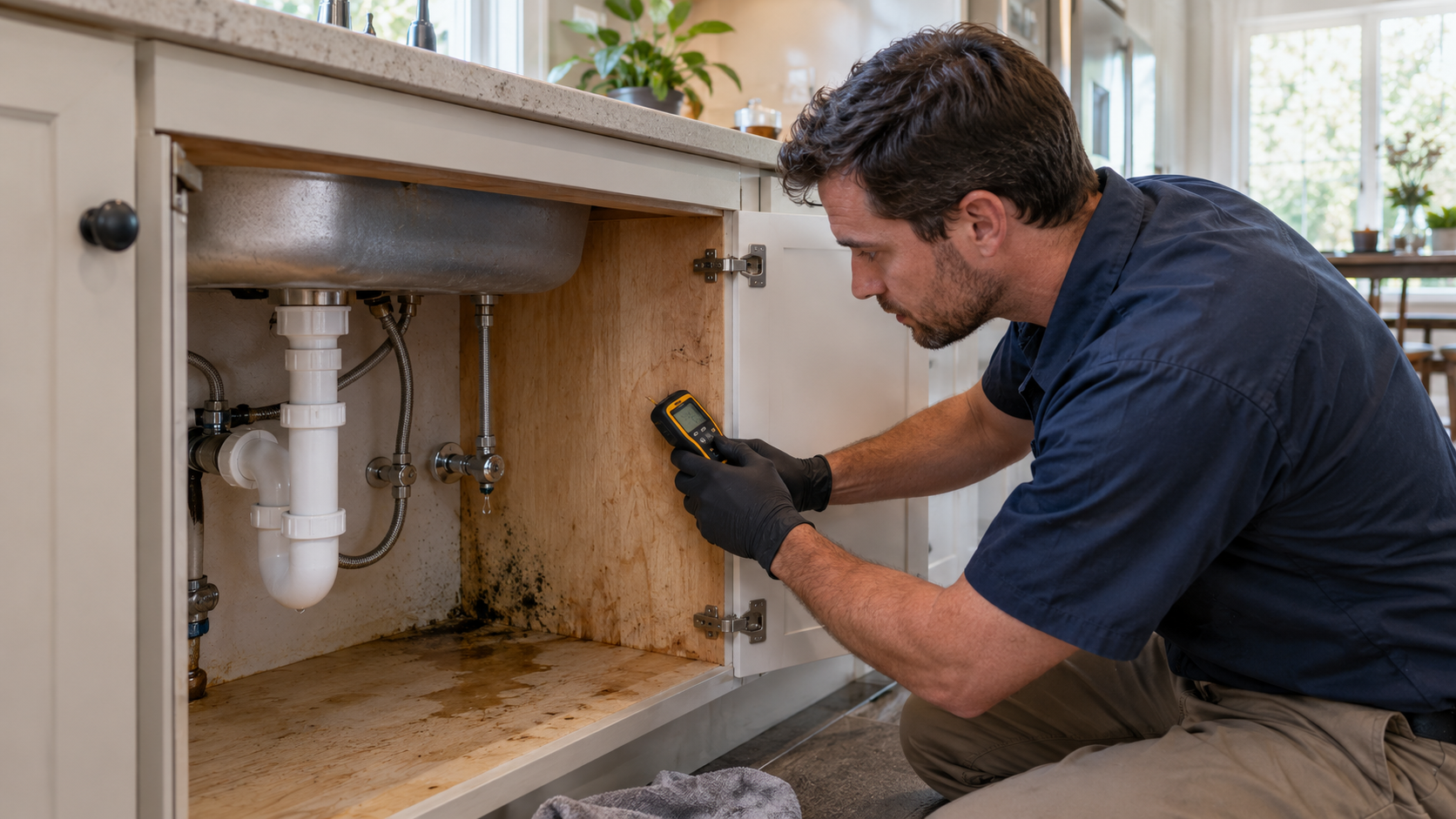
Persistent musty smell, unexplained allergy symptoms, or evidence of past water damage: schedule a professional inspection ($300-$600). Includes visual inspection, moisture meter readings, thermal imaging, and air sampling.
Frequently Asked Questions
How do I know if I have black mold or regular mold?
You generally cannot tell visually. Lab testing ($300-$500) identifies species. But it usually does not matter for remediation - the cleanup approach is the same regardless of species per EPA guidance.
Is all mold toxic or just black mold?
No mold is universally toxic for healthy adults at typical home exposure levels. Some molds produce mycotoxins; some do not. All indoor mold causes allergy-style symptoms in sensitive people. CDC recommends removing all visible mold regardless of species.
What if you accidentally touch black mold?
Wash your hands thoroughly with soap and water. Change clothes if heavily contaminated. Brief skin contact rarely causes harm. Avoid inhaling spores - the bigger risk is airborne exposure during removal, which is why professional containment matters for larger jobs.
Can black mold cause Parkinson disease?
No definitive evidence links mold to Parkinson disease. Some studies suggest correlations between long-term mold exposure and neurological symptoms, but causation has not been established. Active research continues.
Found Mold? Skip the Testing Anxiety. Get Remediation.
EPA position is clear: identify the moisture source, remove the mold, fix the source. Species testing is rarely necessary. Mold Warrior serves multiple metro areas (Atlanta, Columbus, Denver, Kansas City, Raleigh) with IICRC-certified inspection + remediation that handles all mold species the same way. Visit our mold remediation service page to schedule a free inspection.